
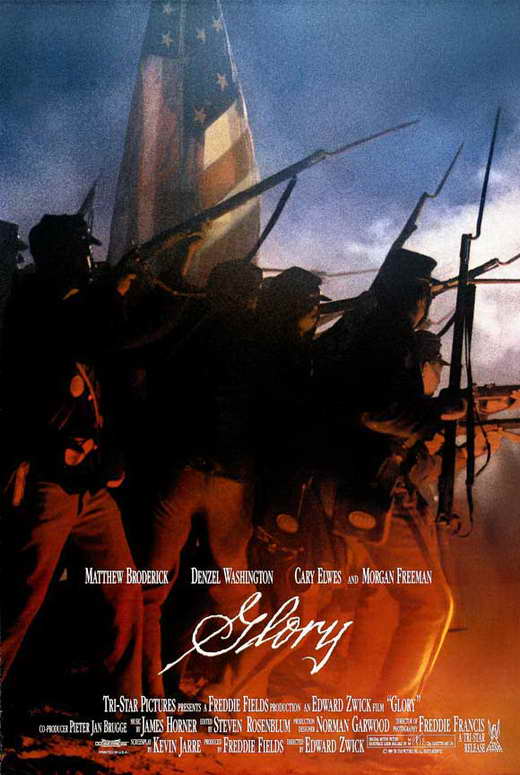
Glory (1989)

Shaw was an officer in the Federal Army during the American Civil War who volunteered to lead the first company of black soldiers. Shaw was forced to deal with the prejudices of both the enemy (who had orders to kill commanding officers of blacks), and of his own fellow officers.
Their innocence. Their heritage. Their lives. Nothing would be spared in the fight for their freedom.
Jupiter Sharts: [praying aloud] Tomorrow we goes into battle, so Lordy, let me fight with the rifle in one hand, and the Good Book in the other. So that if I may die at the muzzle of the rifle... die on water, or on land, I may know that you blessed Jesus almighty are with me... and I have no fear.
Colonel Robert G. Shaw: [writing to his mother, telling her that he's seen his first negroes amongst those fleeing the south] We fight for men and women whose poetry is not yet written but which will presently be as enviable and as renowned as any.
Savannah, Georgia, USA
Jekyll Island, Georgia, USA
Old Sturbridge Village - 1 Old Sturbridge Village Road, Sturbridge, Massachusetts, USA
Appleton Farm - Waldingfield Road, Ipswich, Massachusetts, USA
McDonough, Georgia, USA

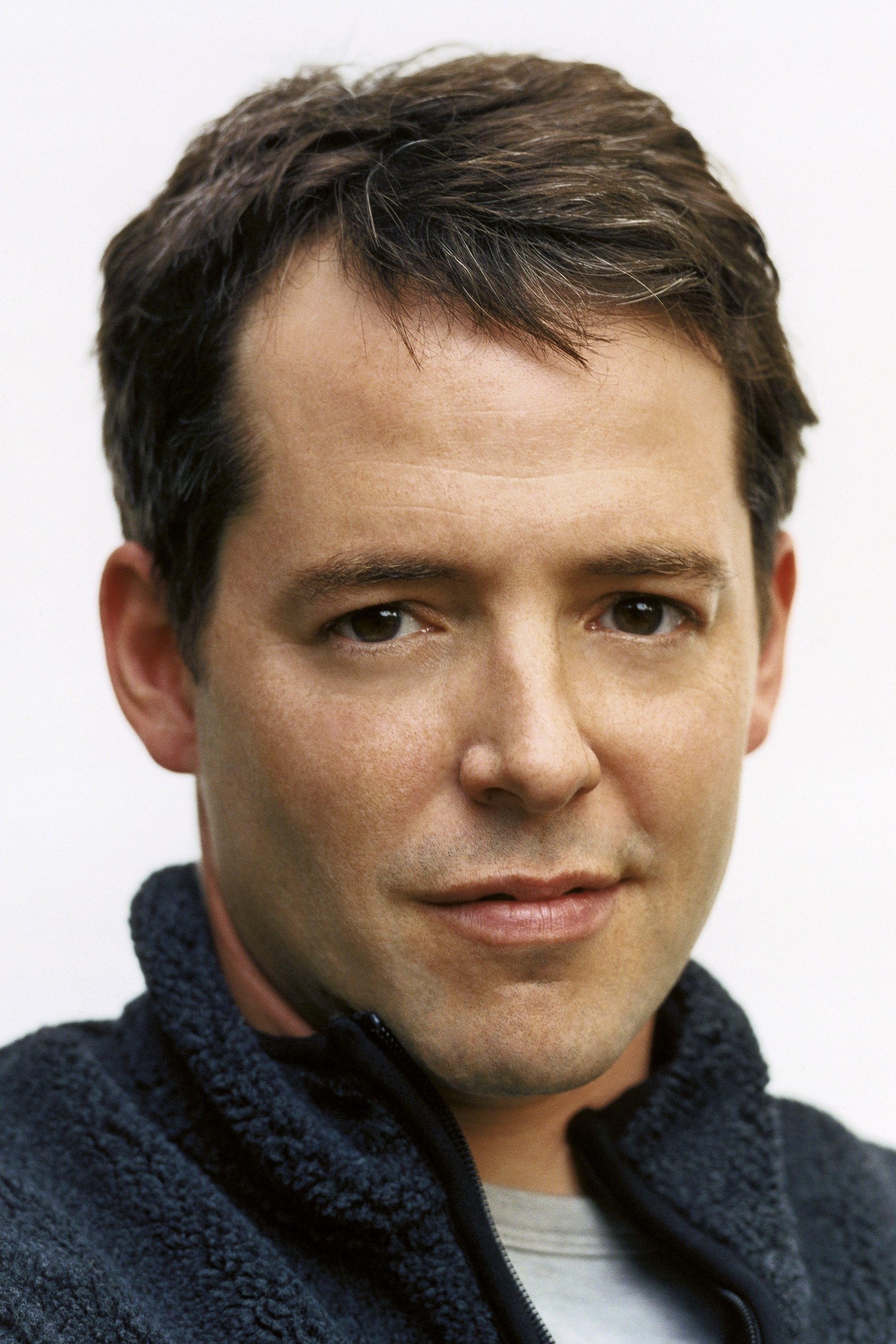
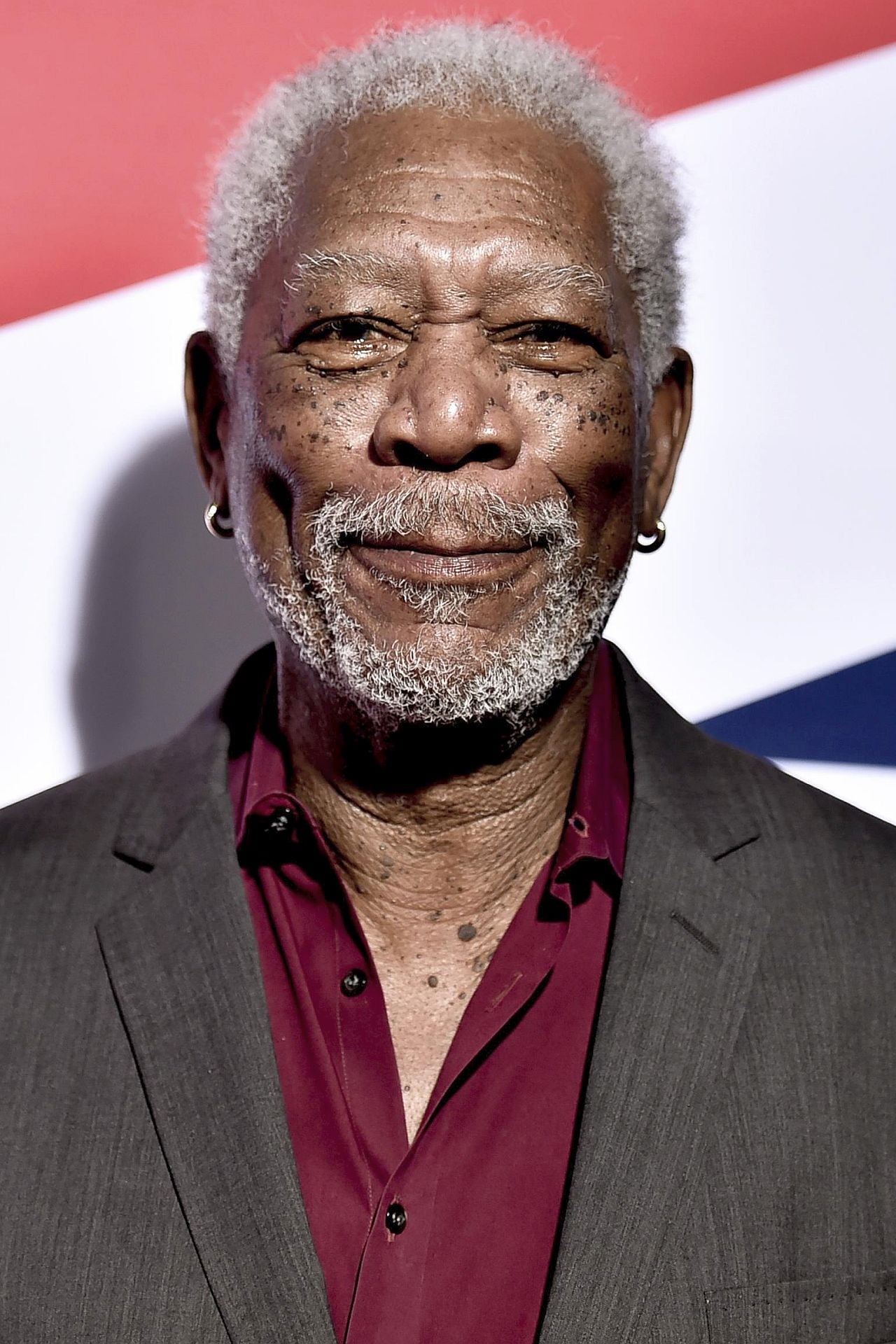
The Civil War reenactors who took part in the film did so voluntarily and without pay.
Morgan Freeman used his experience in the Air Force to inform how relationships would be formed in the unit. Freeman claimed that no one becomes fast friends during training, but partnerships are made according to strengths.
Edward Zwick claimed that, for the flogging scene, Denzel Washington was lashed at full contact with a special whip that would not cut his back, but still stung. For the final take of the scene, Zwick hesitated to call "Cut!" to signal the flogging to stop, and the result was Washington's spontaneous tear down his cheek.
Matthew Broderick claimed that the battle scenes didn't require much acting because he was genuinely afraid of the extremely loud explosions on-set.
The relief sculpture in the credits is the Robert Gould Shaw and 54th Regiment Memorial in Boston Common, by Augustus Saint-Gaudens. It's located on the Common, on the left side of the steps leading up to the Beacon Street entrance of the gold domed Massachusetts State Capitol.
Continuity
During the battle at James Island, within a second, and without orders to attach them, all of the 54th Regiment have their bayonets mounted for the charge.
During the first battle, somehow bayonets are fixed before they charge. When they first form the line in that scene, bayonets are obviously not fixed. There is never an order given to fix them.
At James Island, Thomas's bayonet sticks out of the Confederate soldier's chest, with Thomas right behind him. In the next shot of the soldier's back, there is no wound, bayonet, rifle, or Thomas.
When Shaw is wounded at the battle of Antietam, he crawls up against a dead soldier. When Rawlins finds him, he is lying next to a completely different man.
When Trip scuffles with the white soldier on the road, and Sgt. Major Rawlins walks up to break it up, his coat is unbuttoned, with his undershirt clearly visible. When the scene cuts to his dialogue, his coat is buttoned all the way up.
Factual errors
In real life, the 54th Massachusetts didn't accept runaway slaves because Governor Andrew wanted it to be an elite unit. Nearly all of the men could read and write. One private was a doctor.
In the scene where Gould is being treated in a Union field hospital after the Battle of Antietam, a soldier who is undergoing amputation is screaming in agony and begging the surgeons to stop cutting. In actuality, soldiers undergoing amputation in the Civil War were routinely rendered unconscious with either chloroform or ether. This was especially true for the Union field hospitals, which were better supplied than the Confederate ones.
In the film, Shaw asks who will carry the colors if they should fall during the assault on Fort Wagner. In real life, General Strong asked the question, and Robert Gould Shaw volunteered.
General Charles Garrison Harker wasn't in South Carolina when the 54th Massachusetts was there. At the time, he was part of the Army of the Cumberland's Tullahoma Campaign in Tennessee.
When the units are lined up on the beach before the assault on the fort, Union artillery fires over the heads of Union infantry just a few yards in front of them. Civil War artillery did not fire over the heads of friendly troops for several reasons, including premature explosion of shells.
Incorrectly regarded as goofs
"The Bonnie Blue Flag" plays when the 54th returns from the Battle of James Island. The melody is "The Irish Jaunting Car," a British song from the Crimean War. Many songs on both sides of the Civil War used the same melody, including "The Bonnie Blue Flag" and "Arms of Abraham," a humorous song lamenting the experiences of a draftee in the Union Army.
The movie claims that "over half" of the regiment was lost during the assault on Fort Wagner. According to official records, the 54th sustained 272 casualties, closer to 40%. Of those casualties, 116 were fatalities, just under 20% of the men to storm the fort. In formal military terms, casualties include captured soldiers. If the 156 captured soldiers are included, it brings the total to over 50%.
Morgan Freeman's character was not too old to be recruited or conscripted into the Union Army in 1863. At the time, enlistment was limited to men between 18 and 45 years of age. Freeman was in his fifties when this film was made, but people aged much faster in the 19th century, especially outdoor laborers like his character.
A children's choir sings "My Country 'Tis of Thee." The lyrics date to 1831, and were popular by 1863.
In the opening scenes when Shaw marches beside his soldiers toward the Antietam battle, the rank insignia on his epaulets change from that of a captain (two bars) to that of a second lieutenant (no insignia within the epaulet borders) because it's a flashback.
Revealing mistakes
Several extracts from Colonel Shaw's letters to his mother, as heard in voiceover narration throughout the film, were actually taken from "Army Life in a Black Regiment," an 1870 book by Thomas Wentworth Higginson, who commanded the 1st South Carolina Regiment during the Civil War.
Shaw's family is shown as residing in Boston. Although that is where they came from, at the time of the Civil War the Shaw family was domiciled on Staten Island, New York to be near an eye specialist treating Shaw's mother.
The men's breath is visible the night before the big attack on Fort Wagner. That's very unlikely for South Carolina in July.
Thomas Searles is shot in the shoulder at point blank range with a musket yet participates in the final battle. With such a wound and the amount of pain he would have had, there is no way he would be able to rejoin his unit and fight.
During the assault on the fort, the bayonets are obviously rubber.
Anachronisms
When the 54th Massachusetts march past the Southern plantation, a group of slave children run out to see them. After being greeted by Undertaker, they wave. One child wears a digital watch on his hand.
At one point Shaw tells Sergeant Major Mulcahy "at ease." During the Civil War, the command would have been "rest" or "in place rest."
After Colonel Shaw is notified of his promotion, he and Major Forbes talk outside, and Forbes drinks champagne from a Dom P?rignon bottle. The champagne was first made in 1921 and released for sale in 1936.
When Rawlins is promoted to Sergeant Major, he is handed the insignia sewn onto blue cloth backing. The stripes of the era were individual stripes, and had to be sewn on one-by-one.
When the 54th first marches past a mansion in Georgia, a square concrete curb is visible on the left side of the road.
Audio/visual unsynchronized
During the singing of the Negro spiritual on the eve of the assault on Fort Wagner, the key and tempo noticeably change when the soundtrack switches from playback to production sound (recorded on location).
As the 54th Massachusetts is preparing for battle at James Island, Rawlins shouts to the soldiers "All right men, form a firing line! Over here!" without moving his lips.
After Rawlins hands Trip a rifle, Trip fires it into the air with an audible "click" (as in no round loaded). The hammer is still in cocked position, meaning Trip never actually pulled the trigger, and the "click" was added in post-production.
When Private Trip is being brought before Captain Shaw for desertion, the beatings of the drum are off.
Errors in geography
During the final battle scene with the 54th forming up for the attack on Fort Wagner on the beach, the ocean is to their left. This would mean that they were headed south instead of north. Fort Wagner was attacked from the south, so the Atlantic Ocean should be on the right.
Character error
When Major Forbes approaches Shaw to ask why he is being so hard on the men, he is outside and not wearing his uniform coat or a hat. Neither would be acceptable at the time of the Civil War. In fact, modern military regulations require hats to be worn whenever outdoors.
When Shaw falls to the ground at Antietam, he lands on the corpse of a Union soldier, which blinks.
During the assault on Fort Wagner a Confederate artilleryman steps out from inside the fort and onto the rampart, and outside of the wall to load his gun. In practice, when loading their piece, artillerymen would pull their gun to inside the walls, where they could load it without exposing themselves to enemy fire.
When handing out Enfields, John Rawlins says that they are ".57 caliber Enfields rifles." They're actually .577 caliber. The crate says .577 caliber as well.
During 54th's first battle scene, Sergeant Major Rawlins kills a Confederate officer wearing the Union-type shoulder pads of a First Lieutenant. According to historical evidence, Confederate officers used the "old Army" style shoulder pads, including Lieutenant General Wade Hampton.