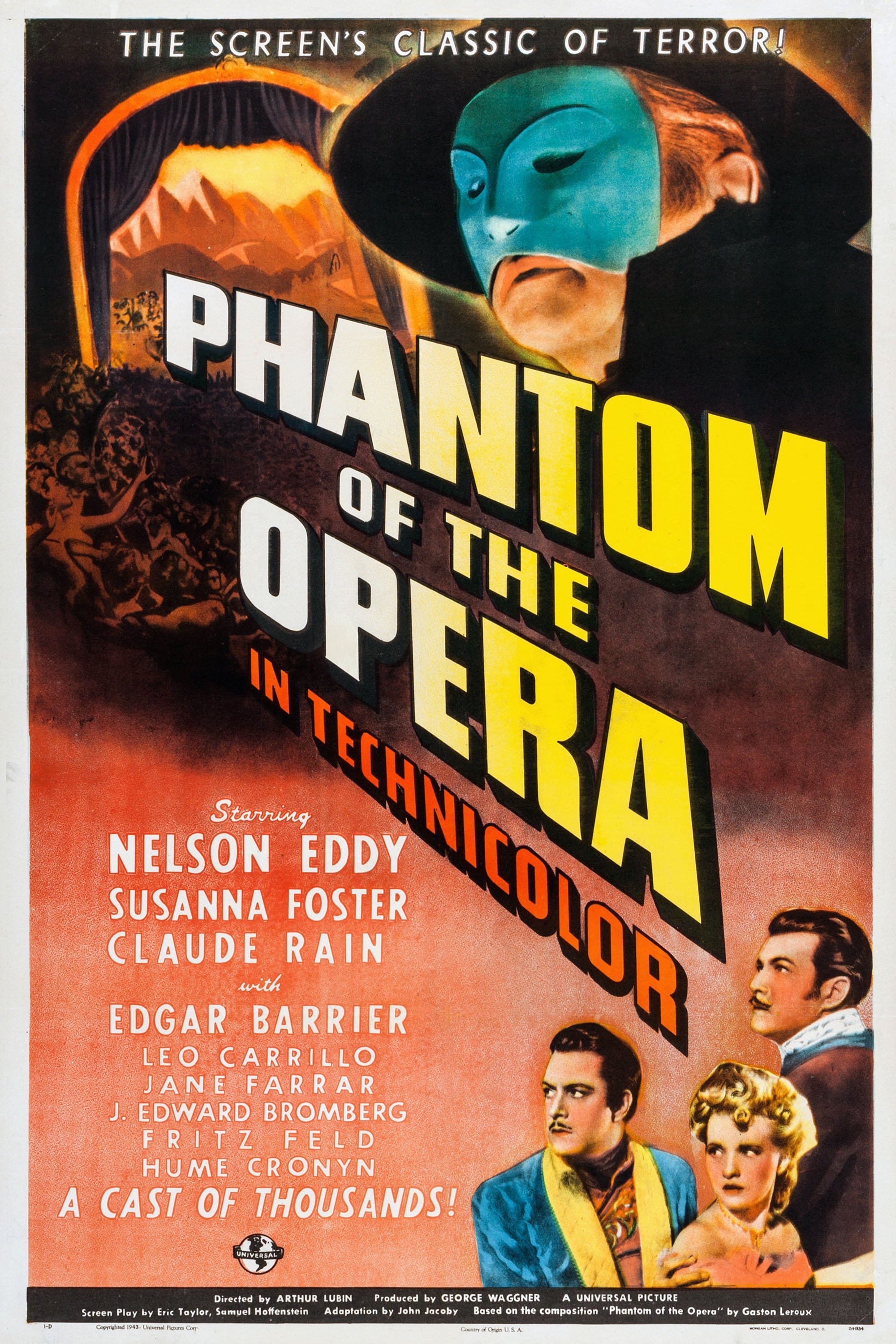
Phantom of the Opera (1943)

Pit violinist Claudin hopelessly loves rising operatic soprano Christine Dubois (as do baritone Anatole and police inspector Raoul) and secretly aids her career. But Claudin loses both his touch and his job, murders a rascally music publisher in a fit of madness, and has his face etched with acid. Soon, mysterious crimes plague the Paris Opera House, blamed on a legendary "phantom" whom none can find in the mazes and catacombs. But both of Christine's lovers have plans to ferret him out.
The screen's classic of terror!
Pleyel: Did we ask you to bring your music to us, Claudin? I've seen samples of your compositions before. Perhaps some employee threw it into the waste basket where it belongs.
Stage 28, Universal Studios - 100 Universal City Plaza, Universal City, California, USA

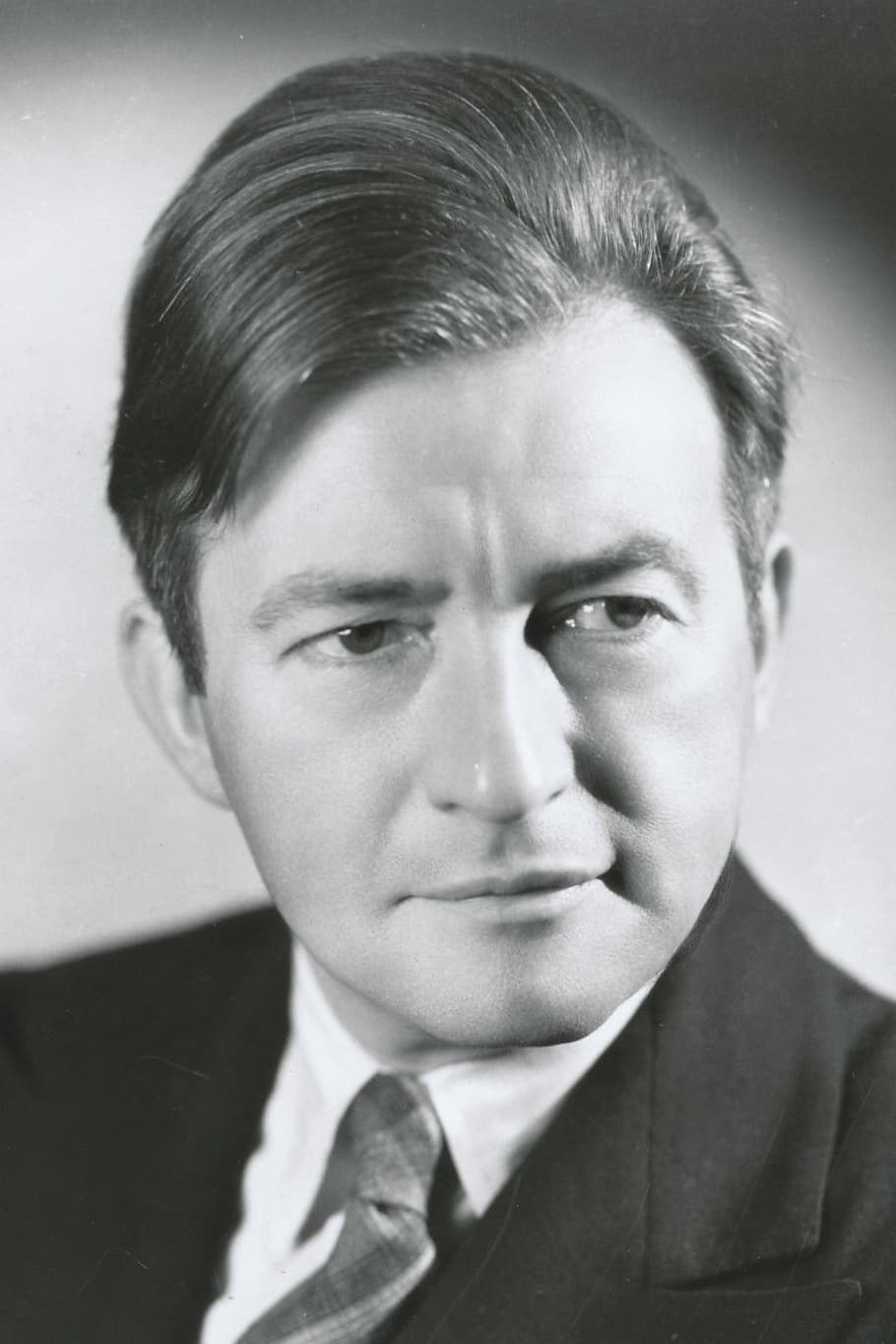
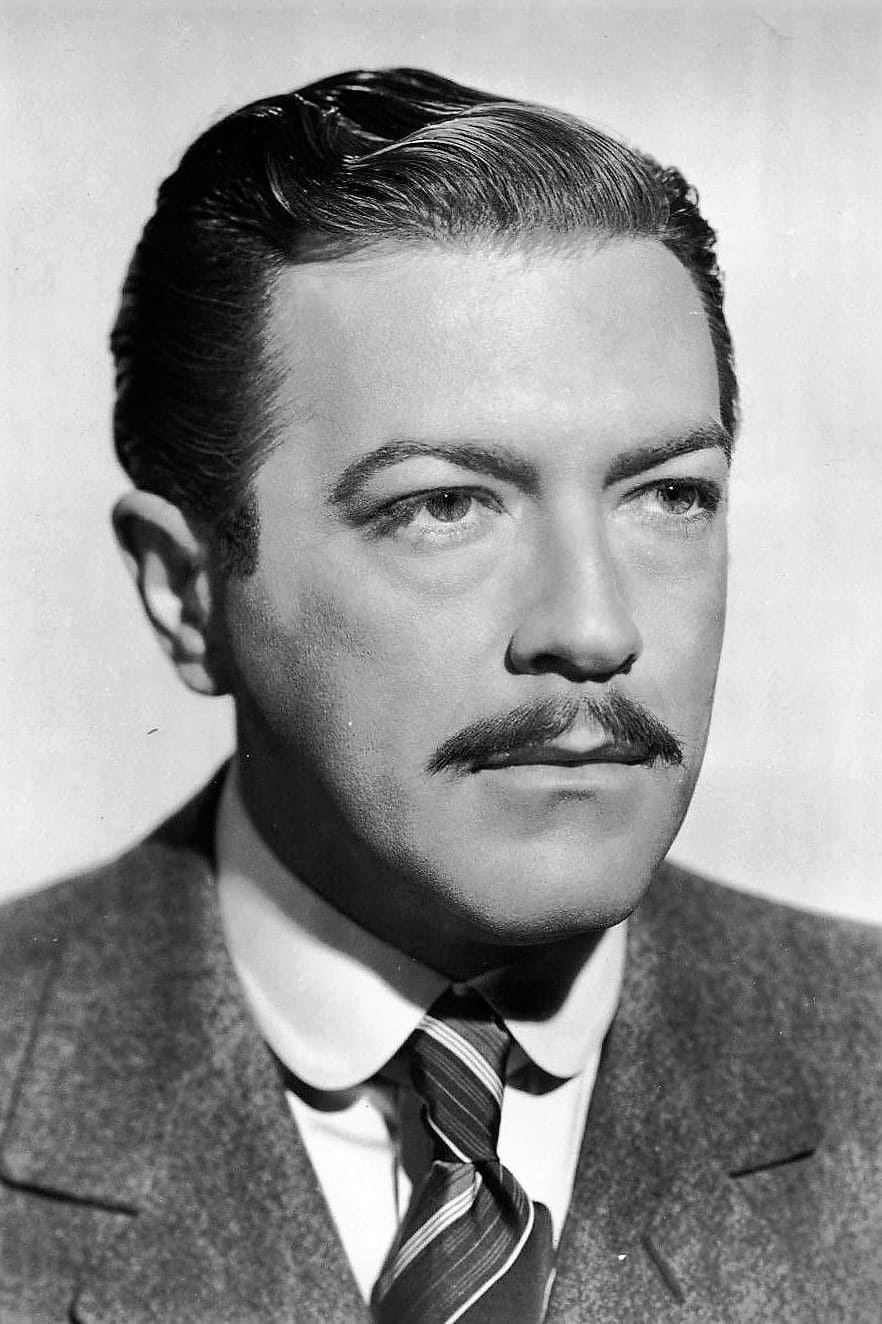
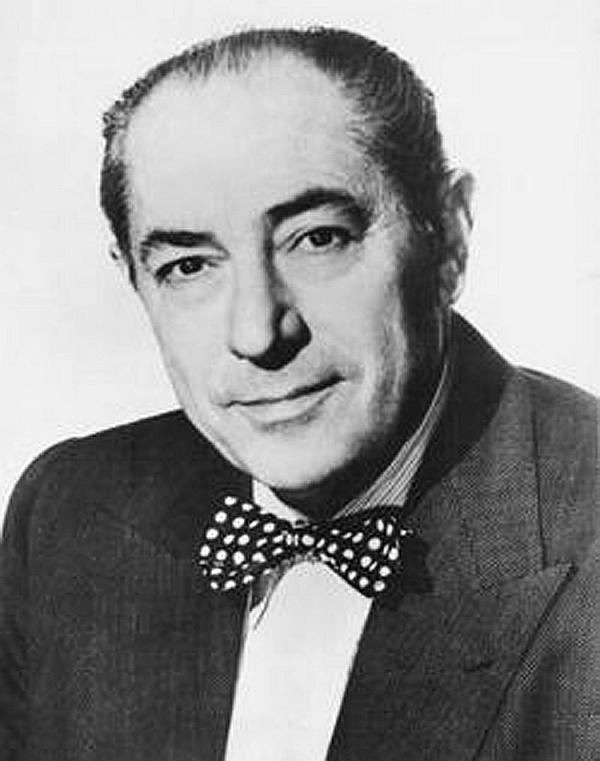
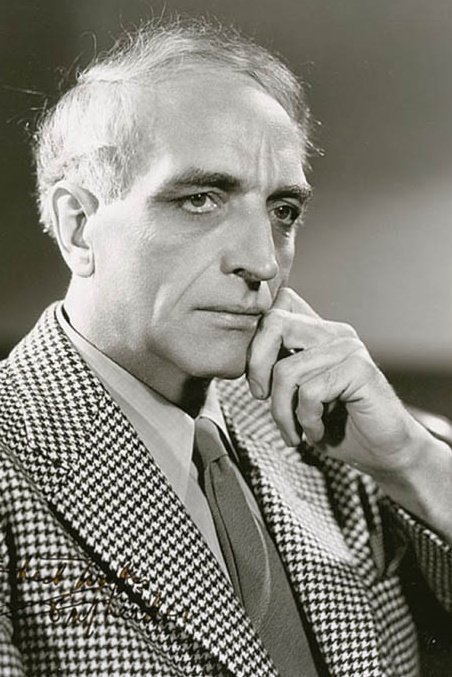
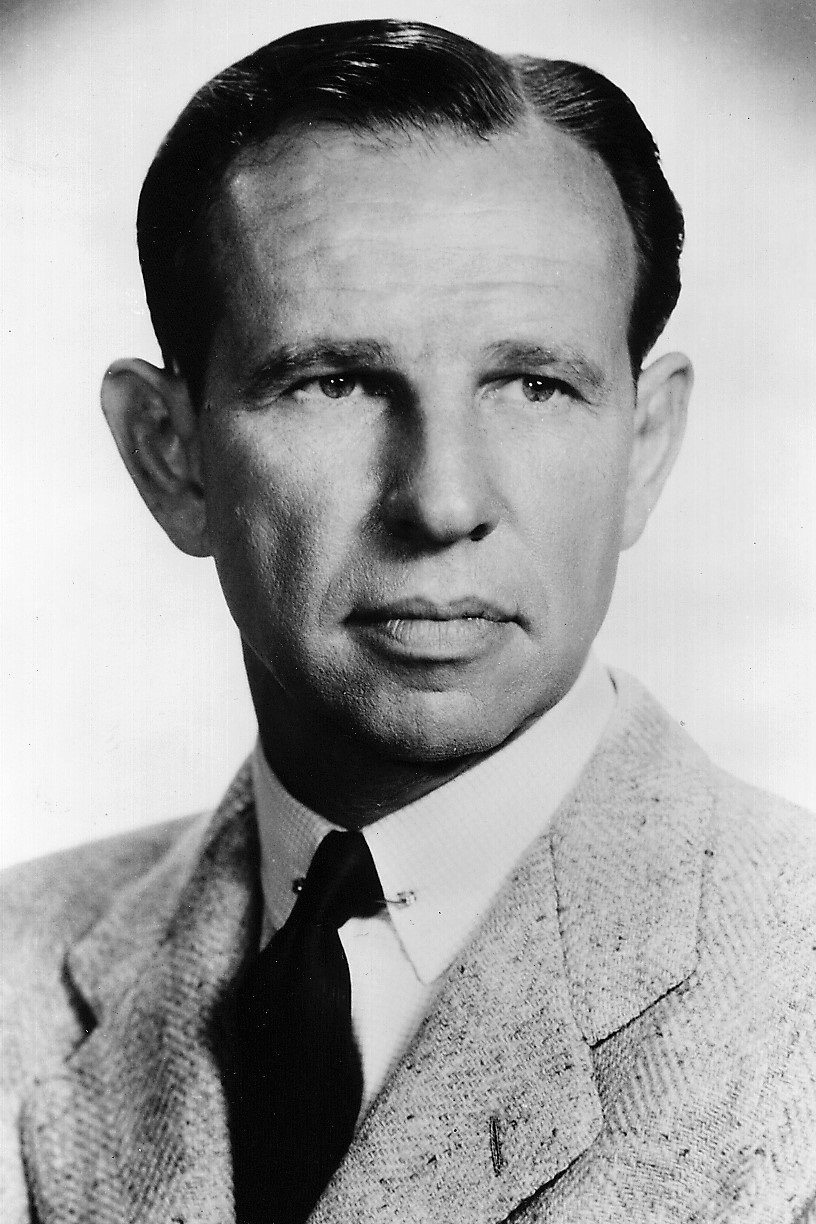
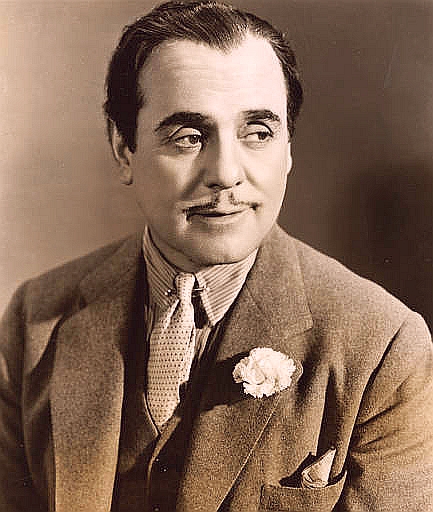
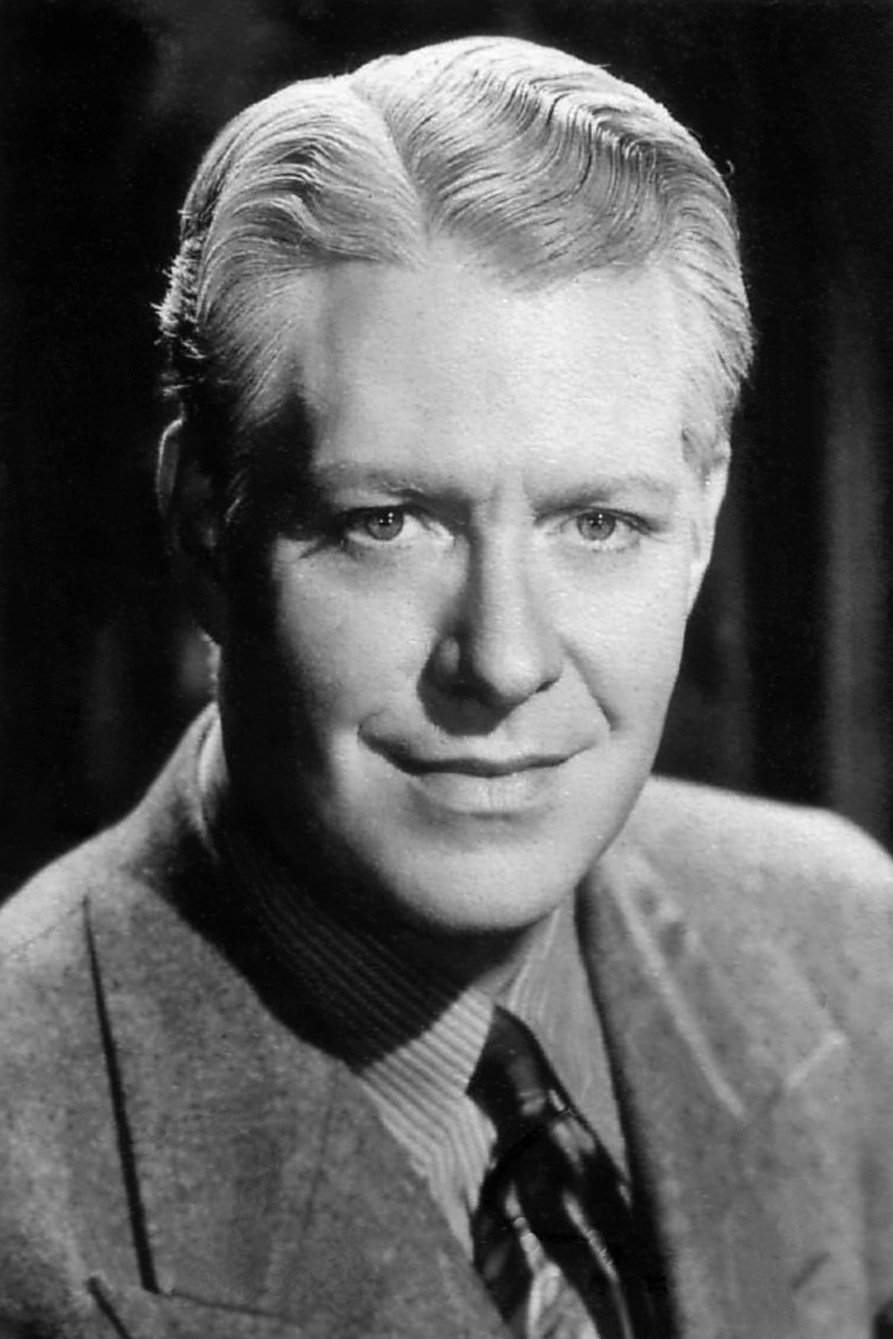
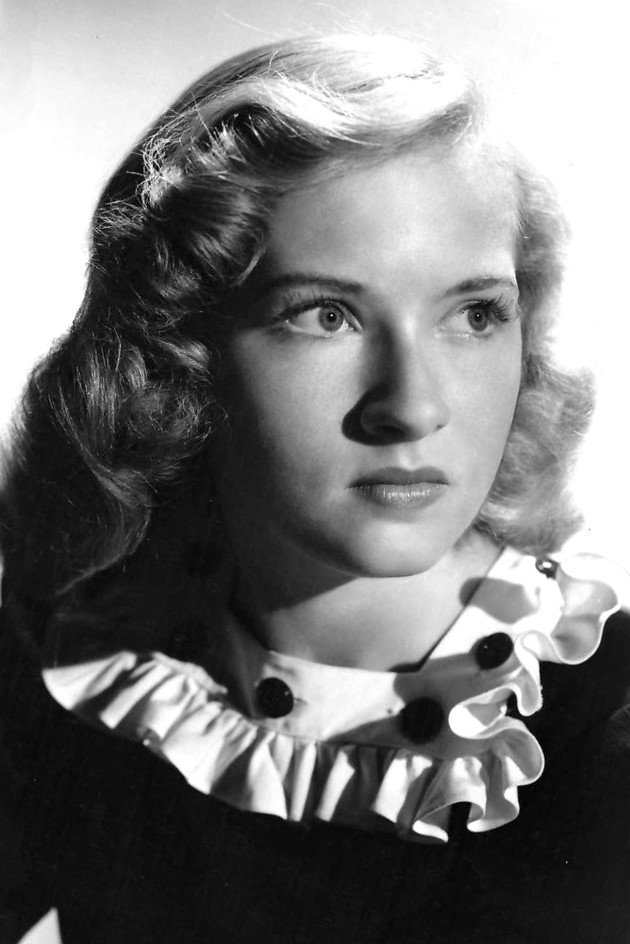
The original script revealed Claudin to be Christine's father, who abandoned her and her mother in order to pursue a musical career. When this was excised from the final film, it left Claudin's obsession with Christine unexplained.
The bronze sculpture of Christine Dubois (Susanna Foster) was made by co-star Nelson Eddy, who was an accomplished sculptor.
On 21 May 1943, the finished film was rejected by the Hays Office because of a "number of unacceptable breast shots of Christine" in her dressing room. It has not been determined if the offending scenes were deleted or re-shot, but the film was released in Aug 1943 with Production Code Administration approval.
In the scene where the three heroes escape the Phantom's crumbling lair (which involve the three characters running from a cave-in) only Susanna Foster appeared in the scene, the two male stars were deemed too important to film such a risky scene and had stunt doubles.
Norman Kerry, who was Vicomte Raoul de Chagny in the silent version, visited the set of the 1943 version and shook hands with Nelson Eddy, as photographs testify.
Continuity
The chandelier is gold colored but the shots of the wreckage shows it a gray and in the two shots of it there's no sign of bodies.
When the Phantom starts to saw through a link holding up the chandelier it can be seen that it's already cut through. There's then a mixture of shots of him sawing from one side then the other, one where he seems to have started and at the end one showing no cut.
When Anatole is pursuing the Phantom over the catwalk, the ladder wobbles in long shots but is very stable when the actors are in close-up.
The name of the opera being performed in the opening scene is given as "Marta" on the printed sheet music but "Martha" on the back of the "flat" (the backdrop used at the back of the stage).
Incorrectly regarded as goofs
There appears to be an error in the credits. Nelson Eddy is attributed as a "sculptor: bronze statue of Christine DuBois." The bust statue was white; hence likely plaster was meant to appear as marble.
Correction: A bronze statue can still be painted. It was cast in bronze.
When the phantom strangles the police man, the officer has a cape on. When the inspector finds the body, the cape is gone but the rope is around his neck. The cape is gone because the Phantom swapped out his outer clothes with the policeman. However he would have no need to also remove the rope, so he left that on the body.
Erique Claudin's concerto is for piano and orchestra, even though the instrument he plays professionally is violin, not piano. However during the film Claudin is shown also playing the piano. It is clear he is capable of writing a concerto for it, even if he doesn't play piano professionally in the orchestra.
Revealing mistakes
When Christine takes the mask off from Phantom's face, we see that his scar reaches the low area of his right cheek, even the right eyelid is slightly fallen. But before that during the entire film, we never see a single mark of the scar on the uncovered area of the Phantom's face, not even the fallen eyelid through the mask.
The use of a stunt-double for Claude Rains at the climactic cave-in is somewhat obvious.
Audio/visual unsynchronized
(at around 40mins) There is an prominent cymbal crash in the orchestral score which happens at about a second before the actor actually clashes his pair of cymbals.
When Claudin (Claude Rains) is being tested by the maestro, his fingering of the violin's strings do not match the vibrato produced.