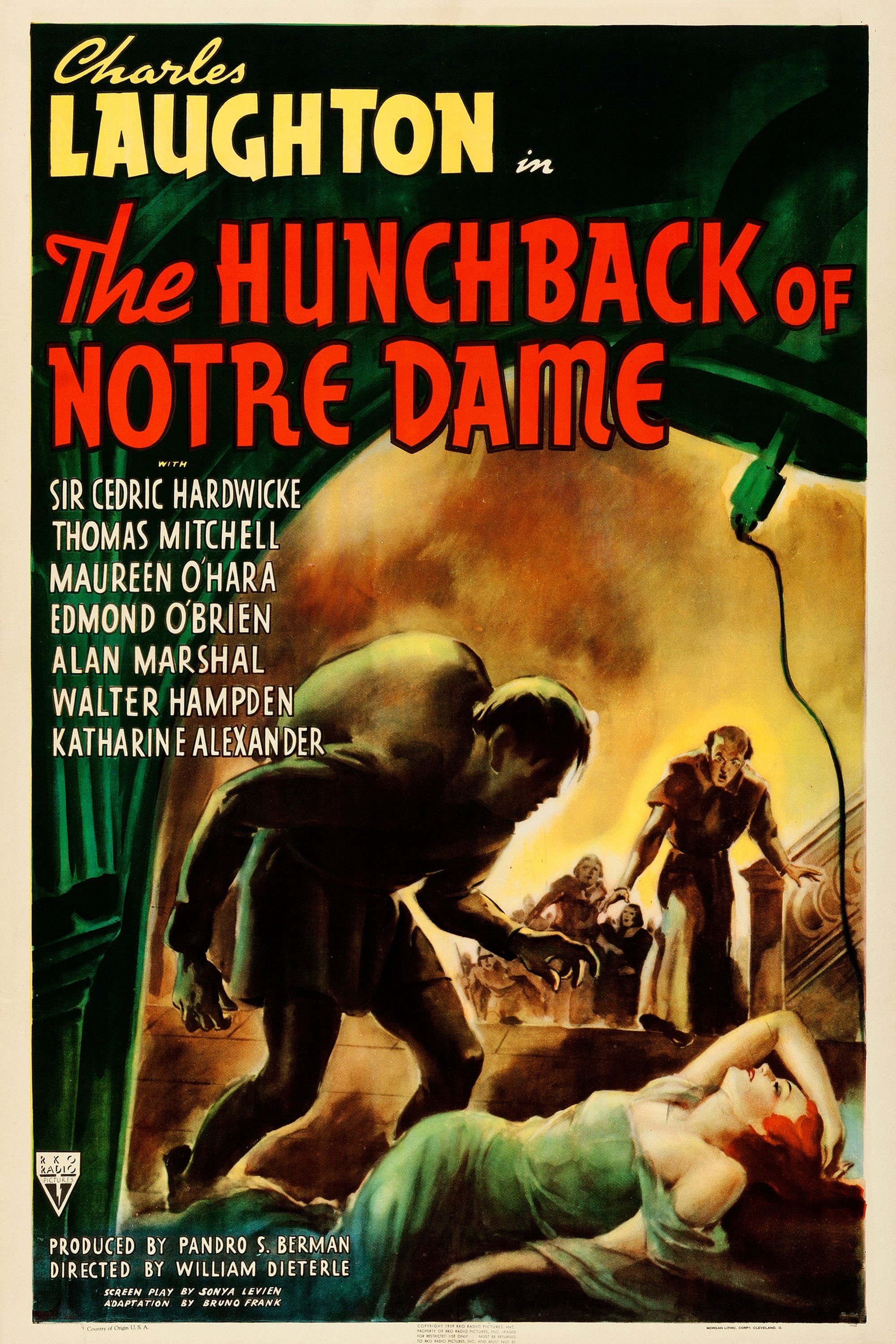
The Hunchback of Notre Dame (1939)

King Louis XI is a wise old king and Frollo is the Chief Justice. Frollo gazes on gypsy girl Esmeralda, in the church during Fool's Day and sends Quasimodo to catch her. Quasimodo, with the girl, is captured by Phoebus, Captain of the Guards, who frees the girl. The courts sentence Quasimodo to be flogged, and the only one who will give him water while he is tied in the square is Esmeralda. Later, at a party of nobles, Esmeralda again meets both Frollo, who is bewitched by her, and Phoebus. When Phoebus is stabbed to death, Esmeralda is accused of the murder, convicted by the court, and sentenced to hang. Clopin, King of the Beggars; Gringoire, Esmeralda's husband; and Quasimodo, the bellringer, all try different ways to save her from the gallows.
Impact! Power! Pathos! Drama!
[Last lines]
Quasimodo, the bell-ringer: [to one of the stone gargoyles] Why was I not made of stone - like thee?
RKO Encino Ranch - Balboa Boulevard & Burbank Boulevard, Encino, Los Angeles, California, USA
RKO Studios - 780 N. Gower Street, Hollywood, Los Angeles, California, USA
(Studio)
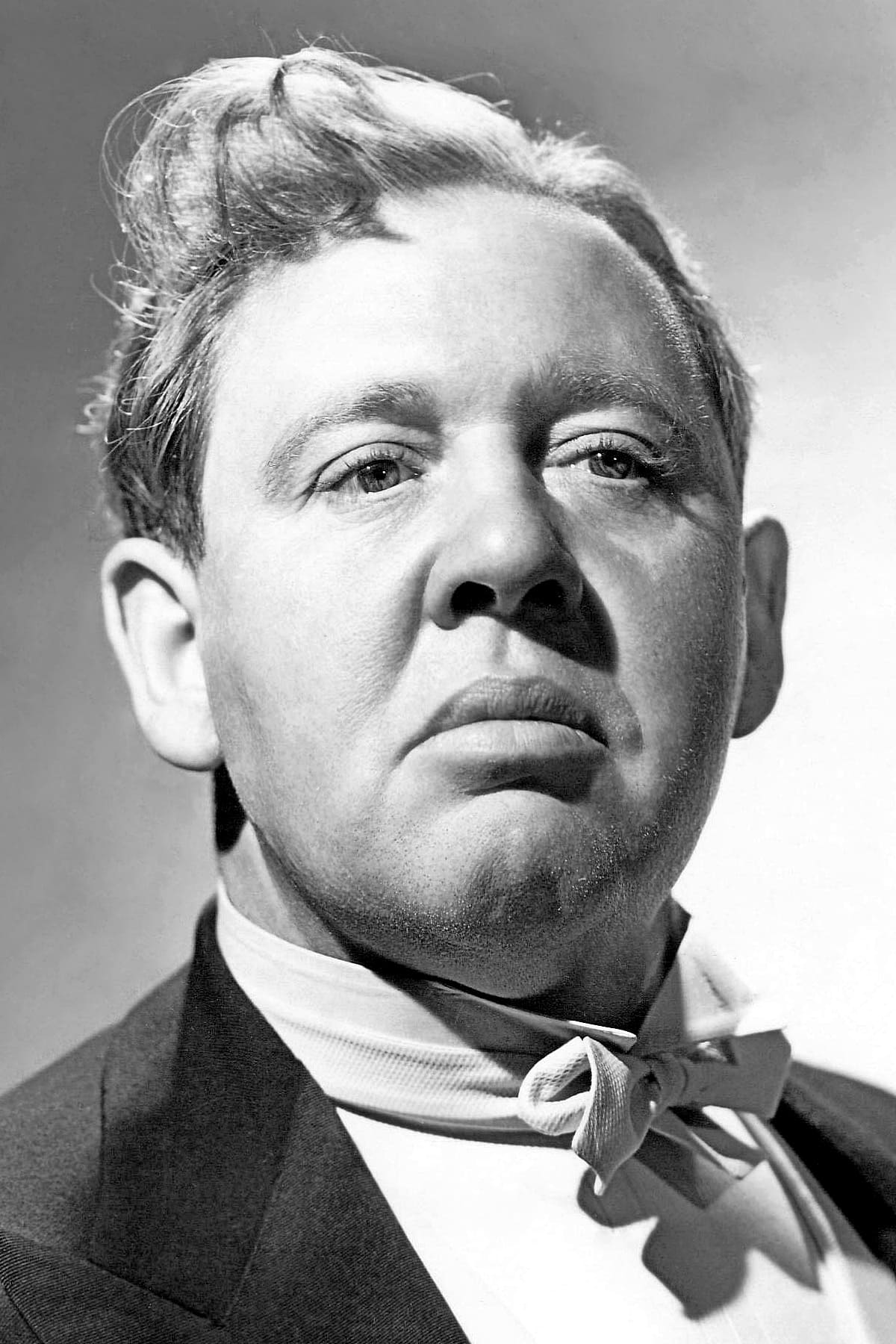
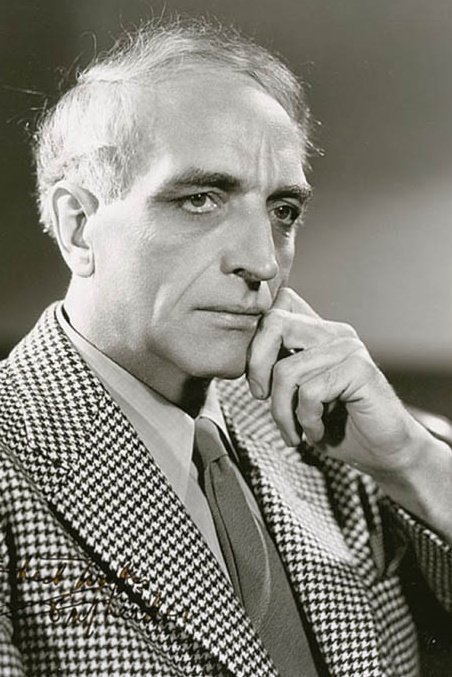
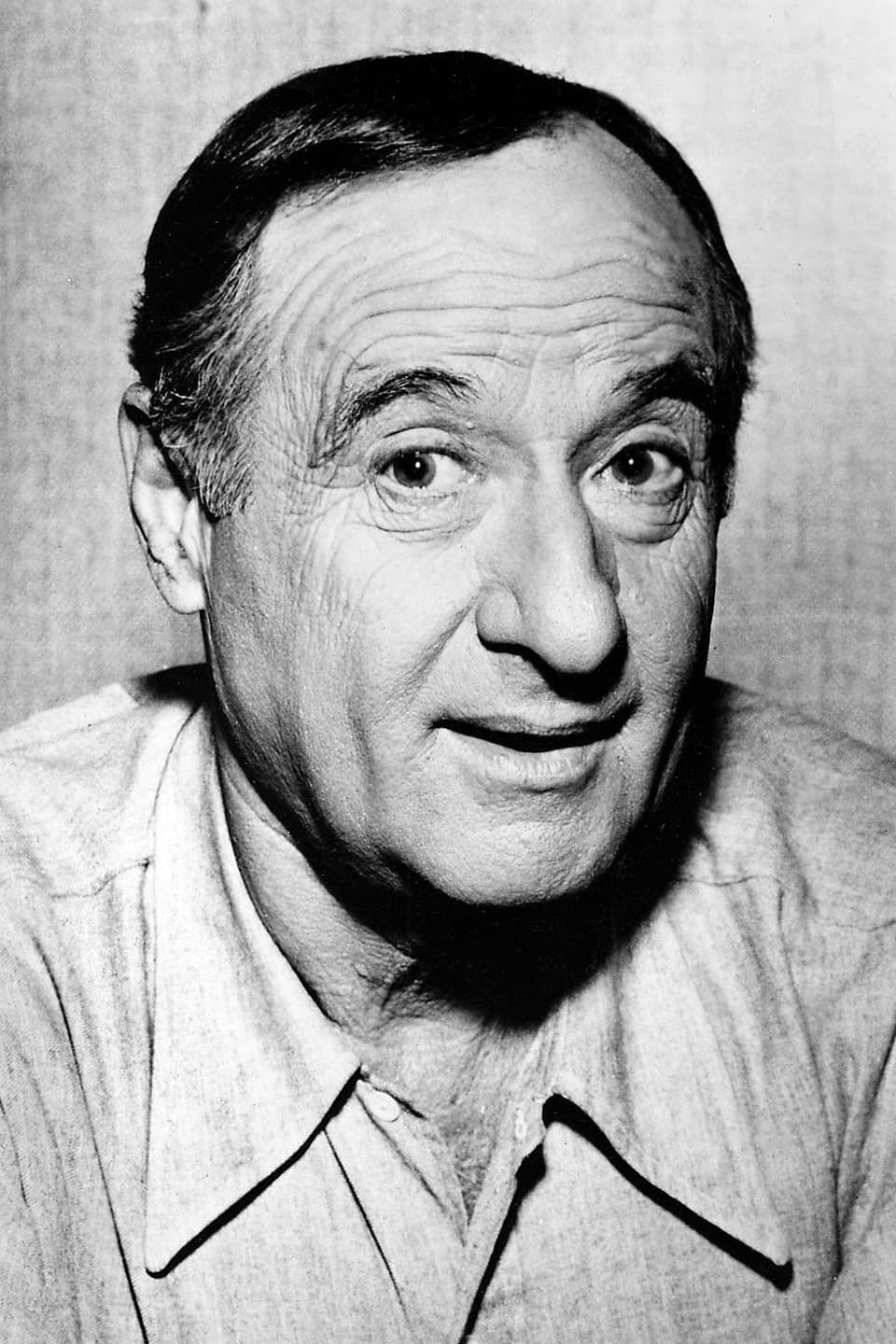
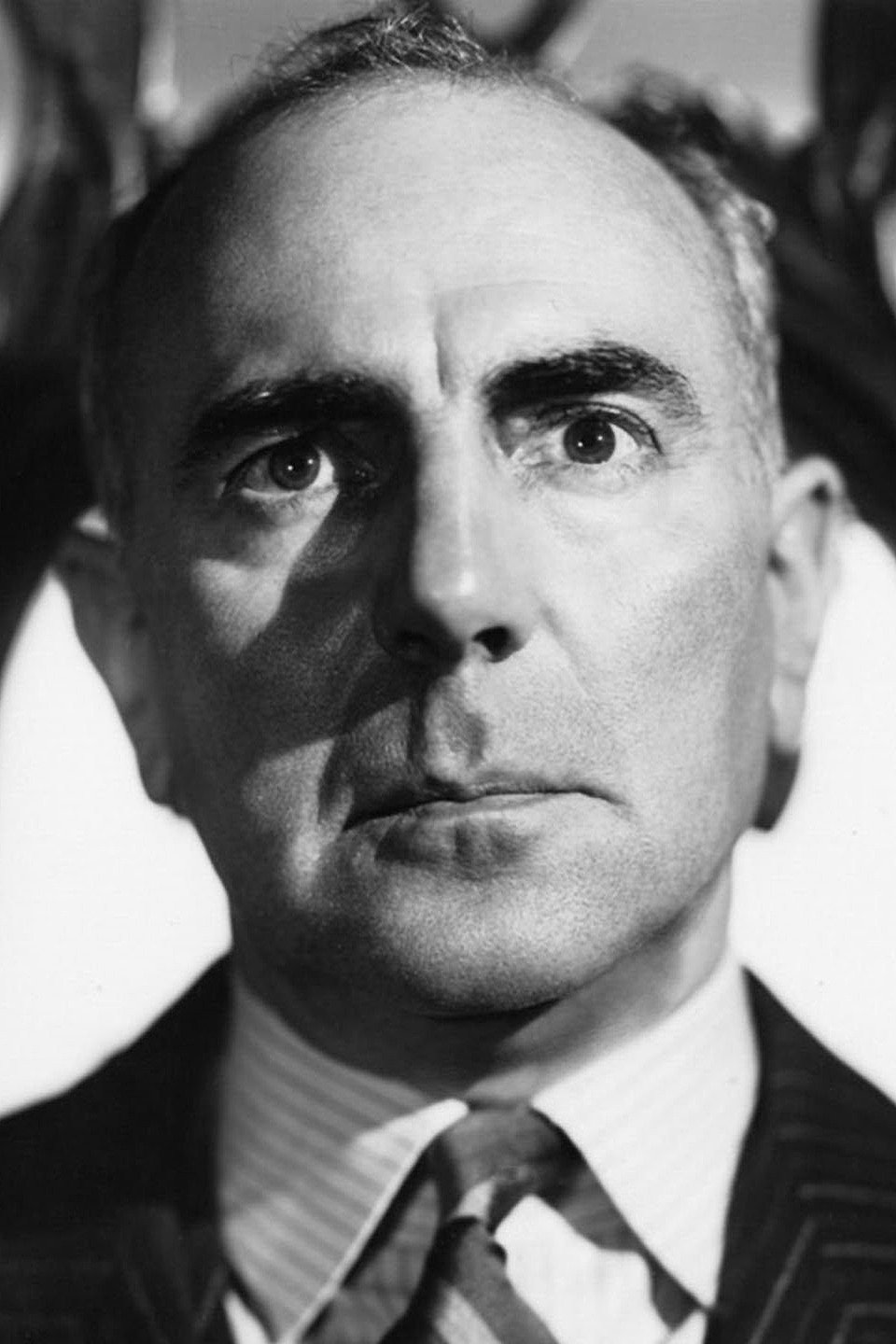
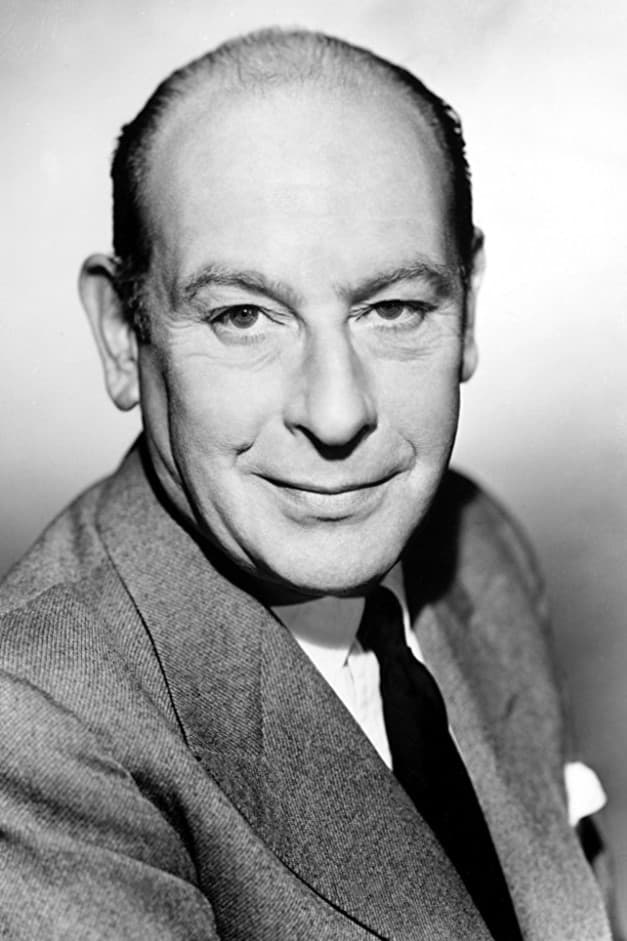
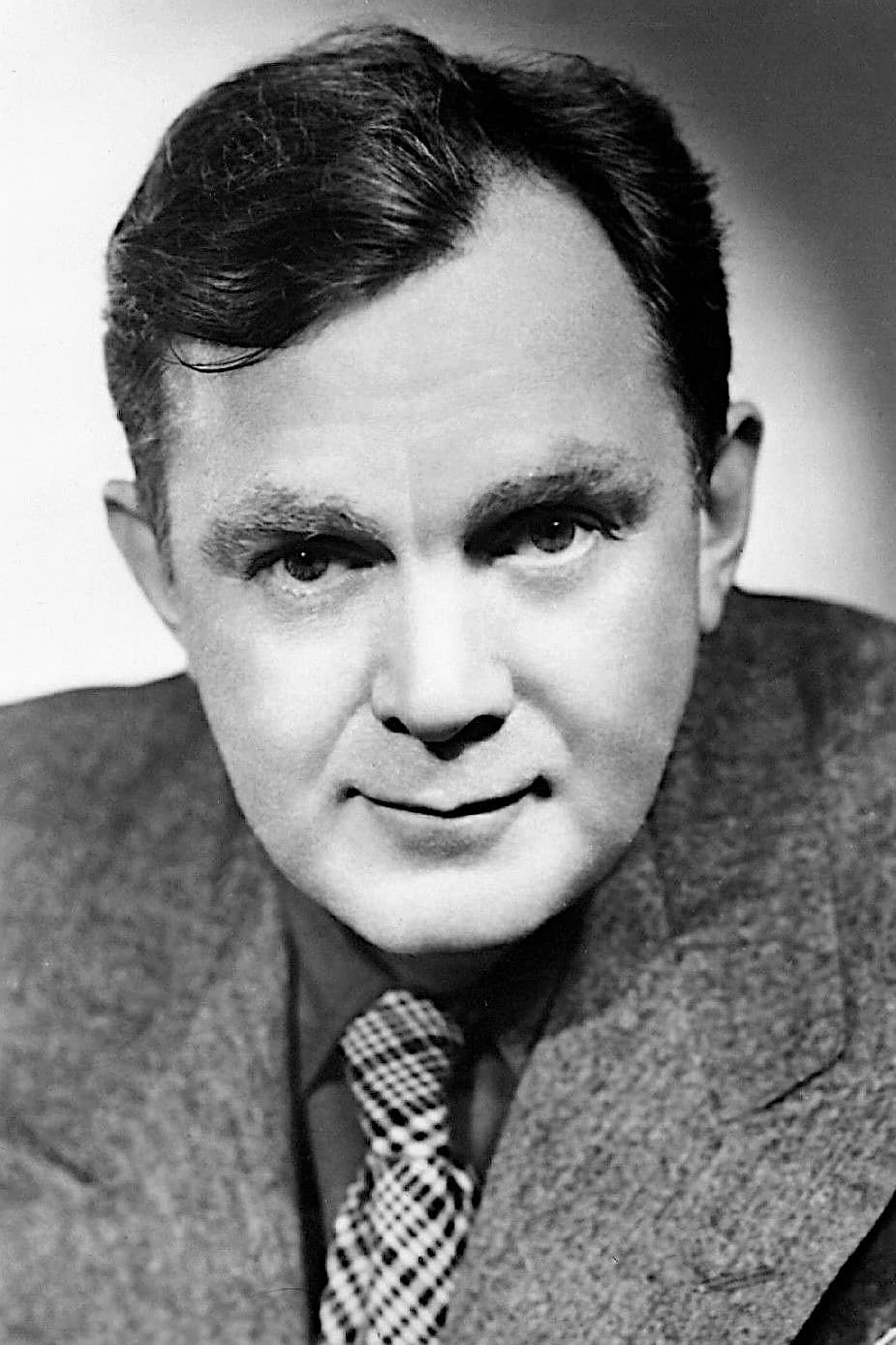
The scene in which Quasimodo rings the cathedral bells for Esmeralda was shot the day World War II began in Europe. The director and star were so overwhelmed, the scene took on a new meaning, with Charles Laughton ringing the bells frantically and William Dieterle forgetting to yell "cut." Finally, the actor just stopped ringing when he became too tired to continue. Later, Laughton said, "I couldn't think of Esmeralda in that scene at all. I could only think of the poor people out there, going in to fight that bloody, bloody war! To arouse the world, to stop that terrible butchery! Awake! Awake! That's what I felt when I was ringing the bells!"
The only movie screened at the first Cannes Film Festival (The remainder of the festival was canceled after Adolf Hitler invaded Poland on 1 September 1939).
For the scene in which Quasimodo is whipped, Charles Laughton instructed an assistant director to twist his ankle outside of camera range so he would really be in pain. Even through the heavy hump and rubber body suit, he felt every lash and often came home badly bruised. Before the 16th take, director William Dieterle whispered to him, "Now, Charles, listen to me. Let's do it one more time, but this time I want you . . . I want you to suffer." According to Laughton's wife, Elsa Lanchester, the actor never forgave him for that.
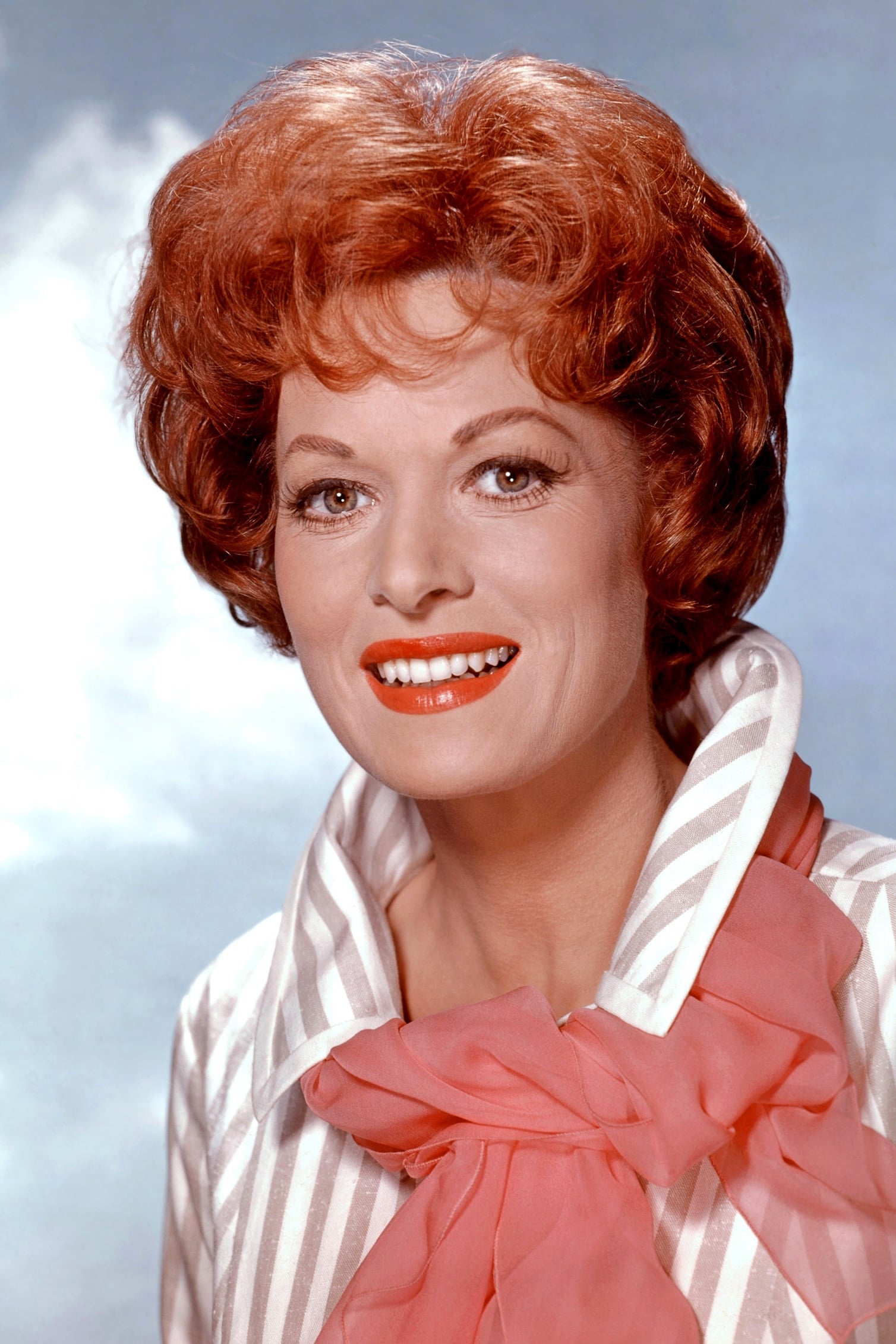
American film debut of Maureen O'Hara.
To turn Charles Laughton into the deformed bell ringer, Perc Westmore covered half his face with sponge rubber, adding a protruding eyeball lower than the average. Laughton's other eye was covered with a milky contact lens. The hump consisted of an aluminum framework stuffed with four pounds of foam rubber, and the rest of Laughton's torso was padded with rubber to create a sense of the muscles developed from pulling on the bell ropes.
Continuity
The amount of molten lead pouring down on the rioters is much greater than could have been contained in the one cauldron that Quasimodo tips over.
While examining the new invention of a printing press, the king is grasping a pendant around his neck. A moment later, his hands are down.
The judge adds to Quasimodo's sentence an additional hour on the pillory for insolence, but in the event he is pilloried for only one hour; also, he is not placed in an actual pillory, which immobilized the head and hands, but tied down to a platform.
While watching a festival, the king and an advisor are sitting about two feet from one another. A moment later, they are inches apart.
Factual errors
The cathedral is shown as having a full flight of steps up to the front doors. Notre Dame has always been more or less level with the square (le Parvis).
At the beginning, apparently educated men are claiming that Christopher Columbus's radical claim was that the earth was round. But it was well known then that the earth was round; Columbus's claim was that it was smaller than was commonly thought. (He was wrong.)
Notre Dame Cathedral is seen with a wide square in front of it. However, during the time the movie is set (15th century) this square did not exist. The site was occupied by the Hotel Dieu, a medieval hospital which was not demolished until the 19th century.
The film opens in Paris during the Feast of Fools. In medieval France, the Feast of Fools took place on January 1st, yet the film isn't set in the wintertime.
When Quisimodo swings down to rescue Esmerelda from the gallows, he defies gravity and swings back up to the cathedral.
Incorrectly regarded as goofs
The prologue tells us the story takes place in the 15th century during the reign of King Louis IX. Louis IX reigned from 1226-1270. However, the end credits correctly lists Harry Davenport as having played King Louis XI, who reigned during the period the story takes place, from 1461-1483.
The prologue clearly reads "Louis XI".
Revealing mistakes
After Quasimodo dumps the molten metal on the crowd below him, he sits on the wall with the sky in the background. Creases in the painted backdrop are clearly visible, as well as the backdrop fabric.
Quasimodo's misplaced eye never moves or blinks, because it is a prosthetic. But in the reality of the film, this deformed eye would not reasonably be expected to blink or move - because it IS deformed and misplaced.
After Quasimodo is crowned King of the Fools and Frollo rides up pull him away from the crowd, the makeup over Charles Laughton's right eye has fallen away showing a tiny tear.
As Quasimodo holds Esmeralda above the rejoicing crowds after saving her from the gallows, the footage is played for a few seconds and then reversed.
Anachronisms
In this story set in 15th-century France, a character wears glasses kept in place with strings that loop around the ears. That type of eyeglasses was invented in Spain during the reign of Philip II in the 16th century.
Although the story is set in 1482 during the reign of Louis XI, Notre Dame Cathedral is shown with its 19th-century additions, including statuary.
King Louis XI, a monarch of the 15th century, is addressed as His Majesty. The first monarch to receive the title of Majesty was Emperor Charles V of the Holy Roman Empire (i.e., Germany in the 16th century).
Esmeralda is tortured in a class of iron vise called the boot, or "brodequins", that is tightened around the foot by screws to crush bones. Actually, Victor Hugo's text notwithstanding, this type of boot did not exist in the 15th century (estimated to first have been used in the 16th century). The boot was conducted by binding a close arrangement of carefully shaped wooden boards around the naked foot and calf of the victim, after which thin, sharp wooden wedges were slowly hammered into the boot, increasing the pressure until the foot bones shattered.
Audio/visual unsynchronized
As Quasimodo decides to pour molten metal on the rioters, he dances around the cauldron saying "Molten metal" three times. However, his mouth never moves.
Boom mic visible
Near the end, in the king's chambers when meeting with Frollo and the Archdeacon, the boom mic shadow follows the king onto a bookstand, then when noticed, it is pulled back.