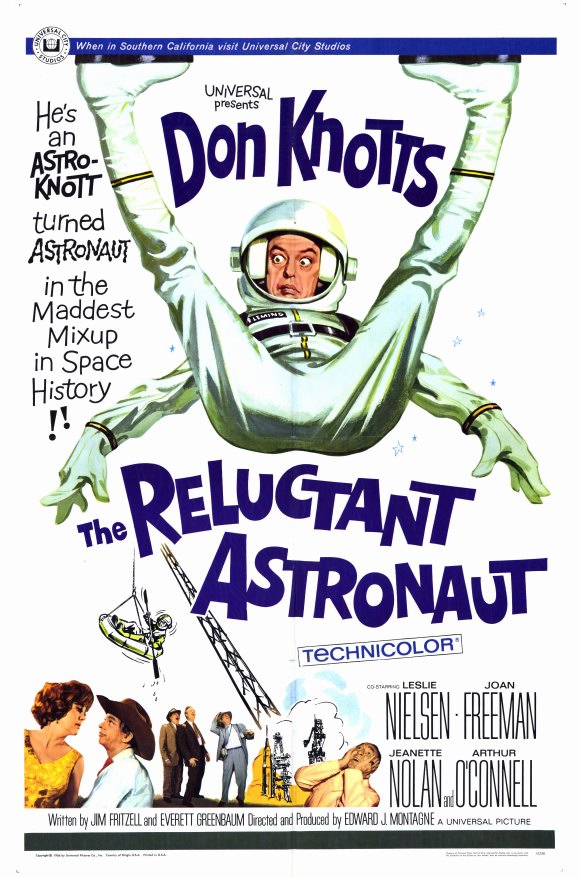
The Reluctant Astronaut (1967)

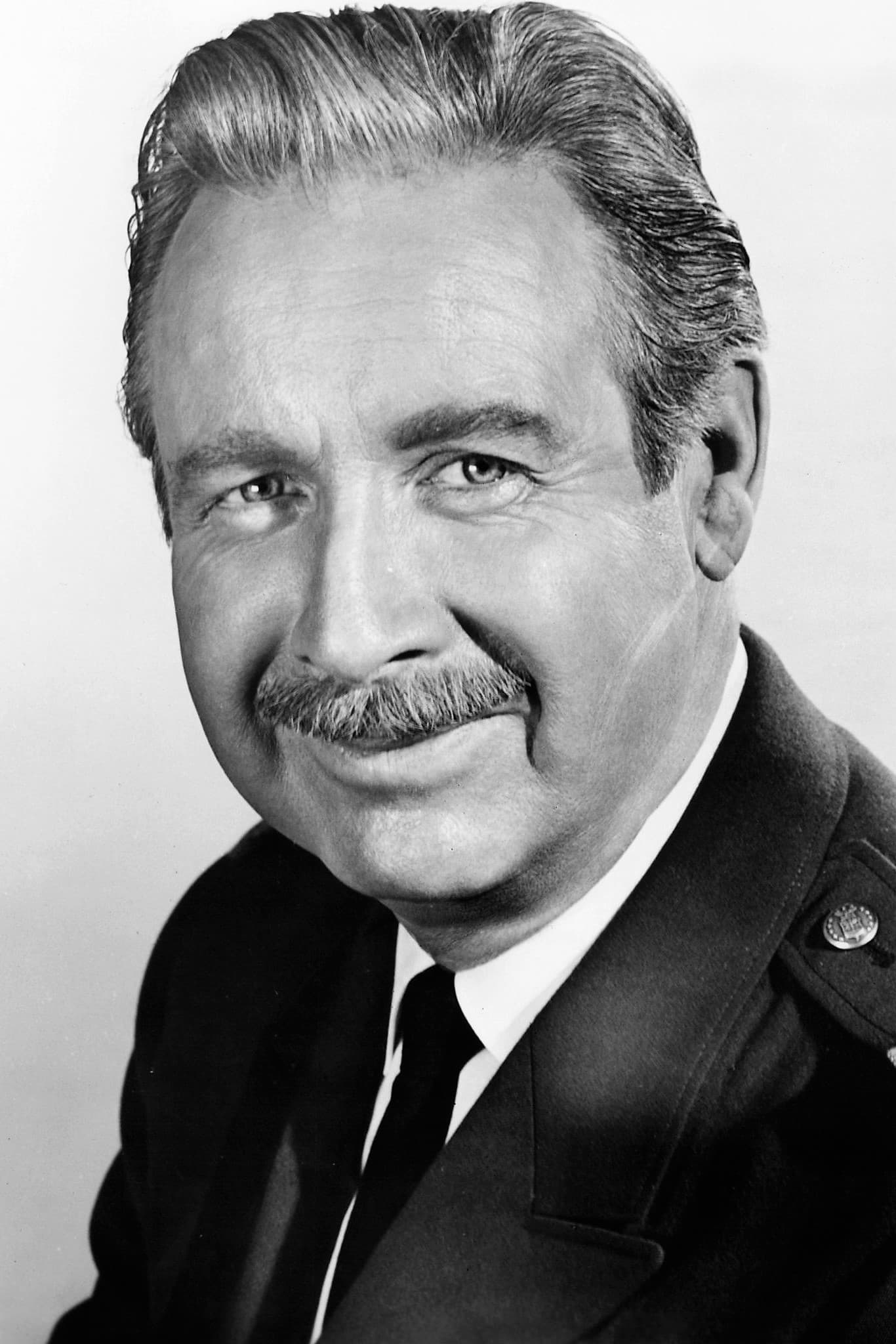
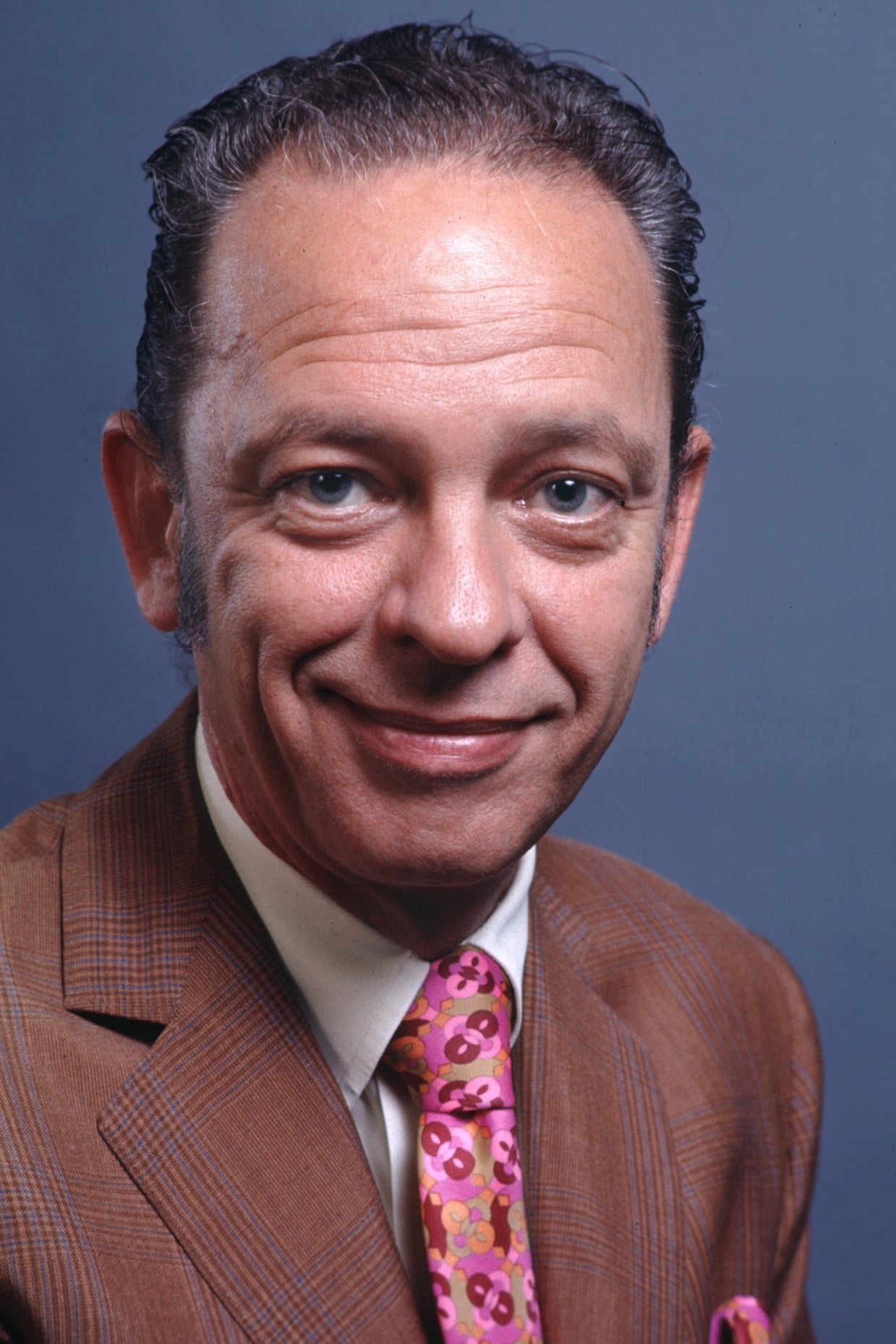
Don Knotts is Roy Fleming, a small town kiddie-ride operator who is deathly afraid of heights. After learning that his father has signed him up for the space program, Roy reluctantly heads for Houston, only to find out upon arriving that his job is a janitor, not an astronaut. Anxious to live up to the expectations of his domineering father, Roy manages to keep up a facade of being an astronaut to his family and friends. When NASA decides to launch a lay person into space to prove the worthiness of a new automated spacecraft, Roy gets the chance to confront his fears.
Boldly going where no coward has gone before.
Roy Fleming: Don't worry about me, Pa. This body is a finely tuned space instrument.
Johnson Space Center - 2101 NASA Rd., Houston, Texas, USA
Kennedy Space Center, Titusville, Florida, USA
Courthouse Square, Backlot, Universal Studios - 100 Universal City Plaza, Universal City, California, USA
("Kiddieland" carnival scenes)
Stage 30, Universal Studios - 100 Universal City Plaza, Universal City, California, USA
According to Don Knotts's autobiography, the idea of the film originated during the writing of The Ghost and Mr. Chicken (1966). Knotts and screenwriter James Fritzell were in a tall building writing the script, but Fritzell's partner, Everett Greenbaum, wouldn't join them because of his fear of heights. Knotts and Fritzell then began joking about the worst job to have if one was scared of heights. Being an astronaut was the top choice.
This film premiered 25 January 1967, just two days before the Apollo 1 Fire, which took the lives of 3 astronauts and raised questions with Universal Studios executives about the appropriateness of releasing a space-themed comedy film so soon after the tragedy. It was released anyway and the tragedy may have affected the box office results in the following weeks, since this picture was not nearly as successful as Knotts' two previous features, The Incredible Mr. Limpet (1964) and The Ghost and Mr. Chicken (1966). Universal had doubled the budget of this movie to $1M on the success of the latter film.
Film debut of Melissa Gilbert.
Partially filmed at Johnson Space Center in Houston.
The house the Flemings live in is the same set in which James Stewart and his aunts lived, in Harvey (1950), which also co-starred Jesse White.
Continuity
The NASA weather reporter indicates sky conditions will be "CAVU" (clear and visibility unlimited) for the launch. When Roy arrives at the space center on launch day though, it's an overcast sky. Just minutes later, at the base of the rocket, it's mostly sunny with a few clouds.
All through the film, during the various shots of the rocket launch and flight, the NASA stock footage that's used alternates between shots of a Saturn I vehicle and Saturn V vehicle.
When Fleming re-spools the capsule's programming tape, he accidentally has gotten the peanut butter mixed in with it. The tape reels are so clogged, they cannot play. Later, when Fleming looks out the capsule window at Hawaii, the tape reels are seen in the background running normally. The peanut butter then returns in subsequent shots.
When Roy looks into the centrifuge room, it is brightly lit. But when he tries to close the door he accidentally opened, everything is dark beyond the door.
Factual errors
Roy's astronaut suit displays an American flag with 48 stars instead of the correct 50.
When Roy is in space, he's shown doing somersaults while weightless. One of NASA's ground personnel who is monitoring him reports that "he's rotating at a rate of 360 degrees per second," which means that he'd be making a complete rotation every second. His true speed of rotation is nowhere near that fast.
When Roy sees his Pa and friends from back home coming to visit the space center, he leaves the buffer, and it's still running on its own. A buffer has a 'dead-man's switch' that turns it off when it isn't being held.
Revealing mistakes
The wires holding Don Knotts up when he's supposed to be weightless are visible.
In the first airport scene, the airliner's right-hand engine is started with no apparent effect on the passengers standing behind it. In reality, they would have been enveloped in a cloud of blowing smoke, dust, and loose articles; also, men's hats would have blown away.
The space capsule Roy is in is far too large. Mercury and Gemini capsules had small interiors, without the room for the extensive floating around that Roy is seen doing.
When Roy arrives at the Johnson Space Center in Houston, he goes to the personnel office, but it has a sign out front that says it's closed from 12PM until 2PM; he then goes to the cafeteria to wait. However, his shadow is very long, indicating that it is not the early afternoon but late afternoon or early in the evening.
When Roy gets into a capsule mock-up (labeled "Environment Simulator") for a photograph, the hatch window is clear glass. When the hatch is closed, the window is now opaque "sugar glass," which Roy shatters in order to escape from the mock-up when he is unable to reopen the hatch.
Crew or equipment visible
When in the space capsule, the strings holding the microphone, the doll, the crackers, and peanut butter are visible. When Roy is floating around the capsule, the strings holding him are also visible.
When where Roy (Don Knotts) accidentally opens the door to the centrifuge and is subject to high winds pushing him down the hall, two shirts and a pair of boxer shorts can be seen attached to a single wire that is quickly pulled down the hall.
Errors in geography
There is no desert in the vicinity of the NASA space center in Houston; the area has a humid coastal climate.
Roy lives in the town of Sweetwater, in the state of Missouri. When Roy goes to the airport to fly to Houston, there are mountains in the background rising thousands of feet in the air. The highest elevation in Missouri is 1,772 feet above sea level, but the peak only rises 512' above the surrounding terrain.
Character error
Roy is said to be an only child, but he has four nieces.
Hawaii had become a state about 8 years before this movie was made. Perhaps no one knew how to properly pronounce some of the more obscure Hawaiian names, but when Roy is orbiting over Hawaii, Fred Gifford (Leslie Nielsen) says he is now over the "Kauai tracking station," pronouncing it "Cow-Eye."
In the beginning scene, Roy announces a "Meteorite shower." A Meteorite is a chunk of rock from space that strikes the surface of Earth. Roy should have said "Meteor shower."