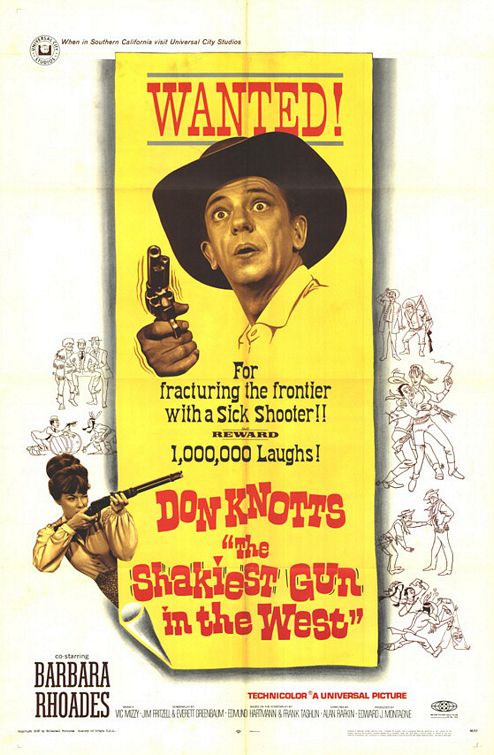
The Shakiest Gun In The West (1968)

Jesse W. Haywood graduates from dental school in Philadelphia in 1870 and goes west "to fight oral ignorance." Meanwhile stagecoach robber Penelope "Bad Penny" Cushing is offered a pardon if she will track down a ring of gun smugglers. She tricks the bungling Haywood into a fictitious marriage as a disguise, and he becomes the heroic "Doc the Haywood" after he guns down "Arnold the Kid" and performs other exploits with Penny's help (unbeknown to him or anyone else).
S-s-s-s-stick'em u-u-u-UP!???
Jesse Heywood: I'm in teeth. And I came out here all the way from Philadelphia, single-handed, to fight oral ignorance.
Mexican Street, Backlot, Universal Studios - 100 Universal City Plaza, Universal City, California, USA
Universal Studios - 100 Universal City Plaza, Universal City, California, USA
(Studio)
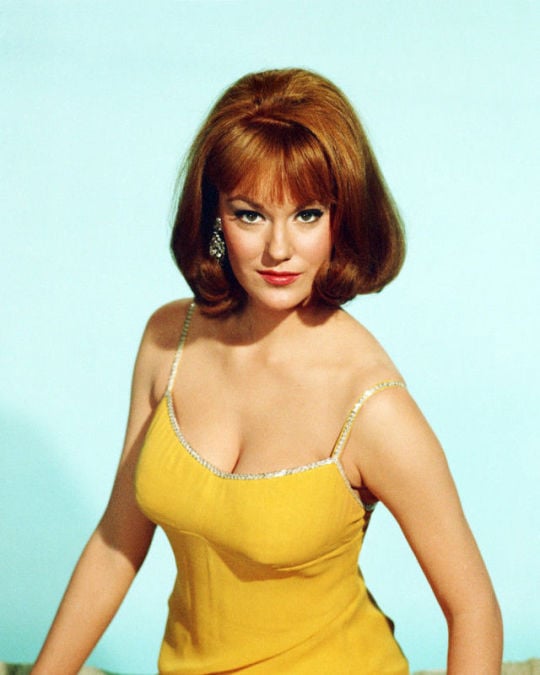
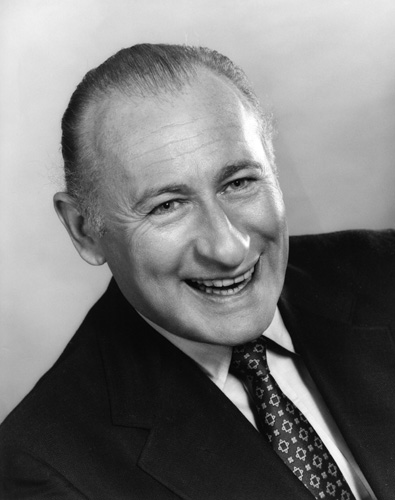
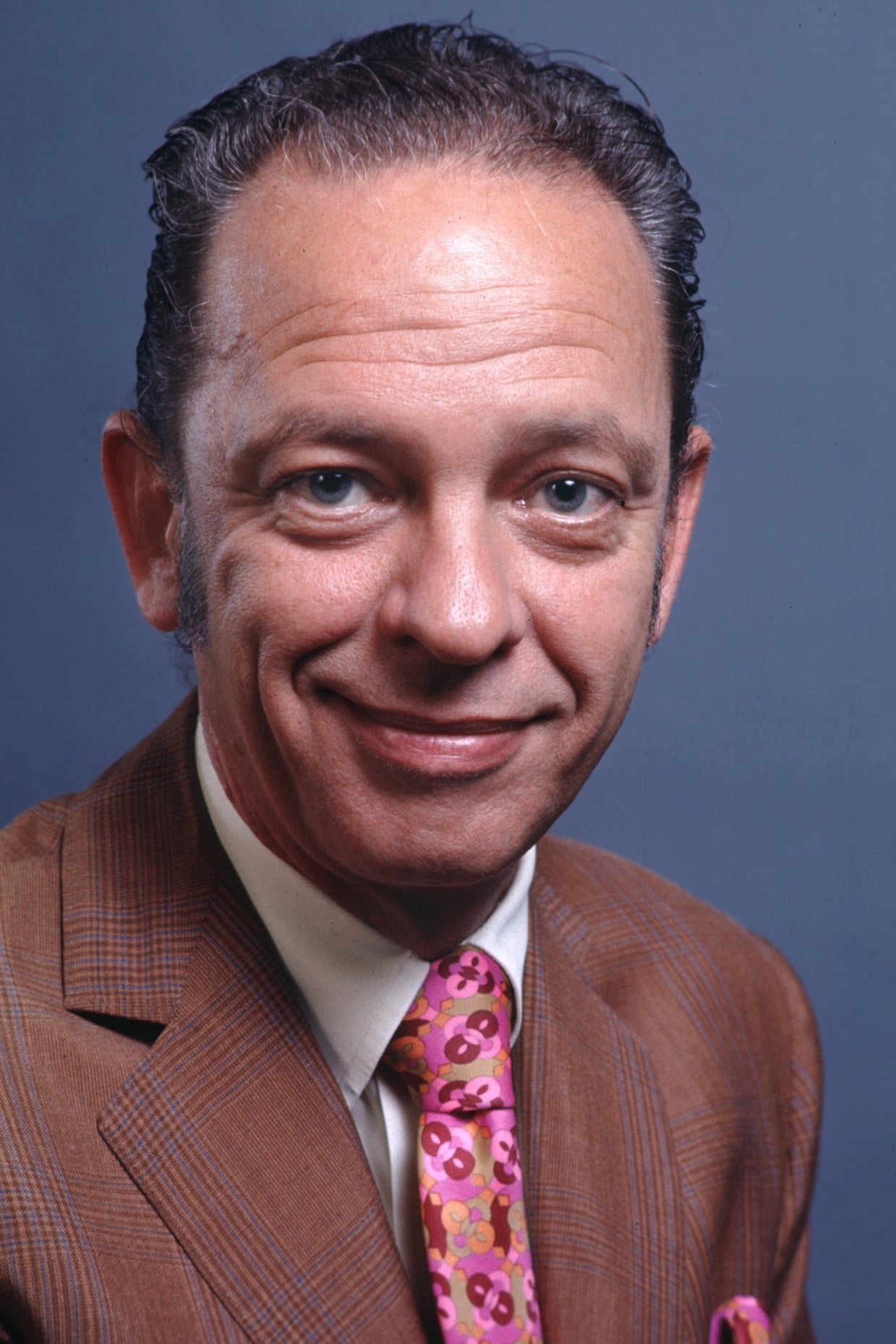
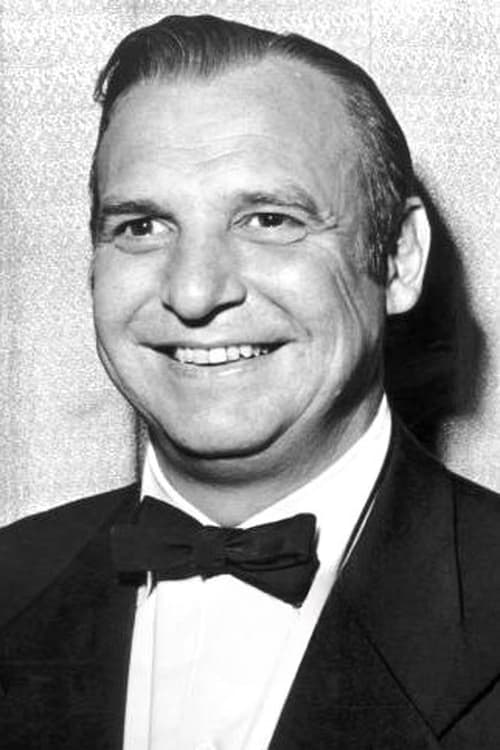
This was the third film made under a five picture contract Don Knotts signed with Universal Studios in 1965. The first (and most successful) of them was 1966's The Ghost and Mr. Chicken.
Based on the 1948 Bob Hope, Jane Russell movie, The Paleface (1948).
Universal Pictures got the remake rights to this material, which had originally belonged to Paramount, when their parent company MCA purchased all rights to the entire Paramount Pictures film library for several million dollars in 1949.
Last film of Frank McGrath. He died more than a year before the release of this film. His last three films were released posthumously, two of which were Don Knotts comedies.
Last screen appearance of Frank McGrath (1903-1967).
Continuity
When they divide the money at the campfire, the campfire is burning when they start to mount the horses - but is out when they are on the horses, without anybody putting it out.
During the gunfight with the Indians, the same Indian wearing brown leather leggings and a gray long-sleeve shirt and riding a Pinto pony with a red halter and a purple saddle blanket is shot down two different times.
The carriage labelled 'Belvidere' has a large, unmissable '24' later that wasn't there earlier.
At the train station at the start of the film the characters walk along trying to find car 24. The carriages are labelled 'Belvidere', 'Schuykill', 'Cumberland' and 'Wilmington'. When they turn around the names are 'Cumberland', 'Schuykill' and 'Belvidere': 'Wilmington has disappeared.
The Indians shoot the wheels of the wagon while Haywood is sleeping and the horses start to run. There is a cut to a wide shot showing Heywood's arms flailing wildly. But then there is a close-up and Heywood is just waking up.
Revealing mistakes
When Heywood and the female patient start to fight, you can tell that they are stunt men, as Heywood's hair is all wrong and the "lady" is very muscular.
When Heywood is following the wagons through the desert (after the outlaws take Penny) there are tracks from the wagon wheels in the sand, but no tracks from the horses that were pulling the wagons.
Miscellaneous
When Jesse's aunt gives him a revolver at the train station, it is an 1875 Remington, which she says "Got his uncle through the Civil War." But the American Civil was from 1861 to 1865, and the movie takes place in 1870. Also, during the fight with the Indians, Jesse's revolver changes from a Remington to an 1860 to 1868 Colt in order for it to fall apart like it does.
Swenson is in such a hurry to get away after selling Heywood the wagon he inadvertently leaves his clipboard on it.
Anachronisms
It is mentioned in the movie that the minister on the wagon train is not Pentecostal, but this movie takes place in 1870 and the Pentecostal church wasn't founded until the beginning of the 1900s.
As the bartender counts on his fingers the number of shots Doc Heywood fired, a modern Band-Aid is visible on his left ring finger.
One of the crimes listed on Bad Penny's wanted poster is hijacking. The word "hijacking" didn't enter the language until Prohibition in the 1920s.
In the opening scene the dentist appears to be using an electric drill, rather than a foot powered one. The movie is set in 1870, but electric dental drills were invented in 1875.
About 45 minutes into the movie, in the wedding scene, the vocalist sings "Oh, Promise Me." The movie is set in 1870, but the song wasn't published until 1889.
Audio/visual unsynchronized
The first night the wagon train makes camp a cowboy is shown sitting at the campfire playing a tune on the guitar but the movements of his fingers on the fret board clearly don't match the song heard playing.
When Doc Heywood is bragging in the bar about how he killed all the Indians, an older cowboy with white hair and a beard occasionally repeats his words. When Doc says "A plan began formulating in my mind," the other fellow repeated him, but his audio said "A plan" while his mouth was clearly saying something else.