
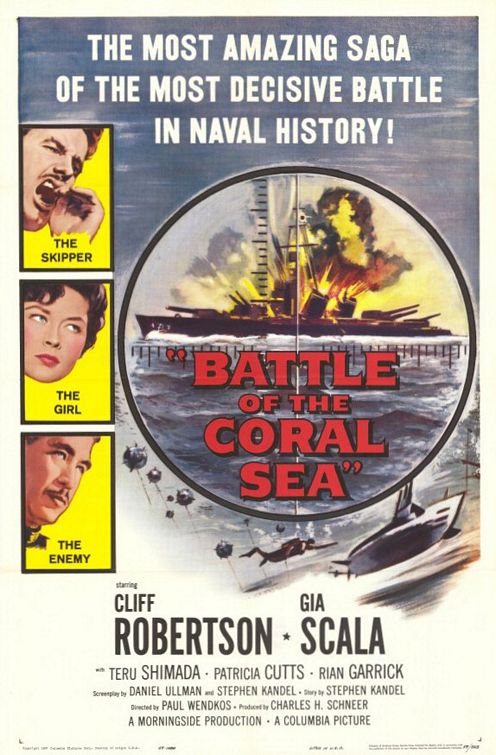
Battle Of The Coral Sea (1959)

In 1942 submarine commander Jeff Conway secretly photographs Japanese aircraft carriers in the Coral Sea.When his submarine is damaged Conway is forced to surrender to the Japanese.Taken to a Japanese interrogation camp Commander Conway and his submarine crew plan their escape.Their mission is dangerous but staying in the Japanese POW camp could be worse.
The most amazing saga of the most decisive battle in naval history!
Lt. Cmdr. Jeff Conway: In my book, anybody who cooperates with my enemies isn't neutral.
San Fernando Valley, Los Angeles, California, USA
(battle scenes)
Santa Catalina Island, Channel Islands, California, USA
(scenes at sea were filmed off this island)
Iverson Ranch - 1 Iverson Lane, Chatsworth, Los Angeles, California, USA
(prison scenes)
San Diego, California, USA
(port scenes and battle scenes set in the South Pacific)
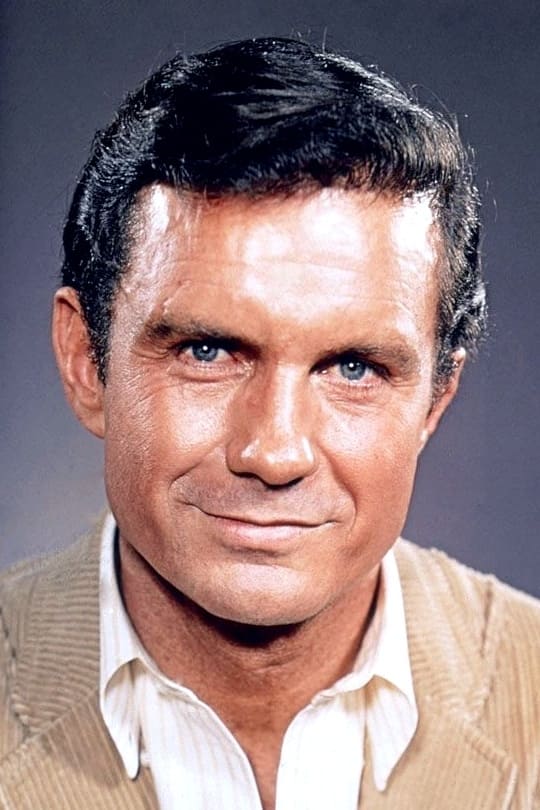
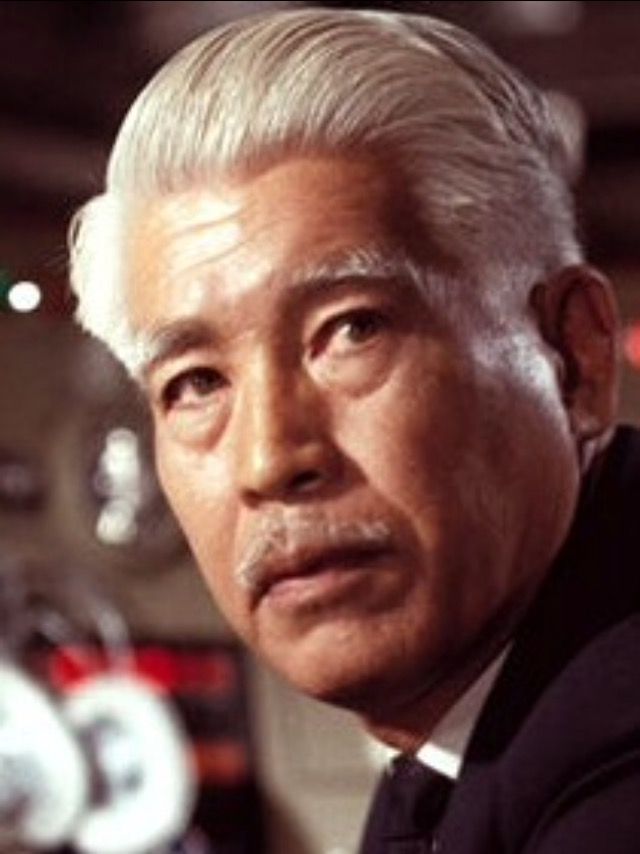
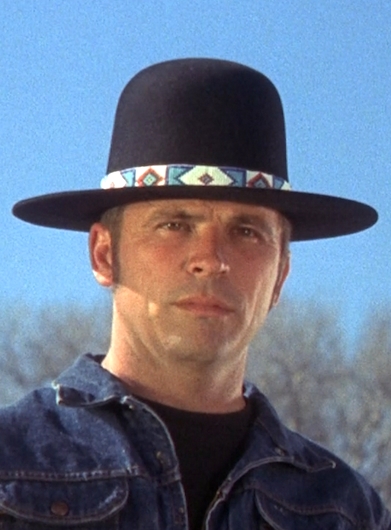
Film debut of George Takei.
Submachine guns used were MP40 from Germany.
The Battle of the Coral Sea was fought from 4 May to 8 May 1942 to prevent the Japanese from capturing New Guinea and fully controlling the Coral Sea, thus isolating Australia from the Allies. The battle was the first strategic defeat for the Japanese Imperial Navy.
In Quentin Tarantino's novel "Once Upon a Time in Hollywood" (2021), it is revealed this film is a highly fictionalized account of the escape led by one of the novel's main characters, Cliff Booth (played by Brad Pitt in Once Upon a Time... in Hollywood (2019).
In November 1959 Columbia Pictures distributed this film on a double bill with The Crimson Kimono (1959).
Continuity
When the guard in the tower is shot in the chest by an arrow he falls from the tower onto his back and the arrow falls out horizontal. The next shot it is back in his chest vertically.
Factual errors
The three Japanese carriers are identified as of the "Shoho Class." In fact, there were only two Shoho Class carriers and at the Battle of the Coral Sea only Shoho was present. The other two carriers were the much larger Zuikaku and Shokaku. The narrator says that all three Japanese carriers were "sunk or damaged;" however, that is not actually true. Only the Shoho was sunk and the Shokaku was damaged, which kept her out of the Battle of Midway a month later. The Zuikaku was not damaged, but her airplane and aircrew losses were such that she also missed the Battle of Midway.
The Battle of the Coral Sea was not "the greatest naval engagement in history" as the narrator stated at the end of the movie. It was the greatest naval battle for the United States in World War II up to that time; however, the British-German naval Battle of Jutland in World War I dwarfed this battle. What was important about the Battle of the Coral Sea was that it stopped the Japanese attempt to conquer Port Moresby, New Guinea as a stepping-off point for the invasion of Australia. Also, it was the first naval battle in which the opposing fleets never saw each other; rather, their airplanes did all the fighting.
Although it is hard to see, one of the model ships in the Battle of the Coral Sea was a US battleship. Neither side used battleships in the battle. Also, when the narrator talked about the loss of the USS Lexington, the aircraft carrier shown with holes on the deck and a displaced airplane elevator was the USS Franklin which suffered greatly from a Japanese bombing attack on March 19, 1945. The ship suffered damage from terrible explosions and fire, but survived and sailed all the way back to New York City.
The Australian Air Force officer in the camp has an army major's insignia.
RAAF Officers have Stripes to denote their rank, not stars or Crowns. The Squadron Leader would have had 2 thick Stripes either side of a thin Stripes.
Revealing mistakes
When Karen Philips throws a rock at a camp light to knock it out, the rock misses by a couple of feet, but it explodes anyhow.
When the sub is on the ocean floor, it rocks a little from side to side in the current, showing that it is a small model.
Anachronisms
Japanese frogmen are seen diving with scuba gear which were not invented until a year later in France and were not available to any navy during the war.
Plot holes
Although it is known that Japanese divers are around, the Captain places all the photographs in a bag and shoots them out of the torpedo tube instead of placing them on the explosives where they would be destroyed when he actives the detonation switch.
The orders given to the captain by the admiral before he revealed that his XO had built a periscope-camera refer to 'a photo-reconnaissance mission', which would be impossible w/o said camera, which the admiral could not have been aware of when the orders were written.