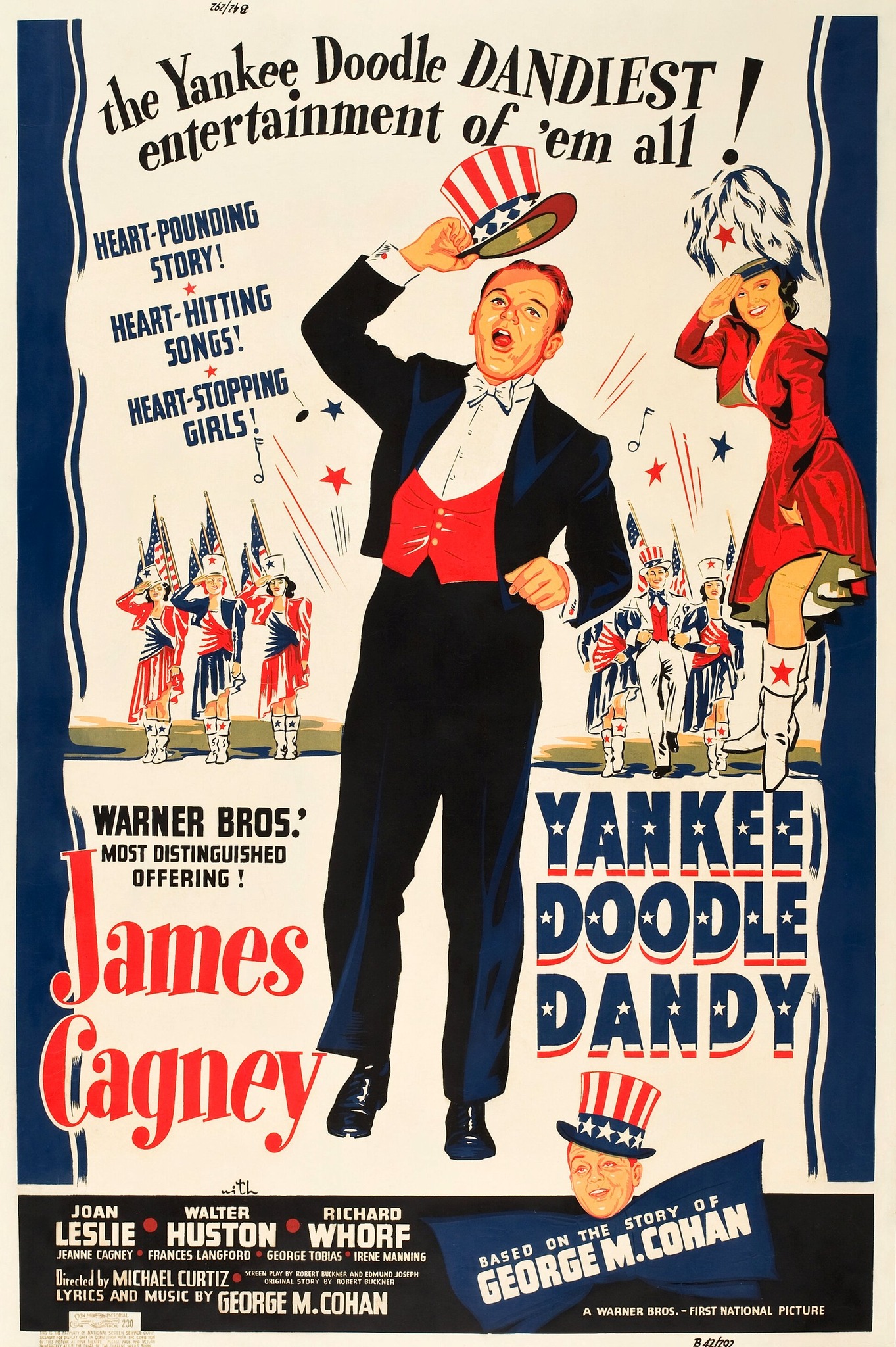
Yankee Doodle Dandy (1942)

A musical portrait of composer/singer/dancer George M. Cohan. From his early days as a child-star in his family's vaudeville show up to the time of his comeback at which he received a medal from the president for his special contributions to the US, this is the life- story of George M. Cohan, who produced, directed, wrote and starred in his own musical shows for which he composed his famous songs.
Based on the story of GEORGE M. COHAN with the Greatest of all his Great Music
George M. Cohan: My mother thanks you, my father thanks you, my sister thanks you, and I thank you.
New York Street, Warner Brothers Burbank Studios - 4000 Warner Boulevard, Burbank, California, USA
Stage 1, Warner Brothers Burbank Studios - 4000 Warner Boulevard, Burbank, California, USA
Stage 11, Warner Brothers Burbank Studios - 4000 Warner Boulevard, Burbank, California, USA
Stage 12, Warner Brothers Burbank Studios - 4000 Warner Boulevard, Burbank, California, USA
Stage 16, Warner Brothers Burbank Studios - 4000 Warner Boulevard, Burbank, California, USA
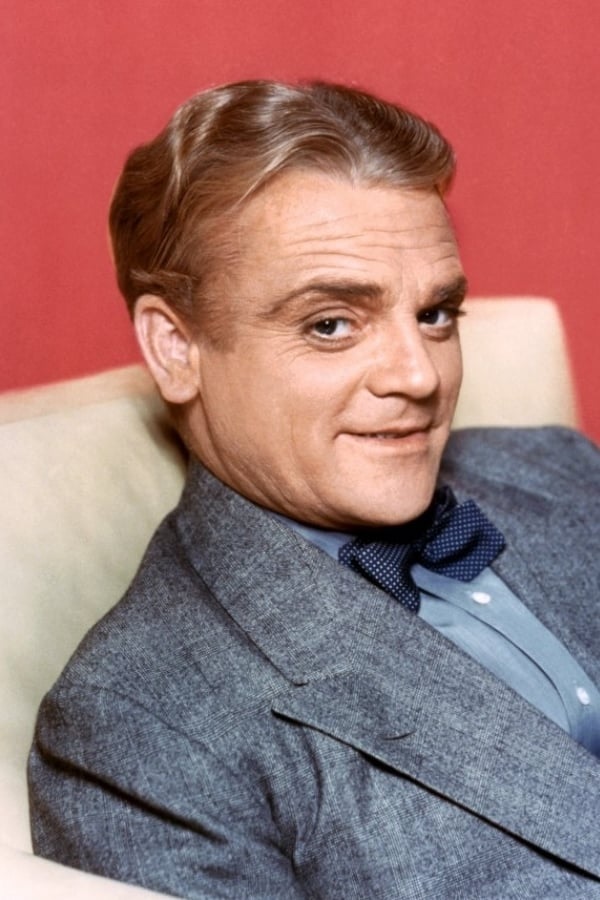
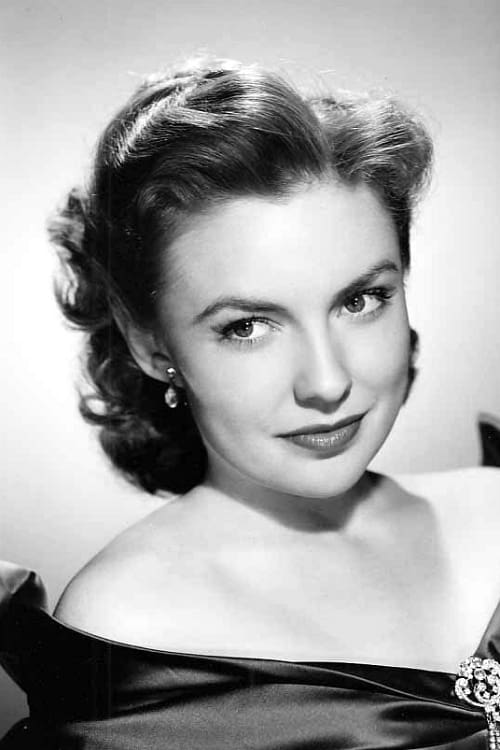
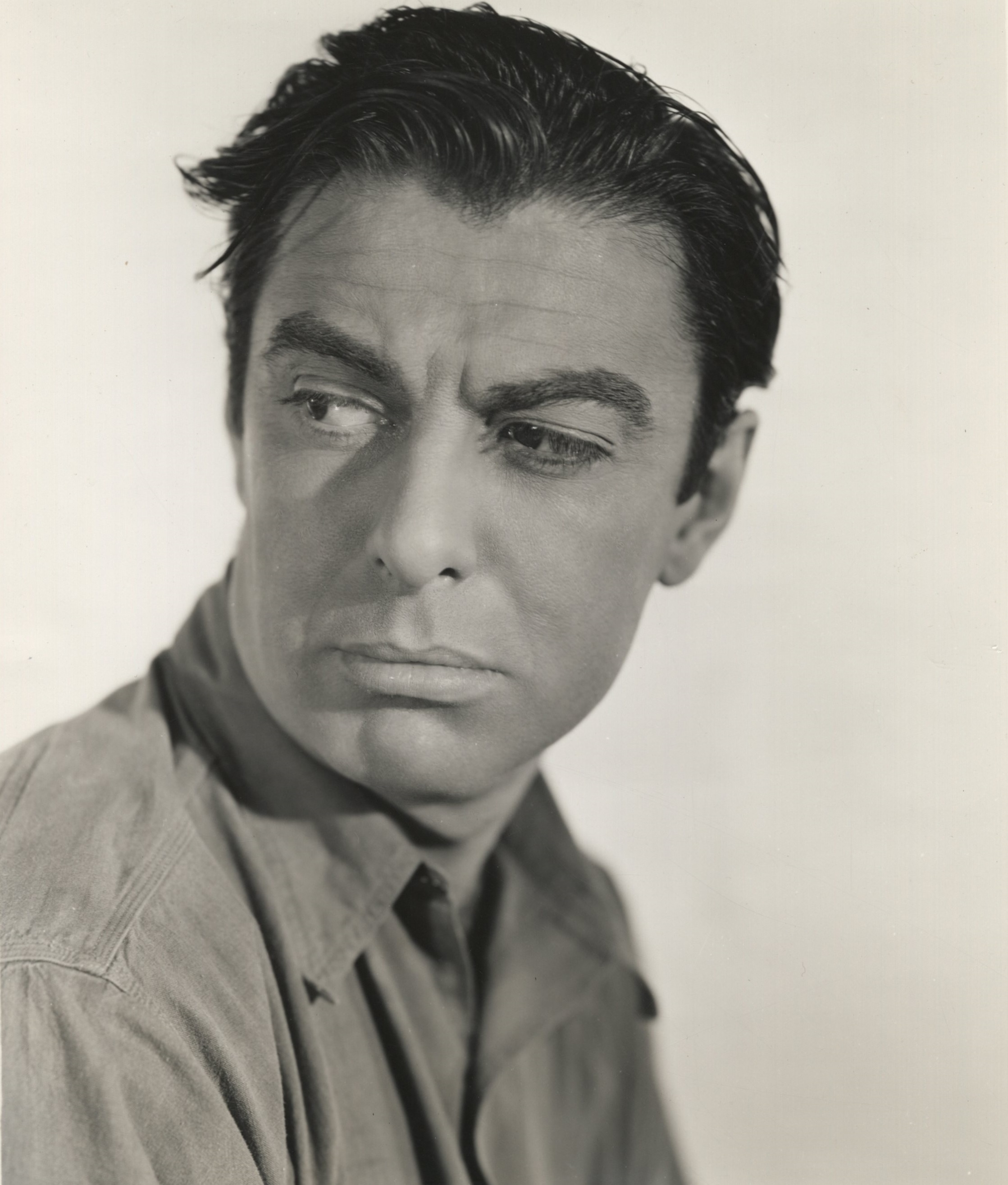
Many facts were changed or ignored to add to the feel of the movie. For example, the real George M. Cohan was married twice, and although his second wife's middle name was Mary, she went by her first name, Agnes. In fact, the movie deviated from the truth to such a degree that Cohan's daughter Georgette commented, "That's the kind of life Daddy would have liked to have lived."
Walking down the stairs at the White House, James Cagney goes into a tap dance. According to TCM, that was completely ad-libbed.
Despite failing health, the real George M. Cohan acted briefly as a consultant on the film. He lived long enough to see the finished result and approved wholeheartedly of James Cagney's depiction of himself.
According to his biography the rather stiff-legged dancing style used by James Cagney in this movie is not his own. He copied George M. Cohan's style to make the film more accurate.
James Cagney became the first actor to win the Best Actor Academy Award for a musical performance.
Continuity
George M. Cohan's work coat is unbuttoned/buttoned/unbuttoned during the scene where he is chopping wood, and talking to his sister.
In the dressing room scene, just before Albee's visit, Jerry Cohan wraps a scarf around his neck while he's talking to George M. Cohan and leaves one end outside of his vest. In the next shot, the scarf is tucked in.
After George M. Cohan plays the violin as a child, he sets the instrument down on a table and it changes position between shots.
Factual errors
"After leaving his meeting with the president, which has supposedly been taking place in the White House's Oval Office, Cohan walks down a grand staircase before exiting the building. The Oval Office is on the ground floor of the White House." George M. Cohan meets with President Franklin D. Roosevelt in an oval room that is on the 2nd floor of the White House. This would be the Yellow Room which FDR used as a private study. It is not the famous Oval Office located in the West Wing.
George M. Cohan received a Congressional Gold Medal, not the Medal of Honor.
Variety newspaper headline is actually "Sticks Nix Hick Pix" (17 July 1935).
After Cohan's father Jerry dies, George M. Cohan is called the last of the Four Cohans. Actually, Cohan's mother, Helen, died in 1928. Jerry died in 1917 and Cohan's sister, Josie, died in 1916.
In the movie, Josie was younger than George. Josie was was actually two years older than George M. Cohan.
Incorrectly regarded as goofs
Many of these "Goofs" were certainly not goofs, but intentional alterations of history for dramatic effect, and here is another one. On the opening night of the drama Popularity, Cohan dictates a telegram apologizing for the play. Upon exiting the telegraph office, the newspapers headline the sinking of the Lusitania. Popularity opened in 1906. The Lusitanian was sunk in May of 1915.
Revealing mistakes
In the shot preceding the "Yankee Doodle Dandy" number, a close up of the conductor's stand shows the conductor's music, which is only a "lead sheet" with the vocal line and lyrics only. This would never be the case, especially on Broadway. The conductor always had a "piano-conductor" part with vocal line and a 2 staff accompaniment of all the music in the show.
In the colorized version, the telegrams are white. It has always been well known that telegrams were yellow in color.
Miscellaneous
At the end of the "I'd Rather Be Right" number, the film shows an audience clapping. The exit sign reads "SORTIE". This must have been stock footage from a French theater. In French, the word sortie literally means "a going out". It should have said "EXIT".
Anachronisms
The "You're A Grand Old Flag" number, supposedly takes place in the 1906 production of "George Washington Jr.," and uses multiple period flags to represent times before 1906. The Civil War flag, as an example, is correct for the time in question. However, in the final sequence characters carry, and an soft screen projection is made of, multiple 48 star flags. The 48 star flag was not introduced until 1912. In 1906, it should have been a 45 star flag. (Oklahoma was admitted to the Union in 1907, New Mexico and Arizona in 1912).
After the scene showing New Year's 1912, Josie tells George she is getting married. Josie and Fred Niblo actually married in 1901, prior to George's successes on Broadway.
The writers stretch the bounds "poetic license" by trying to tie George M. Cohan's flop Popularity (1906) with the sinking of the Lusitania (1915) and the U.S. entry into World War I (1917) as all occurring at the same time.
In the "You're A Grand Old Flag" number, which supposedly takes place in the 1906 production of "George Washington Jr.," an African-American chorus pays tribute to a backdrop image of Abraham Lincoln, seated in a chair. The Lincoln image is taken from Daniel Chester French's sculpture for the Lincoln Memorial. This sculpture was not completed until the opening of the Lincoln Memorial in 1922.
In the "You're A Grand Old Flag" number, which supposedly takes place in the 1906 production of "George Washington Jr.," we see a group of Boy Scouts march onto the stage. The Scout Movement was founded in 1907 by Sir Robert Baden-Powell in England and wasn't founded in the United States until 1910.
Audio/visual unsynchronised
When Francis Langford is singing "Over There" and the power goes out her voice over is still singing while her lips are apparently asking "what is going on?" to George.
When FDR speaks to Geo. M. Cohan in the White House the acoustics are different between the two actors. FDR sounds like he's in a different room.
Crew or equipment visible
Incorrectly regarded as an error: When Fay Templeton stands at the back of a train, departing the scene, a stagehand's feet are visible below the prop train car. This isn't a mistake, the prop car would be moved by hand, a motor would make too much noise and a rope pull might break or become unhitched at an inopportune moment.
Errors in geography
There are no mountains visible from Providence, RI, despite what is shown in the opening scene.
Boom mic visible
The boom mic's shadow falls across the back wall as George M. Cohan and Harris head to the Western Union office.
Shadow sweeping across the set during "Yankee Doodle Dandy".
Shadow sweeping across set during "I'd rather be right" after George M. Cohan steps off the stairs and is behind the long table.
The boom mike is visible, shadowed in the spotlight at the beginning of the "Off the Record" number, about 5 - 10 minutes before the end of the movie.
Character error
Despite the film's storyline, and Cohan's own lifelong claim, that he was born on the 4th of July (and his having written the song "Yankee Doodle Dandy" containing that very line), George M. Cohan was in fact born on the 3rd of July (1878).