The Undefeated (1969)

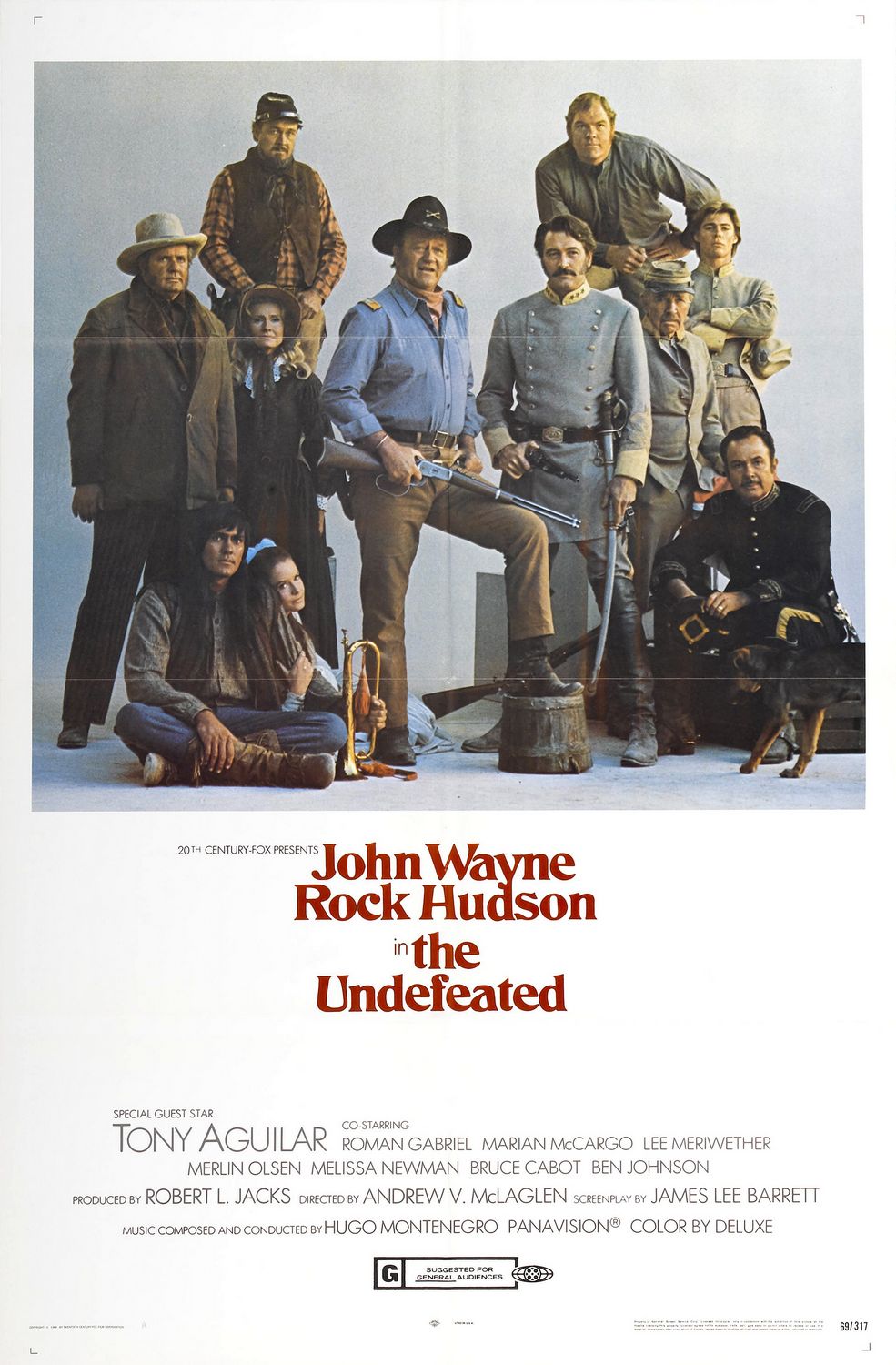
After the Civil War, ex-Union Colonel John Henry Thomas and ex-Confederate Colonel James Langdon are leading two disparate groups of people through strife-torn Mexico. John Henry and company are bringing horses to the unpopular Mexican government for $35 a head while Langdon is leading a contingent of displaced southerners, who are looking for a new life in Mexico after losing their property to carpetbaggers. The two men are eventually forced to mend their differences in order to fight off both bandits and revolutionaries, as they try to lead their friends and kin to safety.
Across 2000 miles of savage wasteland ... they lived a thundering adventure that rocked two nations !
Col. John Henry Thomas: Windage and elevation, Mrs. Langdon; windage and elevation.
Durango, Mexico
Sierra de Organos, Sombrerete, Zacatecas, Mexico
(location)
Baton Rouge, Louisiana, USA
(Horse stampede)
Bavispe River, Sonora, Mexico
Sierra de los Ajos, Bavispe, Sonora, Mexico
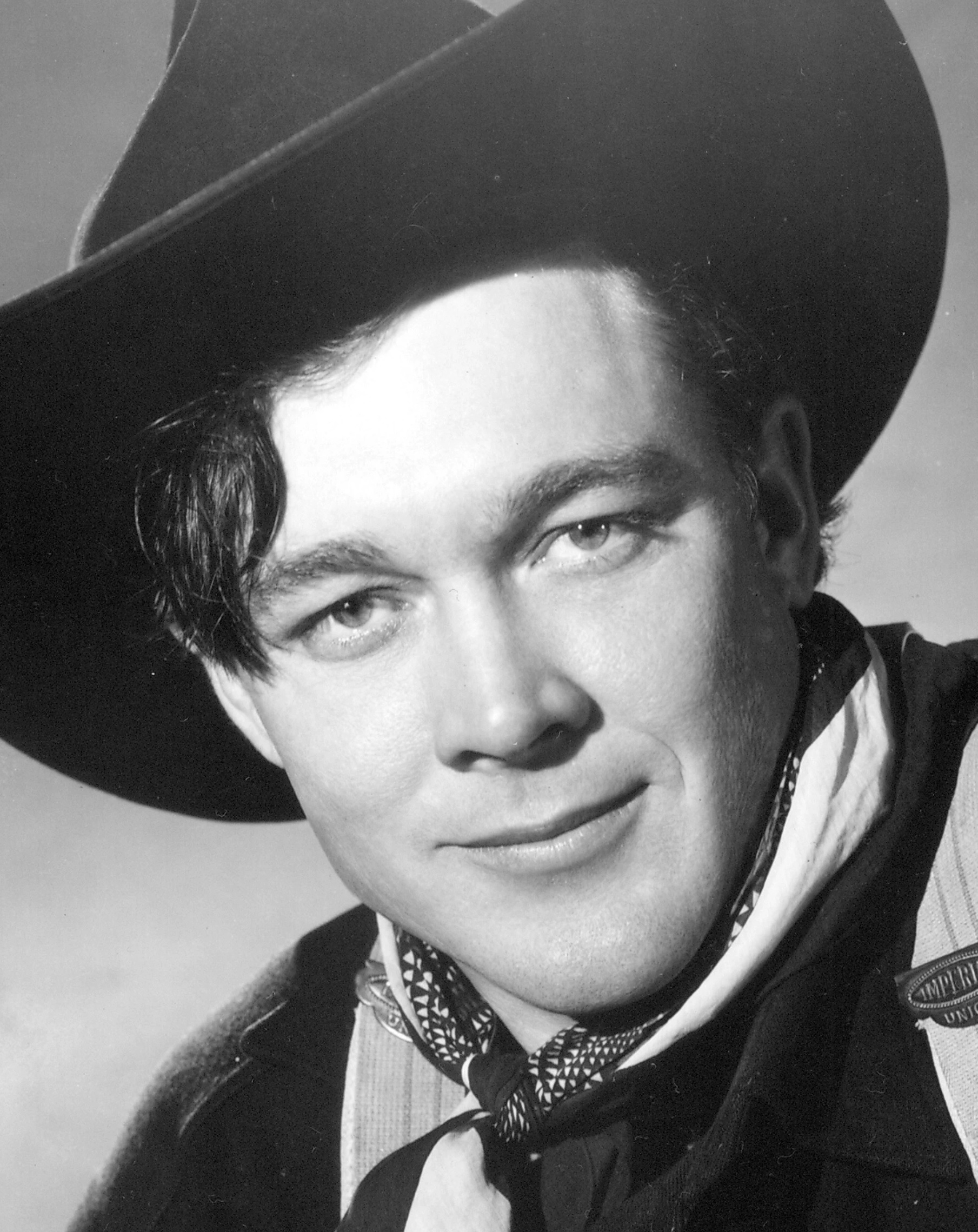
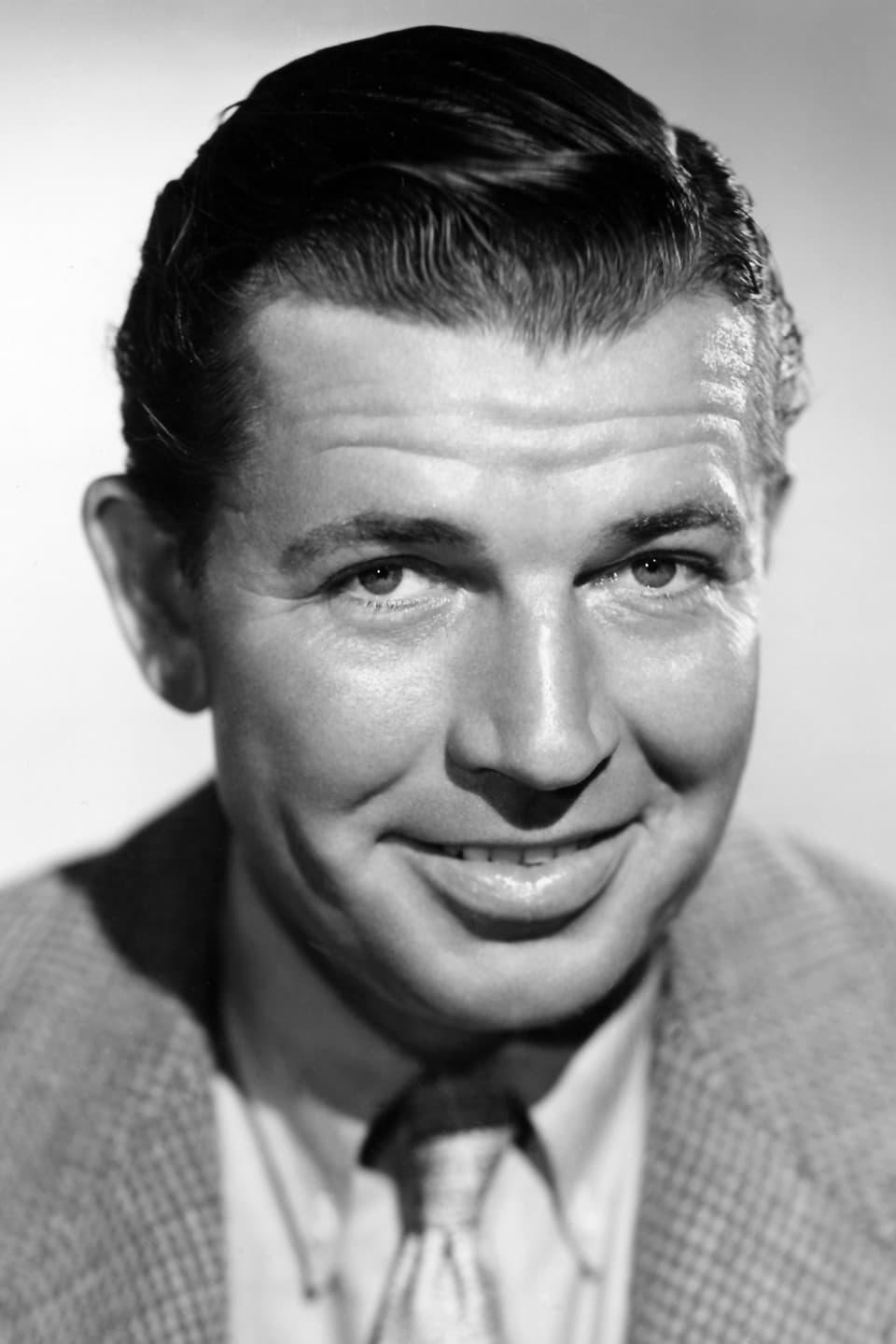
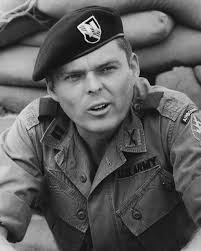
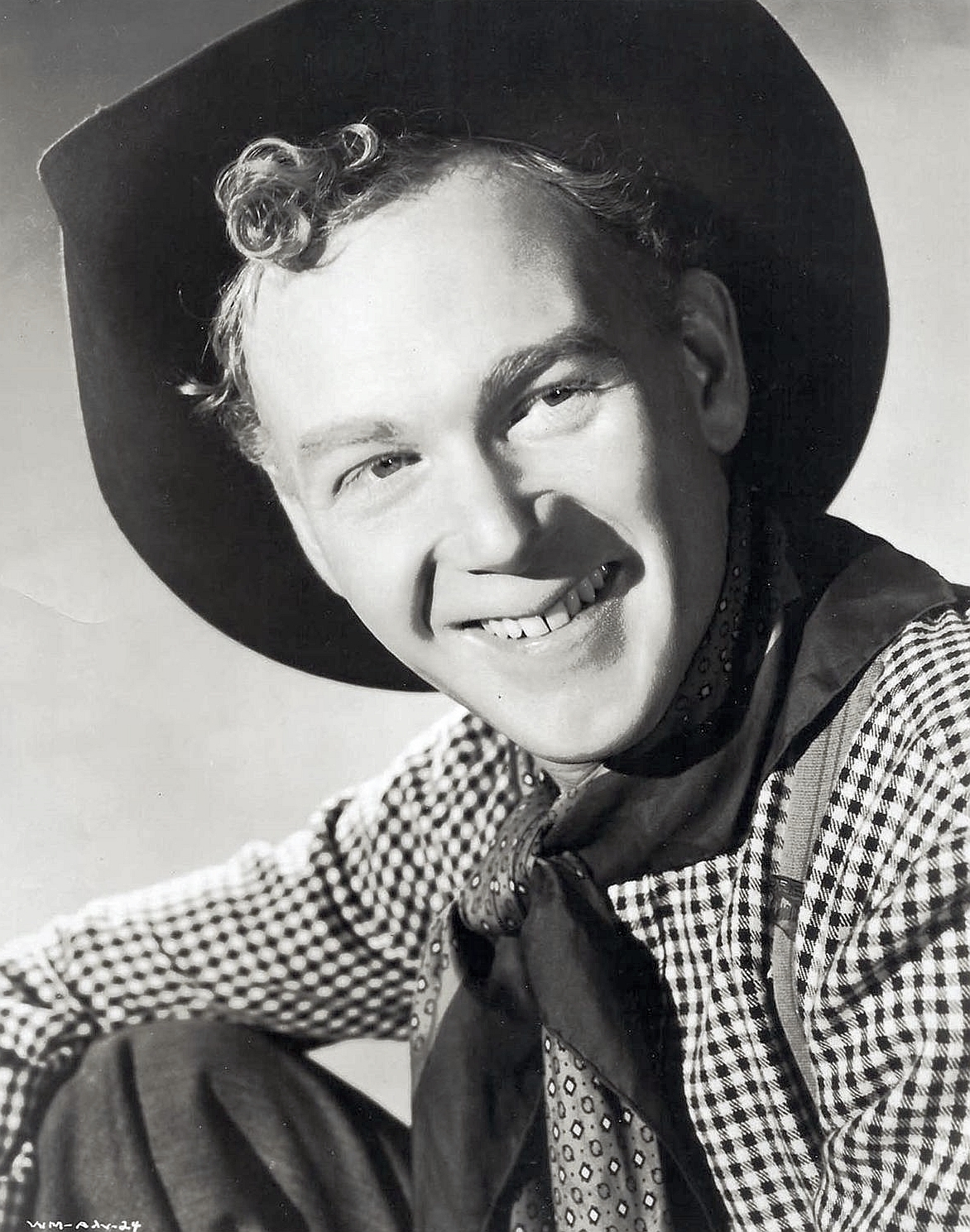
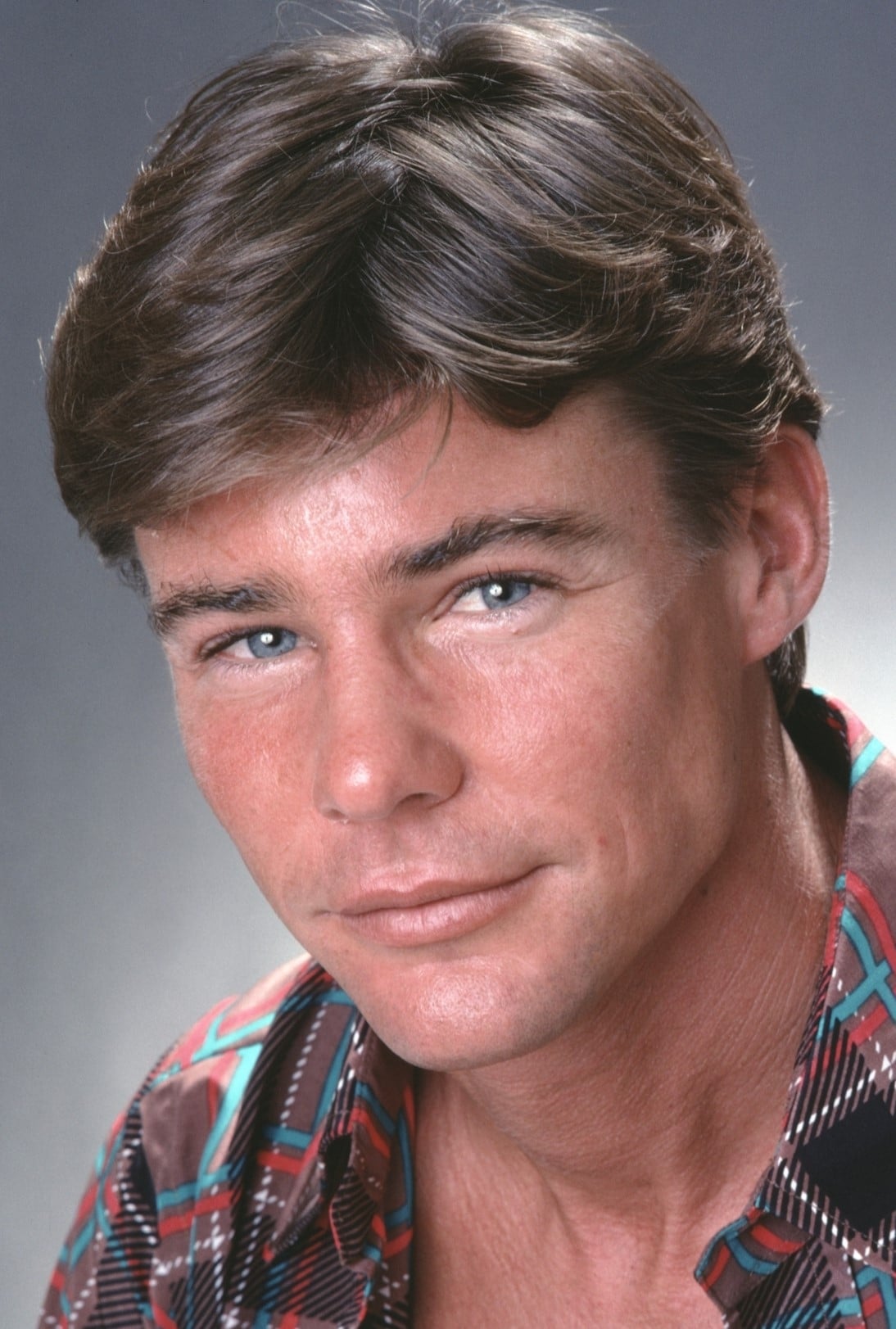
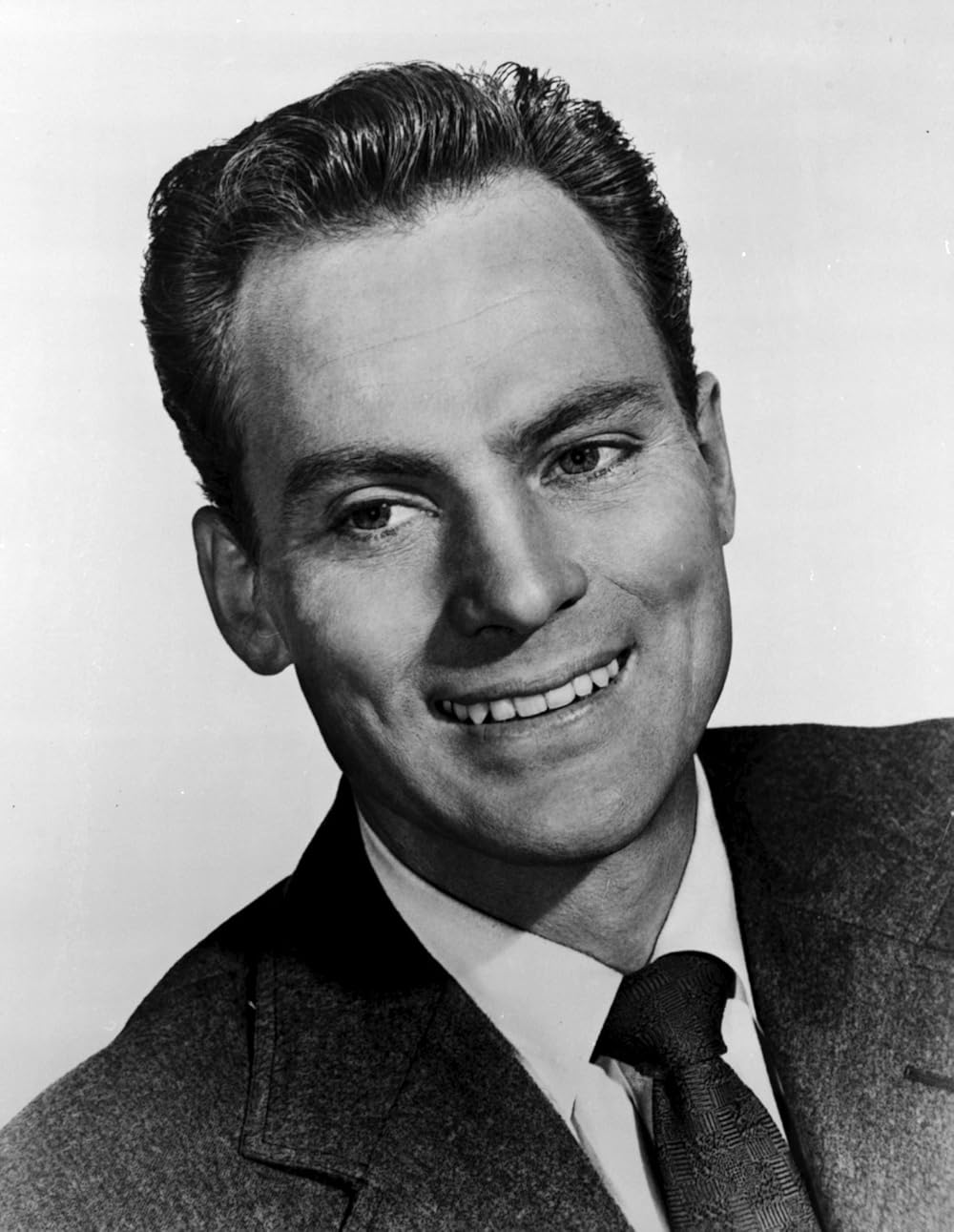
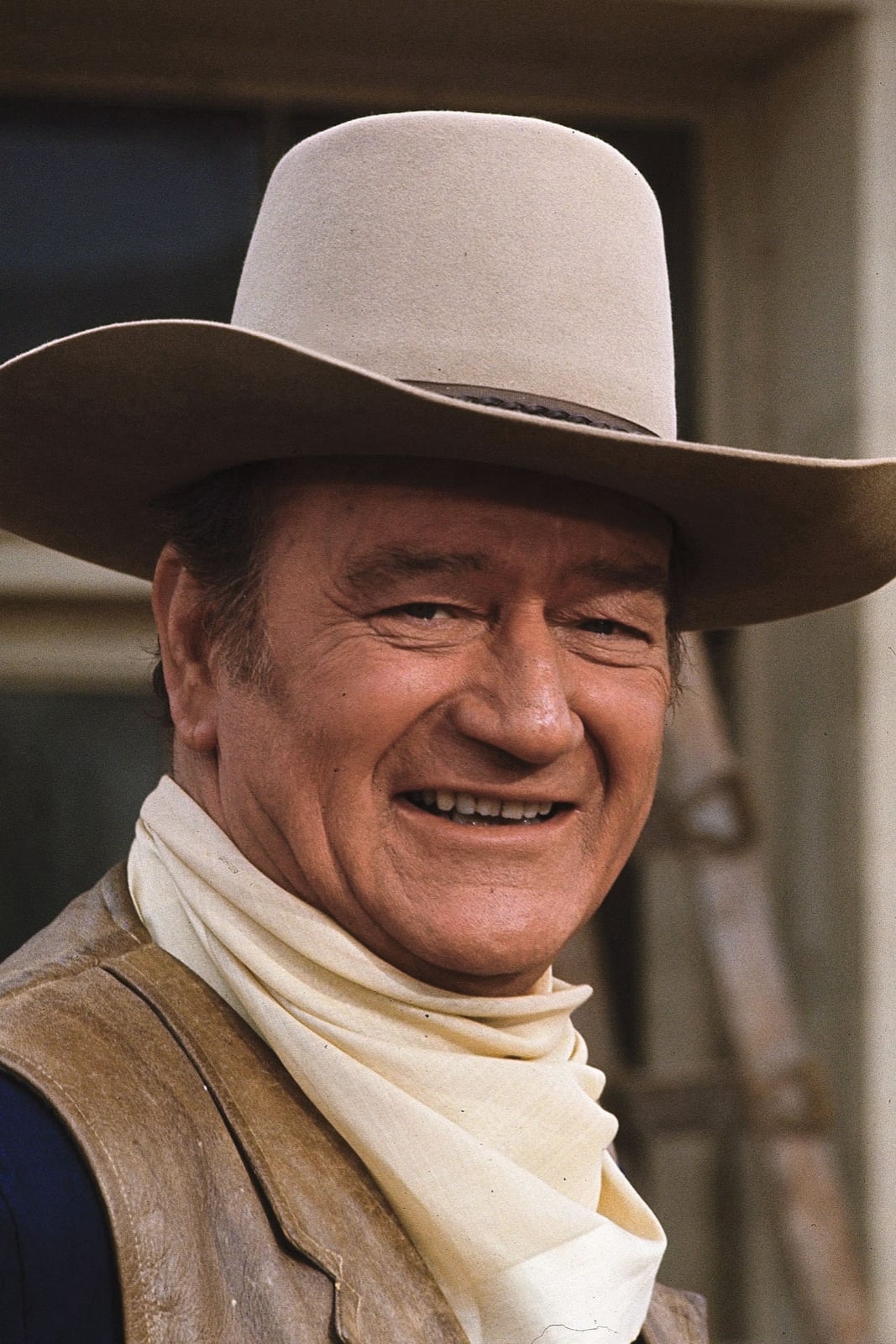
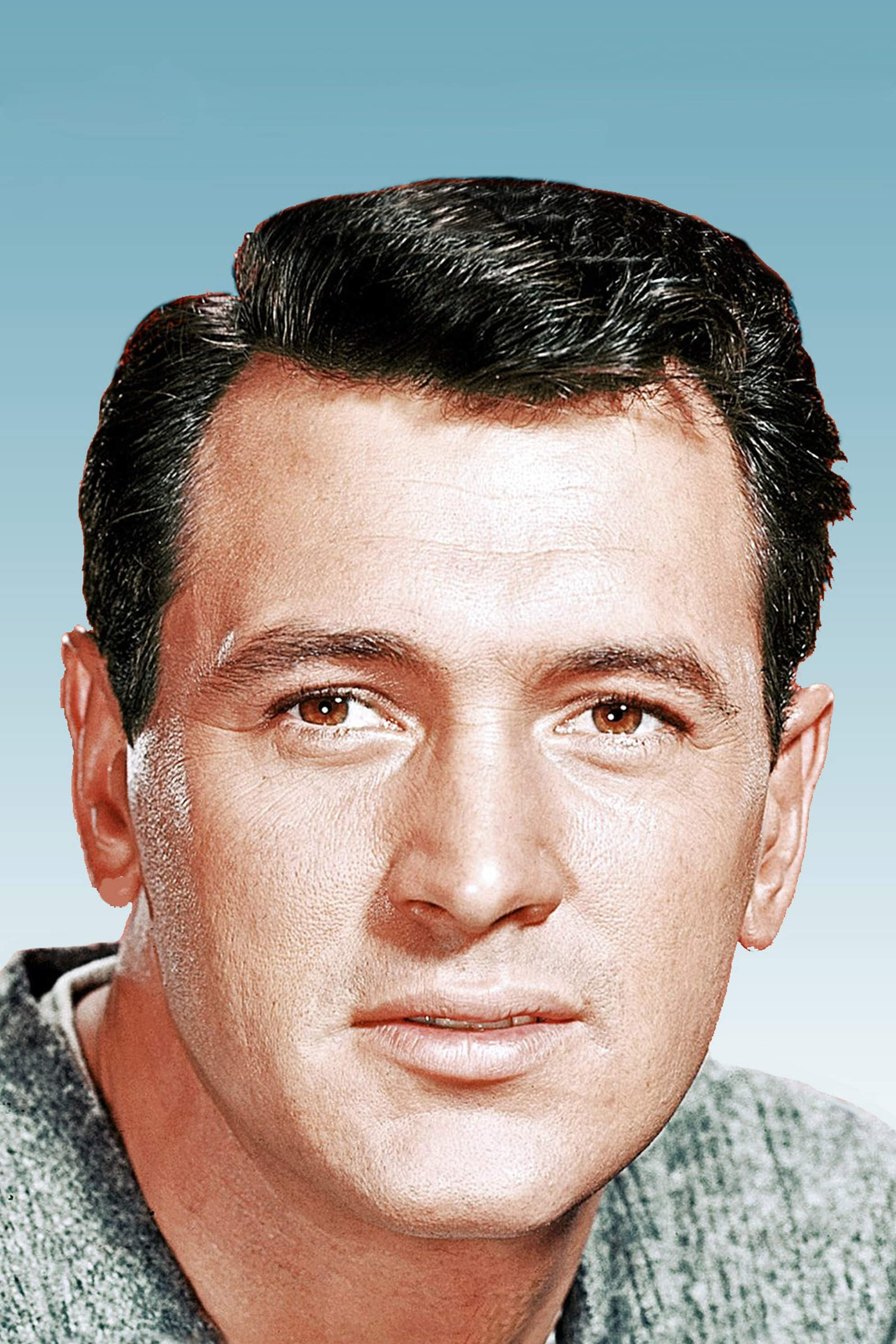
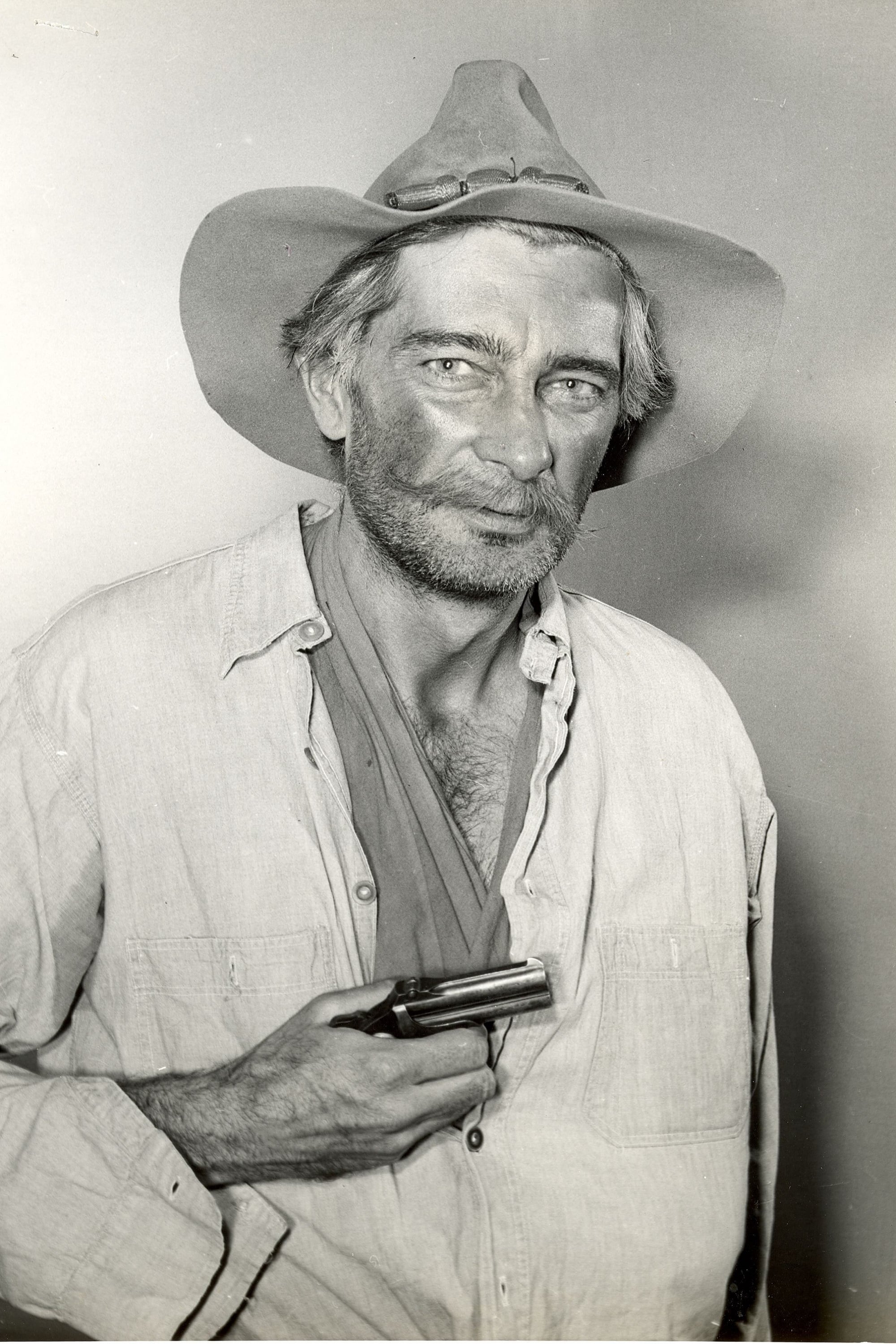
Before filming began, John Wayne had to lose most of the weight he had put on in order to play Rooster Cogburn in True Grit (1969).
John Wayne became good friends during the shoot with Rock Hudson and even joked that he'd rather have been born with Hudson's movie star face than his own.
Rock Hudson was asked not to bring his partner on location for the three-month shoot.
John Wayne liked casting himself against tall actors, so when the 6'7" James Arness became unavailable, he helped cast Rock Hudson, who was at least as tall as he. He also wanted someone to play bridge with, and knew that Hudson was a good bridge player. It is unlikely Arness was seriously considered, since Wayne had actually fallen out with him when Arness deliberately snubbed his film "The Alamo".
According to Michael Munn's 2003 book "John Wayne: The Man Behind the Myth" during filming, John Wayne fell from his horse and fractured three ribs. He couldn't work for almost two weeks. Then he tore a ligament in his shoulder and couldn't use one arm at all. Director Andrew V. McLaglen could only film him from an angle for the rest of the picture. Wayne's only concern, throughout, was not to disappoint his fans, despite being in terrible pain. It has been widely questioned whether any of Munn's celebrity biographies were true.
Continuity
Thee firing squad of nine Mexicans, in a single volley of shots, kill ten Frenchmen.
Near the end when John Wayne and Rock Hudson deliver the horses to Gen., Rojas, Melissa Newman is standing behind the General on the steps. At the beginning of the scene she is standing in front of Lee Meriwether. In the next shot she is standing in front of Marian McCargo, then it's back to Lee Meriwether, then over to McCargo again. As Lee steps out to talk to James, she's in front of her again, then back to McCargo. Finally she's alone in front of the group.
As John Henry and Blue Boy are riding down the hill to meet Colonel Langdon and his crew for the first time, the style of John Henry's holster is different and the color of the grip on his revolver has changed.
Factual errors
A number of times in the early part of the movie, reference is made to the surrender of Robert E. Lee to Ulysses S. Grant as the end of the war. Although the surrender of Lee is now seen as the effective end of the war, at the time it was not and would not have been considered such by most people (the Confederate major in the opening battle being an example). Organized military operations continued for more than a month after Lee's surrender.
The characters, both Mexican and American, keep referring to the war against Emperor Maximilian as a "revolution." As the Benito Juarez government had never fled Mexico during the intervention and consistently insisted it was the lawful government, no loyal Mexican would consider the war a revolution--it was the expulsion of a foreign invader. Once the American Civil War ended in 1865, the US resumed its support of Juarez and rejection of the European-imposed monarchy in Mexico, under the continuation of the Monroe Doctrine.
At the beginning of the movie, Ann Langdon is shown placing flowers on the grave of her husband. His date of death is shown as March, 1863. Later, Col. Langdon tells Thomas that his brother was killed by Yankee cavalry at Chickamauga. The Battle of Chickamauga was September 19-20, 1863.
When John Henry Thomas and Col. Langdon meet for the first time, Langdon makes reference to Thomas' cavalry being with George Armstrong Custer at Gettysburg. Thomas was also supposed to be at the Battle of Shiloh. Further, it is obvious from the beginning of the movie that Thomas was a colonel of volunteers (not a regular officer). None of the volunteer cavalry at Shiloh were at Gettysburg, so Thomas' unit could not have been present at both battles.
The U.S. Army purchasing agents, Giles and Parker, were not only small-time thieves. But, mathematically incompetent, too. Even if their $10.00 per capita swindle had succeeded, buying only five hundred horses would've netted them only one-sixth the profit they could have made with all three thousand.
Revealing mistakes
Reused footage. The first group of soldiers to be blown up are blown up again seconds later.
Looking closely, you can see the rifle of the tenth member of the firing squad. Also you can plainly see his shadow on the ground at a 10:00 position. There are several other shots that confirm the number.
In the battle at the beginning of the film, a Confederate artillery position is destroyed by Union bombardment. The "soldiers" who are blown up into the air are very obviously dummies and not stuntmen.
Miscellaneous
Early in the movie one of John Henry's men is writing a letter. When asked where he's going to mail it his reply is "There's pony express around here." The pony express stopped operations in October of 1861, almost 4 years earlier.
Anachronisms
At the end of the film, as everyone rides slowly toward the camera, a red pickup truck enters from the right and casually drives alongside the river in the background. It is most noticeable when the camera draws in for a close-up of John Wayne's face, the truck can clearly be seen just below and to the right of Wayne's chin.
The movie is set in 1865. The Confederates are using 1873 Springfield Trapdoor rifles, the Mexican bandit leader is using an 1873 Trapdoor Carbine, John Henry Thomas is using an 1873 Colt Peacemaker and an 1892 Winchester rifle.
At the end of the last close-up shot of John Henry Thomas in the movie, a pickup truck can be seen entering the frame in the background on the opposite side of the river, appearing just below John Henry's face to the right, dimly for two to three seconds.
In the opening scene, Union soldiers are marching past the screen carrying a flag with 48 stars on it. During the Civil War the Union flag had only 34 stars until the admission of West Virginia, the 35th, state in June 1863, and the 36th star was added for the admission of Nevada, in October 1864.
The cavalry uniforms are Indian Wars (1870s-80s) vintage, not Civil War (1860s) vintage.
Crew or equipment visible
During the opening titles, as refugees file past the camera, its shadow is visible during the whole shot.
Plot holes
When Col. Langdon leaves to go ask John Henry to give up his horses to save the Colonel's men, he leaves and the sun is still up. He is shown riding at a full gallop at sunset and arrives at John Henry's camp sometime around daybreak. John Henry and his men take the herd back at a walk and still arrive just before noon, covering the same amount of ground at a walk in less than six hours that the colonel traveled all night to cover.
Character error
After the Civil War (1861-65) when the cowboys are around the campfire, Webster talks of sending a letter and that it could go Pony Express. The Pony Express dissolved in October of 1861. It also did not go into south Texas where the cowboys, apparently, were traveling.
Just before the bandits show, we see the last of the pickets (Jameson) riding in. He is sitting stiffly, but you can clearly see his right arm moving to control the horse. Just a moment later, three soldiers go out to retrieve him and find he is dead. He should not have been able to control the horse.