Twelve Oclock High (1949)

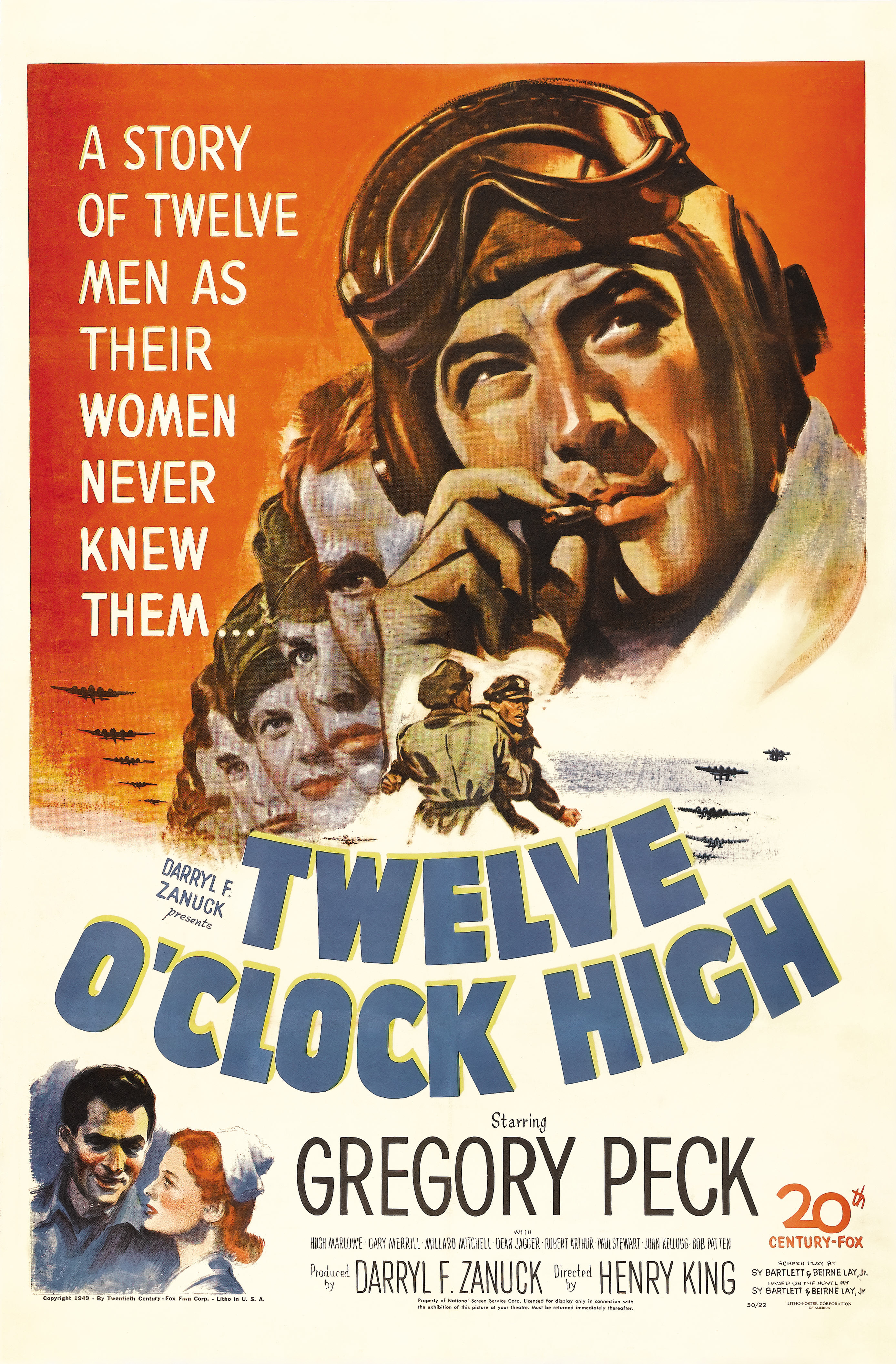
In this story of the early days of daylight bombing raids over Nazi Germany, General Frank Savage (Gregory Peck) must take command of a "hard luck" bomber group. Much of the story deals with his struggle to whip his group into a disciplined fighting unit in spite of heavy losses, and withering attacks by German fighters over their targets. Actual combat footage is used in this tense war drama.
A story of twelve men as their women never knew them...
General Savage: I'm just getting started. You're gonna stay right here and get a bellyful of flying. You're gonna make every mission. You're not air exec anymore. You're just an airplane commander. And I want you to paint this name on the nose of your ship: Leper Colony. Because in it you're gonna get every deadbeat in the outfit. Every man with a penchant for head colds. If there's a bombardier who can't hit his plate with his fork, you get him. If there's a navigator who can't find the men's room, you get him. Because you rate him.
Eglin Air Force Base, Fort Walton Beach, Florida, USA
Ozark Army Airfield, Ozark, Alabama, USA
RAF Barford St. John Air Base, Oxfordshire, England, UK
Stage 3, 20th Century Fox Studios - 10201 Pico Blvd., Century City, Los Angeles, California, USA
Stage 6, 20th Century Fox Studios - 10201 Pico Blvd., Century City, Los Angeles, California, USA


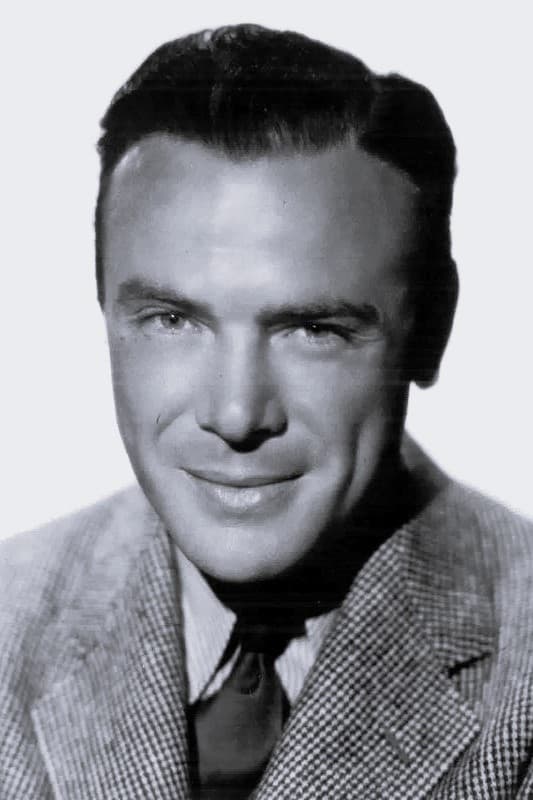
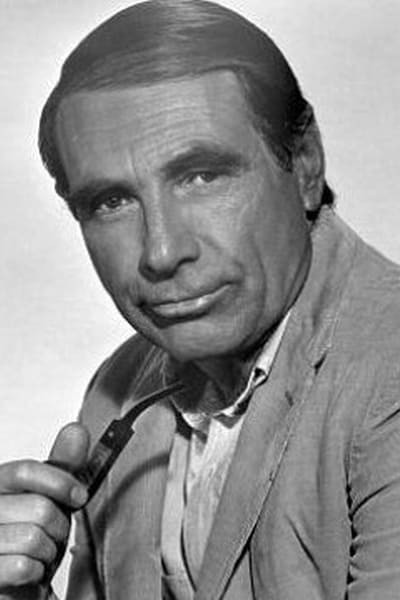
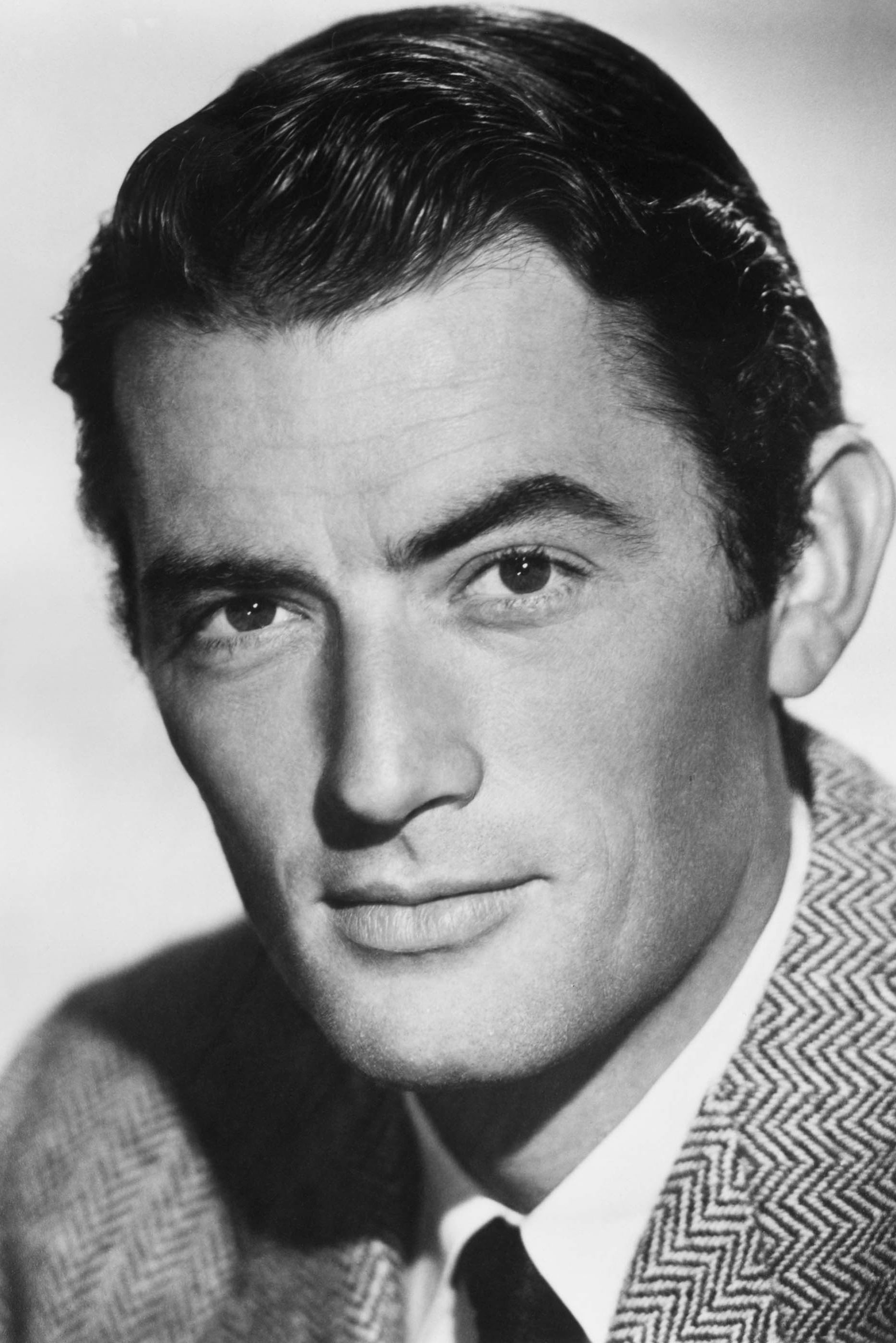
This film is used by the US Navy as an example of leadership styles in its Leadership and Management Training School. The Air Force's College for Enlisted Professional Military Education also uses it as an education aid in its NCO academies and Officer Training School. It is also used as a teaching tool for leadership at the Army Command and General Staff College and for leadership training in civilian seminars. It is used at the Harvard Business School as a case study in how to effect change in organizations.
This film is frequently cited by surviving bomber crew members as the only accurate depiction from Hollywood of their life during the war.
The B-17 bomber crash landing at the airstrip near the beginning of the movie was not a special effect. Stunt pilot Paul Mantz was paid $4,500 to crash-land the bomber (that would amount to $53,600 in 2022). Mantz, of course, walked away from the wreck. Until the 1970s, that was the largest amount paid to a stuntman for a single stunt.
The B-17 used in the movie and television series is being restored at the Planes of Fame Air Museum in Chino, CA.
Originally planned to be shot in color, the decision was made to shoot in black and white instead to accommodate the use of stock footage.
Continuity
Savage is given command of the 918th and tells Pritchard that he'll get there "early" the next day. By the time he does arrive, Lt. Zimmerman has committed suicide, been given a funeral and Major Stovall has had time to get drunk afterwards.
During the Ball Bearing mission, the Picadilly Lilly is shown to have 6 bombs painted under the cockpit (indicating 6 missions). However, a much earlier mission also shows 6 bombs. There were obviously many missions between these 2 shots.
At the beginning of the film, Harvy Stoval rides his bike down a dirt road, and though it is difficult to tell on a television, looking at the top of the screen, the road has spots of color variations. Harvy goes thru the fence to the runway, and it is clear it has been raining because there is standing water on the cement runway ... the dirt road must also have been wet. But then at the end of the film, as Harvey returns back to 1949, walking down the abandoned runway and large puddles of water, by the time he reaches his bicycle on the dirt road, it is completely dry.
When General Savage visits Lt Col Gately in the hospital, close-up shots are taken from the left side of Gately's bed and long distance shots are taken from the right. The lighting on Gately's face is significantly brighter in the close-ups.
Factual errors
The members of the 918th Bomb Group are taunted in a German propaganda broadcast which begins "Germany calling, Germany calling, this is Lord Haw Haw speaking..." In real life, "Lord Haw Haw" was a derogatory nickname applied to the real-time propaganda broadcaster William Joyce in reference to the affected accent he assumed when speaking on the radio, and he would not have referred to himself as such.
In the movie credits, the flight surgeon is listed as "Capt. 'Doc' Kaiser". However, from the character's first appearance at the crash-landed B-17 in the opening scene, he wears oak leaves of a major (or a lieutenant colonel, since in a B&W movie it can't be determined whether they are gold or silver). Later, he is always referred to as a major.
During the bombing mission depicted in the film, the tail gun of General Savage's "Picadilly Lily" B-17F airplane is shown briefly, but it is a late-war model "Cheyenne"-type tail turret - incorrect for the time period during which the events in the film take place.
Some of the aerial photography showing combat on the Ball Bearing raid appear to show Spitfires, as well as ME109 and FW190, aircraft amongst those attacking the bombers.
Aircrews are seen wearing A-2 jackets and wool mufflers around their necks. According to some dialog, these crews have been coming off raids that took place at 19,000 feet. The wearers of these jackets would have frozen at this altitude. Also strange is that various crew members of the Group are seen wearing the B3 sheep-lined jackets which would be appropriate for this altitude, but without the electrically-heated blue bunny suits, the wearers would freeze. At Interrogation, one man is wearing a B-15 jacket which didn't appear until later in WWII.
Revealing mistakes
On the bombing mission to the ball bearing factory the actual combat film footage used is of a bomb strike on a railroad marshaling yard.
During the aerial combat scenes of the movie's last mission, actual WWII combat footage is randomly inserted to add realism. However, three of these clips show a close-up of an American P-47 fighter attacking the B-17s.
When Savage's plane, the Piccadilly Lily, takes off on the ball-bearing mission, the lettering on the nose of the plane is thick and bold. Since it is hand-painted, the top line, "Piccadilly" is slightly skewed. A few shots later comes the fake re-creation of the cabin, in front of the projection screen, for close-ups of Savage and the co-pilot through the windows. Now, the lettering "Piccadilly Lily" is completely wrong - the wrong thickness, wrong shape, the wrong font. Also, the bombs under the window are too small and clustered too close together.
When Doc is telling General Savage about Gately at the coffee bar, a fly is clearly visible buzzing very close to his face, but the actor doesn't break character.
On the last mission General Savage goes on, right after take-off, the camera slowly zooms in on Piccadilly Lily's cockpit. A minute later the camera zooms in on Reluctant Dragon's cockpit, then Fluffy Fuzz's cockpit. All three times the plane in the background is the same #23613 and the stains and dirt on the roof of the three cockpits is the same.
Miscellaneous
In the Officers' Club Quonset hut the dates painted on the wall panels with the target and mission dates are wrong; they're painted in the civilian order: month/day/year. In the USAAF they should've been painted day/month/year.
Anachronisms
Insignia incorrect for the period. The Schweinfurt ball bearing plant raids took place in 1943. By that time, the national insignia had the bars on each side of the round star background. Apparently the older star-on-blue with no bars was used to match documentary footage inserted into the movie.
In the film, a large white triangle with a black "A" inside it is painted on the vertical stabilizers (tail fins) of the 918th Bomb Group's B-17 airplanes. At the point in World War II depicted in the film, 8th Air Force B-17's did not yet bear these markings, carrying only the plane's serial number on the tail. The white triangle with a black "A" was the identifying insignia for the real-life 91st Bomb Group later in the war. The aircraft used in the movie were marked to match wartime combat camera footage, some of which featured 91st Bomb Group planes.
Crew or equipment visible
In the opening shot, LONDON 1949 is framed by a glass door of the Hat shop. As it opens and Major Stovall (Dean Jagger) exits, a camera and technician are reflected in the glass swinging away to one side.
Character error
During the first meeting between General Savage and Major Stovall, Stovall supposedly has been drinking at the 918th Bomb Group officer's Club. However, Dean Jagger doesn't give a good impression of a man drunk or even 'slightly impaired'. Ditto for Hugh Marlowe (Lt. Col. Gately) when he first meets Savage in the scene where savage 'dresses down' Gately for gross dereliction of duty.