
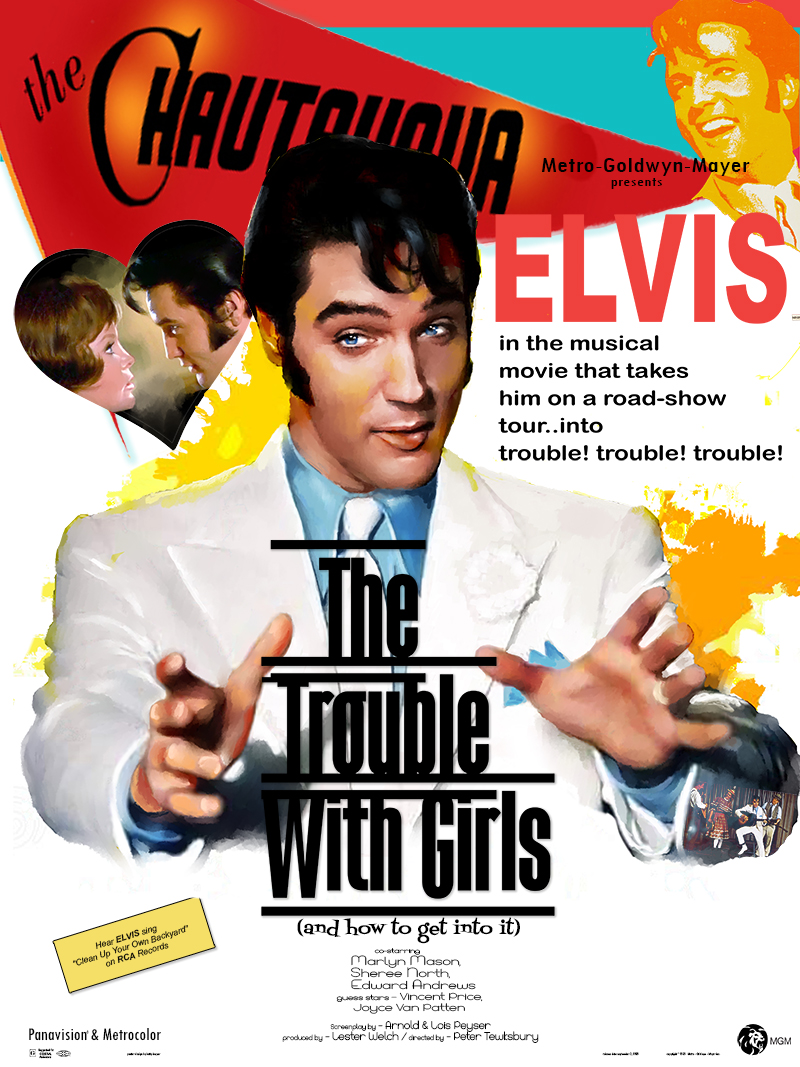
The Trouble With Girls (1969)

A traveling Chautauqua show, an educational and entertainment troupe, pitches their tents in a small American town with an ensemble of speakers, lecturers, teachers, musicians, and actors, as manager Walter Hale must deal with a myriad of problems, including small-town prejudice and politics, nepotism, union problems, and a murder.
Elvis crosses the country...into trouble! trouble! trouble!
Betty Smith: Do you think Romeo and Juliet had pre-marital relations?
Mr. Drewcolt: Only in the Des Moines company.
Metro-Goldwyn-Mayer Studios - 10202 W. Washington Blvd., Culver City, California, USA
(Studio)
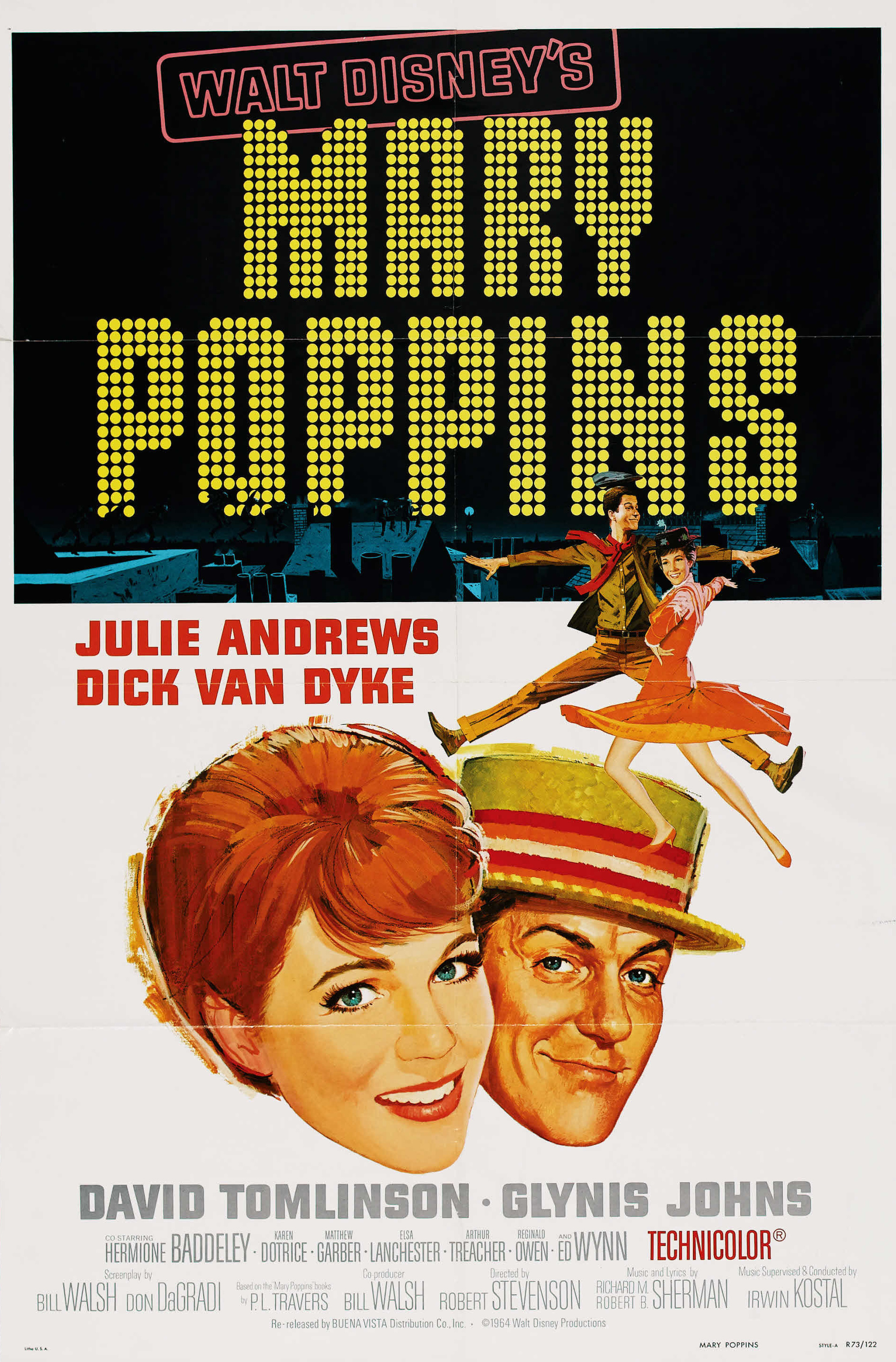
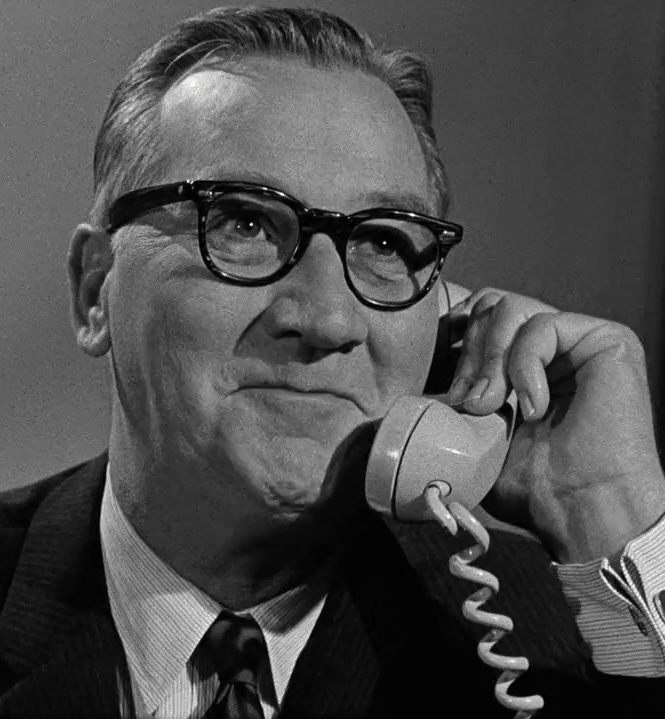
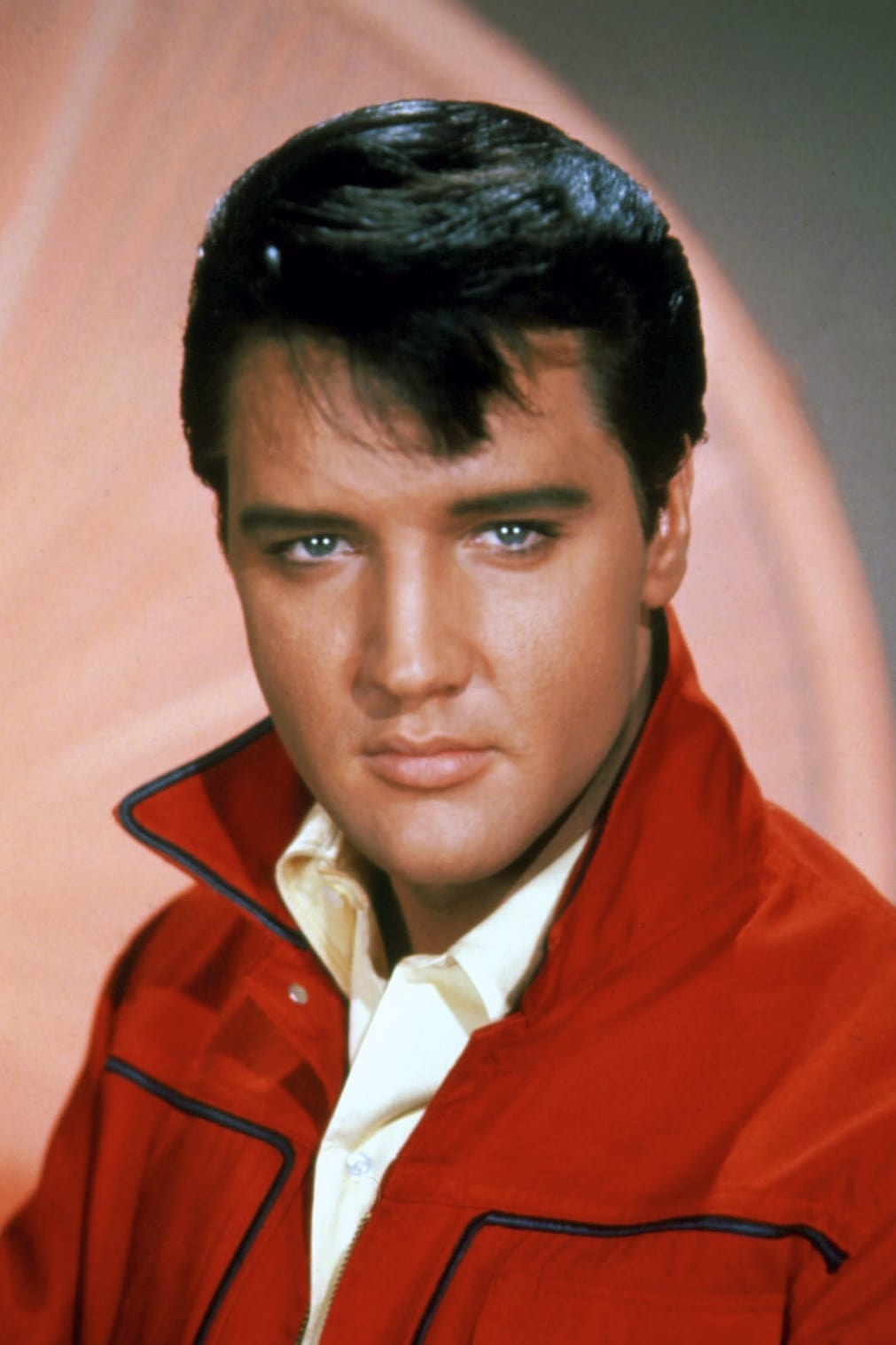
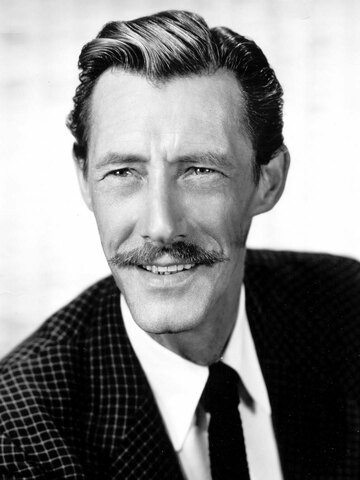
Elvis was paid $850,000 plus 50% of the profits.
Publicity stills for the movie featured Elvis and Marlyn Mason posing with guns ? la Bonnie and Clyde in front of cars, including 1960s Cadillacs, despite the fact that neither use guns in the movie and that it's set in 1927.
Elvis Presley typically appeared in every scene of his movies. This film's unusual structure - including a number of guest stars and a plot that unfolds through the eyes of two children - resulted in two unlikely yardsticks: the fewest Presley vocals in all of his musicals, and the film in which he has the least amount of screen time.
Uncredited as an auditioning singer, future Brady Bunch kid Susan Olsen warbled "When You Wore a Tulip," with her noticeable childhood lisp.
The only feature film of tragic TV child star Anissa Jones (1958-1976).
Continuity
Outside the tent where Mr. Drewcott is reciting Shakespeare, Walter is conversing with Charlene. In one shot, Walter has a cigar in his mouth with his arms down, and in the next shot during continuous dialogue and action, his mouth is empty. There was no time for him to reach up and remove the cigar.
In the musical number "Clean Up Your Own Back Yard", the girl appears to change sides behind Elvis. Although there is a slight change of camera angle when far away from him then close up, her move from behind his left shoulder to behind his right shoulder looks wrong.
Factual errors
The opening narration summarizes some of the events of the movie's 1927 setting, including "Janet Gaynor won the first Oscar." Her Academy Award was not awarded until May 1929.
Revealing mistakes
During the blackjack game, the currency near Clarence's cards is fake prop money, which is fine. There were regulations prohibiting the use of real money in films. However, the same fake portrait was used on both the $1 and the $10 bills.
Anachronisms
When Elvis is on the stage singing "Clean Up Your Own Backyard", the musician behind him is playing a Yamaha 12-string guitar (most likely a Yamaha FG-220), which is a dreadnought. Elvis is playing a six-string dreadnought. Both guitars in question are square-shouldered dreadnoughts with a 14th fret neck/body join. Considering the movie itself being set in 1927, both the six string guitar and the twelve string instrument Elvis and his backup musician were playing didn't exist in 1927. The dreadnought guitar was invented in 1931 by CF Martin & Co. and had round shoulders with a neck/body join at the 12th fret. The square shouldered dreadnought with the 14th fret neck/body join wasn't introduced until 1934.
The song "Clean Up Your Own Back Yard" includes the term "armchair quarterback." The term didn't come into existence until the inception of televised football, several decades after the film is set.
Although the film in set in July 1927, much of the costuming is clearly from the 1960s; note especially the brightly-colored polyester patterns, which didn't exist in 1927. In fact, DuPont only began research into synthetic fibers in 1926 and only started to have real success with nylon in the 1940s.
Audio/visual unsynchronized
Leading into the start of the final chorus of "Swing Down, Sweet Chariot", the audio on the soundtrack has, "why don't you . . .", but none of the singers are shown actually singing this line.