
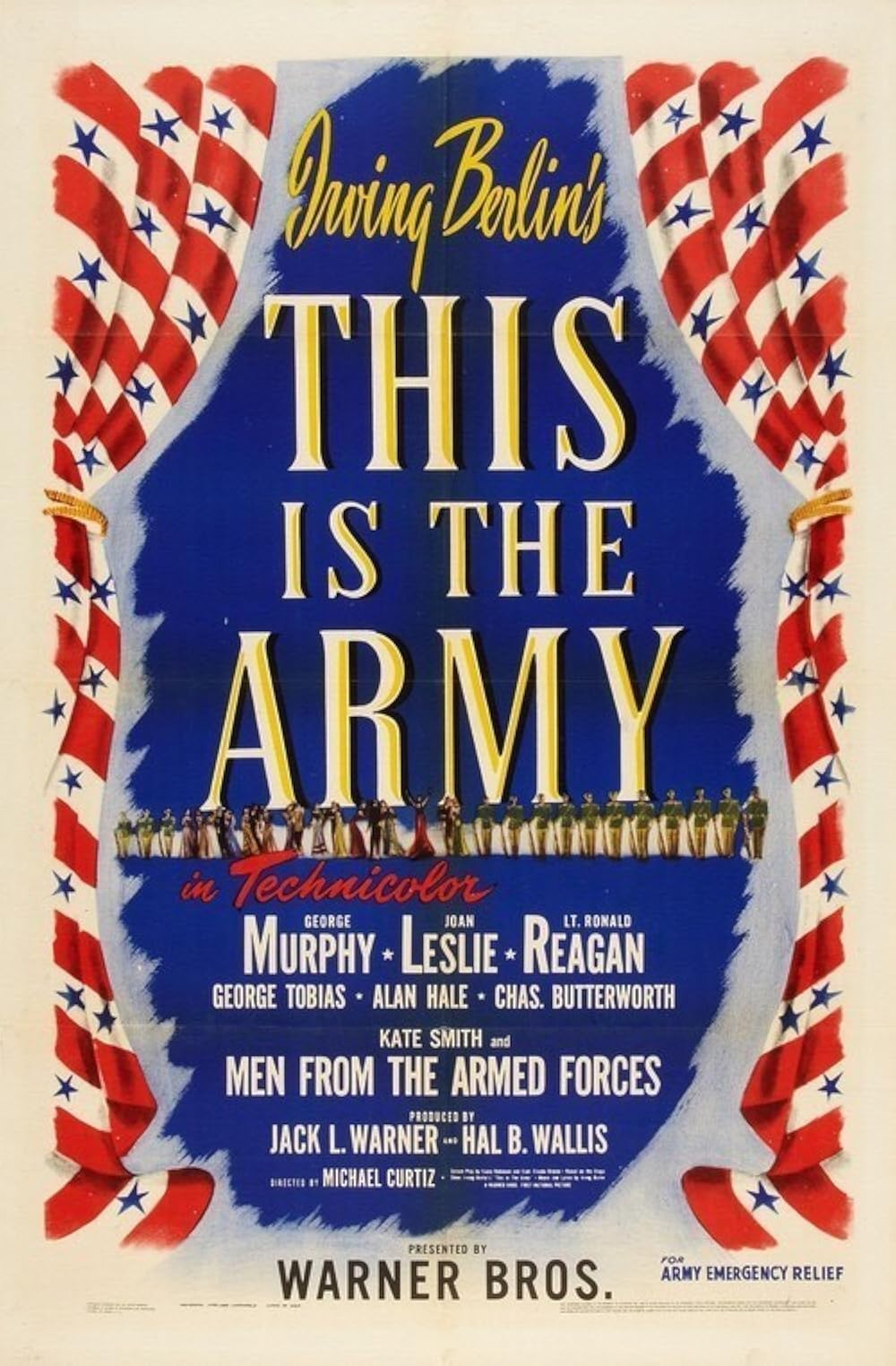
This Is The Army (1943)

In WWI dancer Jerry Jones stages an all-soldier show on Broadway, called Yip Yip Yaphank. Wounded in the war, he becomes a producer. In WWII his son Johnny Jones, who was before his father's assistant, gets the order to stage a new all-soldier show, called This is the Army. But in his personal life he has problems, because he refuses to marry his fianc?e until the war is over.
It's your own army - in the army's own show!
Sgt. McGee: I've had strict orders not to use profanities so I can't tell you what I think about army shows.
Stage 1, Warner Brothers Burbank Studios - 4000 Warner Boulevard, Burbank, California, USA
Stage 11, Warner Brothers Burbank Studios - 4000 Warner Boulevard, Burbank, California, USA
Stage 19, Warner Brothers Burbank Studios - 4000 Warner Boulevard, Burbank, California, USA
Stage 20, Warner Brothers Burbank Studios - 4000 Warner Boulevard, Burbank, California, USA
Stage 22, Warner Brothers Burbank Studios - 4000 Warner Boulevard, Burbank, California, USA


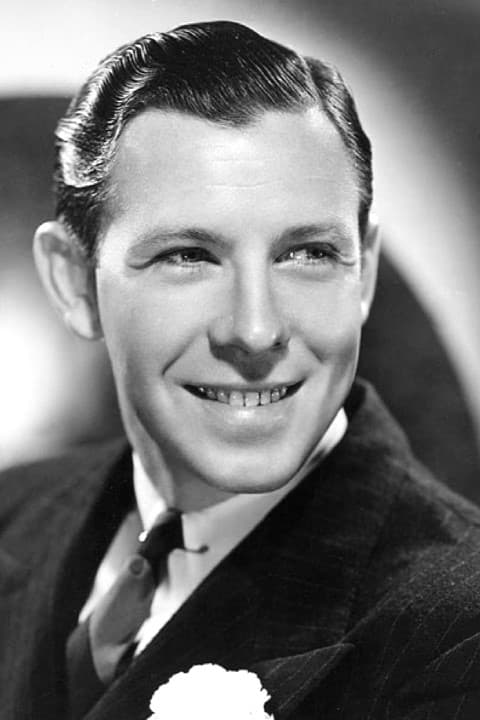
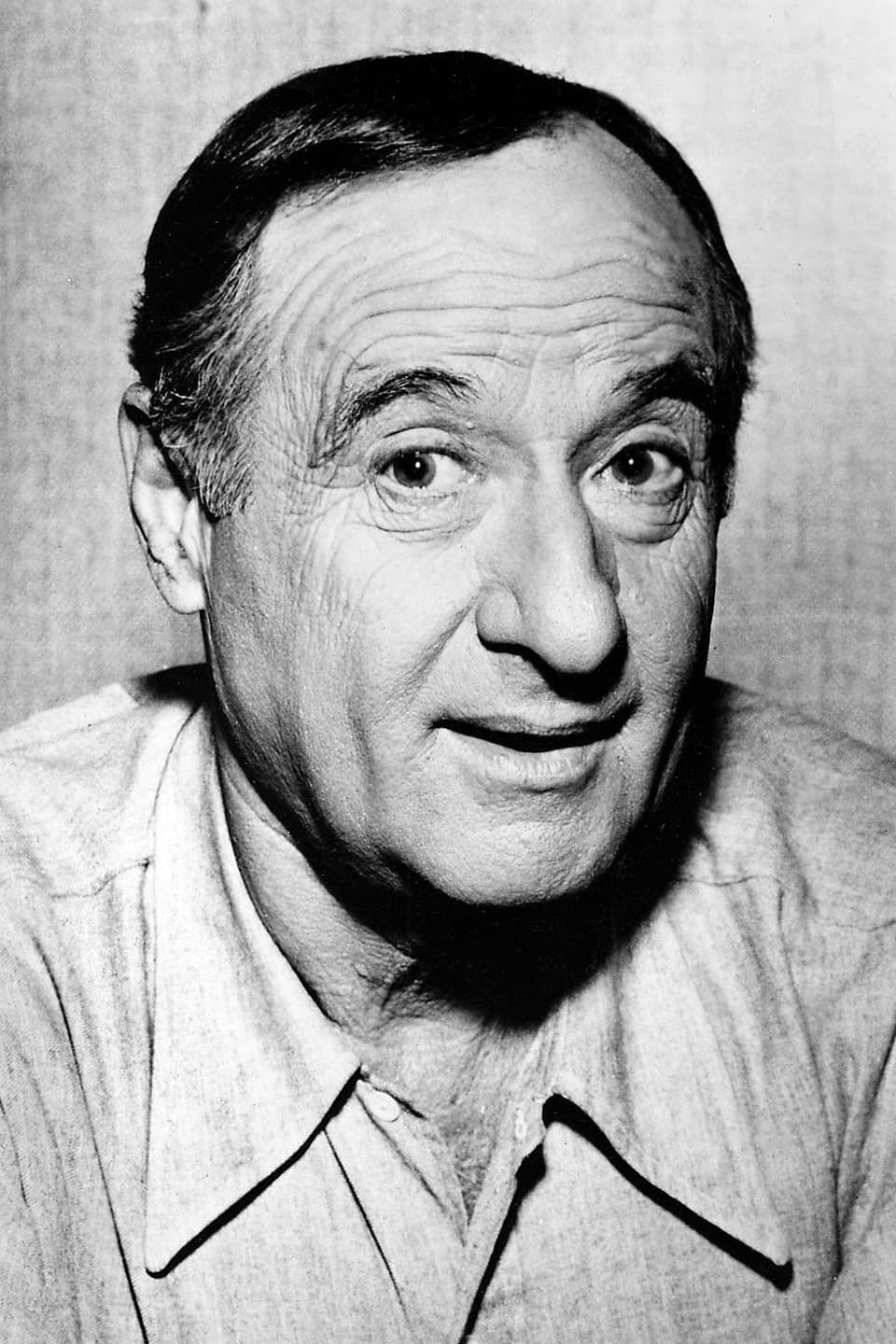

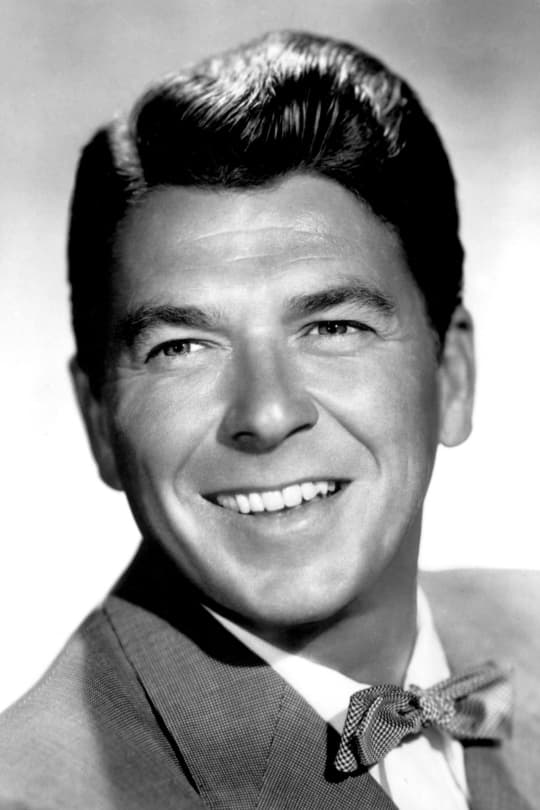
The #1 moneymaker of 1943.
When Irving Berlin was filming his rendition of "Oh, How I Hate to Get Up in the Morning", one of the stagehands, unaware of who the singer was, supposedly said that if the guy who wrote the song could hear Berlin's singing, he'd roll over in his grave.
Bette Davis insisted Warners studio boss Jack L. Warner contribute the profits from this film to the war effort. All profits were donated to the Air Force Benevolent Fund. Production staff took no salaries as their contribution to the war effort.
"Yip Yip Yaphank," the World War I all-soldier show featured at the beginning of the movie, was an actual World War I all-soldier show. It was composed and produced by Irving Berlin while he was a US Army recruit at Camp Upton in Yaphank, NY.
The first Warner Bros. musical shot in three-strip Technicolor.
Revealing mistakes
In the montage of the show tour around the USA, the same city set is used for Cleveland and Washington DC without even bothering to change the shop signs: "Century Antique Shop" and "Yvonne Milliner" are visible in both "cities".
Anachronisms
The uniform worn by Gertrude Niesen in the opening sequence is strictly of a 1943, not 1917, design, complete with padded shoulders and knee length skirt, and totally inappropriate to the 1917 era.
The map showing the German attack on Poland on September 1, 1939 shows the Austrian-Czech border from 1937.
Audio/visual unsynchronized
During the "God Bless America" sequence, Kate Smith barrels up to the microphone and her dubbed-in voice is heard to say "It is my happy privilege to introduce a new song: 'God Bless America'" If you read her lips, however, she actually says the words "new tune."
Character error
President Franklin D. Roosevelt is depicted as walking and standing despite being confined to a wheelchair in real life.
At 48.22 the fifth soldier from the left, bottom row sits up and turns his head before the rest of the cast. He slowly straightens his head then turns right in unison with the rest of the cast.