
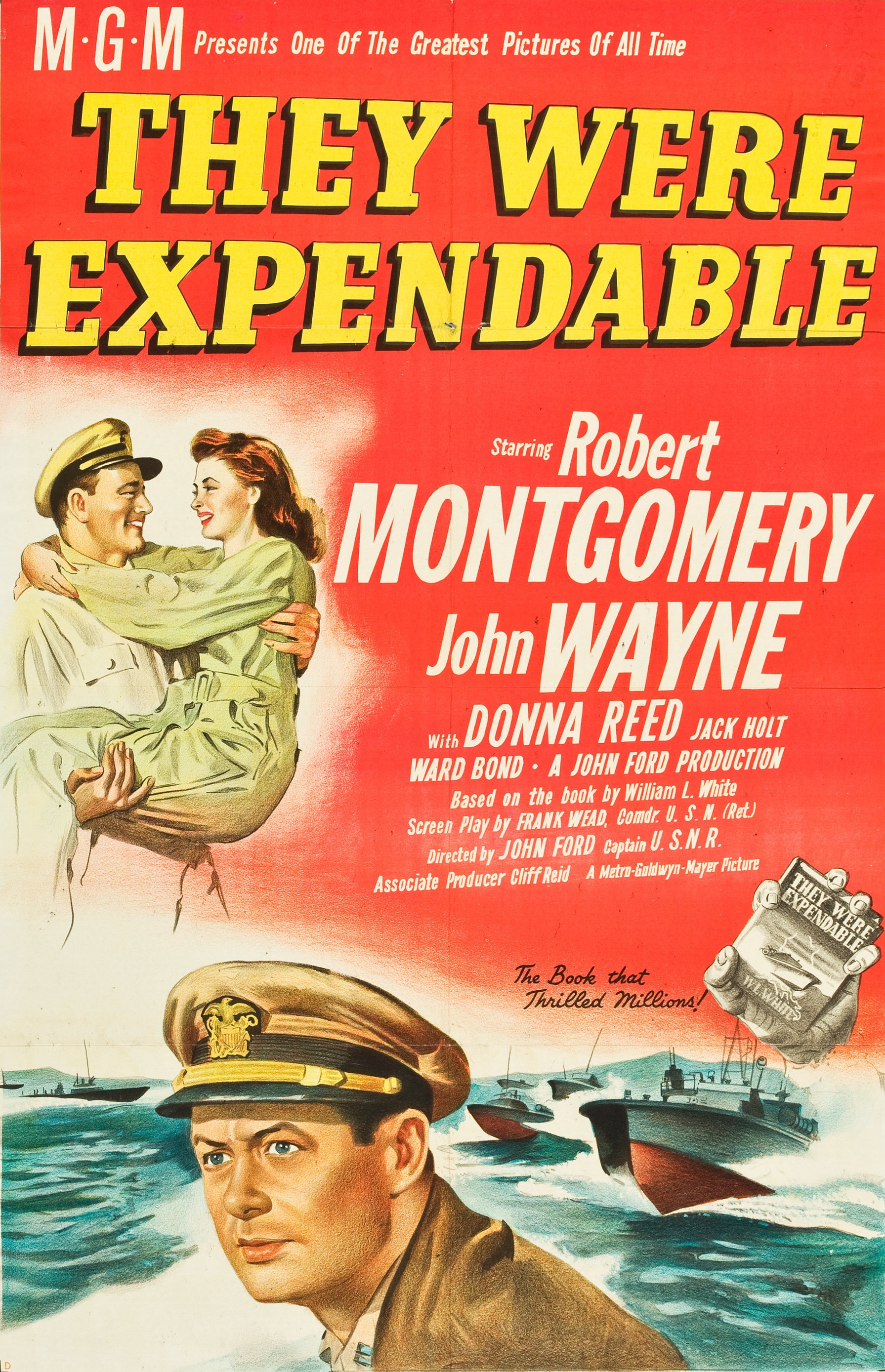
They Were Expendable (1945)

In the wake of Pearl Harbor's surprise attack, World War II hero, Lt. John Brickley's experimental squadron of agile fast-attack Patrol Torpedo boats is sent to warm and humid Manila to avert a potentially imminent Japanese invasion. As he and his second-in-command, Lieutenant "Rusty" Ryan, desperately try to prove the newly-founded naval unit's worth, the enemy launches a devastating all-out attack--and despite the PT boat flotilla's undeniable success--the considerably outnumbered and outgunned American soldiers are fighting a losing battle. Little by little, the Philippine campaign is doomed to cave in, as comrades-in-arms perish in the sea. Is there glory in defeat?
A Tribute to Those Who Did So Much . . . With So Little!
Lt. 'Rusty' Ryan: Listen sister, I don't dance!
Key Biscayne, Florida, USA
Melville, Rhode Island, USA
Florida Keys, Florida, USA
Miami, Florida, USA


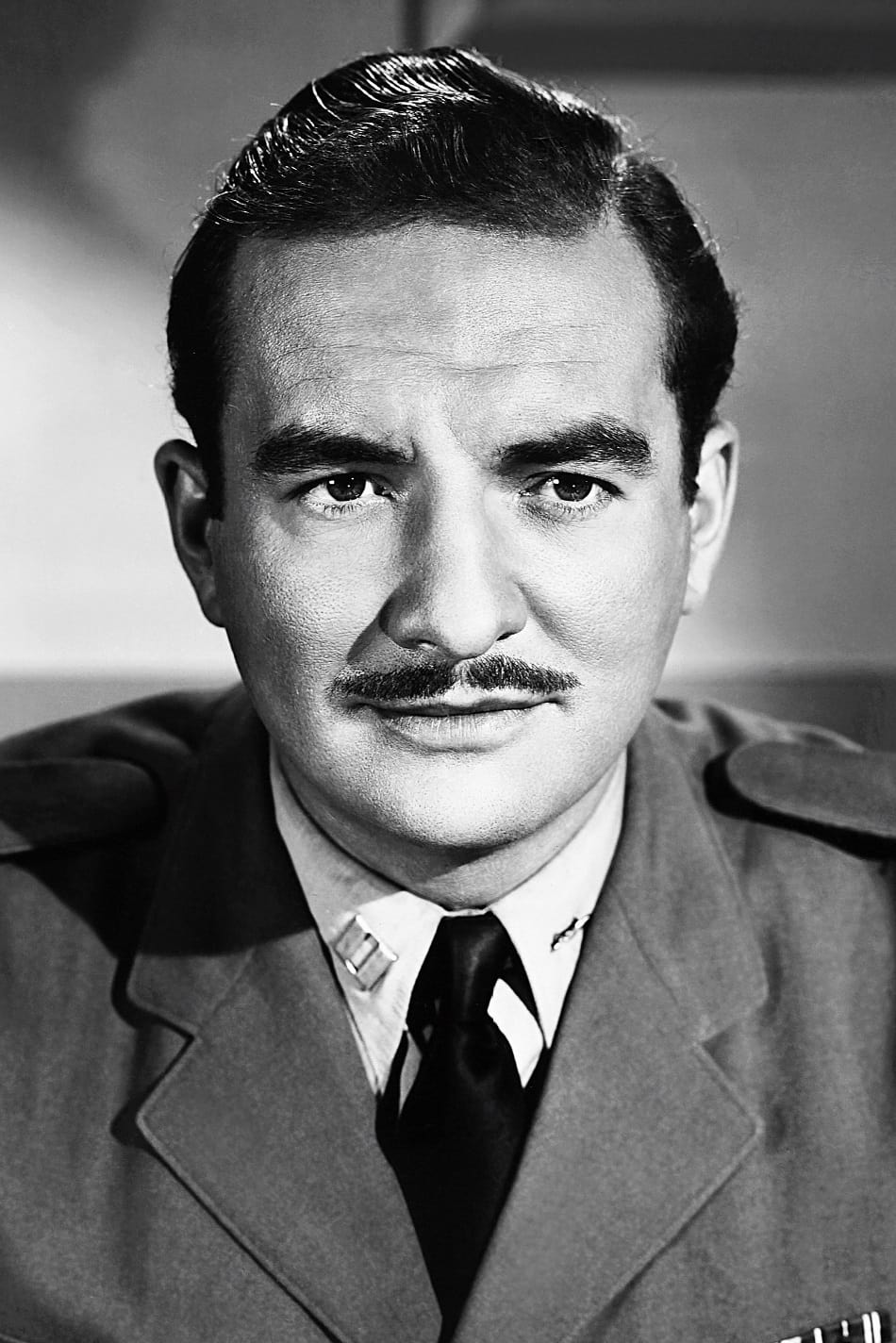

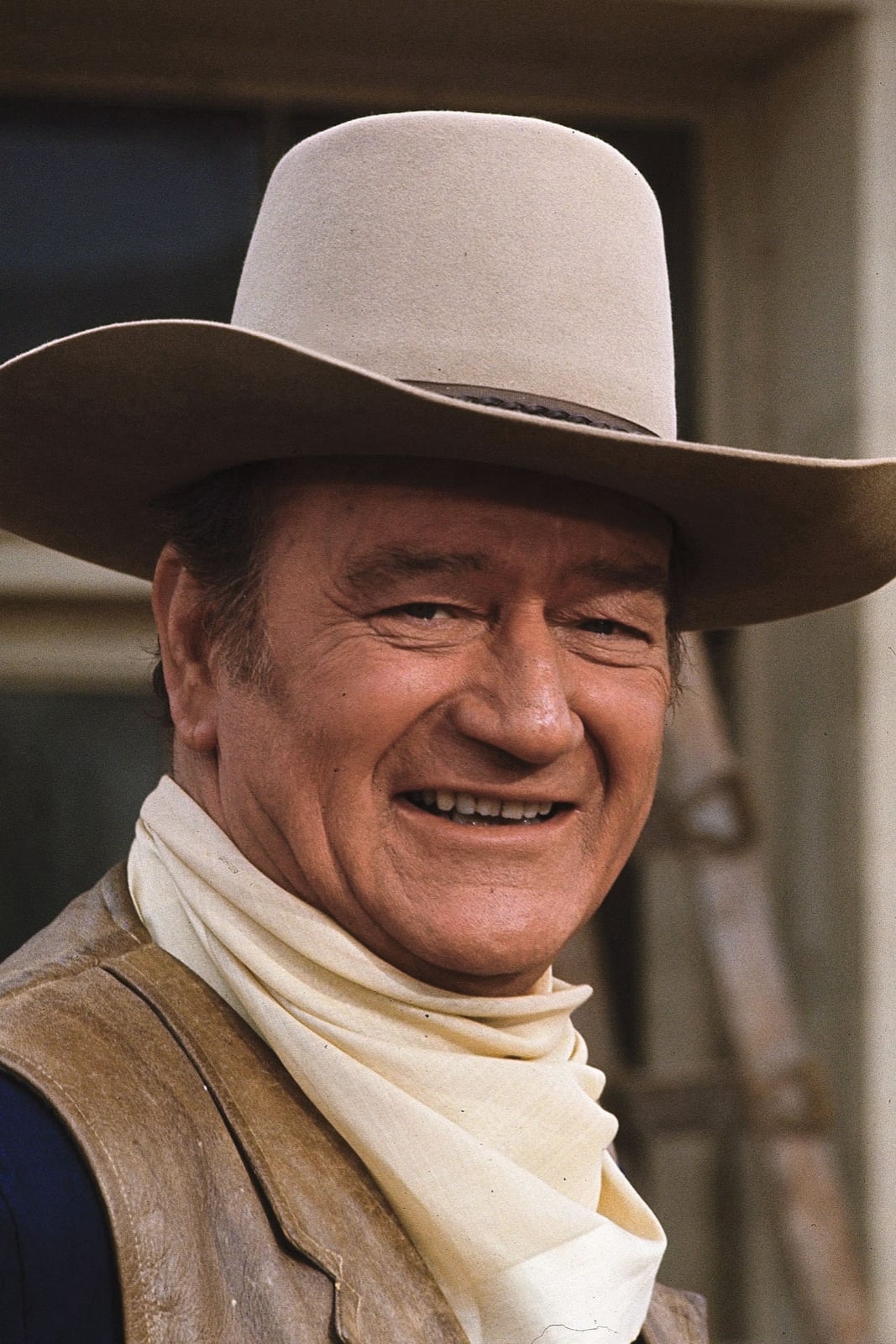
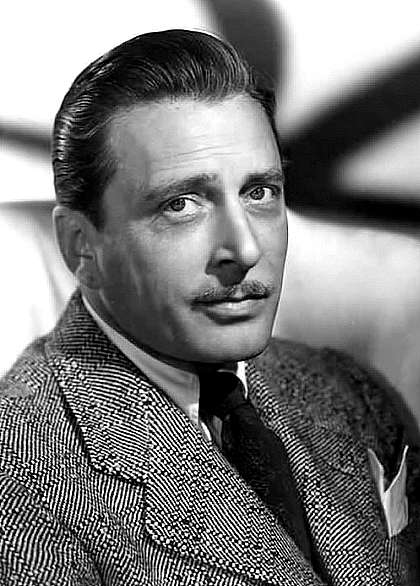
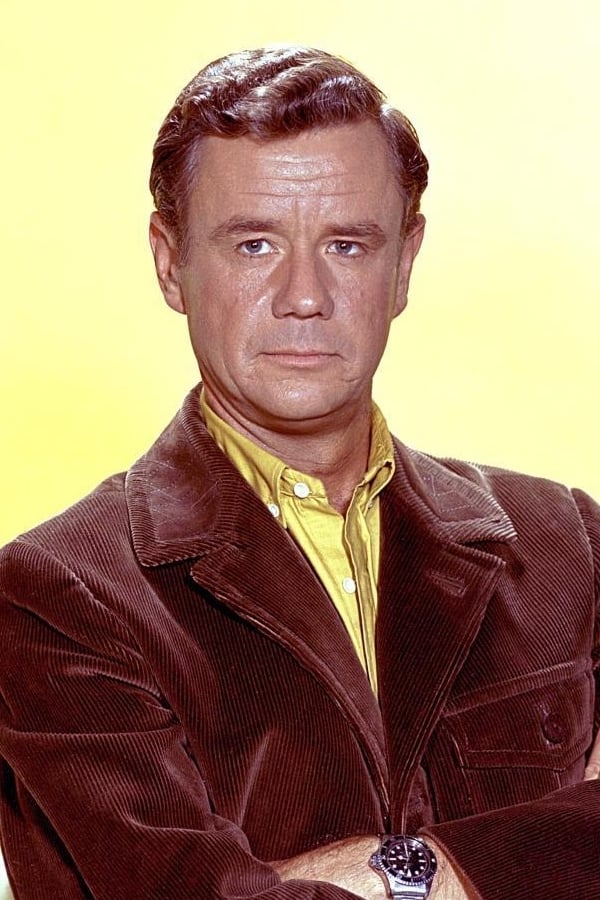
By the time the film was finished the Japanese had surrendered, so MGM pushed the release date back to December 1945. With the war over, the film opened to enthusiastic reviews but low turnout at the box office. As John Wayne later said, "People had seen eight million war stories by the time the picture came out, and they were tired of them."
Robert Montgomery was a real-life PT skipper in World War 2. He helped direct some of the PT sequences for the film after John Ford broke his leg three weeks into filming. Montgomery finished the film and was complimented by Ford for his work. Ford claimed he couldn't tell the difference between his footage and Montgomery's, who took no screen credit.
Lindsay Anderson tells the following anecdote in his biography of John Ford: when he interviewed Ford in 1950, the latter admitted he did not like They Were Expendable (1945)... and actually never saw the finished movie! He disliked everything - project, shooting, editing without his supervision, music added without his consent, etc. Anderson was surprised because he thought it was a good movie, so Ford told him he might watch it after all... A few weeks later, Anderson received the following telegram that he kept as a memento: "Saw 'They Were Expendable'. You were right. Ford."
Robert Montgomery was able to draw on his activity as a PT commander (at Guadalcanal and Normandy), as could James Curtis Havens, one of the second unit directors and the film's explosives expert.
During production, John Ford had put John Wayne down every chance he got, because Wayne had not enlisted to fight in World War II. Ford commanded a naval photographic unit during the war, rising to the rank of captain and thought Wayne a coward for staying behind. After months of Ford heaping insults on Wayne's head, co-star Robert Montgomery finally approached the director and told him that if he was putting Wayne down for Montgomery's benefit (Montgomery had also served as a naval officer in the war), then he needed to stop immediately. This brought the tough-as-nails director to tears and he stopped abusing Wayne.
Continuity
When Lt. Sandy Davys attends the 'party', Lt. JG 'Rusty' Ryan takes a big swig of his drink, spilling some of it down his face and shirt, yet in the next scene, he's completely dry.
When Brick is briefing his officers on the route they are to take in evacuating McArthur, he draws the route on the map in a thick, heavy line. Seconds later, when the map is picked up to be folded, the lines are gone.
Prior to the boats leaving to carry the 'army personnel', Rusty tries to call Sandy. He gets the field hospital and says he wants to speak to a nurse, "Sandy Davis". Apparently the operator asks for her name and Rusty replies "I don't know her name." after just telling it to the operator. He immediately corrects himself and gives her name like he'd just remembered it.
In one of the first battle action scenes of a torpedo being fired you can see a stray 50 cal. shell rolling across the starboard deck just to the left of the torpedo tube. Several minutes later in another battle on another PT boat you can see the same shell rolling across the deck in the same place, indicating they used the same sequence of footage twice.
During the aircraft strafing scenes when LT(jg) Ryan is injured, the planes are attacking from astern of the boats. The bullet strikes on the boat start from the starboard bow and go across the boat to the port side, indicating a frontal attack.
Factual errors
A frame at the end of the movie said, "We shall return - General Douglas MacArthur". In fact, the White House tried to get the general to change his famous quote to "we" but he refused, saying he failed to see the purpose. It should read, "I shall return."
Both American aircraft shown in the film (a Piper J5A observation plane and a Douglas C-47 transport) carry the national insignia markings of a white star in a blue roundel, which was authorized on August 18, 1942. This is incorrect for the period depicted in the film (early December 1941 through late April 1942), when U.S. insignia was a white star inside a blue roundel with a red ball in the middle of the white star.
In the bar scene after the funeral for Squarehead Larsen and Slug Mahan, the radio station playing music and announcing the fall of Bataan is identified as WBKR San Francisco. Stations with call signs beginning with ?W? are in the eastern US. WBKR is currently assigned to an FM station in Owensboro, KY.
Throughout the movie, as with most movies, naval personnel are shown wearing their covers (hats) indoors. Naval protocols required that Navy and Marine Corps personnel only wear covers indoors if on duty. Thus in the scene at the admiral's conference early in the movie, all the departing officers incorrectly put on their covers while still inside, although the Marine sentry is properly dressed with a cover since he is on duty.
Sandy Davyss is a Second Lieutenant. When the corporal comes to pick up the field phone after she talks with Rusty, he refers to her as "Miss." In actuality, he would have referred to her as lieutenant or ma'am, but certainly not as "Miss."
Revealing mistakes
The Japanese air attack at the beginning of the movie shows the aircraft strafing the PT boats. None of the aircraft flying in the scene are carrying bombs, nor are there attachments on the wings for carrying bombs.
When one of the PT boats shoots down a Japanese plane it is seen crashing behind some trees. The fireball from the crash appears in a wrong spot from where the plane would have crashed. Also it appears as soon as the plane is below tree height before the plane would actually explode.
At the end of the film when the C-47 transport lands to pick up the remaining troops, when the plane comes to a halt, in the lower left bottom corner of the screen a Florida highway with dozens of civilian cars can be seen in the background.
Near the end of the film at the airfield their speech echoes indicating that they are in a studio and not out in the open.
During the opening sequence where MTBS 3 is showing off for the Admiral, the 34 boat with Rusty and Slug in the wheel area have both wearing their round service hats. No other crew members are visible yet there are two other round hats on the panel under the windscreen.
Miscellaneous
When Brickley and Rusty (John Wayne) are receiving orders about the evacuation of Army and Navy personal, Rusty's "Fly" is unzipped. At Military burials, you do not have "Firing squads" you have an "Honor Guard" Rusty uses the phrase "firing squad" when burying two sailors from his Boat.
On the Warner DVD home menu, the background photo is of John Wayne and Dan Dailey, and is not from this movie (Dan Dailey did not appear in "They Were Expendable"), but is from the 1957 feature "The Wings of Eagles" in which the two stars appear. Incidentally, "The Wings of Eagles" is a bio-pic about Frank Wead, who was the screenwriter for "They Were Expendable."
On one of the postings indicating torpedo-boat scores and losses, one line reads "Supported army - straffed jap landing party." Of course, the word should be "strafed," not "straffed."
"Cerveza" (beer) is misspelled "Cervaza".
Anachronisms
By the time this movie was made, the class of PT boat used in the Philippine Islands was not available. They substituted 80-foot ELCOs for the 77-foot ELCOs actually used in Manila Bay.
Crew or equipment visible
During the various torpedo attacks on Japanese ships, you can see small special effects mortars on the PT boats firing the "flak" bursts that explode above the boats. Watch for the white puffs as they fire.
During the torpedo runs, the camera boat wake is visible next to the PT boats.
Plot holes
Obvious clock faux pas! -- In one of the opening scenes Naval, Marine, and a few Army officers along with uniformed sailors are seen in a civilian night club. The locale is "Cavite" just 'south' of the Philippine capital of Manila. The Naval Officers are conspicuous in the wearing of "dress whites"- as opposed to khakis, and the women seen are all in evening attire. The setting clearly appears to be after hours' "cocktails" - not earlier dinner, and thereby places the time-frame at about 8pm local time plus-or-minus an hour or so. This scene is interrupted by a civilian making the FIRST announcement of the attack on Pearl Harbor. The attack at Pearl commenced at\between 7:48 to 7:55am Hawaiian time - sources vary. Time-wise there is an 8-hour 'negative' differential from Hawaii to the Philippines making that nominally 12:52AM - the wee-small hours of the morning and certainly not evening. Historically the first information about the attack WAS known by the Military throughout the Philippines starting roughly minutes after attacked had started via multiple receptions of the famous "Air Raid Pearl harbor, this is No Drill" radio message also picked-up by the Navy & War Depts. in WDC! (In fact, midnight hour "atmospherics" would have favored clearer reception at Manila far better than anywhere on the east coast of the US mainland.) Therefore the scene is simply a propaganda ploy or if preferred, "dramatic license" on the part of the Director (John Ford) and at the time of the movie's release all too obvious to Vets & civilians alike.