
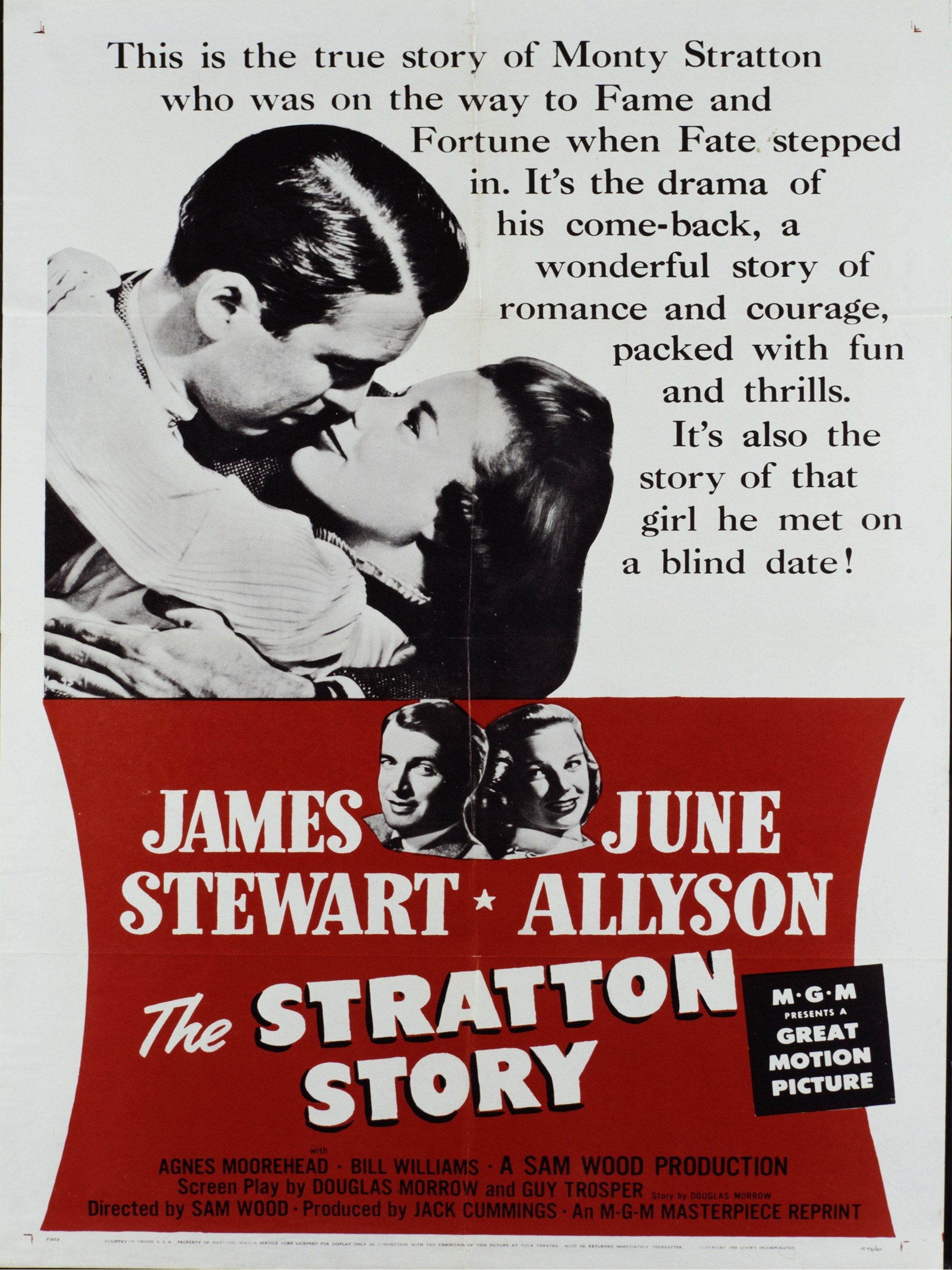
The Stratton Story (1949)

The movie is about Chicago White Sox pitcher Monty Stratton (Jimmy Stewart), who in the 1930s, compiled a 37-19 won-loss record in three seasons. After he became the winningest right-hander in the American League, his major league career ended prematurely when a hunting accident in 1938 forced doctors to amputate his right leg. With a wooden leg and his wife Ethel's (June Allyson) help, Stratton made a successful minor league comeback in 1946, continuing to pitch in minor leagues throughout the rest of the 1940s and into the 1950s.
This is the true story of Monty Stratton who was on the way to Fame and Fortune when Fate stepped in. It's the drama of his come-back, a wonderful story of romance and courage, packed with fun and thrills. It's also the story of that girl he met on a blind date!
Monty Stratton: Look at that road! I used to do ten miles on that road like it was nothin' - just to pitch a game! Now I can hardly reach it, let alone walk on it!
Gilmore Field - 7700 Beverly Blvd, Los Angeles, California, USA
Wrigley Field - 42nd Place & Avalon Blvd., Los Angeles, California, USA
Metro-Goldwyn-Mayer Studios - 10202 W. Washington Blvd., Culver City, California, USA
(Studio)


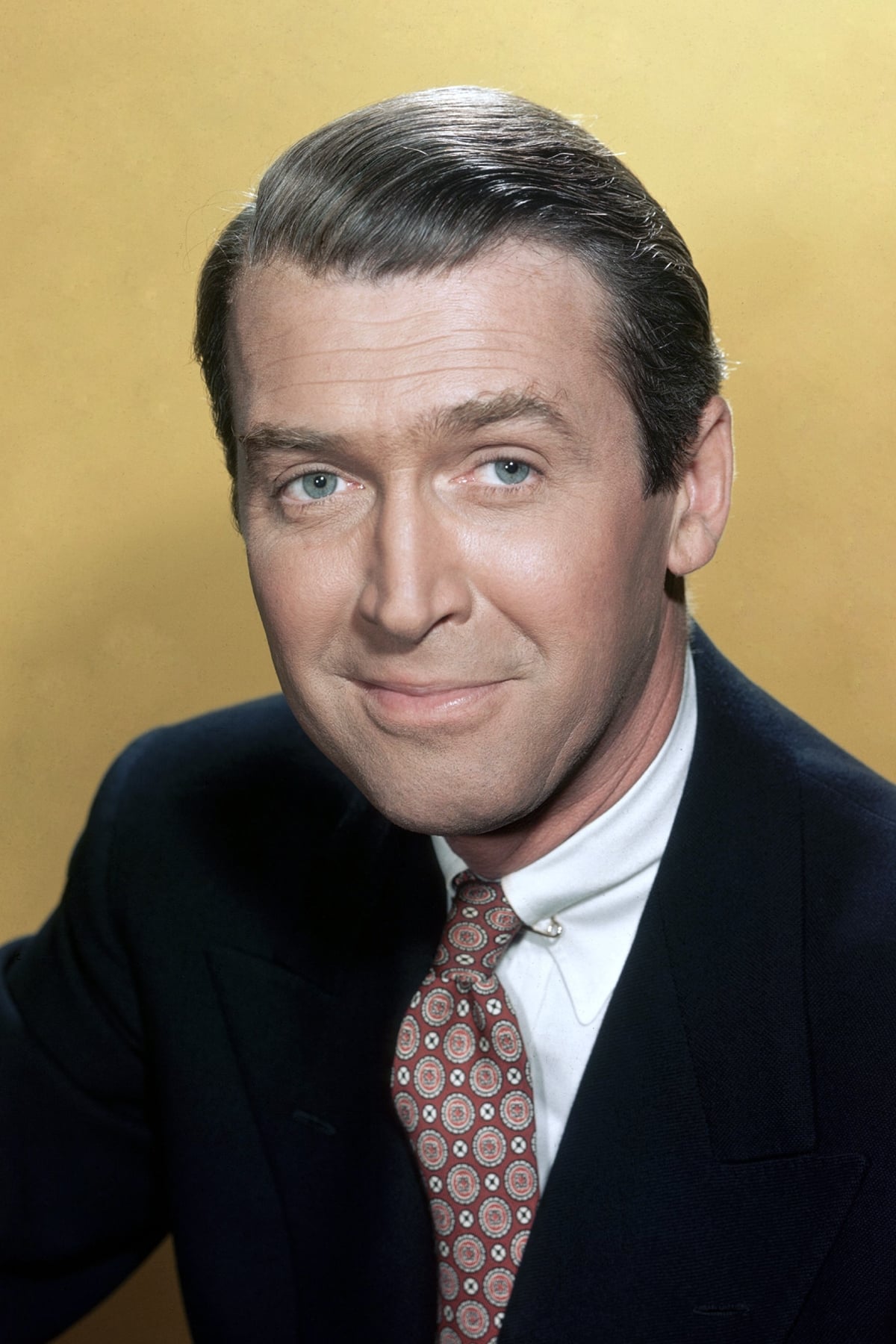
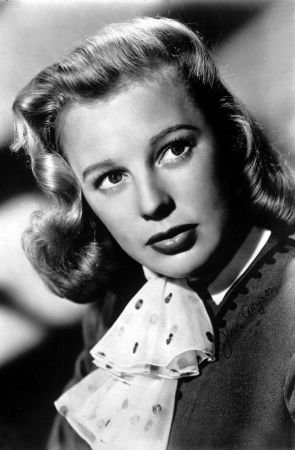
After the events of the movie, the real Monty Stratton went on to be a coach for the Chicago White Sox for a couple of years before going back to his home town of Greenville, TX to start his own farm team. In 1946, he shocked the world when he took the mound once again, this time in the minor leagues, and he posted an 18-8 record for that season.
Although Monty Stratton was a real baseball player who continued to play baseball after having a right-leg, above-knee amputation, much of the story was fictionalized for this film. For instance, in the hunting accident, the real Monty Stratton shot himself with a pistol, rather than with a rifle. Also, the game in which the real Monty Stratton returned to baseball after his amputation was not an All-Star game, as in the movie, but rather a 1939 charity game between the White Sox and the Cubs (the proceeds of which went to Stratton).
Monty Stratton played for the Chicago White Sox from 1934-38 and compiled a 36-23 won/loss record and 3.71 Earned Run Average with 196 strikeouts. He was a better than average hitter (for a pitcher) with a .224 (43/192) batting average, hitting four home runs and 24 runs batted in.
Producers originally considered Donna Reed for the role of Ethel Stratton, but replaced her with June Allyson after signing James Stewart, since Stewart's and Reed's previous co-starring venture, It's a Wonderful Life (1946), had been a disappointment at the box office. This was, of course, before television had made the Capra film a holiday favorite.
The song "You are my lucky star" plays in the background of the double date scene at the beginning of the movie, three years after Sammy Davis Jr. recorded it (1946) and three years before Gene Kelly and Debbie Reynolds popularized it in Singing in the Rain (1952).
Factual errors
The movie has Stratton's debut against the New York Yankees. Monty Stratton actually debuted against the Detroit Tigers (June 2, 1934).
Revealing mistakes
Post amputation, Stewart fails to maintain stiff leg and foot when batting. There is a shot where he flexes his toes and several where the bending of his knee can be seen.
Anachronisms
In Monte Stratton's pitching debut versus the NY Yankees, Joe DiMaggio is shown circling the bases in stock footage. However, Stratton debuted in 1934 and DiMaggio didn't show up in the majors until 1936.
Stratton broke into the majors in 1934. But the movie depicts the White Sox wearing their 1936 home uniforms.
Through the entire movie Ethel wears the same hairdo, a late 1940s fashion that obviously did not exist in the 1930s.
Errors in geography
At the end of Monty and Barney's hitchhiking montage, they are shown standing by a sign that says "Pasadena 27, Los Angeles 35." It's about an 11-mile distance between downtown Pasadena and Los Angeles - that means there's no place on Earth they could stand and have that signpost be accurate. Those closest spot would be northeast of Los Angeles on the other side of the San Gabriel Mountains, which in itself is an improbable spot to be since they were coming from Texas.