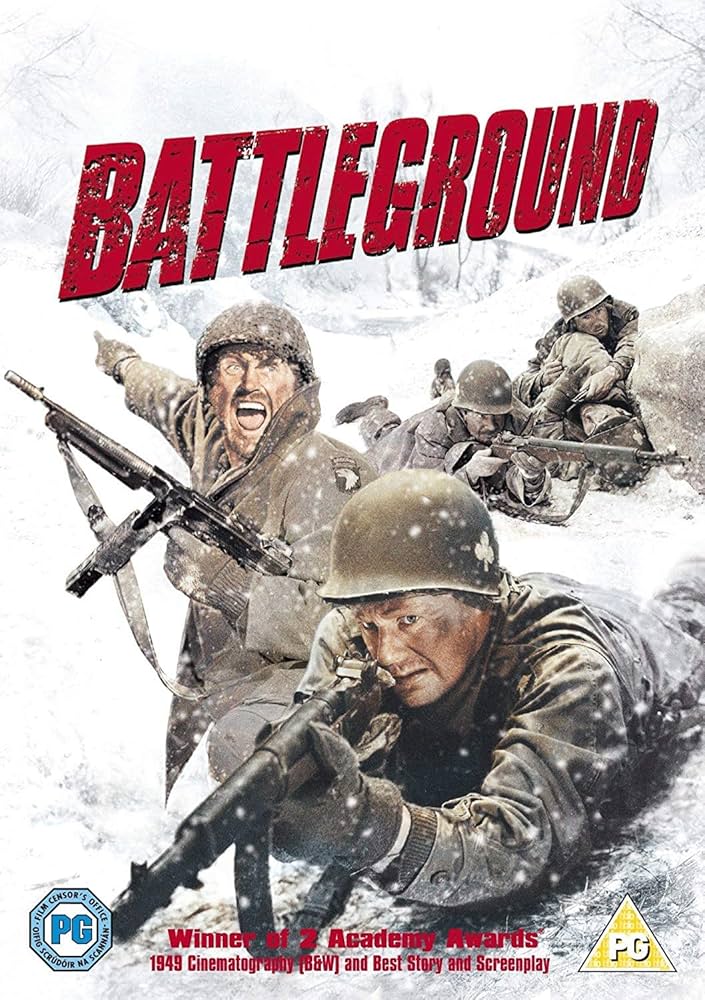
Battleground (1949)

We follow a band of American soldiers as they engage the Germans in a snowy, foggy winter near Bastogne in World War II. They're low on fuel, rations, and ammunition; the Germans are constantly encouraging their surrender via radio and leaflets, and most importantly, the pervasive thick fog makes movement and identification difficult and prevents their relief by Allied air support. This film focuses much more on the psychology and morale of the soldiers than on action footage and heroics.
he guts! The girls! The glory! of a lot of wonderful guys!
[artillery drowns him out]
The Chaplain: The organist is hitting those bass notes a little too loud for me to be heard. So let each of us pray in his own way, to his own God.
Fort Lewis, Washington, USA
(tank sequence)
Oregon, USA
Metro-Goldwyn-Mayer Studios - 10202 W. Washington Blvd., Culver City, California, USA
(Studio)



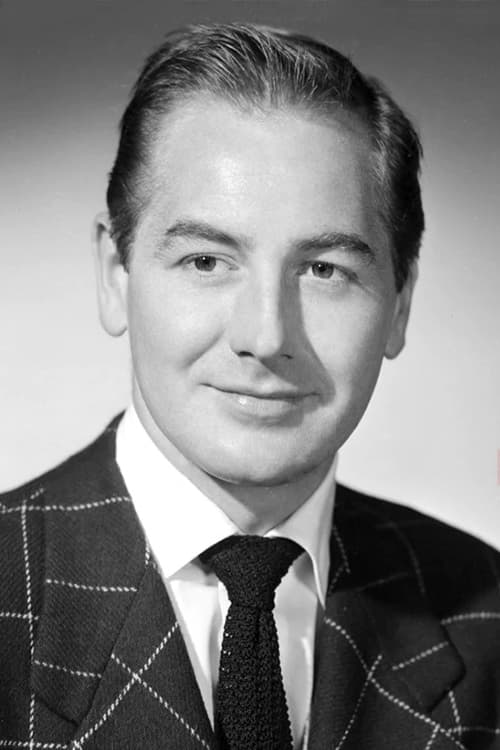
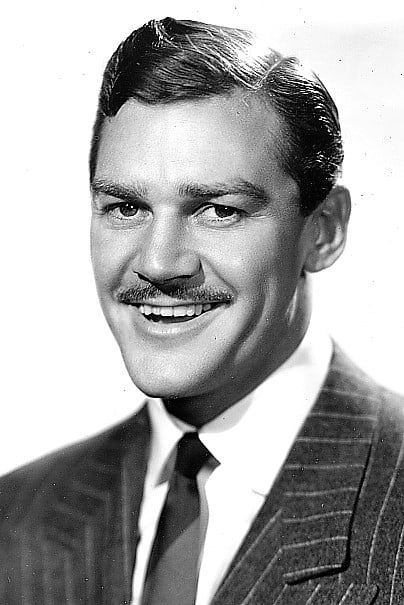
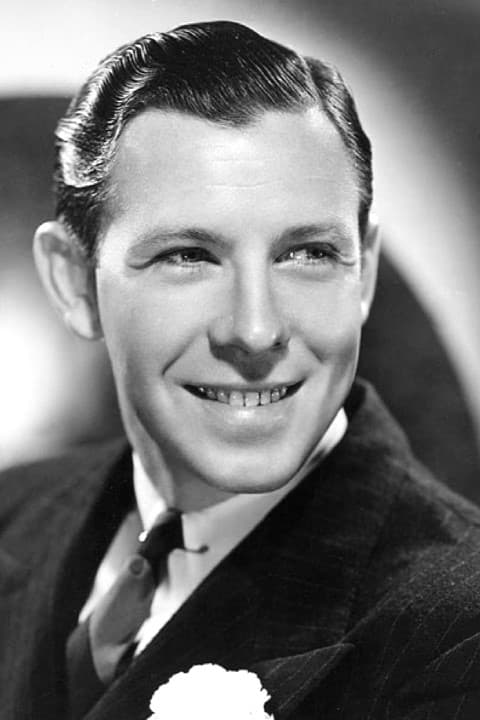
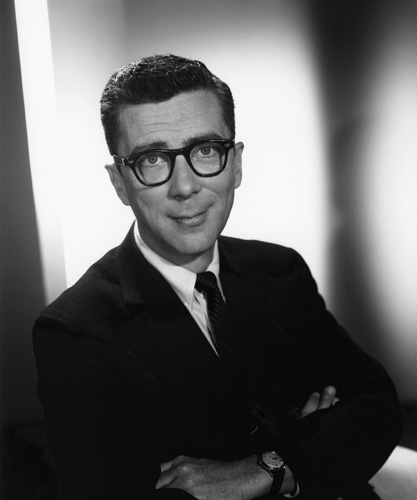
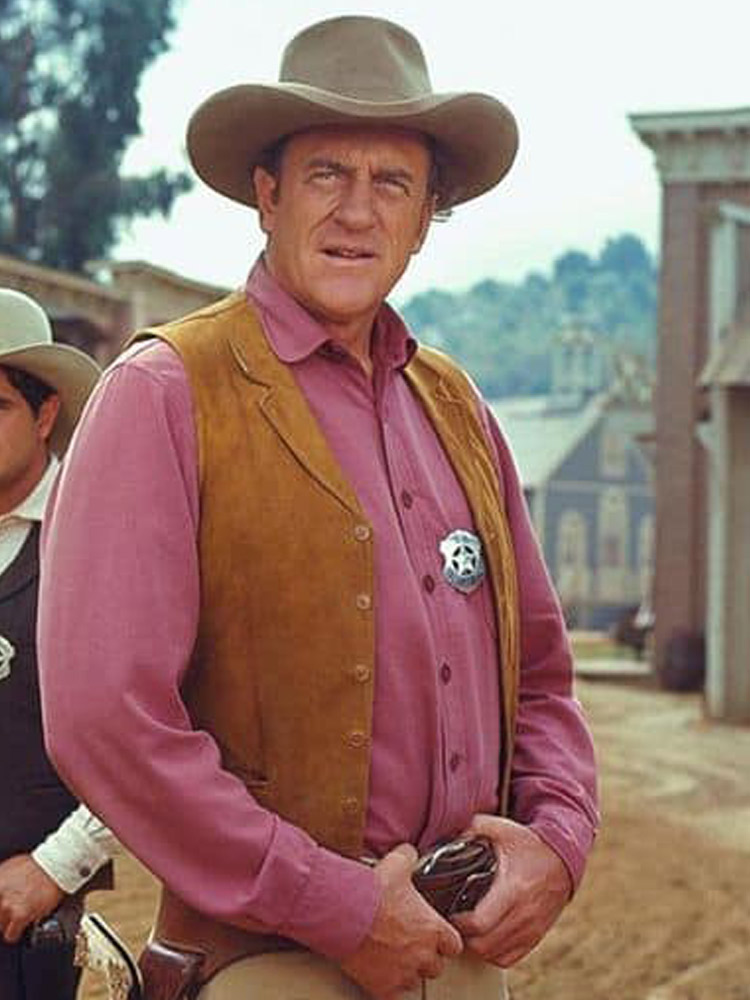
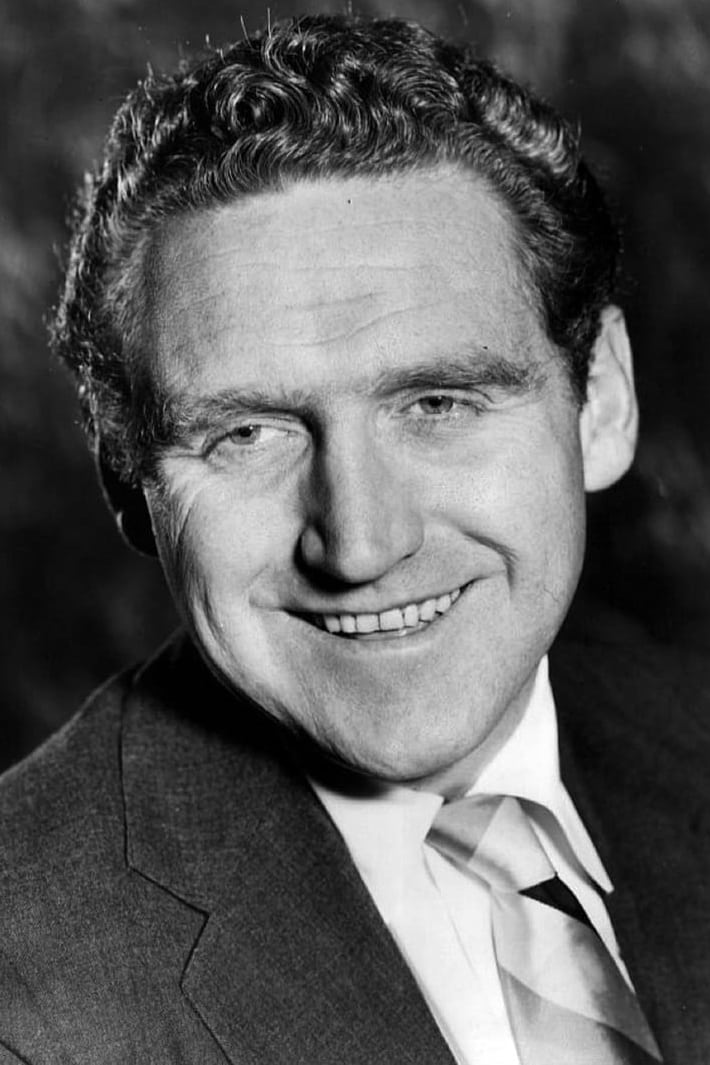
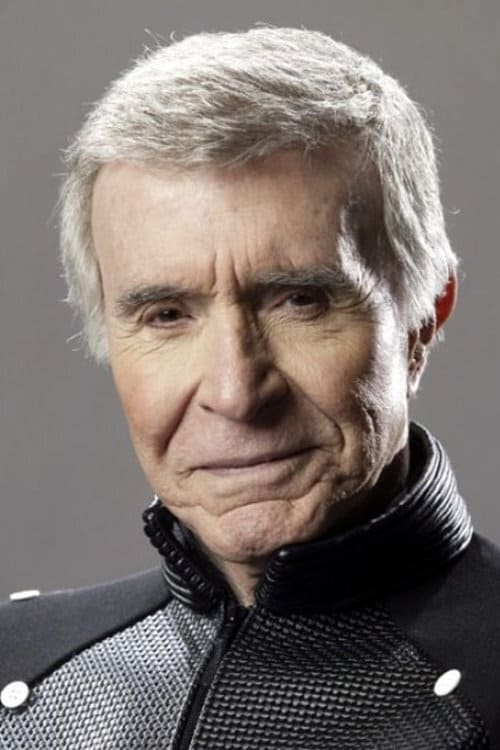
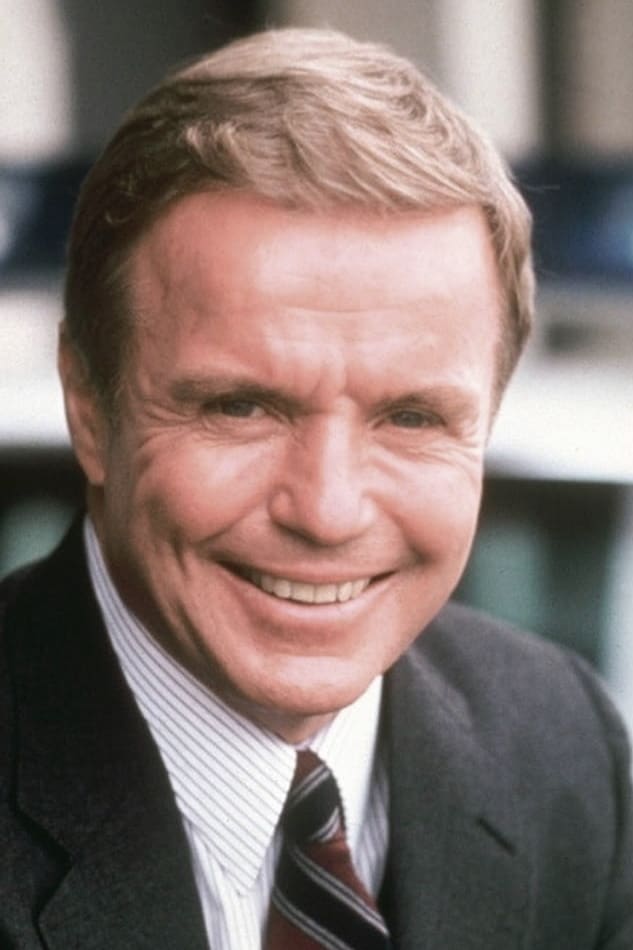
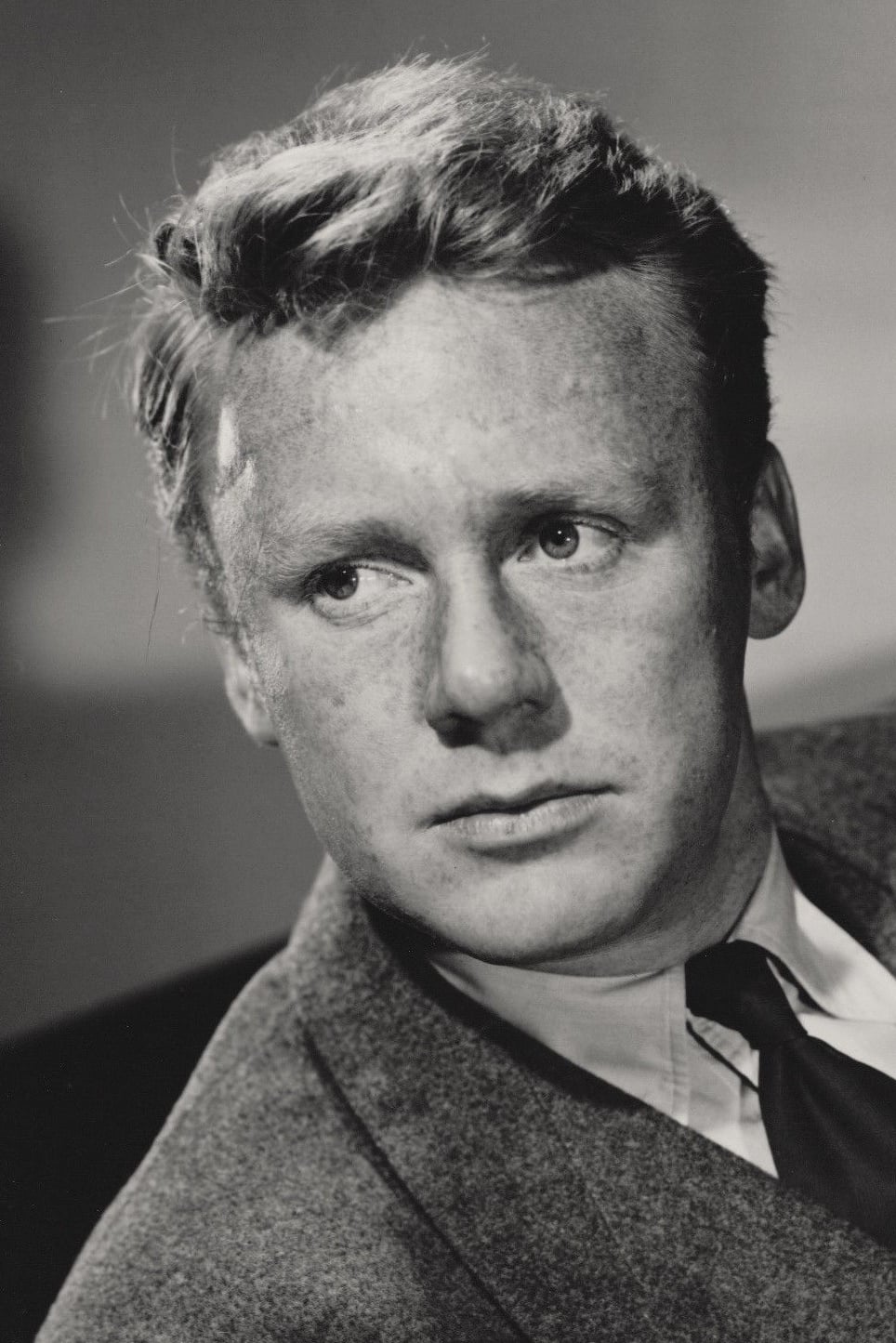
James Arness (Garby) served in World War II and is the most decorated of the actors in the film. He received the Bronze Star, the Purple Heart, the European-African-Middle Eastern Campaign Medal with three bronze campaign stars, the World War II Victory Medal, and the Combat Infantryman Badge for his service.
Douglas Fowley (Private Kippton, he of the continually lost false teeth) served in the Navy in the South Pacific in World War II, and lost all of his own teeth in an explosion aboard his aircraft carrier during battle.
The white "card suit" stencils on the sides of the soldier's helmets in the film are accurate. The World War II 101st Airborne Division used the different suits to identify their three parachute infantry (diamonds, hearts, and spades) and one glider infantry (clubs) regiments. A white "tic" at either the twelve, three, six or nine o'clock positions around the suit indicated Headquarters, 1st, 2nd, or 3rd Battalions, respectively. The soldiers in this film wear the club suit of the 101st's 327th Glider Infantry Regiment, with a "tic" at the nine o'clock position, indicating they belong to that regiment's 3rd Battalion.
Twenty veterans of the 101st Airborne, who fought in the Bastogne area, were hired to train the actors, and were also used as extras.
Screenwriter Robert Pirosh based this story on his experiences as an infantryman during the Battle of the Bulge. Pirosh did not serve with the 101st Airborne, and wanted to create a script that was faithful to their experiences. He used his first-hand knowledge of the battle to write the script. This was done with the blessing of General Anthony McAuliffe, who was commanding the 101st during the siege of Bastogne. Consequently, many of the incidents in the film, such as Private Kippton's habit of always losing his false teeth, or the Mexican-American soldier from Los Angeles, California, who had never seen snow until he got to Belgium, that have always been derided as "typical Hollywood phony baloney" actually happened.
Continuity
Holley hears Denise and Jarvess talking on the other side of the living room door and rushes into the corridor with a full cup of coffee. He takes one small sip and puts the now empty cup in his pocket.
At one point, when the troops are all riding in the back of the moving truck, the truck is rocking from side to side along the rough road jostling the passengers. As the conversation centers on Hansan and he delivers a few lines, neither he nor anyone else is being jostled by the motion of the truck.
Factual errors
There was already heavy snowfalls and snow on the ground in the Ardennes forest when the Germans launched the 'Bulge' counteroffensive. However, when the characters are shown first digging in in the area outside Bastogne, there is no snow on the ground. The first snow seen is the fall Roderigues (Ricardo Montalban) gets excited about.
Incorrectly regarded as goofs
At the beginning of the movie Holley (Van Johnson) enters the tent wearing a class A uniform. Although currently worn above the ribbon rack, at the time the film takes place, the Combat Infantryman Badge was worn on the left breast pocket, below the ribbons.
The 327th Glider Infantry Regiment used the Club symbol; only the 506th Parachute Infantry, made famous by Band of Brothers (2001) used the Spade, but viewers mistakenly assume that the entire 101st Airborne Division used the spade. The four regiments of the 101st Airborne Division used the four different playing card suits as helmet insignia, and the main characters of the movie repeatedly mention being Glider Infantry.
Revealing mistakes
Near the end of the film, when the C-47s are paradropping supplies to the soldiers, one of the stock footage pieces is of paratroopers jumping from planes, not supplies being dropped.
Towards the end of the movie, one of the troopers takes out a grenade and places it next to his foxhole with the bottom facing towards the camera. Even though the editors made a smear mark on the film in an obvious attempt to hide it, you can plainly see that the genuine war surplus grenade had a large hole drilled its bottom.
When the soldiers are reading "Strategic Withdrawal in Bulge", the headline below clearly reads, "Hilter Counter Offensive..."
Miscellaneous
During the prayer scenes with the padre, one of the soldiers sports a third army patch SSI. The third army under Patton was actually further south, and moving up north towards Bastogne to relief the siege, with its 4th armored division leading the way. Highly unlikely that a member of the 3rd army staff would be there within the Bastogne perimeter.
Character error
Following the weather clearing, the supply drop, and the subsequent combat sequences, German soldiers are shown surrendering. Since the Germans had Bastogne surrounded, if they got 'in trouble' they would not have had to surrender; they could easily have retreated.