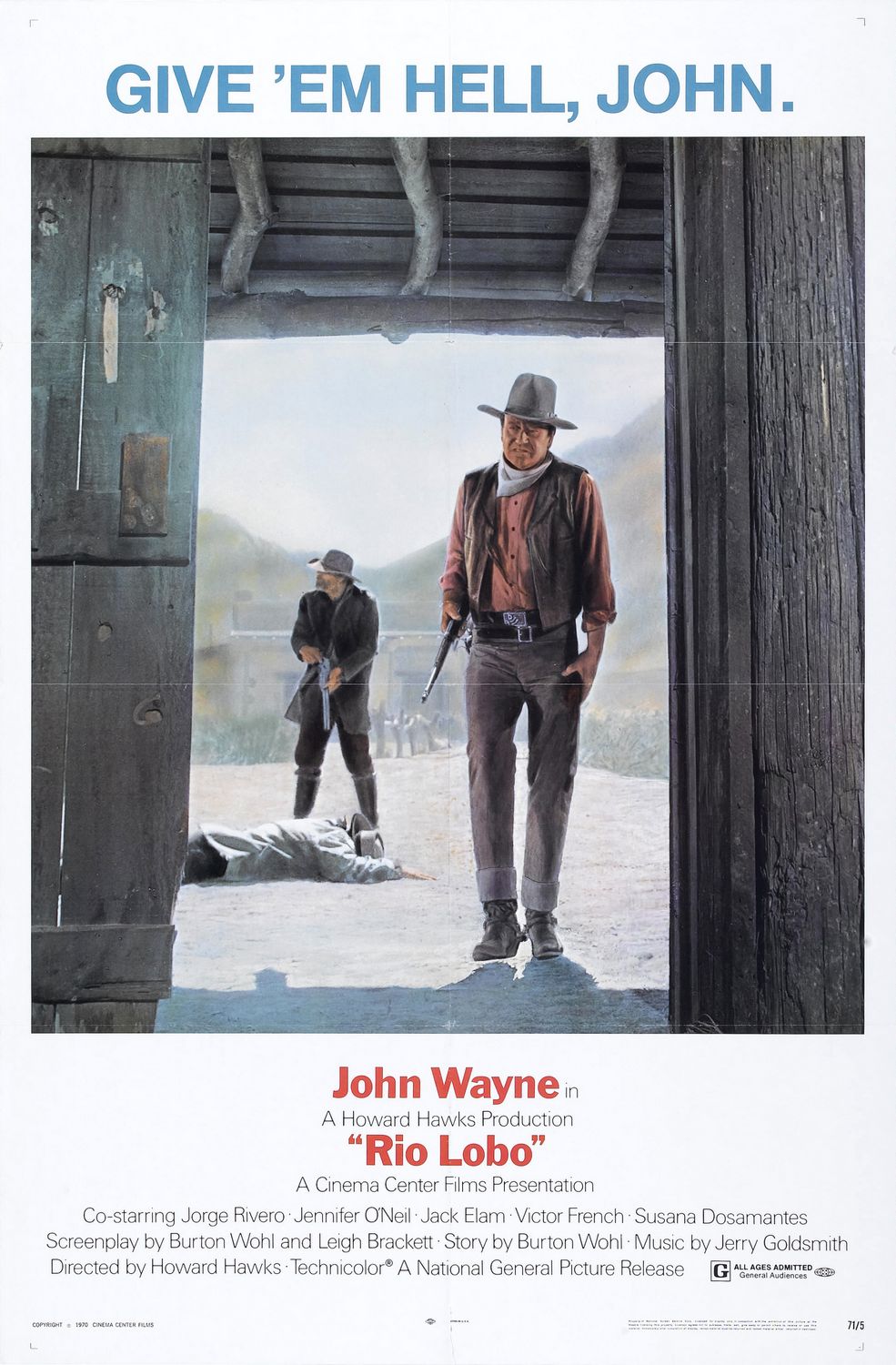
Rio Lobo (1970)

Bent on unearthing the two Union traitors who sold gold shipment information to Confederates and caused the death of a dear brother-in-arms, the battle-tested former Union cavalry officer, Colonel Cord McNally, teams up with a pair of ex-Confederates after the Civil War. Now, as friends, the McNally and the Confederate captain Pierre Cordona ride into Rio Lobo--a dusty town in the middle of the desert overcome by corruption--to bring to justice the remaining traitor who sold McNally out; however, the town is rife with the betrayer's murderous cut-throats. Can McNally avenge his bosom buddy and clean up Rio Lobo?
"Give 'Em Hell, John."
Cord McNally: I've been called a lot of things, but not "comfortable"!
Cuernavaca, Morelos, Mexico
Old Tucson - 201 S. Kinney Road, Tucson, Arizona, USA
Picacho Peak State Park, Arizona, USA
Sonoran Desert, Arizona, USA
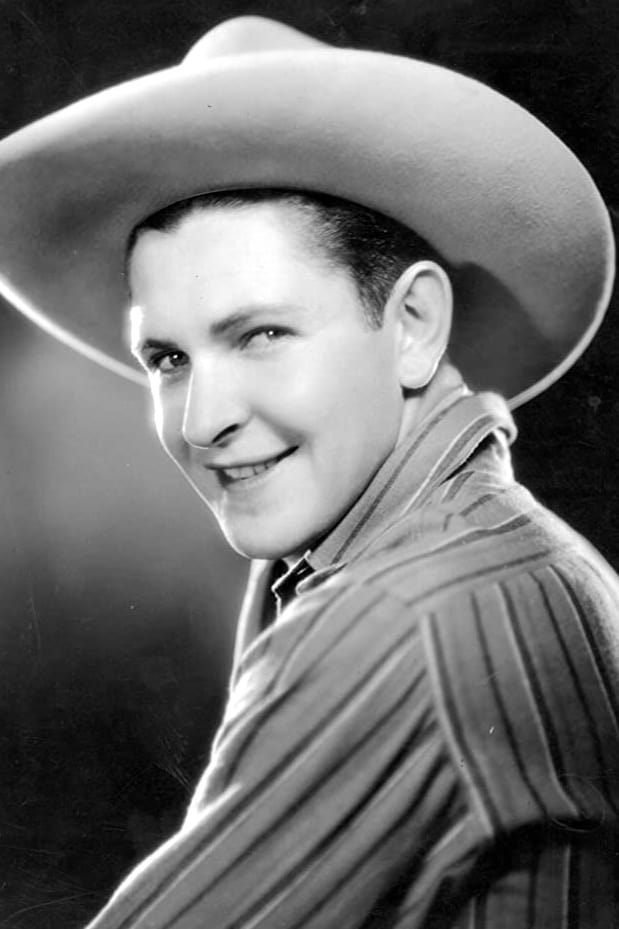
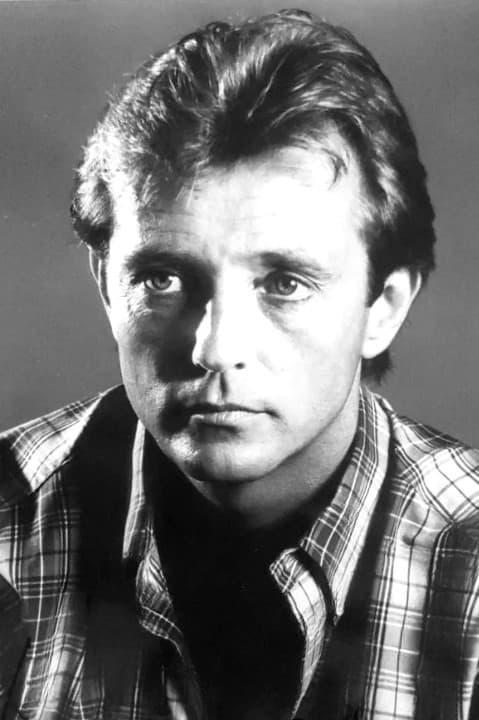
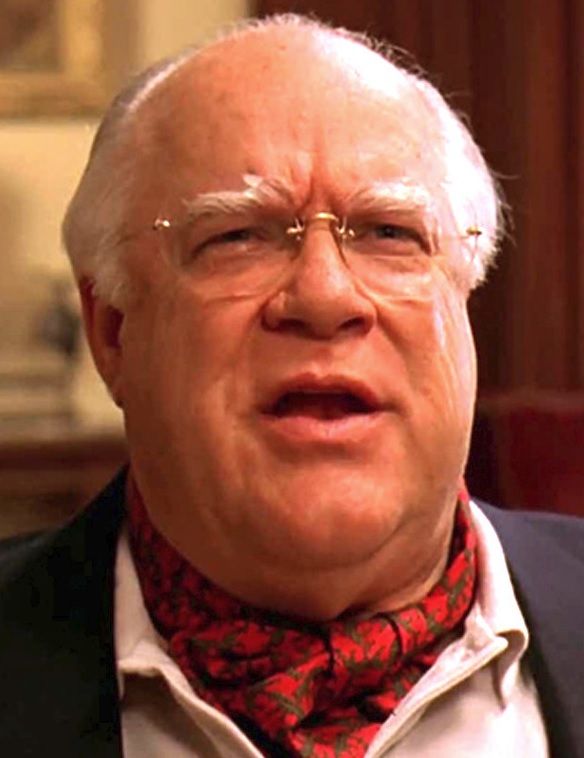
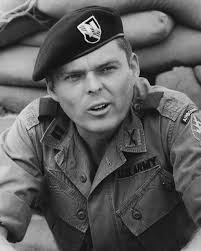
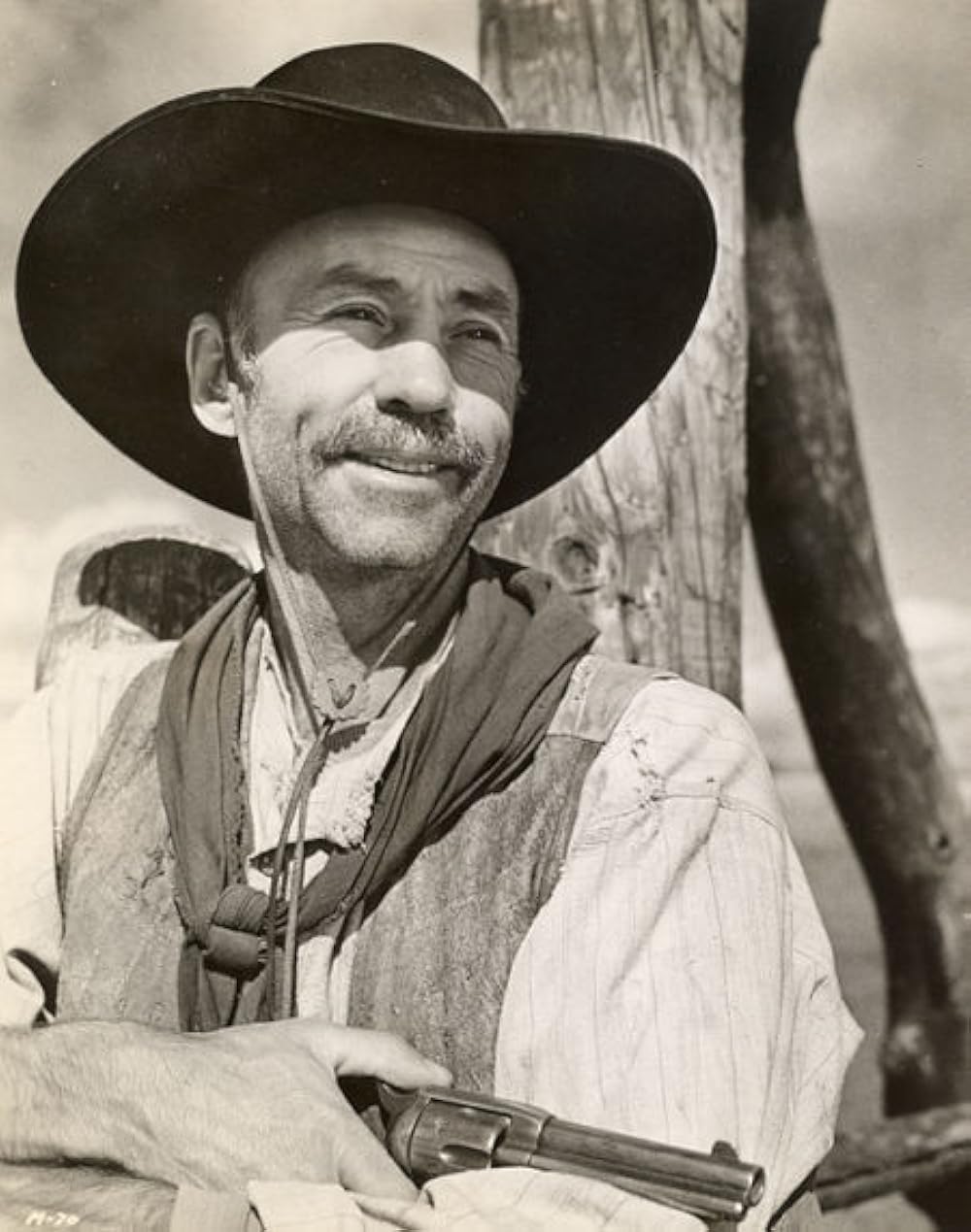
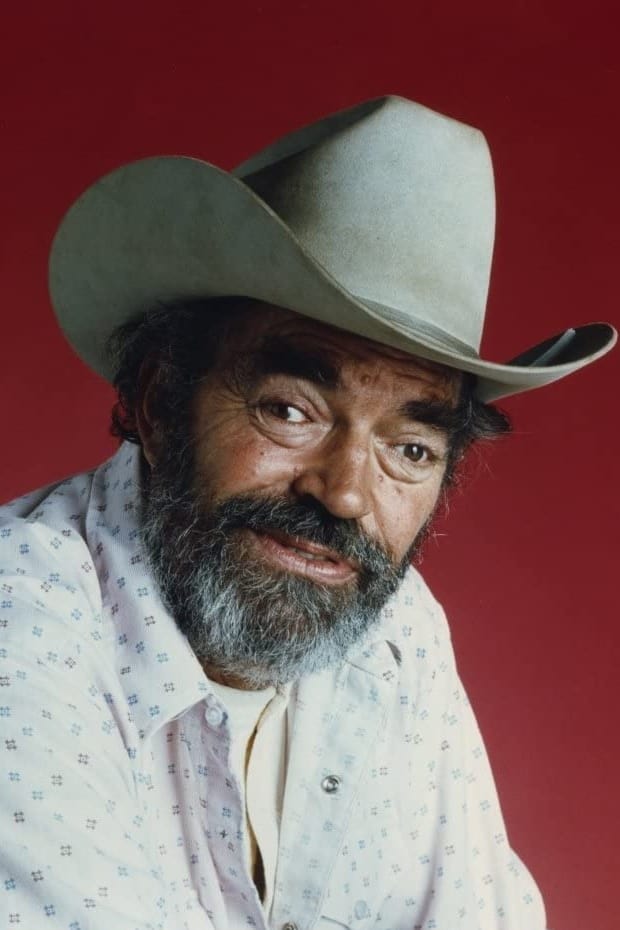
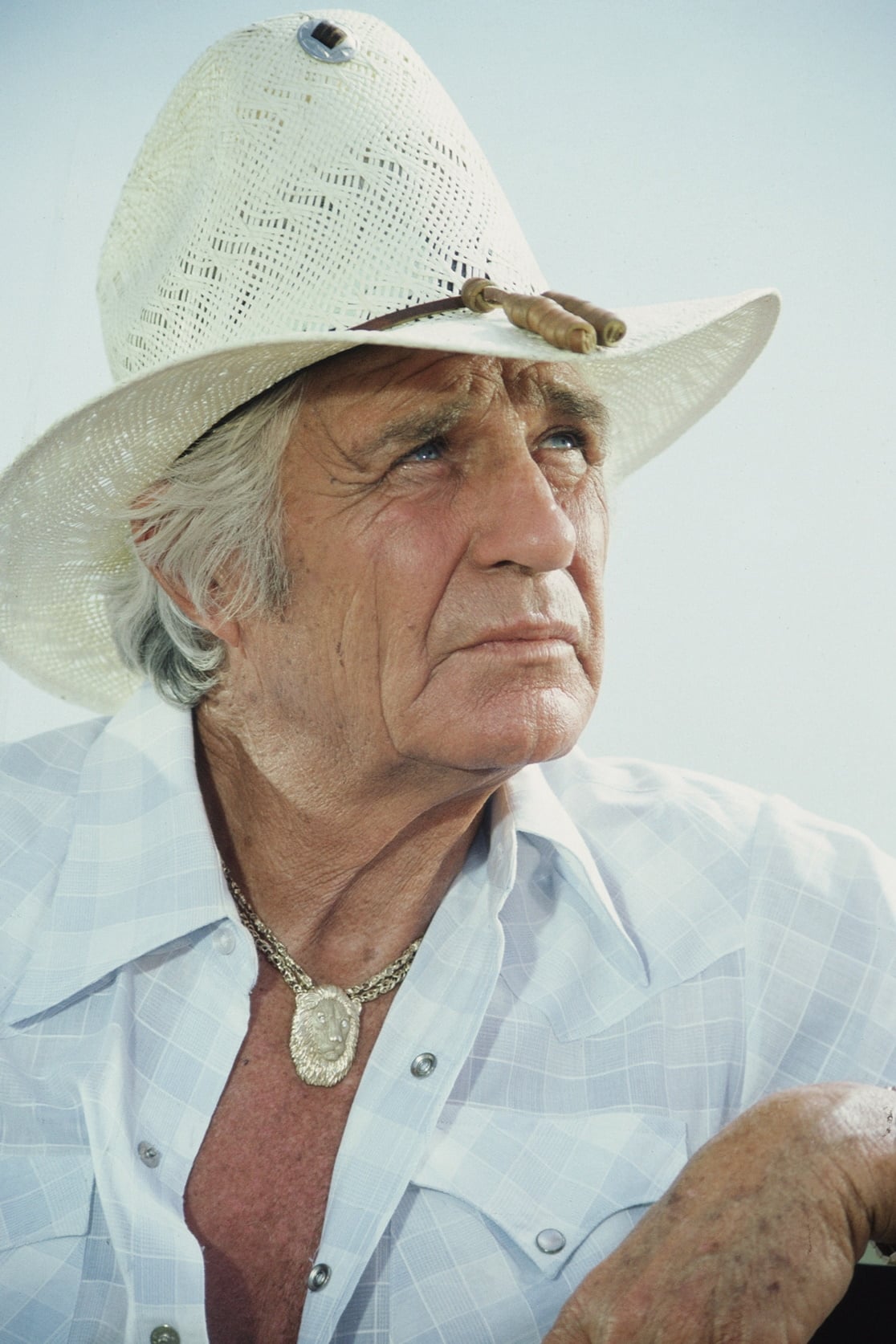
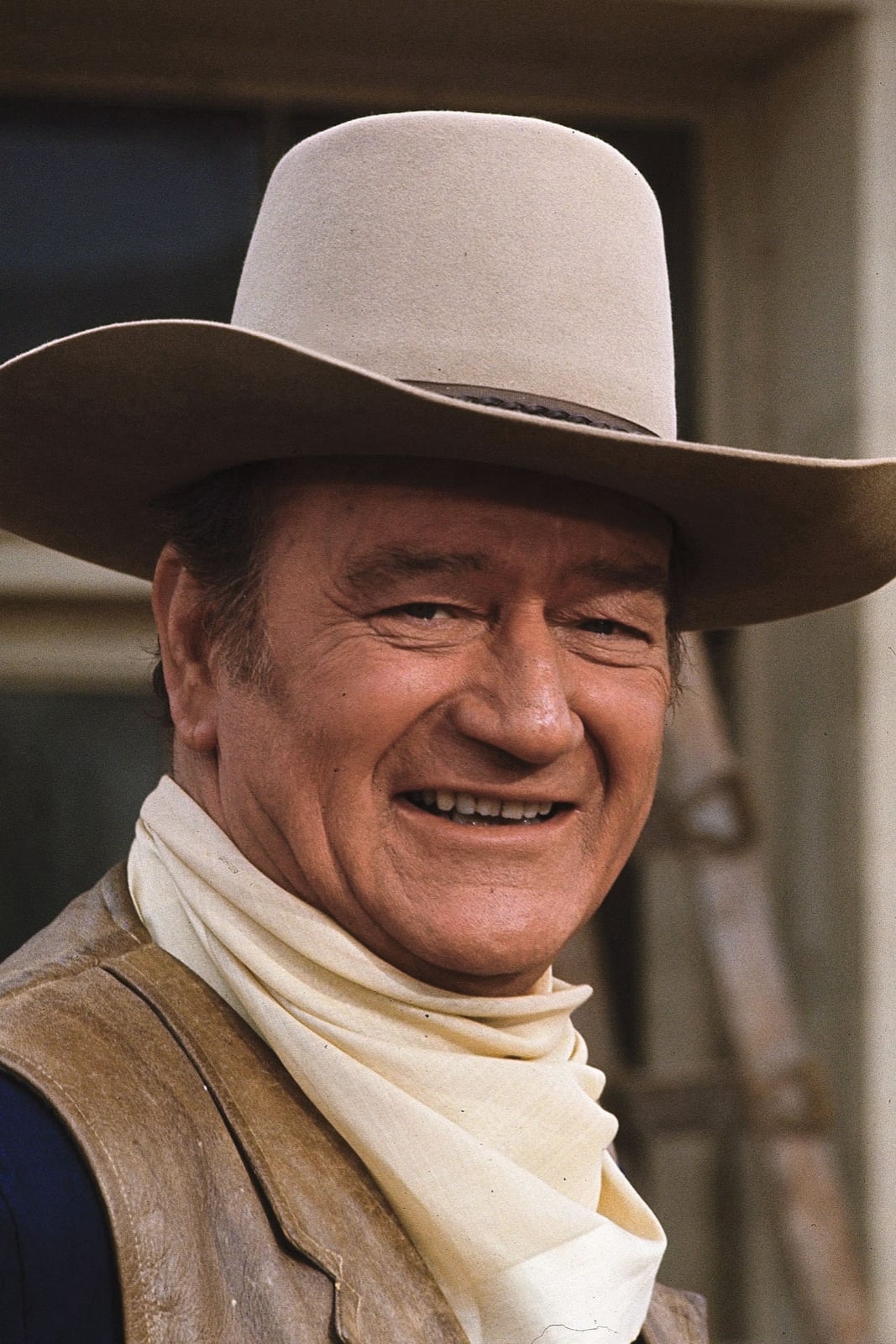
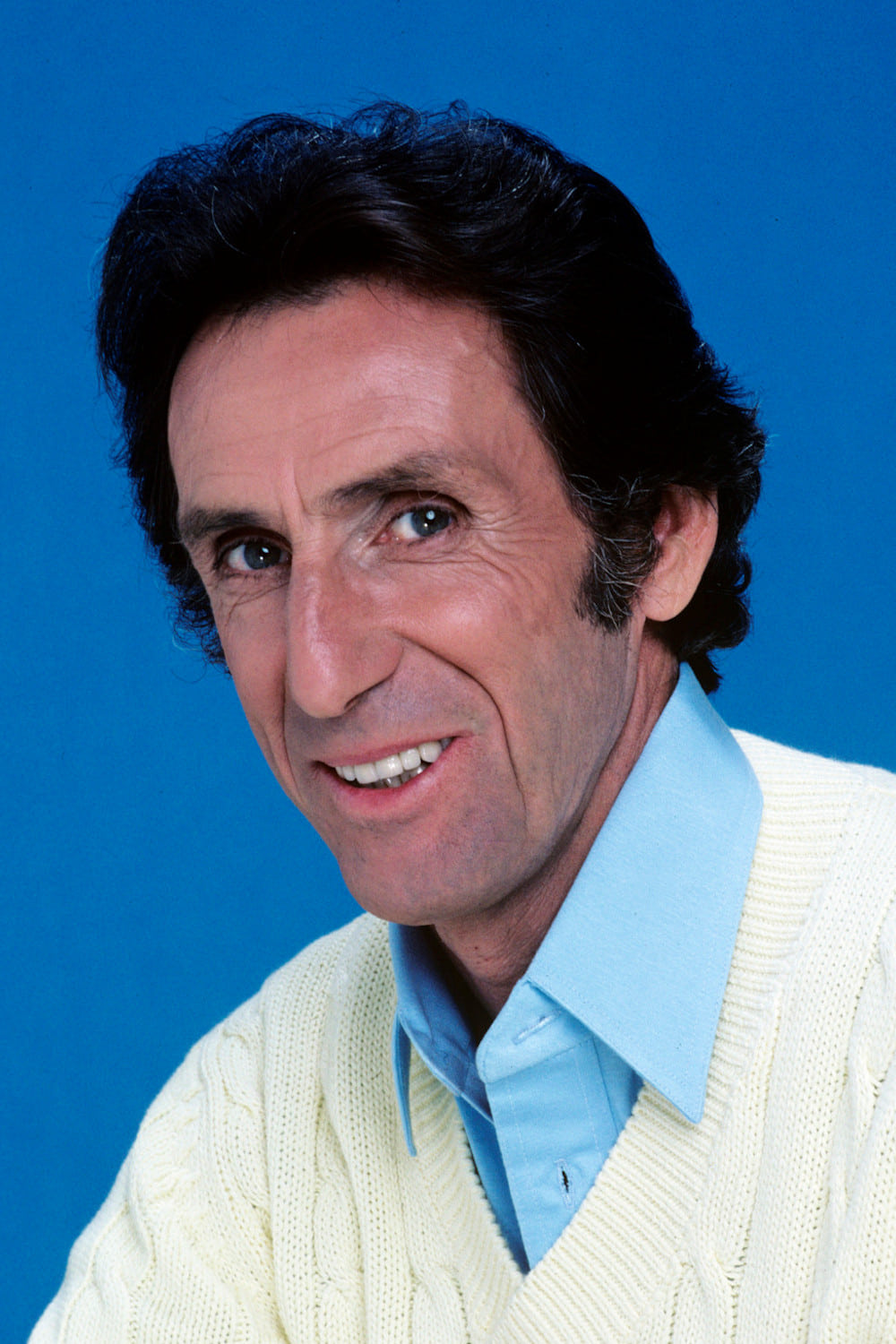
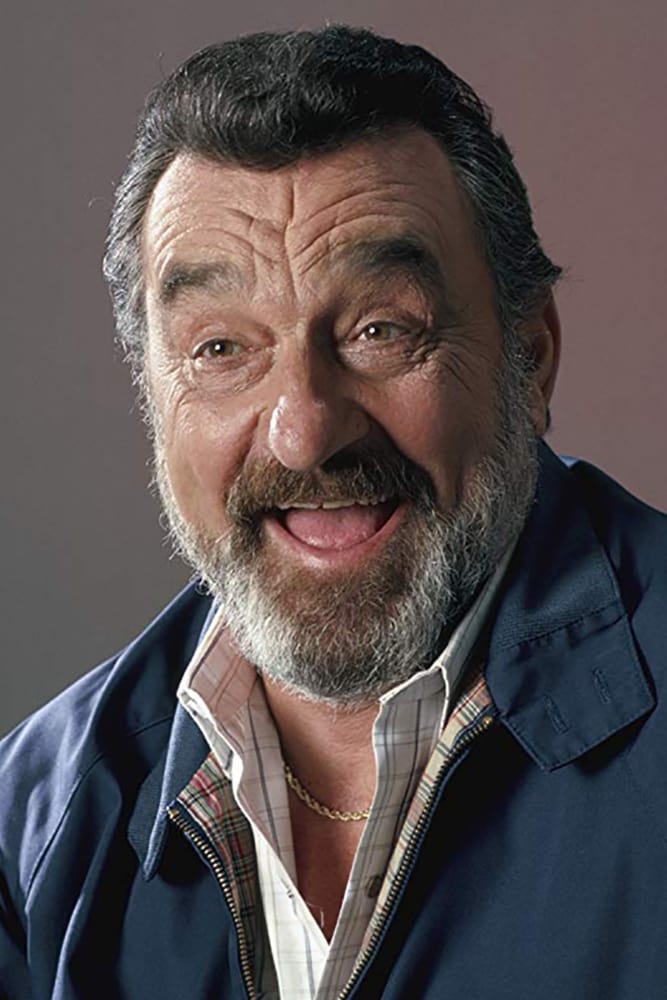
Robert Mitchum visited his son Christopher Mitchum during filming. Director Howard Hawks asked the elder Mitchum to reprise his El Dorado (1966) role as a drunken sheriff, but Mitchum claimed he was now retired. John Wayne responded, "Mitch has been retiring ever since the first day I met him."
John Wayne was in poor health during filming, and frequently had great difficulty getting on and off of his horse. He was also still recovering from tearing a ligament in his shoulder while filming The Undefeated (1969).
During a break in filming, John Wayne collected his Best Actor Oscar for True Grit (1969) from Barbra Streisand at The 42nd Annual Academy Awards (1970). When he returned, every member of the cast was wearing an eye patch, including his horse.
Final film of Howard Hawks.
Howard Hawks had originally planned to re-team John Wayne with Robert Mitchum, his co-star in Hawks' hugely popular previous movie, El Dorado (1966). Finding that production company Cinema Center Films would not pay for two such expensive stars, he went instead with Jorge Rivero; Rivero, a major star in Mexico but virtually unknown in the US, spoke little English and could not hold his own in scenes with Wayne. Hawks also regretted casting Jennifer O'Neill, finding her difficult to work with and more interested in her hair than her performance.
Continuity
Shortly before the fast going captured train is stopped by ropes tightened across the rails, there are a number of shots in which there is no one on the second wagon of the train. It is obvious from the foregoing shots that there should be about nine confederate soldiers on it, including Capt. Cordona.
When McNally is carrying Shasta, Cordona is leading the way to the stairs. When the camera angle changes, McNally is in front of Cordona.
When Col. McNally, Capt. Pierre Cordona, and Shasta Delaney awake in their camp at the burial site, it is morning, but the lack of shadows would indicate a time closer to midday.
When they leave the jail for the prisoner exchange they say that it is an hour after sun up, but when they reach the street their shadows are almost vertical showing that it is actually around noon.
When McNally, Cardona and Shasta are in Cardona's room and Shasta is just waking up after fainting, she sits up and the covers fall down to her waist. Then a distant scene is shown and the covers are around her neck. A close up scene then follows and the covers are around her waist again.
Factual errors
The cap and ball revolvers used in the Civil War could be sealed with beeswax and tallow to protect the percussion caps and powder from rain, but could not withstand being submerged in water for very long. In the movie, at the 29 minute mark the Confederate sergeant has concealed himself, with his pistol, underwater in the river, while breathing through a hollow reed. Depending on how long a submersion, the firing of that pistol was iffy.
Incorrectly regarded as goofs
Commonly thought as a mistake, (that Ketchum's pants don't show any scorch marks from the fire), Ketchum is shown buckling his belt on a different color pair of pants that he has obviously changed into just as they get ready to leave.
At about 1:41 when the group is about to leave the jail there is a large container with a big knob on top. John Wayne has a cup in his hand that obviously has no bottom. He sets the cup right down over the knob on the container. If you watch carefully, John Wayne's character turns the cup upside down as he places it on the coffee urn. Thus it covers the knob on the top of the urn.
Revealing mistakes
Leaving Ketchum's home, a body double is used for John Wayne. There seems to be no reason for it as it is a benign scene requiring very little physical exertion.
When Ketcham gets shot by the Sheriff, you can see the blood packet as it falls from his shirt.
Miscellaneous
In the final gunfight right after John Wayne gets shot in the leg and goes back into the building, he draws the hammer back on his rifle and shoots again. This would have been a spent round, as cocking the rifle would have reset the hammer. Seconds later after the dynamite explodes, he again draws back the hammer to fire.
Several times during the film cast members make the classic protestant mistake of confusing the word "cavalry" (mounted soldiers) with "Calvary" (site of the crucifixion).
Anachronisms
When uncoupling the train from the locomotive the rebels pull up on a lever opening the knuckle coupler and releasing the car. At the time of the Civil War railroads used a link and pin coupling system. The knuckle coupler was invented by Eli Janney in 1873, eight years after the civil war ended. They are still in use today.
In the railroad track greasing scene, some of the Confederate cavalrymen are wearing bandoliers containing post-Civil War metallic cartridges.
All of the major characters in the film are seen wearing/using Colt Single Action Army revolvers shortly after the civil war ends (1865). The gun wasn't introduced until eight years later (1873).
Close up of telegraph equipment shows a stamp from the E.F. Johnson Company, Waseca, Minnesota. Waseca was founded in 1867, two years after the war ended. The E.F. Johnson Co. was founded in 1923 by Edgar F. Johnson sixty years after the war ended, as per Wikipedia articles on each.
Most of the repeating rifles being used are Winchester model 94's, introduced many years after the time that the movie is set.
Audio/visual unsynchronized
The wrong sound effect is used for Phillips' rifle when he is at his ranch. What is heard is the sound that is used for Phillips' shotgun.
During the final shootout, when Hendricks shoots Ketcham, McNally mouths some words right before he shoots at Hendricks, but there is no audio.
When Wayne is walking up the stairs, spurs are heard jangling, but when he walks up there are no spurs are on his boots.
Errors in geography
Many scenes that take place "in Texas" have saguaro cacti in them. Saguaros only grow in parts of Arizona and Mexico; they don't grow in Texas.
While the filming location was in Arizona, it was set in Texas, but there are no Saguaro cacti in Texas. They are indigenous to Arizona and New Mexico.
Character error
When Shasta Delaney wakes up from fainting in Cordona's hotel room she has never been introduced or heard John Wayne's character's name and yet she calls him Mr. McNally.