Red River (1948)

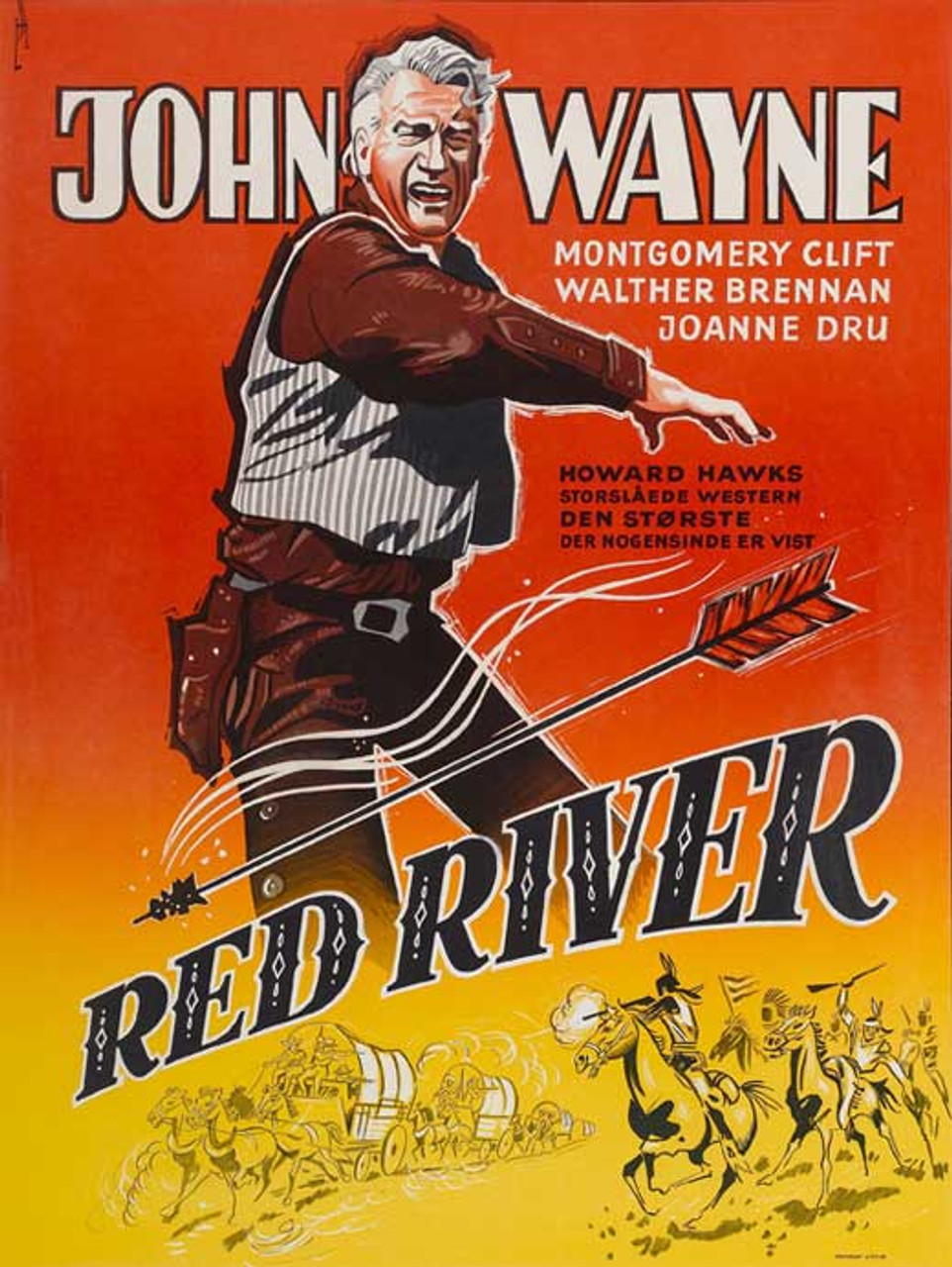
Fourteen years after starting his cattle ranch in Texas, Tom Dunston is finally ready to drive his 10,000 head of cattle to market. Back then Dunston, his sidekick Nadine Groot and a teen-aged boy, Matt Garth -who was the only survivor of an Indian attack on a wagon train - started off with only two head of cattle. The nearest market however is in Missouri, a 1000 miles away. Dunston is a hard task master demanding a great deal from the men who have signed up for the drive. Matt is a grown man now and fought in the Civil War. He has his own mind as well and he soon runs up against the stubborn Dunston who won't listen to advice from anyone. Soon, the men on the drive are taking sides and Matt ends up in charge with Dunston vowing to kill him.
Greatest Spectacle Ever!
Mr. Melville: There's three times in a man's life when he has a right to yell at the moon: when he marries, when his children come, and... and when he finishes a job he had to be crazy to start.
Elgin, Arizona, USA
Nogales, Sonora, Mexico
Samuel Goldwyn/Warner Hollywood Studios - 1041 N. Formosa Avenue, Hollywood, Los Angeles, California, USA
(studio)
San Pedro River, Arizona, USA
Tucson, Arizona, USA
Whetstone Mountains, Arizona, USA
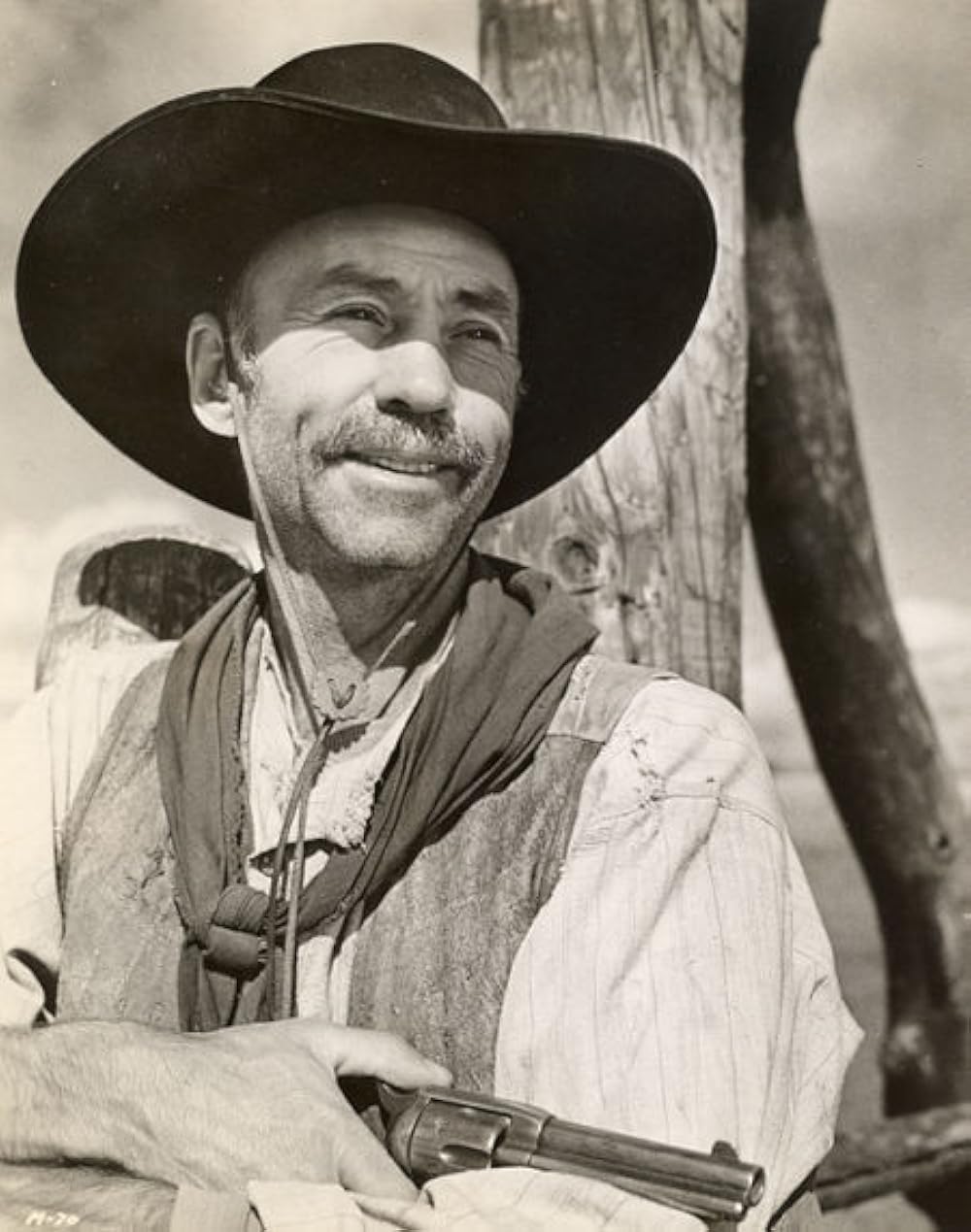
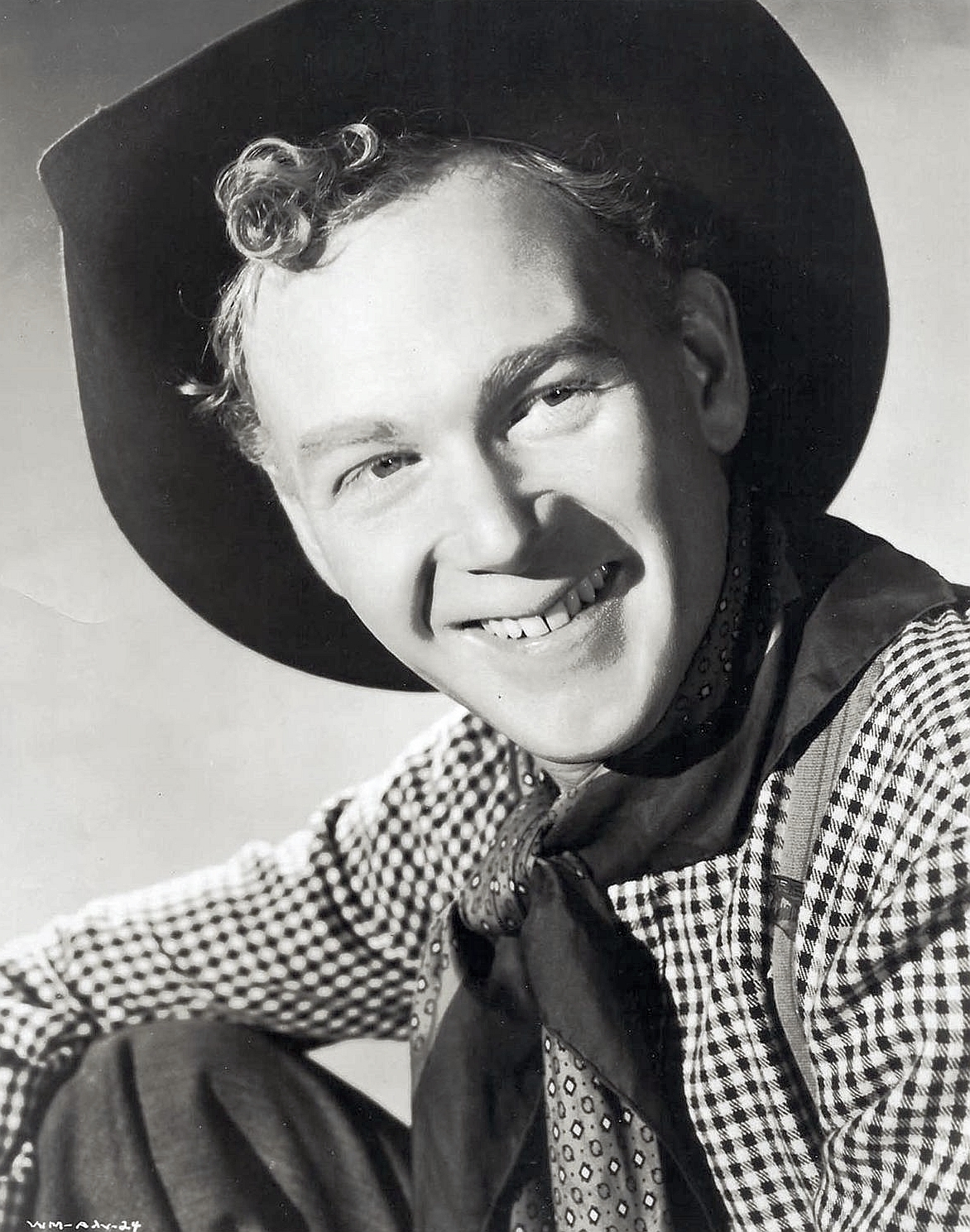
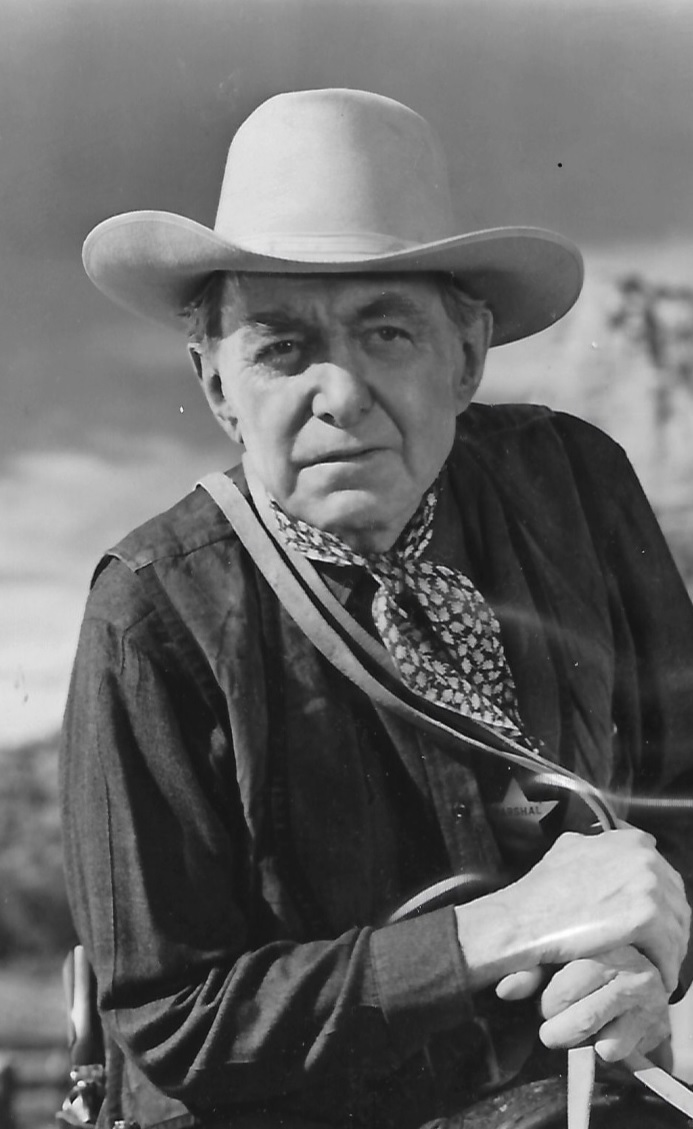
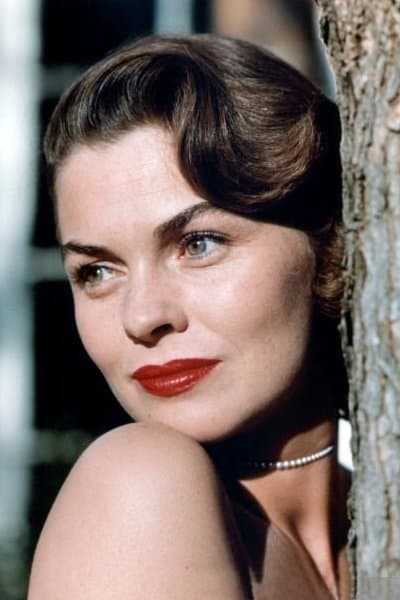
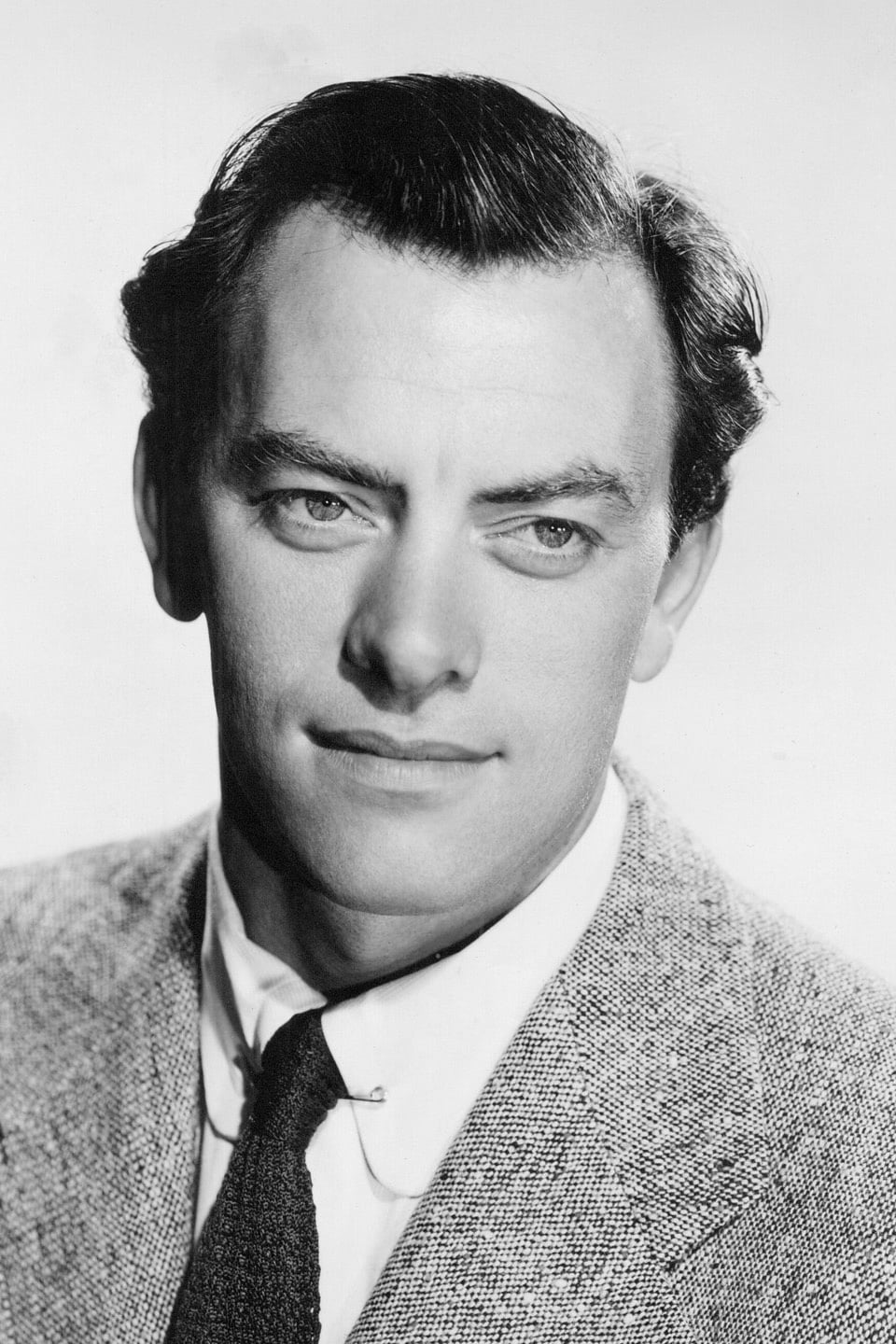
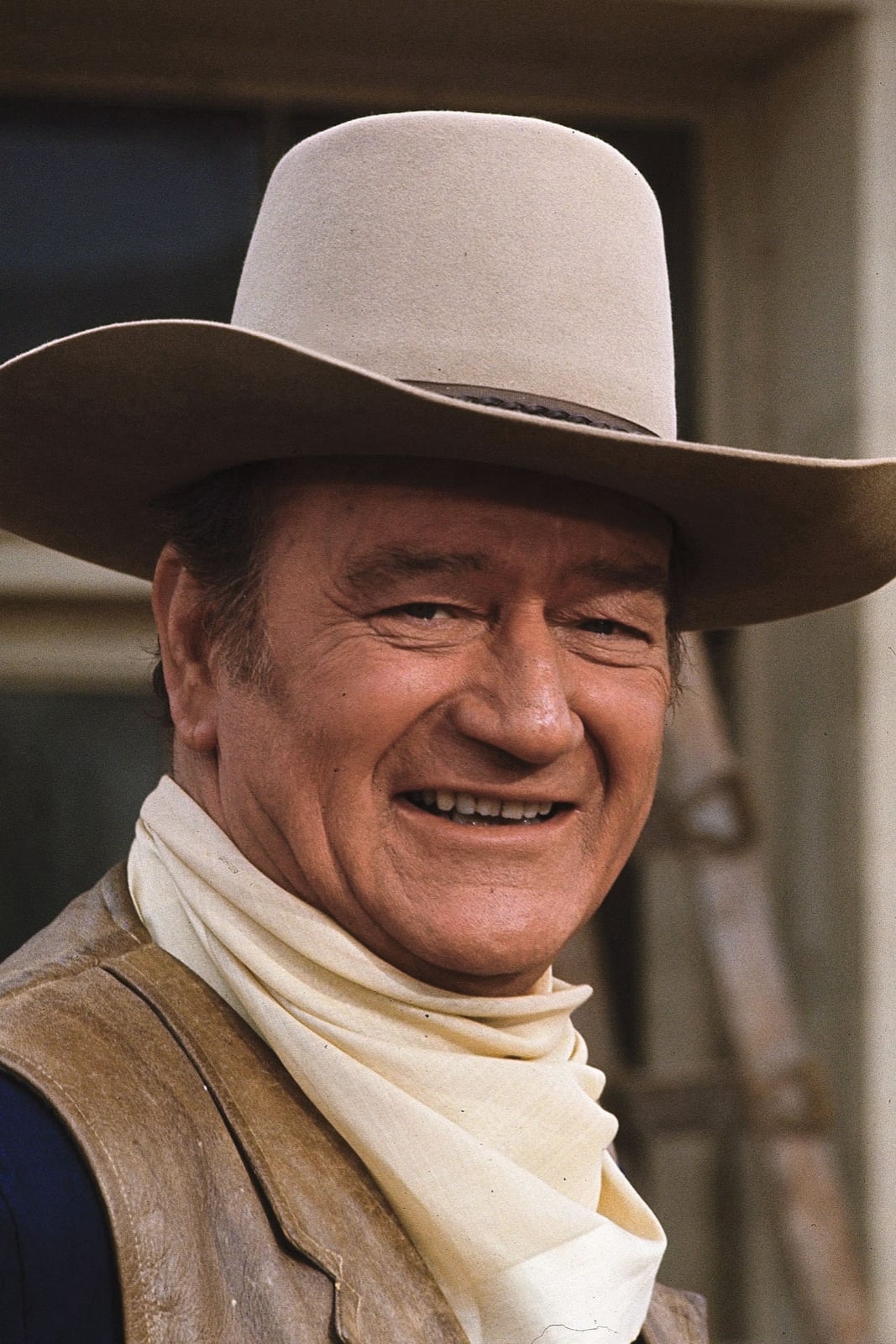
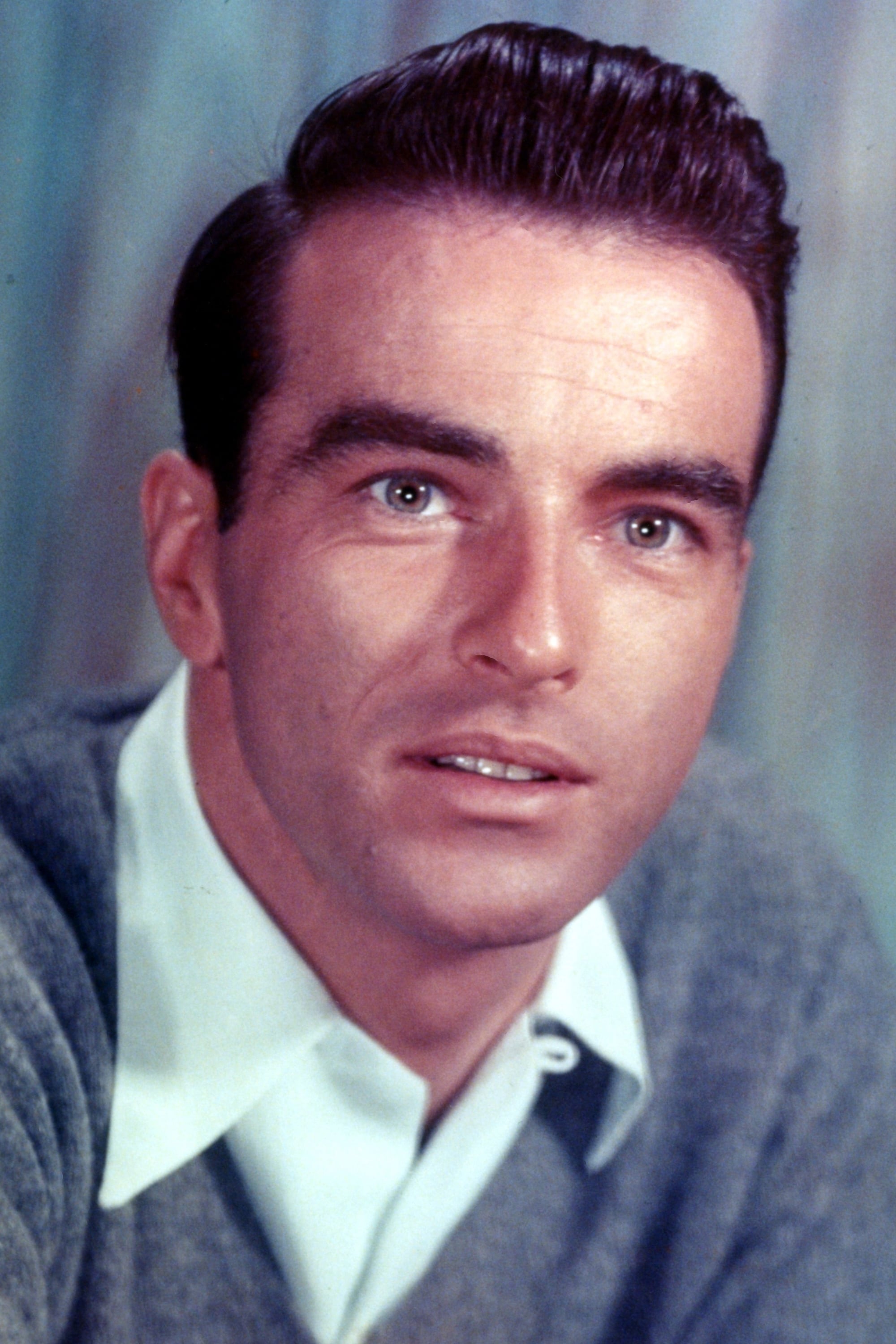
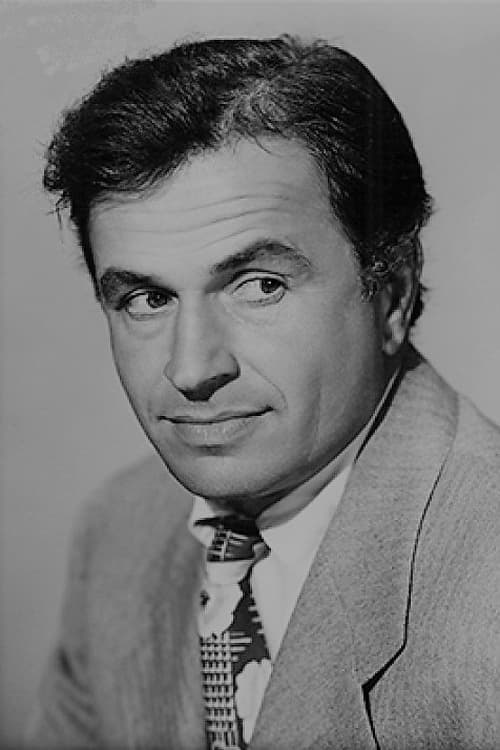
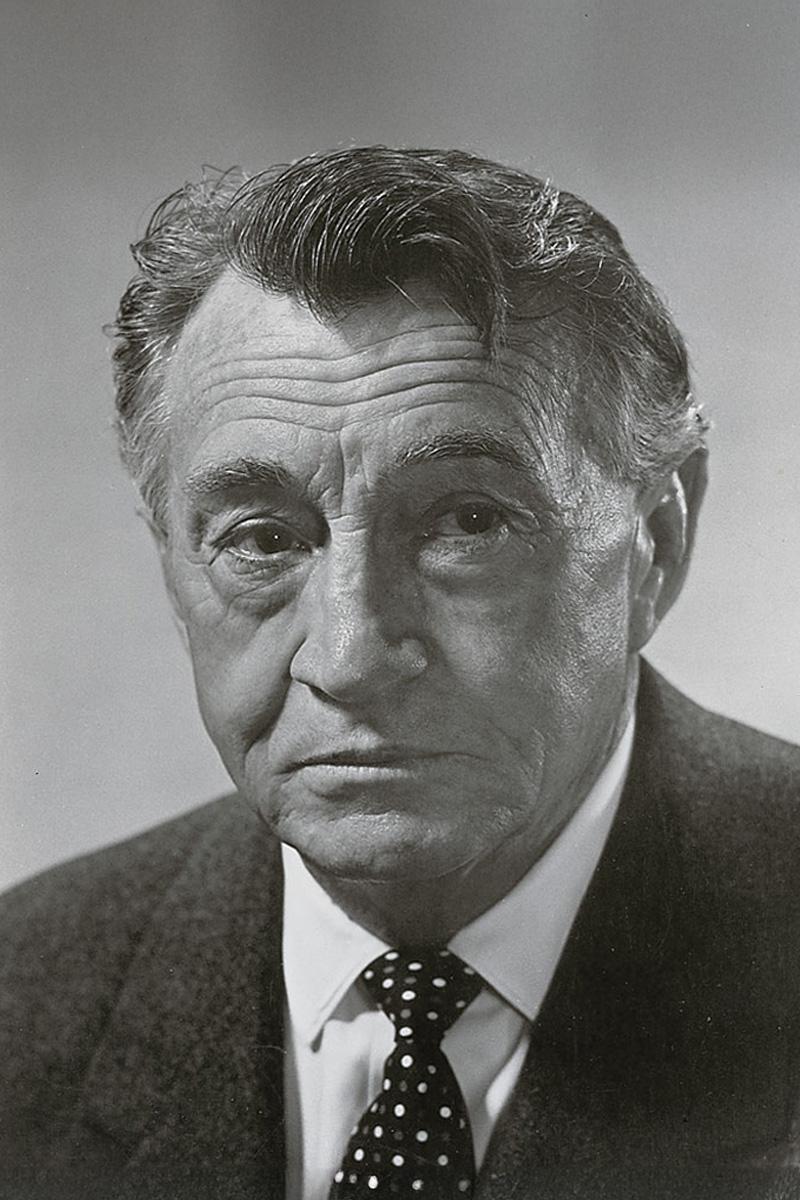
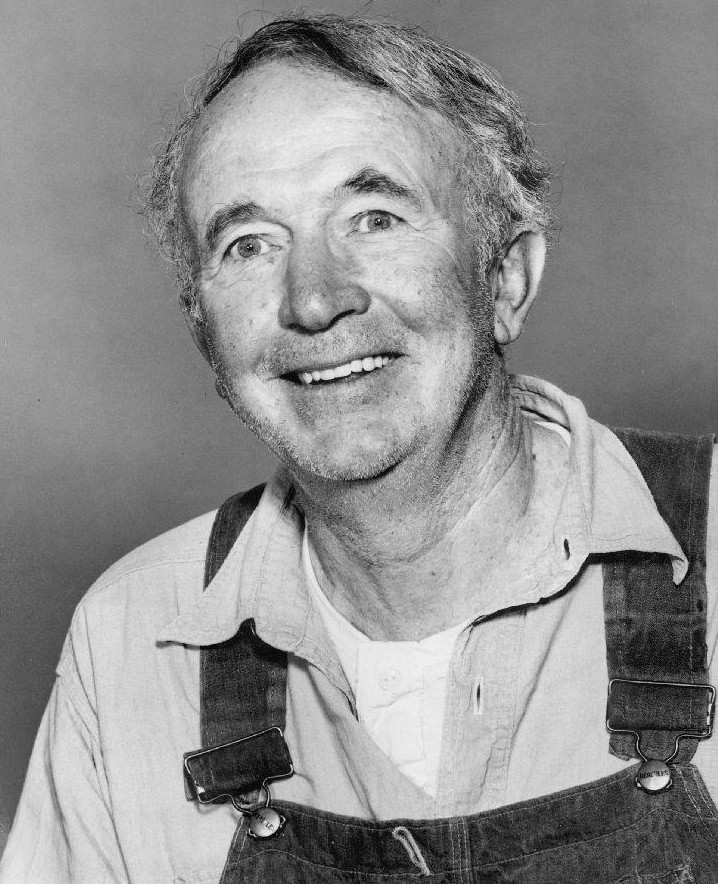
Howard Hawks shot the beginning of the cattle drive in close-ups of each of the principal cowhands because he felt tight shots would be needed to help the audience keep all the characters straight in their minds. To that end, he also gave them all different kinds of hats, including a derby. Montgomery Clift used Hawks' own hat, which was given to him by Gary Cooper. Cooper had imparted a weather-beaten look to the hat by watering it every night. "Spiders built nests in it," Hawks said. "It looked great."
Film debut of Montgomery Clift. NOTE: This film was shelved for two years, so the first film the public saw of Clift was The Search (1948), for which he was nominated for the Academy Award for Best Actor.
After seeing John Wayne's performance in the film, directed by rival director Howard Hawks, John Ford was quoted as saying, "I never knew the big son of a bitch could act." This led to Ford casting Wayne in more complex, multi-layered, and dramatic roles in films like She Wore a Yellow Ribbon (1949), The Searchers (1956), and The Man Who Shot Liberty Valance (1962). However, it is worth noting that the only source for Ford's quote was Howard Hawks himself, who always liked to make himself look good in relation to other famous directors.
Montgomery Clift was nervous about standing up to John Wayne but gained confidence when Howard Hawks told him to play his scenes like David against Goliath. He also urged the young actor to underplay in his scenes with Wayne, particularly the scene in which his character challenges Dunson for the first time. Wayne was also not sure Clift could be convincing as a rugged cowboy, but after that first confrontation scene he told Hawks his doubts were gone and "he's going to be okay."
Montgomery Clift had learned to ride horses while at military prep school, but it was a different kind of riding than he was required to do in this role. He asked experienced Western actor Noah Beery Jr. for help and worked hard to become convincing on screen. Beery later said, "The thing he enjoyed most was becoming a hell of a good cowboy and horseman." Howard Hawks always had high praise for how hard Clift worked on the picture.
Continuity
When Dunson is standing next to his horse after Matthew Garth takes the herd from him, he clearly has a belt full of cartridges, but later on Matthew confirms to Groot that he took all of Dunson's cartridges.
At the end of the film when Dunson finally confronts Matt and after knocking Matt down twice, Matt punches back knocking Dunson's hat off. The very next punch from Matt knocks Dunson's hat off again.
During the cattle stampede, Dunson, Matt and the other cowboys saddle up and try to turn the herd. Process shots of each cowboy are inserted in the scene. Every cowboy is riding the same dummy horse and saddle with a very large Mexican saddle horn.
Inside the tent, during Tom and Tess's conversation, the lamp hanging between them changes positions and disappears between shots.
Near the end of the film, when Tom walks toward Matt, his shadow changes repeatedly from one shot to another.
Factual errors
The film gives 14 August 1865 as the completion of the first cattle drive on the Chisholm Trail. However, the first cattle drive on the Chisholm Trail started and finished in 1867, two years later.
When the Mexicans ride up and Dunson asks them the name of the river, they reply without hesitation, "Rio Grande." The river has always been called "Rio Bravo" in Mexico, which is what they would have answered.
In the fight scene at the end, the cross bar on the hitch rail is steel pipe, which was not found in the 1860's. The rail would have been made of local wood and would normally have been attached with dried rawhide strips.
The cattle drive takes place in 1865. The drive to Sedalia, Missouri would have been shortened by 100 miles by going to Baxter Springs, Kansas which had been established as a cow town in 1857.
The final scene in the movie takes place in 1865, but the Railroad didn't come to Abilene until 1867.
Incorrectly regarded as goofs
When Tom, Matt, and Nadine are met by the two Mexicans, it is claimed that the land was granted to Diego by the King of Spain. This is not a goof. The Treaty of Guadalupe-Hidalgo that ended the Mexican-American War explicitly stated that all (former) Mexican citizen claims to land within the territory ceded to the United States would be respected.
When visualizing the ranch fifteen years into the future, some of the ranch buildings are shown with corrugated "iron" roofs. While almost never seen in western movies, the material was indeed used at the time.
Revealing mistakes
Matthew Garth seems to beat Thomas Dunson to the draw in a mock contest orchestrated by Dunston and Groot Nadine. However, the gun is already in Garth's right hand in order to fool the audience, as evidenced by his empty holster as he walks away.
In long shot at 1:13:03 as the herd is driven across the river, Walter Brennan in the wagon distant from the camera is clutching the seat with the reins passing to the left of him to a concealed driver as the vehicle descends steeply into the water. In the close up with the camera behind Walter looking out ahead over the river, the driver is now gone and Walter is now holding the reins.
When Dunson's wagon rolls away after leaving the wagon train, there are four cows tied to it. Just before young Matt appears, the back of the wagon is seen with two cows, one standing and one lying down on its side. Later, when young Matt ties his cow to the wagon, there are only the two cows that the new herd started with.
Tom Dunston is going to whip the sugar thief with a bull whip in his right hand, but Matt Garth shoots the sugar thief first. In the next scene, Tom has his six shooter in his right hand and not the whip.
At the 59 min mark, the bit has fallen out of John Wayne's horse's mouth.
Miscellaneous
When Matthew Garth requests his mark added to the Red River D brand he requests his first name Matthew added as an M. One would expect that a G be added for his last name Garth to match Dunson's D.
At approximately 1:13 into the film, when Groot's covered wagon is crossing the river, the lead horse on the right poops in the river.
Anachronisms
When the drive is being organized, there is talk of a reliable cow hand from Alberta, which would not exist till 1882, when the "District of Alberta" was created as part of Canada's Northwest Territories.
The film is set in 1851 - 1865, yet several Colt Model 1873 Single-Action Army Revolvers are seen which were not available until later.
Film set in 1851-1865, but using Model 1892 Winchesters to shoot Indians when they attack the wagon train.
As the drive approaches Abilene, there is a fear that it will miss the town and eventually end up in Canada. At that time, it would have only existed as the United Provinces or todays southern Ontario and Quebec.
Beginning with the earliest scenes, depicted as being in 1851, the men's trousers have belt loops. Belt loops weren't introduced on trousers until 1922, when they were added to jeans by Levi Strauss.
Audio/visual unsynchronized
Just before they begin the drive, Dunson rides up and asks Matt, "ready, Matthew?" Matt replies, "All ready." However, Matt simply nods and doesn't say anything.
Crew or equipment visible
An equipment shadow tracks across the wagon as the camera pans from Groot to Dunson during their first night on guard at Red River.
Errors in geography
The "Red River" is flowing in the wrong direction. If the herd is crossing from south to north, the water should be flowing from west to east or from the left side of the screen to the right.
The trail would not go near any mountains.
When Dunson and Groot leave the wagon train, they say they are headed south. When they get to the Red River, they look to their left -- which would be east -- and see the smoke from the attack on the wagon train. But the wagon train was headed west, which would have been to their right, not their left.
When Tom Dunson leaves the wagon train, he says he's heading south. But then he heads toward his shadow, which could be west, north, or east depending on time of day, but it could never be pointing south.
Plot holes
During the shootout with the quitters, four shots are fired, at night, but it doesn't trigger a stampede as earlier in the film which was triggered by the noise of pots and pans.