A Bridge Too Far (1977)

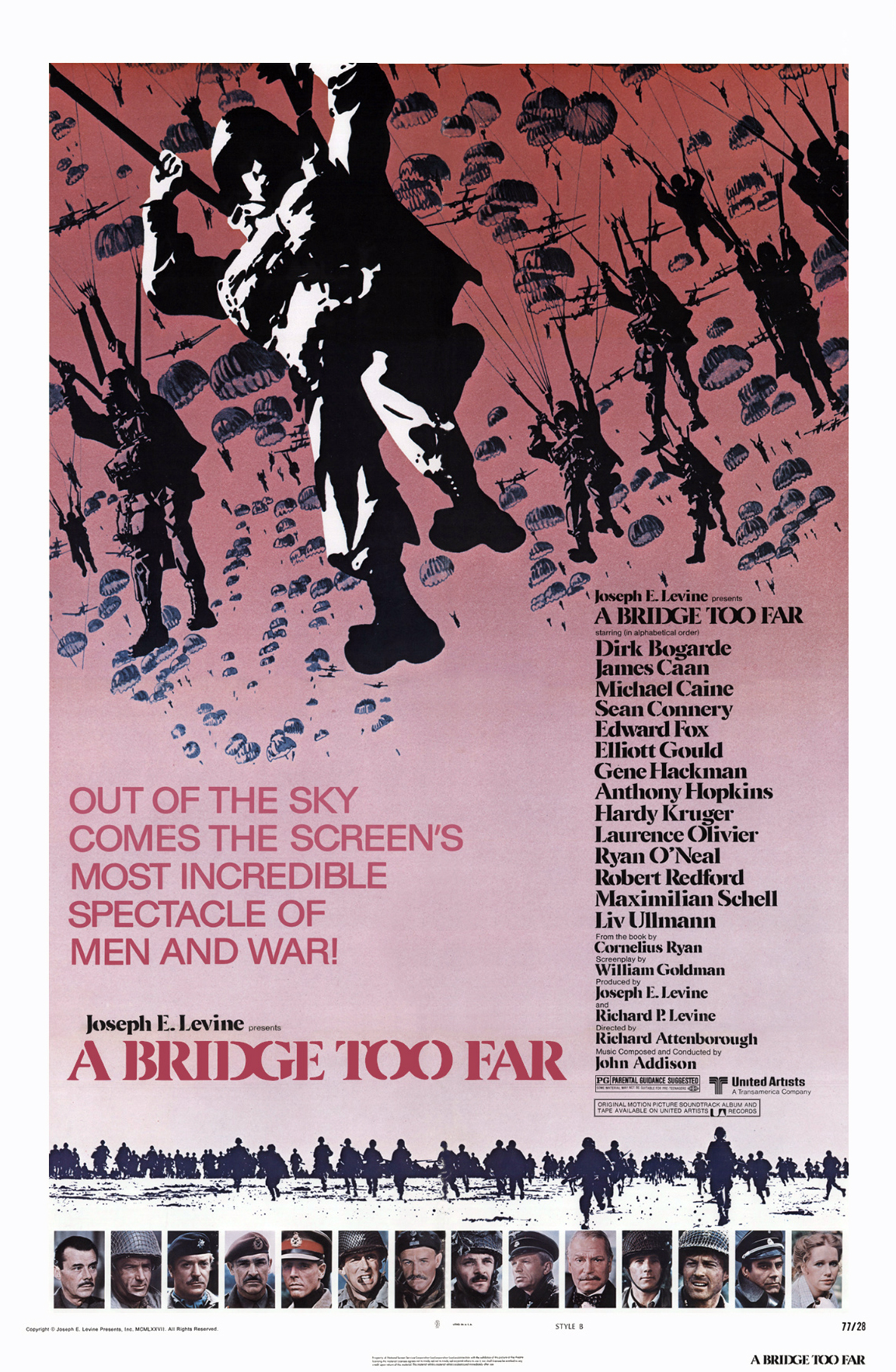
The true story of Operation Market Garden, the Allies attempt, in September 1944, to hasten the end of World War II by driving through Belgium and Holland into Germany. The idea was for U.S. airborne divisions to take the towns of Eindhoven and Nijmegen and a British airborne division, reinforced by a Polish airborne brigade, to take the town of Arnhem. They would be reinforced, in due course and in turn, by the British XXX Corps, land-based and driving up from the British lines in the south. The key to the operation was the bridges, as if the Germans held or blew them, the paratroopers could not be relieved. Faulty intelligence, Allied high command hubris, and stubborn German resistance would ensure that Arnhem was a bridge too far.
Mothers would lose their sons, wives, their husbands, girls their lovers, children their fathers and thousands of gallant young men would perish fighting against impossible odds, for a mission that would change the meaning of the word courage for all time...and for a bridge. A lousy bridge.
Major General Urquhart: I thought everyone knew that God was a Scotsman.
Nijmegen, Gelderland, Netherlands
(Nijmegen Bridge scenes and battle sequence)
Deventer, Overijssel, Netherlands
(Arnhem Bridge and some of the town's battle sequences)
Grave, Noord-Brabant, Netherlands
(Grave Bridge scene)
Bemmel, Lingewaard, Gelderland, Netherlands
Bronkhorst, Gelderland, Netherlands

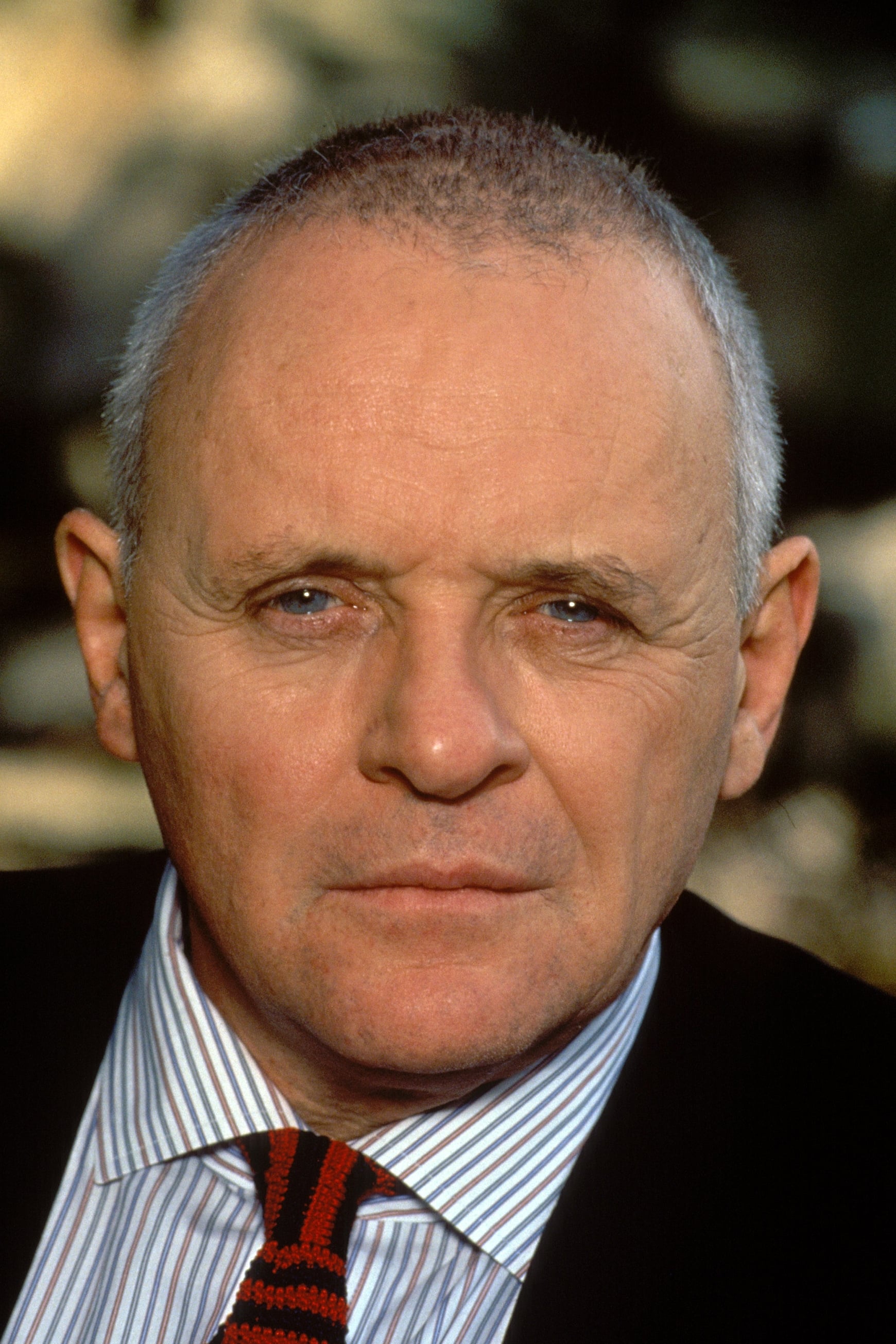
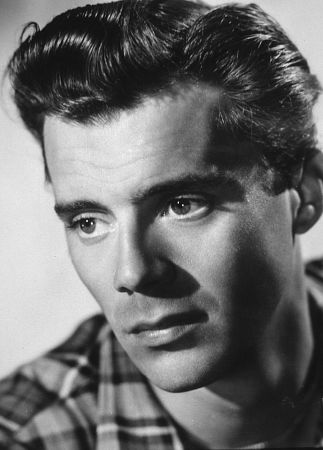
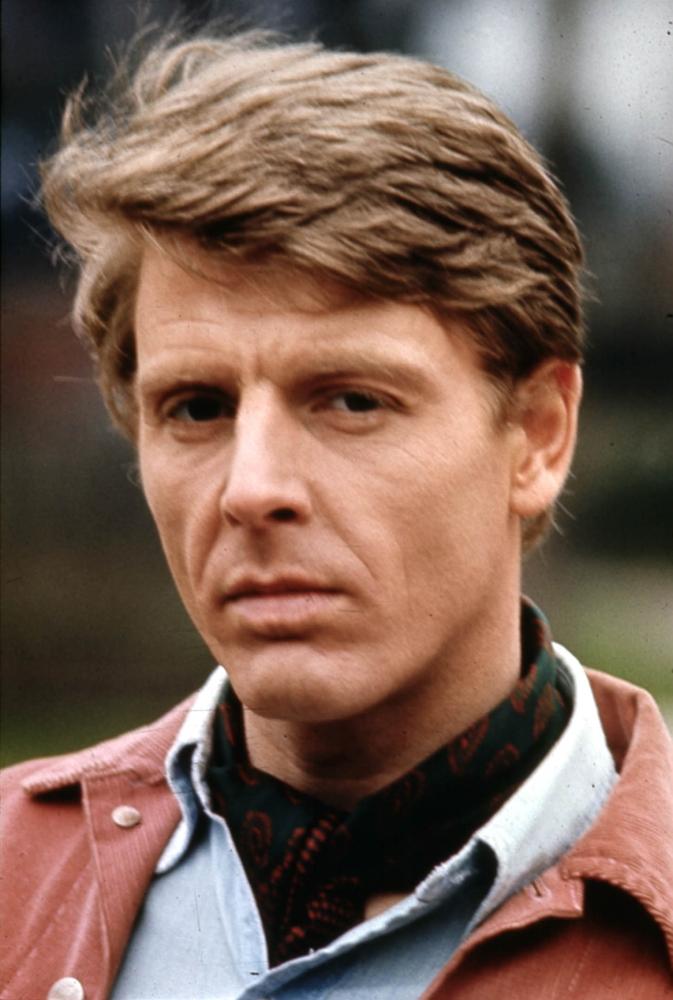
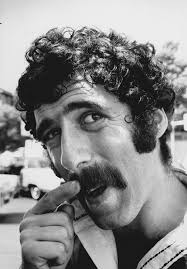
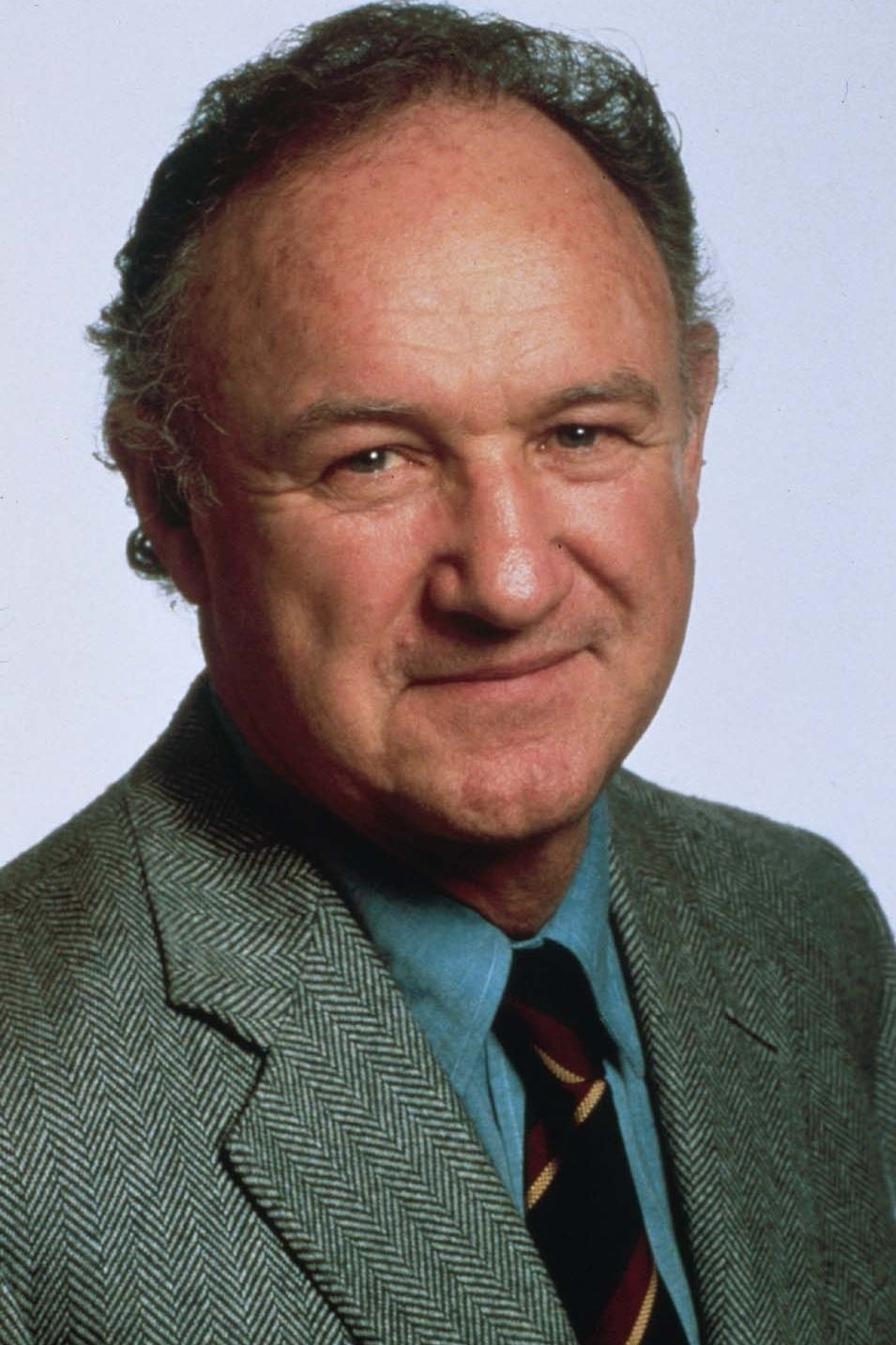
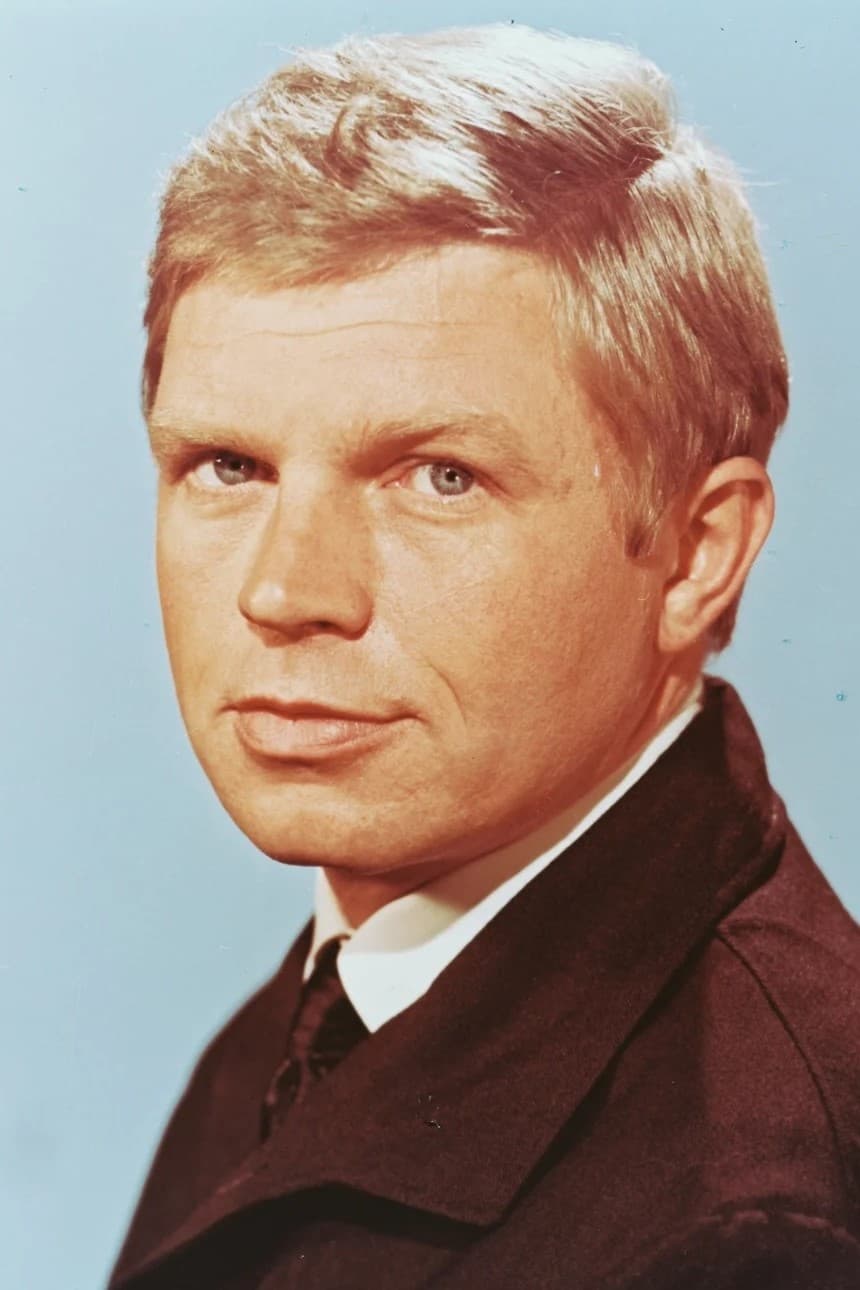
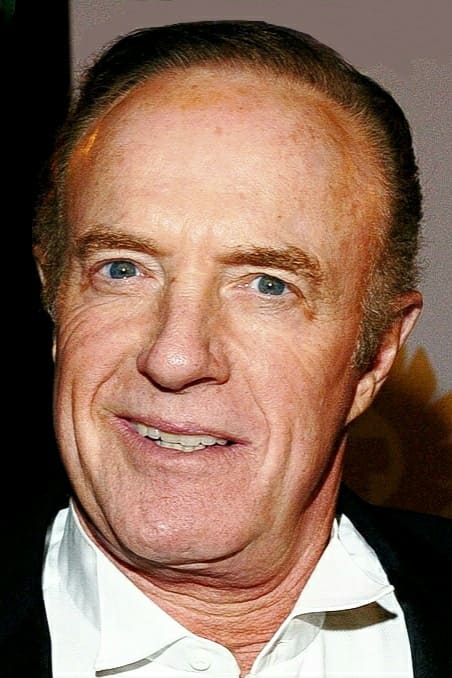
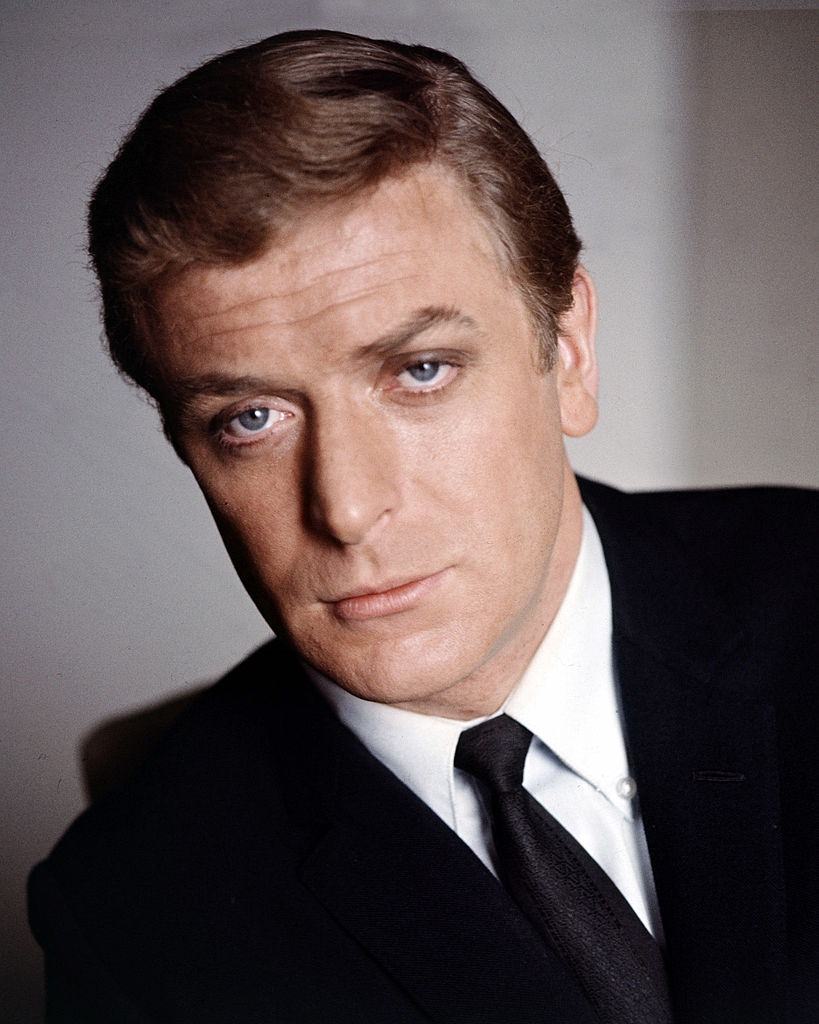
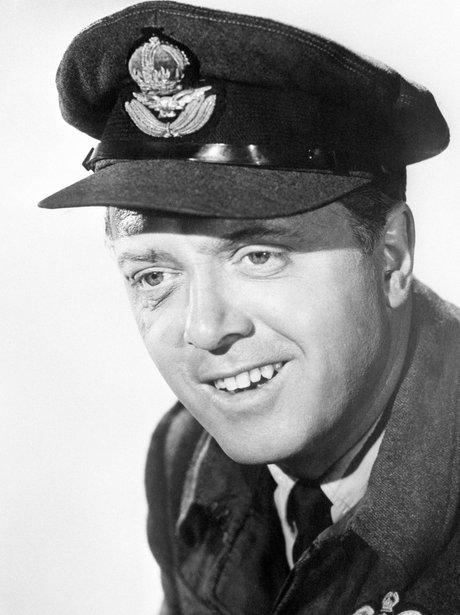
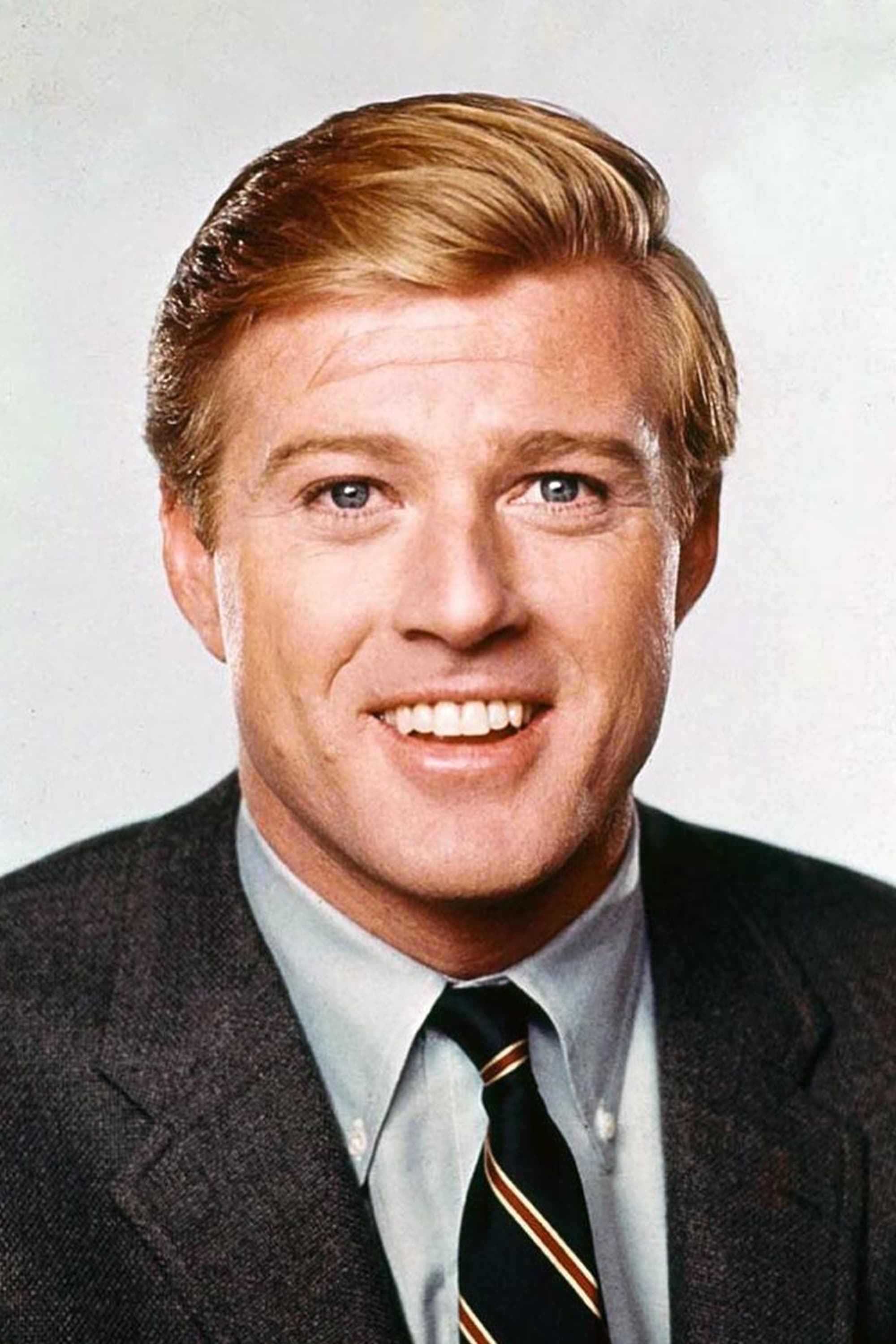
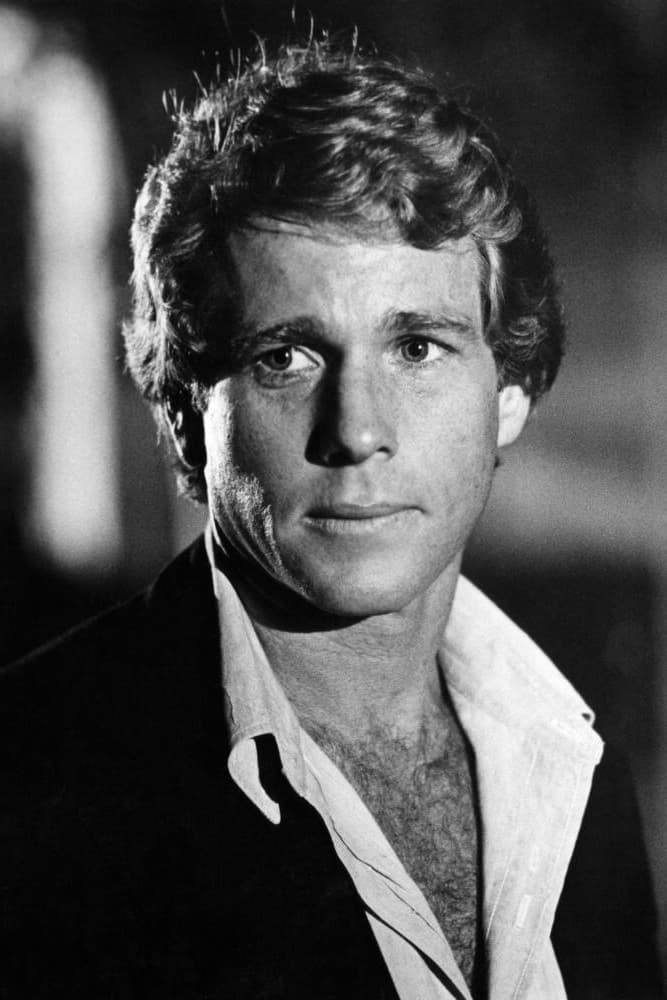
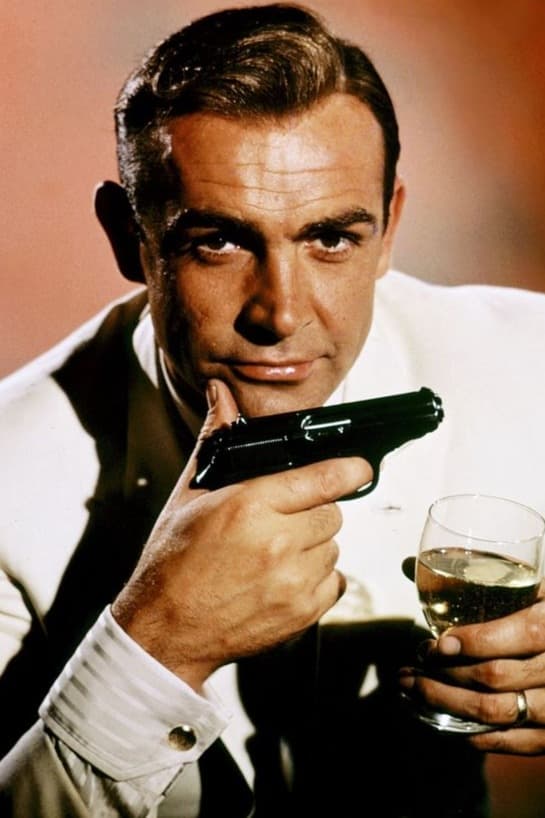
Sir Dirk Bogarde's portrayal of General Browning was highly controversial, and several friends of the late General suggested that, had Browning still been alive in 1977, he would have sued director Sir Richard Attenborough and screenwriter William Goldman for libel. Bogarde took issue with the portrayal during filming, having known Browning personally, as he was a member of Field Marshal Bernard L. Montgomery's staff during the war. Bogarde was upset by the personal criticism he received following the release of the film, especially as he had not been involved in the writing of the script. Although Attenborough publicly took responsibility for the controversy, his relationship with Bogarde was never the same again. Browning's son said he believed his father was made the fall guy for the failure of Operation Market Garden in the film because the producers knew there would have been too much flak if they went after Montgomery.
During World War II, Sir Dirk Bogarde, who played Lieutenant General Browning, served in intelligence with the British Army. He, and eight other intelligence officers, were sent to Arnhem by General Bernard L. Montgomery during the battle.
Director Richard Attenborough knew he only had one chance to shoot the large paratrooper sequence. To insure that he got the coverage he needed, there were 19 cameras rolling during the drop.
Sir Michael Caine's scripted line to order the column of tanks and armored cars into battle, was "Forward, go, charge." Luckily for Caine, Lieutenant Colonel J.O.E. Vandeleur was on the set, so he could ask him what the actual line was. Vandeleur told him, "I just said quietly into the microphone, 'Well, get a move on, then,'" which is what Caine says in the movie.
Sir Michael Caine claims that director Sir Richard Attenborough did not tell him that a string of dummy tanks behind the scout car which Caine was riding in would be blown up so that Caine would look realistically startled during the shot.
Continuity
Operation Market Garden began on Sunday, 17 Sept. 1944. In the movie, Gen. Browning correctly refers to a Sunday departure in the initial briefing, and later a church service is seen being disrupted by the aircraft passing overhead. But on the morning of the departure, on Col. Frost's bedside table is a calendar with all the days crossed off until the 17th... which is a Tuesday on that calendar. Furthermore, the calendar shows a 31-day month, matching October 1944, not September.
When the boats finally arrive to cross the river at Nijmegen bridge, there is water in them, even though they've been transported for days in trucks in rain-free weather. (Probably a result of previous takes.)
When General Horrocks is on the stairs of a factory and uses binoculars to look at his tanks, he covers one lens with his fingers while looking thru the binoculars. On a second shot, it looks OK.
When Gould's character is running with the troops, his cigar goes from half to full between shots.
At 2 hours 34 minutes, inside the makeshift "hospital" (the house of Liv Ullmann's character) an allied soldier is machine gunned & falls to the floor, but no one does anything. Laurence Olivier's character looks up briefly, and then returns to caring for his patient.
Factual errors
The Allied plans for Market-Garden were correctly shown as falling into German hands from a downed Allied plane. In the film, they were ignored. In actuality, they were turned over to German paratroop expert General Student, who realized their accuracy and importance and used them in determining his troop deployments.
When General Gavin lands in his parachute, it can be seen that several gliders in the background have already landed. In reality, the gliders landed after all the soldiers who parachuted had already landed so they could have a clear landing area.
In the opening monologue, the unidentified woman states that in 1944, before D-Day, the Second World War was in its fifth year and "still going Hitler's way." In reality, long before D-Day Germany had already suffered crushing defeats on the Eastern Front at the hands of the Soviet Union, at Stalingrad in the winter of 1943, and at Kursk in the summer of 1943. It had also been kicked out of North Africa by the Western Allies. Thus, by mid-1943 Hitler and Nazi Germany were already well on their way to ultimate defeat.
C-47s would not have been used to tow gliders on the first day (or any day) of the operation. There were too few of them, and they were need to transport supplies and parachute infantry. Gliders would have been towed by four-engine bombers.
When von Rundstedt is deciding where to send his armored reserves in order to rest them before meeting the expected attack by Patton rather than Montgomery, he decides to send them to Arnhem. The map counter which is moved shows "II SS Panzer Div" (division) when the correct name of the unit at Arnhem was the II SS Panzer Corps (consisting of the 9th and 10th SS Panzer Divisions). The 2nd SS Panzer Division at that time was fighting on the Eastern Front.
Incorrectly regarded as goofs
Gene Hackman plays Major General Stanislaw Sosabowski; however, during the entire film he wears the rank insignia of a Polish Brigadier General (Brygady) and not the rank insignia of a Polish Major General (Dywizji). The difference between the two is an additional star for the Major General.
In fact, Sosabowski had only been promoted to the rank of Brigadier General a few months earlier, on 15th June 1944. References to him as a Major General are due to mistranslations, so the rank insignia worn by Hackman is historically correct. There are photos of Sosabowski, taken in Driel, wearing the exact same uniform.
Revealing mistakes
When a damaged Allied cargo plane "crashes" behind some trees near Maj. Gen. Urquhart and his troops, the plane can be seen pulling up and flying away just behind the fireball marking its supposed impact point. When the lead British tank advances on Nijmagen bridge firing its machine gun, 1970s modern traffic signals/lights can be seen in the background.
At 59:43, the camera looks down the barrel of a German PAK 40 anti-tank gun before it fires on British tanks. Faintly, but visible, is the pyrotechnic barrel used to simulate muzzle flashes.
In several shots on the ground and in the air, the transport airplanes are multiplied by compositing them in in the background and empty parts of the sky. Most of the composites are still images, even in flight.
When the Americans are paddling across the river, they get shelled. At one point, an explosive charge goes off and the cable holding it underwater is launched up into the air. The cable, which shouldn't be there, is highly visible.
Anachronisms
In the "meeting of the generals" scene early in the movie, a cold-war-era map of Europe and the Middle East can be seen. Clearly visible is the German-Polish border at the post-WWII Oder-Neisse line (though no inner-German border), Austria separated from Germany, a post-WWII Czechoslovakia, the West Bank occupied by Jordan, and Gaza strip occupied by Egypt.
(at around 2h 10 mins) When the German Field Marshall is talking to his subordinate officer overlooking the bridge, silhouettes of modern vehicles can be seen crossing the bridge from a distance.
The parachutes used by the troopers are equipped with anti-inversion nets. They are around the skirt of the canopy to prevent partial malfunctions. The nets were not developed until the mid 1970s, shortly before the movie was filmed.
While the lighting on the Arnhem Bridge may be contemporary with the 1944 setting, that on the Nijmegen bridge is far closer to the mid-1970s shooting.
During the arrival of Allied troops in Eindhoven, some members of the cheering crowd can be seen waving miniature 50-star American flags even though Alaska and Hawaii did not enter into statehood until 1959.
Audio/visual unsynchronized
When Lt. Col. J.O.E Vandeleur is riding in the car talking to the officer who is driving, in one far away view, it can be seen that their lips are not moving, but their voices can still be heard.
Right after the British tanks cross the Nijmegen bridge, the movie scene goes back to Arnhem where British paratroopers and German soldiers are engaged in close fighting among the ruined houses near the bridge. During this scene, at least two Germans fire their MP 40 sub machine guns, but the sound they make is identical to the sound the movie uses of the MG42 machine gun, which has a much higher cyclic rate.
Crew or equipment visible
The replica Horsa gliders created for the film were tail-heavy, so supports were placed under them. Although the filmmakers tried to avoid showing them, they can be seen in several scenes.
Errors in geography
The Belgian town of Leopoldsburg was wrongly designated as Leopoldsville, which was the old name for Kinshasa, the capital of Belgian Congo.
Plot holes
If the British paratroopers were not able to contact anyone outside of Arnhem due to faulty radios, then they could not have have known about the fog in Britain that delayed the Polish paratroopers.
Since Nijmegen is not far from the German border, it would have been more practical for 30 Corps to try to enter Germany from there after the 82 Airborne captured the bridge rather than going on to Arnhem. It might have even made the British airborne landing at Arnhem unnecessary.
Character error
In the first meeting between the German Generals (when Field Marshall von Rundstedt re-assumes command of the western front) the Field Marshall's first question is about the state of German air power. He had had command on the western front previously, having been sacked by Hitler in July for that 'end the war, you idiots!' remark, and should have known that the Luftwaffe had been all but wiped out the in the spring of 1944.
Colonel Bobby Stout appears to be leading the construction of the Bailey bridge. He's a paratrooper thus a combat engineer or Royal Engineer would be more appropriate.