
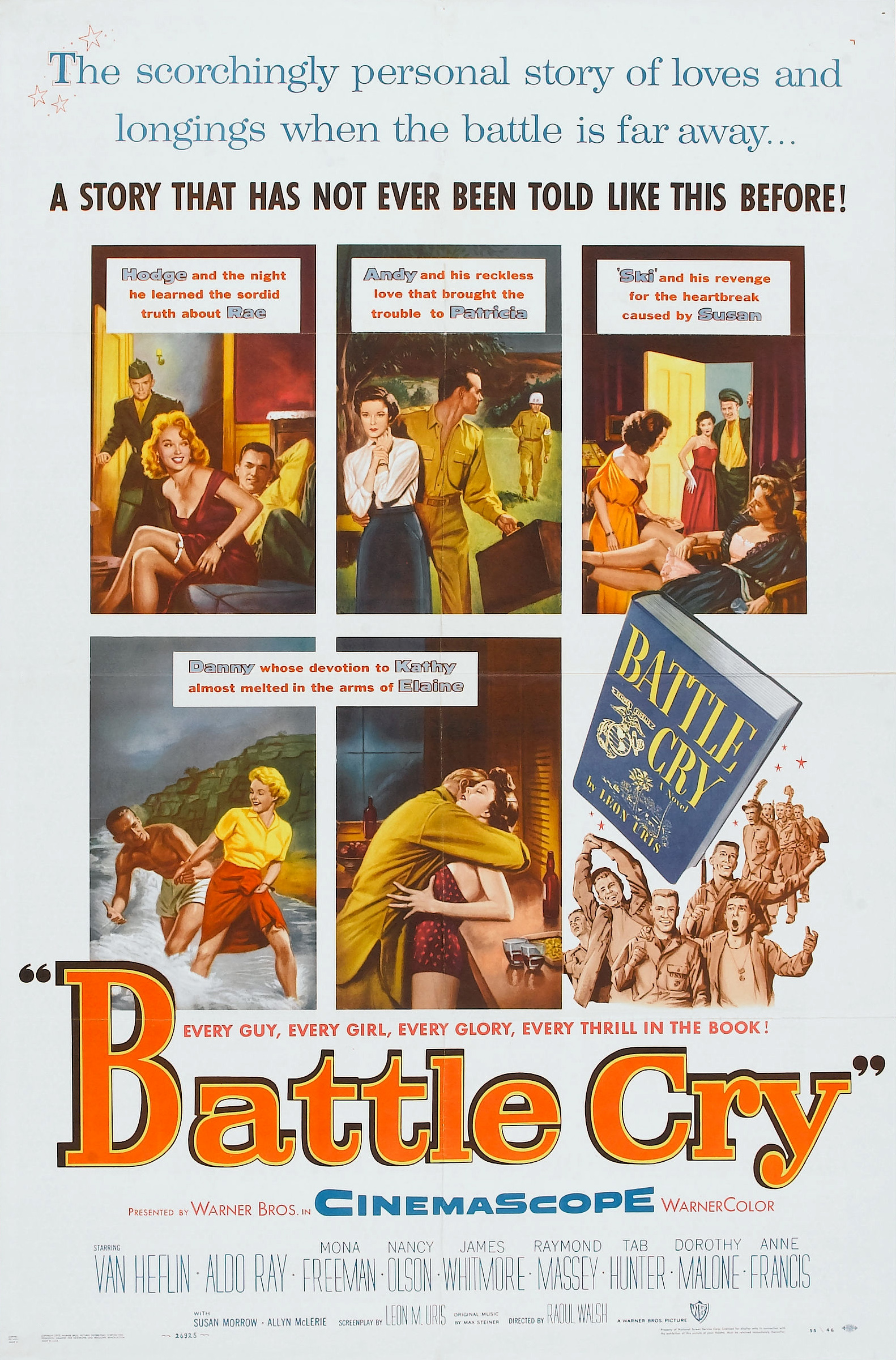
Battle Cry (1955)

In 1942, a group of young men join the Marines, leaving loved ones behind. Primed for battle, they are frustrated by many non-combat assignments, as we follow their wartime romances, especially Andy Hookens' involvement with Pat, a New Zealand widow. Andy and Pat have just decided that war requires them to 'live for the moment' when, in 1944, our team finally goes into a real battle.
The scorchingly personal story of loves and longings, when the battle is far away...
MSgt. Mac: They were marines now, and they would be until the day they die.
Marine Corps Base Camp Pendleton, California, USA
(as Camp Elliott)
San Diego, California, USA
(Marine Corps Recruit Depot)
Warner Ranch, Calabasas, California, USA
Simi Valley, California, USA
Warner Brothers Burbank Studios - 4000 Warner Boulevard, Burbank, California, USA
(Studio)


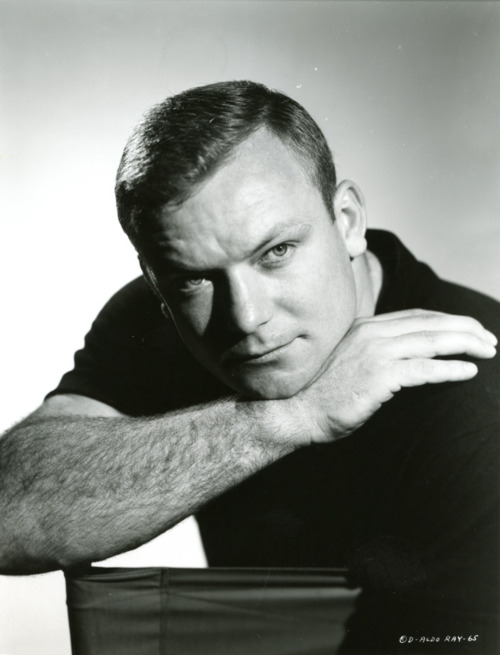
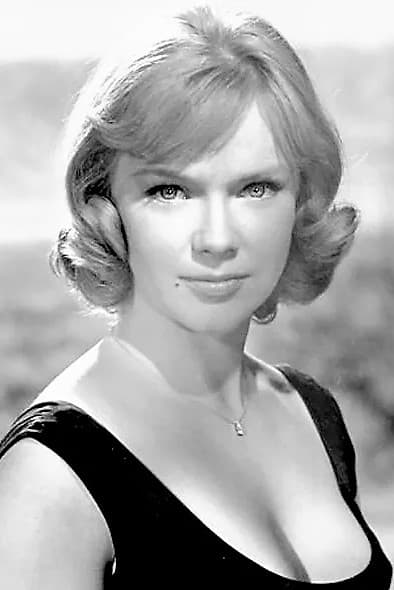
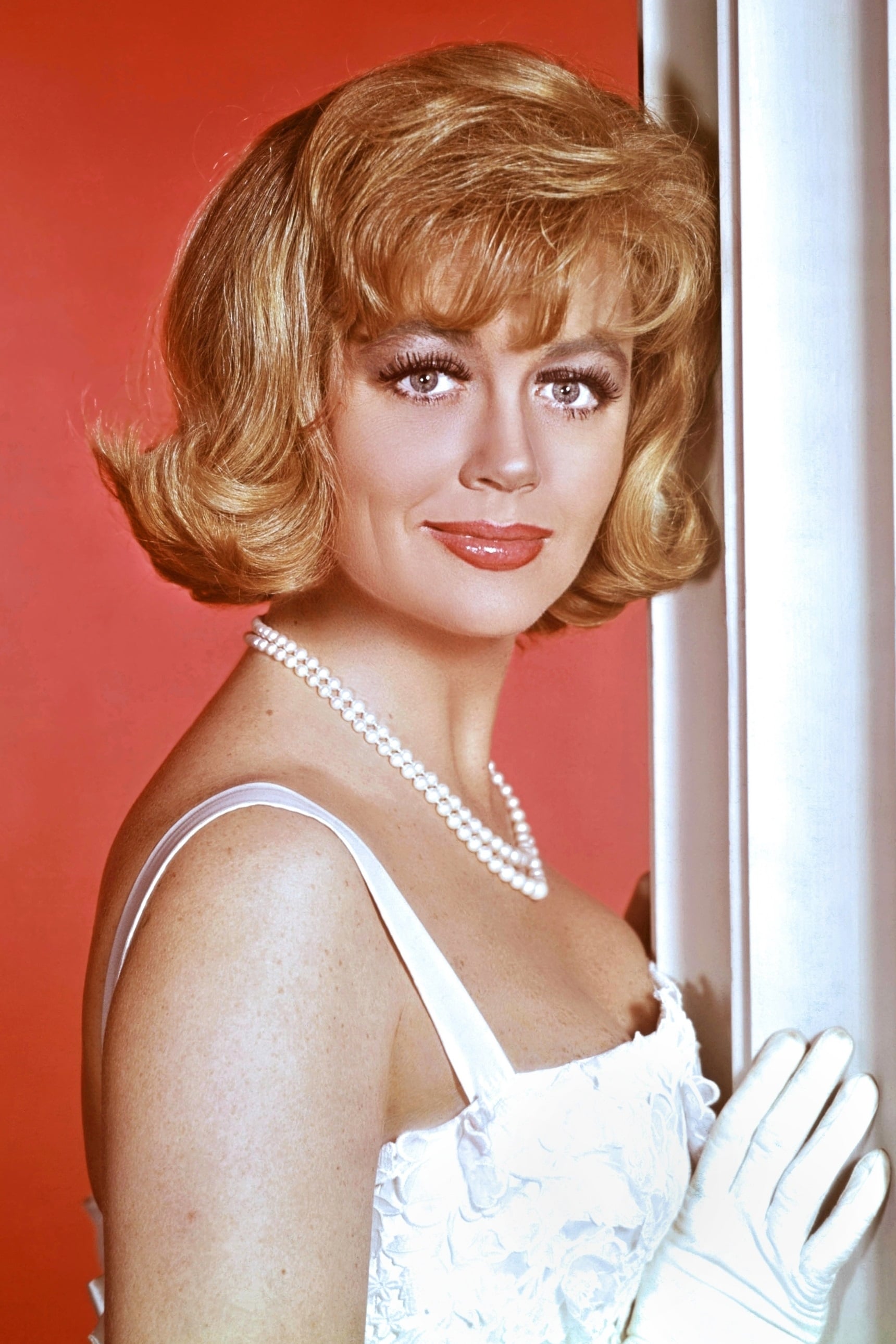
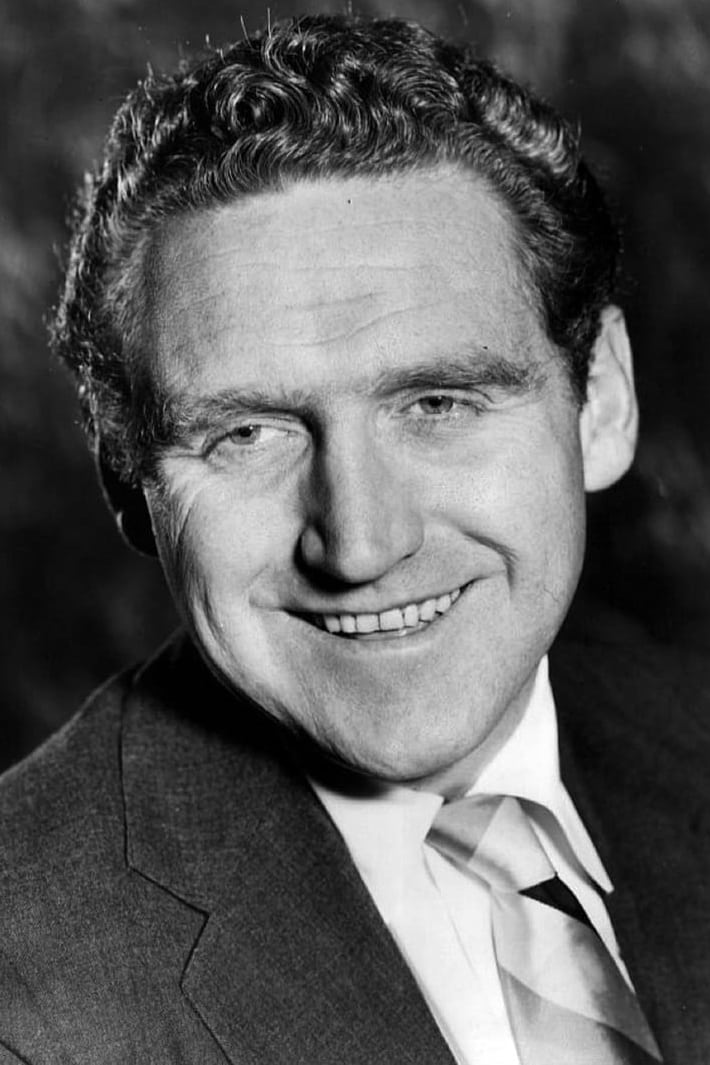

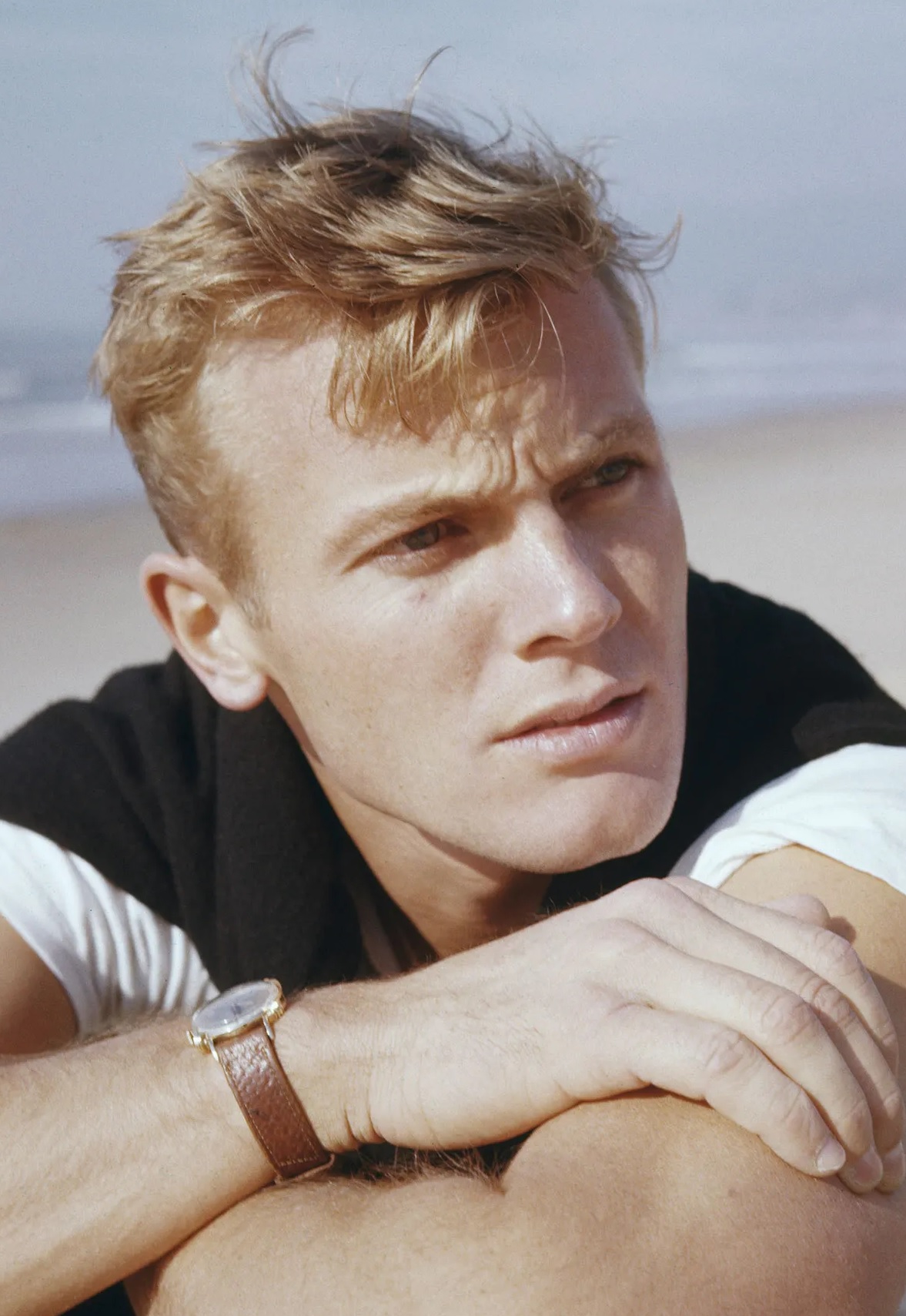
Film debut of L.Q. Jones (billed under his real name of "Justus E. McQueen"; he took his character's name in this film as his real name after this film was released).
During the scene where the Marines are resting during the march back to camp they are passed by the 1st Marines returning in trucks. There is waving and jeering as the trucks go by. One of the Marines sitting on the ground can be seen "flipping the bird".
Leon Uris, author of the novel on which the film is based, served during World War II as a radio man in the 2nd Battalion, 6th Marines, both the same military occupational specialty and organization of the novel and film's characters. Uris was engaged in combat during the Guadalcanal and Tarawa campaigns, being evacuated with malaria before the novel and film's climactic Saipan campaign.
The transport the green Marines boarding to take them to Guadalcanal is the USS Talladega (APA-208) an attack transport.
When recruit L.Q. Jones returns to boot camp one evening, he tells his buddies about his distaste for a movie he saw while on leave. He describes the films's plot, which involves a Marine private who falls in love with a Navy lieutenant and saves the life of his drill instructor. Though the film's title is never mentioned, this is an exact description of the 20th Century-Fox film To the Shores of Tripoli (1942). Since "Battle Cry" was produced by a different studio (Warner Brothers), this may explain Jones' omission of the film's title.
Continuity
When Danny (Tab Hunter) are in Mrs. Yarborough's (Dorothy Malone) apartment she is obviously wearing a "style of the 40's" bra, but when she goes into her room to change to go swimming and takes off her red sweater there is no sign of any bra, or any other undergarment.
When the unit arrives at Guadalcanal, as they march off some of the men in the first group have wet trousers from the landing on the beach, but the men in the second group have completely dry trousers.
While Danny talks to Elaine at her apartment his shirt is alternately buttoned/unbuttoned between shots.
Factual errors
Several scenes show African Americans in a predominantly white unit. The armed forces were racially segregated in WWII.
A lone Japanese fighter drops 2 bombs from under the planes wings but there are 9 explosions.
When the unit first comes under enemy air attack, the path of explosions on the ground take a sharp turn from the left to follow the men along the road. It is physically impossible for any plane to turn sharply enough to leave that sharp a pattern on the ground.
Andy chops down a tree about 1:20 into the film with an axe. When the tree falls you can clearly see from the stump the tree was sawed, not chopped.
When Colonel Huxley goes to ask General Snipe for a beach head he is not wearing a tie clip. He should be wearing one.
Revealing mistakes
When Andy Hookins chops down the tree in front of Pat's house, he visibly "chops" it with an axe, but when the tree falls the camera pulls back to show the tree falling from a perfectly smooth stump, obviously cut with a chainsaw.
Night time scene in Wellington was filmed using a filter to darken the scene. When Andy left Pat's parent's farm it was night. The night sky was blue, the fields were green with great detail and dirt was brown. But at night the sky is black while the details of grass fades into the shadows and darkness of night.
Miscellaneous
During the battle scenes on Saipan, the Japanese are shown using American-made M4-A3 Sherman tanks, albeit with Japanese markings.
The Japanese are seen using several Amercian M116 howitzer artillery pieces, and at least one M101 howitzer as well.
Anachronisms
Although the story takes place in 1942, all of the women's clothing and hairstyles, particularly those of Nancy Olson, Dorothy Malone and Mona Freeman, are strictly 1954; the sole exception is Anne Francis, whose appearance does actually imply the correct era at least to some extent.
There are several shots at MCRD (San Diego), and of the battalion marching with African-American Marines in the ranks. In 1942 and 1943, integrated units did not exist. It wasn't until 1948 that President Truman signed an Executive Order to investigate full integration of the armed forces.
When the marines arrive in New Zealand they are seen marching away from the transports that brought them. The ship to the right is marked APA-208 which would make her the U.S.S. Talladega. The Talladega wasn't commissioned until 31 October 1944, two years after Guadalcanal.
At the company dance (during WW2, c. 1943), the song "Put 'Em in a Box, Tie 'Em with a Ribbon, and Throw 'Em in the Deep Blue Sea" is played by the band. This song wasn't published until 1947.
The trucks transporting the Marines, first seen arriving at "Camp Elliott" are M34s that were first produced in 1950.
Audio/visual unsynchronized
During the Boot Camp graduation parade, the music starts playing before the band has raised their instruments.
Errors in geography
Marines East of the Mississippi go to Parris Island for boot camp, not San Diego.
Character error
Mrs. Pat Rogers speaks with an American accent even though she's from New Zealand.