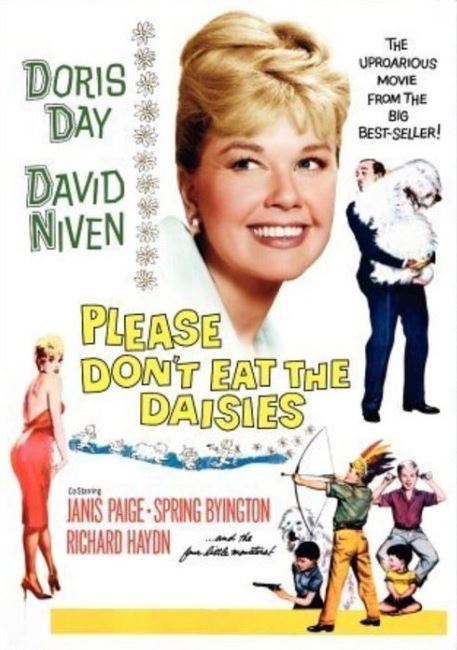
Please Dont Eat The Daisies (1960)

Drama critic Larry Mackay, his wife Kate, and their four sons move from their crowded Manhattan apartment to an old house in the country. While homemaker Kate settles into suburban life, Larry continues to enjoy the theater and party scene of New York. Kate soon begins to question Larry's fidelity when he mentions a flirtatious encounter with Broadway star Deborah Vaughn.
Funnier Than Auntie Mame!
Suzie Robinson: Loving her is one thing; letting her think she's intelligent is another.
Washington Square Park, Greenwich Village, Manhattan, New York City, New York, USA
Metro-Goldwyn-Mayer Studios - 10202 W. Washington Blvd., Culver City, California, USA
(Studio)
161 East 79th Street, Manhattan, New York City, New York, USA
(MacKay's apartment building)
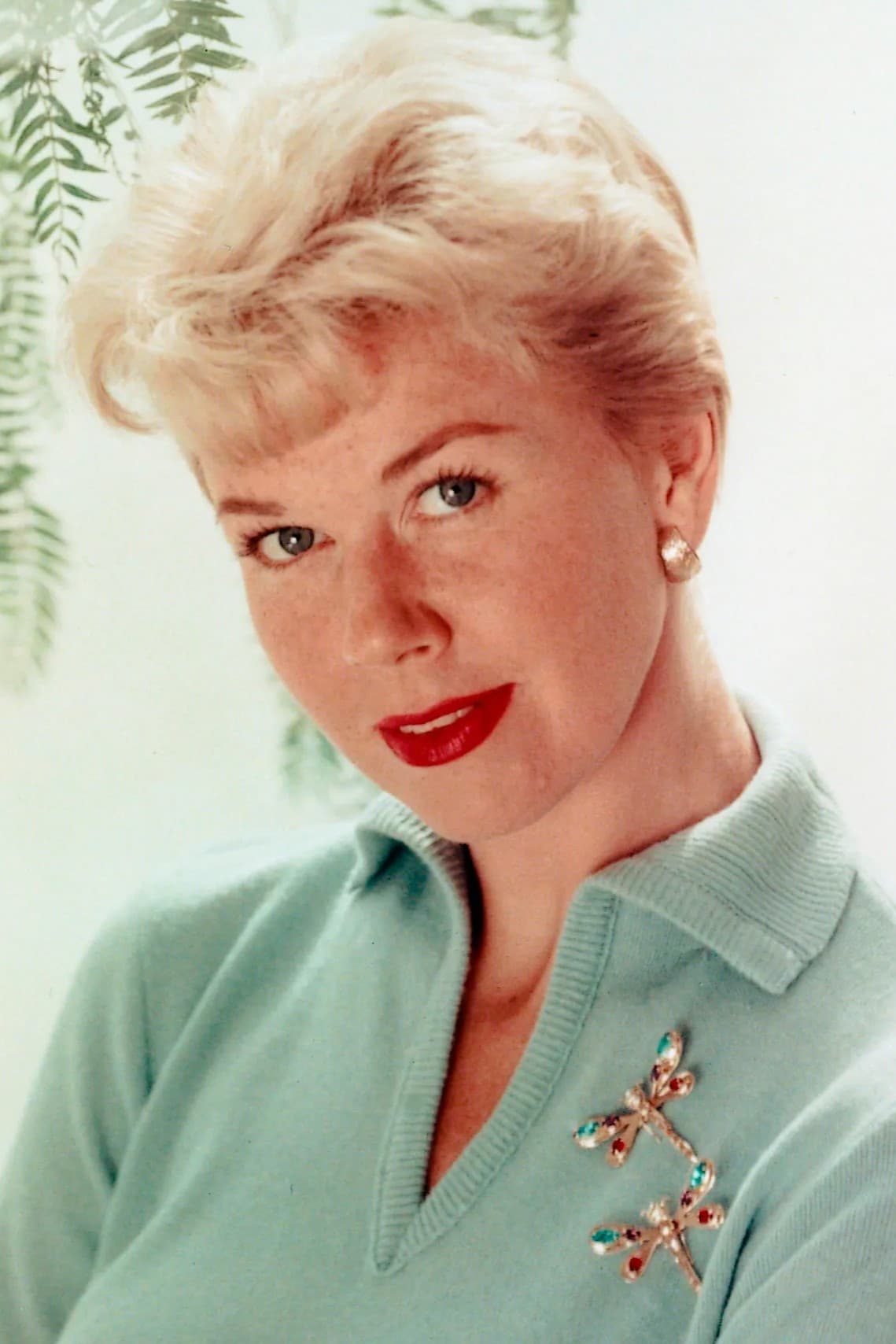
The musical number Kate rehearses for the amateur show, "Any Way The Wind Blows," had been written for Doris Day's previous film Pillow Talk (1959). The song title was, for a while, even the working title of that film.
Beginning her feature-film career portraying Katharine Hepburn's mother in Little Women (1933), Spring Byington closed her movie years playing Doris Day's mother in this film. She would go on to work in television, most notably as Aunt Daisy Cooper on Laramie (1959).
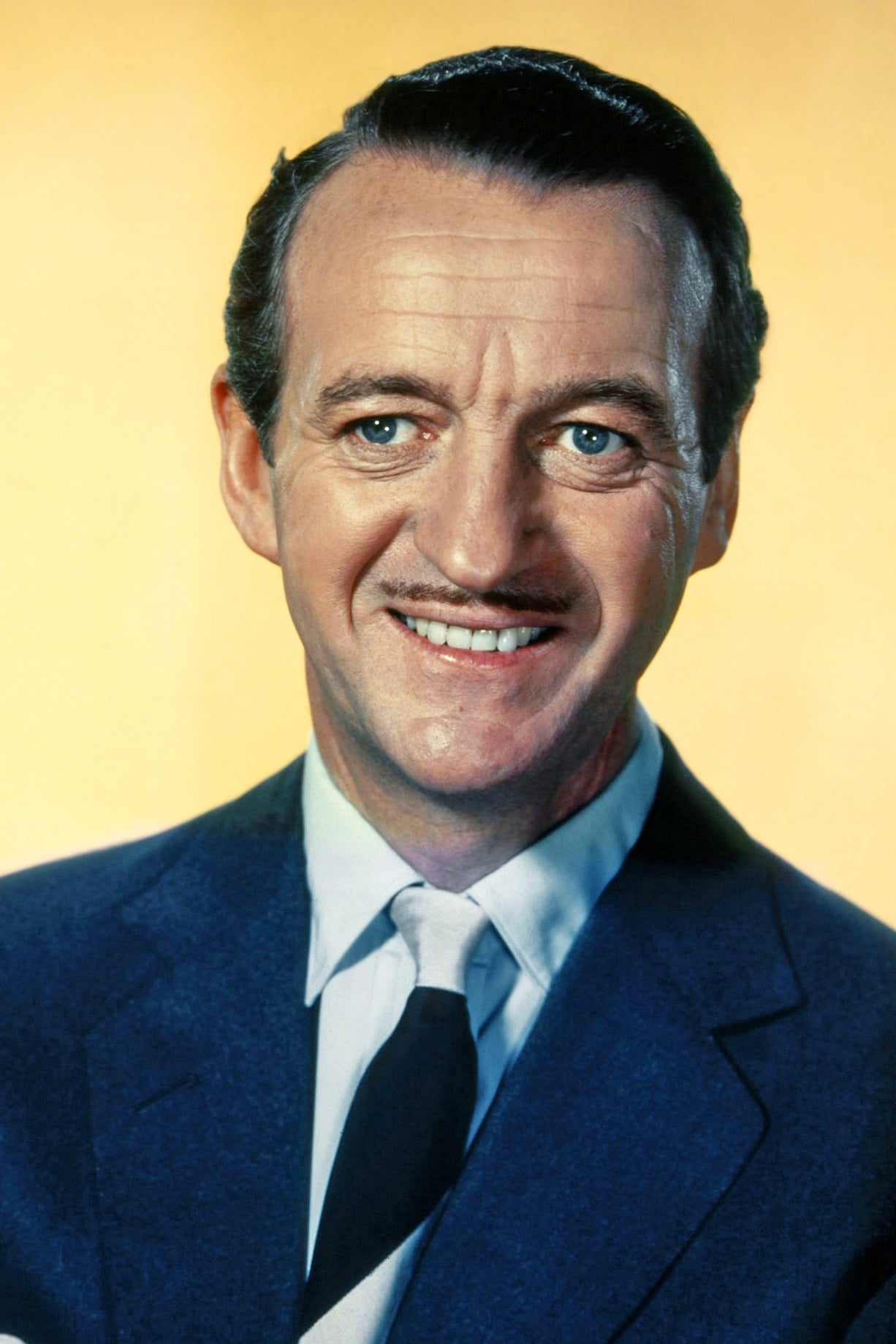
This was one of several projects in which Doris Day performs her signature song "Que Sera Sera" from The Man Who Knew Too Much (1956). Here she sings a verse from "Que Sera Sera" to David Niven in an Italian restaurant.
In an early example of product placement, Quaker Oats is featured prominently in the film due to a cross promotion with the producers. In a national ad campaign, Quaker offered children under 12 free admission to the movie if accompanied by an adult. Each "specially marked" box of Quaker Oats contained an "MGM ticket" good for one child's admission when accompanied by someone over the age of 12 paying adult admission prices. The April 18, 1960 issue of Life magazine features a full page ad (page 18) on the promotion, and can be found on Google Books.
This same source material was later the basis of a sitcom with the same title that ran for two seasons on NBC in the mid-60s.
Continuity
When Doris Day puts on her black evening gown near the beginning of the movie, she has on a black slip with straps. She adjusts the straps of the gown over the straps of the slip. Later, when she and David Niven are eating dinner in a restaurant, the strap of the dress slips off her shoulder, and there is no slip strap.
The volume of water in the enema bag changes from scene to scene. The bag is less than a quarter full while they are filling the paper bags and when they start to empty it into the potted plant. Then it is more than half full a few seconds later in the next scene.
Factual errors
When Larry reads and critiques Joe's play, he comments on the setting being in "Jerusalem" and a leading character being "Father Abraham." The city of Jerusalem was not a home to the Hebrew people until several generations beneath Abraham, specifically at the time of King David. However, this could be intentional, in order to demonstrate the amateurish writing of a cab driver.
Revealing mistakes
When the cab driver turns around to shake MacKay's hand, he almost has an accident and jerks the steering wheel quickly to his right - but the scene through the cab's rear window doesn't move sideways at all.
Audio/visual unsynchronized
When Kate is playing the song for the children in the schoolyard, her strumming of the ukulele does not match the music.
A slap from a gloved hand, as Ms. Vaughn gives to Mackay at 25:15 and 25:28, does not make that sound.
Character error
When Kate Mackay (Doris Day) is putting on her makeup at the beginning of the film, she tells the boys "Oh fellas, now you know I have to meet David-" and stops mid-sentence. She should have used Larry, Laurence, Dad, or some other character reference rather than the actor's (David Niven) name.