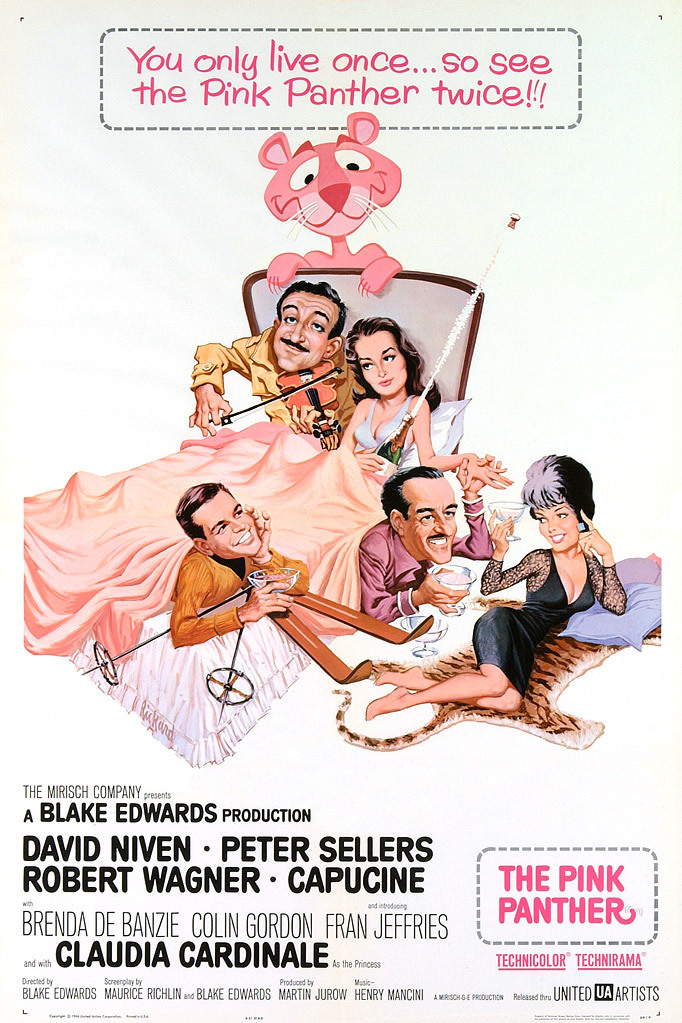
The Pink Panther (1964)

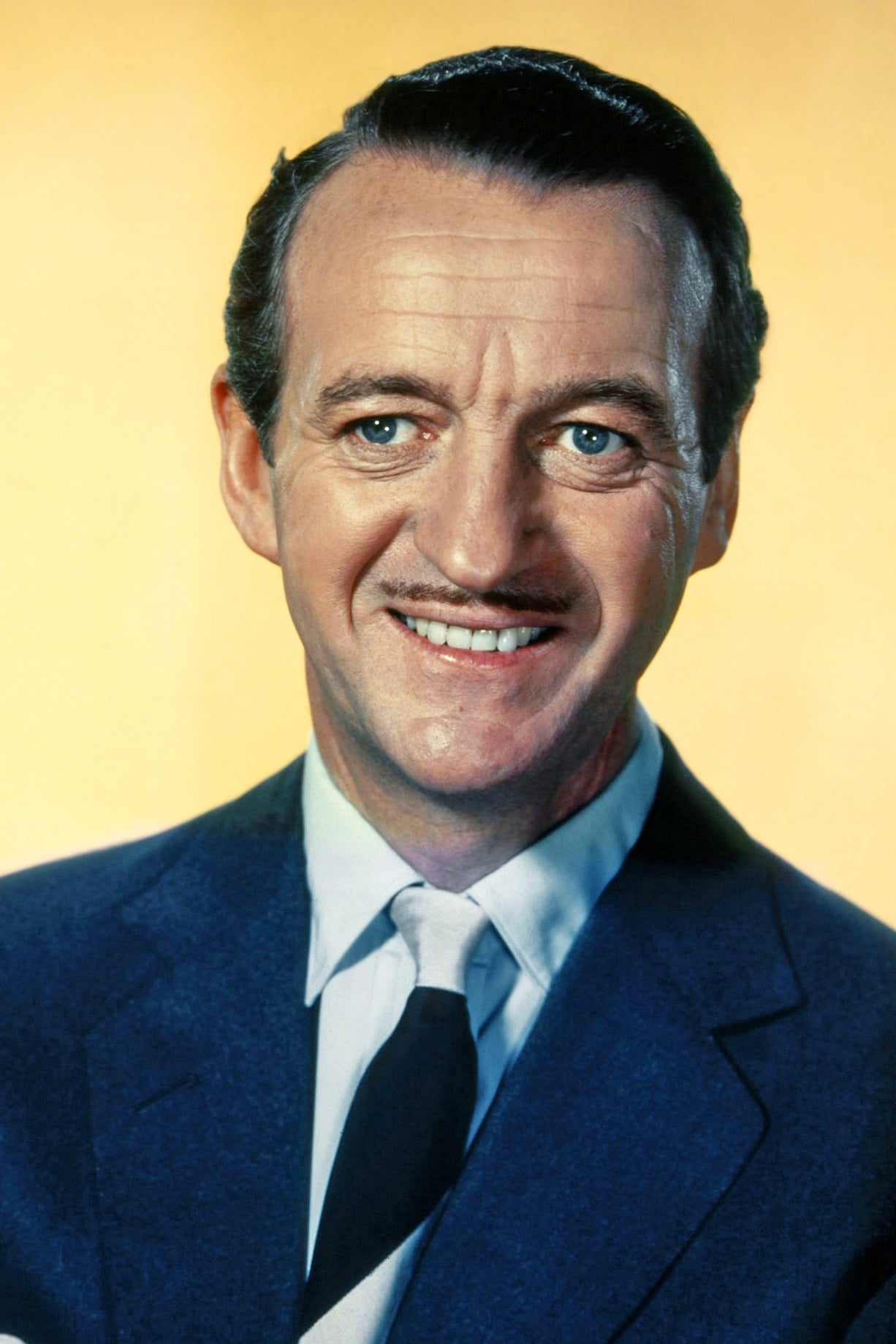
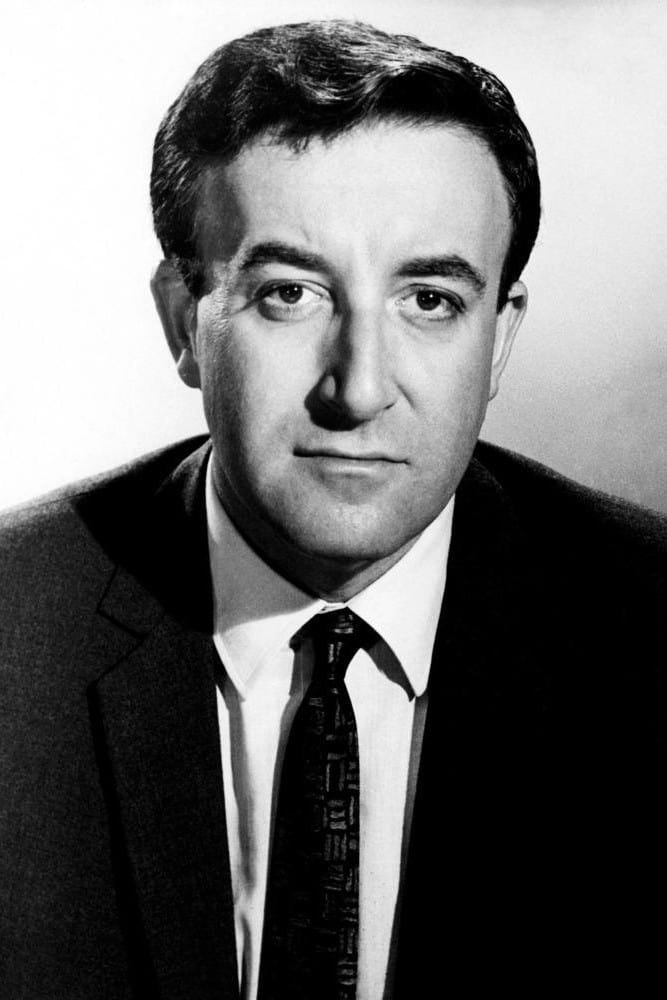
In this first film of the beloved comic series, dashing European thief Sir Charles Lytton (David Niven) plans to steal a diamond, but he's not the only one with his eyes on the famous jewel known as the "Pink Panther." His nephew George (Robert Wagner) also aims to make off with the gem, and to frame Charles for the crime. Blundering French police inspector Jacques Clouseau (Peter Sellers) intercedes, but finds his career and his freedom jeopardized.
You only live once... so see the Pink Panther twice!!!
[Clouseau bumps into a woman dressed as Cleopatra. He hands back her rubber snake]
Woman: Take your filthy hands off my asp!
Rocca di Papa, Rome, Lazio, Italy
(Piazza della Repubblica)
Hotel Cristallo, Cortina d'Ampezzo, Italy
Cortina d'Ampezzo, Belluno, Veneto, Italy
Hollywood Boulevard, Hollywood, Los Angeles, California, USA
Rome, Lazio, Italy
An animated Pink Panther was created for the opening credits because writer and director Blake Edwards felt that the credits would benefit from some kind of cartoon character. David H. DePatie and Friz Freleng decided to personify the film's eponymous jewel, and the Pink Panther character was chosen by Edwards from over a hundred alternative panther sketches. The Pink Panther introduced in the opening credits became a popular film and television character in his own right, beginning with the cartoon short The Pink Phink (1964) the following year.
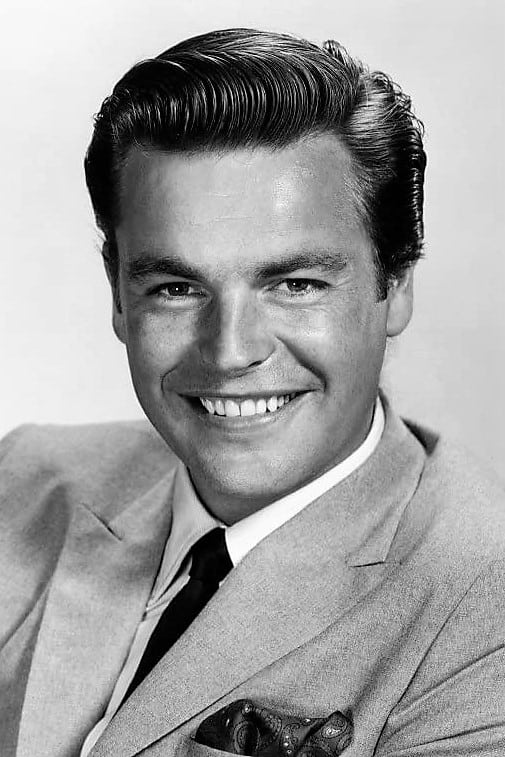
Somewhat overweight for much of his life up to this point and possessing a hang-dog face, Peter Sellers was obsessed with becoming a handsome leading man. Although he easily outperformed Robert Wagner in this picture, he envied the American actor's good looks. To get himself in better shape, he subjected himself to a grueling weight-loss regimen that included the excessive use of diet pills, possibly a contributing factor to the heart attack he suffered before the film's release. Some biographers also claim he had his teeth straightened and capped.
Blake Edwards employed multiple cameras to catch the improvisations he encouraged Peter Sellers to do.
Blake Edwards and Peter Sellers enjoyed working together to develop Clouseau down to every move and nuance of voice and expression. "For years I'd been getting bits of what I wanted into films, as writer or director . . . but I had never had an area in which to exploit my ideas to the full," Edwards said. "Then along came Peter, a walking storehouse of madness, a ham with an almost surrealist approach to the insanity of things, and we found an immediate affinity."
When presenting at a subsequent Oscar Awards ceremony, David Niven requested his walk-on music be changed from the "Pink Panther" theme, as "that was not really my film."
Continuity
Disappearing cigarette when the Princess collapses drunk on the rug.
In one of the bedroom scenes, the Inspector places his robe on a chair next to the bed. In the next shot the robe is gone and returns again the following shot.
When Simone is holding George's graduation photo it has no border or white frame. Yet if you look very carefully when Charles hands it to her and after when he puts it under the ash tray on his night stand the photo has as a white frame border.
The amount of champagne in the Princess's glass impossibly changes drastically between "just seconds apart" shots (i.e., where there would have been no time between the shots for her to drink more of the liquid or for Sir Charles to refill the glass) of her reclining on the tiger-pelt rug - in one shot it's nearly empty and she's tipping it back to drain the last of it from the bottom of the glass, and then in the next shot it is half-full, etc.
When Sir Charles is first skiing behind Princess Dala to spy on her movements, he is wearing binoculars with the strap over his right shoulder, his left arm through the strap, and binoculars under his left arm as he skis with ski poles in both hands. When he stops, his left arm and ski pole are no longer through the strap; the binocular strap is simply around his neck with the binoculars hanging on his chest as he grabs them to look through them.
Incorrectly regarded as goofs
At the start of his first visit with the Princess, Sir Charles Lytton is using his cane on the left. Within minutes, he's switched it to his right. This could just indicate that he's playing up the injury to spend time with her.
Revealing mistakes
When Clouseau first opens the door to his room to look into the hall he yanks it open it swings halfway open then slams back into him. A small "stop" block can be seen fastened to the floor where the door can hit it. The block is gone in all other shots.
When the cab drives off with the Clouseau-impersonator who lost his slipper, the shadow of the rear of the departing cab recedes "upward" and out of the top of the frame, and then suddenly re-appears partway down into the frame instead of starting at the top of the frame and gradually working down into the frame again. Obvious "cut-and-splice" in the film between the footage of the cab leaving and that of it then hastily backing up again to let the villain retrieve his slipper.
When Sir Charles is checking the arrival of the guests at the costume party of the Princess, he lifts the left sleeve of his sweater to check the time on his watch. However, he is clearly not wearing a watch.
Character error
It is stated that the diamond has a flaw that resembles "a leaping panther", yet the image within the diamond is actually shown to just be the classic saucy "lounging back on his haunches and looking hilariously pert and adorably cute" pose of the panther that one sees at the beginning of every animated P.P. cartoon, not an image of him springing upwards or forwards.