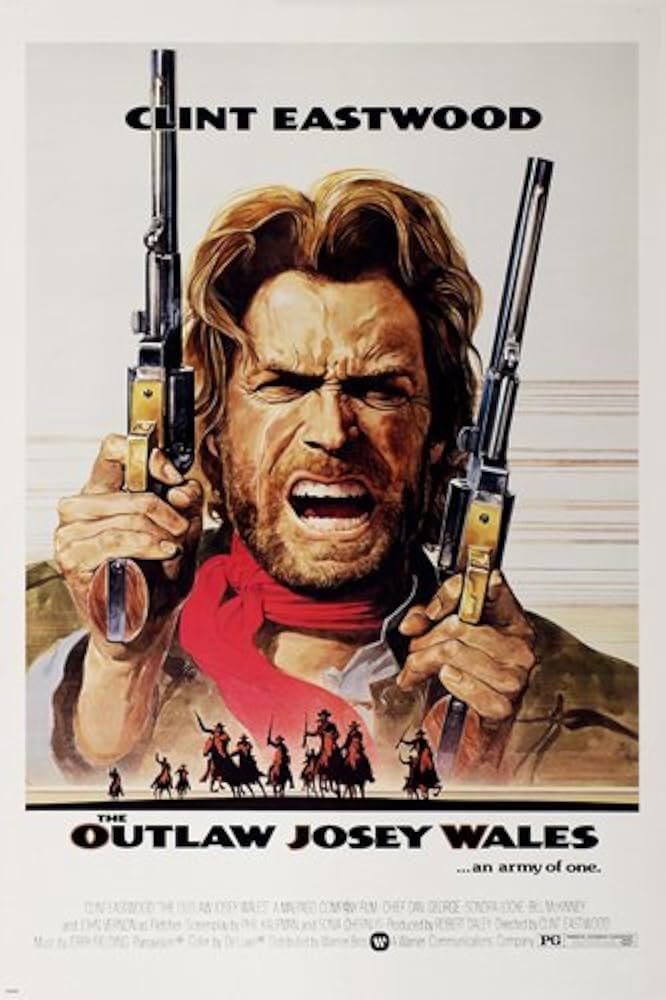
The Outlaw Josey Wales (1976)

Josey Wales (Clint Eastwood) makes his way west after the Civil War, determined to live a useful and helpful life. He joins up with a group of settlers who need the protection that a man as tough and experienced as he is can provide. Unfortunately, the past has a way of catching up with you, and Josey is a wanted man.
...an army of one.
Josey Wales: Are you gonna pull those pistols or whistle Dixie?
Old Tucson - 201 S. Kinney Road, Tucson, Arizona, USA
Kanab Movie Ranch - 5001 Angel Canyon Road, Kanab, Utah, USA
Oroville, California, USA
Lake Powell, Arizona, USA
Mescal, Arizona, USA
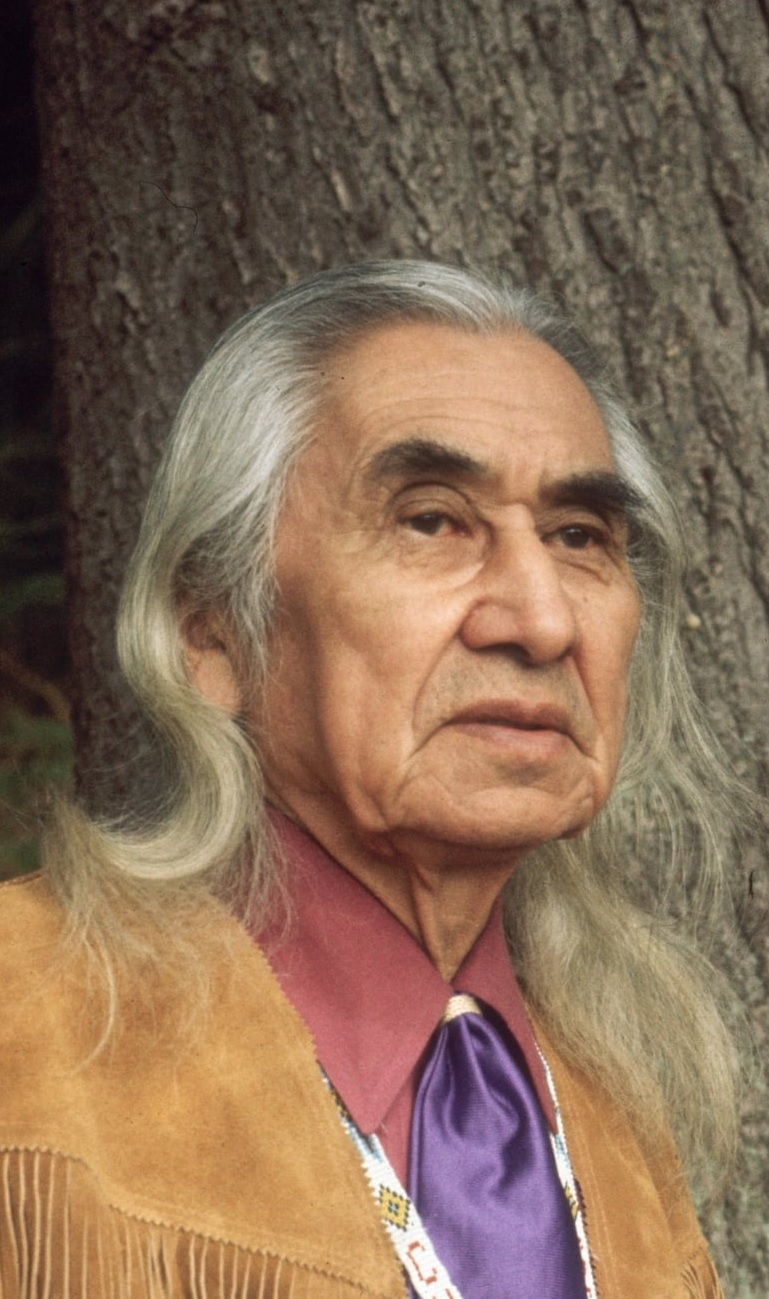
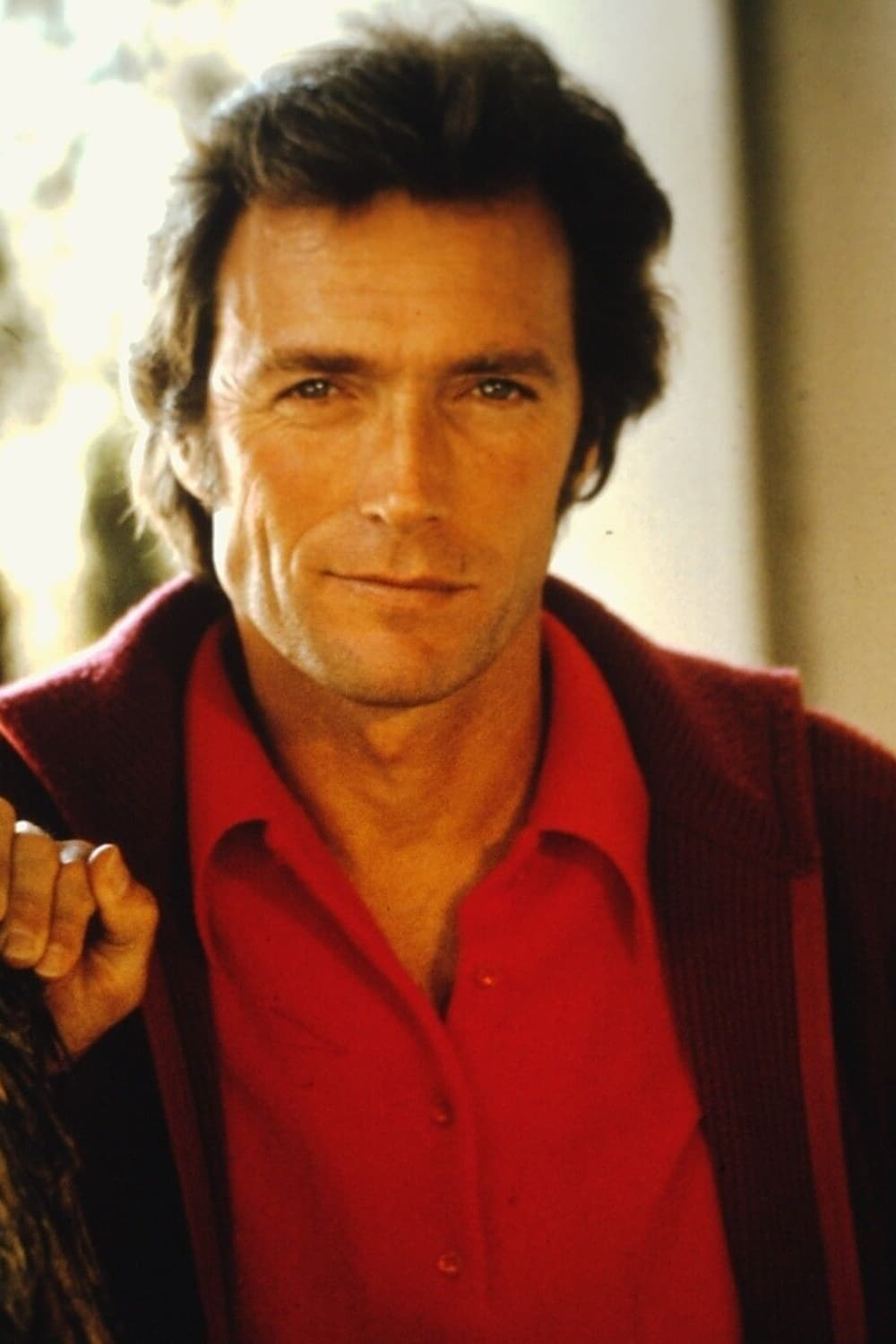
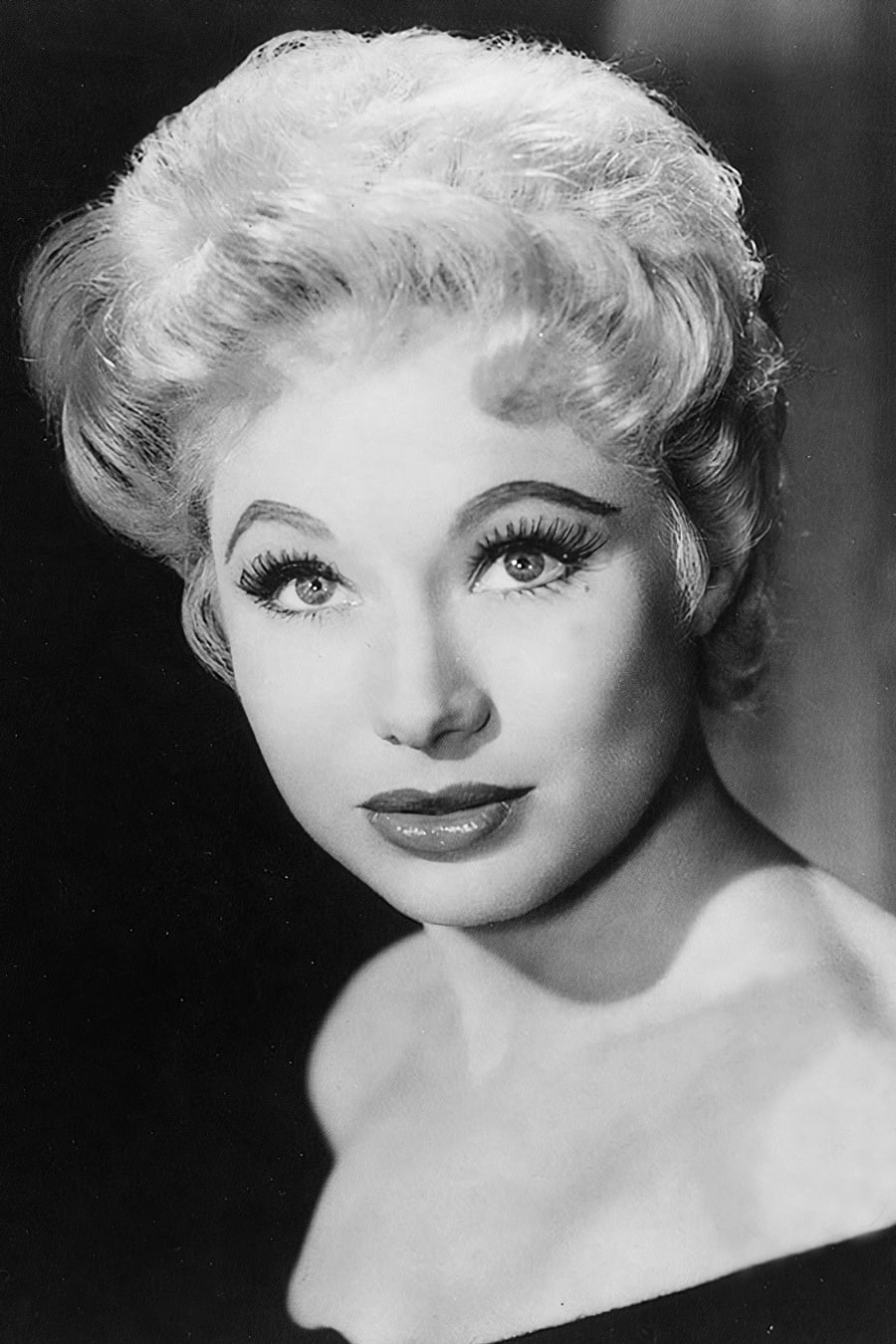
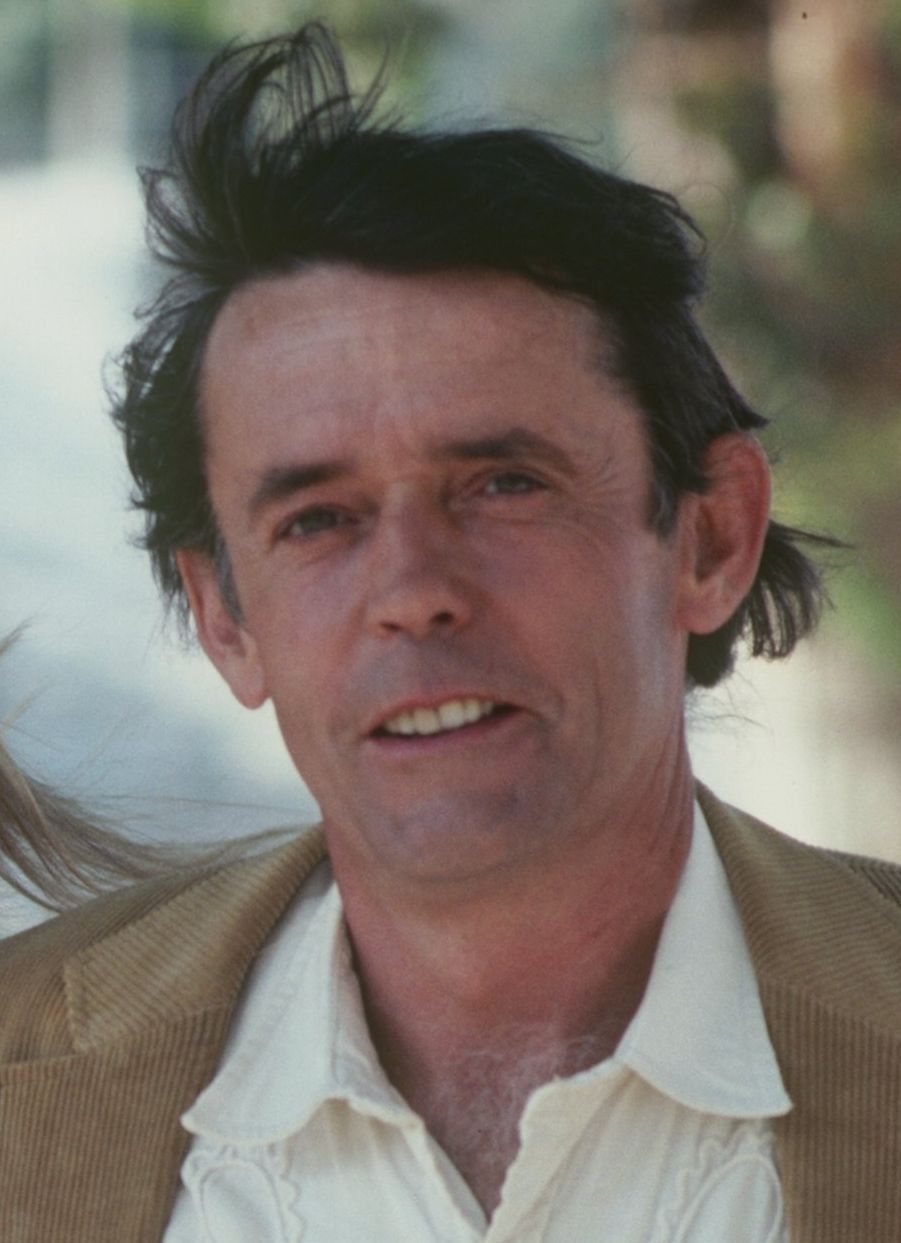
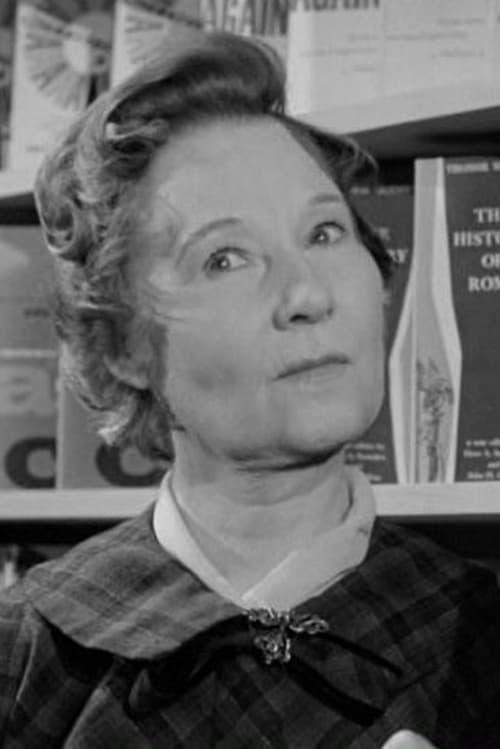
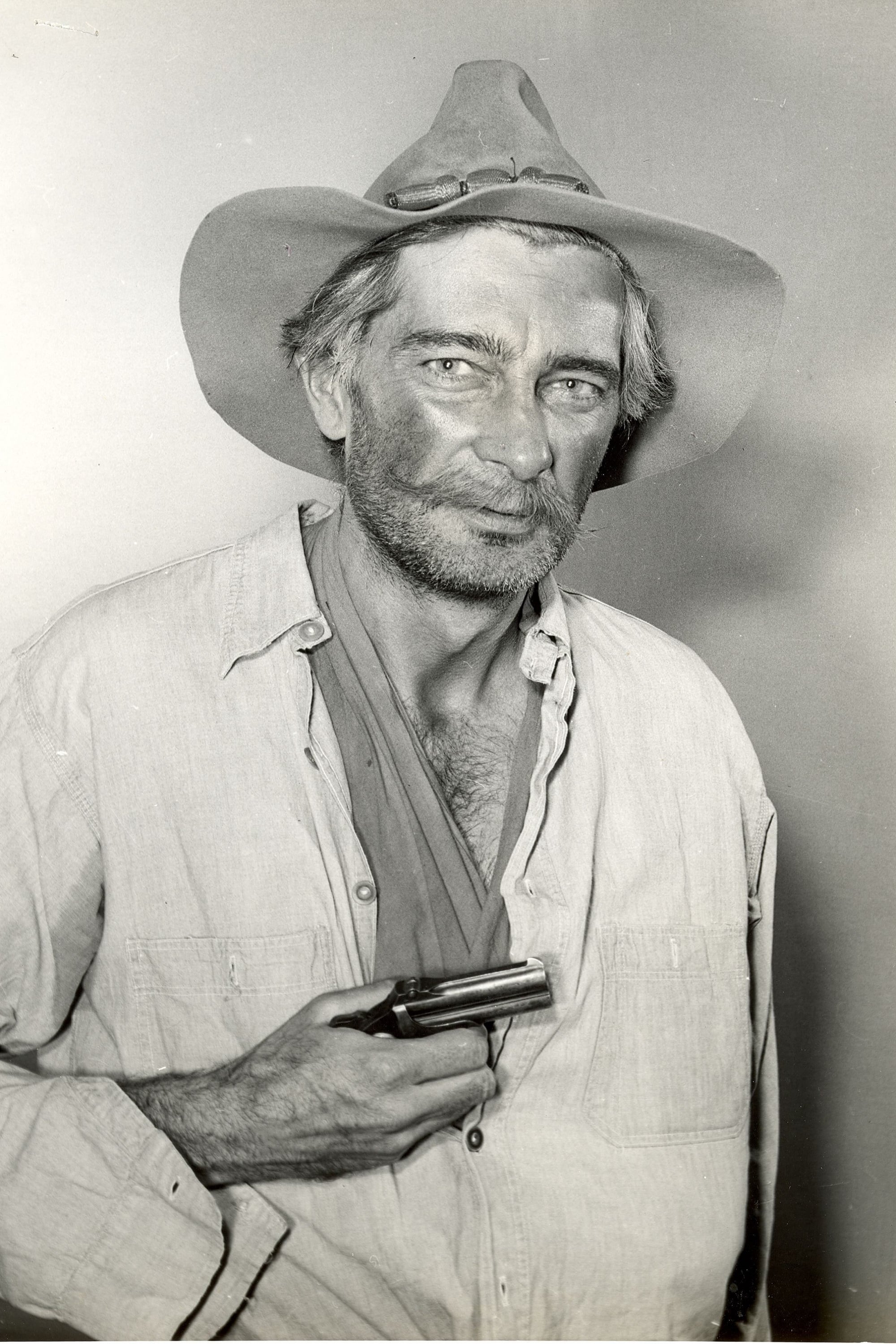
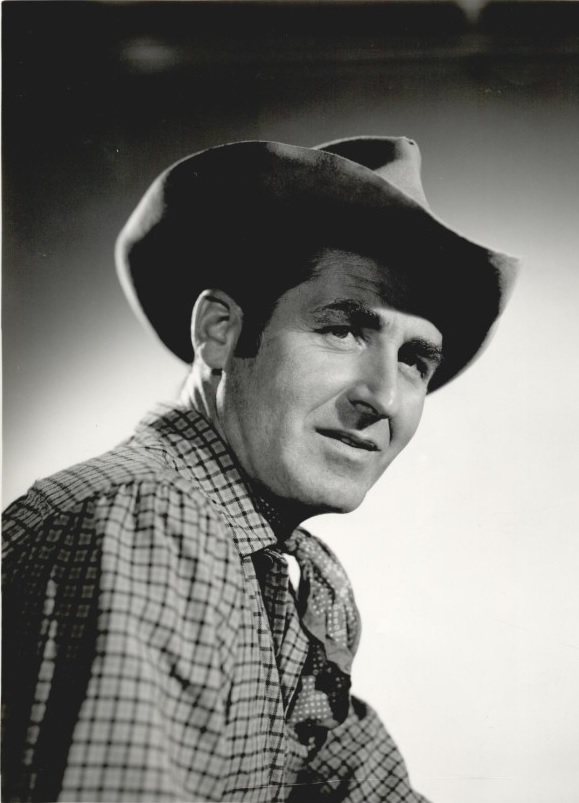
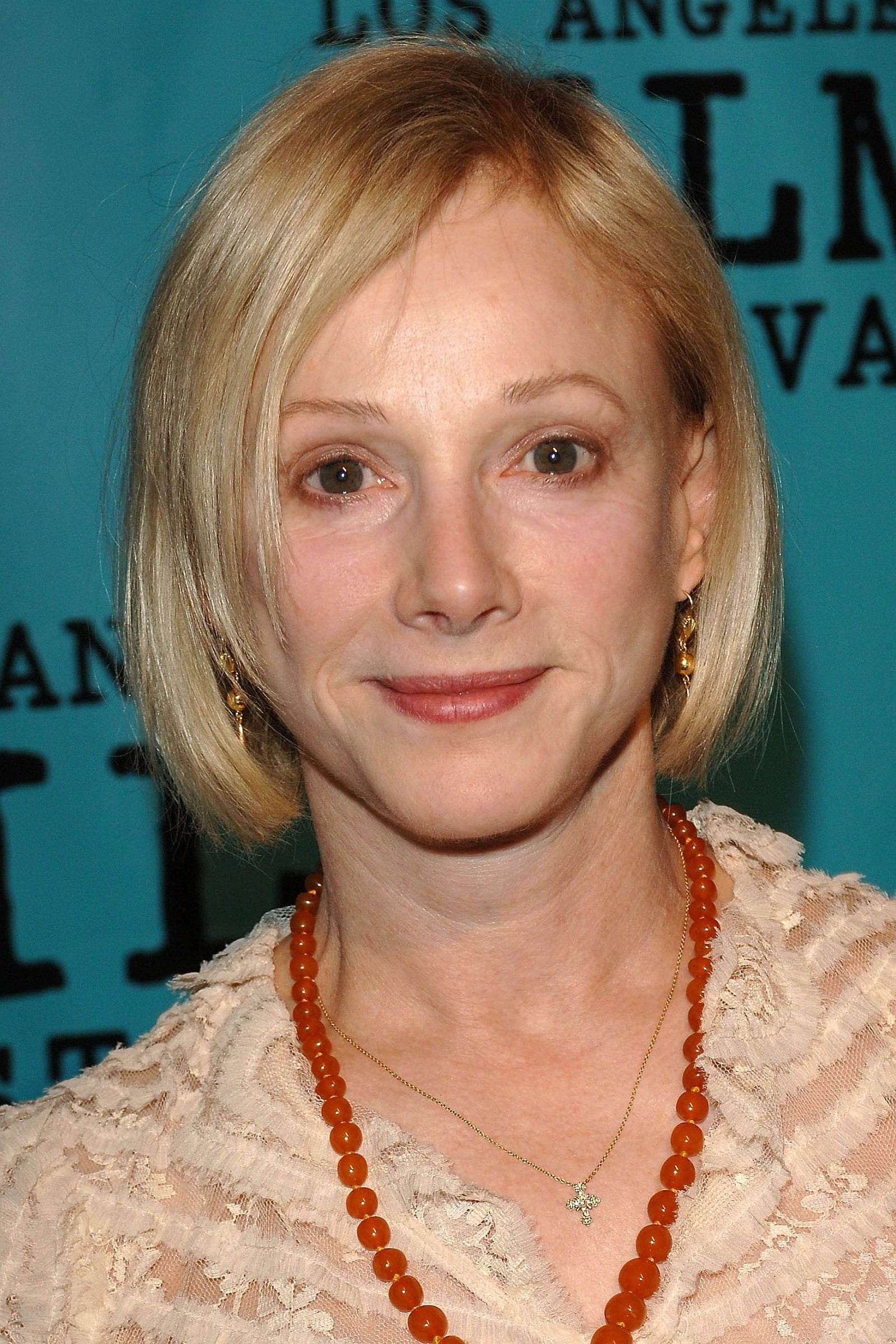
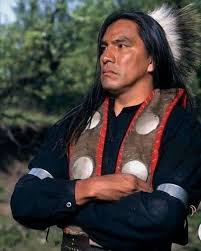
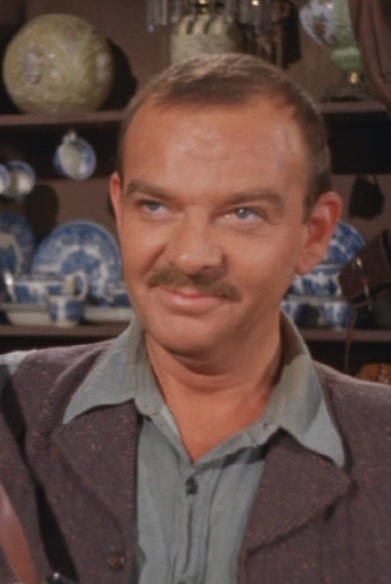
Because of Chief Dan George's age, he would have trouble remembering his lines, so during takes, Clint Eastwood would begin to mouth his lines without realizing it and had to be told to stop because it would ruin the take. In a featurette on the DVD about making this movie, Eastwood says he'd have people drill Dan George on his lines, but when it came time to shoot the scene, he'd say "Chief, just forget about the lines, tell me the story about the man who rode over the hill." And Dan George, who was apparently a natural storyteller, would then tell the story perfectly.
According to famed music producer David Geffen, Clint Eastwood's tough reputation is well-deserved. When Geffen was a young executive at Warner Brothers, one of his assignments was to give notes on a screening of this movie. All of the other Warner Brothers executives were unanimous in their praise for this movie. Geffen liked this movie, but told Eastwood that perhaps this movie could be shortened by a half-hour. Eastwood calmly told Geffen that if he (Geffen) wanted the picture shortened by that much time, then he could do it himself. Geffen then asked Eastwood where he would be . . . to which Eastwood replied: "I'll be across the street at Paramount cutting a new deal." Geffen was never asked to sit in on any other Eastwood movie after that encounter.
The first of six movies made by real-life couple Clint Eastwood and Sondra Locke.
Philip Kaufman started to direct this movie, but was replaced by Clint Eastwood on October 24, 1975, which was a controversial move that prompted the Directors' Guild of America (D.G.A.) to institute a ban on any current cast or crew member replacing the director on a movie: a rule which has ever since been titled the "Eastwood rule." Part of the acrimony between Eastwood and Kaufman was a result of both men asking female lead Sondra Locke (who was still married to Gordon Anderson) out to dinner on the same night. Several members of the cast and crew were unhappy with Eastwood, and felt that Kaufman had done a lot of the work for which Eastwood later took credit. According to them, it was Kaufman who had chosen the locations, the costumes, and who had cast Chief Dan George, after seeing him in Little Big Man (1970).
One of the few movies where Sondra Locke's hair isn't bleached, although the reddish tint she sports is still lighter than her natural color. 1950s yearbook photos attest that Locke was really a brunette.
Continuity
Near the end, when the Red Legs are attacking the cabin, approximately 15 men cross the creek, but at least 20 are shown falling after being shot by Wales and those in the cabin. Another is not shown falling down the steep hill with the 2 that do fall; and Captain Redlegs rides away, making at least 21 deaths shown and a 22nd possibly surviving.
When Josey frees Laura Lee and Granny from the Comancheros, he cuts the ropes binding their hands and Laura Lee's wrists have rope burns from being pulled along. A short time later at Blood Butte, Laura Lee tells Josey dreams are like clouds across a sky-blue mind, and her wrists have no burns at all.
When the Redleg leader is shooting at the Gatling gun, he fires 4 shots. When he runs over to the Gatling gun tent and points his gun in it, all six lead balls can be seen sticking out of the front of the cylinder.
When the two men who were buried up to their heads are returned safely, their clothes show no sign of being dirty.
When Josey Wales is leaving the interior of the store carrying the supplies, he is also carrying the picture postcard of the dead man that the store clerk showed him. When he emerges outside, he is no longer carrying the postcard.
Factual errors
A Gatling gun holds either 20 or 50 rounds, but Josey fires way more, not to mention the soldiers before him.
Wales retrieves his gun from the burn house, in fact the holster it is in is charred. If the gun were likely stored loaded, the heat from the fire would have set off the shells, and exploded, thus damaging the gun.
A group of men led by "Bloody Bill" Anderson ride up to the home of Josey Wales after he buries his family. But Anderson was killed before the end of the Civil War in an ambush set by Union soldiers near Albany, Missouri in 1864.
When Wales' family is murdered by the Red Legs, he retrieves a gun from the ashes of his house, which is a Colt Army with Richards "Cartridge Conversion" and a loading gate only manufactured in 1871-1878. Due to quick camera cuts, it appears he fires far more than six shots at a time.
When Josey is chasing Redlegs from the final battle, the camera is filming from overhead, and the two pass two Hereford (or white faced cattle). They must have belonged to a modern local rancher, since earlier in the film the settlers brought only longhorn cattle (about half a dozen head) with them. Herefords did not catch on as did the Shorthorns and were not extensively bred until after 1850. However, Henry Clay did take some Herefords to Kentucky as early as 1817.
Incorrectly regarded as goofs
After Josey shoots the two men in the cabin/store where he goes to get a horse, he spits tobacco juice on one man's head and the dead man's eyes squint in reaction. However, as Josey steps by the body on the way out, the 'dead body' rotates his head away from camera, indicating that he wasn't quite dead yet.
The gang of "Red Legs" kill Josey's wife and son and burn his home to the ground, but for no logical reason, they leave Josey himself alive. However, it could be argued that they thought Josey already was dead as he was lying on the ground motionless instead of doing whatever he could to prevent further damage.
Revealing mistakes
When Josey fires the Gatling, he sprays bullets across the camp, killing many men. However, behind the men are horses, who do not react or appear to get hit.
When Josie lowers his rifle to shoot the first of the Comancheros, the sound of the shot is heard, but the rifle doesn't actually fire.
After the group travels away from the Comancheros, a window is seen in the front of the cart and a second set of reins to the horses for the real driver while the two women sit on top acting as though they are driving.
When Wales returns to the tent where Jamie is sheltering from the rain, Jamie blinks his right eye after he has died.
Anachronisms
After the shootout in town, the victims are propped up in the street, and a photographer uses flash powder to take a photo. The movie is set at the end of the Civil War in 1865, but photographer's flash powder was not invented until 1887 (and didn't become common until the 1890s). Prior to the common use of flash powder (pre-1890s), photos were taken using only natural light and long exposure times. Even after the invention of flash powder, just like flash photography today, it was used only in lower light conditions (indoors, for example) and would not have been needed or used outdoors in sunlight.
The fiddle that provided the music for dancing at the ranch was fitted with a chin piece, which was not used until the twentieth century.
Near the beginning when characters were belly-down on the ground, two metal high-tension electric towers are visible in the far distance.
The word "simoleon" for dollar (the reward for Josey mentioned as "5000 gold simoleons") didn't appear until the late 19th century, at least 20 or 30 years after the time-frame of the story.
At one point, there is a soldier playing a five-string open-back banjo claw-hammer style in the background. Shadows through the leather head of the banjo can be seen. Even though the banjo started to evolve in the late 1840s, the open-back banjo was invented by Arthur Windsor in England after 1887, and "frailing" (claw-hammer style picking) did not become popular until the late 1800s.
Audio/visual unsynchronized
When Laura Lee plays the concertina, the sound doesn't match what she's playing.
Crew or equipment visible
During the attempted rape scene, crew members can be seen through the legs of a bandit.
Near the end, when Wales is fighting the posse outside the house, the legs of a C-stand can be seen when a man from Terrill's gang falls off a horse.
There is a camera shadow on Ten Bear's horse as he rides out of the camp to meet Josey.
Near the end, after the old lady comments about freeloaders from Kansas, a camera shadow is seen when a guy falls off his horse in the last shoot-out.
When the two men are buried up to their necks outside of Ten bears tent, if you watch the ground closely, you can see the fake ground move when he walks by them.
Errors in geography
Josey and Jamie cross the Missouri river on a ferry (tethered barge). The Union pursuers are on the next barge trip, and Josey shoots the rope sending the barge down the river. Josey was headed South and West towards Texas, and presumably was on the west side of the river. The river should have been flowing the other direction.