Open Range (2003)

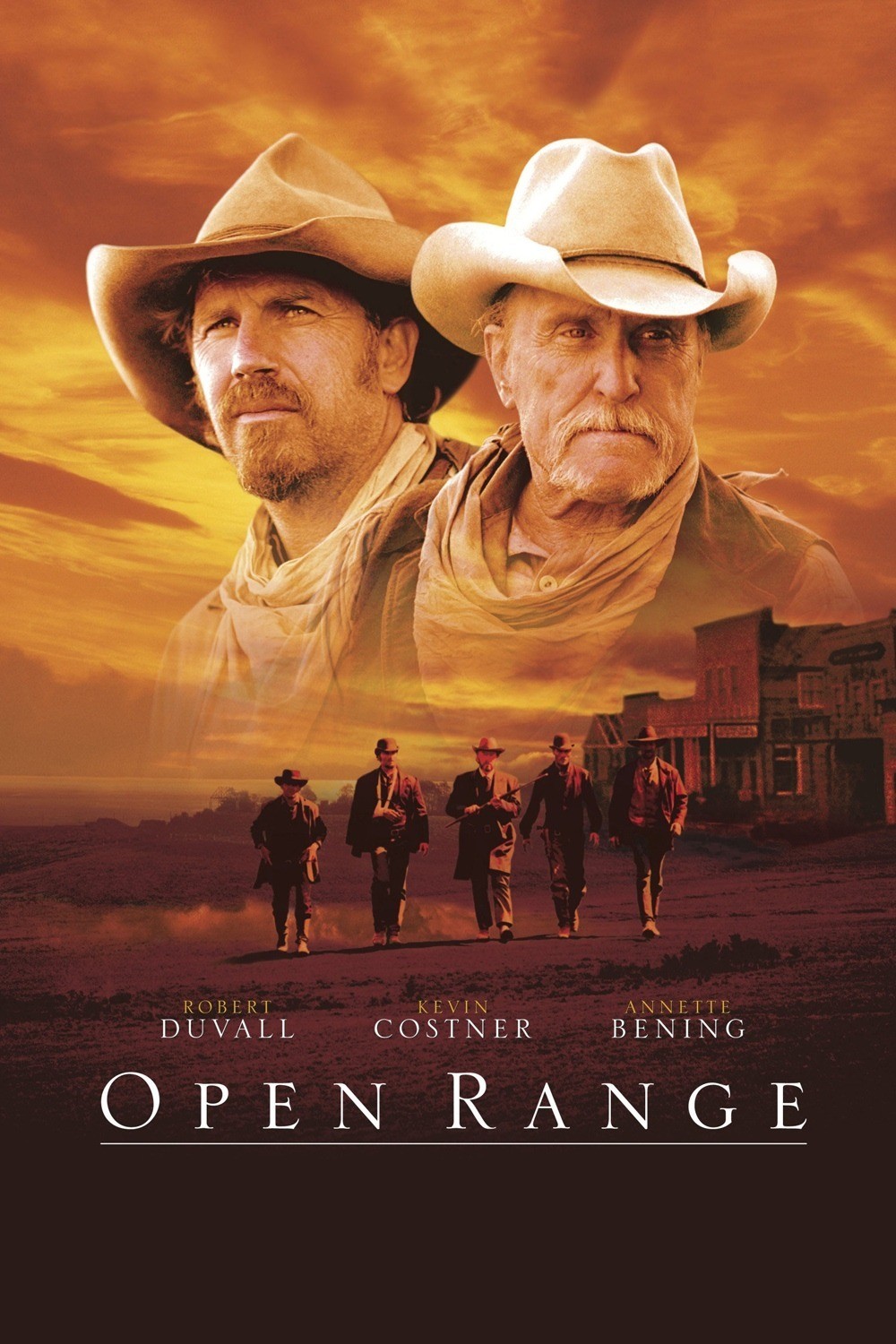
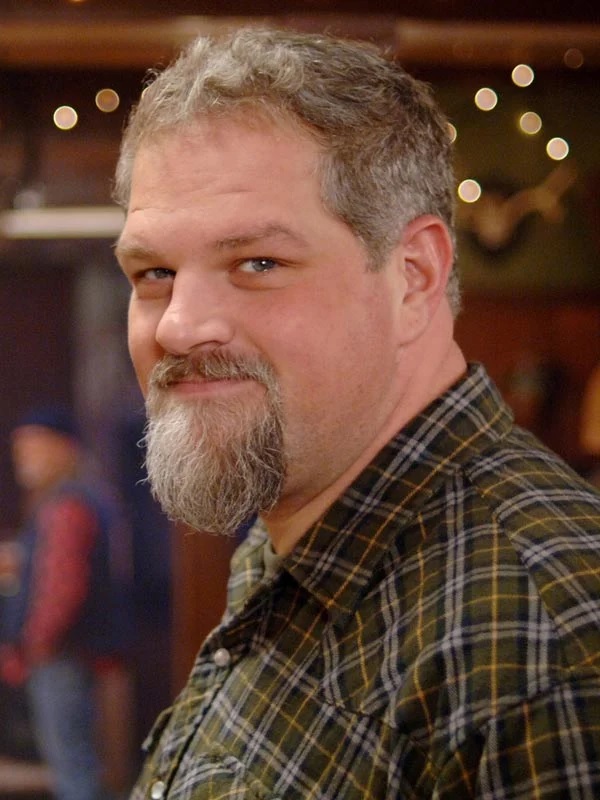
Boss Spearman (Robert Duvall) and his cowhands Charley (Kevin Costner) and Mose (Abraham Benrubi) are driving cattle across a large expanse of country. When Mose ventures into a sparse village to buy a few necessities, he is met with violent hostility from Denton Baxter (Michael Gambon), an affluent landowner, and his right-hand man, Poole (James Russo). When Mose doesn't come back, Boss and Charley realize he's in trouble, so they plot to get him back and get revenge on those who captured him.
"No place to run. No reason to hide."
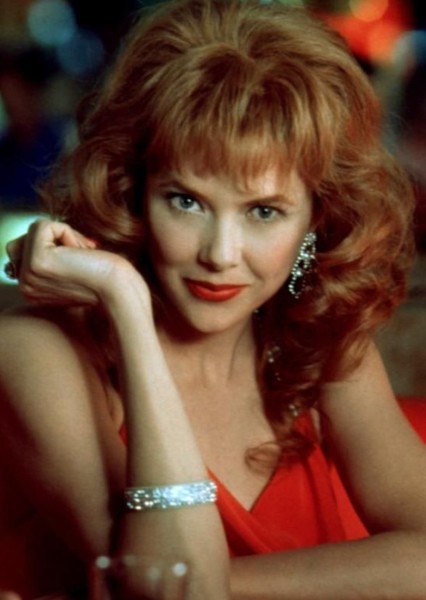
Sue Barlow: I don't have the answers, Charley. But I know that people get confused in this life about what they want, and what they've done, and what they think they should've because of it. Everything they think they are or did, takes hold so hard that it won't let them see what they can be.
Alberta, Canada
Calgary, Alberta, Canada
Longview, Alberta, Canada
Morley, Alberta, Canada
Stoney Indian Reservation, Alberta, Canada
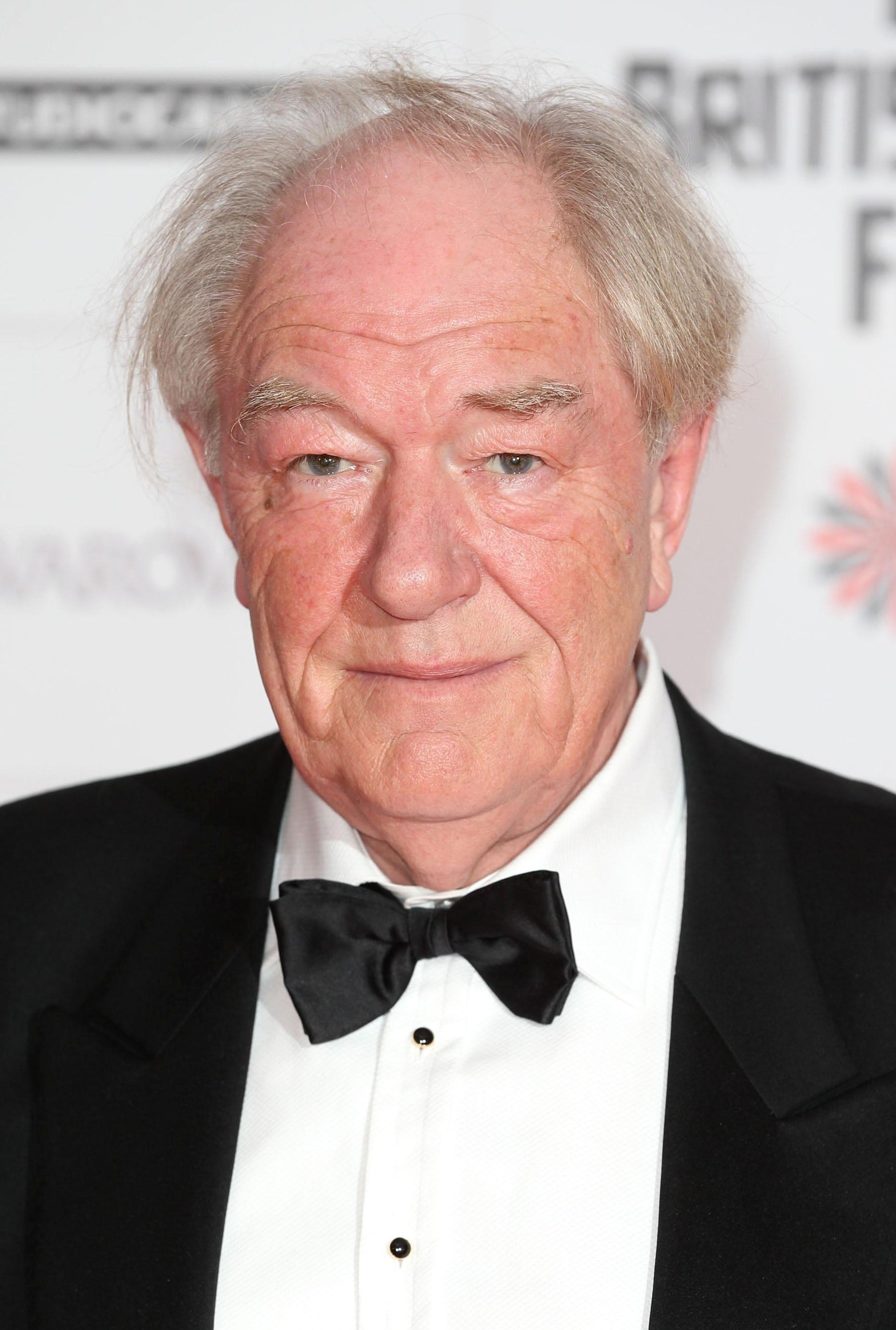
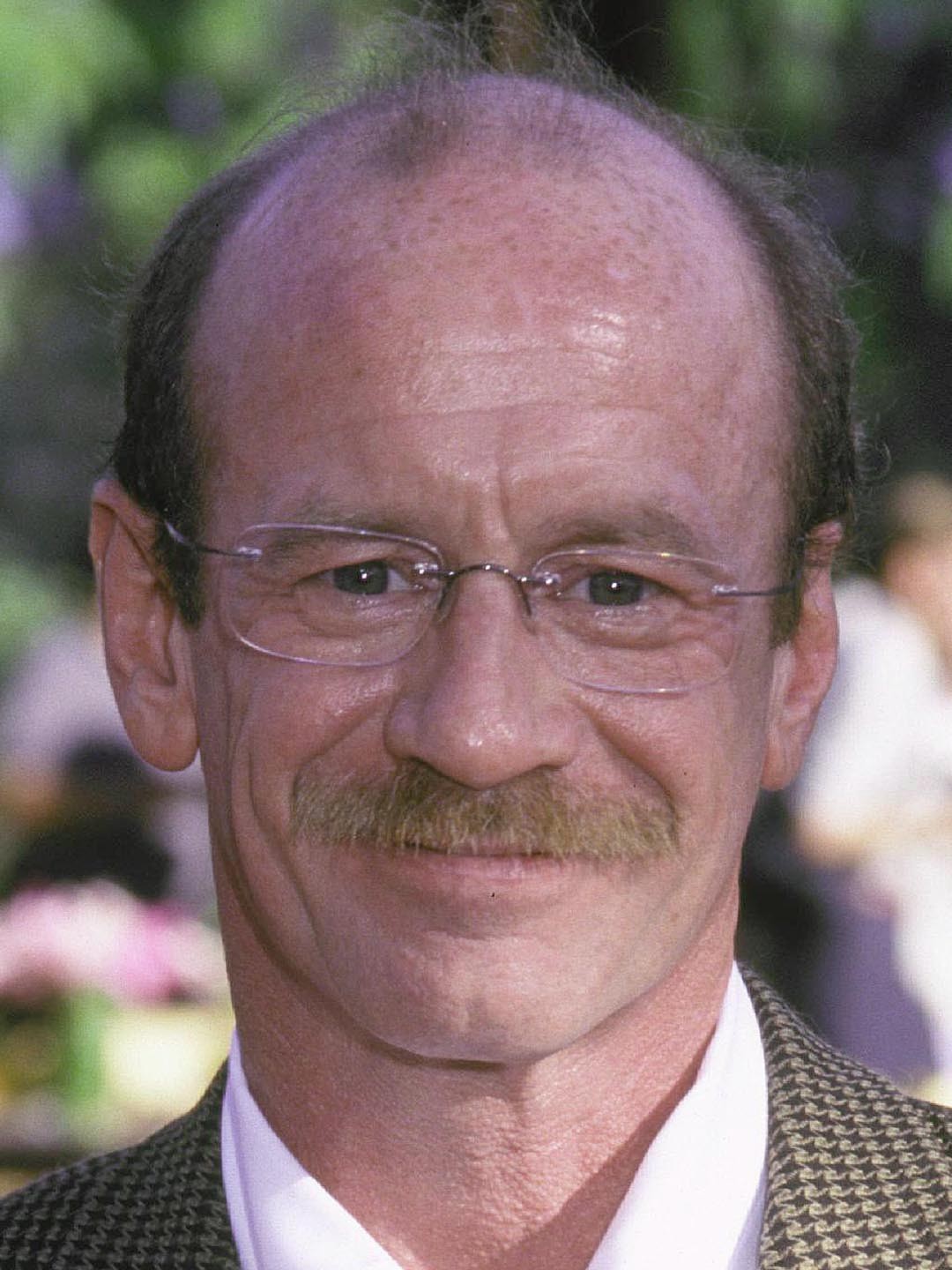
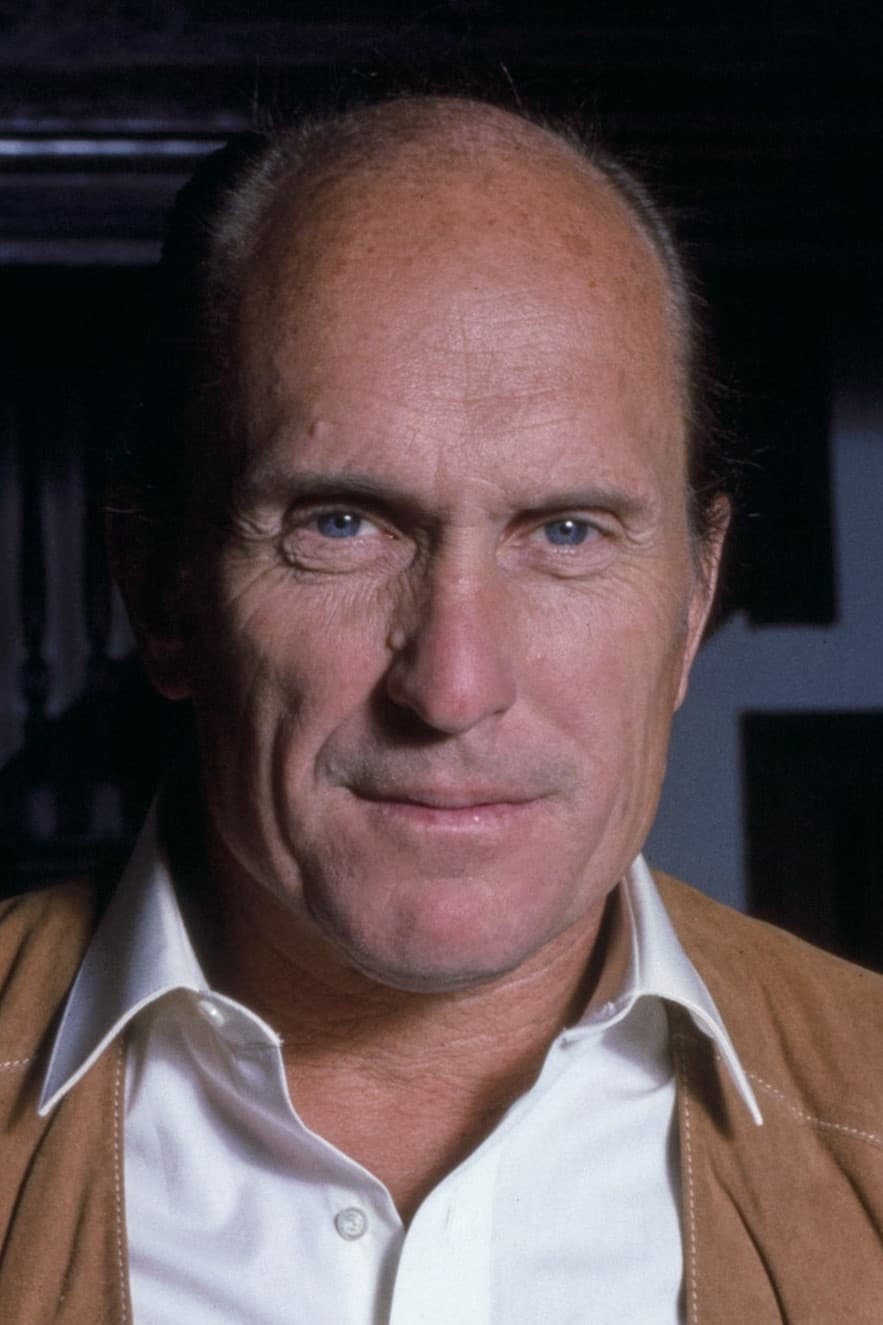
Originally, Touchstone Pictures had Kevin Costner top-billed over Robert Duvall, but Costner asked the studio to top-bill Duvall instead.
Robert Duvall got bucked off a horse and broke six ribs while practicing his riding for this role.
Kevin Costner really loved the "country's fillin' up" line. In the 1880s, the U.S. population had grown to over fifty million people.
As revealed during his appearance on The Arsenio Hall Show (2013), Sir Anthony Hopkins wrote fan letters to Kevin Costner and Robert Duvall after watching the movie, complimenting them both on their performances.
The script doesn't specify where the story takes place, but Kevin Costner insisted on finding landscapes where "you couldn't see a fence, road, or another person."
Continuity
After Boss and Charley have the confrontation with Sheriff Poole in the caf?' they return to Doc Barlow's house to check on Button. When Sue opens the front door and lets them in a clock shows the time as 9:35. They spend at least an hour or more at the house but as they are leaving another clock in the background shows the time as 9:27. A loss of eight minutes.
When Charley and Boss walk up to the bar in Baxter's saloon, an empty glass is sitting in from of Boss and a nearly empty beer mug in front of Charley. When Boss asks for two whiskeys the second time, the glass has moved. When Charley slides the mug down the bar to hit the bartender, the glass is gone. In the next shot, the glass is back in the original spot.
When the Marshall is confronting Charley and Boss in the caf?, Boss nods his head as he says "your call, marshal." This is followed by a long shot and you can see him nod and his mouth move. Same shot from different cameras.
In the restaurant scene where the Marshall confronts Boss and Charlie, Charlie's sidearm is covered then uncovered at different times by his coat as the camera jumps back and forth.
Button's shots give Charley and Boss a chance to hide behind a horse trough. Baxter's shots hit the trough, splashing water on Boss's hat. When Boss emerges to rush Baxter with a shotgun, the hat is dry.
Factual errors
Boss talks about the Doc and Sue saying it paints a pretty picture. Charlie says "Yeah, I hear they're worth a thousand words." That saying was not coined until a 1911 newspaper article quoting newspaper editor Arthur Brisbane discussing journalism and publicity.
Incorrectly regarded as goofs
Charlie fires 16-17 rapid fires shots from one single-action, six-shot revolver - without reloading. In fact, during the first volley, he fires four random shots and then actually "fans" the revolver and fires ten additional shots into a bad-guy gunslinger in less than seven seconds, without changing weapons or re-loading. And then fires a few more rounds at still standing gun-men. Costner admitted in an interview for this film that he has always wanted to film a scene where he fans a six-gun way over the realistic amount of shots, and that this scene was indeed very enjoyable to make.
There are numerous spelling errors on the note Boss and Charlie leave on the door for Baxter, obviously deliberate to show their lack of a formal education.
Anachronisms
The building under construction on main street is being built using modern framing techniques and is built from modern, dimensional lumber. Buildings were mostly "post & beam" type back then and "rough cut" lumber was used for building construction well into the 20th century.
The film takes place in the 1880s. The shop owner offers Boss JuJuBe candy, which weren't invented until 1920.
In two scenes (1st, when Charley & Boss first go along the main street; 2nd, when they leave at the end of the film) a pair of distinctive horses are seen harnessed (1st) to a wagon parked in the street, then (2nd) as the front pair of two pairs on their wagon. These horses (bay/chestnut with light mane, tail and feet) are Haflingers: this type, originating in Austria, did not appear in America until 1958.
The bottle in the saloon where the men are getting drinks poured from has a paper label on it. This wasn't available in the US until 1906.
In the scene where Charlie sees the Doctor's sister thru the open door, you can see that she has shaved her underarms. This did not become a practice until 1915. This movie is taking place in the 1880's.
Character error
Boss and Charley refer to the dog Tig as "she" in early scenes, but Charley calls Tig "he" when burying the dog with Mose.