Network (1976)

In the 1970s, terrorist violence is the stuff of networks' nightly news programming and the corporate structure of the UBS Television Network is changing. Meanwhile, Howard Beale, the aging UBS news anchor, has lost his once strong ratings share and so the network fires him. Beale reacts in an unexpected way. We then see how this affects the fortunes of Beale, his coworkers (Max Schumacher and Diana Christensen), and the network.
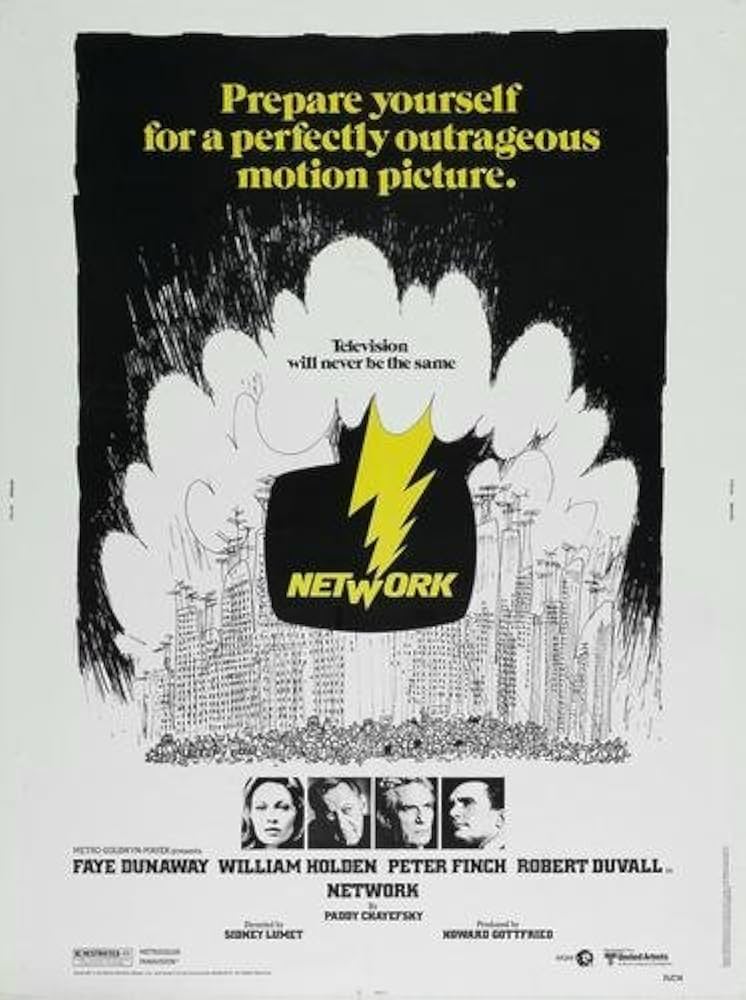
Prepare yourself for a perfectly outrageous motion picture!
Narrator: This was the story of Howard Beale: The first known instance of a man who was killed because he had lousy ratings.
CTV Toronto Studios - 9 Channel Nine Court, Scarborough, Ontario, Canada
(as CFTO-TV Studios, Control room and news studio scenes)
Seaspray Inn, 101 Ocean Avenue, East Hampton, New York, USA
(Hotel during Diana and Max's weekend at the beach)
New York City, New York, USA

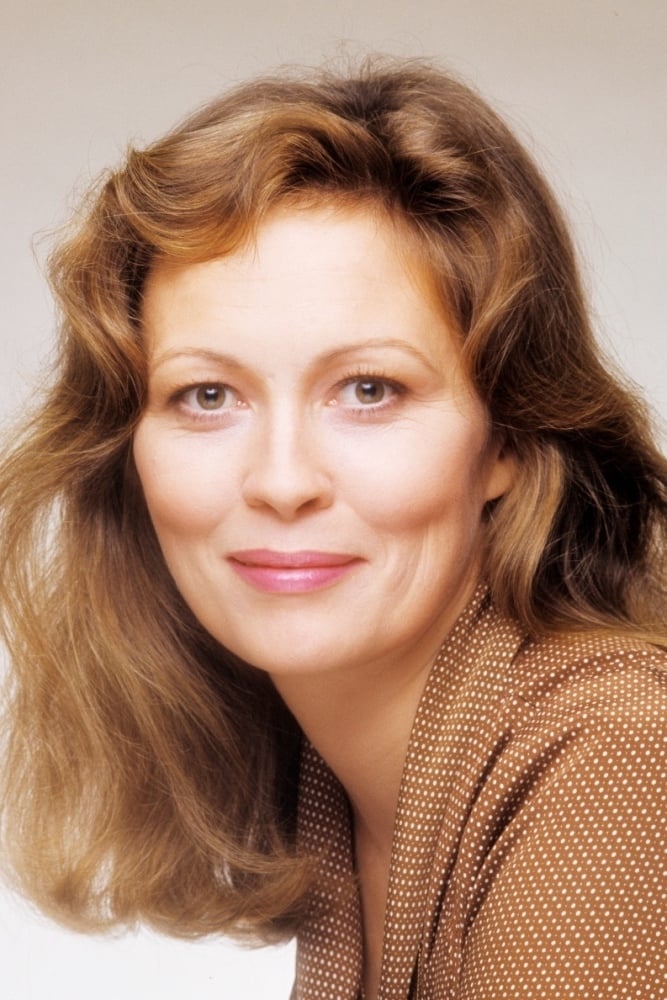
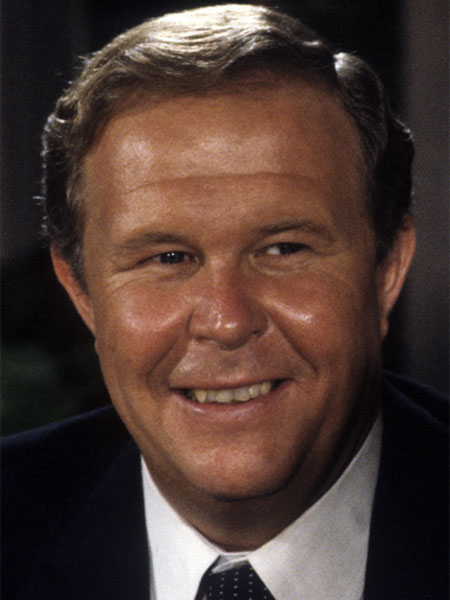
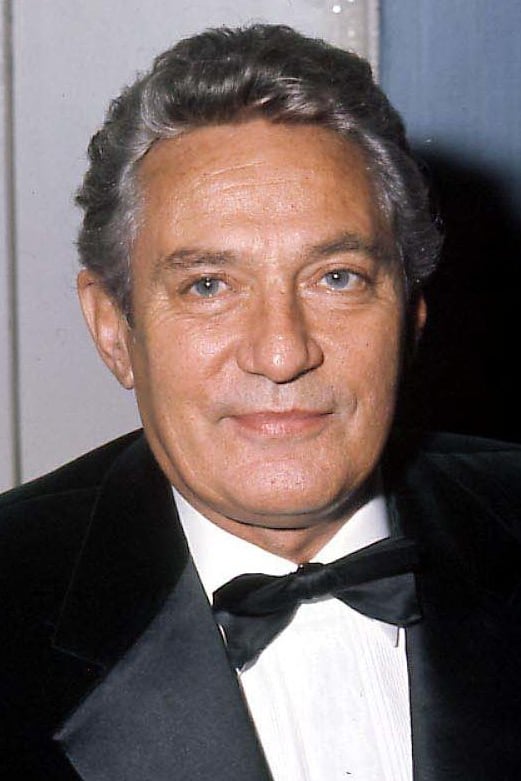
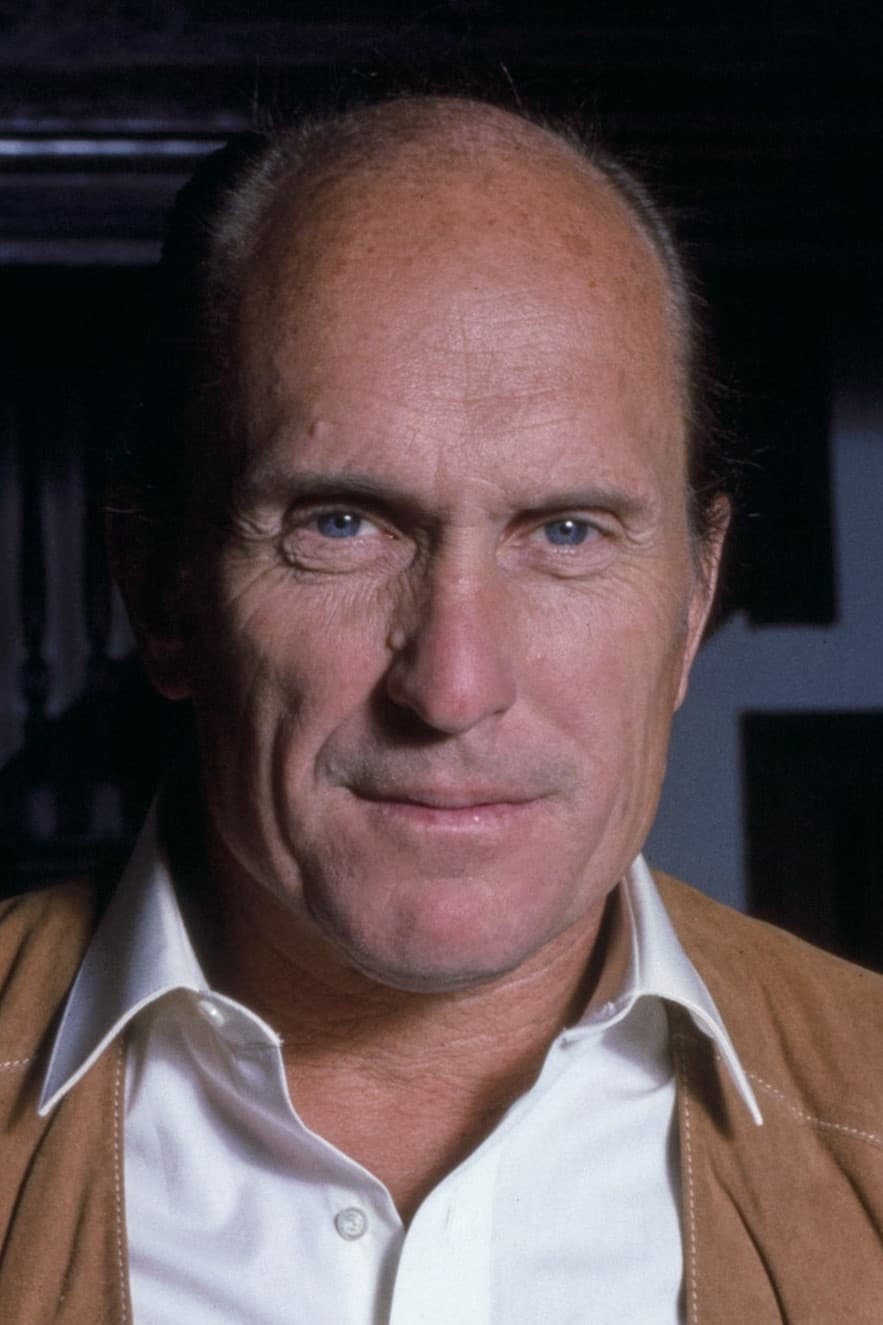
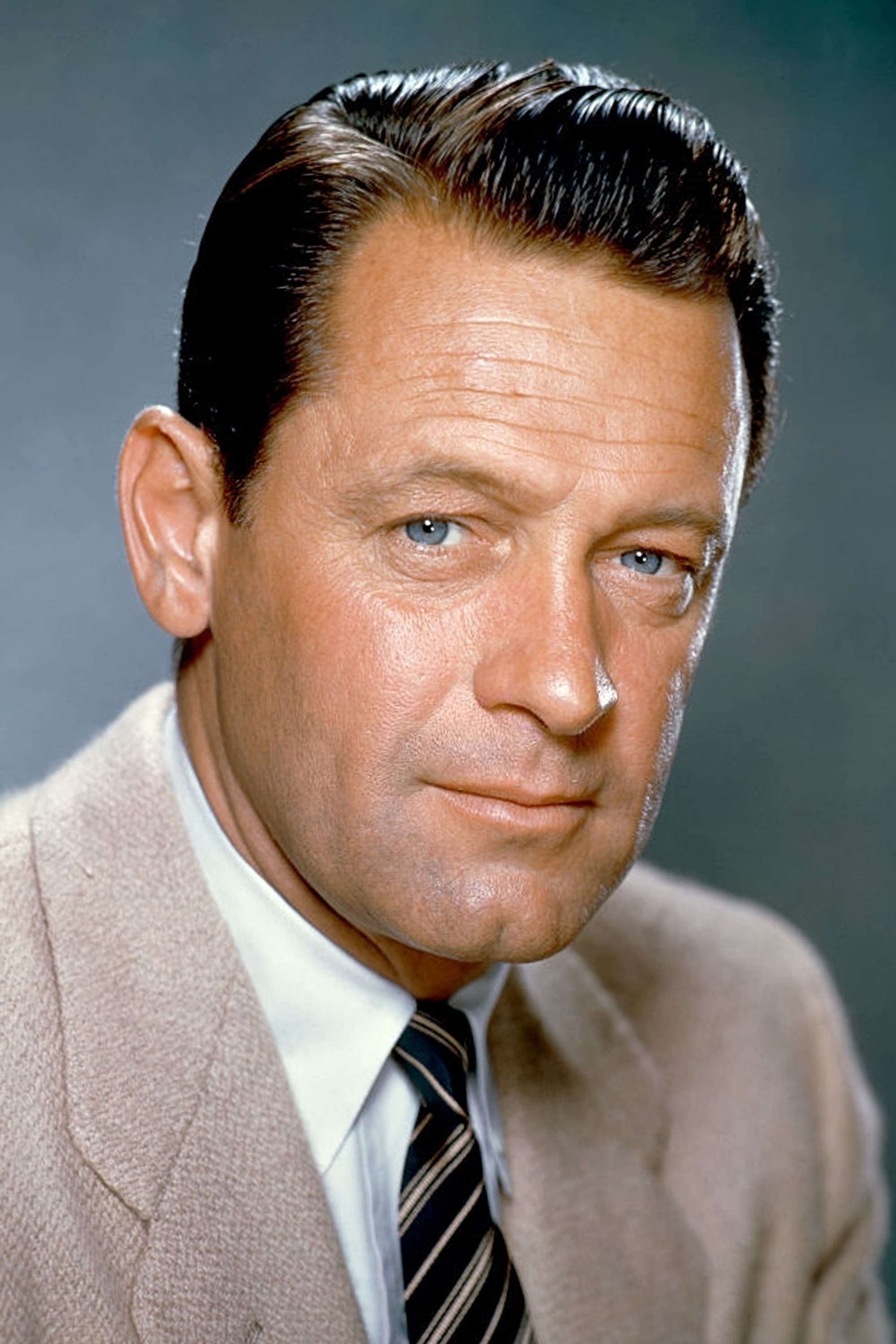
Peter Finch was desperate to win the role of Howard Beale once he had read the script. He even offered to pay his own airfare to New York City for the screentest. But Sidney Lumet was concerned about Finch's Australian accent. Finch won the part after sending Lumet a recording of himself reading the New York Times with a perfect American accent.
According to Sidney Lumet, the "Mad as Hell" speech was filmed in one and a half takes. Midway through the second take, Peter Finch abruptly stopped in exhaustion. Lumet was unaware of Finch's failing heart at the time, but in any case, did not ask for a third take. The complete film features the second half of the first take and the first half of the second take.
Beatrice Straight is only on-screen for five minutes and two seconds. Hers was the briefest performance ever to win an Oscar.
Peter Finch died before the Academy Awards were to take place, where he was nominated for Best Actor. He won, making him the first performer ever to receive a posthumous award at the Oscars. The second winner was fellow Australian Heath Ledger for The Dark Knight (2008).
Director Sidney Lumet and screenwriter Paddy Chayefsky claimed that the film was not meant to be a satire but a reflection of what was really happening.
Continuity
Halfway through the first scene in Diana Christianson's office, the door, which had previously been open, is closed. Later, she walks over to the door and closes it again.
The obituary for UBS Chairman of the Board Edward George Ruddy is shown with the character's information superimposed over the title area, with real January, 1975 obituaries for Revlon founder Charles Revson and screenwriter Sidney Buchman listed below. Additionally, the movie is set during fall 1975, months after Ruddy's death.
When Max tells his wife he's having an affair, the scene begins with him smoking a cigarette. A few shots later, he's still sitting in the chair but there's no longer a cigarette anywhere.
After attending a funeral service, Max Schumacher and Diana Christensen are talking on a street corner. Max's hair is a little messy from the wind and passing traffic. A moment later, the two people cross the street and his hair is back in place.
When Diana goes to Max's office to pitch her desire to program the news, the push-button telephone on the small lamp table just inside the office changes position from the start to the end of the scene.
Factual errors
It is said early on that at one point, Beale's evening news program had as high as a 16 HUT rating. As HUT stands for Households Using Television, a HUT rating of 16 would mean only 16% of sets were in use, a low figure for that time of day where at least 60% would be expected. Additionally, the HUT rating applies to all programs airing at that hour. Individual program figures are reported as Household ratings or Household share. A rating is a percentage of all sets in the survey area, a share is a percentage of all sets in use at that hour.
In 1976, the three major networks (ABC, CBS, NBC) sent out its network newscast live at 6:30 PM Eastern Time, and, barring any breaking news, aired them on tape delay at 7:00 PM Eastern, and thereafter. So unless UBS re-staged its newscast for each time zone, it would have been impractical for the network to have wall clocks on its news set.
The credits declare that Network was "filmed in Panavision" which is usually reserved for films in 2.35 to 1 scope. It probably meant to say that the film was made with Panavision equipment.
The (then) analog channel 3 was not assigned to Los Angeles. The nearest city where it was assigned, was Santa Barbara CA, some 90 miles away.
Incorrectly regarded as goofs
As Max (William Holden) is getting undressed to get into bed with Diana (Faye Dunaway), it might be interpreted by some that the waistband of the body suit he is wearing is visible. However, that actually is the waistband of his underwear briefs. His previous motion was to slip off his pants, then there is a cut to Diana getting in bed; Max follows into the bed from the other side (presumably having removed his underwear off screen).
Revealing mistakes
Every one of Howard Beale's shows has the same studio audience (note the man in the black vest, with long hair and a beard).
When the floor director is counting down Howard to cue him, he vocalizes the numbers '2' and '1' in his countdown. Direction protocol calls for the last 2 numbers in the on-air cue to be down silently so as to not accidentally be heard on-air by the audience.
Audio/visual unsynchronized
During the discussion with her husband, shortly after Louise Schumacher jumps up and continues her rant, during the part "Your last roar of passion before you settle into your emeritus years" the last two words are dubbed in mid-sentence, which is obvious from the completely different sound.
After Howard's first on-air meltdown, as Max and the other network executives sample the reaction from other networks, they watch the other newscasts from a bank of three sets, each tuned to a different channel. As Max says he is not surprised each of the other networks is leading with the Beale story, he lowers the volume of each set in turn. The volume drops before Max's hand reaches the dials.
Character error
Early in the film, after Howard Beale says that he's going to kill himself on-air, he's on the phone with Max Schumacher angling to get his job back, and he mentions that he "has 11 years with this network". Later, following his on-air rant that "he ran out of BS", he's confronted by the press in the lobby of UBS where he says, "Every day, five days a week for 15 years, I've been sitting behind that desk..."
Just after Beale announces his intention to commit suicide on the air, there is a shot of a row of TV screens showing how the story is being covered by the other channels. Playing a news anchor, John Gabriel claims that "something happened at one of our sister networks..." It should have been referred to as a "competitive" network - a "sister" implies the same corporate ownership, something prohibited by the FCC in 1976.
Howard Beale is the lead segment of his eponymous show. No programmer as savvy as Diana would put the show's main draw as the opening segment, knowing that vast swaths of the audience would tune out after his segment, resulting in massive ratings drops after his appearance.
In the confrontation with his wife, Max mispronounces Tolstoy's novel title as "Anna Karenia", not "Anna Karenina".