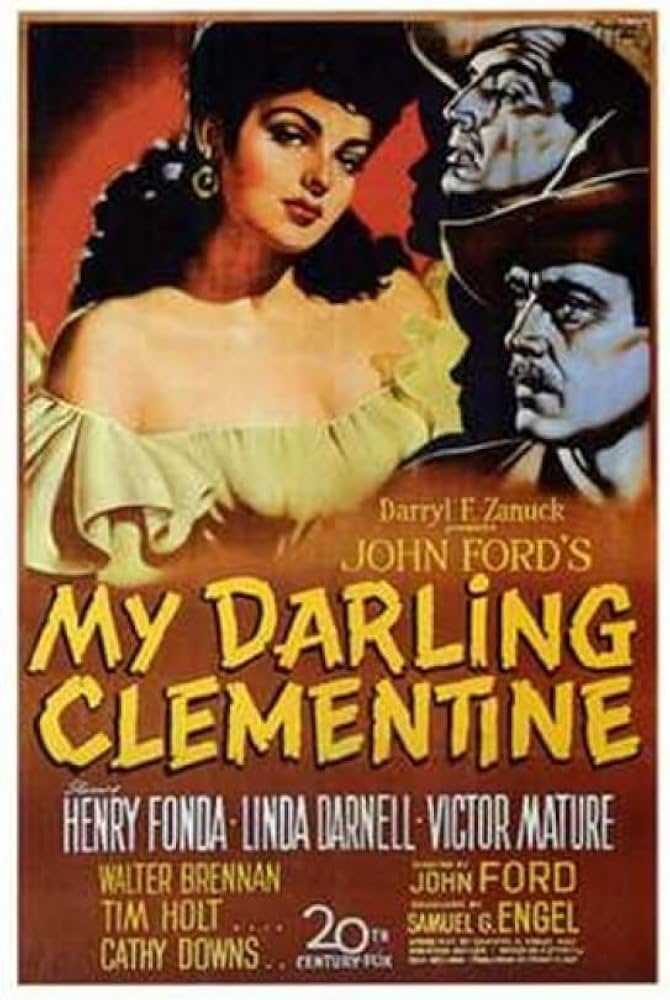
My Darling Clementine (1946)

Wyatt Earp and his brothers Morgan and Virgil ride into Tombstone and leave brother James in charge of their cattle herd. On their return they find their cattle stolen and James dead. Wyatt takes on the job of town marshal, making his brothers deputies, and vows to stay in Tombstone until James' killers are found. He soon runs into the brooding, coughing, hard-drinking Doc Holliday as well as the sullen and vicious Clanton clan. Wyatt discovers the owner of a trinket stolen from James' dead body and the stage is set for the Earps' long-awaited revenge.
The Roaring West At Its Reckless Best!
Old Man Clanton: When ya pull a gun, kill a man.
Devil's Tower National Monument, Devil's Tower, Wyoming, USA
Kayenta, Arizona, USA
Moab, Utah, USA
Monument Valley, Arizona, USA
Monument Valley, Utah, USA
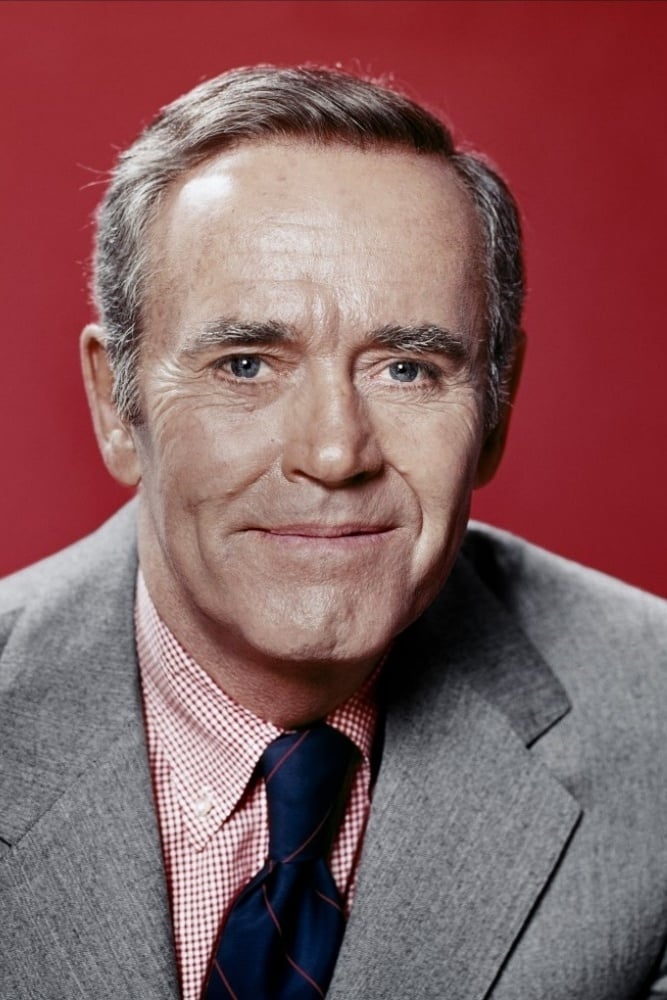
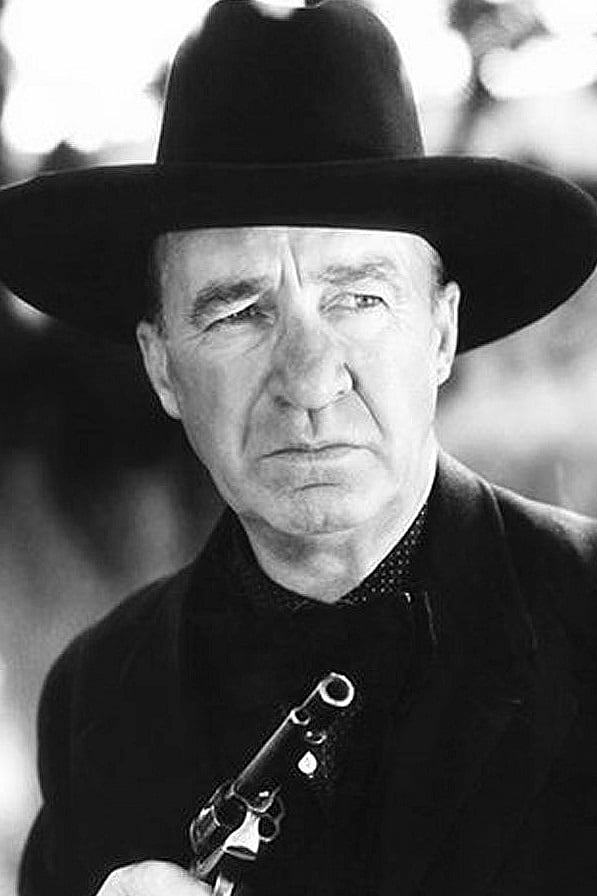
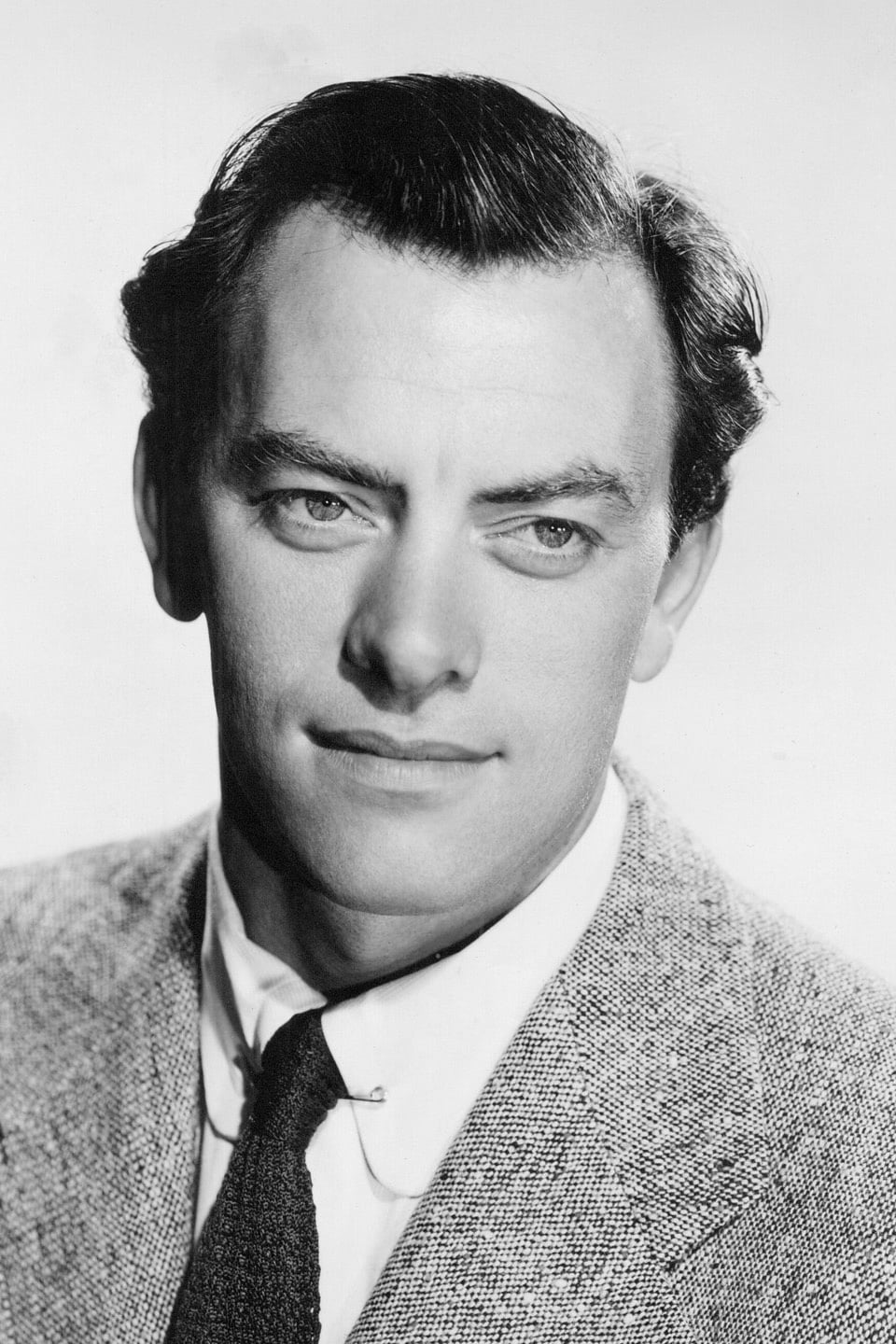
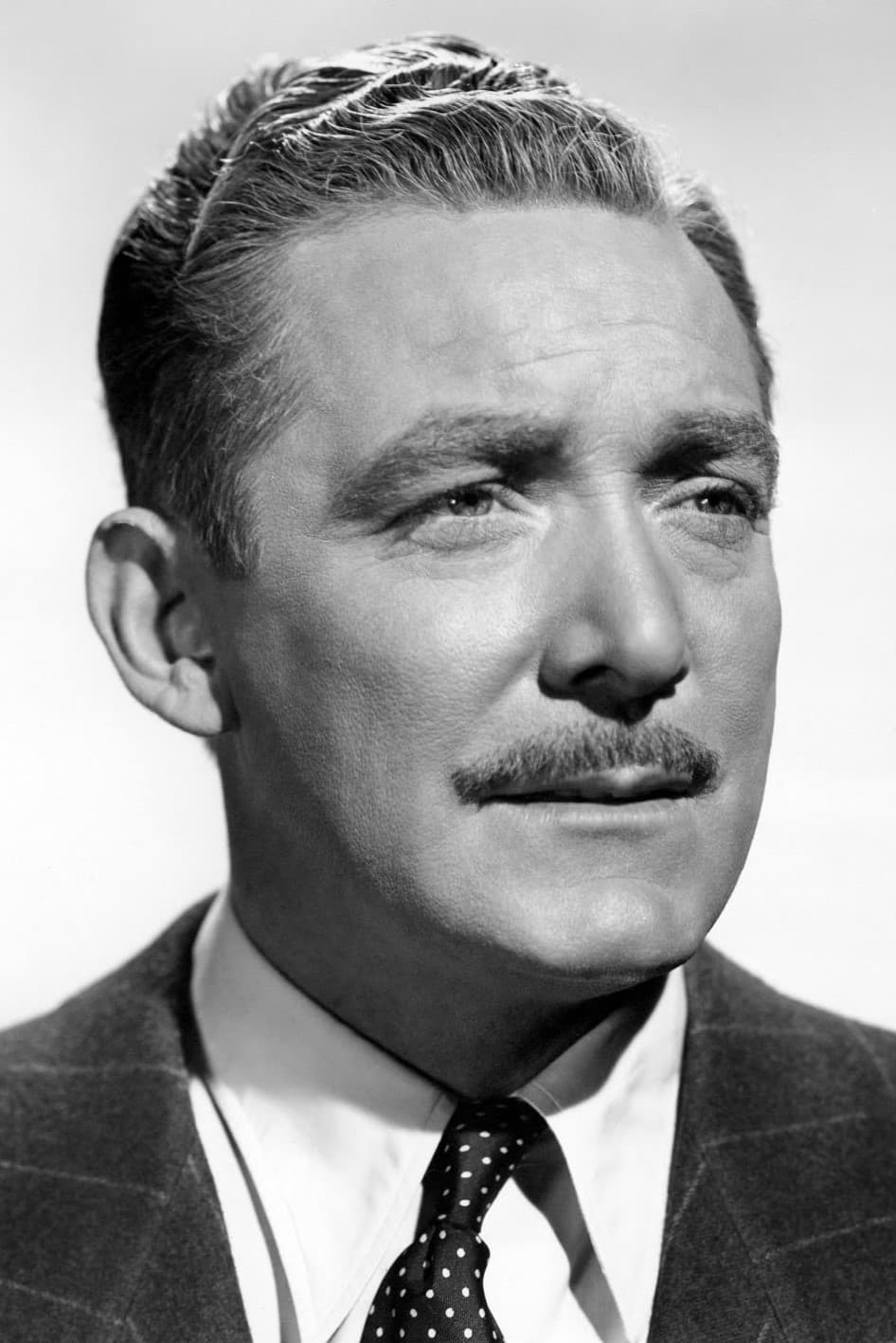
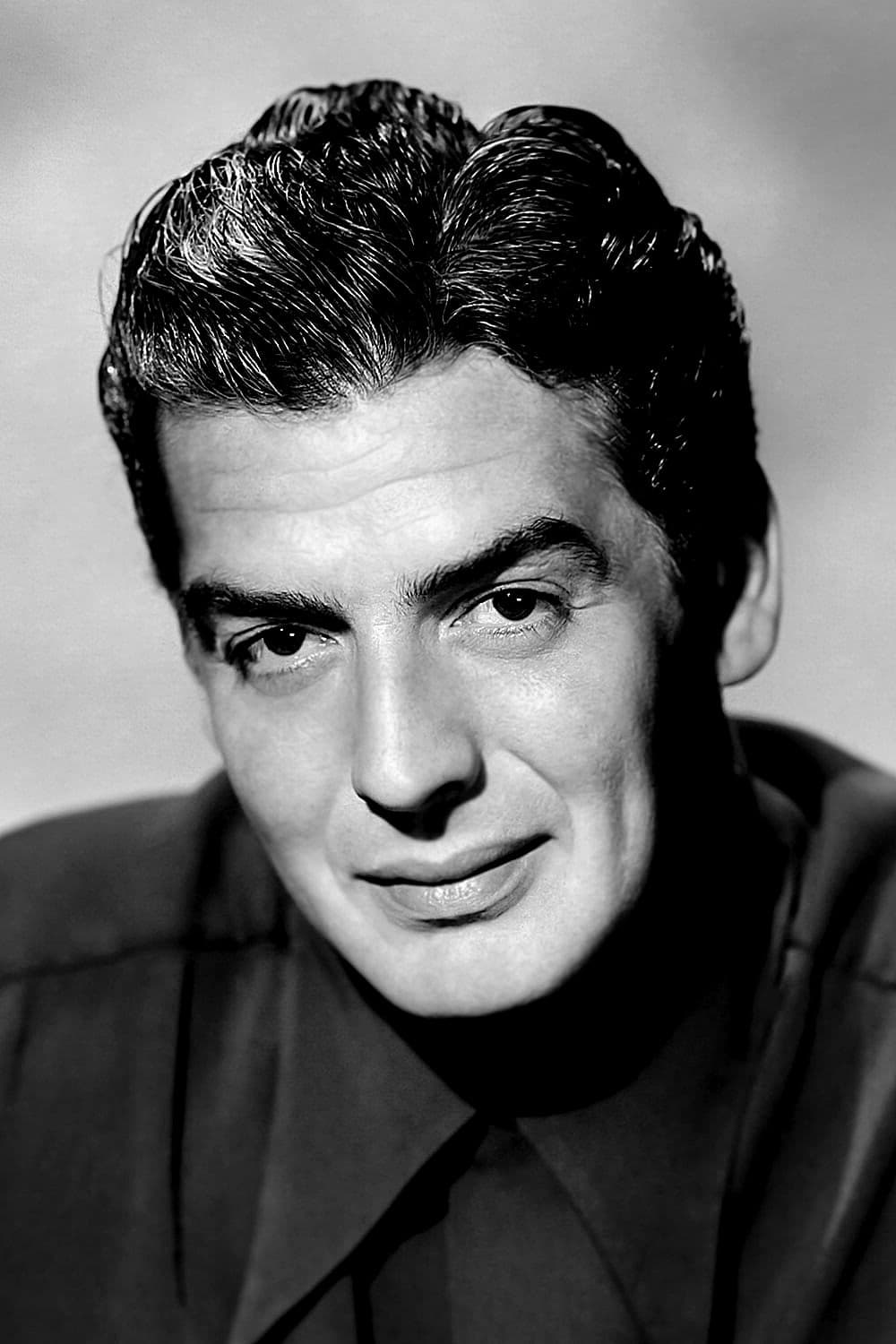
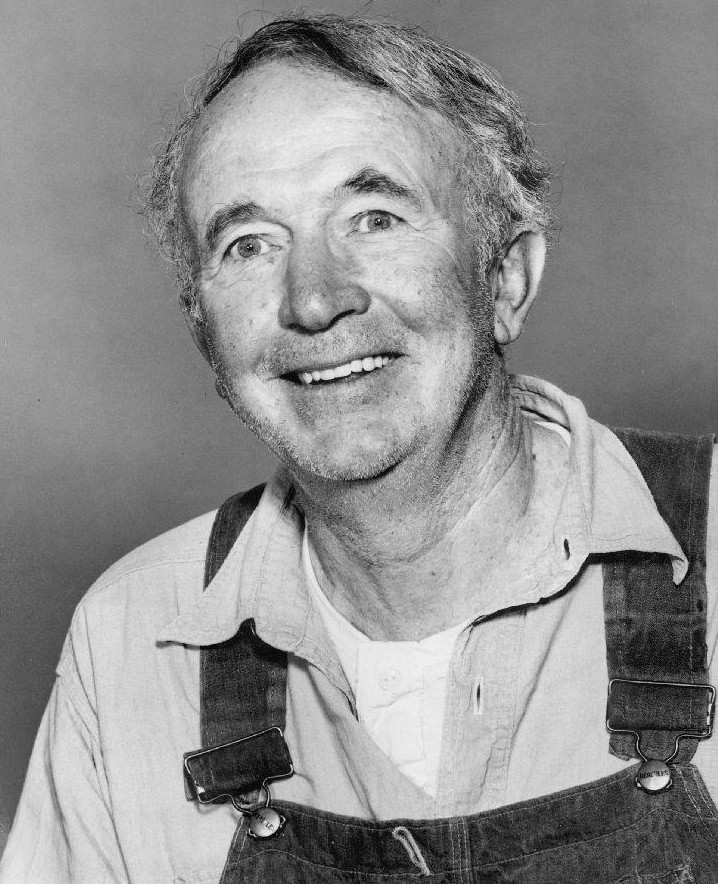
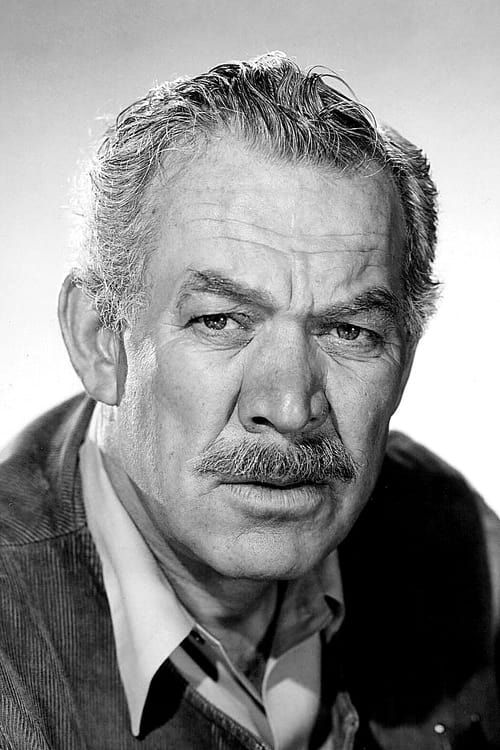
The cantankerous Walter Brennan disliked John Ford so much that he never worked with him again. One time when Brennan was having trouble getting into the saddle, Ford yelled, "Can't you even mount a horse?" Brennan shot back, "No, but I got three Oscars for acting!"
John Ford was asked by a film historian why he changed the historical details of the famous gunfight if, as he claimed, the real Wyatt Earp had told him all about it on a movie set back in the 1920s. "Did you like the film?" Ford asked, to which the scholar replied it was one of his favorites. "What more do you want?" Ford snapped.
Walter Brennan, John Ireland, and Grant Withers were required to do their own riding and shooting in the scene where the clan rides into town during a dust storm. John Ford used a powerful wind machine and told the actors to fire their guns close to the horses' ears to make them ride wild.
John Ford, who in his youth had known the real Wyatt Earp, claimed the way the OK Corral gunfight was staged in this film was the way it was explained to him by Earp himself, with a few exceptions. Ford met Earp through Harry Carey.
John Ford wanted to shoot in Monument Valley, UT, which had proven to be the perfect site for Stagecoach (1939) and would quickly become his favorite location and the landscape most closely associated with his vision of the Old West. The real town of Tombstone, AZ, however, lies at the southern end of the state, closer to the Arizona-Mexico border. So he had a set for the complete town built at a cost of $250,000. Ford also chose Monument Valley because he wanted to bring some business to the economically depressed Navajo community there.
Continuity
At the beginning of the film when Wyatt Earp is preparing for a shave, the lather is yet to be applied by the barber. A second after the gunshot strikes the mirror, Earp's entire chin is lathered, even though the barber is still preparing to apply it.
When Wyatt is playing poker, Chihuahua puts her leg up on a chair showing her dark stockings. A few minutes later, when Wyatt catches her signaling the gambler, he pulls her outside and pushes her in a horse-trough and she's no longer wearing stockings.
When Clementine looks around Doc's room, Wyatt admires a picture of her, which in medium-long shot is clearly a full-length photograph of a woman. When the camera shows a close-up of the photograph, it is a head and torso shot of a woman.
Before Doc begins to operate on Chihuahua, without anesthesia, a cloth is placed in her mouth and she's told to "bite real hard." A moment later, when the scene has cut to a longer shot, and Doc has started, we hear Chihuahua cry out "Oh ma!" She couldn't have spoken with the cloth in her mouth.
When Chihuahua (Linda Darnell) sits on the bed of Doc Holliday (Victor Mature) at 56'17m into the movie, his left arm is raised, with his hand on his head as he is suffering from a headache. At 56'26m, it cuts to a mid-shot where Holliday's arm is at his side.
Factual errors
The movie shows James Earp killed (murdered) with his marker showing "born 1864 died 1882". However, James Earp was in fact born in 1841 and died in 1926 of natural causes. It was Morgan Earp who was murdered on 18 March 1882.
Doc Holliday did not die at the O.K. Corral. He died six years later from tuberculosis in a sanitarium in Glenwood Springs Colorado.
Wyatt Earp was never the town Marshal of Tombstone. Virgil Earp was.
The film shows Wyatt Earp (Henry Fonda) and John "Doc" Holliday (Victor Mature) meeting for the first time in Tombstone, AZ. In reality, Earp and Holliday were good friends by the time they came together in Tombstone, as they had met years earlier at Fort Griffin, TX.
In the film, "Old Man" Clanton (Walter Brennan) is shot and killed after the gunfight. In actuality, "Old Man" Clanton died in August 1881 - before the gunfight - and was not a principal in the gunfight itself or in the events immediately prior to the gunfight.
Incorrectly regarded as goofs
When "Indian Charlie" is shooting up the saloon, the original town marshal quits his job and surrenders his badge to the town mayor. Seconds later, Wyatt Earp approaches them to complain about his shave being interrupted. Wyatt turns to the now-badge less ex-marshal, whom he had never seen before, and says "You're the marshal, ain't you?" One might think that Wyatt would have no way of knowing the ex-marshal, but he was just feet away from the marshal when he turned in his badge.
Revealing mistakes
During the shootout, which supposedly occurs at sun up, the men's shadows are shorter than the men themselves, indicating the scene was shot much closer to noon.
Anachronisms
The marshal's salary offered to Wyatt of $250/mo. then is the equivalent of over $7k/mo. today the average marshal monthly salary in the 1880's was around $50 though generally came with room and board.
Character error
Doc Holliday was supposed to be a surgeon in the movie. In fact, he was a dentist. On March 1, 1872, the Pennsylvania College of Dental Surgery in Philadelphia conferred the degree of Doctor of Dental Surgery upon twenty-six men, one of whom was John Henry Holliday.