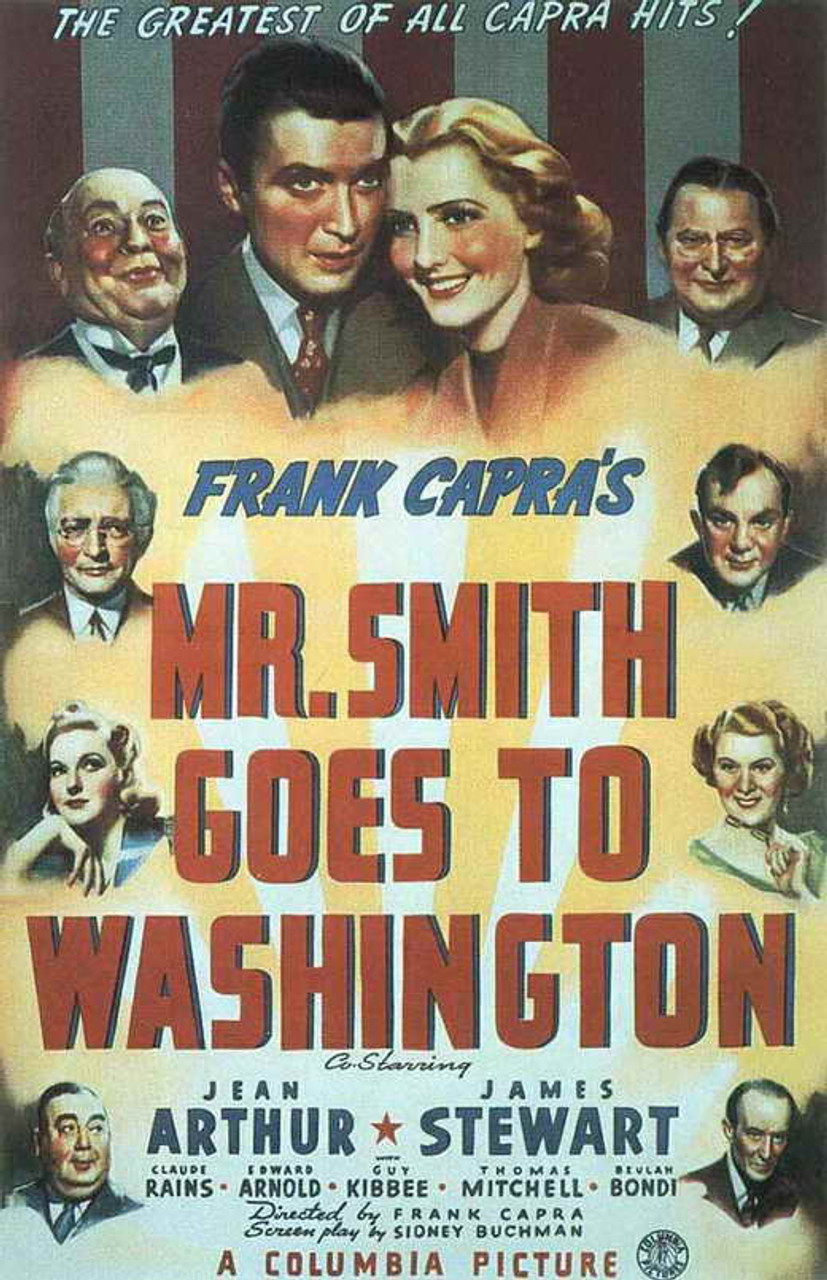
Mr. Smith Goes To Washington (1939)

Naive and idealistic Jefferson Smith, leader of the Boy Rangers, is appointed on a lark by the spineless governor of his state. He is reunited with the state's senior senator--presidential hopeful and childhood hero, Senator Joseph Paine. In Washington, however, Smith discovers many of the shortcomings of the political process as his earnest goal of a national boys' camp leads to a conflict with the state political boss, Jim Taylor. Taylor first tries to corrupt Smith and then later attempts to destroy Smith through a scandal.
Stirring - In the seeing! Precious - In the remembering!
Jefferson Smith: You see, boys forget what their country means by just reading The Land of the Free in history books. Then they get to be men they forget even more. Liberty's too precious a thing to be buried in books, Miss Saunders. Men should hold it up in front of them every single day of their lives and say: I'm free to think and to speak. My ancestors couldn't, I can, and my children will. Boys ought to grow up remembering that.
Lincoln Memorial, National Mall, Washington, District of Columbia, USA
Union Station - 50 Massachusetts Avenue NE, Washington, District of Columbia, USA
(Jefferson Smith departure for Washington)
United States Capitol - 545 Seventh Street SE, Washington, District of Columbia, USA
Columbia/Sunset Gower Studios - 1438 N. Gower Street, Hollywood, Los Angeles, California, USA
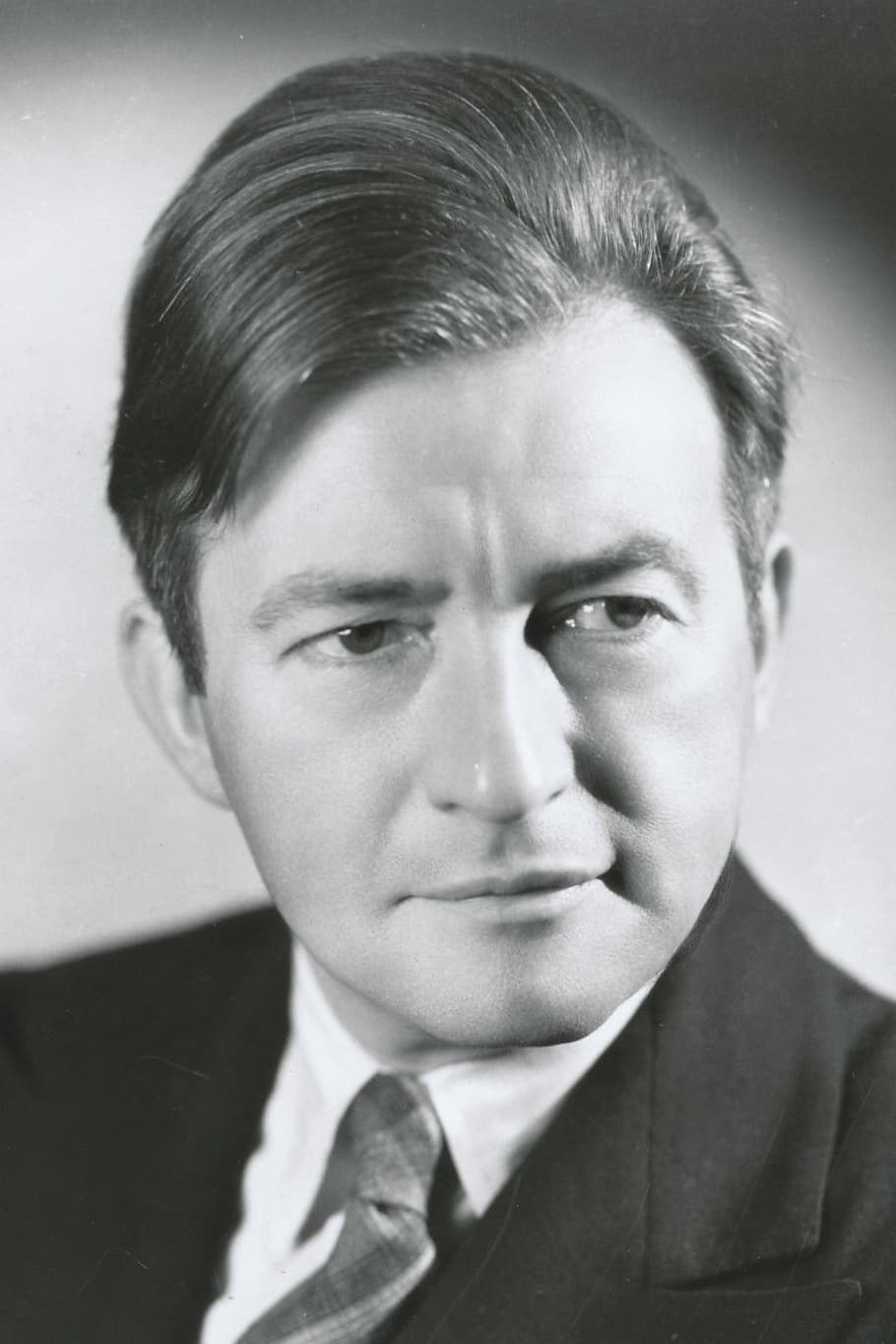
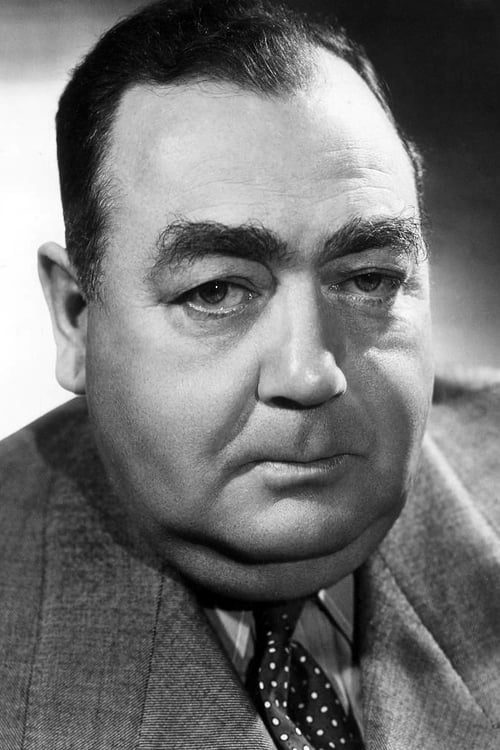
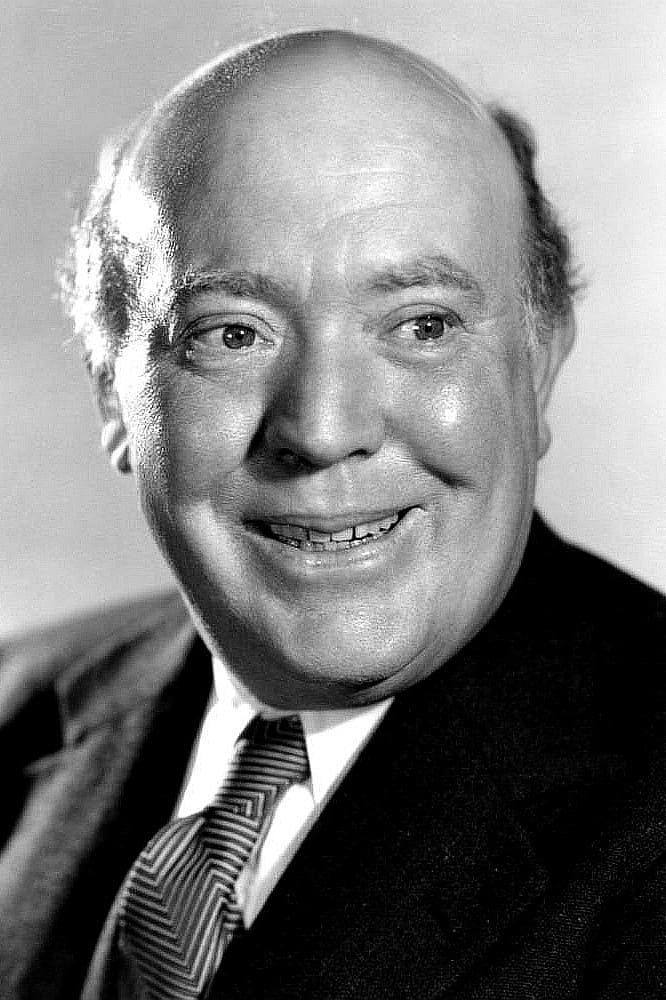
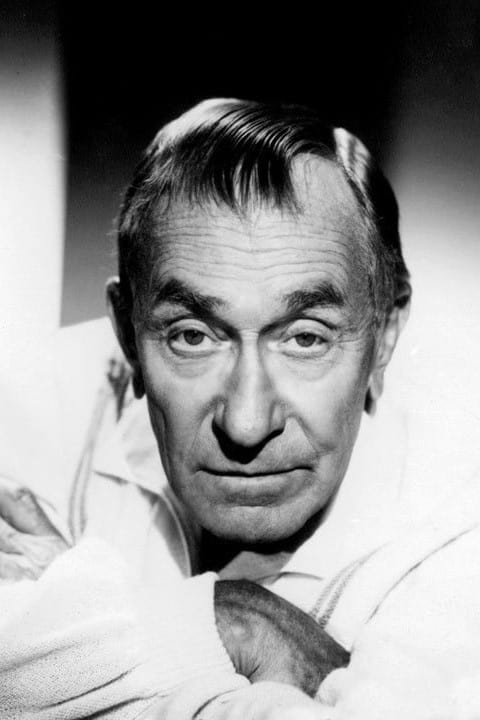
The scenes where James Stewart wanders around in amazement at the Washington monuments were "stolen", since the US Parks Service had denied the studio permission to film near them.
In 1942, when a ban on American films was imposed in German-occupied France, the title theaters chose Mr. Smith Goes to Washington (1939) for their last movie before the ban went into effect. One Paris theater reportedly screened the film nonstop for 30 days prior to the ban.
Bitterly denounced by Washington insiders angry at its allegations of corruption, yet banned by fascist states in Europe who were afraid it showed that democracy works.
According to the New York Times, "the Boy Scouts of America objected to having any part in Mr. Capra's reform movement," and Frank Capra therefore had to use the fictitious name of the Boy Rangers.
In his autobiography, Frank Capra states that after the film's general release, he and Harry Cohn received a cablegram from U.S. Ambassador to Great Britain Joseph P. Kennedy saying that he felt the film would damage "America's prestige in Europe" and should therefore be withdrawn from European distribution. In response, they mailed favorable reviews of the film to Kennedy, which persuaded him not pursue the matter any further, even though he still maintained his doubts.
Continuity
(at around 45 mins) Smith and Susan Paine have a conversation wherein Smith's hat, held in his hand, is the camera's sole focus for about 30 seconds - at the expense of the characters conversing. And yet when Smith leaves the room, he is without hat, and the hat is nowhere to be seen.
(at around 9 mins) When the governor enters the Smiths' home (with the band playing), from the inside Ma is seen closing the door almost shut. When the scene shifts to outside the house, Ma is again closing the same door.
When the filibuster begins and up to the end of the film, Saunders has painted fingernails. In the two scenes during that period in which she is speaking with Jefferson Smith's mother on the phone her nails are not painted.
On the train to Washington when Smith and Senator Paine are talking about Smith's father, the scene begins with a long shot, and McGann can be seen sitting in a chair between them reading a newspaper. The camera then cuts to a closer shot, and the chair McGann was sitting in is now empty.
Factual errors
Under the Standing Rules of the Senate governing debate, Senator Paine would not technically have been allowed to attack Senator Smith's character and accuse him of graft. The rule states: "No Senator in debate shall, directly or indirectly, by any form of words impute to another Senator or to other Senators any conduct or motive unworthy or unbecoming a Senator."
The President of the Senate repeatedly recognizes Jeff Smith on the floor of the Senate as "Mr. Smith". Senators are not recognized by name but as junior or senior senator from the state they represent.
(at around 21 mins) In the montage as Jeff Smith wanders off after arriving in Washington, the Declaration of Independence at the National Archives is seen, and then supposedly a close-up of the document - only the "S"s are written in modern style script and don't look like "F"s in the original document.
On the Senate floor, Mr. Smith says the "Lady on top of the Capitol that stands for liberty." The statue on top of the US Capitol building since 1863 is the Statue of Freedom, also known as Armed Freedom or simply Freedom rather than Liberty.
Susan Payne should be spelled "Susan Paine".
Revealing mistakes
During the Hopper family dinner, the blonde Hopper boy can be seen mouthing the other boys' lines of the script.
(at around 18 mins) When Smith arrives in Washington on the train, he's seen walking towards the exit with a porter behind him carrying his bags. The next shot shows the same porter coming into the station carrying someone else's bags.
Reflections from studio lights show that the lenses in Senator Paine's (Claude Rains) eyeglasses are non-corrective flat glass.
Errors in geography
(at around 30 mins) Twice, Saunders says that Jefferson Smith is going to go "up" to Mt. Vernon, the home of George Washington. Mt. Vernon is approximately 15 miles south of the Capitol in Washington right on the Potomac River, downstream from Washington. Therefore, it is not "up" in a north-south sense nor in the sense of elevation. The script should have had Saunders saying that Smith was going "down" to Mt. Vernon, which is how anyone living or working in Washington would have put it.
Plot holes
If Mr. Smith was corrupt and had, in fact, bought land he planned to use for his boys' camp, he would not object to the Willet Creek Dam projects, since he might actually make more money if the land was bought by the government for a dam rather than a boys' camp. He would just be quiet and collect his money.
Senator Paine's and Taylor's scheme is to profit from the sale of land which they bought and will sell using phony names to the government, in order that a dam will be built on this land. However, in order to frame Senator Smith, they transfer ownership of the land to Smith alone, something that is even established in the committee hearing with 'verified' signatures, leaving no doubt that Smith owns the land. Thus, if the bill passed (which it was very likely to do), Paine and Taylor would have great difficulty profiting from the sale of land which they no longer 'own', and all the time and effort put into it, plus any money used to buy the land would all go to waste.
Character error
(at around 17 mins) At the train station, Jeff Smith is approached by Susan Payne and three other women. They ask for a dollar contribution each for the Milk Fund. Jeff Smith says "five dollars". It should only be four dollars. Soon after, reporters ask him about the women in Washington. He responds that four came up to him at the train depot.