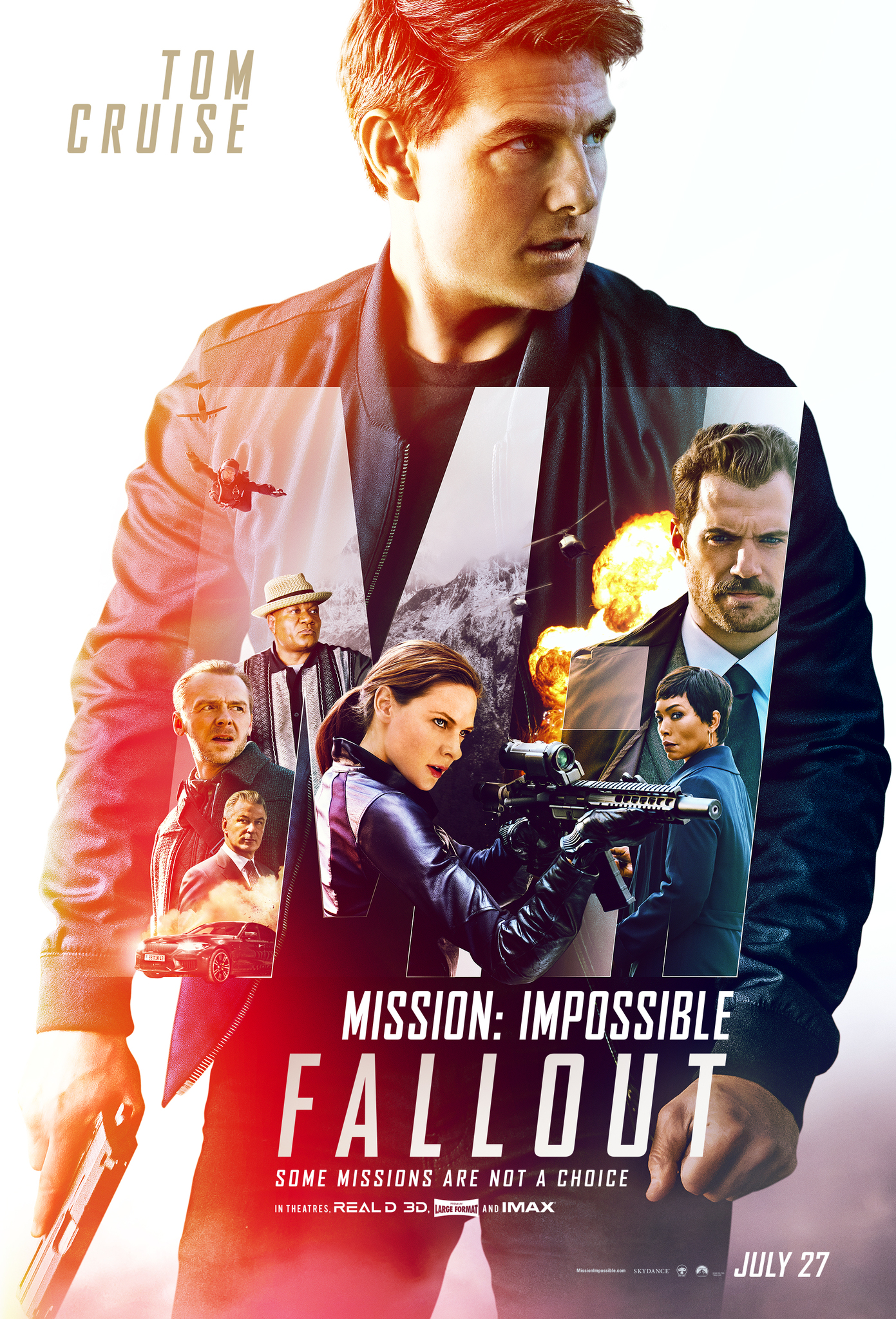
Mission Impossible Fallout (2018)

Two years after Ethan Hunt had successfully captured Solomon Lane, the remnants of the Syndicate have reformed into another organization called the Apostles. Under the leadership of a mysterious fundamentalist known only as John Lark, the organization is planning on acquiring three plutonium cores. Ethan and his team are sent to Berlin to intercept them, but the mission fails when Ethan saves Luther and the Apostles escape with the plutonium. With CIA agent August Walker joining the team, Ethan and his allies must now find the plutonium cores before it's too late.
Some missions are not a choice.
Ethan Hunt: What's done is done when we say it's done.
Preacher's Pulpit, Forsand, Norway
(Helicopter crash scene)
Queenstown, New Zealand
St Paul's Cathedral, St Paul's Churchyard, City of London, England, UK
(Church chase sequence)
Palais-Royal, Paris, France
(Ethan meeting Ilsa)
New Zealand
(Helicopter chase scenes and Kashmir valley village)
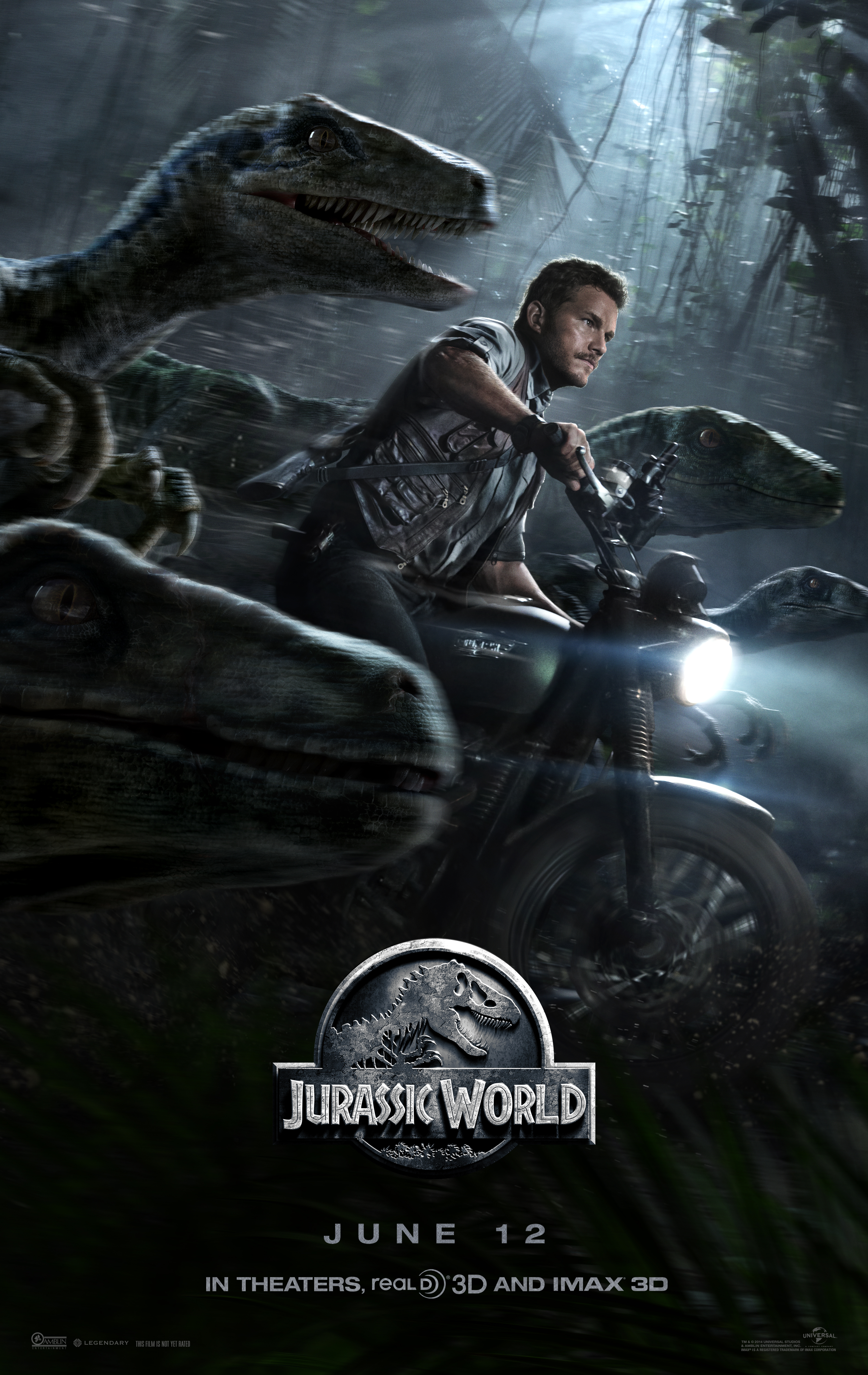
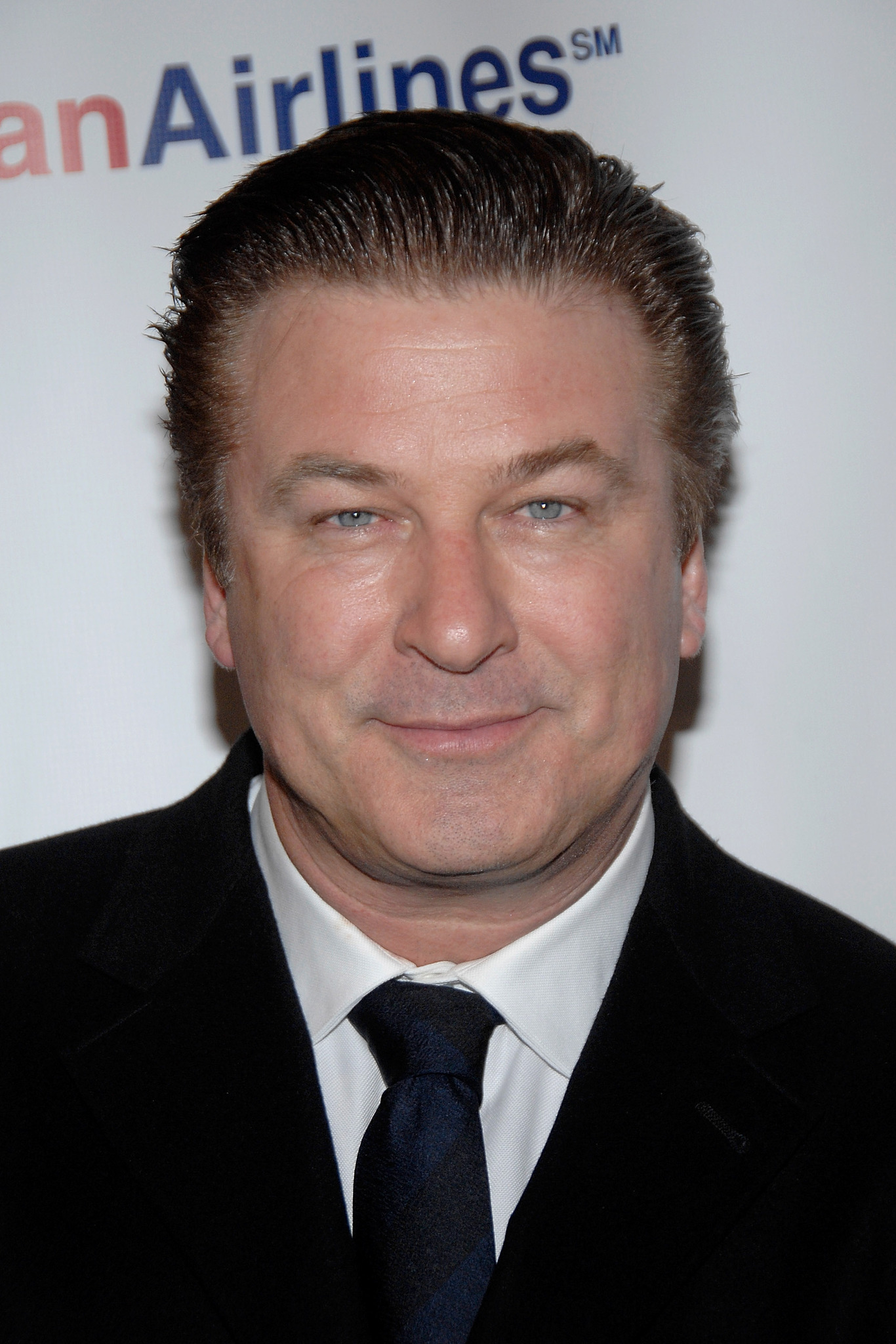
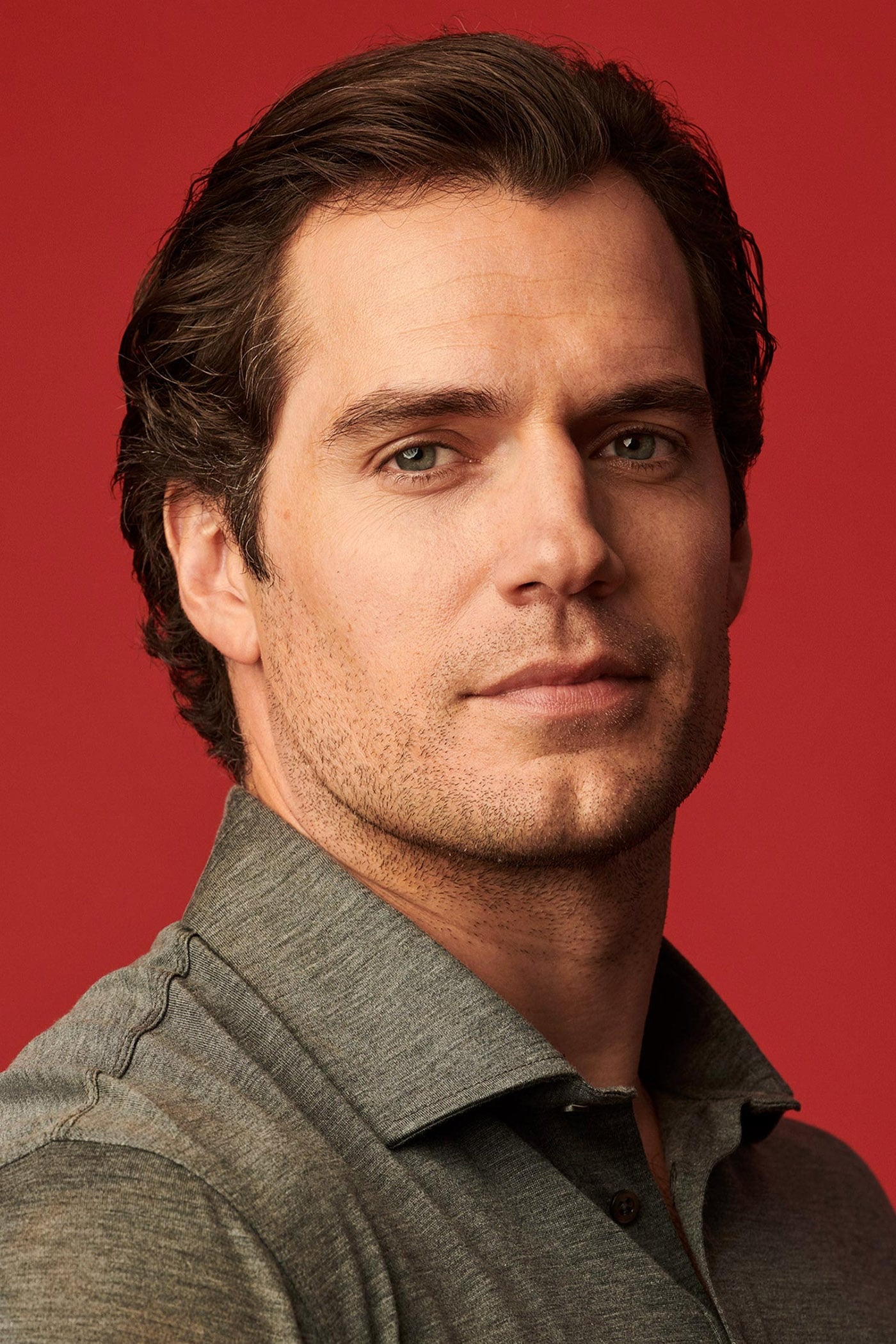

Tom Cruise trained for an entire year to perform the HALO (High Altitude Low Opening) stunt in this film.
The HALO skydiving sequence (distance of 7 km / 25000 feet, traveling speed of 265 - 320 km/h) was the last sequence filmed during production, but it was the first stunt designed and required a full year of planning out. The crew had only a limited time window of three minutes a day during sunset to film a jump. Because of strict air aviation regulations in France, it could only be shot in the Emirates. It took Tom Cruise, Henry Cavill, the skydiving camera operator Craig O'Brien (who was instructed to keep a distance of three feet from Cruise while filming) and others involved a total of 106 jumps to get three possible takes. However, to rehearse the sequence, the crew built a custom oxygen helmet with RAF assistance that can be lit up to see a face, and then also built one of the world's largest wind tunnels for practice. The practice doesn't end there - Cruise and the other persons involved did five skydives a day with one in the morning, three in the afternoon, and one at dusk. Some of the other cast members turned up to visit, with Simon Pegg saying that he and his co-stars thought multiple times that Cruise was seriously about to die: "It is a daily stress going to work with him, because you don't know if you are going to see him tomorrow."
The bathroom fight was meant to be shot in four days, but due to the complexity of the fight, it ended up being shot over several weeks.
Rescuing another person in free fall while skydiving is very difficult. Allan Hewitt says that "it takes Accelerated Free Fall instructors over 1,000 jumps to get it right and something like 70% of the people who try to qualify at the instructor level fail. Tom had just 100 jumps to perfect this."
While Tom Cruise (Ethan Hunt) is famously known for performing his own stunts throughout the films, he ups the ante in this installment by performing four elaborate set pieces (mostly without green screens or stunt doubles): a HALO jump, an unusually dangerous variety of High-Altitude Low Opening parachute jump, a helmet-free motorcycle chase through Paris, including a portion in which Hunt rides against traffic in the circle around the Arc de Triomphe, an extended foot chase across London rooftops, in which Cruise broke his ankle while jumping between two rooftops, and a helicopter chase in which Cruise does most of the piloting.
Continuity
The back door of the van operated by Hunt/Walker in Paris opens without reason and then closes on its own after spilling the White Widow's goons.
When the police get Lane out of the helicopter (in broad daylight) they have night vision goggles on their helmets. In the very next scene the goggles are gone.
Around 00:56:06, the truck's windshield has three bullet impacts. In the next shot, the impacts are gone.
During the chase in the small BMW, the position of the driver's seat headrest behind Ethan changes between shots.
When Walker goes through the door of the Tate Modern, the clock of St. Paul's in the background shows something around 3:15 pm, which is okay regarding the distance, because before, when Hunt climbed the roof of St. Paul's, the clock showed 3:04 pm. But when Hunt enters the door of the Tate Modern only a couple of seconds after Walker, the clock shows something around 3:50 pm.
Factual errors
While the specifications for the bomb were being revealed, an explosive yield of five megatons was mentioned. This would be impossible since a Plutonium core alone would only be capable of a fission reaction measured in kilotons of TNT. A second or even third stage involving a fusion reaction would be necessary to achieve an explosive yield in the multi-megaton range. This would require fuels such as lithium-6 deuteride and tritium and a much more complex design than what was shown in the movie.
Plutonium is very heavy, so assuming each ball of Plutonium is four inches in diameter, then each ball would weight about 25 lbs. Given that weight, it would be difficult to pick up one ball as easily as shown, or for the henchman to so easily move the suitcase holding all three balls.
Several people are tracked with microwave transmitters that are injected into their bodies. The problem is that microwaves (above 300 MHz) cannot penetrate human bodies because of their water content. Implantable RFID tags for the identification of animals, for example, use much lower frequencies (120 to 150 kHz).
When the bathroom fight is over, you can see both of them stepping in the blood puddle. That would've left bloody footprints all over the white tiles on the bathroom floor. Yet when they walk around there are no footprints anywhere. The blood on the floor was added in post-production so that the filmmakers wouldn't have to slow down filming if the blood went somewhere that it shouldn't.
When Hunt and Walker put on their pressure suits with helmets just before they jump off the plane, the helmets are illuminated from the inside. Nobody would actually do this, because the glare from the light inside the helmet would completely destroy visibility for the wearer.
Incorrectly regarded as goofs
"The C-17 Globemaster III at Ramstein Air Base shows Royal Air Force roundels on the fuselage." This is not a mistake. Even though the sequence was not filmed at Ramstein, it would not be out of place for a RAAF Globemaster III to be present at Ramstein. Fifty-five (55) Globemasters have been sold worldwide to several foreign countries, including the UK. They fly anywhere.
Revealing mistakes
The rescue helicopter at the end has Norwegian registry LN-XXX even though the setting is Kashmir.
During the bathroom fight scene, when Ethan Hunt collapses near the urinals, the step in front of him bends, revealing it is padding.
The C-17 Globemaster III at Ramstein Air Base shows Royal Air Force roundels on the fuselage.
While Hunt is visualizing the fight with the police, the police cars have Serbian license plates, but the fight is supposed to happen in Paris.
During the high-speed motorcycle chase Hunt is not wearing any eye protection. Once you go faster than approximately 25 mph the wind causes the eyes to tear up, making it impossible to see clearly. In order to get around this when filming, full-eye contact lenses are required.
Miscellaneous
During the Paris van chase the hero's van drives down a narrow road finally jamming itself between the buildings. Clearly seen on the right hand building is the top of the wood used to construct the fake walls to protect the real stonework.
Audio/visual unsynchronized
The BMW motorbikes in the motorbike chase scene have 2-cylinder boxer engines, but they sound like inline 4-cylinder engines. Also, Ilsa's motorbike (later in the chase where Ethan drives a BMW car) has a 2-cylinder inline engine, but produces the same 4-cylinder engine sound as the other bikes from earlier in the movie.
Crew or equipment visible
During the Paris van chase the hero's van drives down a narrow road finally jamming itself between the buildings. Clearly seen on the right-hand building is the top of the wood used to construct the fake walls to protect the real stonework.
During the van chase in Paris Cruise and Cavill drive a truck down narrow streets chased by the Police and eventually jam the vehicle between the buildings. You can see the fake walls build to protect the original building from damage.
Errors in geography
In the final helicopter chase scene, Hunt and Walker depart from a village in Kashmir and in a few minutes end up in Norwegian fjords (more than 5000 km away), clinging to the cliff of Preikestolen (Pulpit Rock), the iconic mountain plateau in Norway. The cliff is one of the country's most popular tourist attractions and has been named one of the world's most spectacular viewpoints by Lonely Planet, therefore can be easily recognized.
The number plate on the transit van used in London is an incorrect UK sequence. UK plates usually have two letters and two numbers followed by a space, and a final three letters.
At about 49 minutes into the movie, the helicopter carrying Lane is first seen flying eastward, above the Eiffel tower (west of Paris) then above the Tuileries Garden, but in the next shot it is flying westward above Notre-Dame, when it should have kept eastbound to reach Bercy.
On the CNN coverage of the supposed attacks on Jerusalem, Mecca and The Vatican, the map shows the three cities as if they are all sharing the same fictional island.
Character error
Walker blacks out after his oxygen system is disabled by a lightning strike at high altitude. By the time Hunt reaches him, they are at 15000 feet where the air is breathable. Hunt could have saved Walker by simply opening his helmet visor, rather than wasting precious time and altitude switching out Walker's oxygen supply for his own.
The concept of detonating nuclear bombs near a glacier in Kashmir is misconceived. Firstly, we are told that this would affect China's water supply. The main river in the region, the Indus, begins on the Tibetan plateau and flows into Kashmir. Radioactive contamination would not flow upstream into China. Secondly, the contaminated water would only represent a fraction of that flowing into the Indus River. The Shyok River could be dammed to prevent contamination of the Indus River if necessary. Thirdly, it's quite likely that bombing the area would have very little impact, so it's unlikely to be chosen as a target.
Henry Cavil?s British Accent Slips for a Moment When He Is Yelling At "Lane" For Wasting Time.