
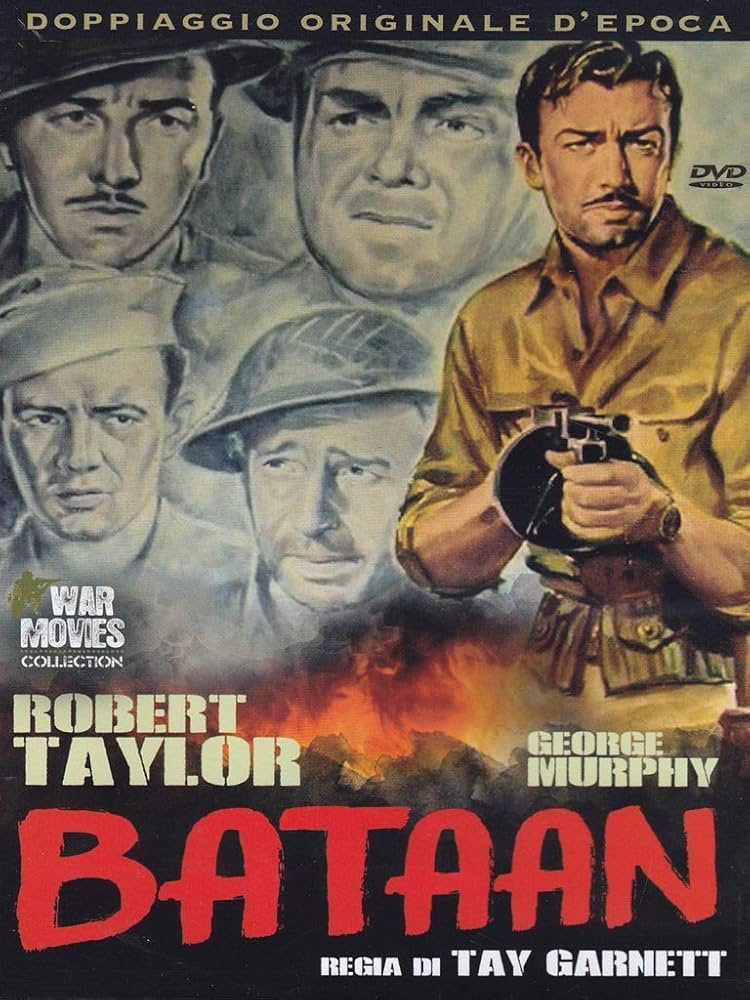
Bataan (1943)

Japan has just invaded the Phillipines and the US Army attempts a desperate defence. Thirteen men are chosen to blow up a bridge on the Bataan peninsula and keep the Japanese from rebuilding it.
Outnumbered! Outgunned!...but NEVER Outfought!
Sergeant Bill Dane: It don't matter where a man dies - as long as he dies for freedom.
Hollywood, California, USA
Metro-Goldwyn-Mayer Studios - 10202 W. Washington Blvd., Culver City, California, USA
(Studio)
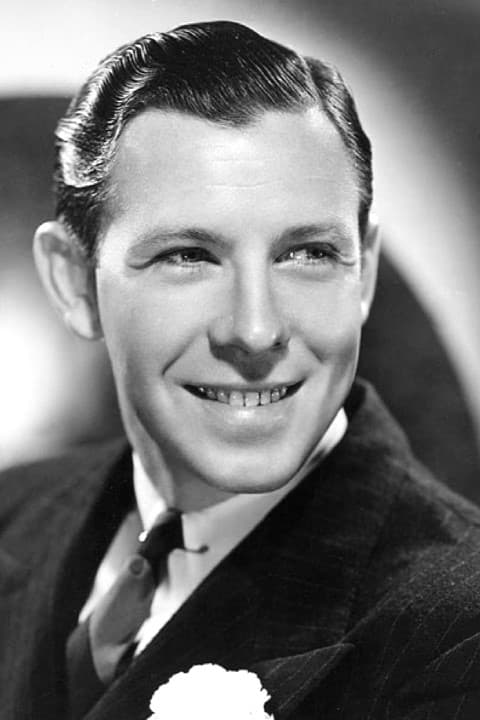
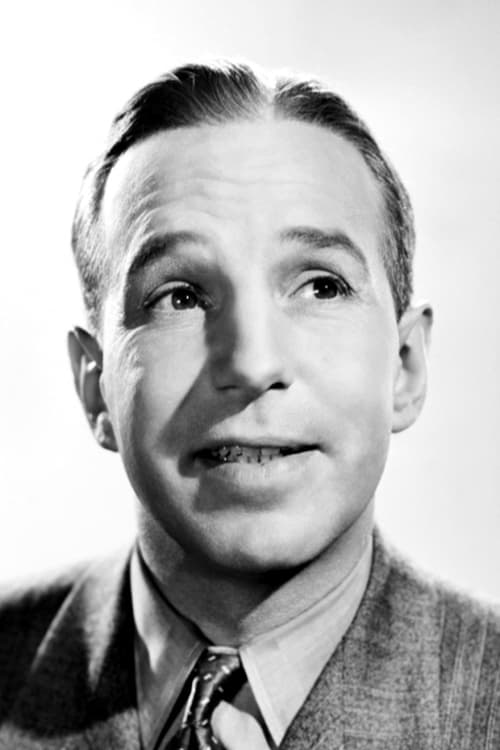
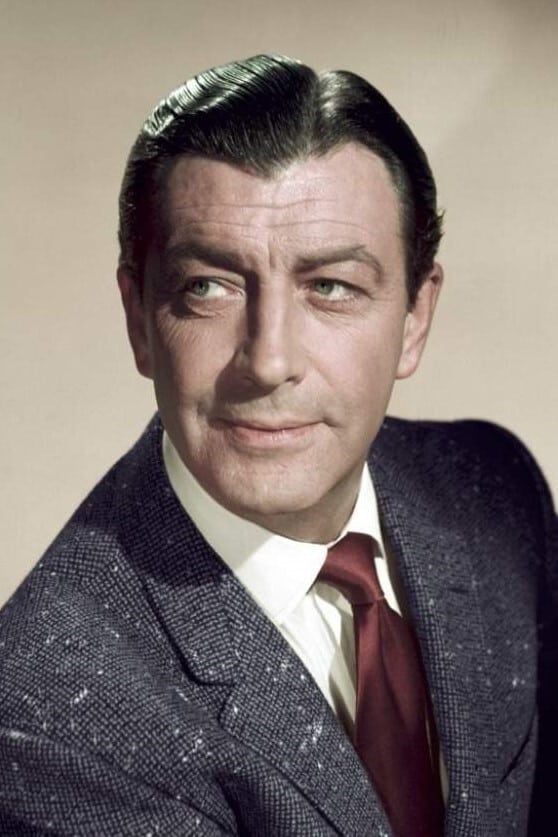
Prologue: "When Japan struck, our desperate need was time--time to Marshall our new armies. Ninety-six priceless days were bought for us--with their lives--by the defenders of Bataan, the Philippine army which formed the bulk of MacArthur's infantry fighting shoulder to shoulder with Americans. To those immortal dead, who heroically stayed stayed the wave of barbaric conquest, this picture is reverently dedicated."
This is one of few contemporary World War II films to feature an American soldier who was an African-American, played by Kenneth Spencer. As such, the movie was not shown in parts of the American South. The book "The Films of World War II" notes that producer Dore Schary said that letters of complaint were received by the studio.
The film was criticized for being too studio-bound.
The NAACP applauded the film and gave MGM two awards for presenting an African-American in an intelligent and sympathetic manner. Producer Dore Schary deliberately did not tell writer Robert Hardy Andrews he was planning to cast an African-American as one of the soldiers, in order to avoid any racial speeches in the script.
This is one of a handful of feature films that have featured the story of the World War II Battle of Bataan. They include So Proudly We Hail! (1943); They Were Expendable (1945); Back to Bataan (1945) and Cry 'Havoc' (1943).
Continuity
The position of Dane, Feingold and Matkowski changes when they first report to Lassiter.
A soldier on a stretcher refuses to give up his weapon. His hands change position between shots.
When the sick soldier runs toward the bridge to throw grenades, his position changes between shots.
Factual errors
Hand grenades are anti-personnel weapons. The have a kill radius of about 15 yards against soft targets (men, tents, etc.). They could never bring down a bridge, even when several are thrown. Hand grenades were not used to bring down the bridge. Clearly shown that explosives were used. Hand grenades were used as the Japanese attempted to rebuild the bridge.
During the battle one of the characters talks about getting to Corregidor. At the time of this movie (late December 1941 or early January 1942), the Army's strategy was to retreat into Bataan and then hold out until the US Navy relieved the Philippines. Retreat to Corregidor was not something that the troops were thinking of at that time. The battle was still "winnable."
One of the characters makes fun of the people back in the States having to endure the "hardships" of rationing. This movie takes place in late December 1941 or early January 1942. Rationing of items did not start until later in 1942 or even May 1943, in the case of sugar.
When Sgt Dane fires his 45 automatic pistol, the slide does not recoil to eject the spent cartridge case and reload the next round.
Purckett's (Robert Walker) actions to clear the jam/misfire during the final assault by the Japanese are completely useless, while they can be written off as being due to his being a sailor. But especially his shaking of the weapon was not going to do anything.
Revealing mistakes
Although the American soldier was clearly a great coconut tree climber, it is near to impossible to sit atop a coconut tree. Many Filipinos to this day fall when attempting this.
The first grave is suspiciously deep and square, within a few minutes of the commencement of digging.
Miscellaneous
The Japanese attacks were unrealistic. At this stage of the war frontal assaults or banzai (suicide) attacks were not part of Japanese Army tactics. Also, individual Japanese soldiers rushing the American lines one after another and getting mowed down in the process was strictly Hollywood. Also, the Americans unnecessarily exposed themselves to enemy fire, with tragic results; at least three were shot by snipers during the many lulls in the battle.
A scream after a head shot during a fall is highly unlikely. Especially since the old World War I style helmets gave almost no protection from projectiles.
As in many Hollywood movies, salutes are rendered improperly. The subordinate salutes first and holds it until the superior returns the salute. Also, deep into the battle, with casualties/deaths mounting, the Americans are still addressing each other as "lieutenant," "sergeant," "corporal," etc. By that time all formalities would have been dropped.
Anachronisms
The airplane shown crashing into the bridge is a Stagger Wing Beechcraft UC-43. This plane was not purchased by the Army until after the fall of Bataan.
Plot holes
When the Americans were first positioned, their duty was to blow up the bridge and then make sure that the Japanese didn't rebuild it. The American site of operations should have had a clear view of the bridge and the approaching Japanese, which was the intent of the Captain before he was killed.. For some reason, however, the Americans chose a poor position for their base and the bridge was not easily observed, and the Japanese were able to cross the chasm and attack through the jungle with impunity.