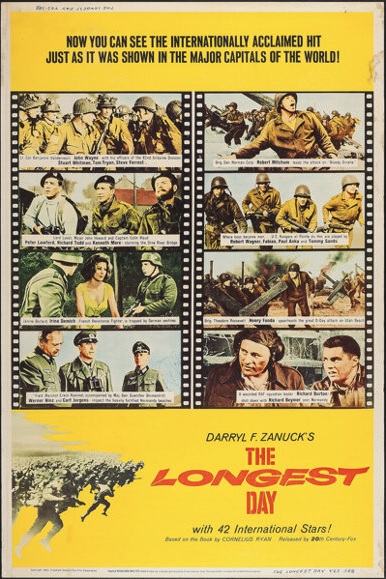
The Longest Day (1962)

In 1944, the U.S. Army and Allied forces plan a huge invasion landing in Normandy, France. Despite bad weather, General Dwight D. Eisenhower gives the okay and the Allies land at Normandy. General Norma Cota travels with his men onto Omaha Beach. With much effort, and lost life, they get off the beach, traveling deep into French territory. The German military, due to arrogance, ignorance and a sleeping Adolf Hitler, delay their response to the Allied landing, with crippling results.
This is the day that changed the world... When history held its breath.
Maj. Werner Pluskat: [on the phone again] You know those five thousand ships you say the Allies haven't got? Well, they've got them!
Sainte-M?re-Eglise, Manche, France
(parachutists landing in the village)
Pointe du Hoc, Cricqueville-en-Bessin, Calvados, France
(on location, landing below cliffs)
Ch?teau de Chantilly, Chantilly, Oise, France
(Kommandantur scenes)
Ile de R?, Charente-Maritime, France
(as Omaha beach)
B?nouville, Calvados, France
(Pegasus bridge scene)

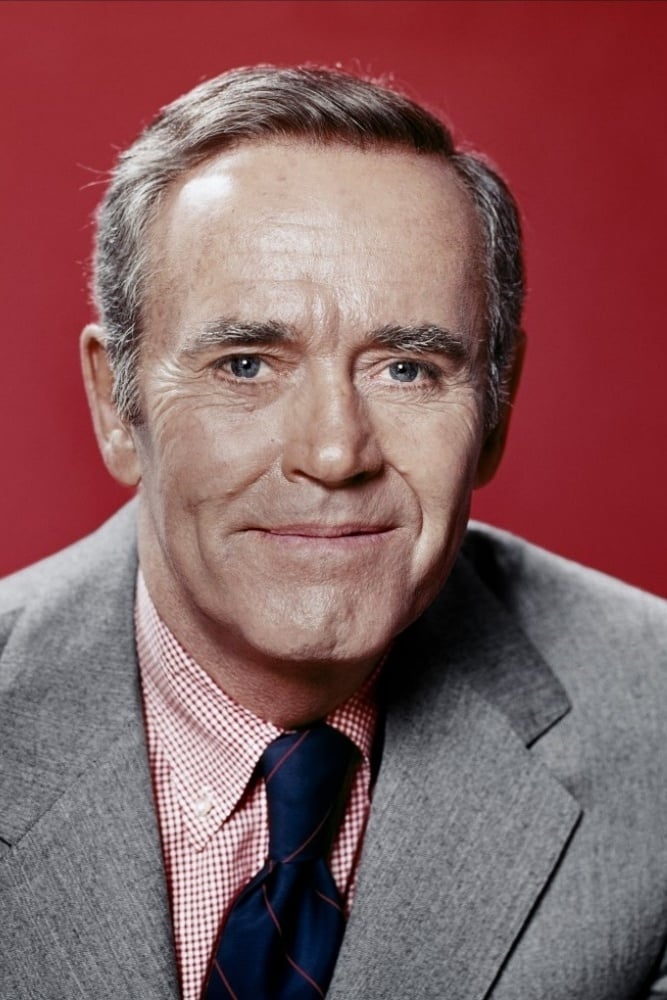
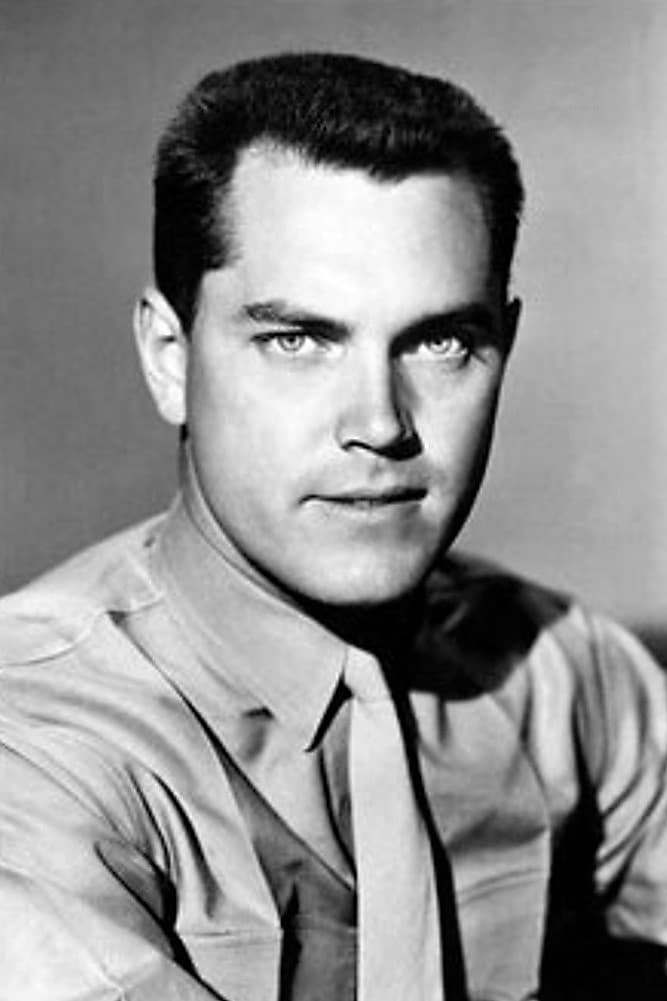
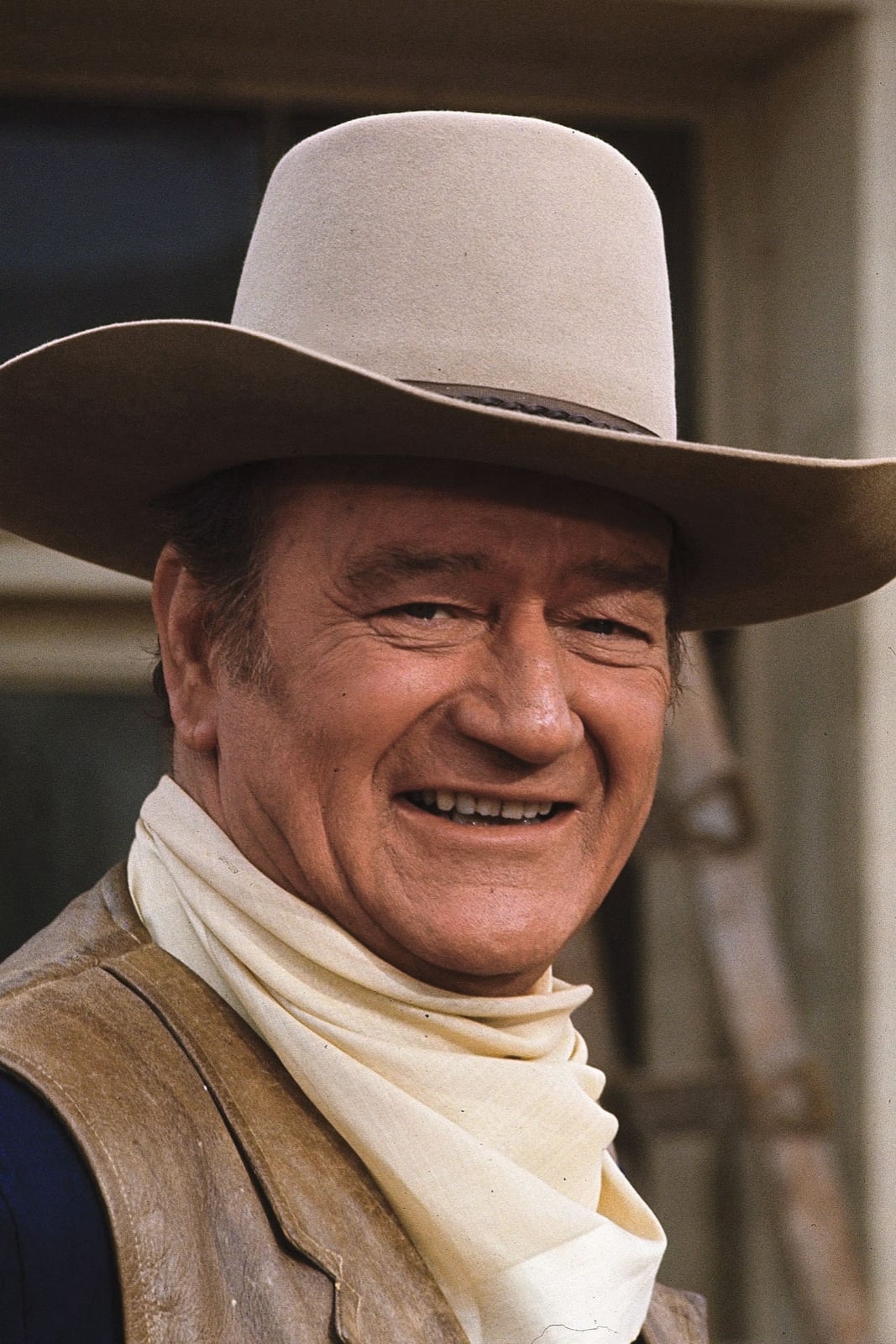
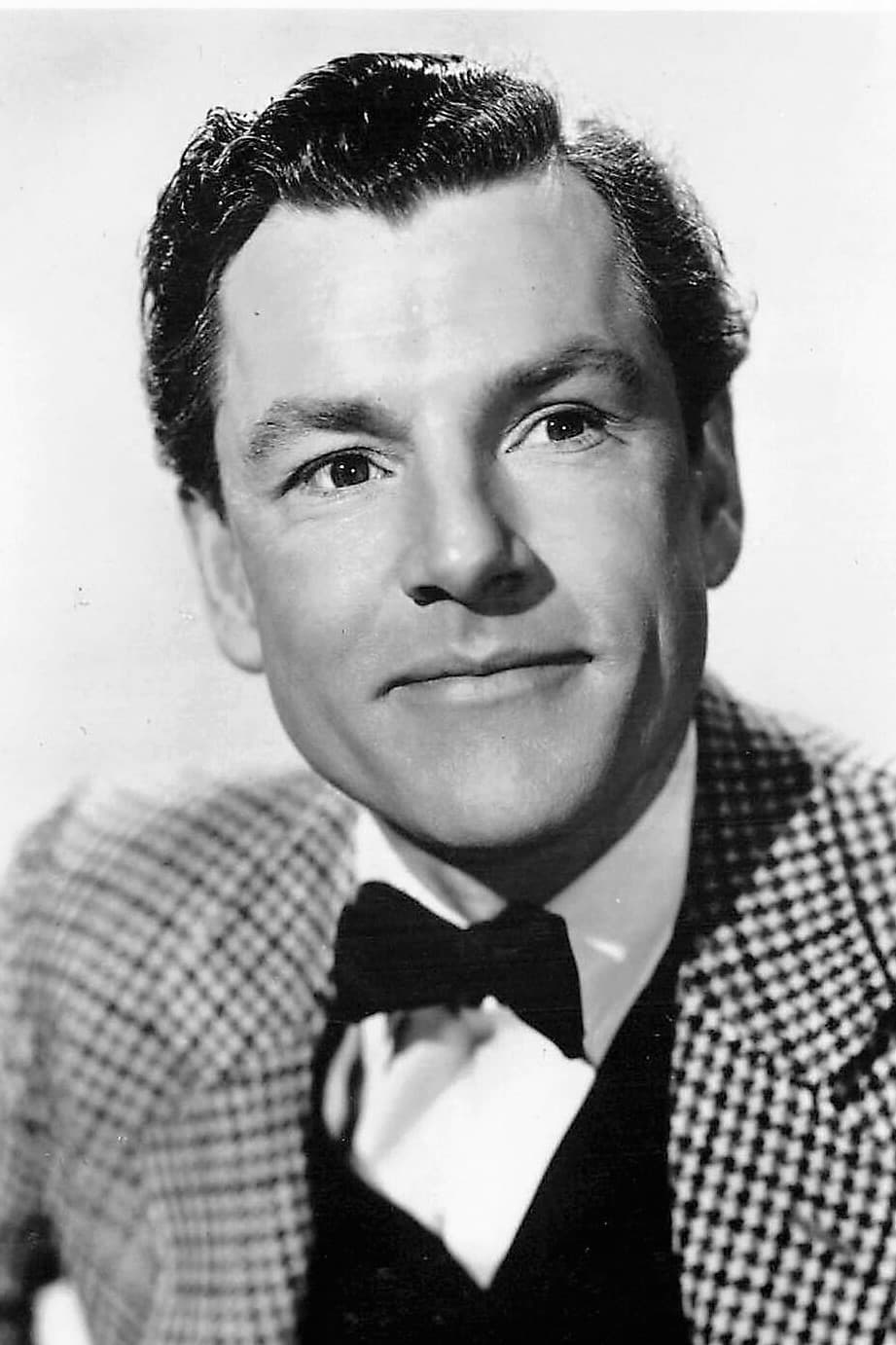
While clearing a section of the Normandy beach near Pointe du Hoc, the crew unearthed a tank that had been buried in the sand since the original invasion. Mechanics cleaned it off, fixed it up and it was used in the movie as part of the British tank regiment.
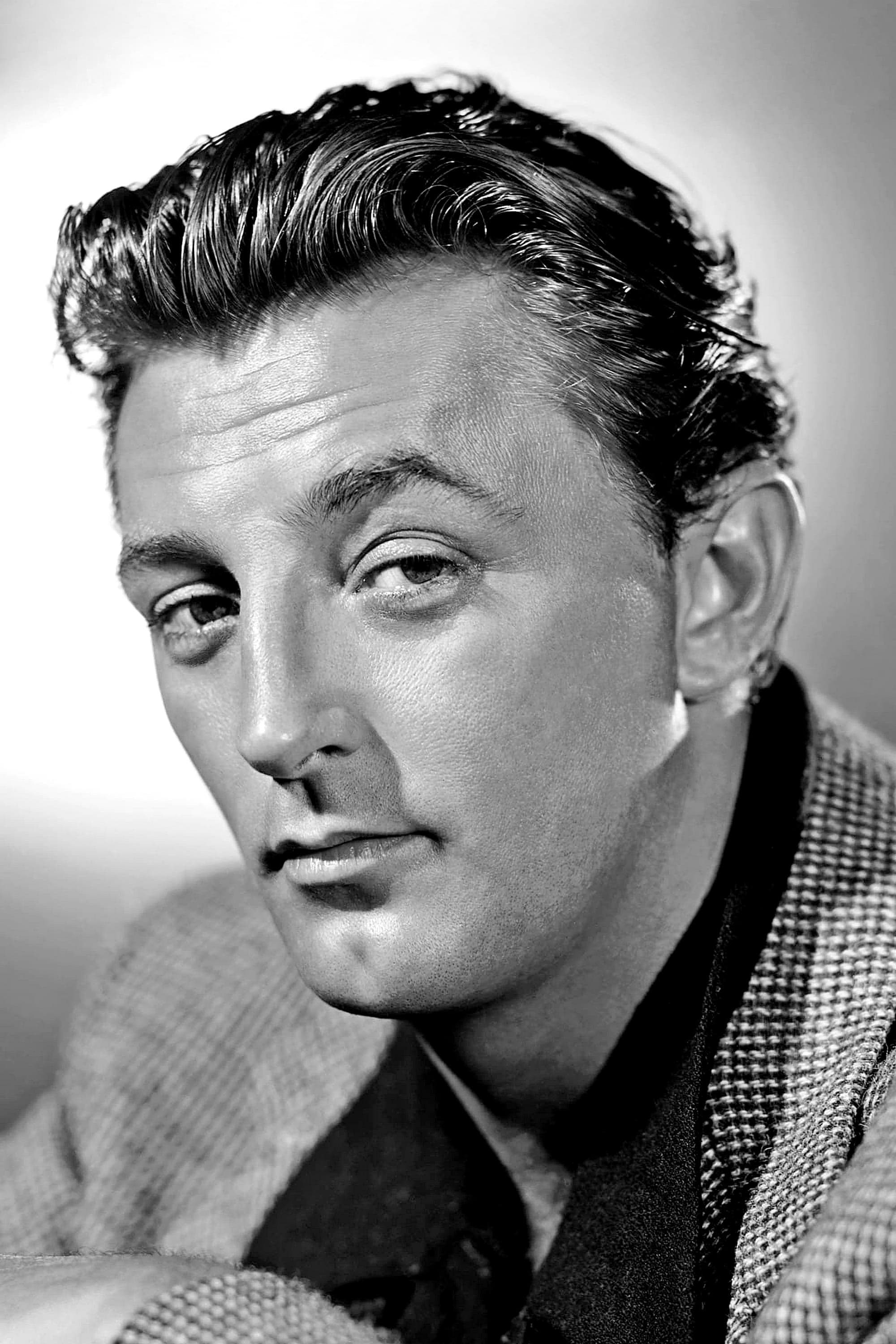
During the filming of the landings at Omaha Beach, the extras appearing as American soldiers didn't want to jump off the landing craft into the water because they thought it would be too cold. Robert Mitchum (Gen. Norm Cota) was so disgusted with them that he jumped in first, at which point, the soldiers had no choice but to follow his example.
Henry Grace was not an actor when cast as Dwight D. Eisenhower, but his remarkable resemblance to Eisenhower got him the role.
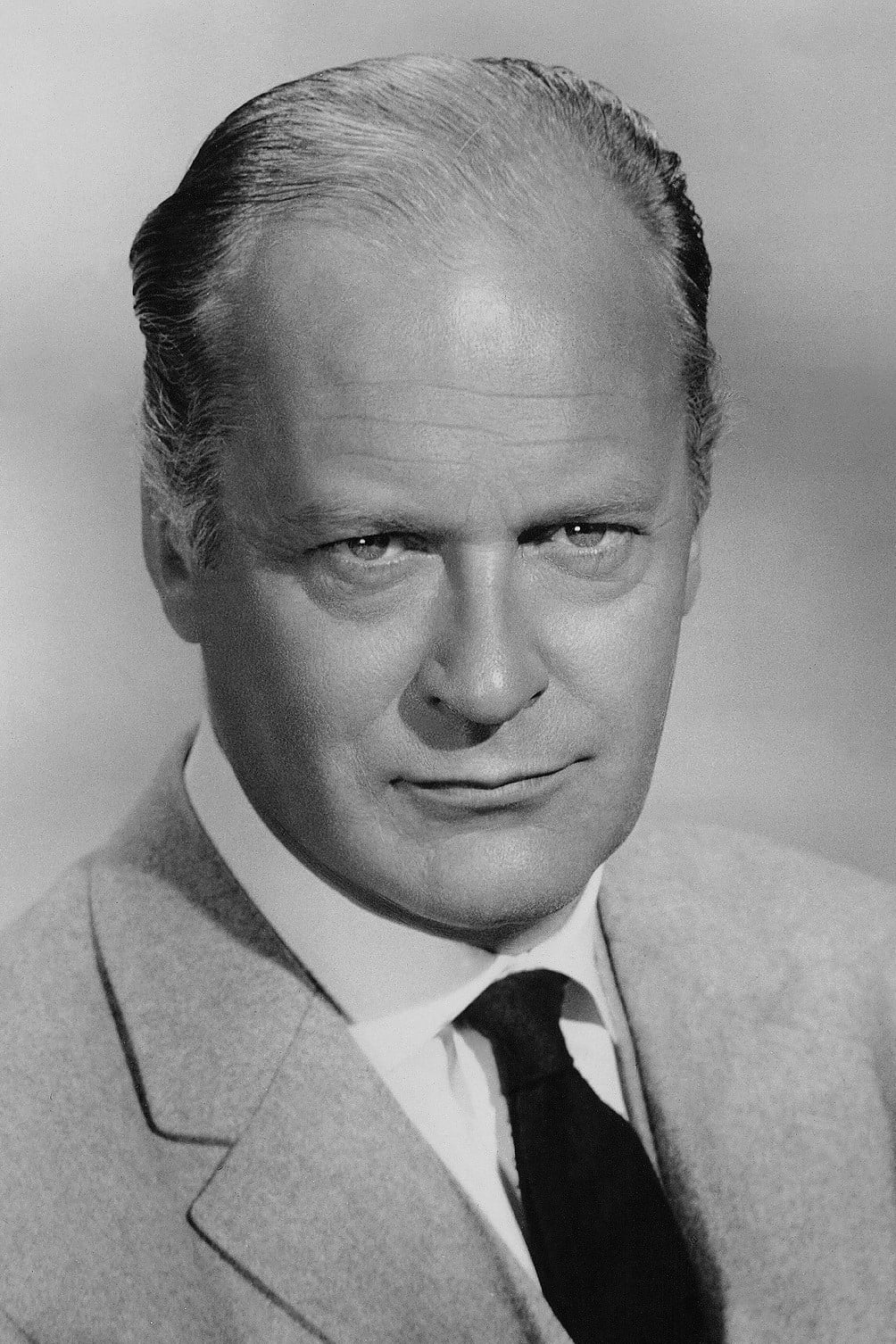
Curd J?rgens played General Blumentritt. In 1944, J?rgens had been sent to an internment camp in Hungary as a "political unreliable".
An estimated 23,000 troops were supplied by the US, Britain and France for filming (Germans only appeared as officers in speaking roles). The French contributed 1000 commandos, despite their involvement in the Algerian War at the time.
Continuity
When Sal Mineo is shot dead by a German soldier, we hear two shots, but we only hear the bolt-action rifle cycled once.
Early on, four German officers are talking with the coastline as a backdrop. Field Marshal Rommel moves from right to left on the screen and when he is halfway across he disappears (though he is still talking and can be heard). The ocean in the background repeats itself in the first second.
During the British glider assault on the bridge, the same glider lands three times.
In the scene where Brig. Gen. Teddy Roosevelt, Jr. (Henry Fonda) lands at Utah Beach he can be clearly seen completely falling in the water as he steps of the landing craft (look for Fonda holding the walking stick), and with clothes completely soaked running up the beach. As the scene continues he crouches behind a beach obstacle with other officers. As the scene cuts to a close-up, his clothing is suddenly dry.
When the French first attack the casino there is barbed wire, but when they run from the hotel to the casino there is none.
Factual errors
The American paratroopers are incorrectly shown jumping with a jumpmaster standing in the plane and commanding them to "Go!" "Go!" one at a time. On D-Day, as on all combat jumps, the jumpmaster was always first out the door, with the rest of the paratroopers following immediately behind him, exiting the plane as fast as they could in order to land as close together as possible.
A compound fracture of the ankle indicates blood and/or protruding bones, of which Vandervoort's ankle had none. It also would have been impossible to put any weight on the ankle.
In the film, the helmets worn by the 2nd Rangers at Pointe-du-Hoc have no markings. In reality, Ranger helmets had an orange diamond on the back, with a number indicating battalion.
The "Rupert" paratrooper dummies dropped on D-Day were not the highly elaborate and lifelike rubber dummies shown in the film. The actual dummies were fabricated from sackcloth or burlap stuffed with straw or sand and were only crude representations of a human figure. They only appeared human from a distance during the descent and were equipped with an explosive charge that burned away the cloth after landing to prevent the immediate discovery of their true nature. A total of 500 dummies, accompanied by a handful of SAS troopers, were dropped at four locations. The SAS played recordings of battle noise, set off smoke grenades and used their weapons to further enhance the deception. The whole operation was code-named Operation Titanic.
According to Cornelius Ryan's book, far from being deafened by the church bell, John Steele said that he didn't notice it.
Revealing mistakes
When the two men are on the rocking boat in the beginning, the straps on their helmets remain at a 90-degree angle to the car they're sitting in despite the boat's drastic rocking back on forth, showing that it was the camera, not the boat, wobbling.
After Sgt John Fuller (Jeffrey Hunter) plants the two Bangalore torpedo tubes in the sand beneath coils of barbed wire, he picks up the detonator wire reel and retreats to safety to connect the wire to the detonator switch. As he retreats, tension on the wire pulls the torpedo tube on the left apart, rendering it ineffective. No one notices, and the detonation of both torpedoes proceeds successfully.
After the invasion begins, exterior close-up shots of an airplane dropping a canister shows it covered with water droplets. However, the water droplets are stationary. Had it been an actual aircraft in flight, the wind would be pushing the water backwards.
After scaling the cliffs, three soldiers run past a German who throws a grenade. The grenade explodes at one soldier's feet, but he continues running as if nothing happened.
When Lt. Col. Vandervoort uses his flashlight to illuminate his map (while having his broken ankle taped), the flashlight illuminates the map but displays a flashlight-shaped shadow in the center of the map (indicating the stage light used to "really" illuminate the map).
Miscellaneous
As the Generals talk about the go-ahead for the invasion, the sound of a jet engine can be clearly heard In the background.
When John Wayne is getting his broken ankle fixed, he checks his map with a flashlight. You can see that the flashlight is not working, and is causing a dark shadow, and the light is actually coming from over his right shoulder.
The Beachmaster on Sword Beach, Commander Colin Maude, is shown wearing the rank insignia of a Captain, Royal Navy, four rings on his epaulette, instead of three rings, the correct insignia for a Commander.
Typo in the German caption for General von Salmuth (Gert Fr?be) at 44:07. The caption reads, "BEFEHISHABER DER 15. ARMEE", but should be "BEFEHLSHABER DER 15. ARMEE".
Just after the bridge was initially taken (approx 55mins) The scene changes to German officers. The English Subtitle is mis-spelt 'Genearl' Max Pemsel rather than 'General'
Anachronisms
German Gen. Max Pemsel says, "Wir haben starke RADAR-st?rungen" ("We have strong radar interference"). The word "radar" was not used--perhaps even not known-- in Germany in 1944. They used a somewhat similar system, but called it "Funkme?ger?te" (radio measuring equipment).
When German Maj. Werner Pluskat is in his bunker looking out to sea to try to spot the invasion forces, he is looking through an observation slit with his binoculars. The binoculars are clearly marked front and center "Made in Germany." In English.
The first time we encounter Field Marshal Erwin Rommel (Werner Hinz) he is at the French coast line, talking about how calm and peaceful the sea, between England and the continent, looks. The horizon shows the sea, and as he walk to the center of the screen, he suddenly disappears. Five seconds later he pops back up in the same spot he disappear from.
When the ships are about to begin bombarding the beaches you see a group of planes fly by the camera. These are Douglas Sky Raiders, which did not see service until the late 1940s.
Gen. Gavin is wearing a Senior Parachutist badge in 1944.The Parachutist Badge was formally approved on 10 March 1941. The senior and master parachutists badges were authorized by Headquarters, Department of the Army, in 1949 and were announced by Change 4, Army Regulation 600-70, dated 24 January 1950.
Audio/visual unsynchronized
When FO David Campbell is sitting, drinking a beer, we see someone standing and playing the piano in the background. The music heard is a slow rendition of the main theme of the movie, but the player is playing several notes with his right hand in the time only one note is heard in the soundtrack.
When the troops are crossing the channel, a harmonica player is playing the movie theme, but when the tune changes keys the player does not change harmonicas as would be necessary since the instrument has only one tuning.
When Lovat"s commandos land, the piper is playing "Black Bear"; however, when we see the piper he is still trying to inflate the bagpipe using one hand.
Crew or equipment visible
During the shelling at the beginning of the invasion the French farmer's mirror breaks and its position shifts. In doing so a stage light is clearly seen.
After Gen. Cota (Robert Mitchum) yells "Get off the beach! Let's go!" and leads the soldiers up Omaha Beach, the shadow of the camera can be seen in the foreground.
In the opening scene where they are chasing the man down, you can clearly see the tire tracks being made from the camera vehicle.
Errors in geography
During the final scenes of the movie, when an American general is taken up "Omaha" Beach, it's actually Juno Beach, where the Canadians landed.
Character error
When we first see Gen. Norman Cota (Robert Mitchum), he is talking to a subordinate who is holding a Mae West-type life vest, which covers the chest and goes around the neck, and a life belt. Cota recommends the life belt, making a motion around his waist, while saying it's better because it leaves the arms and shoulders unencumbered. However, it was known at that time that the way he was demonstrating how to wear a life belt was incorrect. On April 28, 1944, during a D-Day rehearsal (Exercise Tiger), German E-boats attacked a troop convoy and sank several transports, killing nearly 1000 men. Many of them men because they were wearing life belts in exactly the manner shown in the movie--around the waist. Wearing a life belt as shown caused the wearer, burdened with heavy gear, to flip on his face and drown. The proper way to wear the life belt was up high, under the armpits. The real Gen. Cota was involved in learning what went wrong in Exercise Tiger and making sure it didn't happen again during the D-Day landings. He would never have recommended that life belts be worn the way they were portrayed in the movie.
Josef "Pips" Priller did all of his service on the Western Front, and as of 6/5/44 his score stood at 96 planes, not the 132 mentioned in the film.
When the train whistles leaving the station and the sentry realizes he must warn the train, he grabs a lantern and runs toward the approaching train shouting, "Stop! Stop! Stop!"; he obviously would have been shouting, "Halt!" It is also played as a background sound when the scene shifts back to the Americans helping to place the explosives under the tracks with the other French Partisan and alerts the second German guard. (Although, according to certain 'translation programs', 'Stopp!' is the 'English to German' translation of 'Stop'.) In fact "Stop" is understood and used in many European languages.