
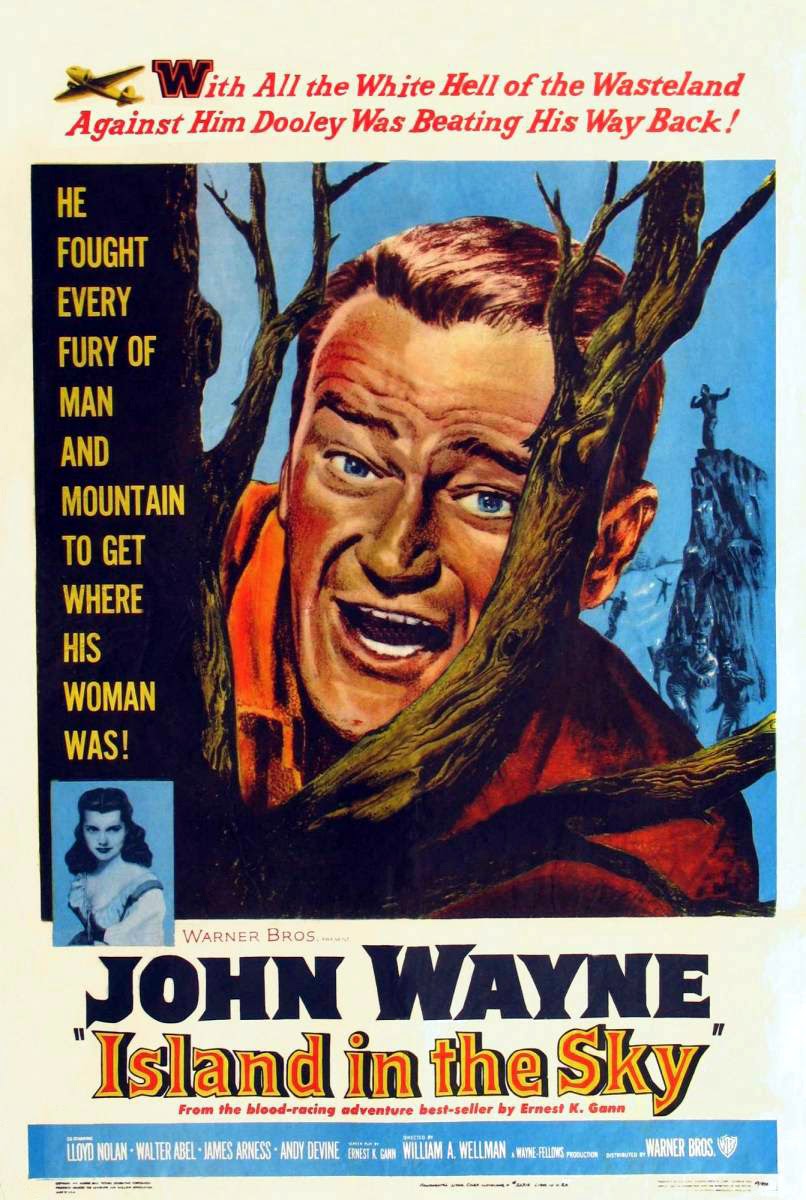
Island In The Sky (1953)

Pilot John Dooley and his crew of four are flying an Air Force mission in a Douglas C-47 Skytrain (the military version of the DC-3). They experience icy conditions in the uncharted wilderness near the Quebec-Labrador border. Dooley is a former airline pilot who had been pressed into duty hauling war supplies across the northern route to England. Unable to make radio contact for bearings, they land on a frozen lake far from settled country and can only provide an approximate position to rescuers. Compass readings were unstable in this region. Dooley must keep his men alive while waiting for rescue in the extreme winter cold with temperatures plummeting to -70 degrees Fahrenheit and limited food. At headquarters, Col. Fuller gathers fellow airmen, close colleagues of Dooley, who are determined to find the downed crew before the men succumb to hunger and the cold. The search pilots experience frustration and fear when their initial attempts are unsuccessful. From the sketchy data they have, it seems Dooley went down on the far side of a range of mountains that doesn't even appear on their maps. In the face of an approaching storm, they are unsure as to what their final attempt should be. A wrong decision will doom the missing crew. The downed crew are able to use a hand-cranked generator to send a weak signal that will hopefully be picked up.
With All the White Hell of the Wasteland Against Him Dooley Was Beating His Way Back!
Capt. Dooley: I'll shoot the first one of ya to leave camp. I'll aim for your legs. I may miss and hit ya in the back of the head. Either way serves ya right.
Donner Lake, Truckee, California, USA




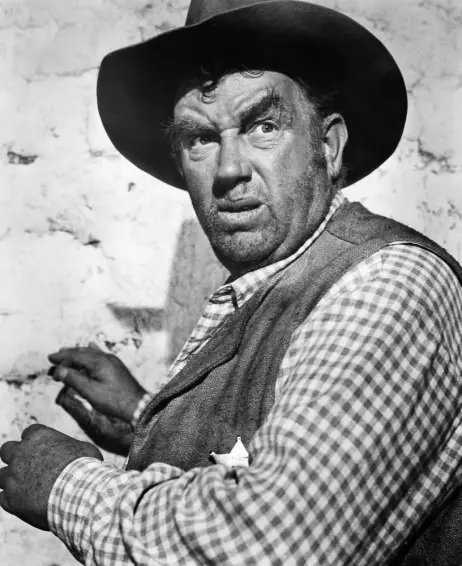
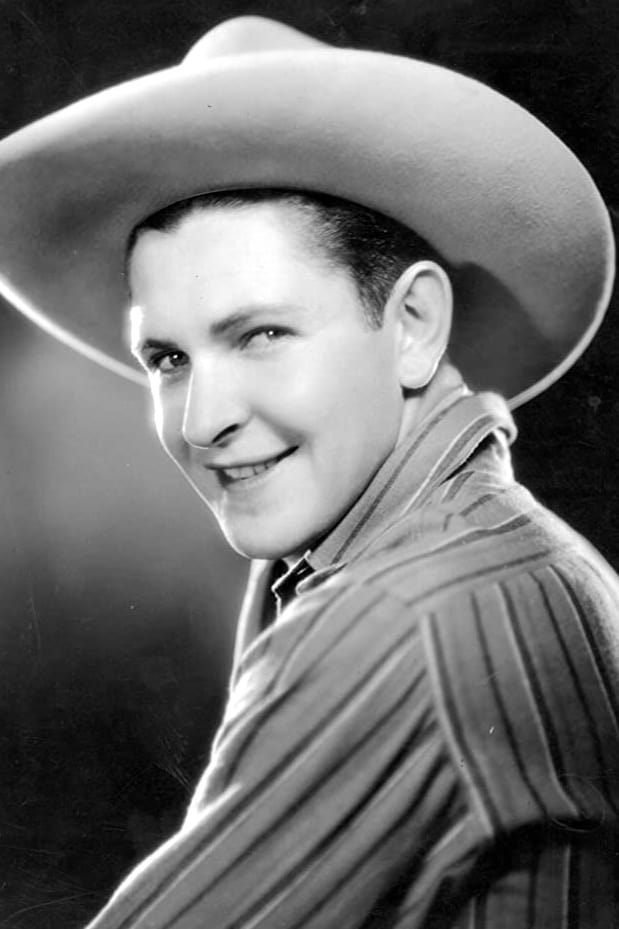
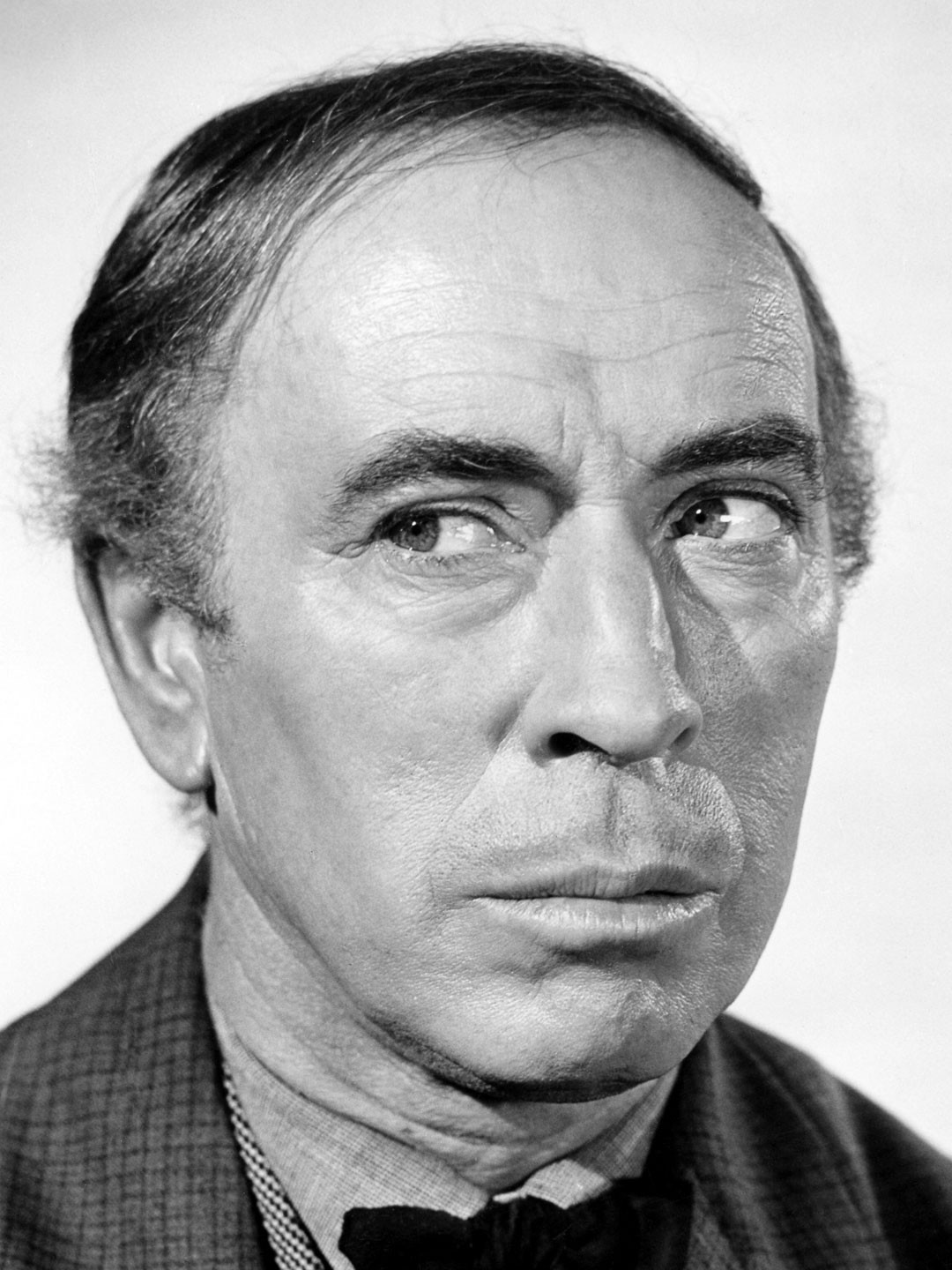
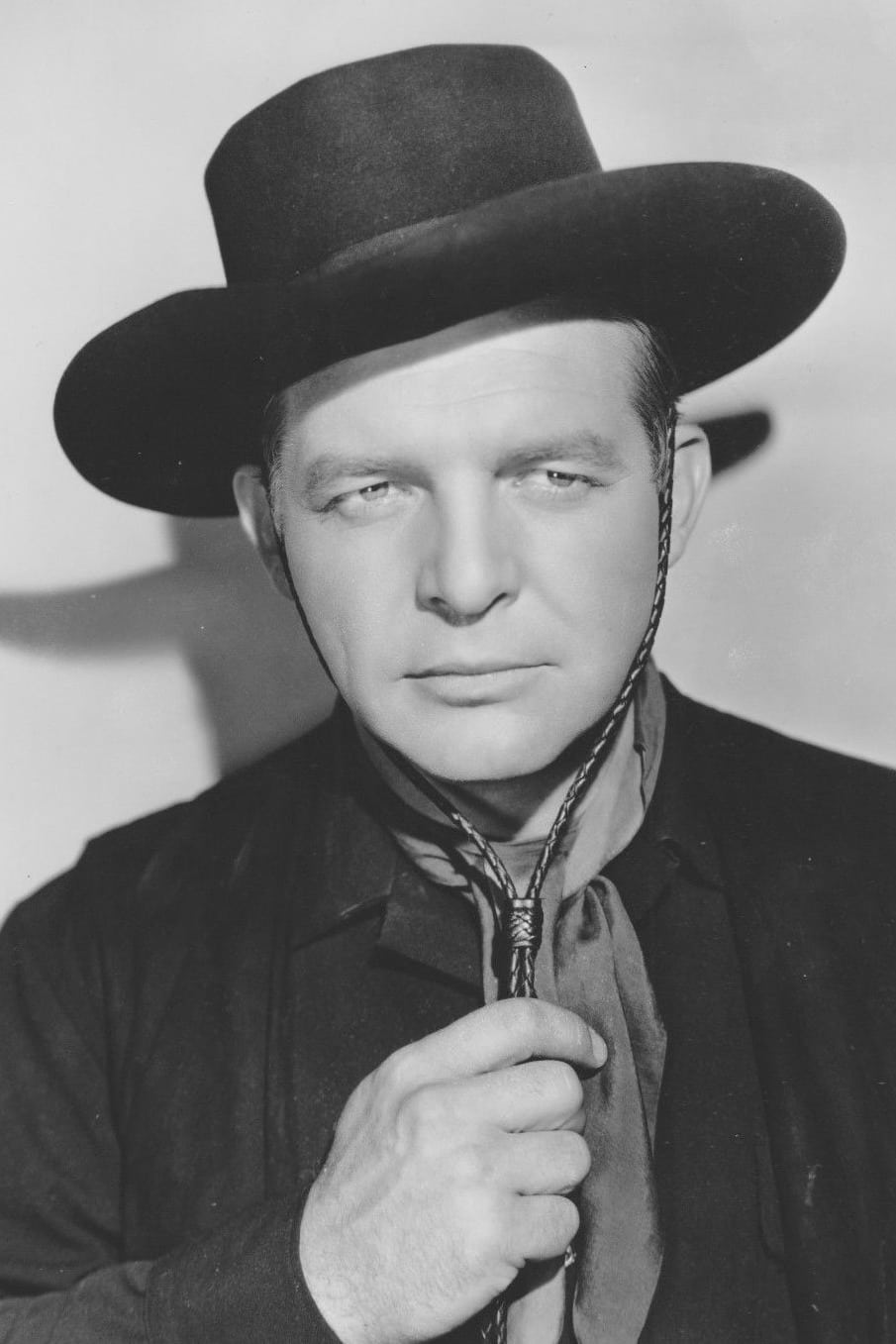
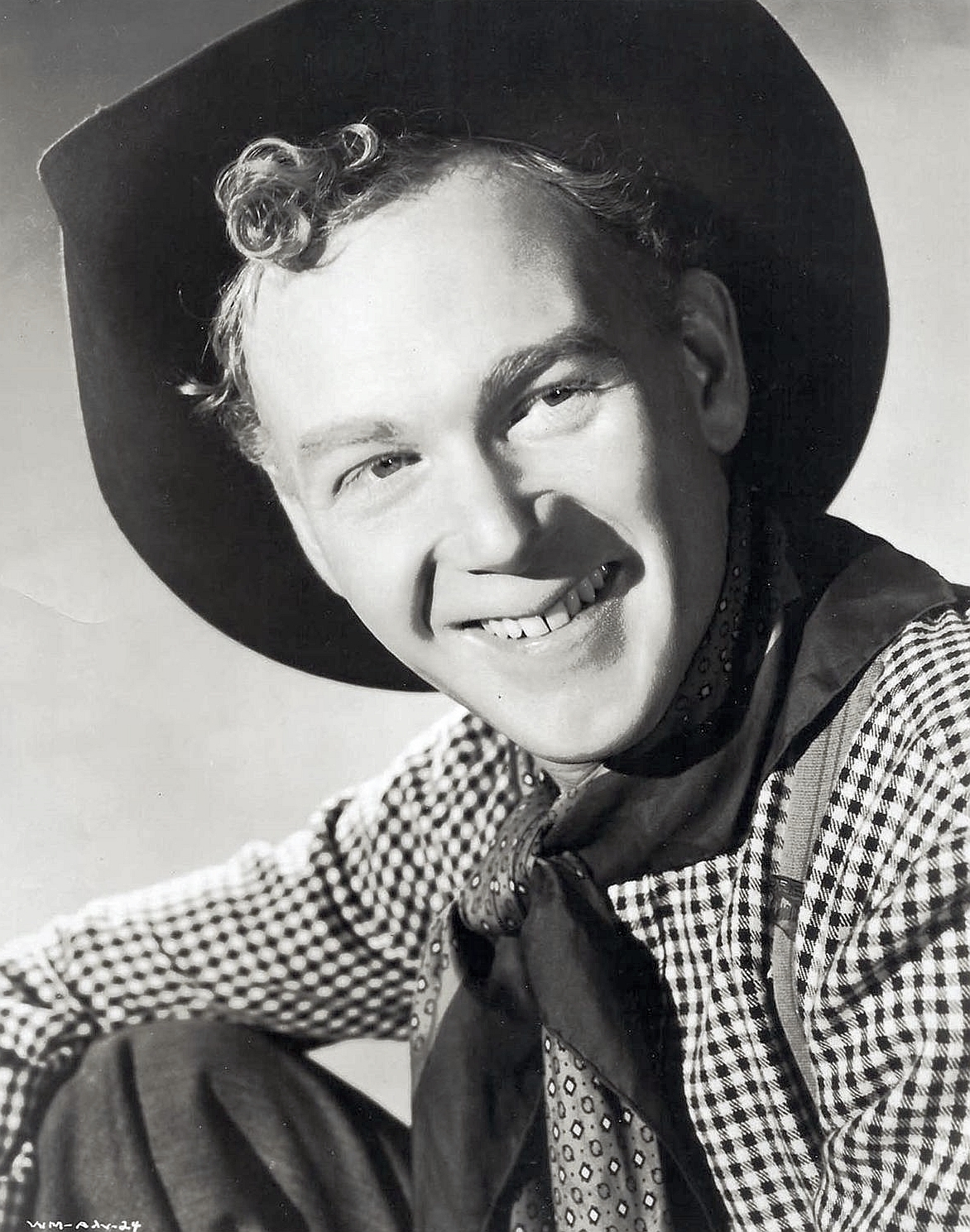
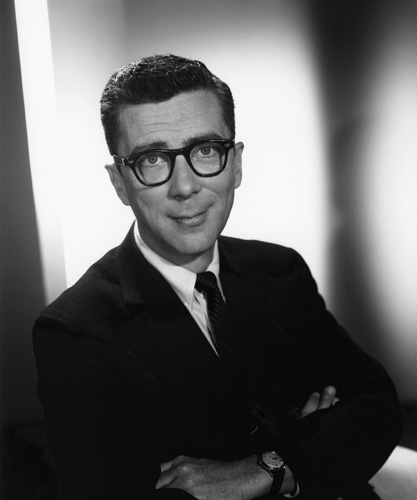
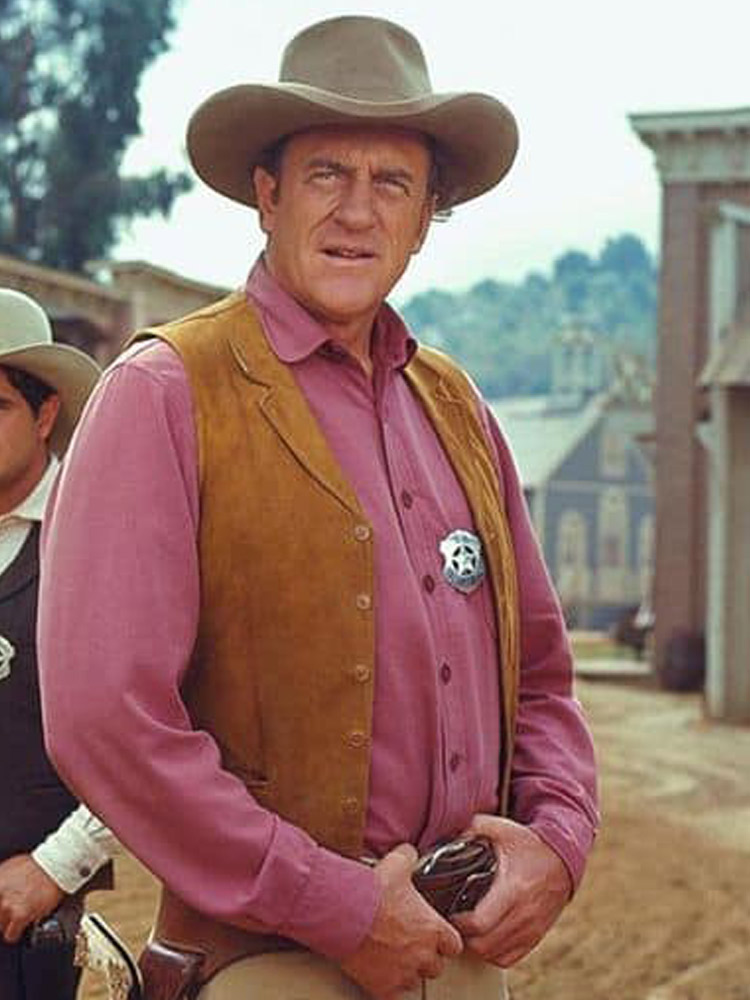
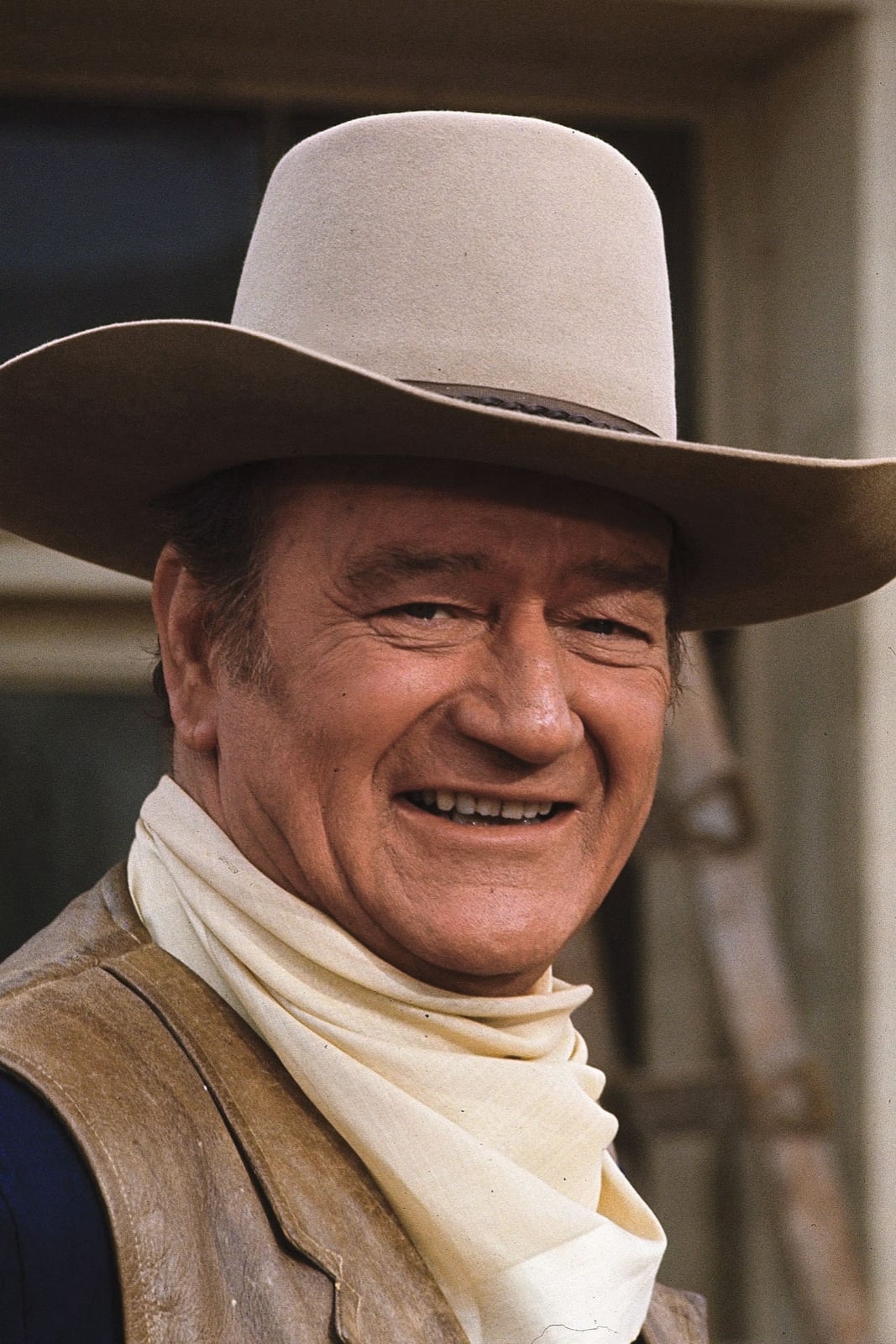
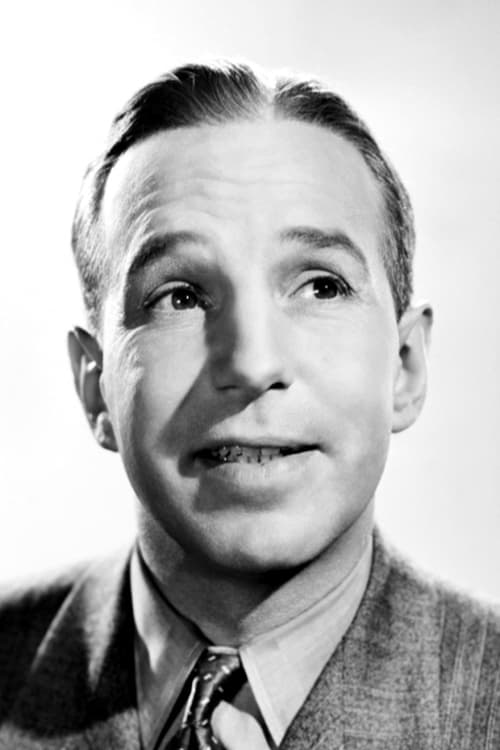
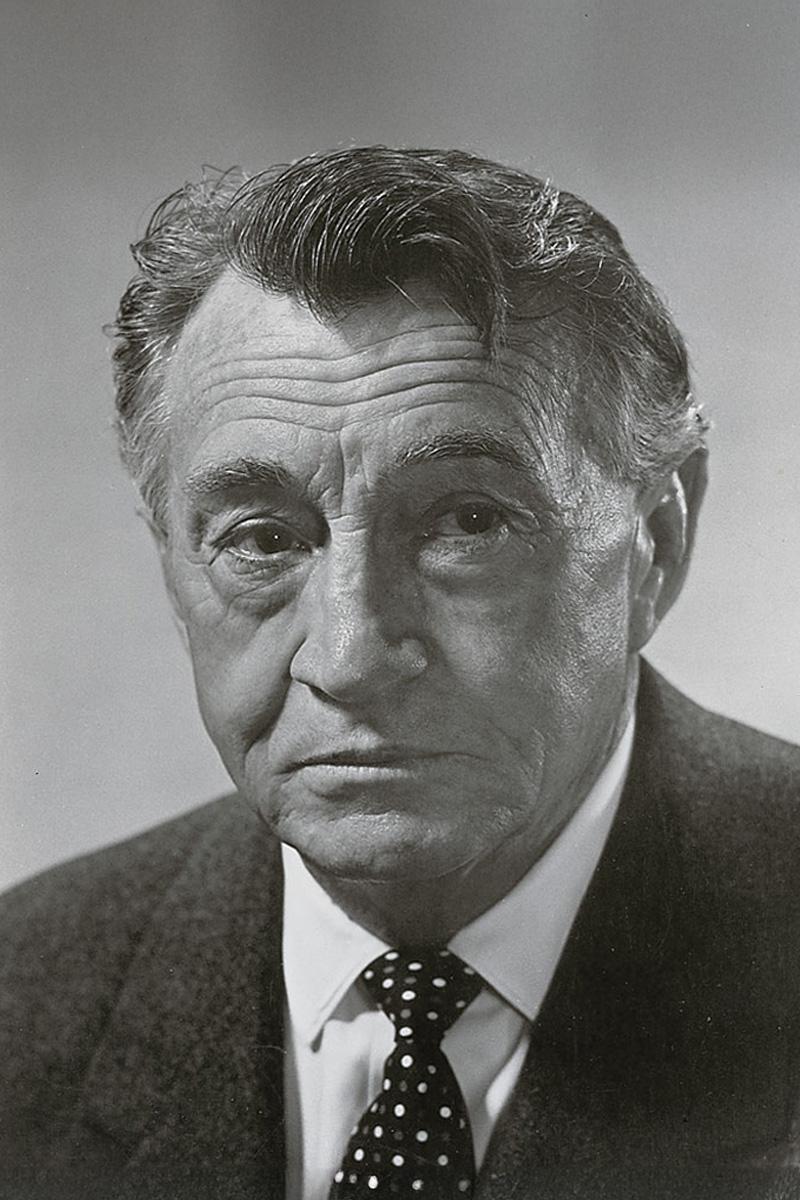
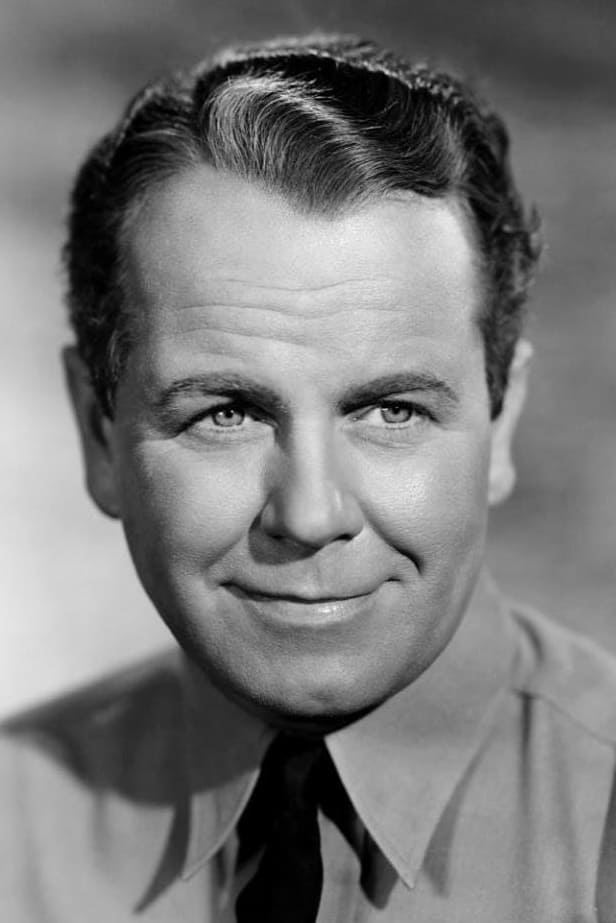
This was one of just three films released theatrically in "WarnerPhonic" sound, an early four-channel surround sound system. Unfortunately, only the mono version of the soundtrack has survived.
The general plot is based on a true story that Ernest Gann related in his 1961 autobiographical book about his flying career, "Fate is the Hunter". He and other pilots searched successfully for a lost fellow pilot in the wilds of northern Canada during World War II.
This is the first of two films in which Carl 'Alfalfa' Switzer appears as the copilot in a rescue plane searching for a character played by John Wayne. The first was the following year in The High and the Mighty (1954). As with the other film, he doesn't share any scenes with Wayne.
The little yellow radio shown in the movie was a actual radio. Its design was based on a World War II German emergency transmitter. It is a BC-778/SCR-578/AN-CRT3 emergency transmitter (it could not receive) affectionately called "Gibson Girl", a name taken from the narrow-waisted female drawings of 1890s fashion artist Charles Gibson. Its shape allowed the operator to hold it between the legs while cranking it the necessary eighty RPM to produce enough electricity to operate. It could be set to automatically send an S.O.S. signal, or switched to send Morse Code signals. Early models transmitted only on 500kHz, later models also could transmit on 8,280kHz (later modified to 8,364kHz). It was notorious for being tough to crank.
The transport plane that was lost was a C47/DC3.
Continuity
The stranded crew had arranged branches in the snow into the shape of a cross so the planes could spot it. Then they rearrange the branches to spell out a message when they fly over. The planes fly over one more time, and the branches are back in the shape of a cross.
Before the plane lands at the beginning of the film, close-ups of the co-pilot looking out the cockpit window shows the plane is encrusted in heavy ice. Medium and long shots show the plane without any ice.
In one group scene, the cup McMullen is holding appears and disappears from his hand during shots.
After the Corsair lands, a shot of the Co-Pilot's yoke, which had been held all the way back as the aircraft rolled to a stop, shows it move forward to the resting position. Immediately afterward, a shot of the Captain shows him relaxing the yoke and letting it move forward. The yokes are interconnected which does not allow them to move independently.
As The Corsair is coming in to land, the Captain calls for "Wheels down." A long shot of the aircraft shows the wheels to already be fully extended. The following shot, which is taken from behind the gear on the belly of the aircraft, shows the wheels extending to the gear down position again.
Factual errors
Hearing an incorrect latitude reading, Dooley says it could put them in Paris, Vladivostok, or Bangor ME, "all on the same latitude". The last two cities are at latitudes 43.1? and 44.8? north, which might be considered roundly the same, but Paris is significantly farther north at 48.8?. As a pilot with experience on Atlantic flights, Dooley would certainly know this.
When Dooley listens for Canadian radio fix in French, he hears an English speaking station ID by "KTRA (i.e., starting with a "K") in Pittsburg, Pennsylvania. Such a station ID would start with a "W", being east of the Mississippi River.
The aircraft are often shown with the entire side of the aircraft covered in rime ice. Inflight icing doesn't extend very far back on aircraft, especially if it is not clear ice.
Revealing mistakes
Even though the temperature is around -40 degrees (C & F are the same at -40), you often can't see the breath of the men when they speak or exhale while they are outside.
When the crewman is lost in the blizzard, you can see some white fabric in the "snowbank" behind him flapping in the wind.
Anachronisms
The transport planes are marked "United States Air Force" and have the letters USAF on the underside of the wing. The U.S. Air Force did not become an independent service until 1947.
The US insignia on the fuselage have the red line through the center of the 'wing-portion' around the central star. This was not placed there until post-war ~1947.
Plot holes
After communicating by radio with the Corsair, the other crews returned to base. They told their commander that between the winds and unreliable compasses, they didn't know where they were. Later, they argued whether to fly a new path or return to their previous path; a decision which would require reliable navigation. (Also, why would they NOT fly the same path where they picked up the radio signals previously?)
Character error
As The Corsair begins her forced landing on the lake, three crew members - all non-pilots - are standing behind the pilots looking out the windows. Under no circumstances would non-pilots be there. They would be in crash position against the bulkhead in the rear area, not standing in the cockpit.
Early in the movie, after the plane goes down, the pilots are told by Col. Fuller to regroup at 9 AM. Any military officer would say 0900 and not 9 AM.