
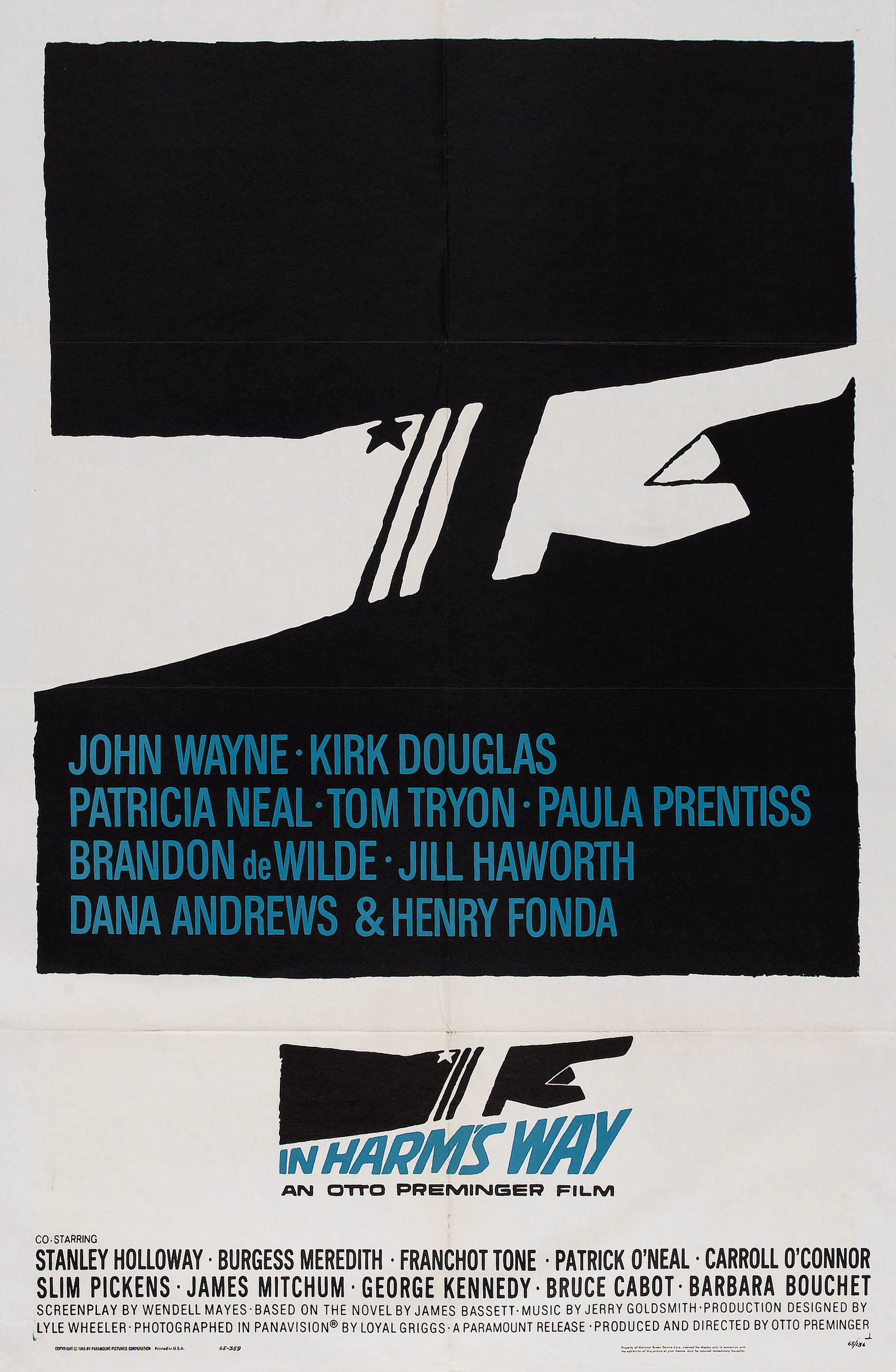
In Harms Way (1965)

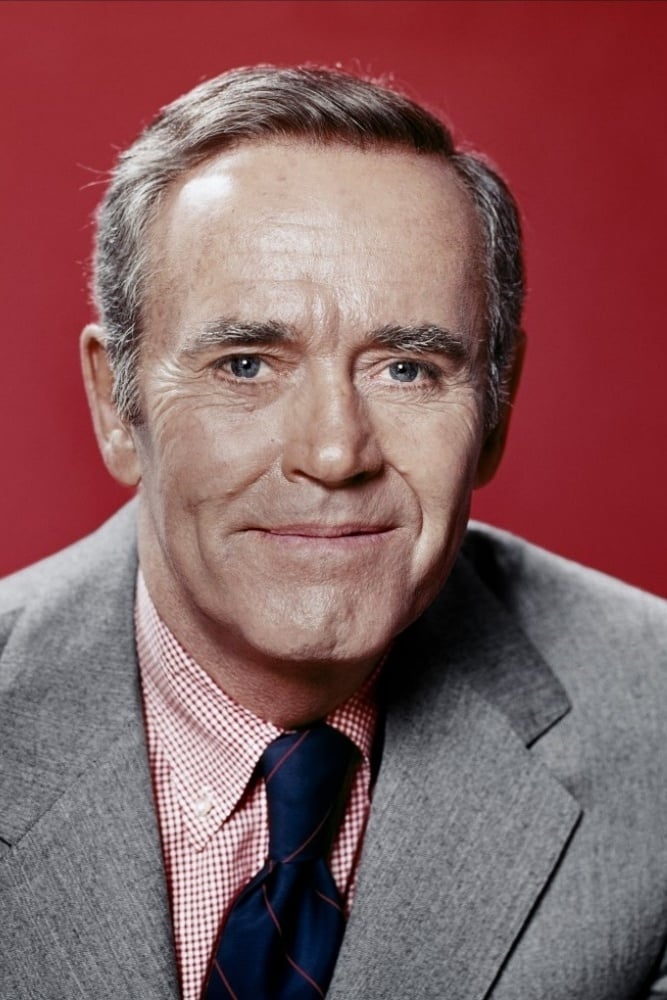
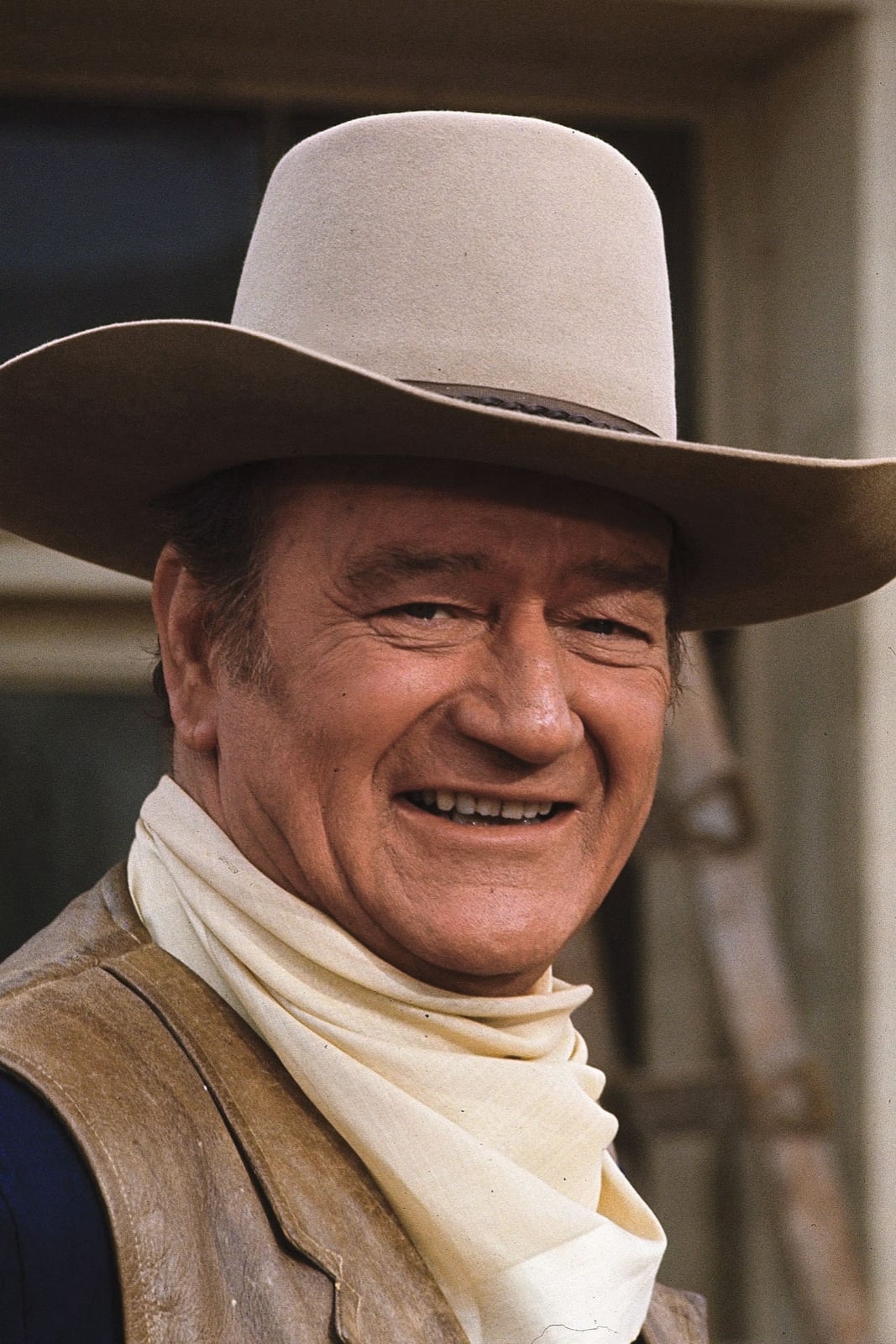
In Harm's Way, based on James Bassett's novel Harm's Way, has enough plot in it for four movies or a good miniseries (when it was shown on network television in prime time, it was broken into two very full nights). On the morning of December 7, 1941, a heavy cruiser, commanded by Captain Rockwell Torrey (John Wayne), and the destroyer Cassidy, under acting commander Lieutenant (jg) William McConnell (Thomas Tryon), are two of a handful of ships that escape the destruction of the Japanese attack on Pearl Harbor. Under Torrey's command, the tiny fleet of a dozen ships carries out its orders to seek out and engage the enemy fleet. But lack of fuel and a daring maneuver (but tragic miscalculation) by Torrey causes his ship to be seriously damaged. He's relieved of command and assigned to a desk job routing convoys in the shakeup following the attack, and his exec and oldest friend, Commander Paul Eddington (Kirk Douglas), is reassigned after a brawl, the result of his anger after identifying the body of his wife (Barbara Bouchet) who was killed during the attack while cavorting with an Marine Corps officer.*Torrey's shore assignment leads him to reestablish contact on a very hostile level with his estranged son, Ensign Jere Torrey (Brandon de Wilde), from his long-ended marriage; he establishes a romantic relationship with Lt. Maggie Haynes (Patricia Neal), a navy nurse; and he also befriends Commander Egan Powell (Burgess Meredith), a special-intelligence officer. Partly as a result of his contact with Powell, Torrey is chosen by the commander of the Pacific Fleet (Henry Fonda) to salvage an essential operation called Sky Hook, which has become bogged down through the indecisiveness of its area commander, Vice Admiral Broderick (Dana Andrews). Promoted to rear admiral, with Eddington ? who'd been rotting away on a shore assignment, drunk most of the time ? assigned as his chief of staff, Torrey gets Sky Hook rolling and finally finds his purpose in this war, gaining the belated admiration of his son in the process. Eddington is similarly motivated but is still haunted by the violent, ultimately self-destructive demons that blighted his marriage and his life ? he is particularly attracted to a young nurse, Annalee Dohrn (Jill Haworth), not knowing that she is already involved romantically with Jere Torrey. Meanwhile, McConnell survives the sinking of his ship and is ordered to join Torrey's staff. Matters all come to a head when the Japanese begin a counter-offensive to Torrey's planned troop landing. And just at the time Torrey needs his men at their best, Eddington's violence and rage boil to the surface in a way that will destroy him and blight both men's lives. In a final attempt at redemption, Eddington provides Torrey with the information he needs to set up a battle that he has at least a chance of winning, pitting his small task group of destroyers and cruisers against the Japanese task force led by the Yamato, the largest battleship ever built.
"Stripped of everything - they lived and loved and fought as if there were no tomorrow..."
LTJG 'Mac' McConnel: Let's crawl back into a uniform. You make us look like a bunch of pirates.
Ford Island, Pearl Harbor, O'ahu, Hawaii, USA
(exteriors, Base Housing)
Kaneohe Marine Corps Air Station, Hawaii, USA
(Troop movement)
Hell's Half Acre District, Honolulu, O'ahu, Hawaii, USA
San Diego, California, USA
San Francisco, California, USA



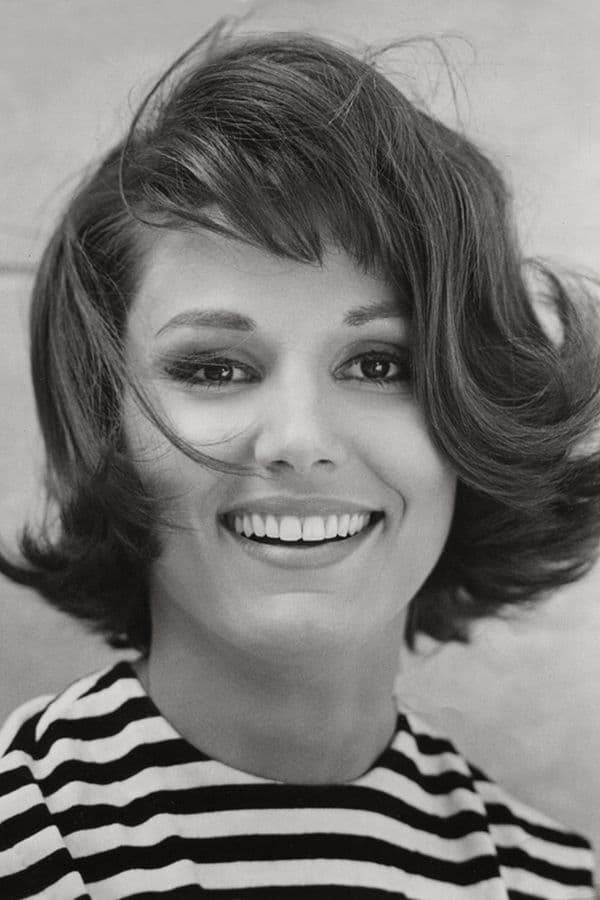
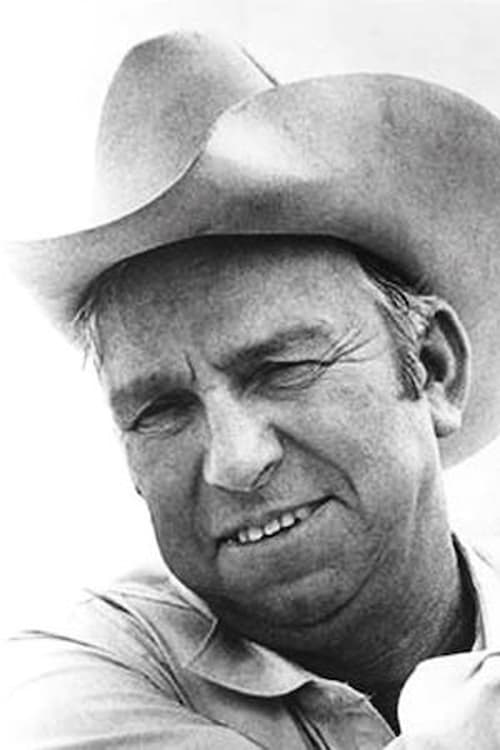
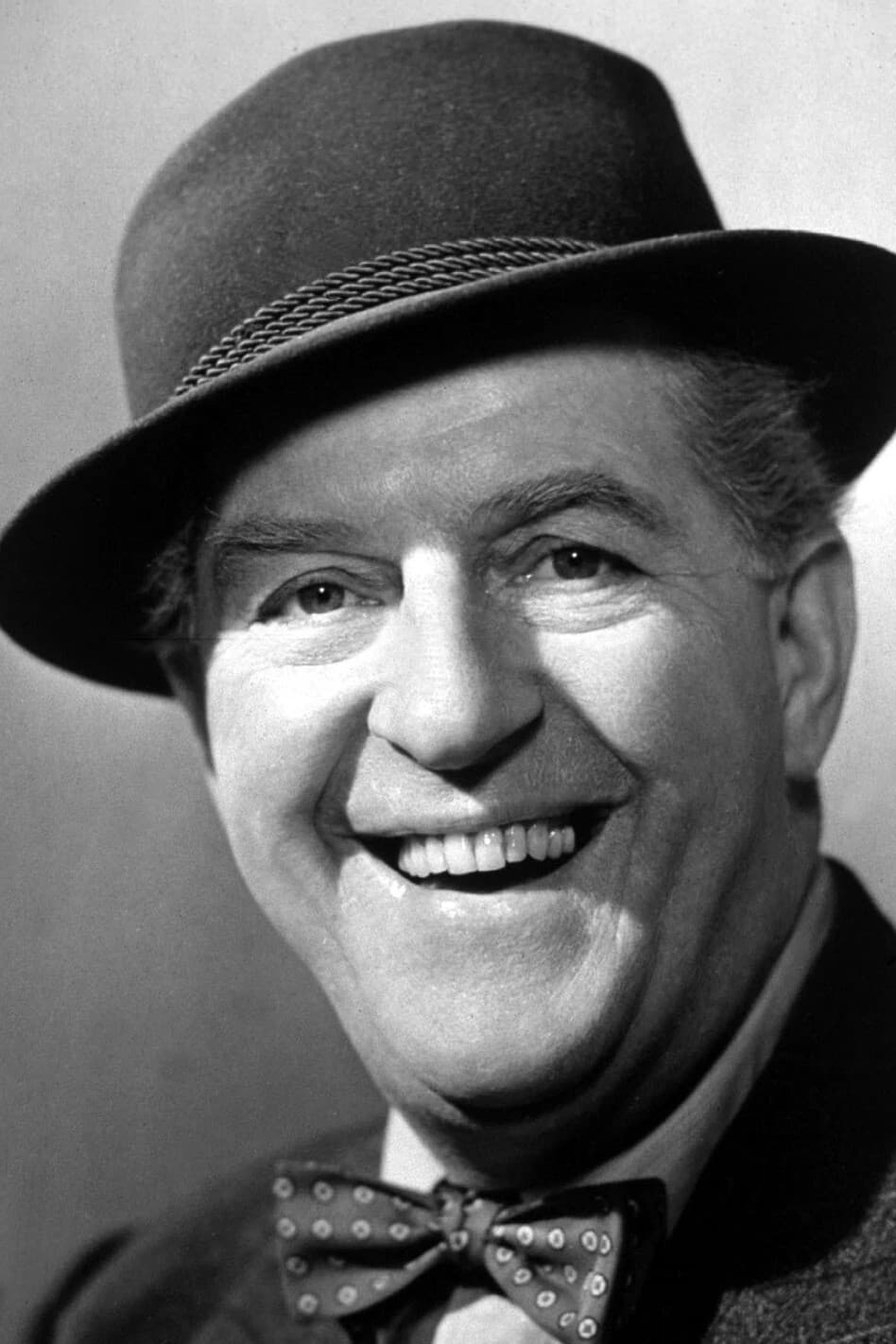
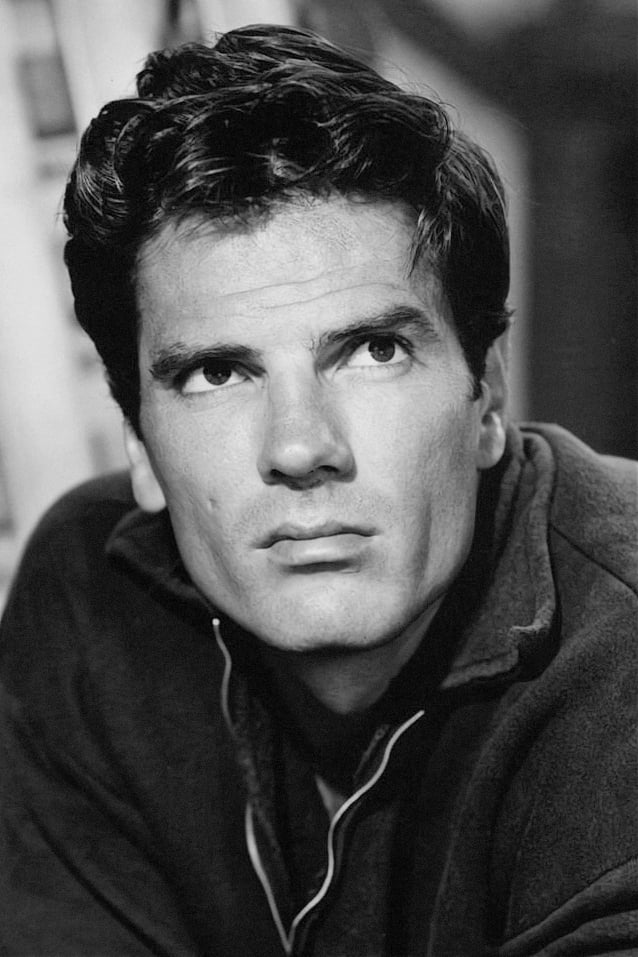
The naval battle sequences were done with models that were so large in scale (for the sake of greater detail) that they could be operated from the inside.
Cameo: [Jerry Goldsmith] Early in the film, prior to the Pearl Harbor attack, the composer can be seen as the pianist signaling the orchestra to stop playing.
Until recently Adms. Kimmell and Nimitz were identified in the credits simply as CINCPAC1 and CINCPAC2. Neither of them is referred to by name in the movie and any reference to them is always as 'CINCPAC'.
During the filming, Kirk Douglas sponsored a Yom Kippur service for the Jewish naval personnel being used as extras in the film.
The Cruiser used for filming was the USS Saint Paul (CA-73).
Kirk Douglas wrote that John Wayne wanted him for the role of Commander (later Captain) Eddington. Douglas was surprised as they did not know each other and did not socialize, and their political opinions were very different. Nonetheless, the collaboration was a success and the two later co-starred in The War Wagon (1967) and Wayne had a cameo in Douglas' ode to Israel, Cast a Giant Shadow (1966).
John Wayne was diagnosed with lung cancer on 9/13/64, shortly after filming ended. He suggested that Kirk Douglas should replace him in The Sons of Katie Elder (1965) if he did not survive surgery.
Henry Fonda, who plays the second Commander-in-Chief-PacificFleet (CINCPAC II), was actually a naval veteran of World War II who served in the Pacific Theater. After making The Ox-Bow Incident (1943), Fonda enlisted in the Navy to fight in World War II, saying, "I don't want to be in a fake war in a studio." He served in the Navy for three years, as a Quartermaster 3rd Class on the destroyer USS Satterlee, then, after receiving a commission as Lieutenant Junior Grade (O-2) in Air Combat Intelligence. For his service, he won the Bronze Star, the fourth highest award for bravery or meritorious service in conflict with the enemy. Fonda later reprised the role of CINCPAC in the docudrama 'Midway (1973)', where the character was identified as Adm. Chester Nimitz.
John Wayne was suffering from lung cancer, and by the end of filming he was coughing up blood. Despite that, he continued to smoke up to six packs of cigarettes a day throughout filming. Two months later, his entire left lung and several ribs were removed. In addition to Wayne, 'Franchot Tone' was also suffering from lung cancer during filming.
The escape of a destroyer from the Pearl Harbor attack with only junior officers aboard is based on the action of the USS Aylwin (DD-355).
The film's title comes from a quote by Revolutionary War captain John Paul Jones: "I wish to have no connection with any ship that does not sail fast, for I intend to go in harm's way."
The fictional ship in the movie is a composite of several WWII cruisers. 1. The USS Salt Lake City was known as the "Swayback Maru". The ship in the movie and in the novel the movie is based on was known as "Old Swayback". 2. The USS San Francisco was the flagship of a squadron of ships in the famous naval battle of November 12, 1942, in the Solomon Islands area. The fictional ship in the movie was also the flagship of a squadron of ships in an important naval battle. 3. The two ships mentioned above survived WWII. The fictional ship in the movie was sunk, so it could also be based on any US Navy cruiser that was sunk during the Solomon Islands campaign.
The islands identified by Torre as Gavabutu, Levu Vana and Tokaroa are actually San Cristobal, Guadalcanal and Malaita. Pala Passage would become known as Ironbottom Sound because of the number of ships that would be sunk there in coming battles. Cape Titan probably refers to the Japanese base at Rabaul on New Britain, about 650 miles from Guadalcanal. The battle for Guadalcanal began on 7 Aug., 1942 and would not end until February, 1943. Although they say that the majority of forces are with MacArthur in the Solomons, Guadalcanal, is in the eastern Solomons. The dividing line between MacArthur's area of responsibility and Nimitz's was the 159 degrees east.
The naval battle sequences were done with models that were so large in scale (for the sake of greater detail), that they could be operated from the inside.
The climactic battle with the Japanese fleet was staged mostly with model ships. Kirk Douglas thought the special effects were poor and complained to director Otto Preminger and the studio about it. He offered to re-stage the scenes at his own expense, using the special effects people who worked with him on Paths of Glory (1957).
Continuity
In the scene in which Eddington takes the reconnaissance plane, it is given to him with a machine gun clearly visible extending from its nose. In later shots of the plane in flight, it is gone.
During the planning for the parachute assault Colonel Gregory states that it will have to be a low level drop. When the actual drop occurs, it is clearly a high altitude drop.
Early in the movie while Liz Eddington and her lover are fleeing the Japanese attack in his Lincoln convertible, they crash into a truck and leave the road in flames and the convertible changes into a Ford.
In the opening scene at the Navy dance, a bra strap can be seen across Liz Eddington's back as her dress opens up. But as she takes her dress off at the beach, she isn't wearing a bra.
The Japanese submarine in the Pearl Harbor attack changes appearance radically between shots - different models - at 0:23:16 and 0:23:54.
Factual errors
During the surface battle, Torrey and his staff are all without life jackets or helmets. When at general quarters, battle stations, all topside personnel, those not in the enclosed compartments below the main deck, would be wearing life jackets. Almost all personnel would be wearing helmets.
As Nimitz reads Torrey's promotion orders, he says Torrey is being appointed to the rank of "Rear Admiral Lower Half." This is a postwar title (1947) for a one-star rank. During WWII, the correct term on Torrey's promotion order would have been "Rear Admiral."
While sitting in Torrey's office, he and Maggie have the radio on. The Japanese show comes on with the lady calling herself "Tokyo Rose". At no time during the war did Iva Toguri call herself that. She referred to herself as Ann, Orphan Ann, or Your Number One Enemy. At no time did she ever broadcast any type of propaganda. The show's producer was an Australian officer captured at Singapore and tortured. His assistants were an American officer and a Filipino officer. Toguri had been smuggling food into the POW camps before being forced to go on the air. She continued to do so afterwards.
During the Pearl Harbor attack, the fleet commander is referred to as CINCPAC (Commander in Chief Pacific Fleet) but that came later when Nimitz assumed command. At the time of the attack, the title was "Commander in Chief United States Fleet in the Pacific" or CINCUS. Since this was pronounced "Sink Us", the name was replaced as quickly as possible after the attack.
During the attack on Pearl Harbor, Admiral Kimmel (Franchot Tone) says, "Out of 9 battleships?" There were only 8 BB's in Pearl at the time. Some might consider the USS UTAH as the ninth but she'd been a radio-controlled target ship since the '30's. And actually, there was only 7 that might have gotten underway as the USS PENNSYLVANIA was in dry dock.
Incorrectly regarded as goofs
CINCPAC I is reprimanding Torrey and relieving him of his command because "he wasn't zigzagging at the time of the torpedo attack." While this appeared incorrect due to him having given specific orders to resume zigzagging before the attack directly to Burke after having run a straight course for a time to conserve fuel, the fact is that CINCPAC I was notifying Torrey of the board of inquiry. The decision to resume the zigzag would have been brought out at the inquiry. While it may appear the Navy would never reprimand a naval captain for taking such initiative after the Pearl Harbor attack, CINCPAC I explained to Torrey that he was caught in the vacuum between the peacetime and wartime Navy.
In the beginning Torrey sends a radio message to Pearl Harbor requesting a tanker to refuel his battle group. Anyone in the Navy would call a ship that does refueling an "Oiler". Many of the audience would not understand this, hence the term "tanker". This is similar to Rock referring to the BOQ as the "bachelor officers' quarters".
When Nimitz enters Torrey's stateroom, Maggie salutes him. Navy and Marine Corps personnel do not do so indoors.
Naval mines do not sit on the surface. They sit under the waterline where their detonation could break the back of a ship, or at least cause severe flooding. However, they might be at the surface at low tide.
In the confrontation between Eddington and Jere Torrey, the former calls the latter "Lieutenant" at least twice. Jere is no longer an ensign at this point; he has been promoted to lieutenant junior grade, and was so addressed by his father at the first meeting with the staff.
Revealing mistakes
The Yamato is described by Capt. Eddington as having 12 big guns; both in the view of her from the air and on the model used in the battle sequence, she has 9.
Torrey's first task force is referred to as a "bat blind" group with no radar, yet as the destroyer commanded by Mac McConnell leaves Pearl Harbor you can plainly see a radar dish on her mast.
As the Cassidy is attacking the sub in the beginning of the film, we are given what is supposed to be Eddington's viewpoint through binoculars on the cruiser. The "view" we see is, however, clearly taken from an aircraft.
When the aircraft's jump door is open, a significant wind blows inside toward the tail. Torrey is sitting next to and facing the open door, but not a wrinkle of breeze shows anywhere on his body or clothing. Then, after the parachutists jump, their static lines should be whipping in the wind toward the back, not hanging limp as they are in the film. The only movement we see is from the men touching them as they go out the door. Nor do we see any wind blowing against the men from the propeller blast as they do so.
When the boatswain's mate orders, "On deck, attention to port," the water in the background can be seen moving as if the ship (which has just anchored) is underway.
Miscellaneous
When the cruiser is struck by the torpedo and Torrey's arm is caught in the door, the upper part is crushed by the door and when he moves it, he is holding the upper part where it was hit. However, when it is being set and splinted only the lower part is placed in a splint.
The car in which the Army Air Corps Officer and Liz Eddington had an apparent head-on collision with a truck, causing it to burst into flames. However, when it goes over the embankment engulfed in flames, there is no apparent collision damage to its front.
When Torrey returns home and finds Powell on the couch, Powell has a copy of PHOTOPLAY on his chest. As they discuss Vickie Marlowe and wave it around, one can see where the name was just pasted at the top of the cover (note curled edges on either side and marked line at the bottom of the name).
During the Pearl Harbor attack sequence, smoke is seen being carried away in the opposite direction from the actual wind direction that morning.
When the paramarines jump, the lead plane is seen to be empty aside from Admiral Torrey and the two pilots, with the static lines still hanging out of the door. These would have been pulled in immediately after the jump was complete by a crew chief or flight mechanic.
Anachronisms
Nearly all female characters in the film wear popular and current 1965 clothing and hairstyles.
Mrs. MacConnell tells her husband, "Mac, you've got that brainwashed look again." The term "brainwashing" wasn't used until the POW scandals of the Korean War.
In the scene in which the motor launch bearing Harding and his exec (bow# 3) is trying to catch up with the USS Cassidy, there is a 50-star U.S. flag flying from her stern (only 48 stars in 1941). The launch is also shown as being far closer than it was in real life.
Powell drives a 1946 Ford convertible in 1941.
This movie features a US Navy Albatross, which was not built until after the end of WW II.
Audio/visual unsynchronized
When Torrey is leaving Maggie's house, he says, "Thank you, Maggie," but his lips don't move.
Crew or equipment visible
At about 1:17:55, as Torrey is giving his toast, Egin's chair moves out of frame by itself, no doubt by a stage hand (lower right corner of the screen).
When Torrey says goodbye to his son, one of the 1952 GMC trucks belonging to the production company can be seen in the background.
When Torrey walks Eddington from the brig to the duty launch, the stick being used to manipulate the bobbing leaf can be clearly seen above the leaf shadow.
When the Cassidy goes to full speed ahead, the bow anchor robe is still connected.
When Torrey visits his son on the PT Boat, there is a "gun crew" in the background, but neither the gun nor any of the "men" ever move at all. The exact same "crew" is seen actually moving in the Torrey/Eddington scene after leaving the brig.
Plot holes
When the car driven by the Air Corps Major and Liz Eddington goes off the side of the road the passenger compartment is clearly fully engulfed in flames and the "occupants"(dummies) are burning, yet Eddington has no difficulty in providing positive identification of Liz's body at the morgue. Given the amount flames shown on the bodies and following the impact with the beach rocks there would be very little of Liz identifiable to anyone.
Boom mic visible
In the scene in the Quonset hut when Admiral Torrey receives the phone call from Powell about Eddington's reconnaissance flight, the shadow of a mike boom can be seen on the wall to Torrey's left.
(01:53:20) When Dorne and Eddington break away from the beach party she goes over a short rise in the beach, as he pursues her and calls out to her, "Hey Dorn!", you can see a boom mic's shadow in the sand.
In the very opening scene at the dance, a boom mic's shadow is clearly visible panning over the officers' hats.
Character error
When Eddington takes the PBJ to scout the Japanese fleet, he sits in the right hand seat. The pilot of a fixed wing aircraft always sits in the left hand seat when the seats are side by side. This even applies to student pilots. The instructor will fly right seat.
After Eddington identifies the IJN Yamato, Mac refers to her as an 80,000-ton vessel. At this point in the war, U.S. intelligence had only suspicions of her existence; even when her presence in the Pacific was confirmed, she was believed to be a 40,000-ton ship and her actual full load was just shy of 73,000 tons. Furthermore, Eddington counts twelve guns aboard her. In actuality, she mounted nine 18-inch ones.
On the Cassidy's bridge early in the Pearl Harbor attack, an officer answers an intercom phone saying, "Bridge Aye Aye." Only a rube of a landlubber would say this. The correct acknowledgment would be "Bridge Aye." "Aye Aye" is reserved for accepting an order.
When McConnell first arrives aboard the Cassidy, the other officers are playing cribbage. One officer counts his hand and then says, "Your crib" whereupon the other player counts the crib. This is incorrect cribbage play. The crib belongs to the dealer who counts his hand second after the non-dealer, or "pone." The count would not go from counting the pone's hand directly to counting the crib. The correct sequence of these things is very strictly observed in cribbage.
Fonda affects a fake southern accent. Nimitz was from Texas, not the deep south.