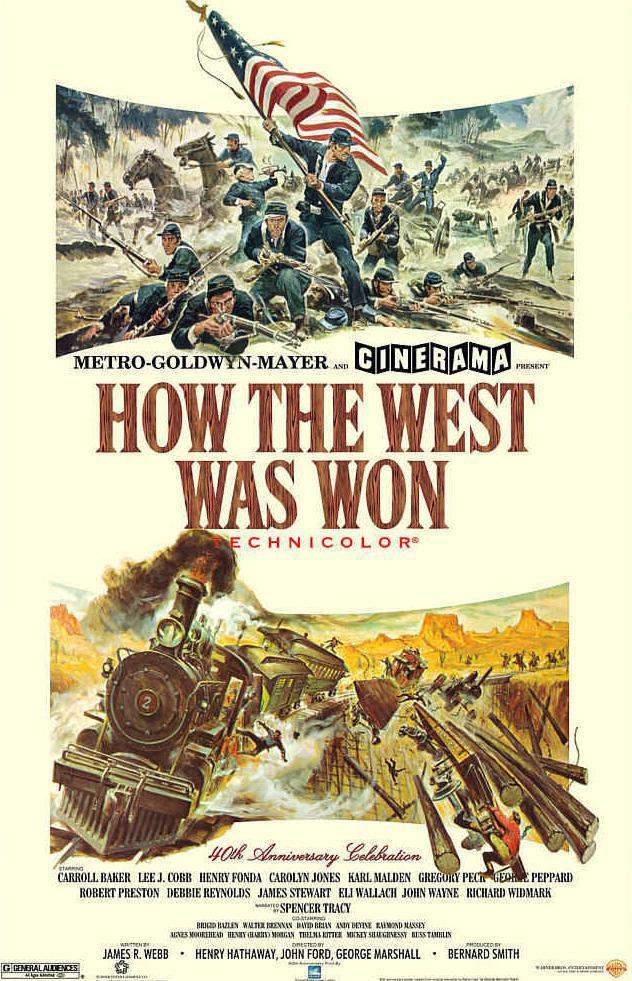
How The West Was Won (1963)

Setting off on a journey to the west in the 1830s, the Prescott family run into a man named Linus who helps them fight off a pack of thieves. Linus then marries daughter Eve Prescott (Carroll Baker), and 30 years later goes off with their son to fight in the Civil War, with bloody results. Eve's sister Lily heads farther west and has adventures with a professional gambler, stretching all the way to 1880s San Francisco.
A FABULOUS ROMANTIC ADVENTURE
Narrator: [speaking about the Erie Canal] ... about 150 years ago, an idea took shape in the mind of a man named DeWitt Clinton. And in the way Americans have of acting out their dreams, it came to be.
Cave-In-Rock State Park - 1 New State Park Road, Cave-In-Rock, Illinois, USA
Silverton, Colorado, USA
Badlands National Park, South Dakota, USA
Battery Rock, Shawnee National Forest, Illinois, USA
Cumberland River, Kentucky, USA
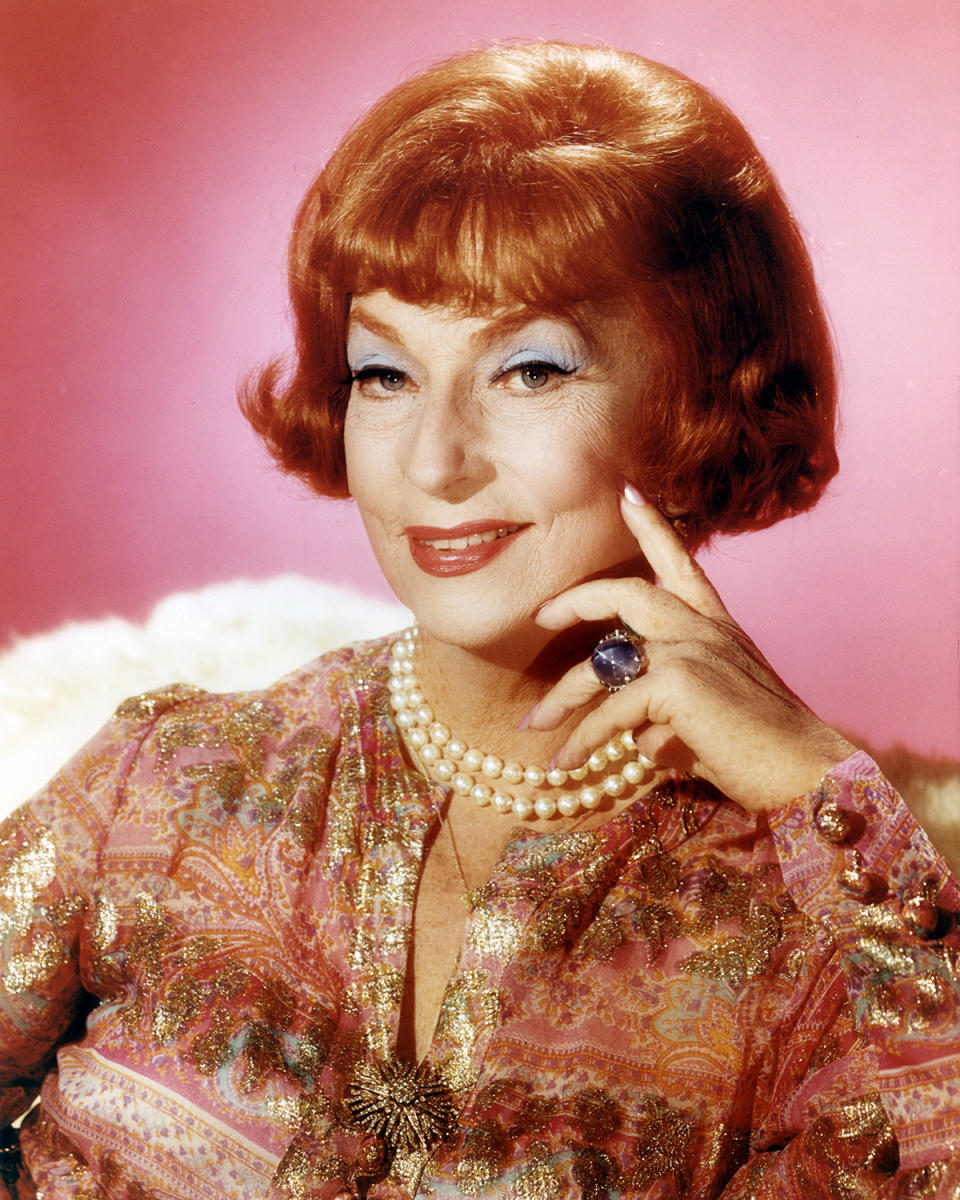
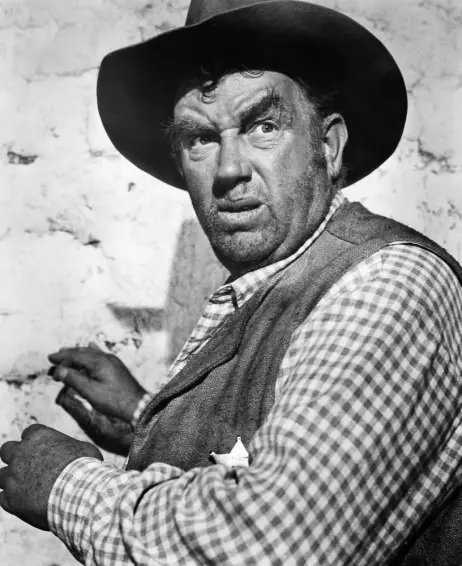
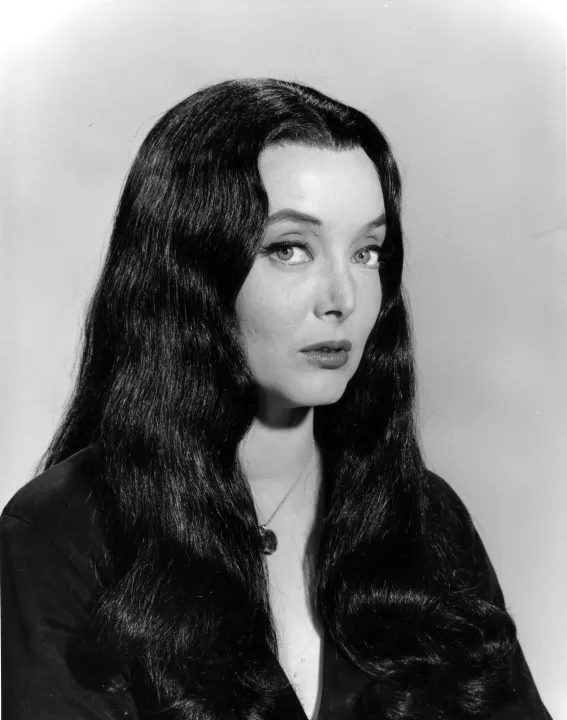
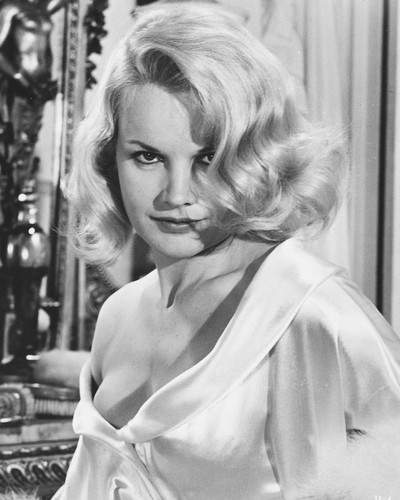
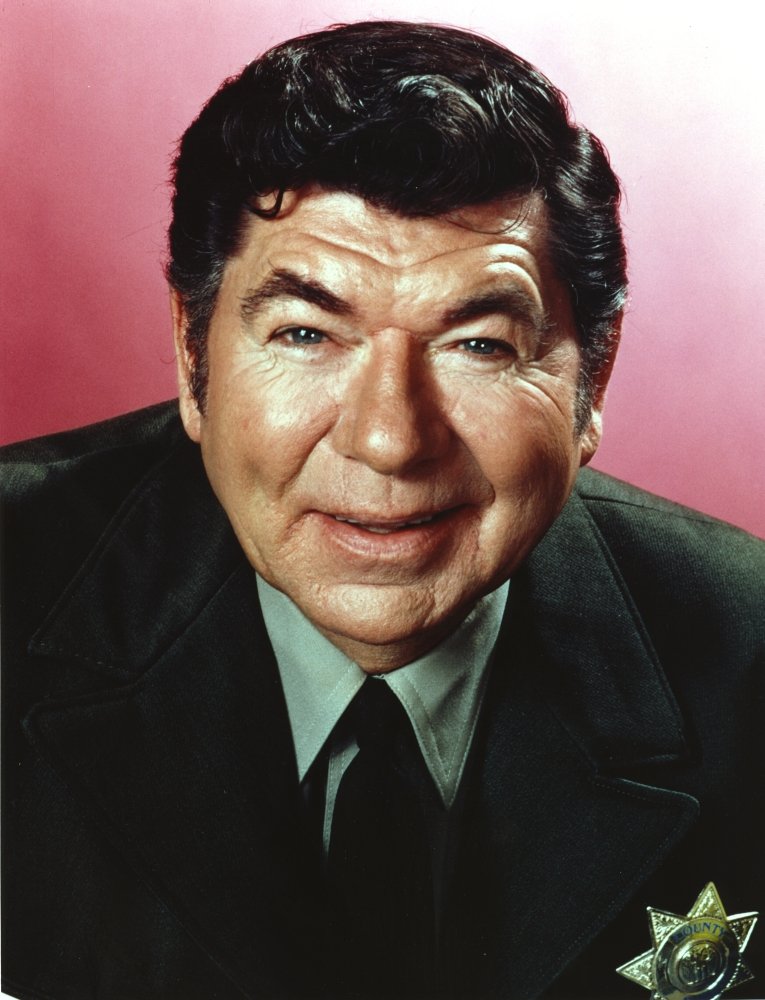
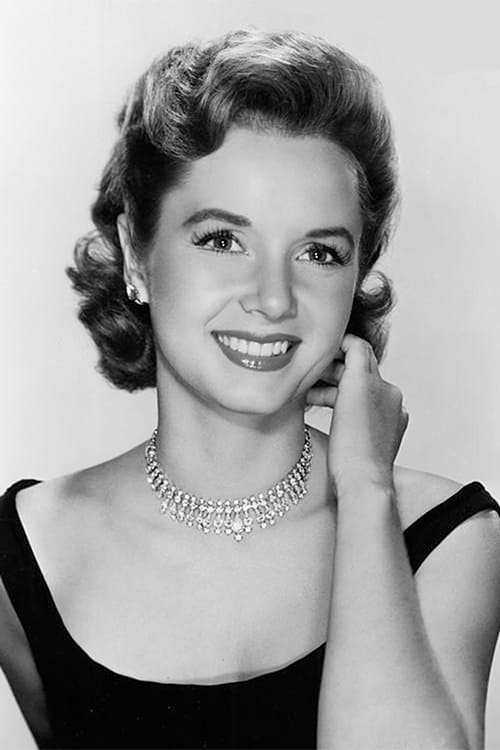
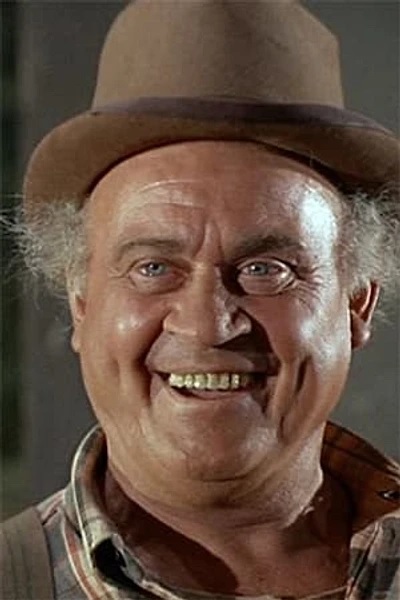
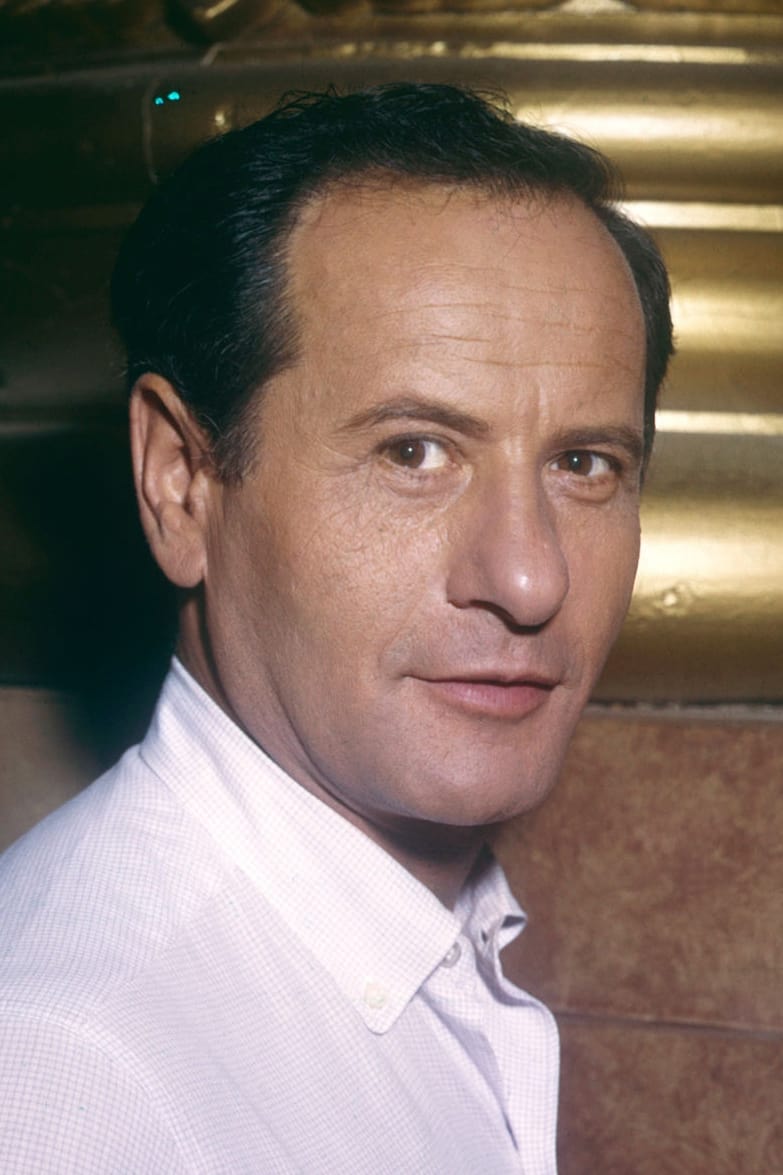
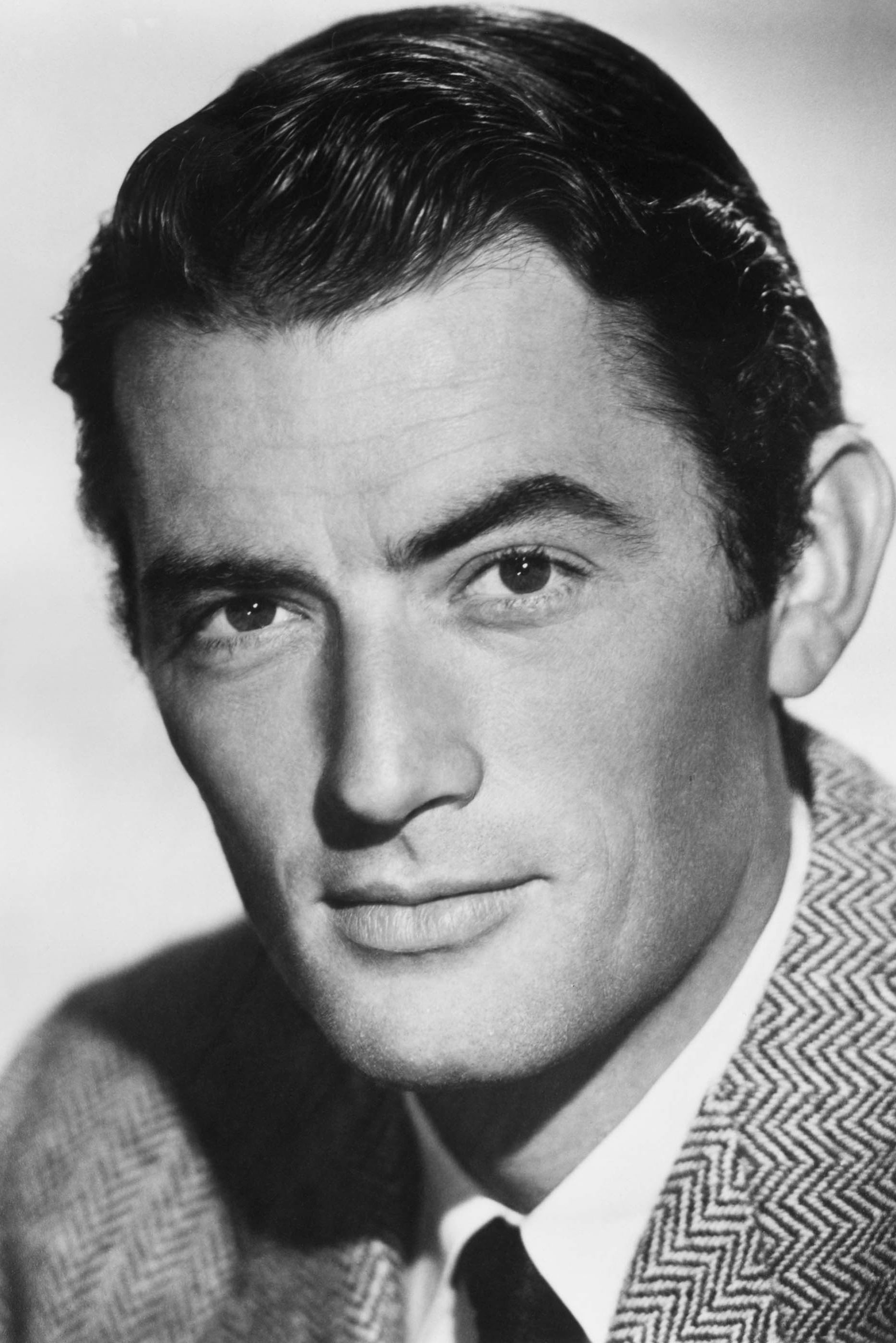

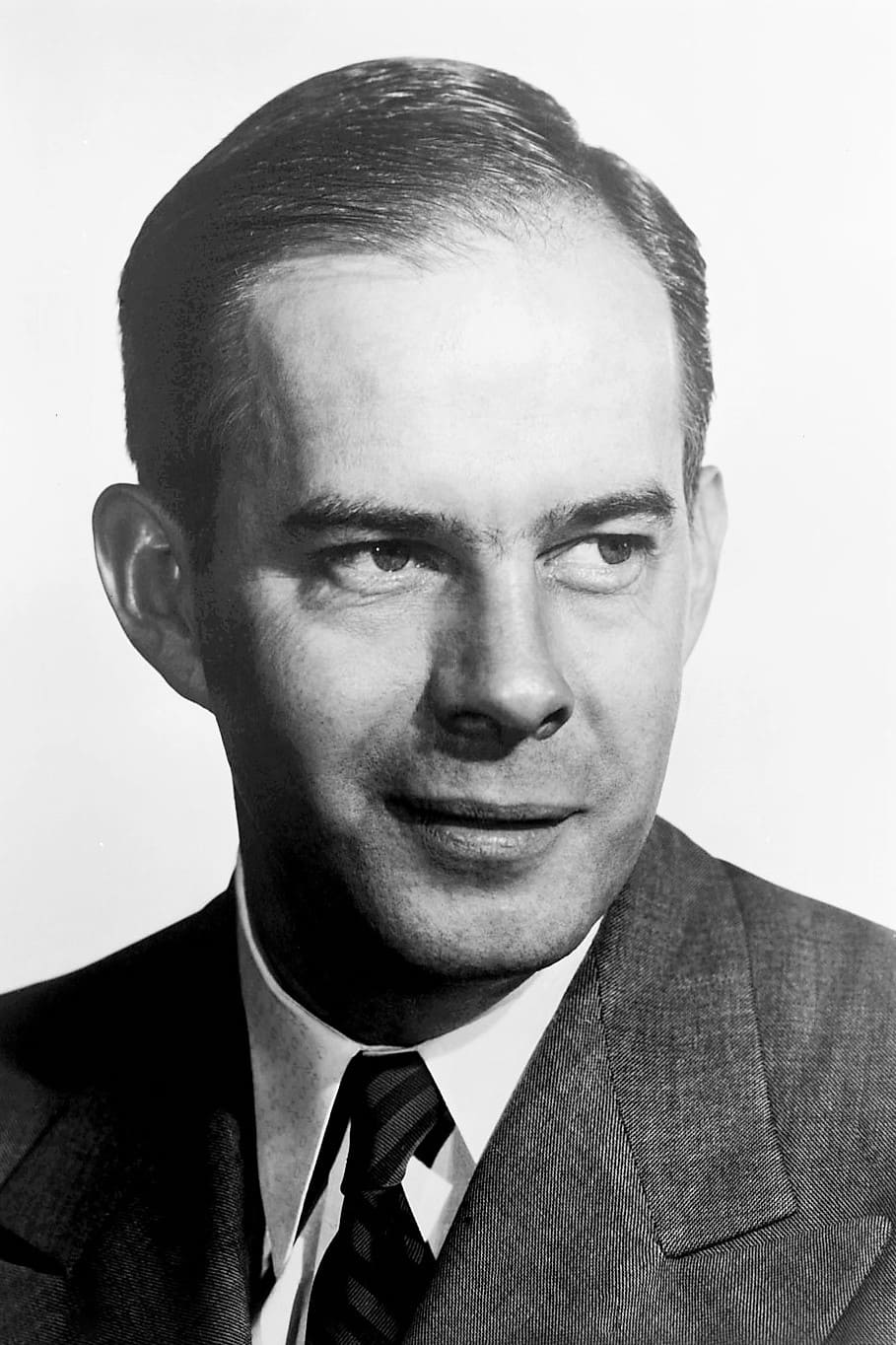
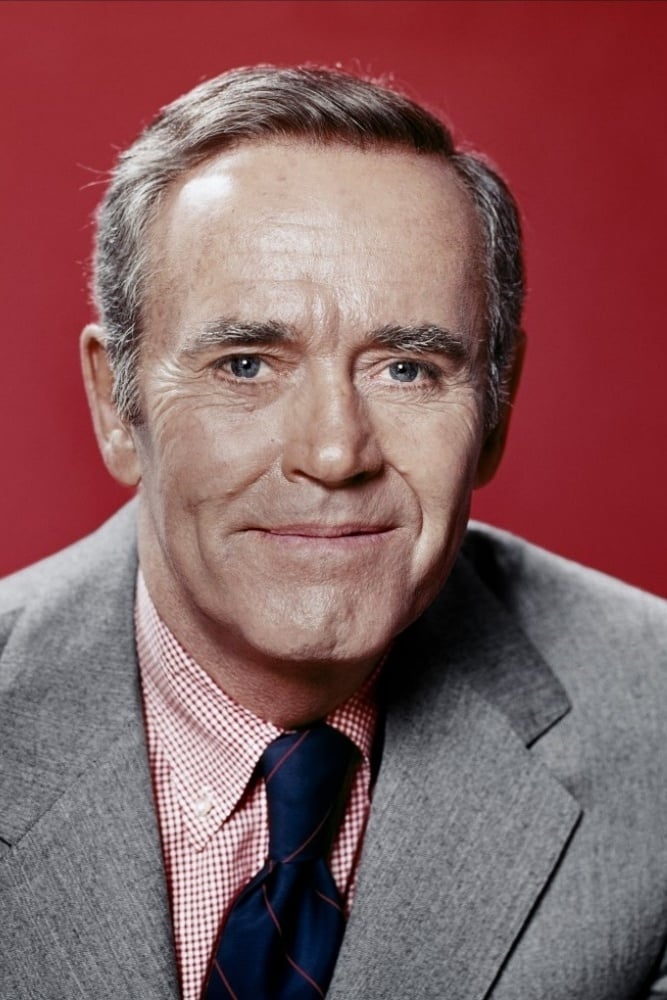
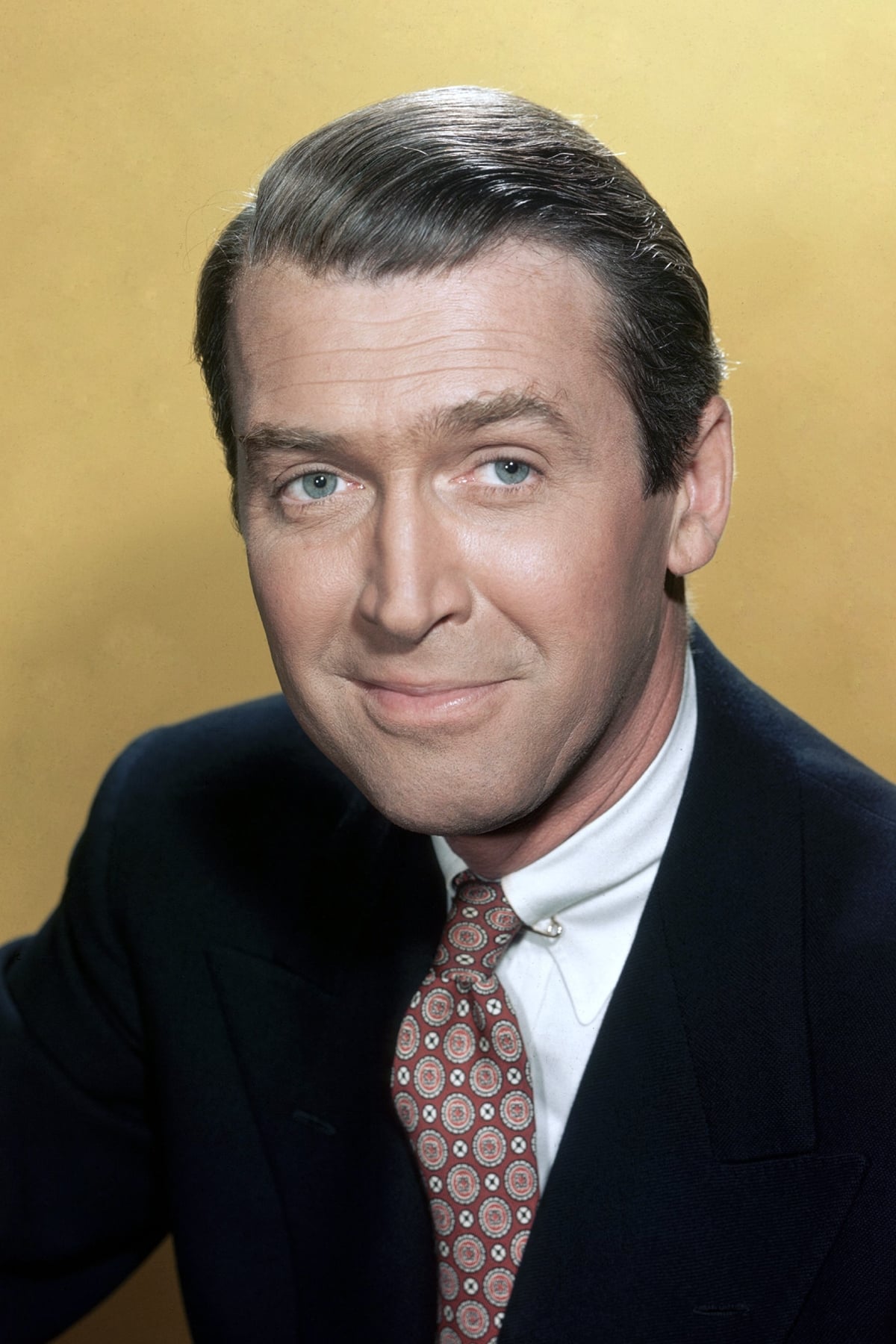
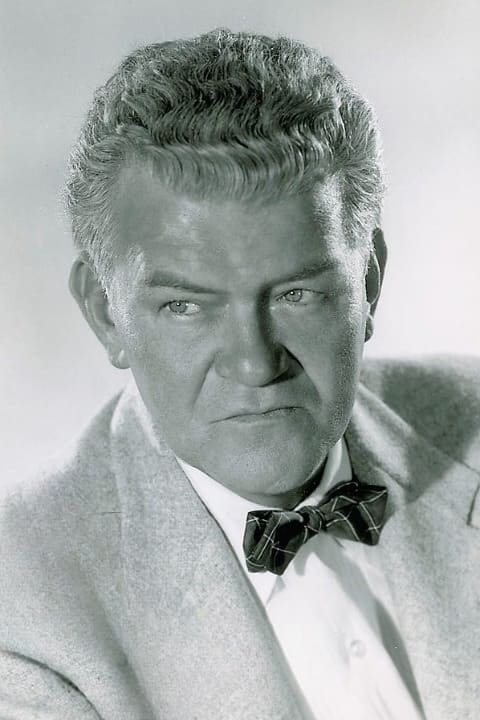
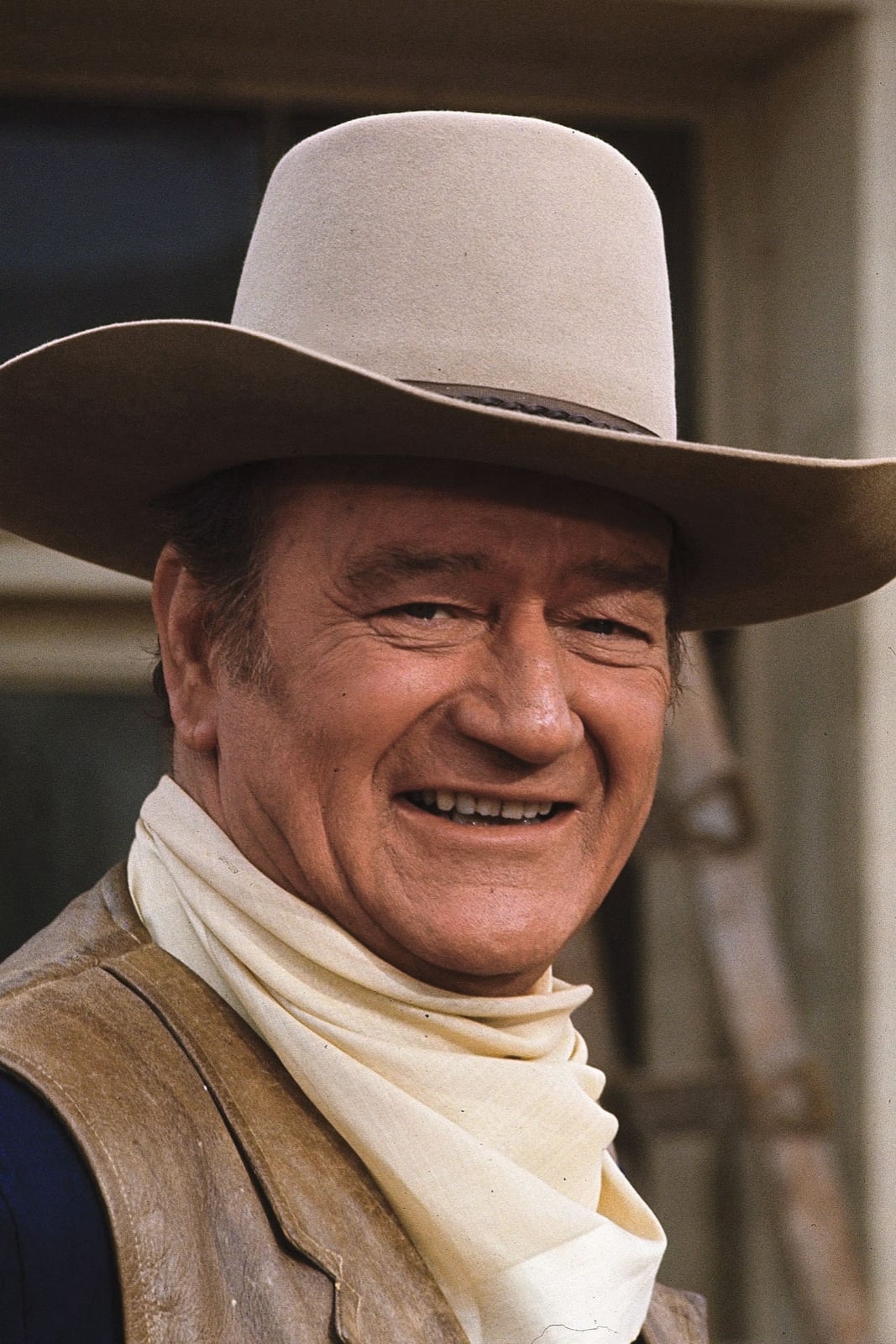
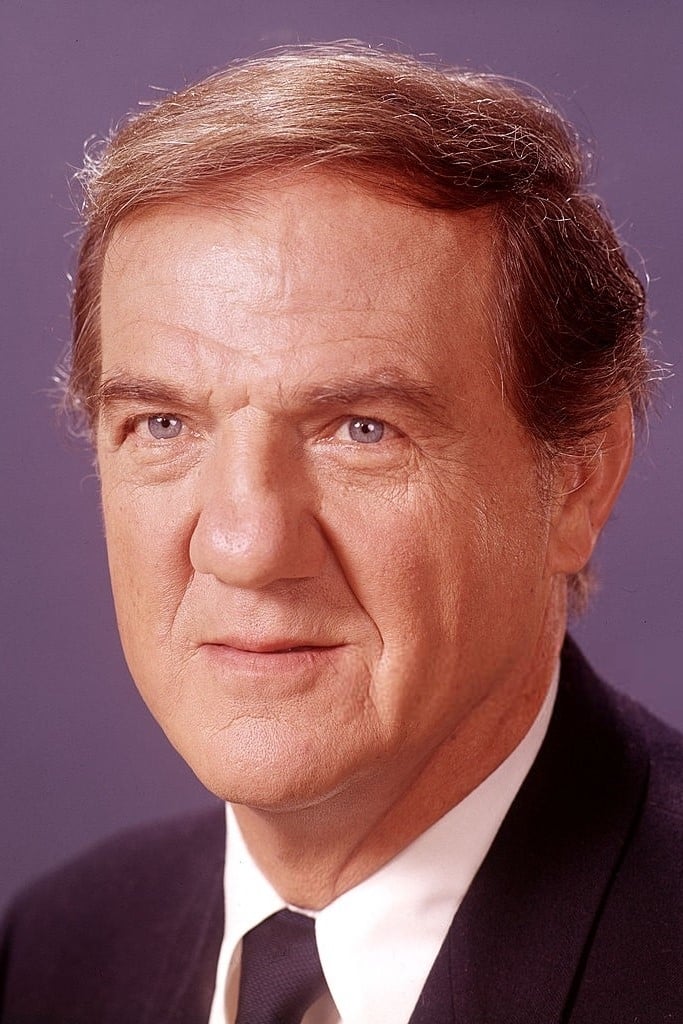
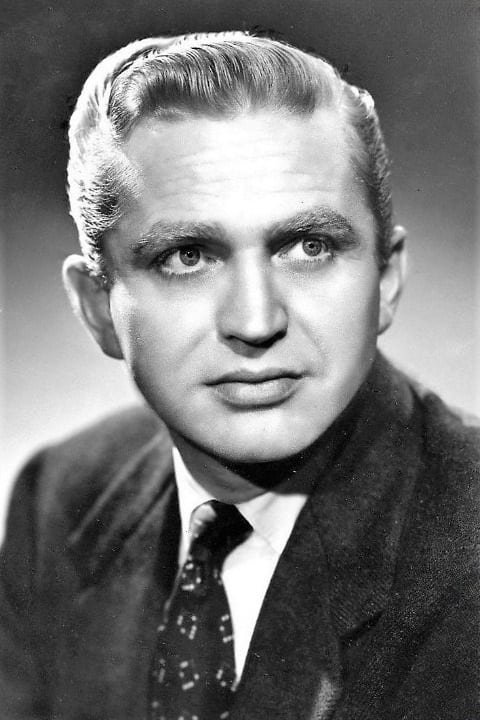
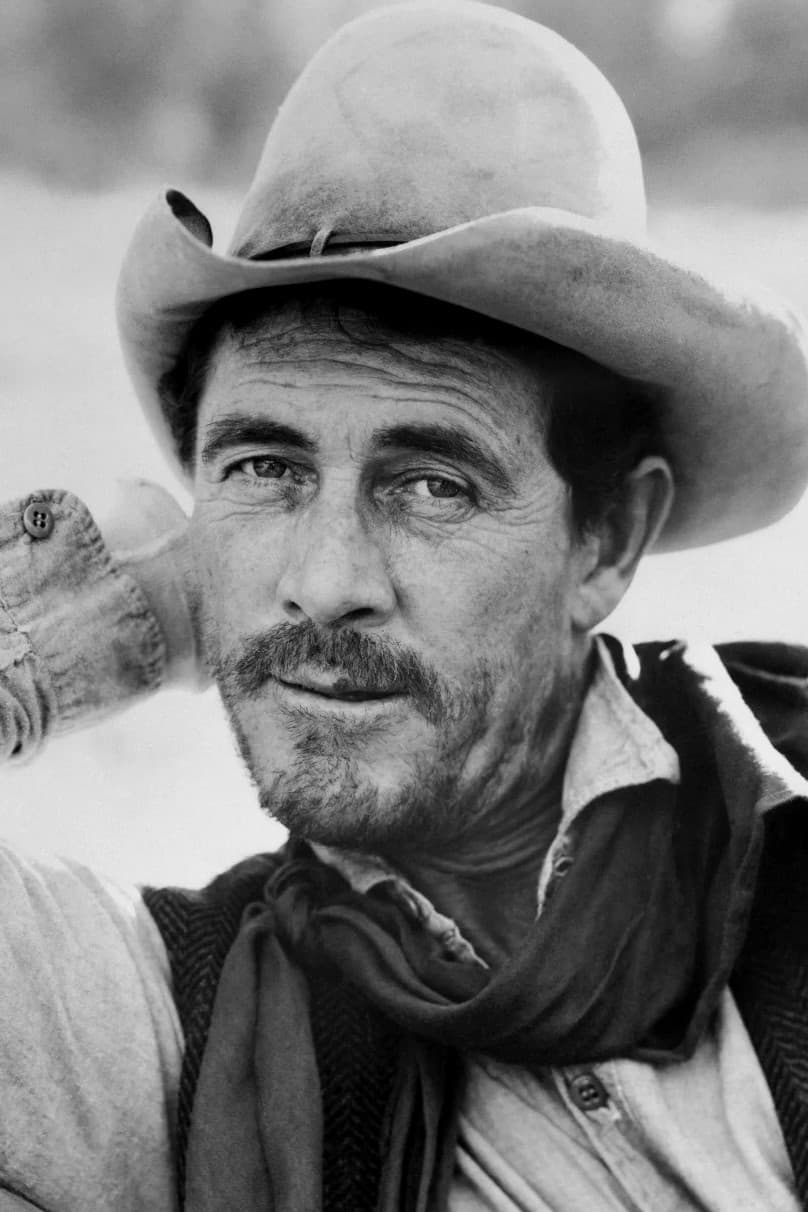
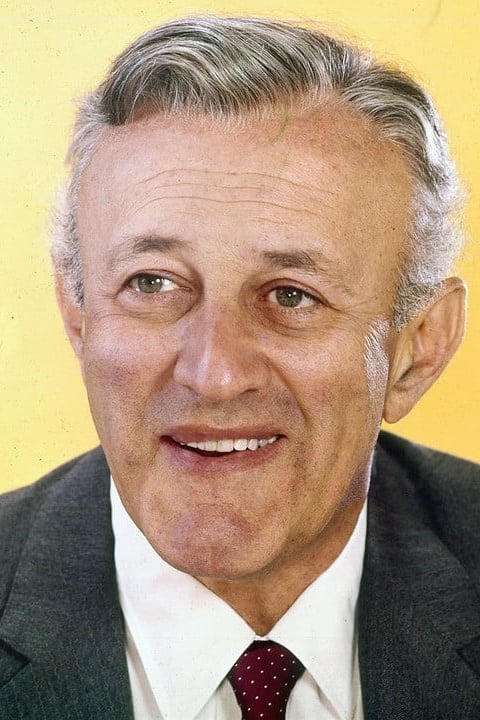
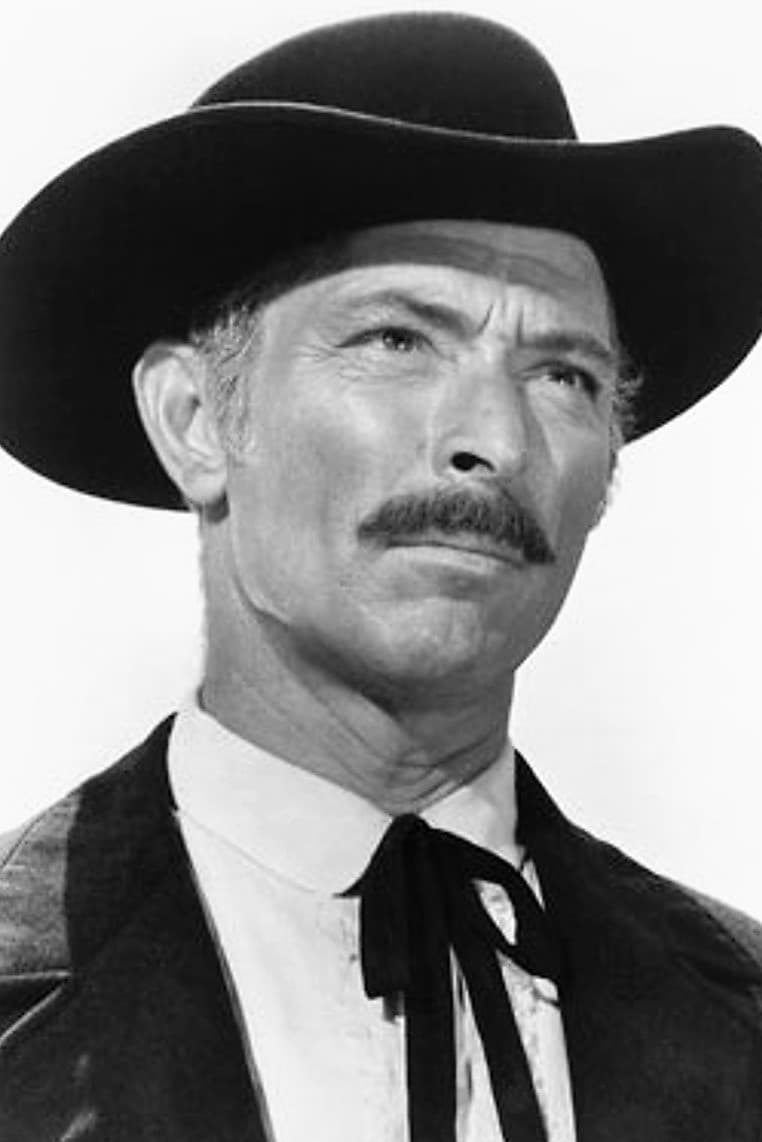
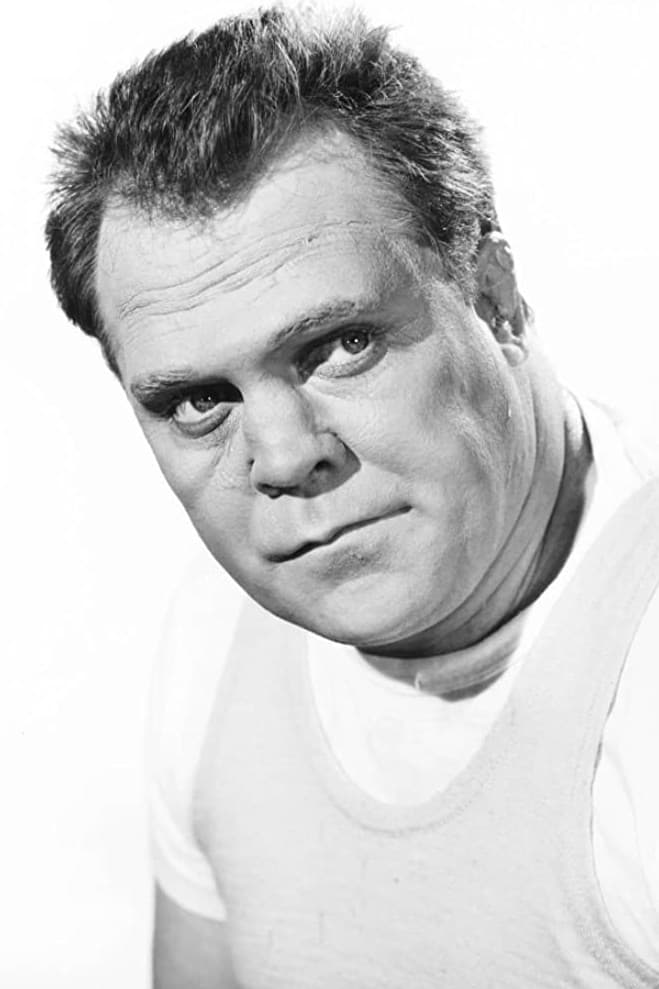
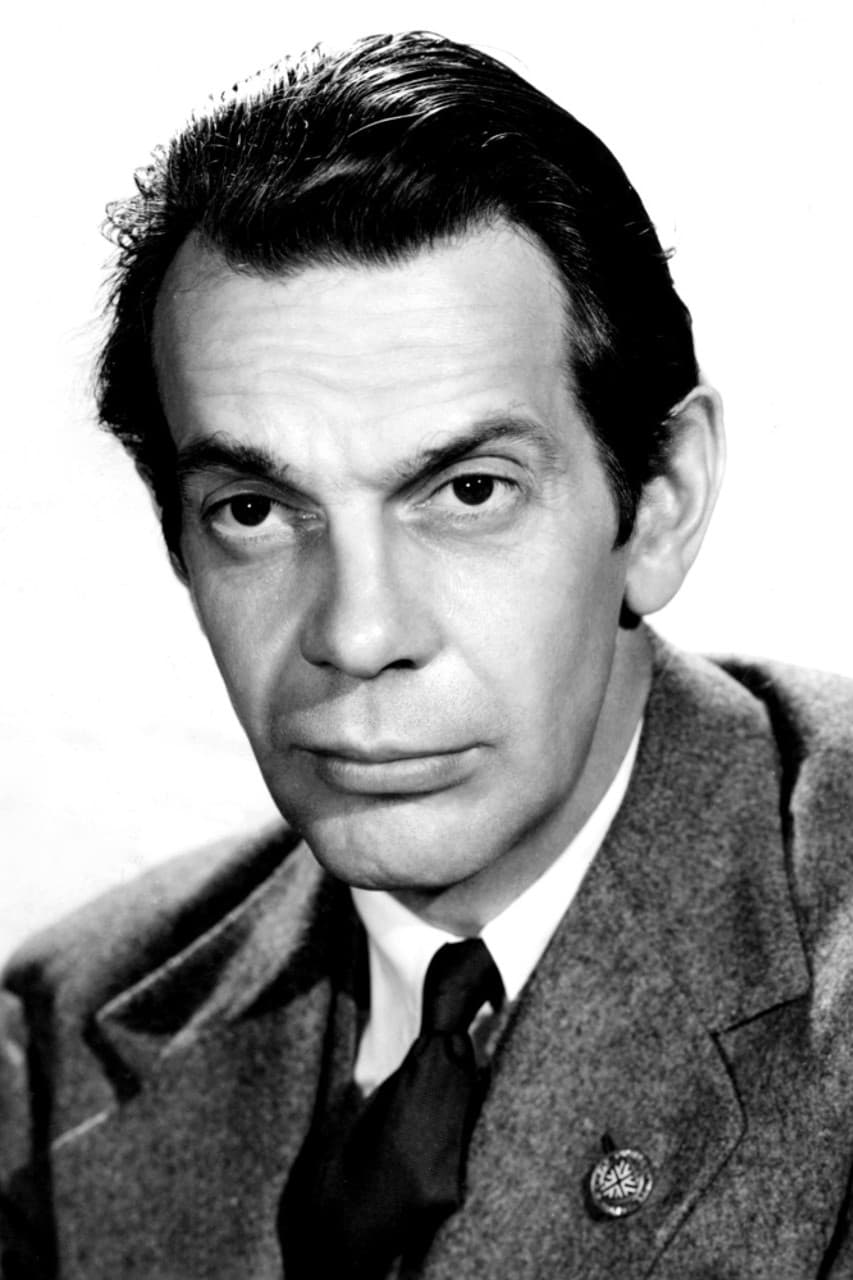
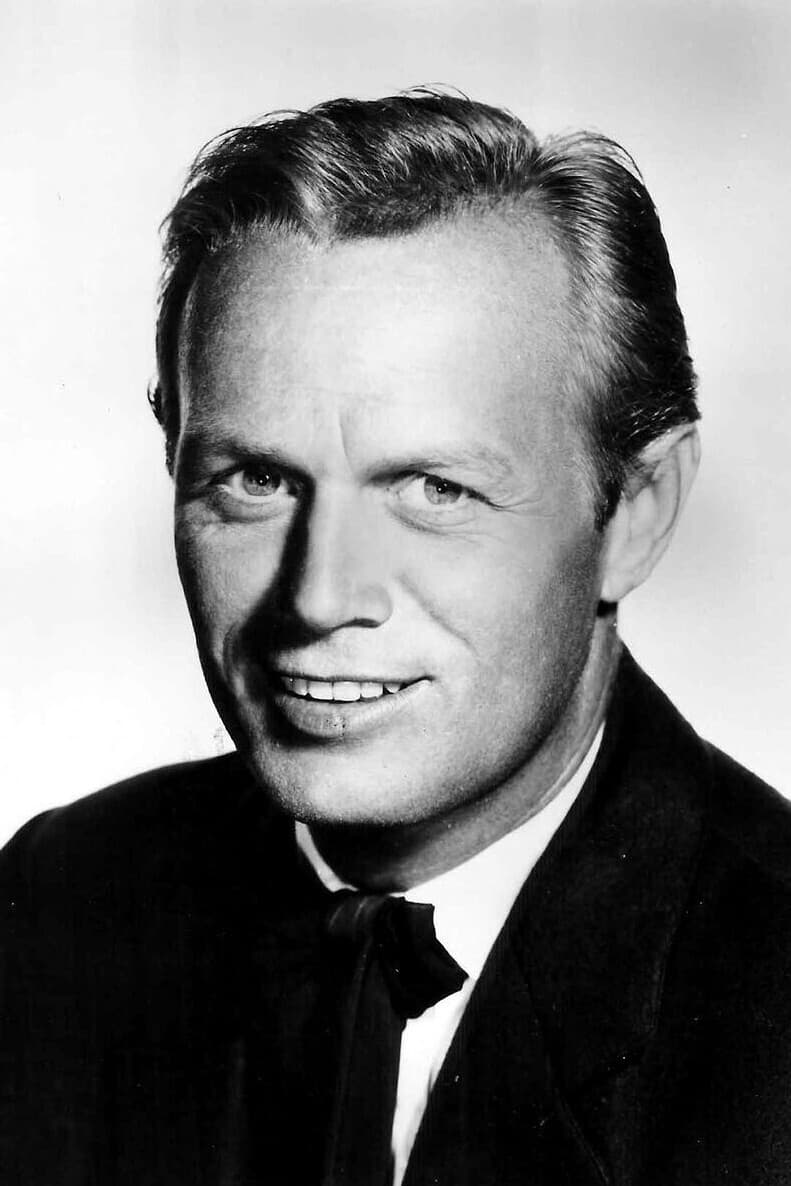
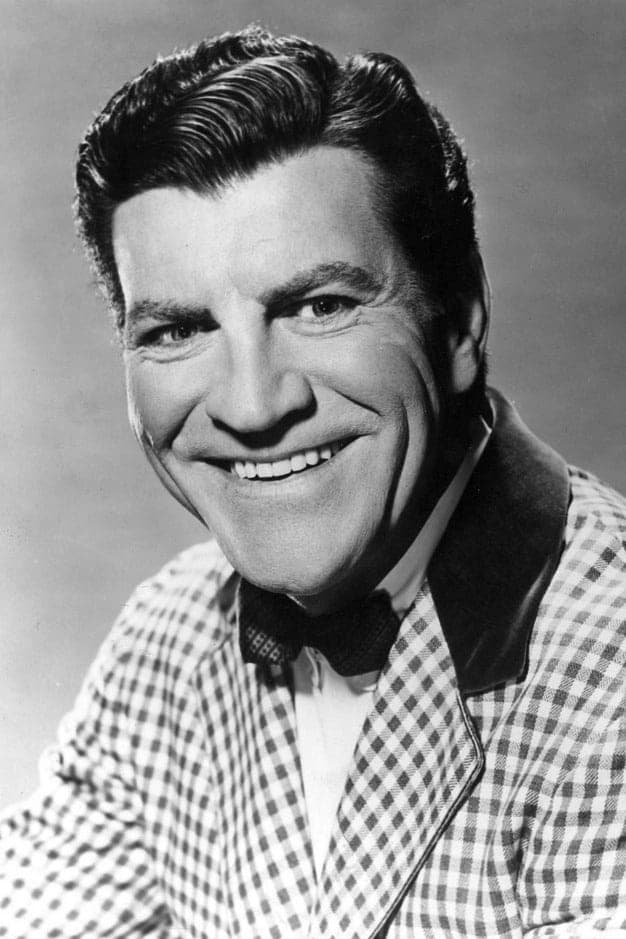
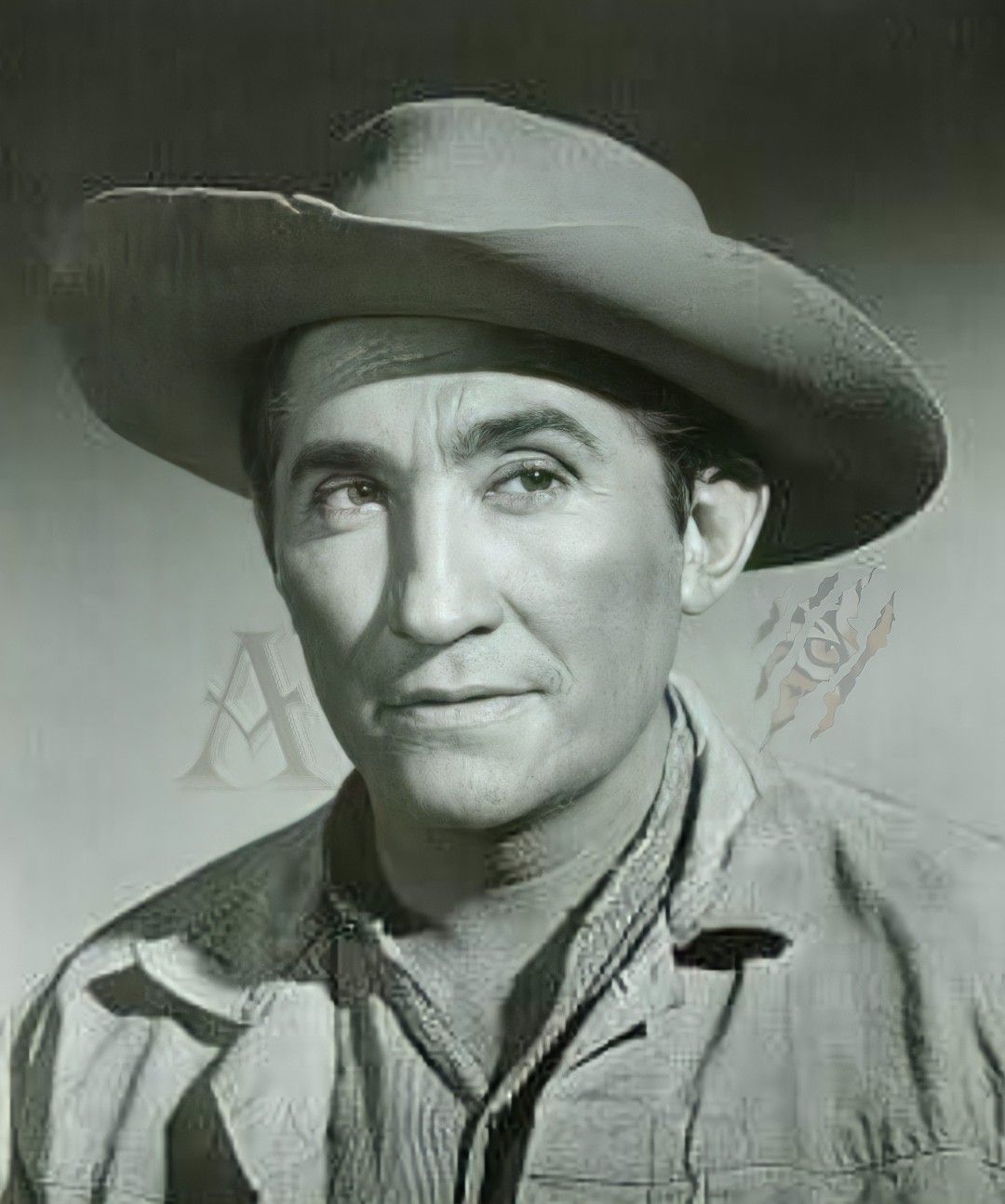
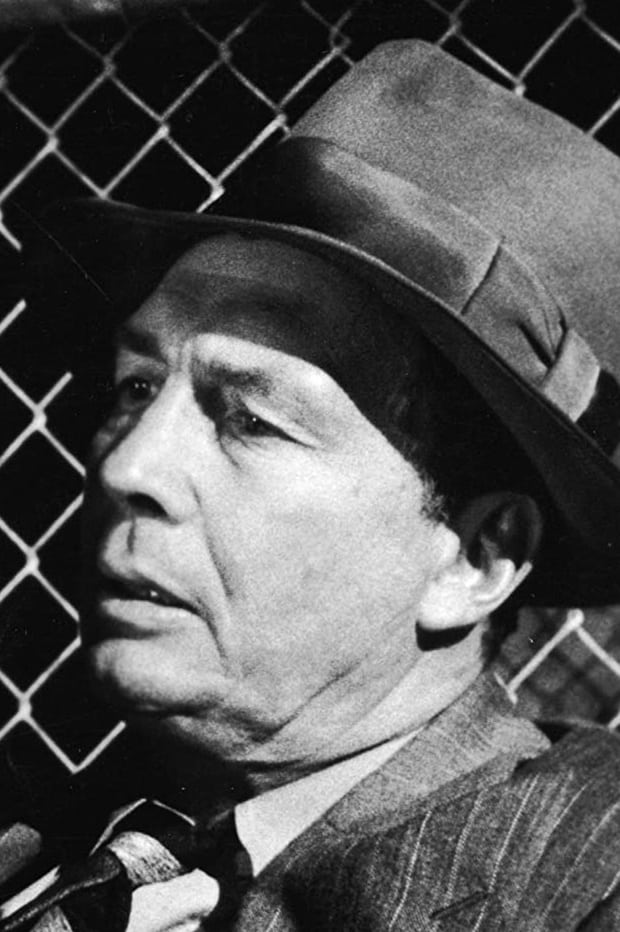
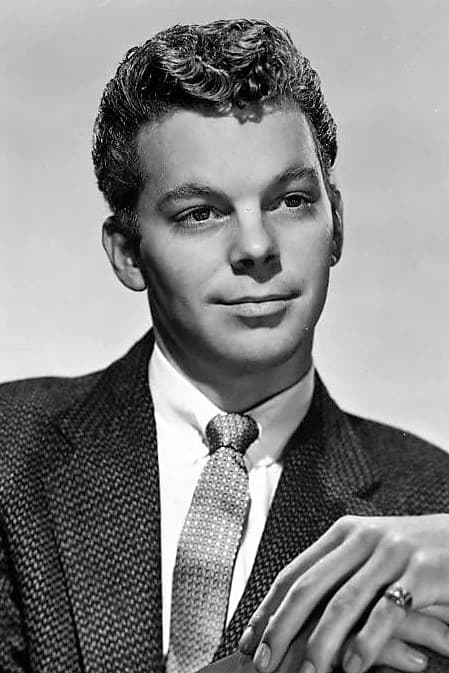
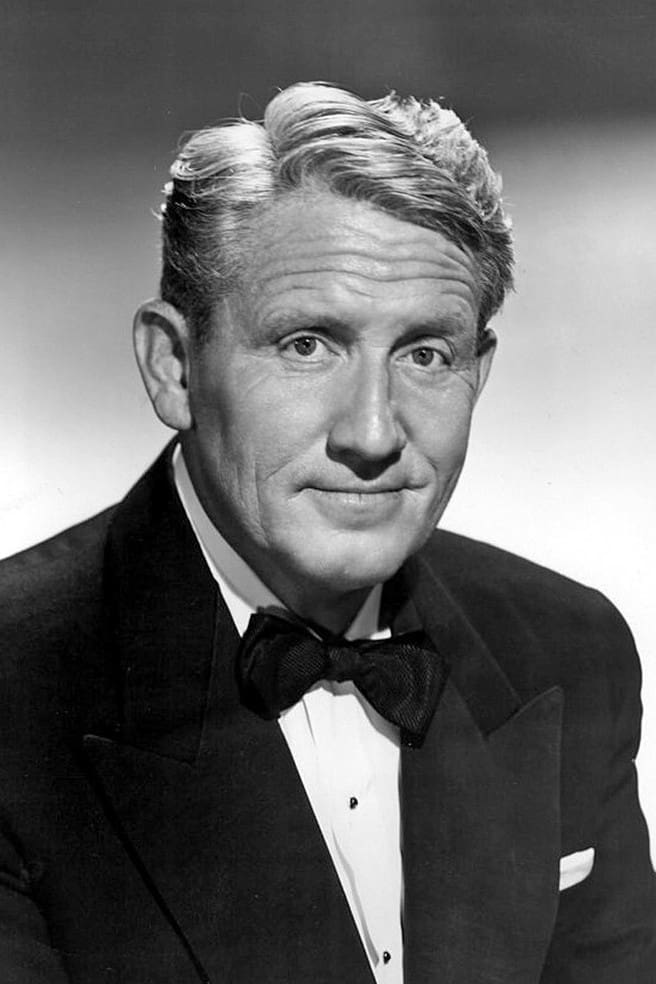
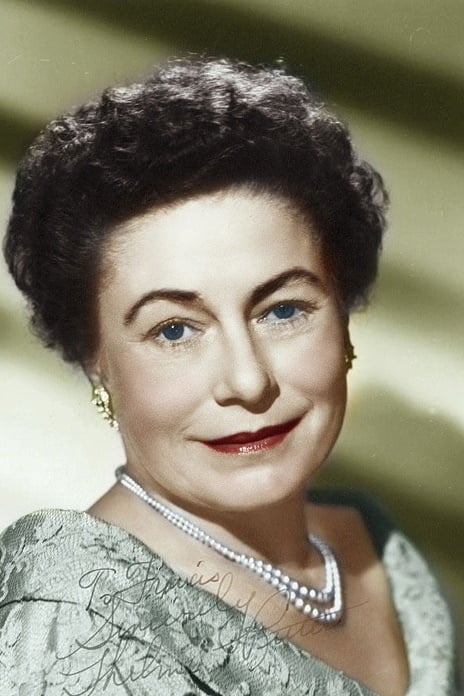
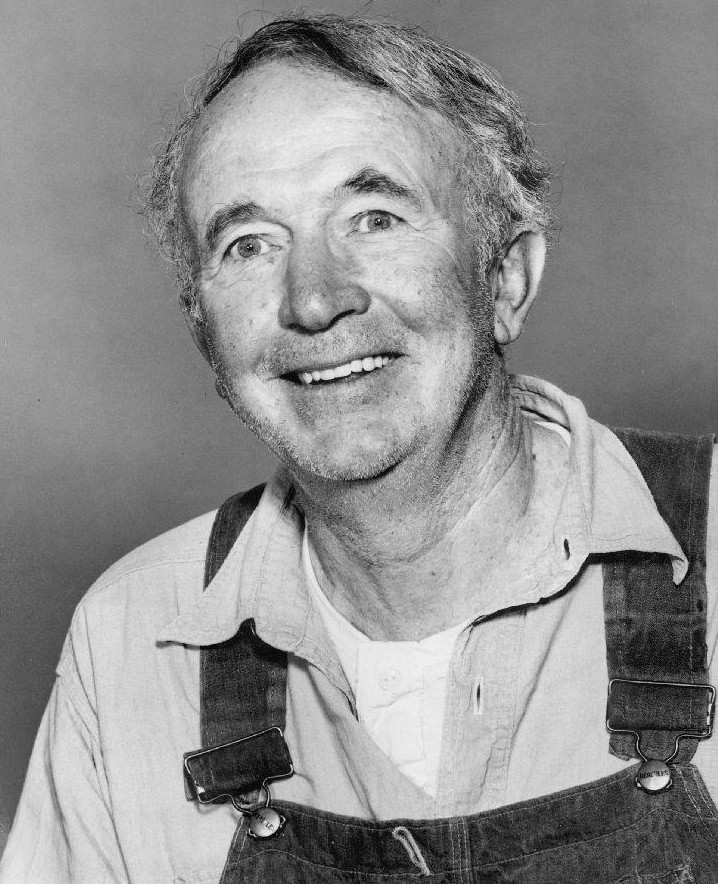
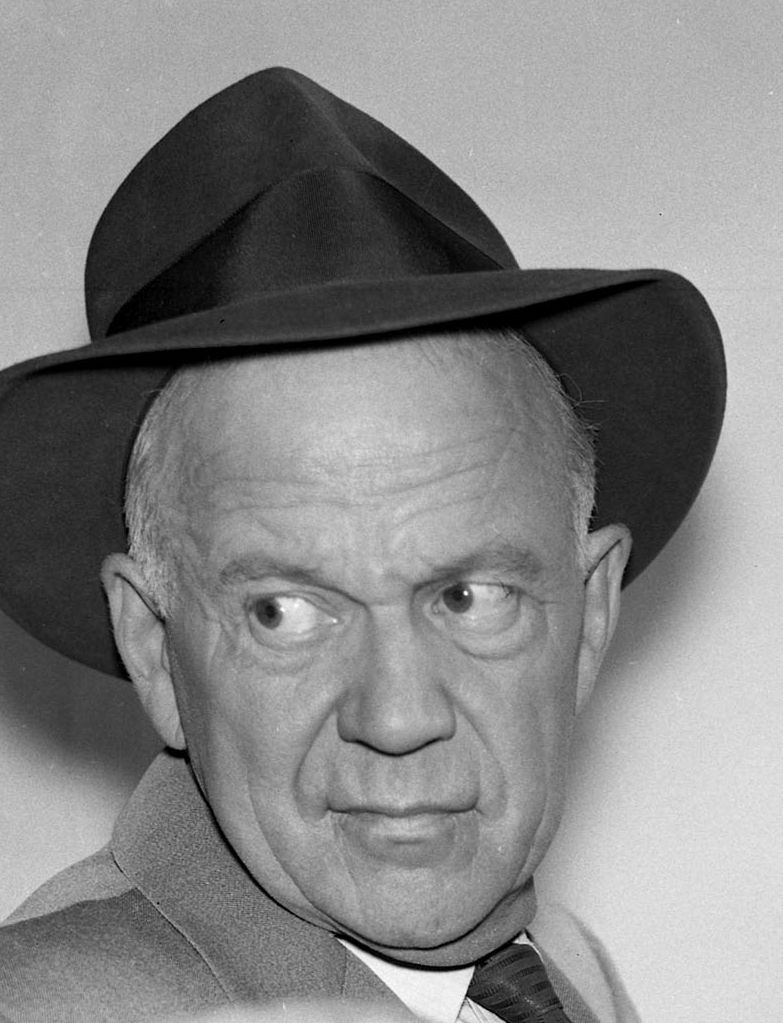
During filming in June 1961, Karl Malden had to be rushed to hospital to have an emergency appendectomy.
Stuntman Bob Morgan was seriously injured, and almost died, while performing a stunt in this picture. Toward the end of the film, there is a gunfight on a moving train between the sheriff and a gang of train robbers. Morgan was one of the stuntmen playing a robber and was crouched next to a pile of logs on a flatcar. The chains holding the logs together snapped, and Morgan was crushed by the falling logs. He was so badly hurt it took him five years to recover to the point where he was able to move by himself and walk unaided.
Although James Stewart's character was only supposed to be 28 in the movie, Stewart was actually 53 at the time of filming.
Cinerama was so expansive that it couldn't really be configured for close-ups. The nearest it could manage was to place a key actor in the central frame and try to get in as close as possible. This proved to be very intimidating for a lot of actors as the camera (an enormous piece of apparatus under a black hood with three lenses) would be literally in their face--18 inches away, to be precise.
Gary Cooper had been offered the role of Linus Rawlings but died before filming began. James Stewart then accepted the part despite feeling miscast.
Continuity
There is no explanation of why Sheriff Ramsey is fine in one scene and wearing a bandage on his forehead in the next, immediately following. (There was a deleted or unfilmed scene where Zeb knocked Ramsey out when the Sheriff tried to stop him from going after the train robbers.)
In the rapids, a large wooden storage container falls of the raft; it then reappears in the next shot.
When Zeb rides up to the Arapaho and they fire at him, he races back to the train camp, gets off his horse and hits it on the rump. It races off, but after the buffalo go through the camp and Zeb is ready to leave, his horse is neatly tied to the fence.
When Ma and Pa Prescott are first buried, their graves are alongside a river. When older Eve is visiting her parents' graves, there is no sign of a river anywhere near the farm.
Linus Rawlings ('Jimmy Stewart') is depicted as having gray hair. The body of the man they identify as Linus Rawlings to the Civil War surgeon has red hair.
Factual errors
Farmers would have known that burying the dead just off the river bank in the flood plain, would mean that the bodies would be washed away with the next flood.
When the buffalo hunters arrive on the Union Pacific, the steam locomotive is a wood burning loco, recognized by its large, funnel-shaped smoke stack which contains a spark arrestor. Such locomotives were used by the Central Pacific, which only had access to wood as a fuel before the First Transcontinental Railroad was completed. In contrast, the Union Pacific used coal, which was easily available to them, not the least from the fields in the Rockies, while it had little access to trees for fuel on the plains and in the mountains. Its coal burning locomotives had long straight smoke stacks without spark arrestors.
When Zeb Rawlings joins Jethro Stuart at Stuart's cabin in the mountains, Stuart discourses about the plentiful beaver he is trapping. However, this occurs in the late 1860s (during the construction of the Transcontinental Railroad). In fact, the beaver trade had collapsed in the late 1830s-1840s.
In the wagon train sequence, wagon master Roger Morgan orders the wagons to make a run for it to escape pursuing Indians. No experienced wagon master would have done such a thing, as horses drawing heavily loaded wagons could not run fast enough to outrace Indians on fleet horses. That was why wagon trains stayed in place and formed a circle to fight off Indian attacks.
Incorrectly regarded as goofs
A 'fake' buffalo is shot, but the gun is clearly aiming nowhere near the buffalo. However, this is not a Goof; it is because the movie was originally shot in Cinerama with three cameras. When viewed in a Cinerama theater, the rifle would appear to be aimed properly.
During the train robbery sequence at the end of the film, the train consisted of a caboose, two flat cars, and two passenger cars. During the gun fight, the two flatcars and the caboose are separated from the rest of the train. However, the other half of the train consists of only the coal car and the engine. The passenger cars are missing. They reappear later when the train is derailed.
Revealing mistakes
During a gun battle on the railroad train, a man is ejected from the train and knocks over a Saguaro cactus. Saguaros have a very strong framework and would not be knocked over so easily.
Tire tracks in the scene where the Indians attack the wagon train.
When Linus Rawlings throws a dagger into the chest of one of the bandits, the wire guiding it can be seen against the tent.
When Linus Rawlings (James Stewart) arrives at the Prescott camp, it is supposedly night. However, the illumination and environment show as if it was daylight.
When the buffalo stampede through the railway camp, the buffalo cause the roof of an underground bunker to collapse. However, no buffalo are shown to be injured or killed as a result.
Anachronisms
A modern water tower appears in the background of a wide shot of troops during Mexican War narration.
In the train portion, when Zeb Rawlings is alerted to riders ahead, and climbs on the coal tender, they show the tracks in front. To the left you can see a twin set of high tension power poles.
In 1850 the wagon master Roger Morgan refers to Cleve Van Thalen as a "tinhorn gambler." However, according to Webster's Dictionary, that expression was not used until 1885.
As Zeb leaves his home to fight in the Civil War, the tune "When Johnny Comes Marching Home" can be heard. A little later, he participates in the Battle of Shiloh, which was fought on 6-7April 6th, 1862. However, "When Johnny Comes Marching Home" was published in 1863. Of course, the tune could have been used as a general symbol of the Civil War era.
The Prescott family suffers a great tragedy navigating the Falls of the Ohio rapids in 1839. However, the Ohio River had been partially dammed at the Falls in 1830 providing a safe navigation channel.
Errors in geography
The Prescotts were shown traveling west on the Erie Canal, then floating on a raft through Ohio (where Eve Prescott settled). The Erie Canal led to Buffalo, then via the Great Lakes, bypassing Ohio.
Rawlings is traveling up the Ohio river to Pittsburgh with the Prescott family down river. All are together the first night, with each leaving the next morning to continue their own directions. Yet, Rawlings reaches the pirates cave and then the Prescotts reach it, with both going in separate directions. How did they manage that?
Ma and Pa Prescott are buried on the bank of the river in which they drowned. When Eve visits her parent's graves decades later, there is no sign of a river anywhere near the farm.
The Sacramento River river boat is shown passing through mountainous terrain, while the Sacramento River estuary is all relentless flatland.
After the train derails during the shootout scene near the end of the movie, the camera cuts from Zeb climbing out of the wreckage to Marshal Ramsey coming out from the back of a train car, and the background for both of these shots is exactly the same (the same group of saguaros are shown), despite depicting opposite directions.
Character error
After the first day of the battle of Shiloh, the movie shows Grant wavering and being steadied by Sherman's resolve. In reality, according to Sherman, himself, it was he who was badly shaken by the day's events and Grant who stayed steadfast.
(at around 31 mins) The sign for the California wagon train lists Roger Ward as wagon master, but the wagon master, played by Robert Preston, is actually named Roger Morgan.
When the wagon train, on its way to California, is attacked by Indians, it is in a mountainous area, yet the Indians are identified as Cheyenne. The Cheyenne tribe was a Great Plains tribe, and would not have been that far west.
While trying to attach himself to the wagon train, Cleve Van Thalen approaches Lilith Prescott and Aggie Clegg and asks Aggie if she is Miss Prescott (knowing she wasn't). But when leaving, Cleve says "Goodbye, Miss Clegg," even though he had not been told her name.
When Debbie Reynolds teaches the game of poker to her grandchildren, one of the girls accidentally looks at the camera.