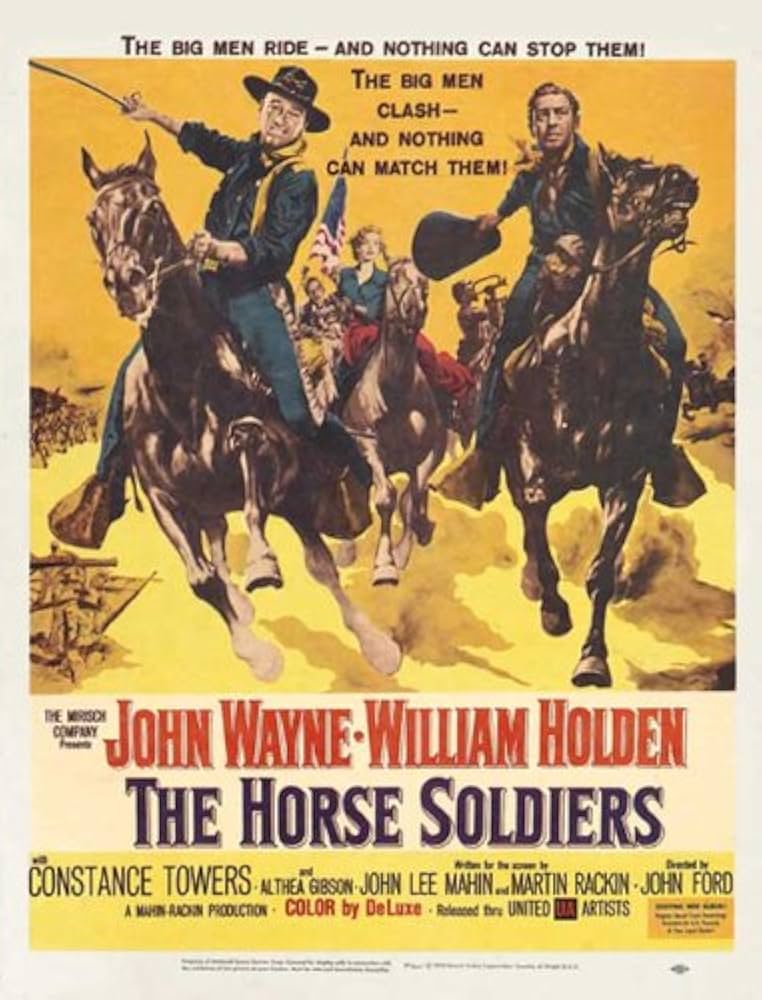
The Horse Soldiers (1959)

Based on the true story of Col. Benjamin H. Grierson. In the Spring of 1863, Grierson left bases in northern Mississippi, taking 1,700 troopers with him. According to Bruce Catton, Grierson "drove through central Mississippi, tearing up railroads and upsetting [Confederate General] Pemberton's troop deployments before reaching Union-held Baton Rouge."
John Ford's Thundering Spectacle
Col. John Marlowe: [offers his hand to Kendall] I don't blame you if you... slap it away. Shake hands?
[they shake]
Col. John Marlowe: So long, Croaker.
Major Kendall: Take care, Section Hand. And if you should run into another doctor...
Col. John Marlowe: Yeah, I know... tree moss.
Oakland Plantation, Natchitoches, Louisiana, USA
Jefferson Military College - Highway 61, Washington, Mississippi, USA
(cadet school)
Alexandria, Louisiana, USA
Natchez, Mississippi, USA
Homochitto River, Mississippi, USA



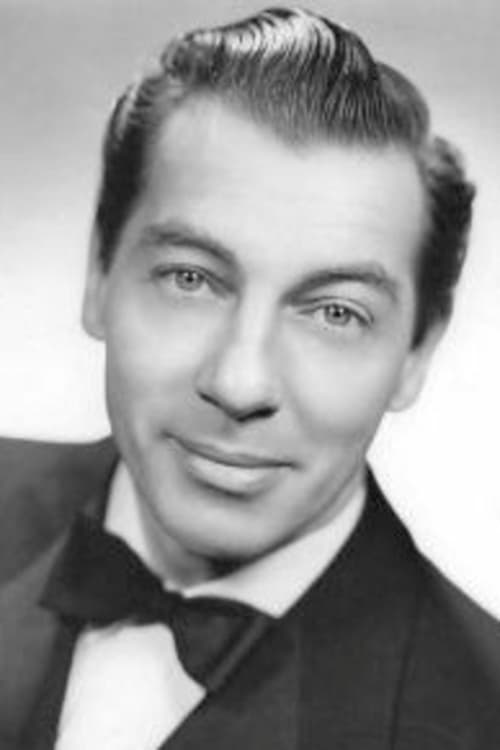
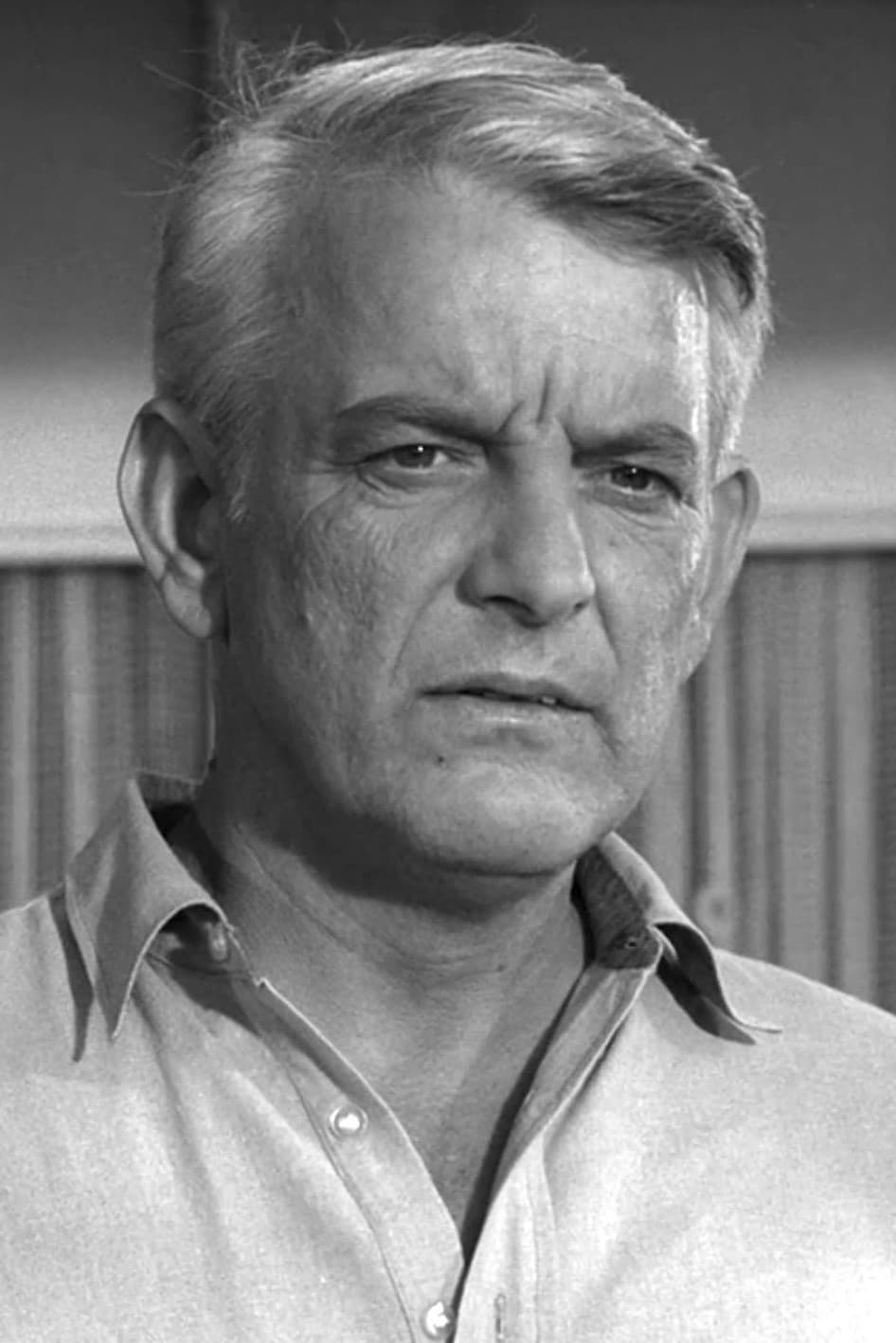
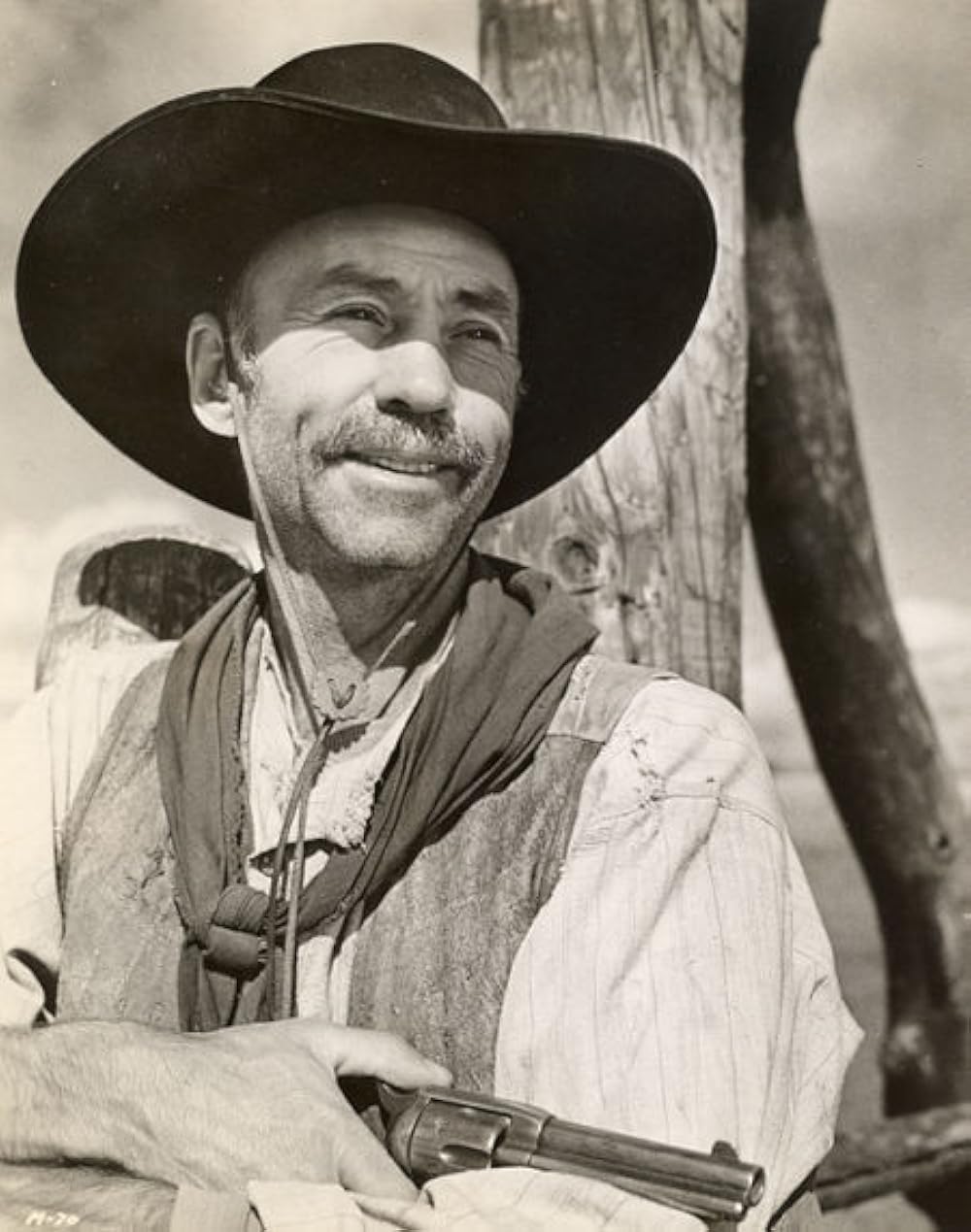
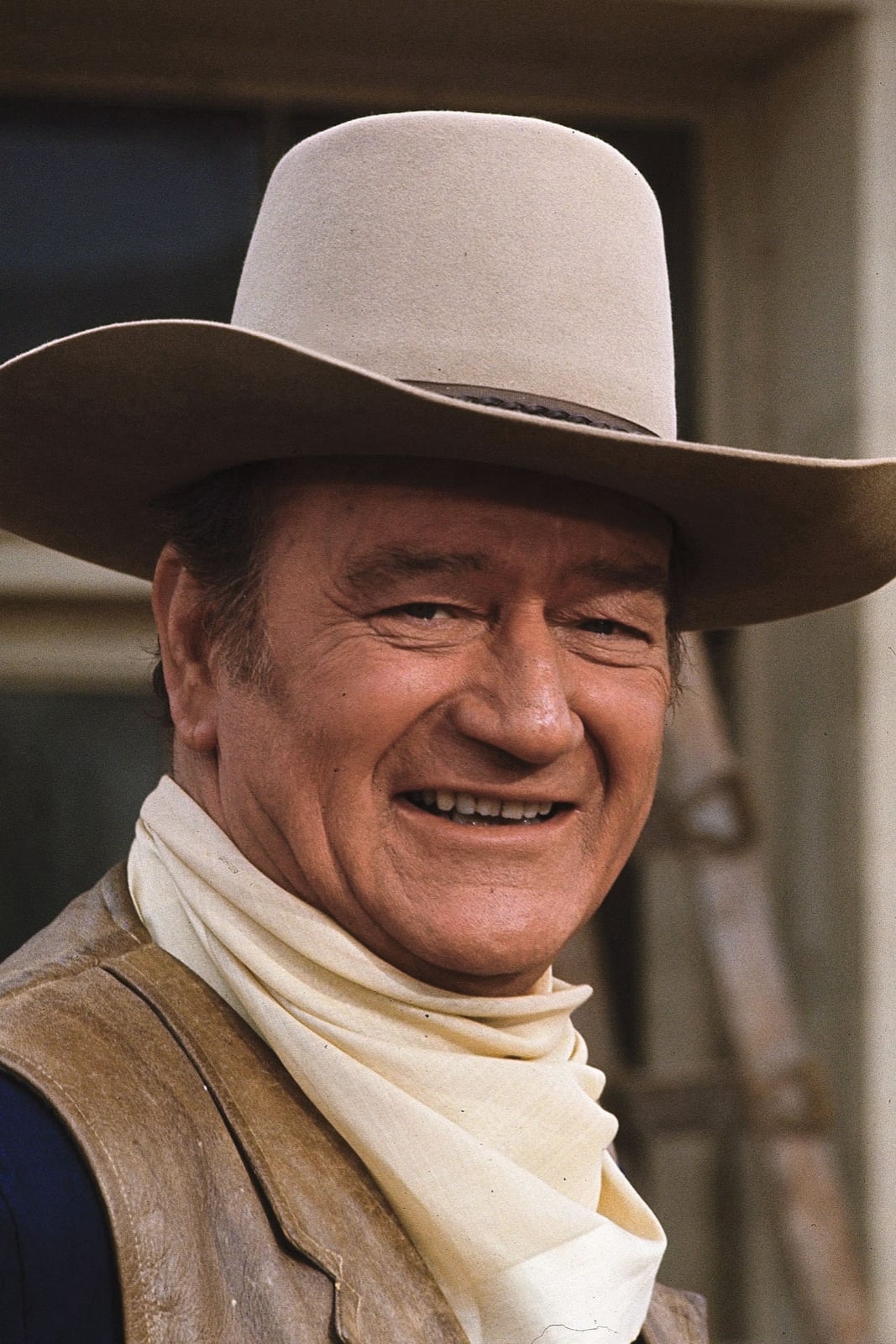
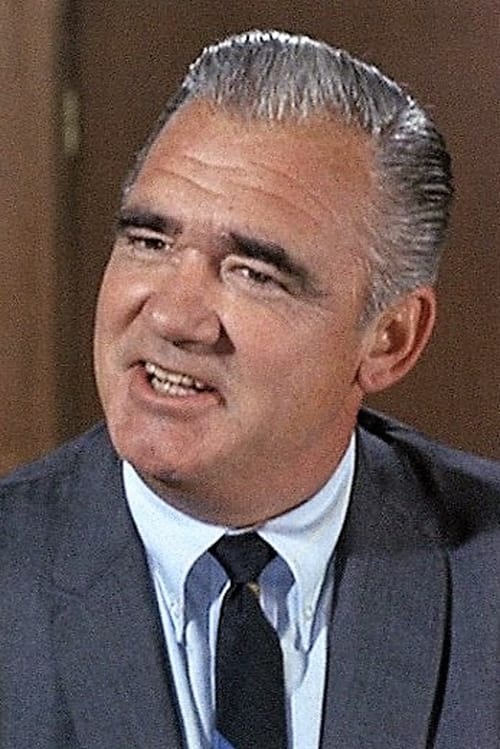
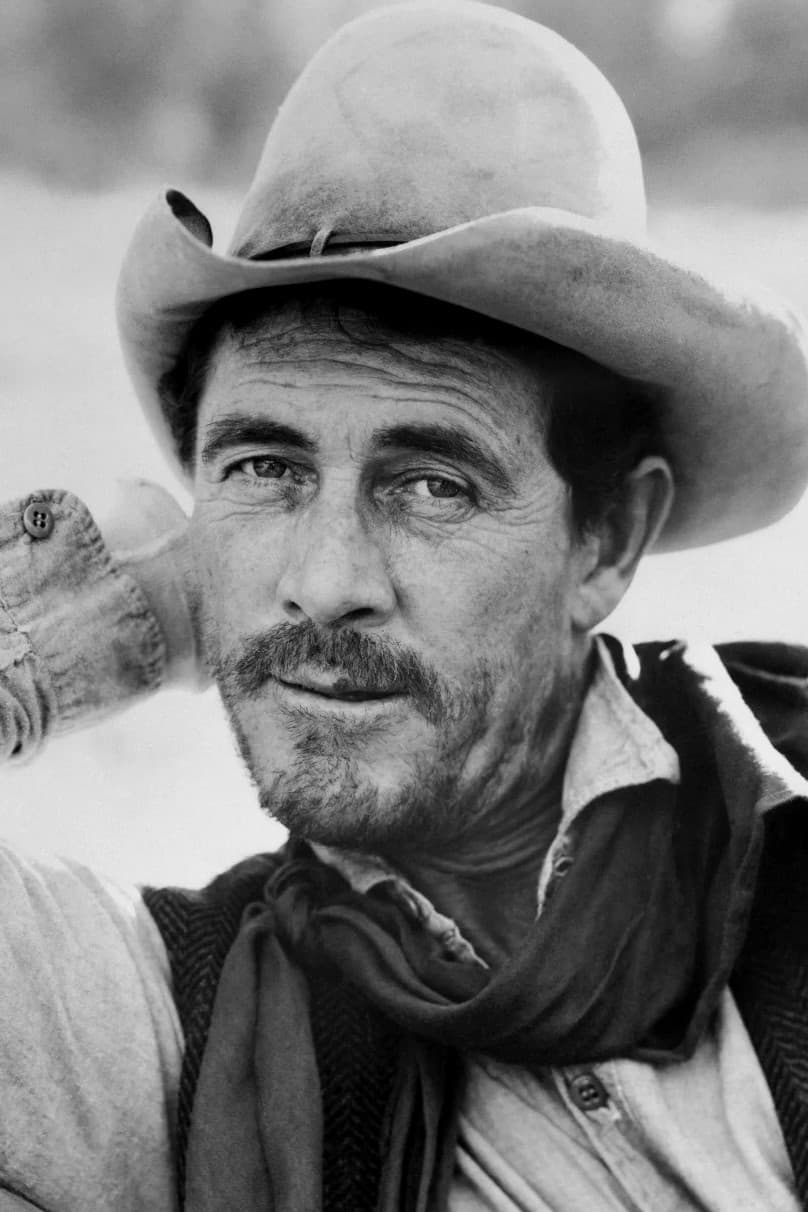
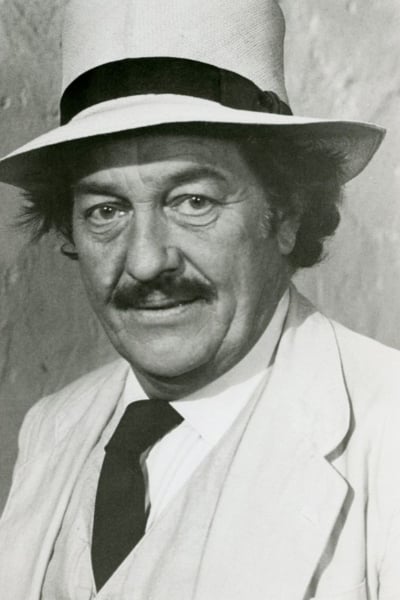
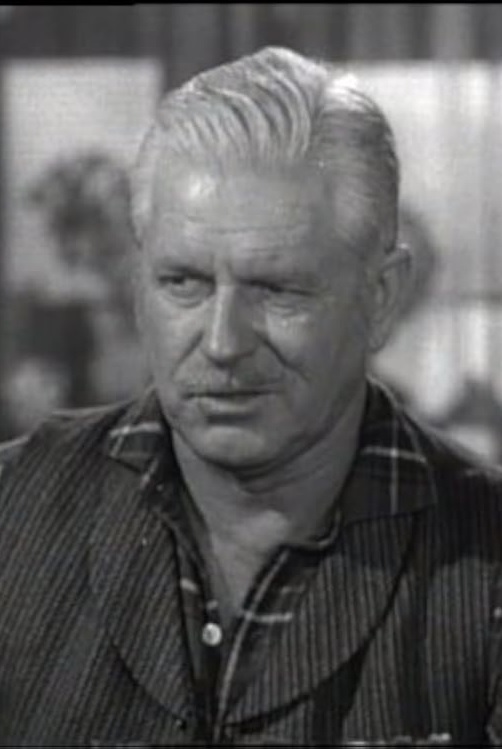
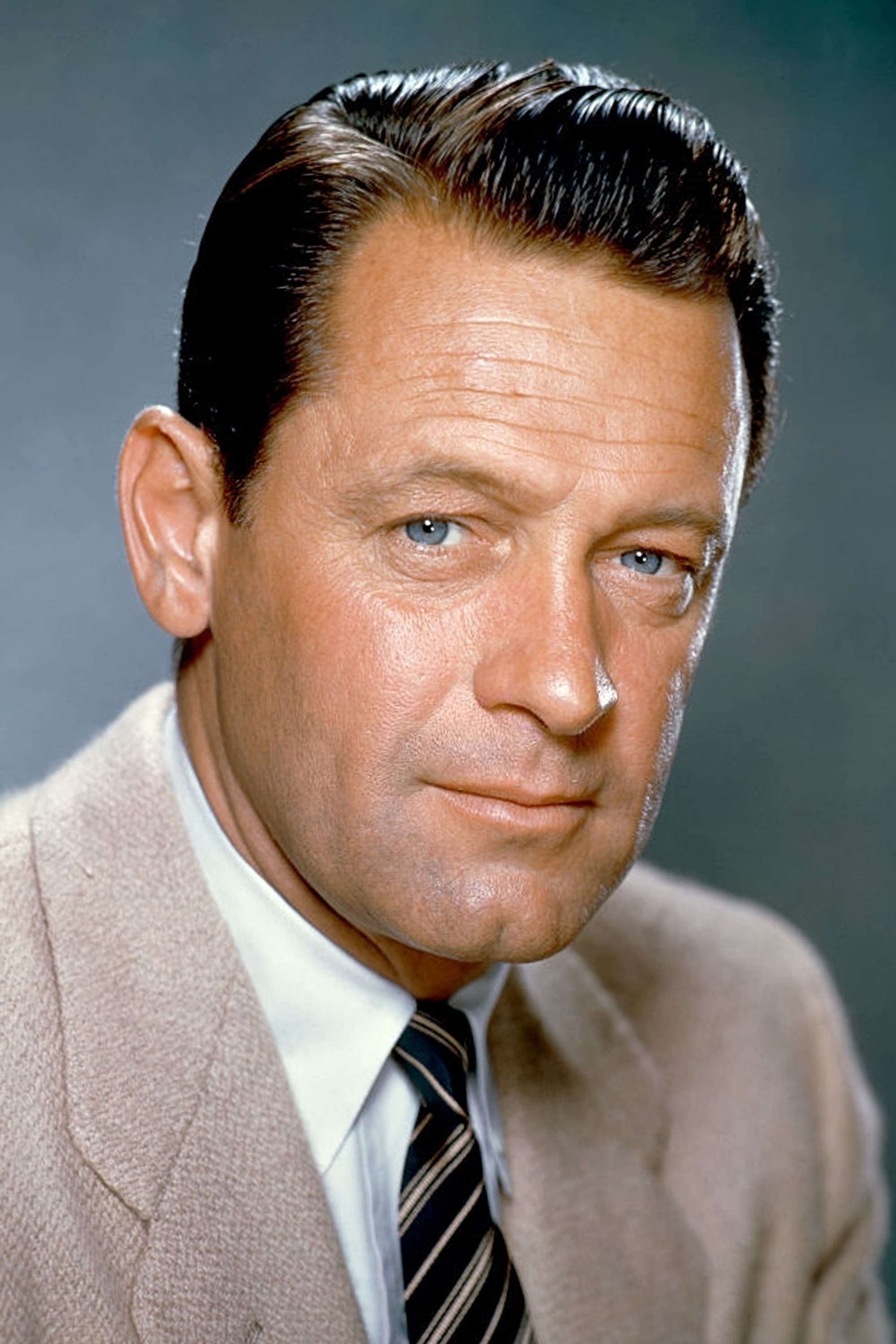
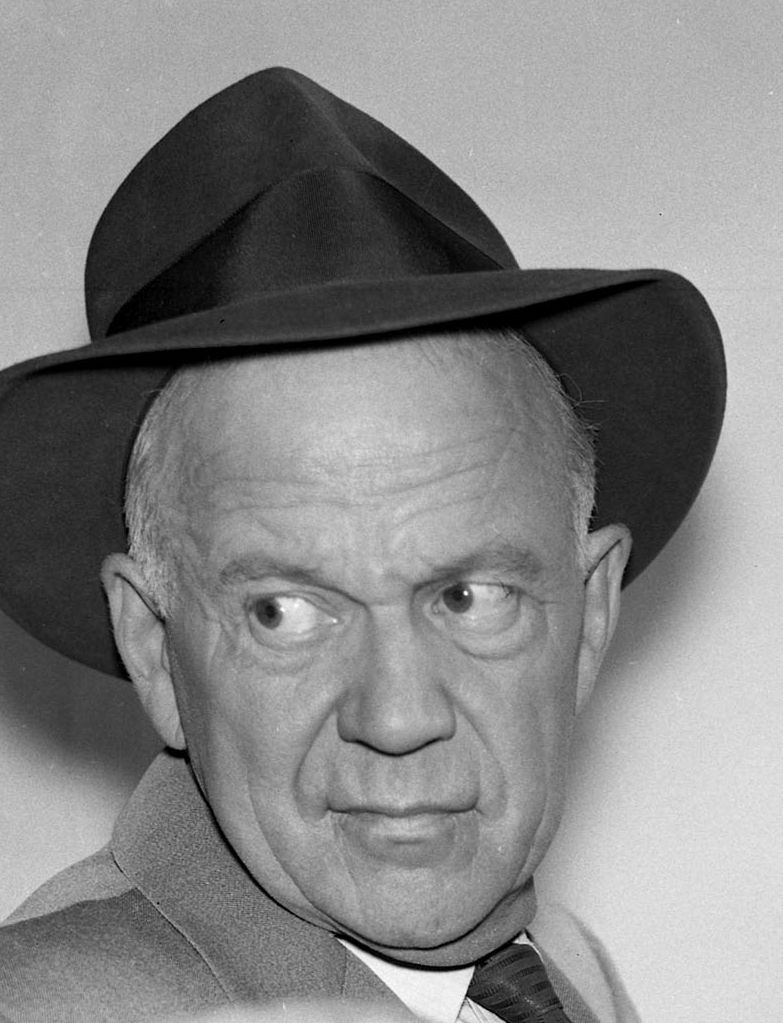
A long-time alcoholic, John Ford was ordered by his doctor to abstain from drinking or he would surely die from its effects. Even though he was notorious for his stubbornness, Ford obeyed the physician's orders. Still, the absence of drink caused him to treat his cast and crew rougher than usual. The one who usually got the worst treatment, drink or no drink, was John Wayne, and he got it good on set. Ford demanded that Wayne also abstain from drink, even though he had no such orders from his physician. Wayne begged producer Martin Rackin to get him away from Ford's omnipresent gaze, if only for a brief moment. Rackin obliged and lied to Ford, telling him that Wayne's teeth were beginning to show up yellow on film and that he needed to take both Wayne and William Holden to New Orleans to have their teeth cleaned. So the drunken trio spent a roaring night in the Crescent City, returning to a furious Ford, who knew through his spies exactly how many bars they had visited.
The film marked the beginning of mega-deals for Hollywood stars. John Wayne and William Holden received $775,000 each, plus 20% of the overall profits, an unheard-of sum for that time. The final contract involved six companies and numbered twice the pages of the movie's script. The film, however, was a financial failure, with no profits to be shared in the end.
Dr. Erastus Dean Yule, the real-life Union surgeon on whom William Holden's character Maj. Hank Kendall was based, actually did volunteer as depicted to stay behind and be taken prisoner by the Confederates along with the Union soldiers who were too seriously wounded to ride. However, this took place before the notorious Andersonville POW camp existed; prisoner exchanges were still routine, and he was exchanged in due course after a few months.
John Ford cast tennis champion Althea Gibson as Lukey partly to attract African-American viewers. Gibson was a racial-barrier-breaking athlete, the female Jackie Robinson of tennis, who--just prior to being featured in this film--had won both the Wimbledon and US Open tennis championships in 1957 and 1958.
During filming of the climactic battle scene, veteran stuntman Fred Kennedy executed a fall from a horse improperly, broke his neck and died. According to fellow stuntmen, Kennedy had broken his neck two years earlier, but it had healed. He had appeared in several films directed by John Ford and the director was greatly affected by Kennedy's death. After the incident Ford halted filming and immediately moved the production back to Hollywood. The film was scripted to end with the triumphant arrival of Marlowe's forces in Baton Rouge, but Ford "simply lost interest" after Kennedy's death. He ended the film with Marlowe's farewell to Hannah Hunter before crossing and blowing up the bridge.
Continuity
When Doc Kendall is examining Dunker's leg, there is a soldier holding a lamp with his left hand. Between shots the lamp is in his right hand.
When Marlowe is talking to Hanna at the bar, the stove behind them has a long red scarf draped around it. The scene cuts away and back very briefly, only a second, but when it does cut back the scarf is gone from the stove.
When Col. Marlowe asks a soldier for Maj. Kendall, his neckerchief knot is under his chin. When he enters in the colored people's shack, where Maj. Kendall is, his neckerchief knot is turned to his left shoulder.
Deacon Clump talks to Col. Marlowe holding his hat in front of him. In the next shot, when Marlowe leaves, his hat is in his head.
Factual errors
While the cavalry did wear yellow for uniform stripes and trim (though inaccurately portray in actual style in the film), medical services wore green trim. Medical officers wore dark blue (not green) backgrounds on their shoulder straps and gold piping on their trousers. Enlisted Hospital Stewards wore green and yellow rank insignia but the piping on their coats and the stripes on their trousers were crimson.
At the conclusion, Major Kendell elects to stay behind with the wounded, even if that means going to Andersonville when captured. His capacity as a surgeon, and therefore a non-combatant, Major Kendell and his patients would certainly be paroled rather than being sent to prison camps. At most he would be used to treat Confederate wounded before being paroled.
Unionist soldiers did not keep spies alive.
The 1st Michigan Cavalry Regiment served in the Eastern theater in 1863, most notably in the Army of the Potomac during the Battle of Gettysburg, and so would not be in a brigade within General Grant's army.
The film is set in the Spring of 1863 as part of Grant's campaign against Vicksburg, which fell on July 4, 1863. The soldiers discuss their fear of being captured and sent to the notorious Confederate prison at Andersonville, the construction of which started in December 1863.
Incorrectly regarded as goofs
To destroy the bridge, Colonel Marlowe lights a line of black powder before mounting and riding off. Black powder does not burn that slowly when poured in a open line. The whole line would go up in an instant. Incorrect. In the open, trains of black powder burn very slowly, measurable in seconds per foot.
When Doc Kendall examines the soldiers in line he walks from left to right. When he is seen from behind the soldiers, he is walking the opposite way. He stopped and turned back to have another look at the "32 year old" soldier.
When the Colonel interviews the two Confederate deserters, they confess that the 6th Alabama and 10th Georgia were originally at Newton's Station before proceeding to Vicksburg. At that point in 1863, both regiments were with General Lee in Virginia. Artistic License. Discrepancies between fact and fiction are usually made for dramatic reasons.
Revealing mistakes
When they take the "one armed" Confederate Colonel away in Newton Station, his "missing" hand shows behind his back as he steps off the porch of the hotel.
In the house at Greenbrier after Major Kendall, Miss Hunter, and Lukey come down the stairs, shadows are visible on the landing above and behind them. The shadows are not in line with any visible light source, suggesting the presence of a spotlight hidden behind the chair at the right of the scene.
In the hotel bar at Newton Station Col. Kirby breaks a bottle of whiskey tucked in the front of Sgt. Kirby's trousers . The trousers are already wet from a previous take.
After Marlowe takes Kirby's wicker-bound jug (0:14:25) and tosses it away, it shatters. That's the purpose of the wicker basket - to prevent shattering.
When Major Kendall is in Colonel Marlowe's tent shortly after he arrives, the angle of Kendall's arms and therefore the position of his hat changes back and forth between shots from almost straight and bent.
Miscellaneous
When by the river with the Confederates on the other bank, John Wayne has his hair piece lifted by the wind generated by passing horses.
As the column proceeds down the country road, the advance scouts are fired at by Rebel Bushwhackers hidden in the bushes and behind trees as they follow a bend in the road. It has been suggested that the section of the column further down the road might be able to spot the hidden bushwhackers across a field.
Anachronisms
In the shot right after Hank Worden throws the torch onto the cotton bales, look at the upper left of the screen. You will see an airplane flying from right to left.
The Confederate flags used in the movie are Army of Tennessee pattern and did not come into use until March of 1864.
Although the film takes place in 1863, Dr. Kendall is shown boiling surgical instruments to prevent them from infecting patients, a process that was not developed until 1879, by Dr. Louis Pasteur.
Although the story is set in 1863, all the soldiers are wearing 1872 pattern cavalry uniforms.
At 1:21:17, two bushwhackers take aim and fire on the Union column. Their rifles are post-war 1873 Trapdoor Springfield rifles.
Crew or equipment visible
When Kendall is removing Dunker's leg, one of the troopers is holding a lantern. In one shot, the lantern is turned a bit and the reflection of a stage light is visible in the glass.
Character error
At the beginning of the engagement with the boys from the military academy, Colonel Marlow orders "Assembly" be sounded. It is clear from the immediately preceding shot that many of the troops are not mounted, but the horses are not even saddled. Therefore, the correct bugle call would have been "Boots and Saddles".
Trying to distract Dr. Kendall, Miss Hunter tells him of her scandalous behavior at a ball in Biloxi. Any southerner would know the correct pronunciation rhymes with Biluckxi, not Bilockxi as she pronounces it.