The High And The Mighty (1954)

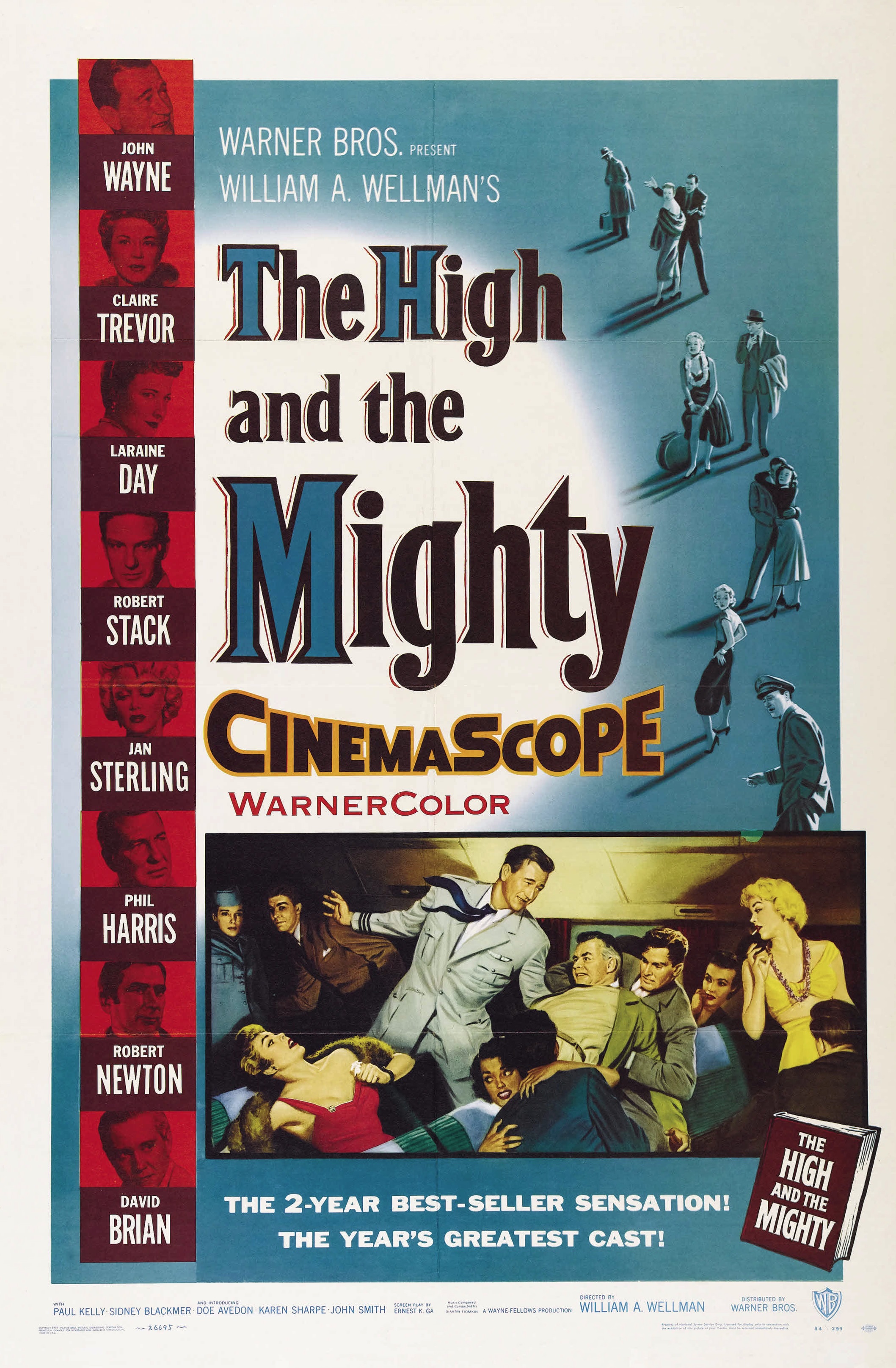
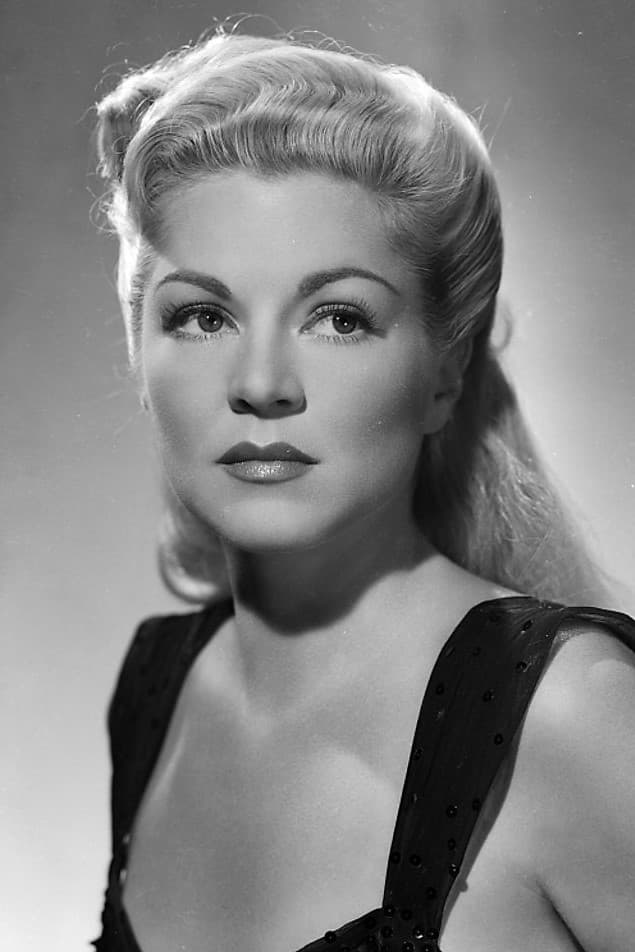
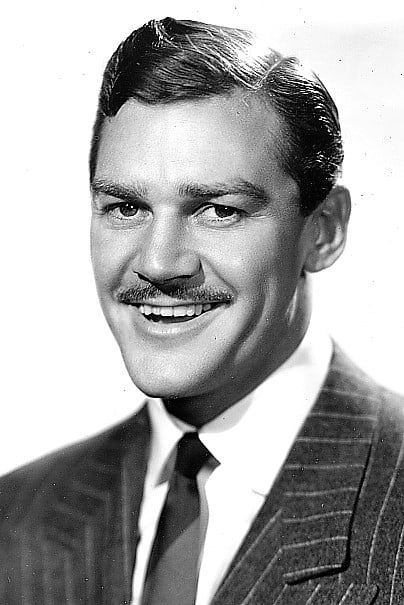
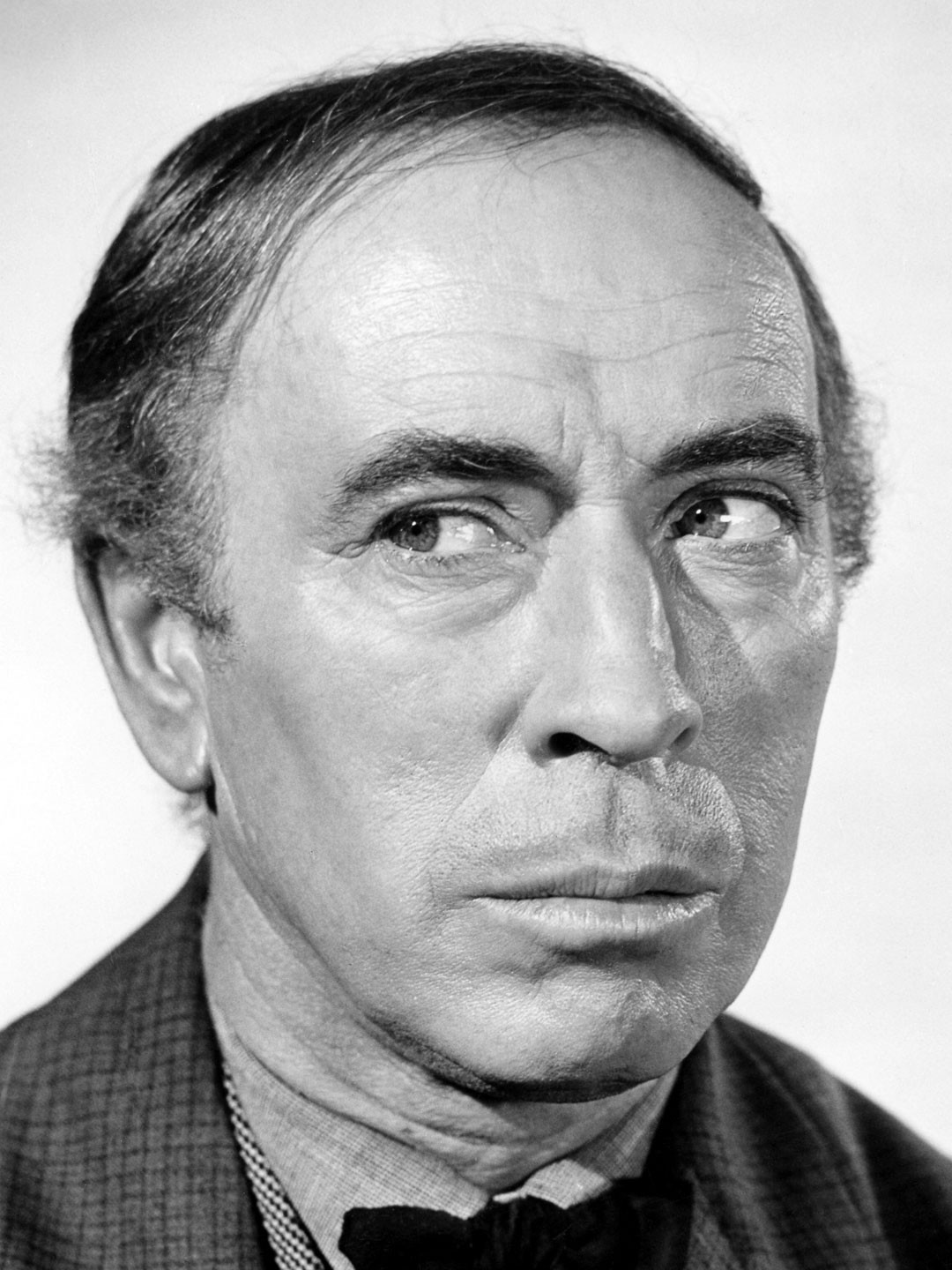
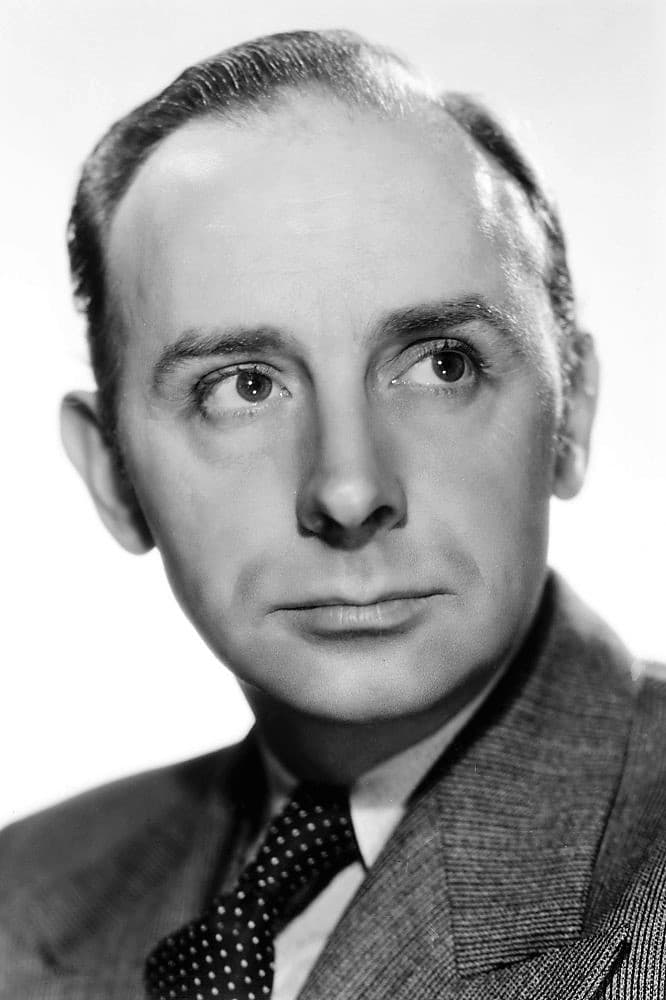
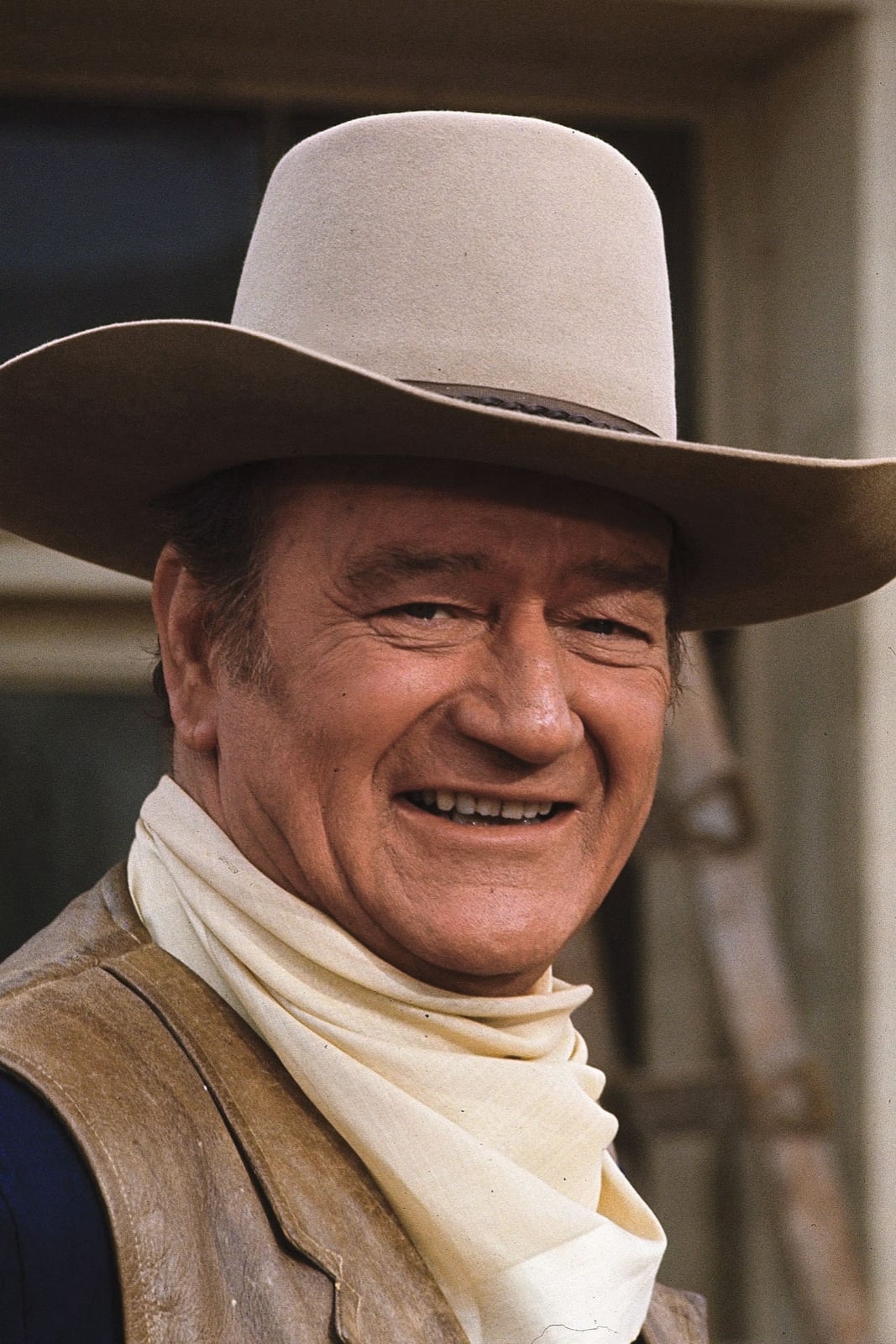
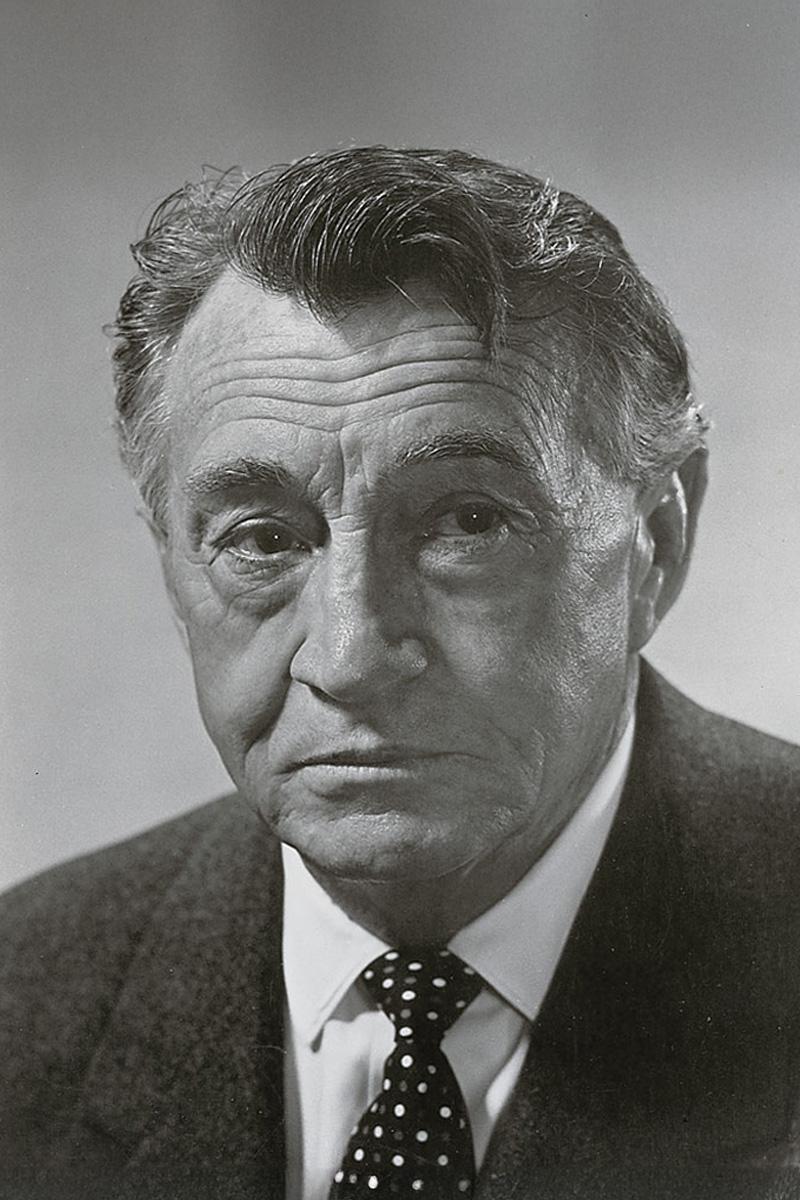
For The High and the Mighty, director William Wellman made a point of using Cinemascope to heighten the dramatic content of a confined screen space ? in this instance, the cockpit of a plane in flight. Copilot Dan Roman (John Wayne) seems a lot more in control of things than Captain John Sullivan (Robert Stack) when the plane loses an engine during a flight from Honolulu to San Francisco. Wellman crosscuts from the tension in the cockpit to the various subplots involving the plane's passengers, among them May Holst (Claire Trevor), Lydia Rice (Laraine Day), Howard Rice (John Howard), Sally McKee (Jan Sterling), Ed Joseph (Phil Harris), and Humphrey Agnew (Sidney Blackmer) (as a character named Humphrey Agnew ? a remarkable prescient cognomen given the future of the U.S. vice presidency!). Adapted by Ernest K. Gann from his best-selling novel, The High and the Mighty was one of the first (and most profitable) entries in the "terror in the sky" genre. Its theme music, written by Dimitri Tiomkin and whistled incessantly by John Wayne in the film, would later become a best-selling hit throughout the world.
"The 2-Year Best-Seller Sensation! The Year's Greatest Cast!"
[first lines]
Ben Sneed: Hey fella, ain't you Dan Roman?
Dan Roman: Yeah.
Ben Sneed: I heard you whistlin' and I said to myself only one guy does that just so.
Oakland Municipal Airport, California, USA
Glendale Grand Central Air Terminal - Grandview Avenue, Glendale, California, USA
Royal Hawaiian Hotel - 2259 Kalakava Avenue, Honolulu, O'ahu, Hawaii, USA
Samuel Goldwyn Studios - 7200 Santa Monica Boulevard, West Hollywood, California, USA
(Studio)
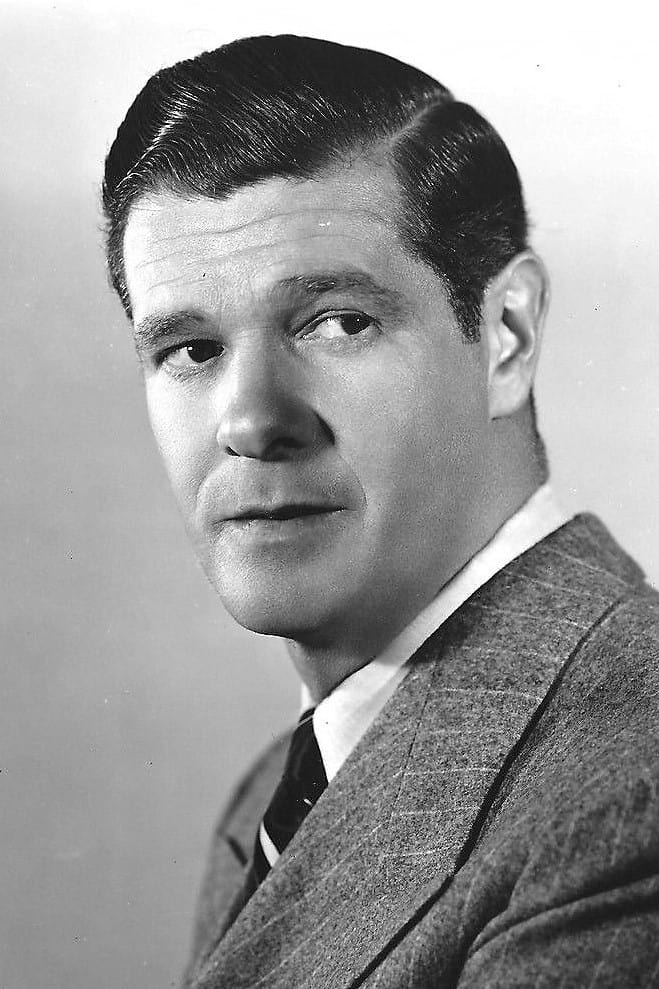
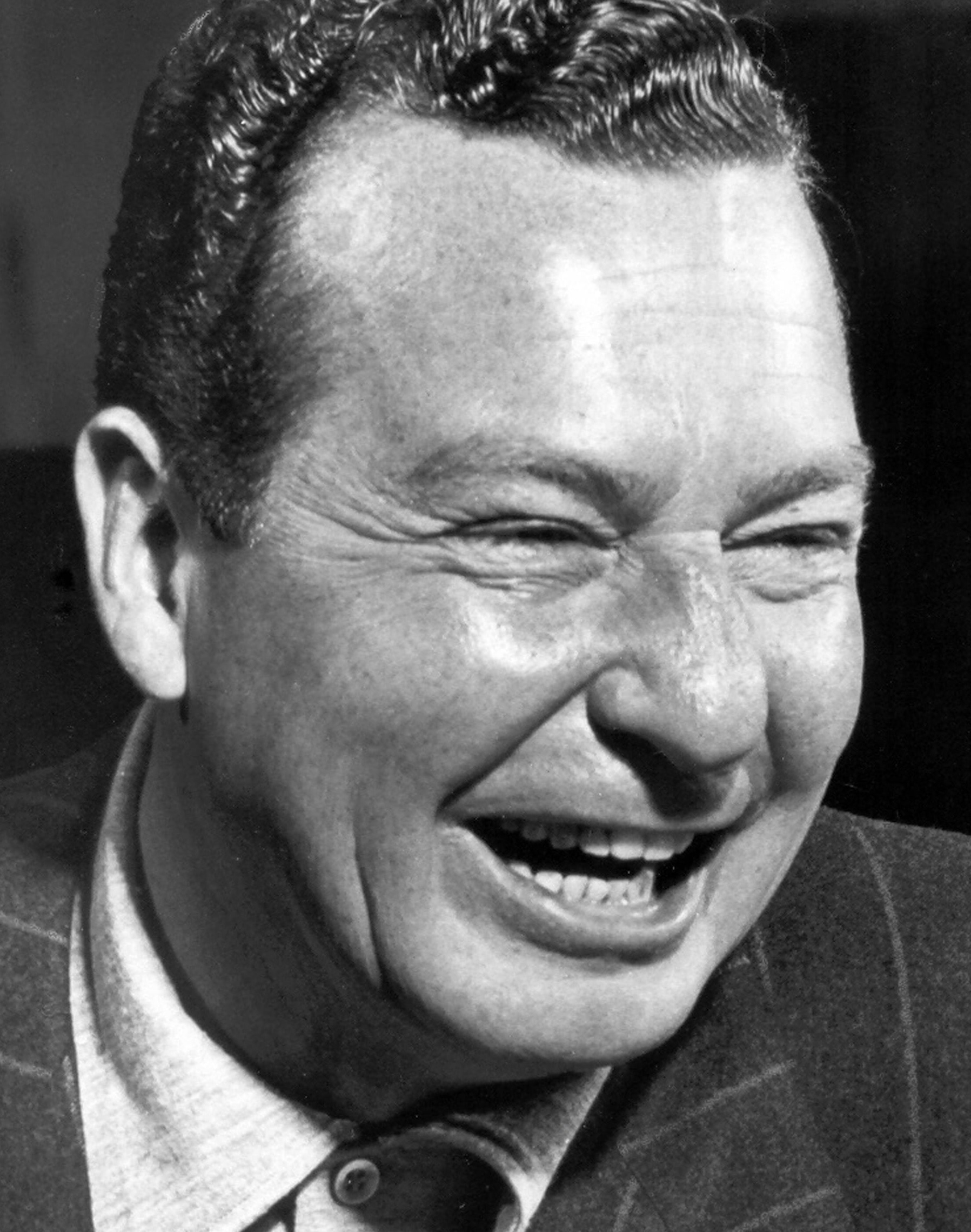
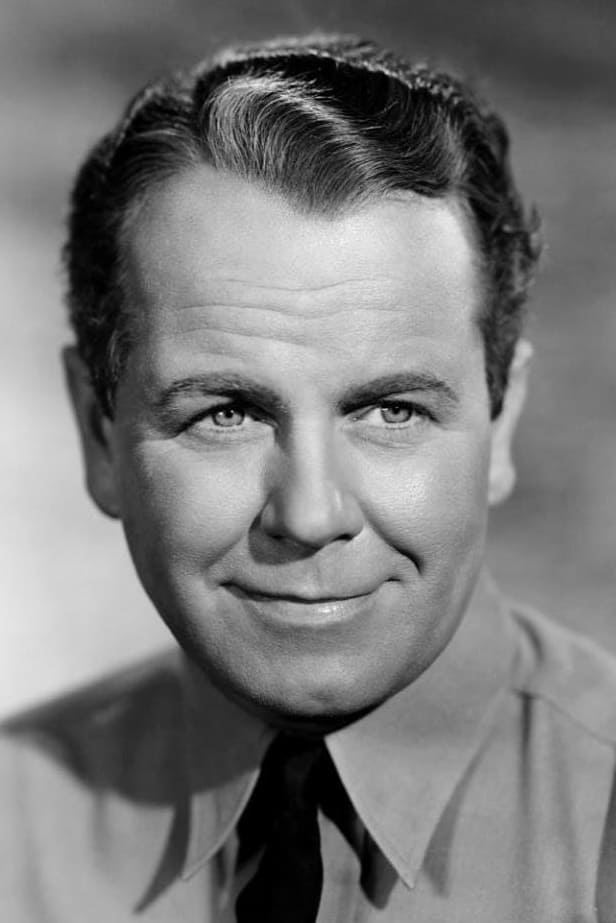
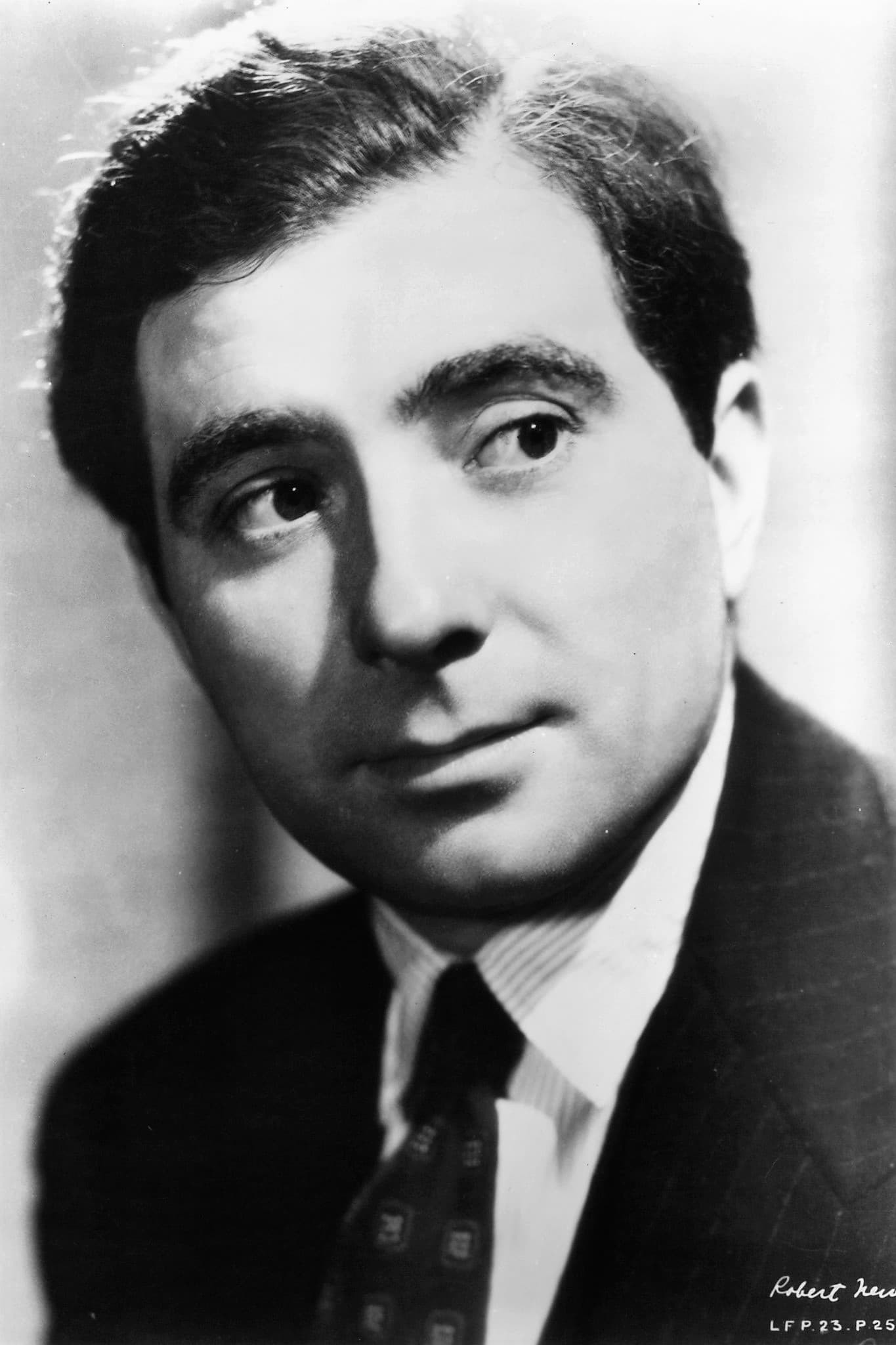
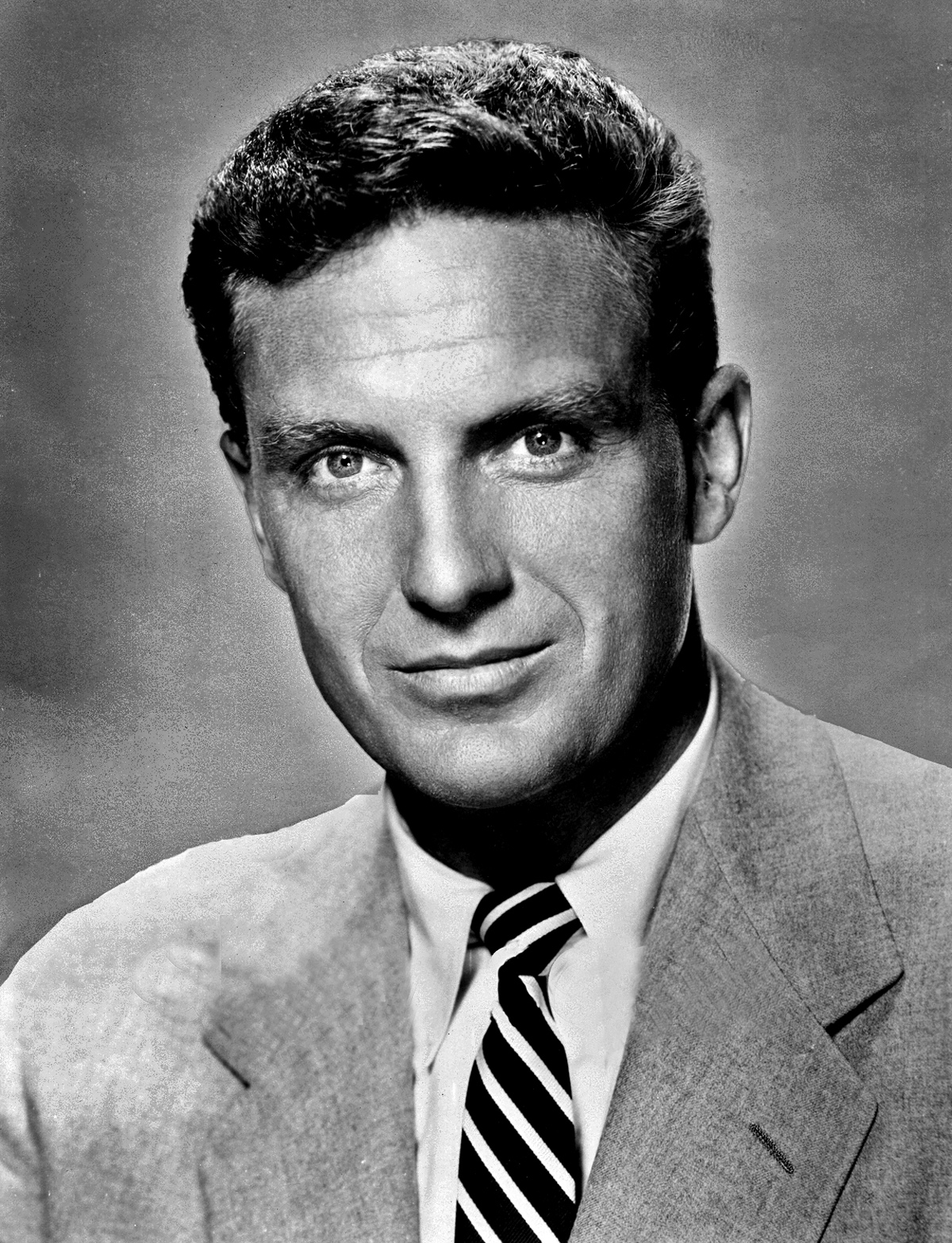
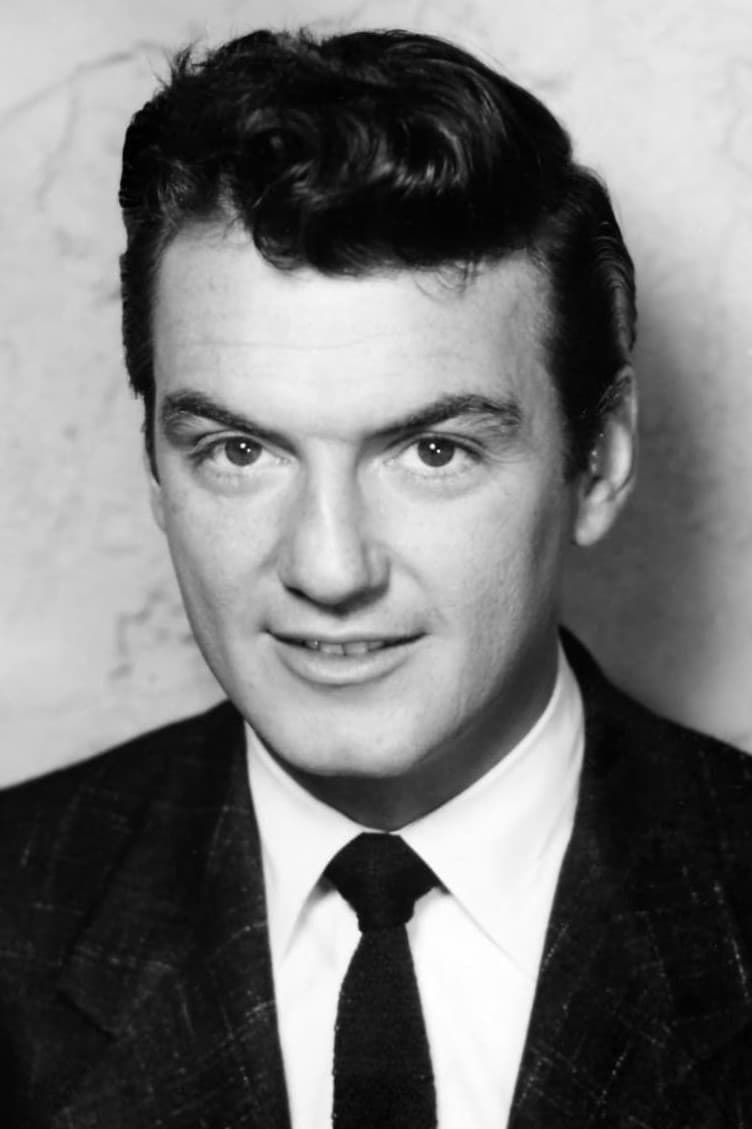
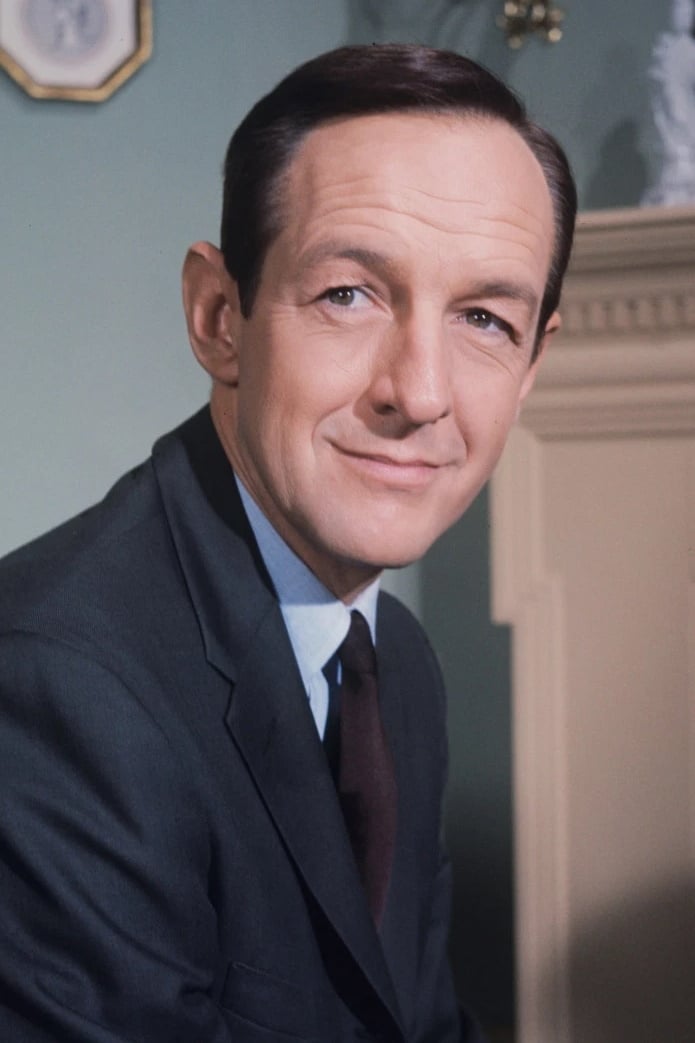
The lyrics to the famed title song are only heard at the very end, are sung by a large choral group, and are different than the familiar lyrics heard in the popular-song record releases of the time.
Jan Sterling reportedly shaved her eyebrows for her role in the film and they never grew back.
John Wayne's first film in CinemaScope.
Producer John Wayne chose Robert Cummings as his co-star for the role of Captain Sullivan. Director William A. Wellman, however, overrode his producer and chose Robert Stack for the part.
Joan Crawford, Ida Lupino, Barbara Stanwyck, Ginger Rogers, and Dorothy McGuire all turned down roles in this film.
Spencer Tracy was originally cast as Dan Roman. He backed out of the film, however, after hearing several negative comments about how strict a disciplinarian director William A. Wellman was.
Average Shot Length (ASL) = 11 seconds
The actual DC-4 aircraft used to film the passenger boarding and flying sequences was a former military surplus Douglas C-54A-10-DC built in 1944. When filmed, the aircraft (then registered as N4726V) was being operated by Transocean Airlines for whom the film's author, Ernest K. Gann, had flown these planes over the Hawaii-California routes. Known as the "The Argentine Queen," before being acquired by Transocean in 1953 it had been the personal aircraft of Argentine dictator Juan Domingo Per?n. Ironically, a little more than a decade after appearing in the film this aircraft and the nine persons on board were lost on March 28, 1964, when the plane was forced to ditch in the Pacific Ocean about 700 miles west of San Francisco. The plane was about eight hours into a charter flight from Honolulu to Los Angeles when the pilot reported a serious fire in engine #2. The Coast Guard searched for the aircraft for five days but no trace of it was ever found.
Towards the end of the movie, when Robert Stack tells John Wayne to whistle something (because he works better with music), the tune that John Wayne whistles is, "I'm a Ramblin' Wreck from Georgia Tech".
Continuity
On departure from Honolulu the DC-4 has unpainted propeller blades, but on arrival at San Francisco, the propeller tips are painted red and yellow (an apparent safety measure to let ground crew see rotating propellers before walking into them).
When Dan Roman stumbles from the burning wreckage of an airliner in a flashback sequence, he sees and reaches for a burning teddy bear. When he picks it up, it's no longer burning.
At approx. time index 1:32, of Mr. Briscoe is helped into a life jacket by the stewardess. Later, at approx. the 2:06 mark she comes by and he's not wearing it. She asks him to put it on. Given the difficulty of the character's mobility and needing help with such a task, it does not seem likely that he took it off himself in the interim. Nor is it likely that Ms. Chen would have helped him if he had asked, or sat by quietly if he had managed to take it off himself the first time.
Factual errors
Near the end of the film, Air Traffic Control clears the aircraft to land on "runway 39" This is impossible. Runways are numbered are within 10 degrees of their actual magnetic heading, and since there are only 360 degrees on the compass, the highest runway number possible is "runway 36".
Passengers were instructed to inflate their life vests when, in reality, if the plane goes down in the water, this would cause you to get pinned to the ceiling of the plane & nearly impossible to maneuver & get out. A person should wait until they can swim out of a submerged plane & then inflate the vest.
Hawaii was a U.S. territory at the time, so no one would have to go through immigration for a flight from Honolulu to San Francisco, even those who were not U.S. citizens.
Incorrectly regarded as goofs
On the departure runway, Johm Wayne transmits "420 ready for take-off" and the plane immediately starts to roll, without waiting for the mandatory takeoff clearance from the tower. The four cockpit crew members are all wearing headsets and do not have the overhead cockpit speakers on. During the entire movie, you never hear air traffic control talking to the crew. That would apply here, too.
Revealing mistakes
When stewardess Spalding was preparing the liquor drinks, a problem with the plane caused a severe vibration. The table and the drinks shook, jumped and nearly fell, yet she did not shake, nor did the walls, or the curtain right behind her.
In the flashback story her husband tells, Clara Joseph falls down some stairs and kicks a waiter's tray in the process. However, when they cut from the close-up of her feet, she is obviously sitting on the bottom step. She then leans back, takes aim, and kicks the tray. She then lies back like it was all one continuous motion.
Audio/visual unsynchronized
The sound of the yellow flying bomb is wrong. It is audibly a jet engine, but the flying bomb is actually a German V1 which is powered by a ramjet. Slats on the nacelle let in air that was mixed with fuel and ignited by a spark plug. The machine in flight sounded like a backfiring automobile.
Plot holes
The Coast Guard B-17 that intercepts the airliner is never heard from again. It would have been invaluable in advising the airliner's flight crew during the approach to San Francisco.
Character error
The navigator says he confused knots and miles. Knots are a measure of speed (one nautical mile per hour). He means he confused statute miles and nautical miles--a. nautical mile is about 1.15 statute miles.
At the missile testing site, the word "missile" is misspelled "missle" on the sign.
The flight engineer and the stewardess never put on life jackets even though everyone else on the plane had done so.
In the final scene, Garfield is smoking a cigar around the plane, despite the signs indicating smoking is only permitted inside the canopy and the fact that he works at the airport.
The stewardess inflated the little boy's life jacket by blowing into it, in order not to disturb him. But if he had then pulled the red handles, the life jacket would have burst. You should only use the mouthpiece if the auto-inflate fails, or for a top-up.