Around The World In 80 Days (1956)

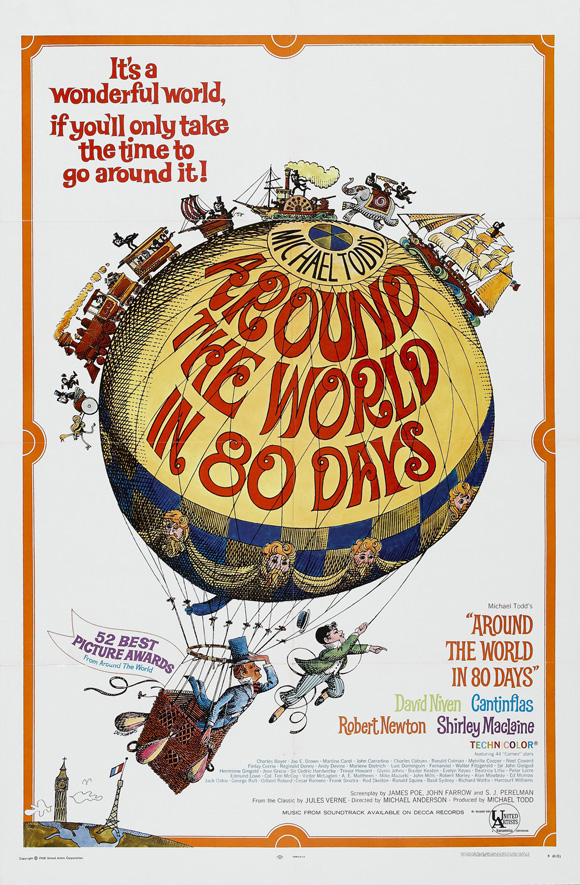
Razzle-dazzle showman Michael Todd hocked everything he had to make this spectacular presentation of Jules Verne's 1872 novel Around the World in 80 Days, the second film to be lensed in the wide-screen Todd-AO production. Nearly as fascinating as the finished product are the many in-production anecdotes concerning Todd's efforts to pull the wool over the eyes of local authorities in order to cadge the film's round-the-world location shots?not to mention the wheeling and dealing to convince over forty top celebrities to appear in cameo roles. David Niven heads the huge cast as ultra-precise, supremely punctual Phileas Fogg, who places a 20,000-pound wager with several fellow members of London Reform Club, insisting that he can go around the world in eighty days (this, remember, is 1872). Together with his resourceful valet Passepartout (Cantinflas), Fogg sets out on his world-girdling journey from Paris via balloon. Meanwhile, suspicion grows that Fogg has stolen his 20,000 pounds from Bank of England. Diligent Inspector Fix (Robert Newton) is sent out by the bank's president (Robert Morley) to bring Fogg to justice. Hopscotching around the globe, Fogg pauses in Spain, where Passepartout engages in a comic bullfight (a specialty of Cantinflas). In India, Fogg and Passepartout rescue young widow Princess Aouda (Shirley MacLaine, in her third film) from being forced into committing suicide so that she may join her late husband. The threesome visit Hong Kong, Japan, San Francisco, and the Wild West. Only hours short of winning his wager, Fogg is arrested by the diligent Inspector Fixx. Though exonerated of the bank robbery charges, he has lost everything?except the love of the winsome Aouda. But salvation is at hand when Passepartout discovers that, by crossing the International Date Line, there's still time to reach the Reform Club. Will they make it? See for yourself. Among the film's 46 guest stars, the most memorable include Marlene Dietrich, Charles Boyer, Jose Greco, Frank Sinatra, Peter Lorre, Red Skelton, Buster Keaton, John Mills, and Beatrice Lillie. All were paid in barter?Ronald Colman did his brief bit for a new car. Newscaster Edward R. Murrow provides opening narration, and there's a tantalizing clip from Georges M?li?s' A Trip to the Moon (1902). Offering a little something for everyone, Around the World in 80 Days is nothing less than an extravaganza, and it won 5 Oscars, including Best Picture and Best Cinematography.
See everything in the World worth seeing! Do everything in the World worth doing!
Phileas Fogg: You play an abominable game of whist, sir.
5 Lower Grosvenor Place, Westminster, London, England, UK
(exteriors: Hesketh-Baggott's office of employment)
Alabama Hills, Lone Pine, California, USA
(Balloon shot doubling as the Pyrenees)
Alamogordo, New Mexico, USA
Bangkok, Thailand
Chatsworth, Los Angeles, California, USA
Chelsea, London, England, UK
(Cantinflas rides pennyfarthing bicycle)
Denver & Rio Grande Western Railroad, Durango, Colorado, USA
(train trip)
Durango-Silverton Railway Line, Colorado, USA
(train trip)
Elstree Studios, Borehamwood, Hertfordshire, England, UK
(studio) (interiors: London Lloyd's office, club, Hesketh-Baggott's office of employment)
European Village set, Universal Studios - 100 Universal City Plaza, Universal City, California, USA
(european streets)
Gare du Nord, Paris 10, Paris, France
(arrival in Paris)
Hong Kong, China
Hyde Park, London, England, UK
(opening sequence)
Iverson Ranch, Chatsworth, Los Angeles, California, USA
Lawton, Oklahoma, USA
(bison stampede/pow wow)
Lower Grosvenor Place, Westminster, London, England, UK
(exteriors: Hesketh-Baggott's office of employment)
Mount Fuji, Shizuoka, Japan
New Mexico, USA
Newport Beach, California, USA
(finale: New York to Liverpool ocean voyage)
Oklahoma, USA
(bison stampede/pow wow)
Pakistan
Pall Mall, St. James's, London, England, UK
Paris 1, Paris, France
Paris 10, Paris, France
Persian Gulf
Place Vend?me, Paris 1, Paris, France
(taxi-cab ride in Paris to Thomas Cook's offices)
Plaza Mayor, Chinch?n, Madrid, Spain
(bullfight)
RKO Studios - 780 Gower Street, Hollywood, Los Angeles, California, USA
(studio) (interiors: Japanese theatre, election rally in San Francisco, Asian and Barbary Coast clubs)
Rotten Row, Hyde Park, London, England, UK
(opening sequence)
Rue de Castiglione, Paris 1, Paris, France
(taxi-cab ride in Paris to Thomas Cook's offices)
Rue de Rivoli, Paris 1, Paris, France
(taxi-cab ride in Paris to Thomas Cook's offices)
San Francisco, California, USA
San Juan Mountains, Colorado, USA
(train trip)
Silverton, Colorado, USA
(train trip)
St. James's, London, England, UK
The Reform Club, Pall Mall, St. James's, London, England, UK
Tokyo, Japan
Toledo, Castilla-La Mancha, Spain
Upper Cheyne Row, Chelsea, London, England, UK
(Cantinflas rides pennyfarthing bicycle)
Victoria Square, Westminster, London, England, UK
(Cantinflas rides pennyfarthing bicycle)
Wellington Barracks, Westminster, London, England, UK
(parade: Scots guards)
Westminster, London, England, UK
(exteriors: Hesketh-Baggott's office of employment - Cantinflas rides pennyfarthing bicycle)
White Sands Missile Range, near, Alamogordo, New Mexico, USA
(prologue rocket launch)
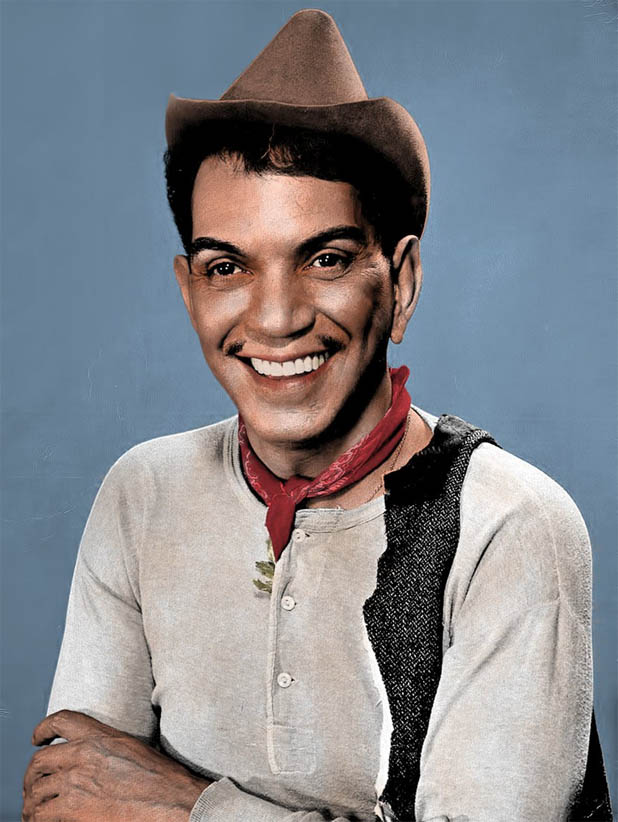
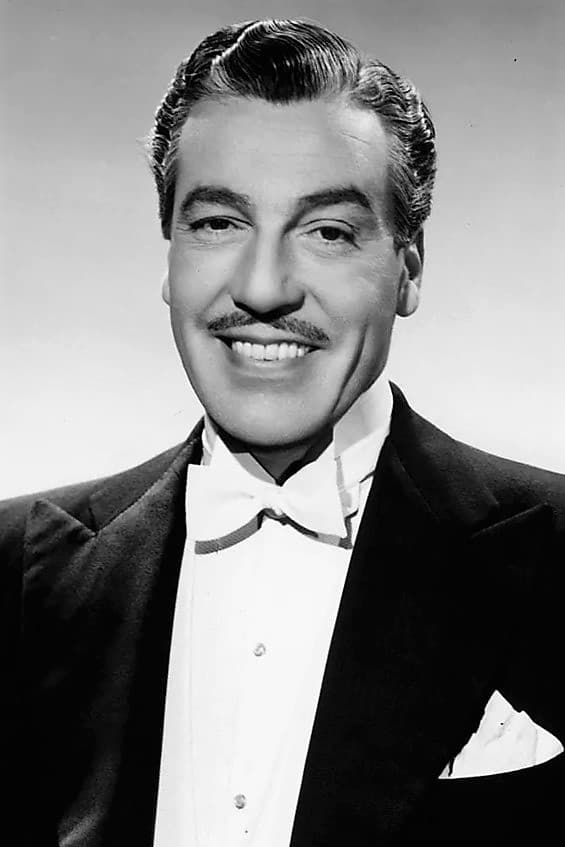
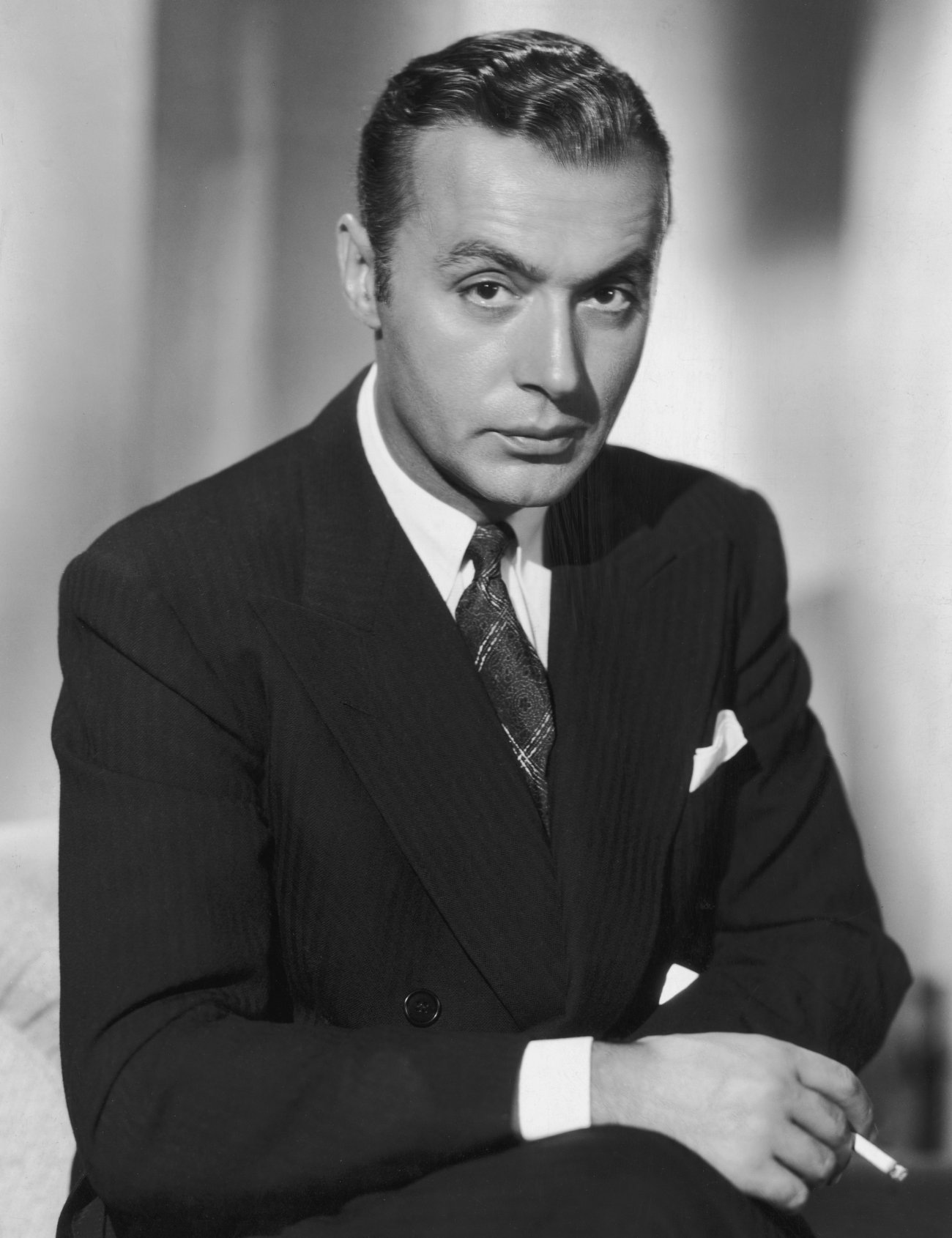
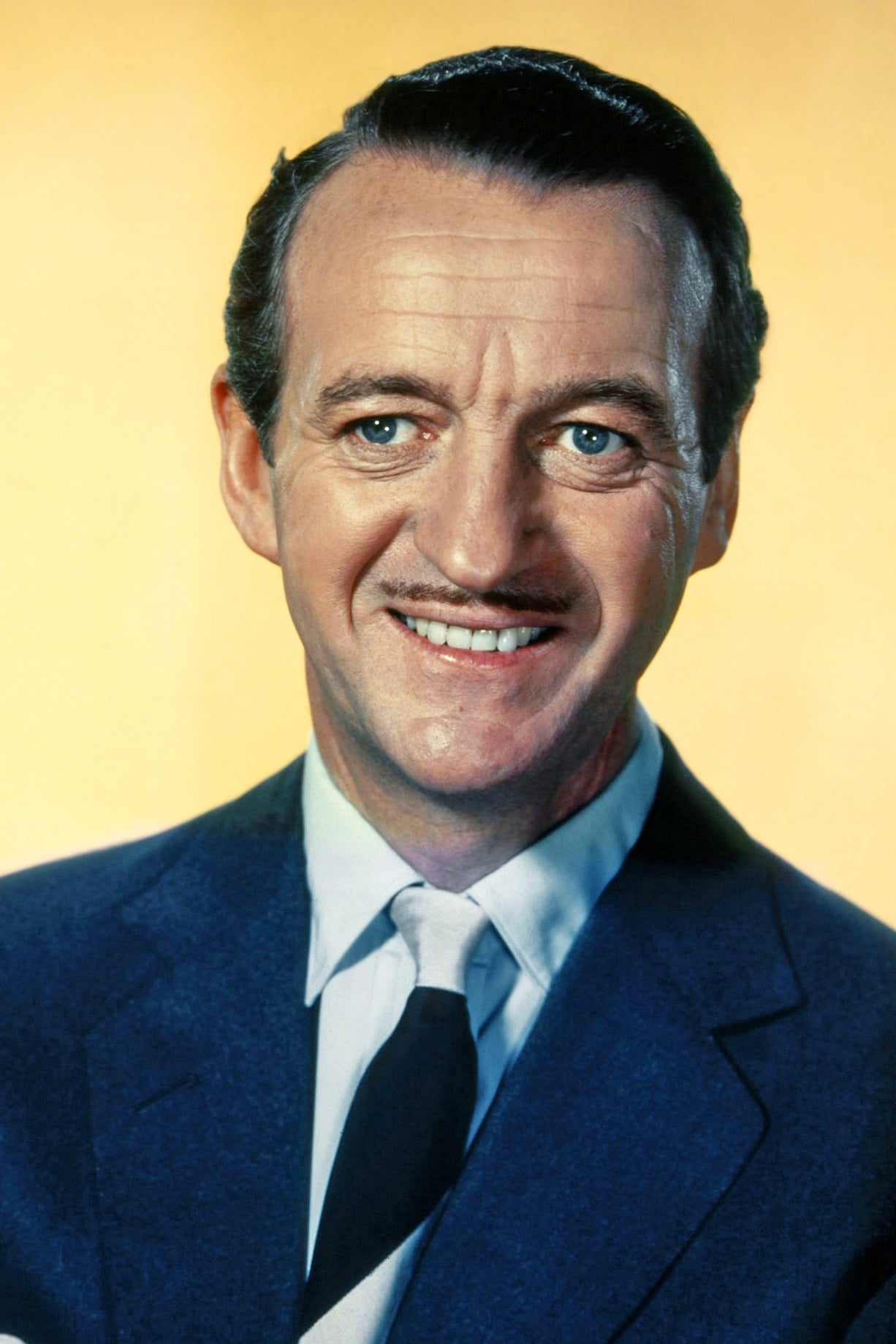
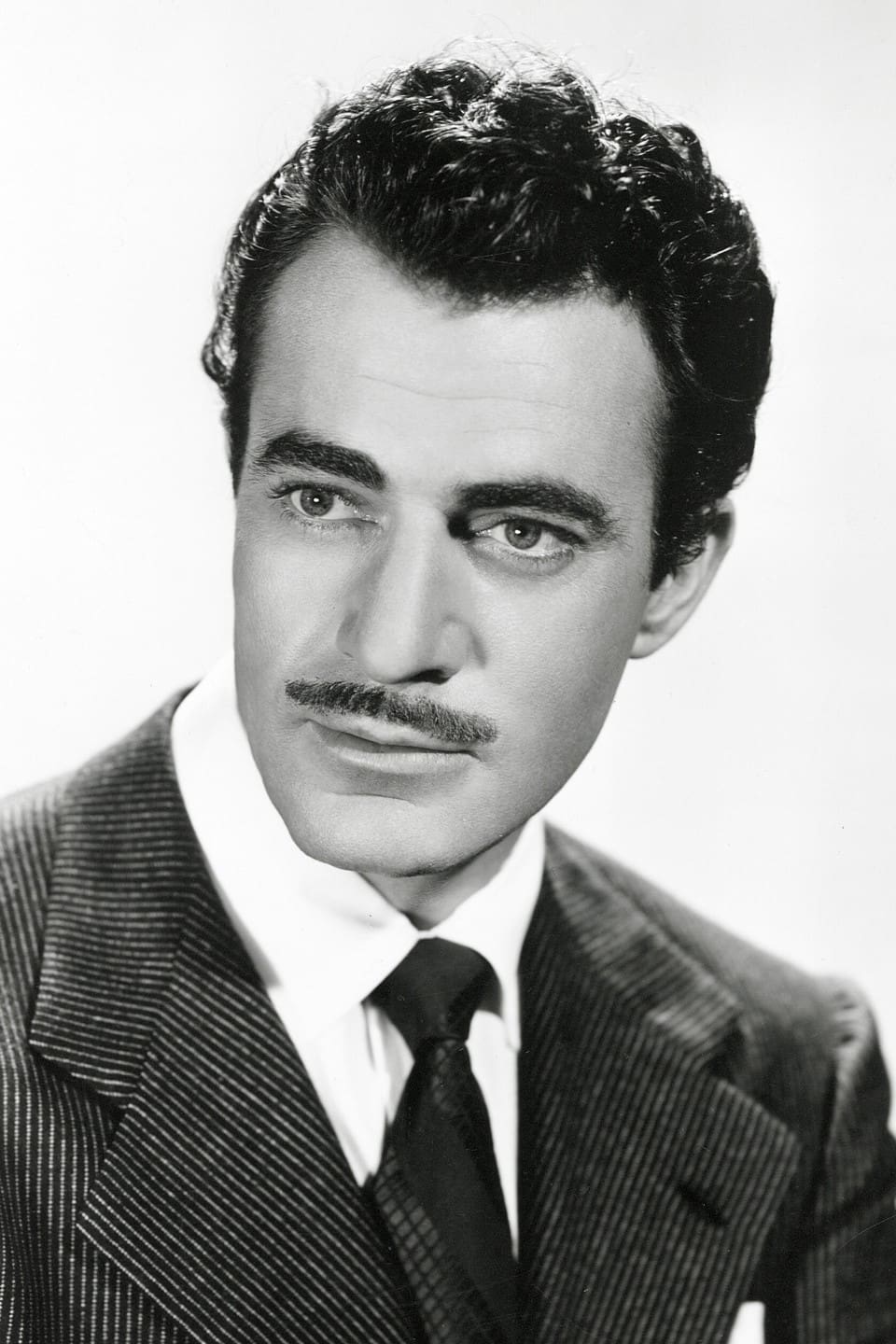
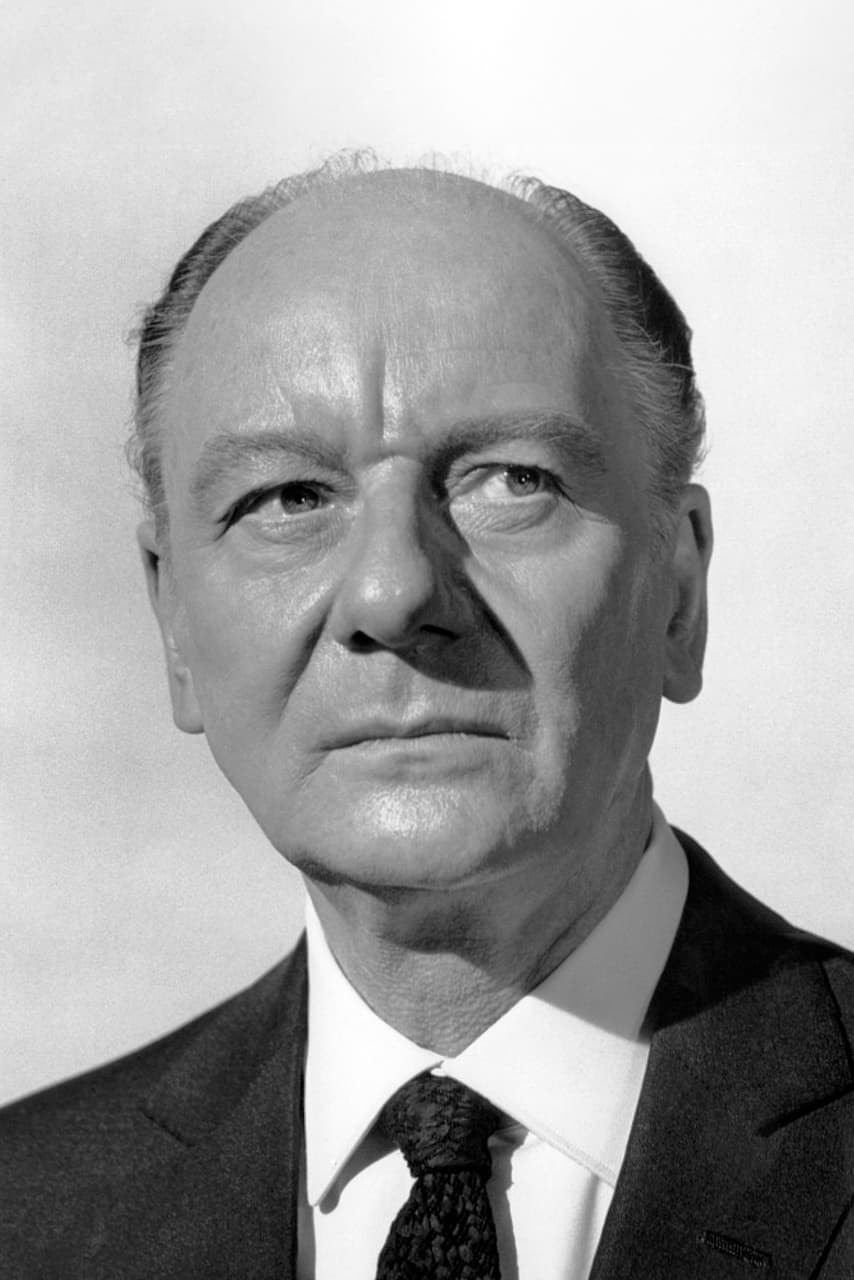
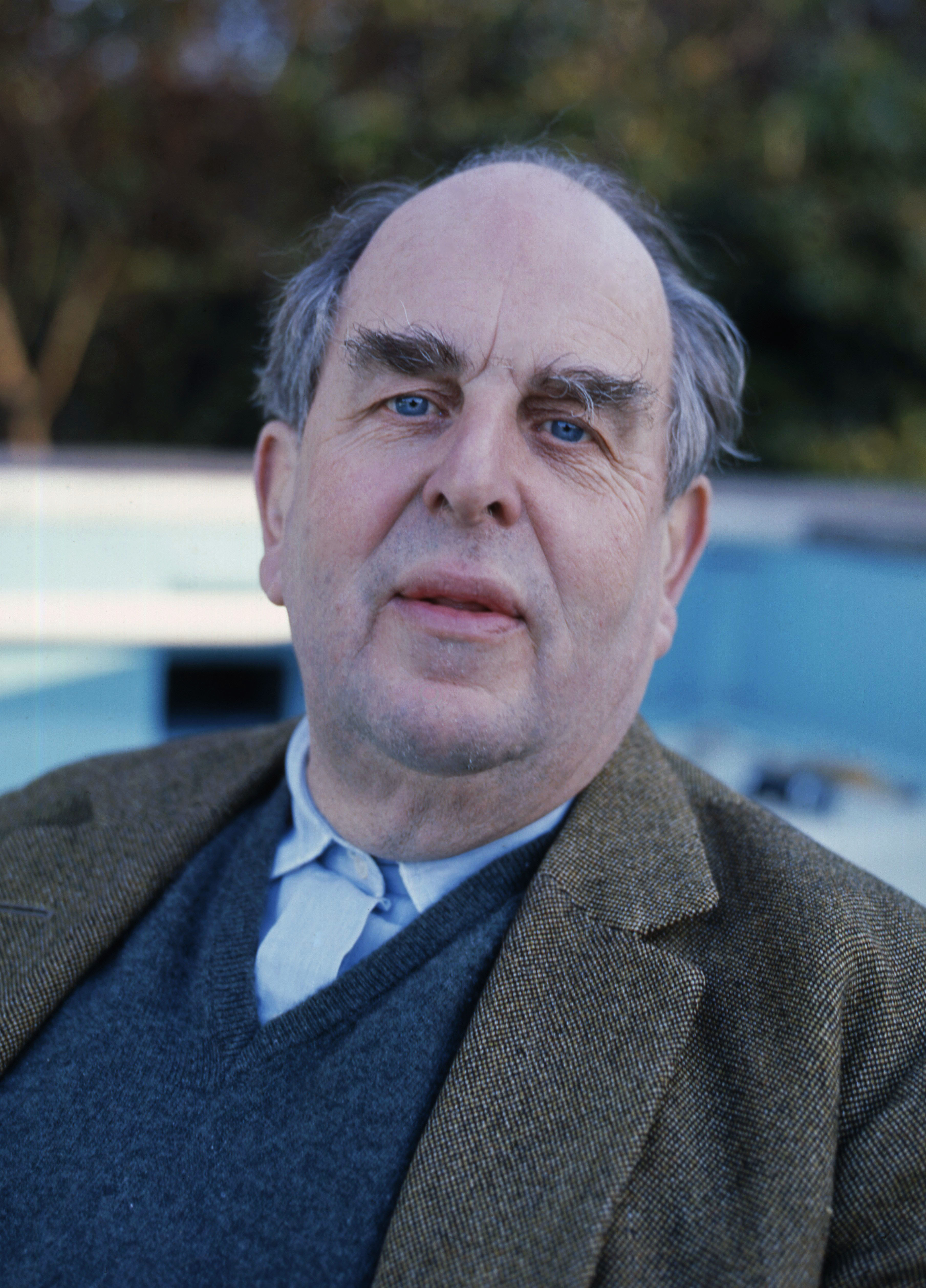
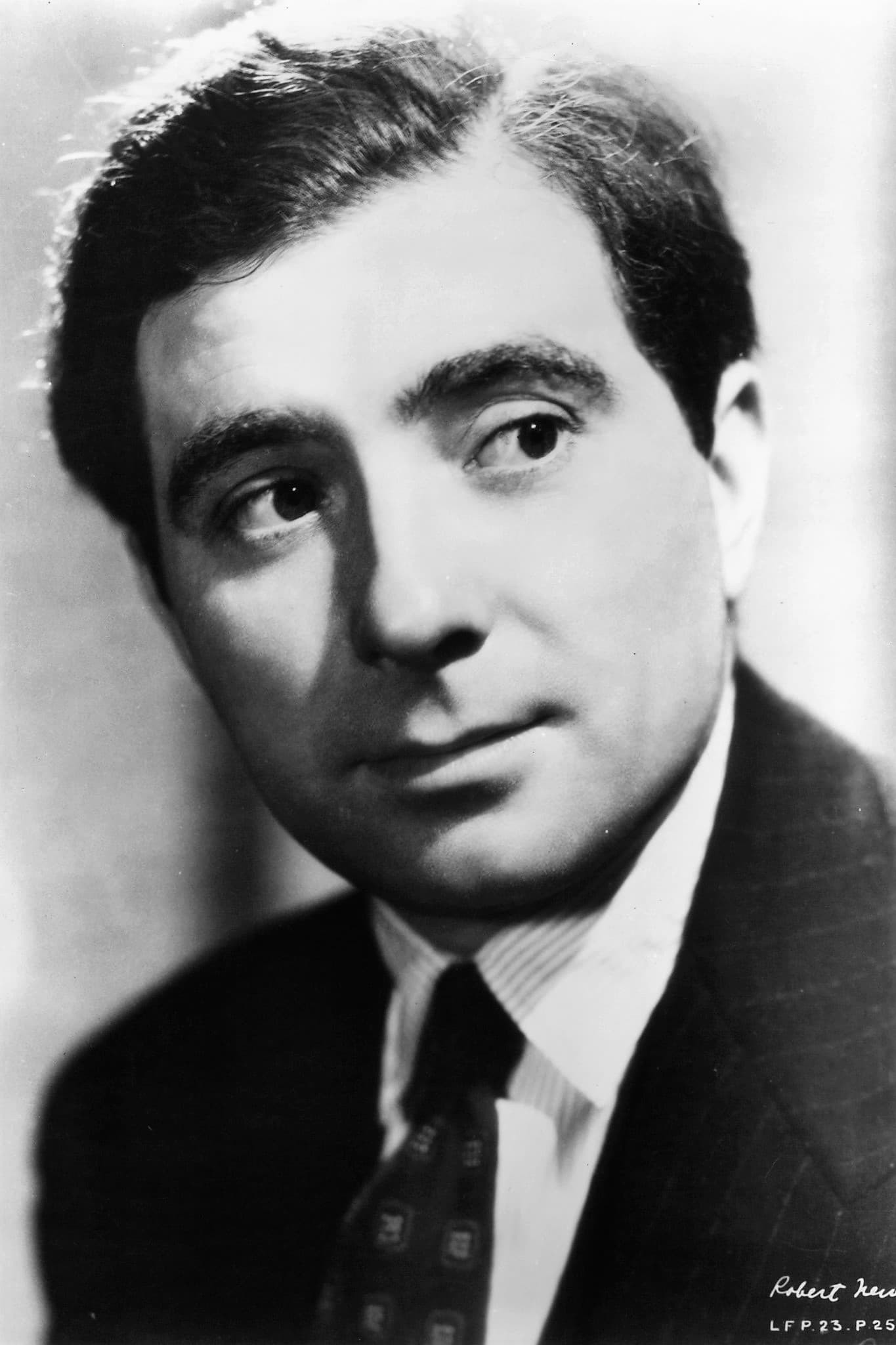
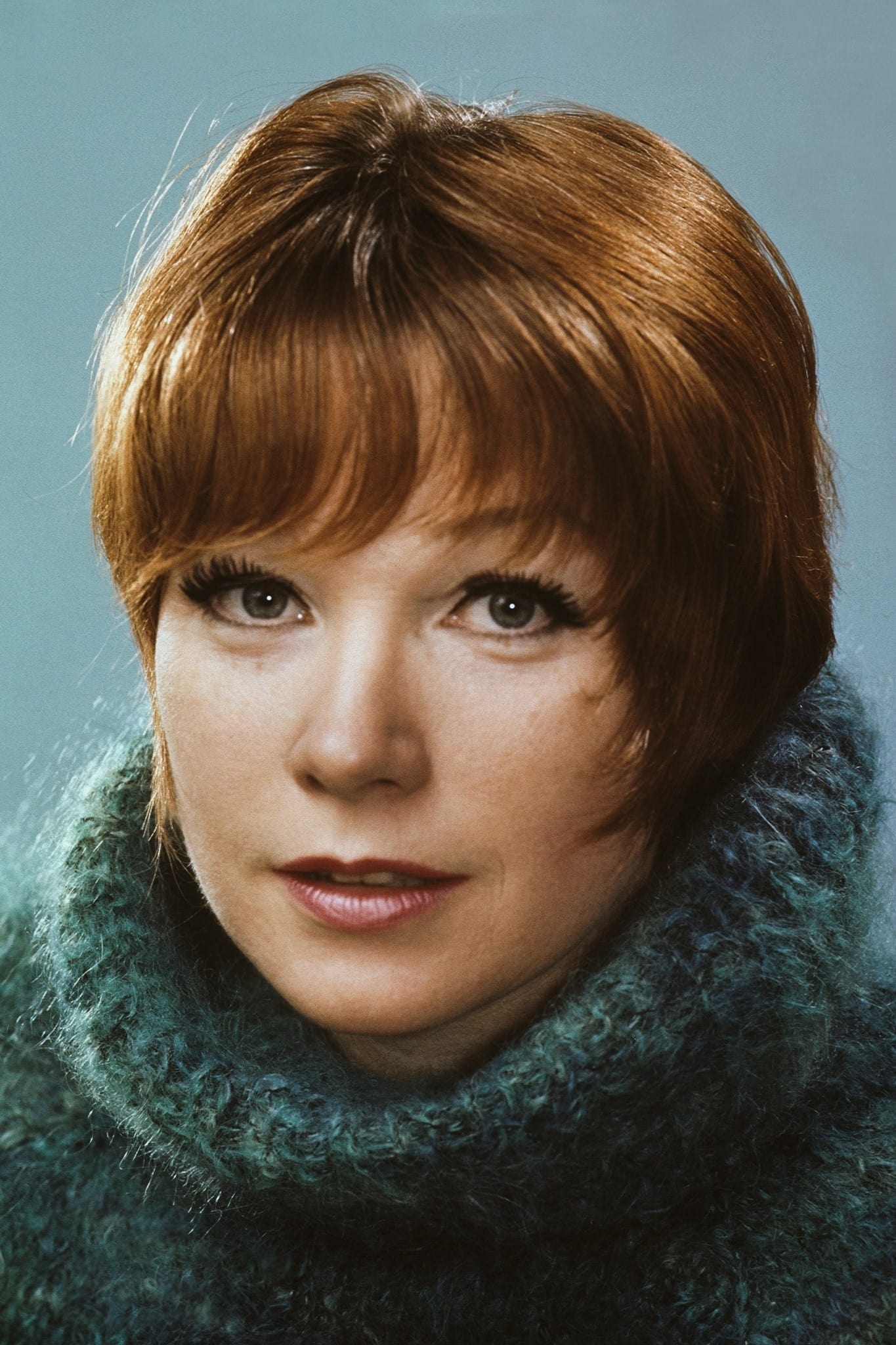
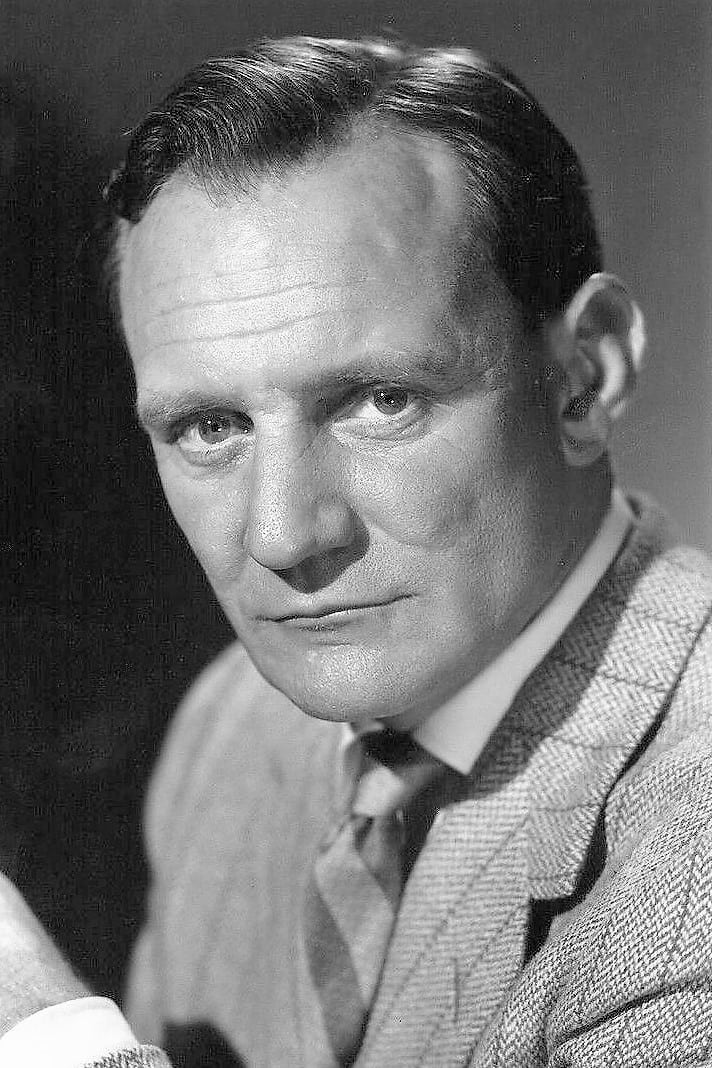
The term "cameo", meaning in this case a small part by a famous person, was popularized by the many "cameo appearances" in this film.
The following famous people appear in small parts in the film, and are credited: A.E. Matthews, Alan Mowbray, Andy Devine, Basil Sydney, Beatrice Lillie, Buster Keaton, Cesar Romero, Charles Boyer, Charles Coburn, Tim McCoy, Edmund Lowe, Edward R. Murrow, Evelyn Keyes, Fernandel, Finlay Currie, Frank Sinatra, George Raft, 'Gilbert Roland', Glynis Johns, Harcourt Williams, Hermione Gingold, Jack Oakie, Joe E. Brown, John Carradine, John Mills, Jos? Greco, Luis Miguel Domingu?n, Martine Carol, Marlene Dietrich, Melville Cooper, Mike Mazurki, Noel Coward, Peter Lorre, Red Skelton, Reginald Denny, Richard Wattis, Robert Morley, Ronald Colman, Ronald Squire, Cedric Hardwicke, John Gielgud, Trevor Howard and Victor McLaglen.
The barge used in Bangkok belonged to the King of Thailand, who lent it to producer Michael Todd.
This is the second Todd-AO production (the first was Oklahoma! (1955)) shot twice, at 24 fps (to produce the general-release version in 35 mm) and at 30 fps (to produce the roadshow version in 70 mm). Both versions were shot on 65 mm negative with Todd-AO lenses. Sometimes two cameras operated side-by-side filming the same take, other times the same camera was used with the speed changed for the second take, and still other times, in non-dialogue scenes, the same shot was used. The 35 mm version is presented in conventional 2:1 squeeze anamorphic process (incorrectly credited to Todd-AO); the 70 mm version is presented in Todd-AO.
The film utilized the talents of, at that time the most animals ever in any film.
This film called for more costumes (34,685) then any other film ever made. The Western Costume Co. in Hollywood provided most of the costumes, but wardrobe storehouses in London, Japan, Hong Kong and Spain were also all called on to provide costumes for the 1,243 extras.
The film used 140 sets built at six Hollywood studios, as well as in England, Hong Kong and Japan. - 74,685 costumes were designed, made or rented for use in the film. - The cast and crew flew over 4,000,000 miles. - 68,894 extras were used while shooting the film in 13 countries. - 90 animal handlers managed the record 8,552 animals used (3,800 sheep, 2,448 buffalo, 950 donkeys, 800 horses, 512 monkeys, 17 bulls, 15 elephants, 6 skunks, and 4 ostriches).
Gregory Peck was originally cast as the U.S. Cavalry officer, but producer Michael Todd felt Peck wasn't taking the role seriously enough and fired him, recasting the role with Tim McCoy.
Producer Michael Todd had a reputation for being tight-fisted. Reportedly, S.J. Perelman required payment in cash before handing over pages of the script.
Orson Welles was a little upset he did not get a cameo in the film. He was upset because before Michael Todd produced this film, he produced a stage version by Welles. The play flopped but Todd turned the project into a film anyway and it enjoyed great success. Welles felt he gave the idea to Todd in the first place.
For the Spanish-dubbed version of the film, Cantinflas himself provided the voice of his character Passepartout.
Tied with One Flew Over the Cuckoo's Nest (1975) for the longest title of an Oscar winner for Best Motion Picture until 2004 when The Lord of the Rings: The Return of the King (2003) won. The shortest is Gigi (1958).
This was the third Best Picture Oscar winner shot in a widescreen format. (The very first Best Picture winner in history, Wings (1927), contained some widescreen sequences.)
68,894 extras from 13 different countries worked on this film. This is one of the largest number of extras to ever appear in a single picture. The 1,243 extras listed on the IMDb page (and also in the original program book) were only the extras who worked on the film in Hollywood, California alone.
Is generally considered the single largest film project ever undertaken in Hollywood. Filming was completed in 75 shooti
Continuity
Passepartout sits at a table in a San Francisco saloon. Someone throws a knife, which lands on the table next to his hand and knocks over a glass of beer. In the next shot, the glass is upright and full of beer.
When the American train stops unexpectedly, for the pow-wow with the Indians, and later, when the buffalo are stampeding across the tracks, the locomotive is behind the same cluster of bushes. Incidentally, the railroad would never allow foliage to grow that close to the right-of-way. They would cut it back, to avoid track fires caused by stray embers dropped from the engine.
When Inspector Fix and Passepartout are in the bar sitting down and talking, the inspector's left hand is on top of his walking stick, with his right hand on top of his left. A moment later, his hands are reversed.
When the SS Rangoon approaches Bangkok, its hull is white. As the evening progresses, while Phileas Fogg impresses Princess Aouda with tales of his prowess at Whist, the hull is black in brief closeup scenes. A long shot of the Rangoon as it enters Hong Kong harbor reveals a black hull.
During the opening card game at the Reform Club, the number of cards Mr. Fogg holds fluctuates between 4 to 7, and not in descending order from playing.
Factual errors
The locomotive used for the American train sequence is named the Jupiter, one of the locomotives at the Golden Spike ceremony. However it's a 2-8-2 freight engine with small drive wheels. The real Jupiter was a 4-4-0 passenger locomotive with large drivers. The locomotive in the movie is powerful but slow, and would never have been used to pull a passenger train on the prairie.
As Fogg and Passepartout prepare to leave Paris in the balloon, the basket is on the ground and a rope extends about eight feet to the side of the basket, where it is tied to a pile of sandbags to keep it down. When Passepartout unties the rope the balloon begins to rise. If the rope had actually been holding the balloon down, it would have be vertical and taut because the balloon would be above it.
As Passpartout and Fogg's balloon flies over the mountains, a pigeon flutters by. Pigeons do not fly that high.
When the RMS Mongolia leaves Suez, sailors are climbing up the masts of a high tall ship. When the Mongolia is shown, it's a low rigged steamship.
When Fogg and Passepartout cross the mountains in the balloon at high altitude, both are wearing light clothing and no gloves when opening the champagne. The air temperature around them would have been freezing, yet they show no signs of being cold.
Revealing mistakes
In all close-up scenes with the gas balloon the basket ropes are tight from the load ring and down, but from the load ring and up to the balloon they are slack. Had it been a real flying gas balloon, all the ropes and the net above the load ring would have been very tight during flight, since they are carrying the weight of the basket and everything in it. The lifting force, a stage crane, is erroneously placed in the center through the appending gas valve. If the sandbags on the basket actually contained sand, they would not have bounced around so lightly.
When Passepartout is attacked by Indians, on top of the train, the rubber arrows bounce off him.
In the saloon, when the cigar salesman takes a swing at Fogg, he misses Fogg and Fix, yet Fix reels anyway.
When Fogg, and Passepartout travel in the balloon, the streamers at the bottom of the basket flutter behind them. A balloon moves with the wind, so streamers tend to hang straight down or flutter randomly in the turbulence.
When Passpartout is on the roof of the train during the Indian attack he is struck by two arrows that just bounce off, revealing they are simply sticks with no arrowheads.
Miscellaneous
When the Native Americans attack the train, Buster Keaton makes a common mistake, saying that the Indians must have gotten the engineer and fireman, but they'll get out of the mess because the "calvary" is ahead. Calvary is a religious site, cavalry is a mounted army unit.
While at Thomas Cook & Sons in Paris, Charles Boyer (as the travel agent) is telling Cantinflas (Passepartout) about the places to be visited on the journey. The brochure Boyer holds is the same on both sides, despite the names of many other places being mentioned as he flips the brochure from front to back.
Anachronisms
In San Francisco the prostitutes jump off a wagon full of beer barrels marked 'Pabst Blue Ribbon.' It was called Select until 1882. Due to their practice of tying a blue ribbon around the neck, it was frequently asked for as 'that blue ribbon beer.'
In 1872, the American flag at the Fort Kearney station would've had 37 stars. Colorado became the 38th state in 1877.
Fogg may have realized traveling east (toward the sun) gained him a day--but this film has him then saying they crossed the "International Date Line". A familiar fact to audiences in 1956, but not to travelers in 1872, since the IDL wasn't established till 1884.
When the tall ship US Grant arrives in San Francisco, radar installations are on the mast. It's actually a stock shot of the Nippon Maru, a 1950s Japanese training ship.
Paris' Gare du Nord is blackened by decades of street traffic, Paris chimneys, and steam engines. In 1872, Gare du Nord had just been built.
Audio/visual unsynchronized
The music in the saloon does not match what the pianist plays.
In an early scene with Passpartout riding his bicycle, someone yells "Get out of the way!" at him, yet neither the cab driver nor the passenger leaning out the window's lips are moving.
In the bullfighting sequence, when the two trumpeters get up to signal the entrance of the bull into the ring, the sound of the fanfare starts just before they actually put the instruments to their lips.
Crew or equipment visible
The shadow of the camera crane is visible in the street during the San Francisco parade.
Near the end of the movie just after they start cutting up the Henriette for firewood in the middle of the ocean, a long shot shows some type of structure, possibly a camera platform, to the rear of the ship, screen left, sitting in the water.
During the Engineer's pow wow with the Indians a modern ladder is clearly visible leaning on the front of the locomotive.
Errors in geography
The scenes set in Yokohama, Japan, were shot in Kamakura, west of Yokohama, and Kyoto, far southwest of Yokohama. The film makes Kamakura's Great Buddha look like it's walking distance from Kyoto's Heian Shrine, but they are in separate regions of Japan.
As the train travels east across India, Passepartout looks out the window at the setting sun. The sun would have been to the west, at the rear of the train, not north, the direction from the window.
As Phileas Fogg and Passepartout arrive in India aboard the Mongolia, several traditional fishing boats are seen pulling into port. One of those boats is clearly flying the flag of Pakistan, not India.
At the beginning of the movie, in London, carriages drive on the right side and travel roundabouts in a counter-clockwise direction. The UK drives on the left.
Near the end of the movie, the Henrietta is traveling east to England across the Atlantic, yet the ship heads into the setting sun.
Plot holes
The premise of Inspector Fix is that Phileas Fogg had just robbed a bank and made a quick escape from the country, ultimately arresting Fogg upon his return to England before discovering that the real culprit had already been caught in the interim. It is never explained that if this was the case, then why was Fogg is such a rush to get back to England, despite the Inspector shadowing and even joining in his party nearly every step of the way.
Character error
Fogg doesn't realise until arriving back home in London that he has gained a day by crossing the date line. Surely during everything that happened after that, including all the USA scenes, he would have noted local time as it was crucial to the whole challenge . And surely any tickets purchased would have been dated.
Having heard that Fogg is on a ship bound for Caracas, Venezuela, one character then said Fogg was on his way to Central America. Venezuela is in South America.
Passepartout is French, yet early in the film he responds to the Englishman Fogg with the Spanish "Si, se?or."