
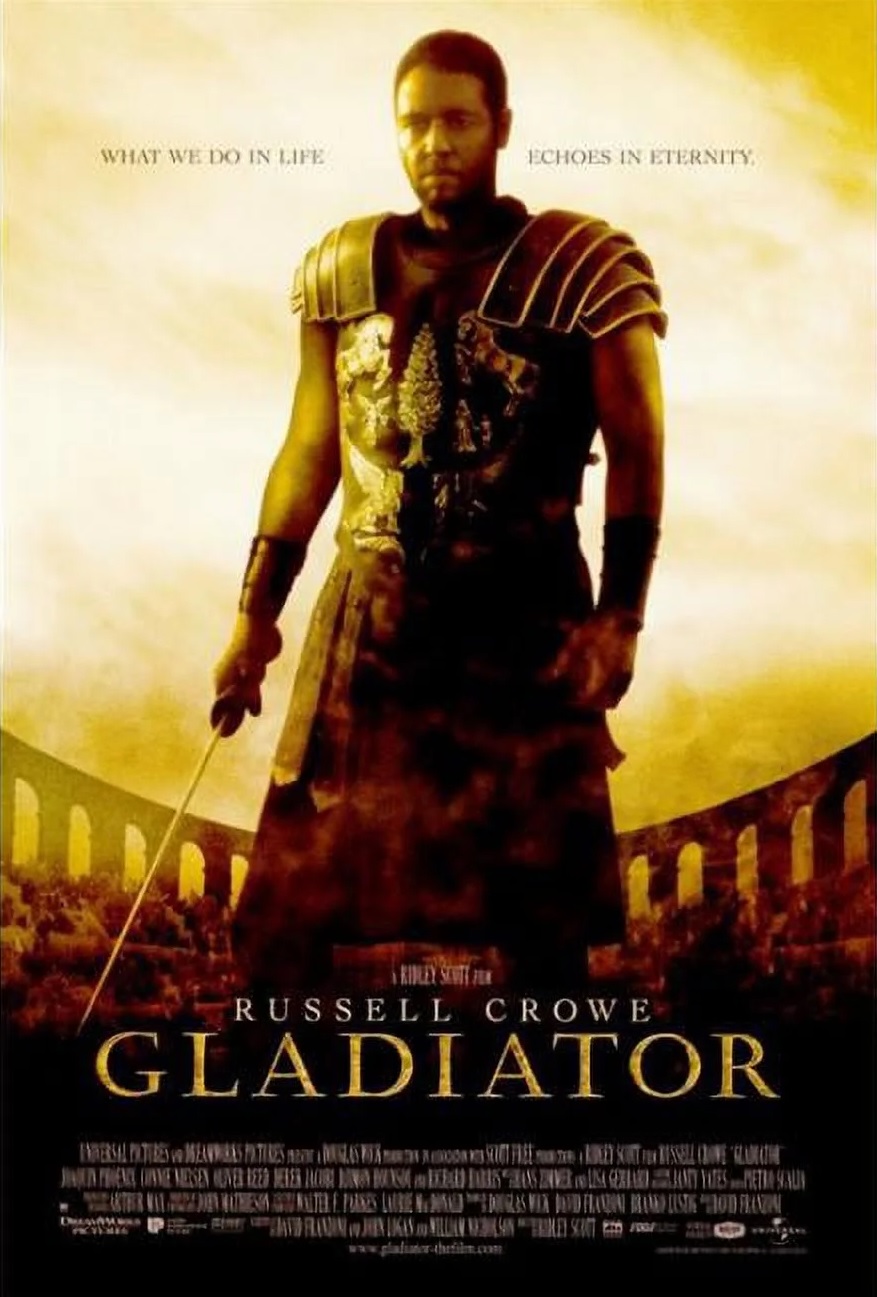
Gladiator (2000)

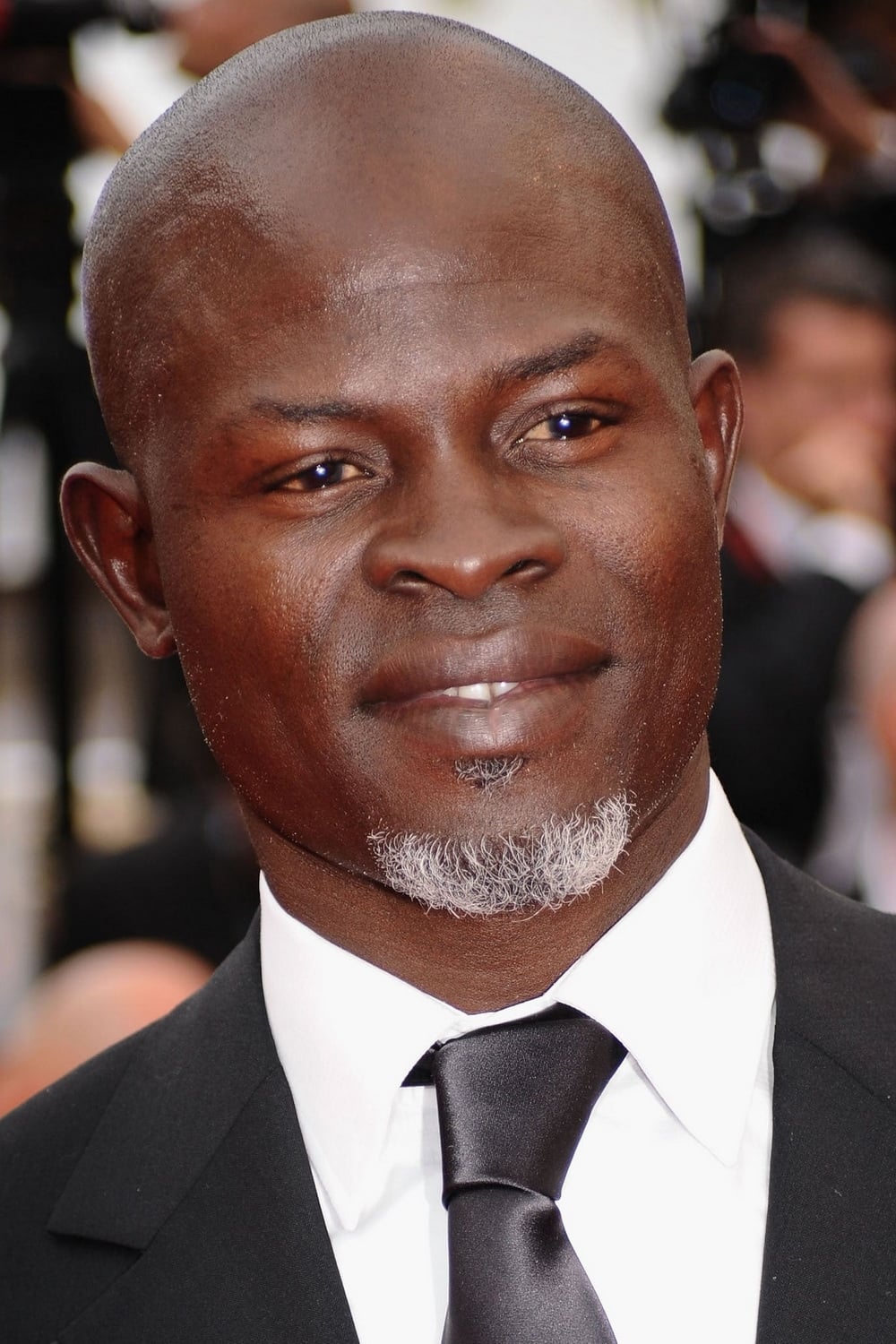
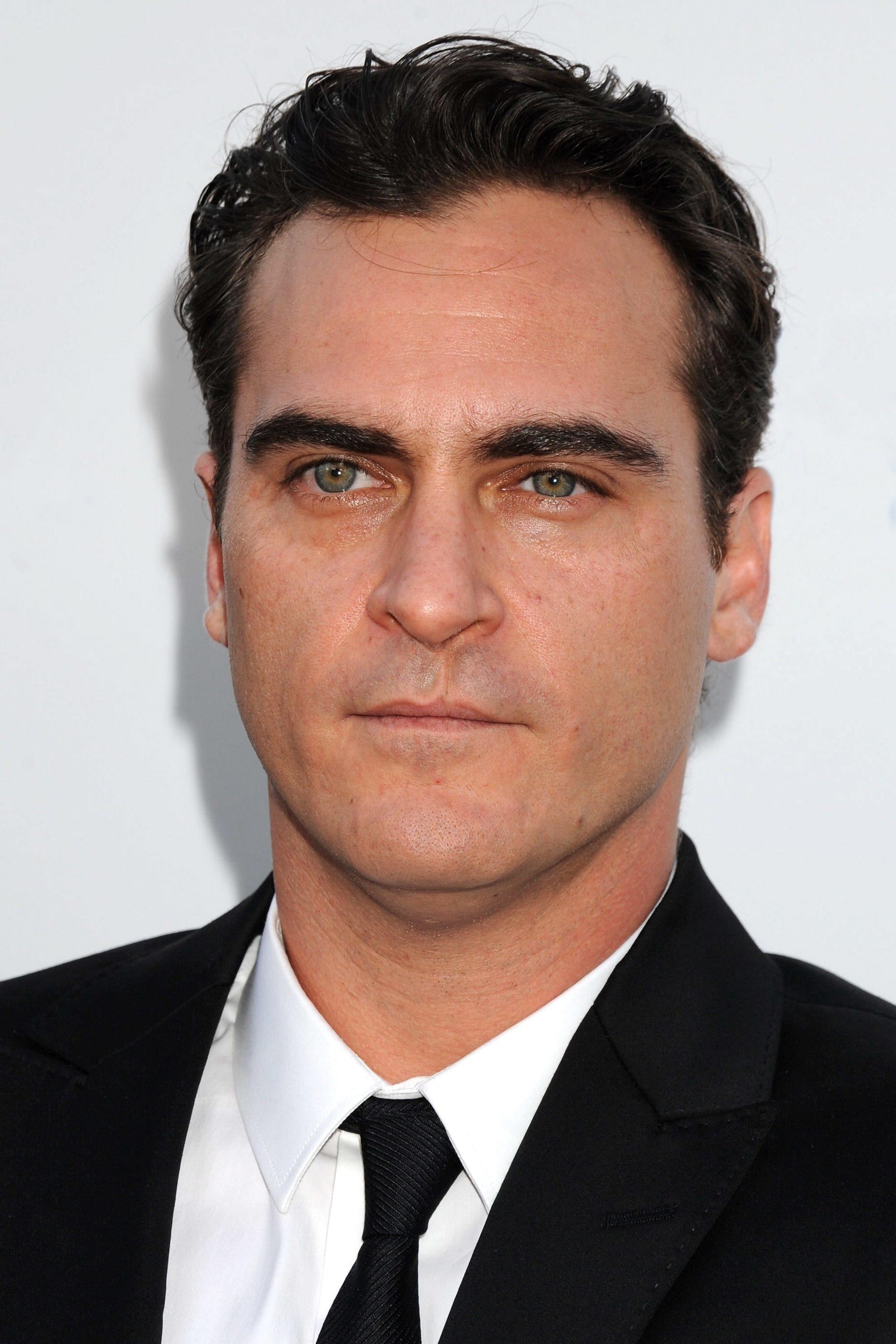
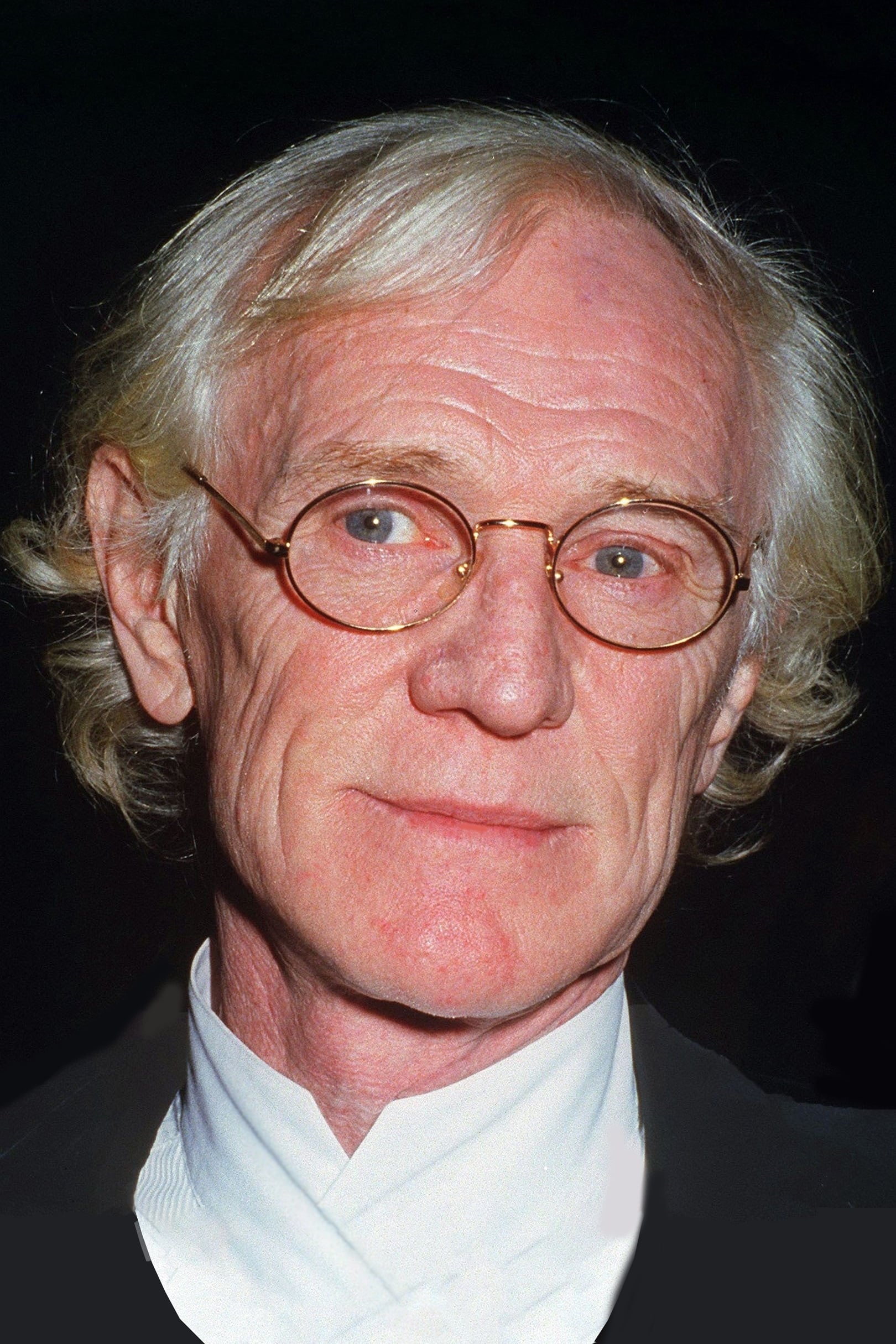
A man robbed of his name and his dignity strives to win them back, and gain the freedom of his people, in this epic historical drama from director Ridley Scott. In the year 180, the death of emperor Marcus Aurelius (Richard Harris) throws the Roman Empire into chaos. Maximus (Russell Crowe) is one of the Roman army's most capable and trusted generals and a key advisor to the emperor. As Marcus' devious son Commodus (Joaquin Phoenix) ascends to the throne, Maximus is set to be executed. He escapes, but is captured by slave traders. Renamed Spaniard and forced to become a gladiator, Maximus must battle to the death with other men for the amusement of paying audiences. His battle skills serve him well, and he becomes one of the most famous and admired men to fight in the Colosseum. Determined to avenge himself against the man who took away his freedom and laid waste to his family, Maximus believes that he can use his fame and skill in the ring to avenge the loss of his family and former glory. As the gladiator begins to challenge his rule, Commodus decides to put his own fighting mettle to the test by squaring off with Maximus in a battle to the death. Gladiator also features Derek Jacobi, Connie Nielsen, Djimon Hounsou, and Oliver Reed, who died of a heart attack midway through production.
"Father of a murdered son, husband to a murdered wife and I shall have my vengeance in this life or the next"
Commodus: Your Emperor asks for your loyalty, Maximus. Take my hand, I only offer it once.
Ait Benhaddou, Ouarzazate, Morocco
Alabama Hills, Lone Pine, California, USA
Atlas Corporation Studios, Ouarzazate, Morocco
(studio)
Bourne Woods, Farnham, Surrey, England, UK
(Opening battle scenes)
Italy
Malta
Ouarzazate, Morocco
Tuscany, Italy

Like modern day athletes, ancient Roman gladiators did product endorsements. The producers considered including this in the script but discarded the idea as unbelievable.
'Russell Crowe (I)' began shooting for Gladiator a few months after The Insider (1999) wrapped. He had gained upwards of 40 pounds for his Oscar-nominated role in The Insider and yet lost it all before Gladiator began. He claims he did nothing special other than normal work on his farm in Australia.
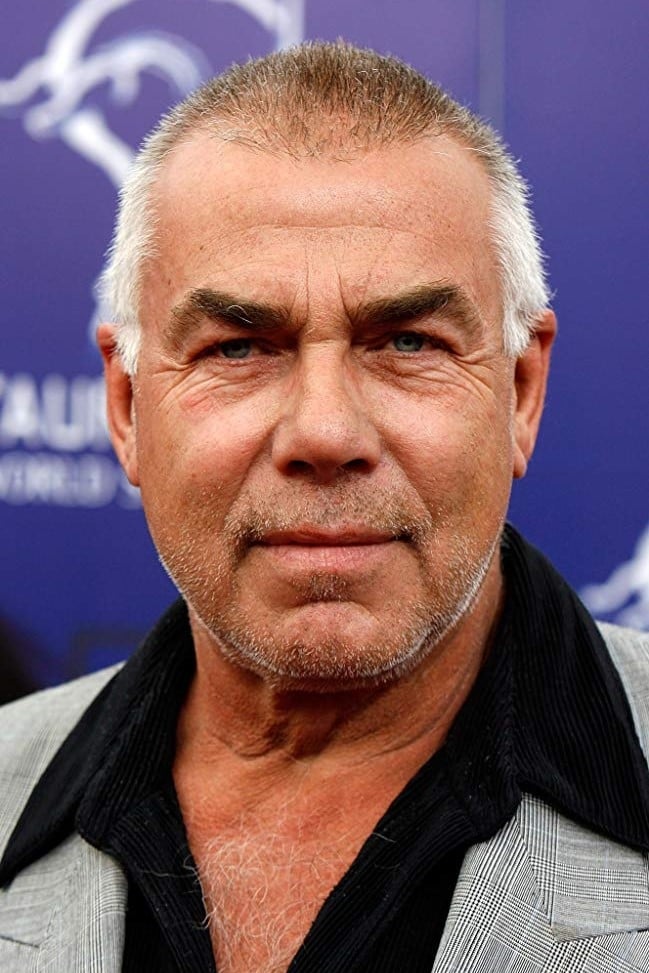
Lou Ferrigno was originally cast as Tigris of Gaul, but was replaced during production by Sven-Ole Thorsen who had been lobbying hard for the part.
Oliver Reed suffered a fatal heart attack during filming. Some of his sequences had to be re-edited and a double, photographed in the shadows and with a 3D CGI mask of Reed's face, was used as a stand-in. The film is dedicated to his memory.
Connie Nielsen found the 2000-year-old signet ring which she wears in the movie, in an antique store.
In the Colosseum scenes, only the bottom two decks are actually filled with people. The other thousands of people are computer-animated.
Among the chanting of the Germanic hordes at the beginning of the film are samples of the Zulu war chant from the film Zulu (1964).
In the Spanish dubbed version Maximus says he is from Emerita Augusta (now called Merida). The Spanish dubbers claimed that, "Trujillo doesn't combine the 'qualities' to be cradle of the gladiator."
The wounds on 'Russell Crowe (I)''s face after the opening battle scene are real, caused when his horse startled and backed him into tree branches. The stitches in his cheek are clearly visible when he is telling Commodus he intends to return home.
Maximus' (Russell Crowe) description of his home (specifically how the kitchen is arranged and smells in the morning and at night) was ad-libbed - it's a description of Crowe's own home in Australia.
Character actor Sven-Ole Thorsen not only played Tigris the Gaul but doubled as one of the spectators during that same battle.
The yak helmet worn by the gladiator who was slain by Hagen, is the same one worn by the warrior slain by Sean Connery, in Time Bandits (1981).
During filming, director Ridley Scott wore the red cap worn by Gene Hackman in the movie Crimson Tide (1995), which was directed by Ridley's brother, Tony Scott.
Richard Harris, who plays Marcus Aurelius, was originally set to play Commodus in The Fall of the Roman Empire (1964) (but left the film due to artistic differences with director Anthony Mann and was replaced by Christopher Plummer).
At one point, Commodus mentions the emperor Claudius to Lucilla and Lucius. Derek Jacobi, who plays Gracchus in this film, played Claudius in the BBC TV series _"I, Claudius" (1976) (mini)_. Brian Blessed who played Caesar Augustus in "I Claudius" has a cameo appearance as a Coliseum spectator during the games.
The real-life Commodus was in fact the only Roman Emperor in history to fight as a gladiator in the arena. However, he did it several times, not just once. Also, he was not killed in the arena but was strangled in his dressing room by an athlete named Narcissus.
Although much of the movie is fictitious, it's interesting to note that emperor Commodus' historically accurate killer, Narcissus, was born in the same Roman African province as the one in the movie where Maximus becomes a gladiator.
In the original drafts of the script, the name of the main character was not "Maximus" but "Narcissus" the name of the man who killed Commodus in real life.
Mel Gibson was offered, but turned down the part of Maximus.
Contrary to rumor, Enya didn't record any music for the soundtrack of this film. The song simply sounds like something she would have recorded. The song, and in fact much of the soundtrack, was composed and sung by Lisa Gerrard.
Writer David Franzoni started developing the story in the 1970s when he read "Those Who Are About To Die," a history of the Roman games by Daniel P. Mannix; Franzoni later discussed the idea with
Continuity
When Maximus approaches Tigris and he picks up a handful of dirt, the shield disappears from his left hand, then reappears.
In the "Roma-Carthage" battle, Maximus rides a white horse, with his sword in his right hand and his shoulder armor on his left shoulder. After the "Romans" are defeated, his sword is in his left hand and the armor is on his right shoulder. It changes back in the next shot.
Maximus kicks Tigris down, and his mask slides open. In the next shot, Maximus opens Tigris' mask with his ax.
At the gladiator school, Maximus lacerates his left shoulder in an attempt to remove his legionnaires tattoo. But for the rest of the film there is no sign of a scar, or ink residue on his shoulder.
When Commodus meets the gladiators in the arena after the battle of Carthage recreation, the gladiators all drop their weapons. Yet after Maximus reveals himself, a wide aerial shot of the arena shows there are no weapons at all lying around the gladiators' feet.
Factual errors
Roman legions always fortified their encampments; they never camped on open space.
In the film, the emperor and crowd put their thumbs up for "live" and down for "kill." In reality, the emperor would to cover his thumb with his four fingers for "live." The gladiator would also live if the emperor yelled the Latin word for "dismissed," or threw a piece of cloth, showing mercy. When he wanted the gladiator to die, he would put his thumb straight out to the side, symbolizing the sword. Studies of Roman artwork suggest that the "thumbs up" gesture was actually an affirmation to proceed with the kill.
The opening battle is wildly inaccurate. The Roman legions were trained to fight as a regimented force, and to maintain formation for mutual support. In the film, the formation collapses instantly upon contact with the enemy; in addition to being inaccurate, this would have almost certainly led to a Roman defeat, as, on a solo basis, the barbarians were by far the better warriors. Further, the Roman legions used spears called pila. Doctrine called for them to be thrown while the enemy closed. The Romans would then draw their swords and fight, while remaining in formation. Though the Romans are shown holding their pila in the opening scenes, they are never used against the barbarians, and we see no pila-riddled shields and/or corpses in the background.
Maximus has "SPQR" tattooed on his left arm. In real life, it would have said "Legio", with the legion's number. That way the army could keep track of soldiers if they deserted or were lost in battle.
In the first gladiatorial battle, one gladiator uses a spiked ball and chain (flail). This type of weapon was first used 1300 years later, by medieval knights.
Incorrectly regarded as goofs
The disclaimer states that, while based on true events, the story is fictional. Most liberties taken with costume, custom, language, geography, architecture, and biography are not counted as goofs, especially when tied to artistic or dramatic decisions. The Colosseum is bigger than it ever was in real life, for filming convenience. Some historical errors, such as stirrups on the horses, are for the stunt performers' safety.
Characters in the movie smoke cigarettes. Tobacco was introduced to Europe in 1600. However, Romans had smoked cannabis since 100 BCE, and opium since 300 BCE. Marcus Aurelius smoked opium regularly, to sleep and to cope with the difficulty of military campaigns.
The "Colosseum" in Roman times was referred to as the "Flavian Amphitheater" and was not called "Colosseum" until the middles ages when the giant statute of Nero (with its head changed to the sun god Helios) was finally pulled down and salvaged for its bronze.
During gladiator fights, someone throws bread into the audience. While some claim the bread was handed out by slaves, the film's researchers learned that bread was indeed thrown to the audience. Sometimes snakes were concealed in the baskets.
In the "recreation battle" involving chariots vs standing men, there is a very quick shot showing men shooting with crossbows. While the Romans knew the crossbow (or Manu ballista), they rarely used it; this may have been one of those rare times. Similarly, the mace was rarely used at the time.
Revealing mistakes
When Maximus takes his helmet off at the end of the Roma-Carthage battle, his fingers make indentations in his helmet, revealing that it's made of rubber.
In the opening battle, when the two armies run together, a Roman soldier in the center of the screen is clearly laughing at the battle, and not taking part. Some report several others laughing.
After the betrayal by Lucilla and the Senators to free Maximus, Commodus sends two men to Gaius' place, where he's sleeping with one of his mistresses. One of the men places a snake into his bed. It is assumed that this is supposed to be the venomous coral snake, but the order of the color pattern is wrong. Coral snakes have red bands in between yellow bands, which is why the rhyme goes, "Red against yellow, kill a fellow". The snake in this scene is obviously a king snake, which has bands of red in between black bands, and so the rhyme for it goes, "Red against black, venom lack".
After the fight against Commodus, a piece of sky appears where the Colosseum's upper tiers should be.
During the first fight in Zucchabar, Maximus stabs one of the opposing gladiators. The sword passes between the man's side and his arm.
Anachronisms
In the film, the streets of Rome are very sandy. In reality, they were paved with stones.
During the meeting between Maximus, Gracchus, and Lucilla, a statue of a boxer can be seen behind Maximus. The statue is part of a duo, Creugante and Damosseno, carved by Italian artist Antonio Canova between 1795 and 1806. It is currently in the Vatican Museum.
Locks as portrayed in the movie were not yet invented.
When Marcus Aurelius (who died in AD 180) tells Maximus his plans to make him his successor, many portraits are visible, including Septimius Severus, who gained power in AD 193.
During the chariot battle, a woman in the crowd standing and clapping, near the center of the screen above the entrance, is wearing a pair of modern sunglasses.
Audio/visual unsynchronized
In the opening scene with the battle with the Germanic tribe, they are heard chanting. The audio of the chanting is the war cry of the Zulu warriors in the 1964 film, "Zulu" with Michael Caine.
During the first battle in the Roman Collisium, as Maximum is mounted on the white horse and the battle is finishes with the last gladiator being killed with a shield, Maximus' sword appears blood soaked. During the next cutaway when Maximus spins the horse in a circle, the sword is clean.
Crew or equipment visible
The morning after the battle, when Maximus is patting his horse, a crew member in blue jeans walks backwards through the space underneath the horse's head and neck.
During the Rome vs. Carthage battle, a chariot slides sideways and hits a wall. A blanket lifts up just before it hits, revealing a large tank and some pipe fittings on the back of the chariot.
In the Roma-Carthage battle reenactment, when one of the archers is cut in two by a chariot's wheel blade, a crew member can be seen kneeling in the chariot.
At the end of the second battle in Zucchabar, Maximus throws his sword. The next shot shows Maximus and his fallen competitors as he taunts the crowd. A crew man, in blue jeans and white T-shirt, and a camera are visible on the left side of the screen, in the first row.
During the fight with the tigers, one of them leaps onto Maximus' back. As he falls down to the ground, the tiger is now on top of a tiger-handler dressed as a gladiator, holding up a big piece of meat for the tiger to eat.
Errors in geography
In one scene, you can see the Tiber river from the Colosseum. The Colosseum was built near one of Rome's hills, and no road led directly from there to the river.
Plot holes
When Commodus has Maximus taken away to be executed, no "official" reason is given to the guards taking him away, or to the army at large as an explanation for the change in command. And no "rumors" of why the general was killed is mentioned later by anybody. Even after they learn of his survival and former soldiers talk to Maximus in the Colosseum. Therefore, Maximus would have been considered "murdered" as soon as the execution happened. Anyone who knew of his murder, short of the corrupt few who were chosen to kill Maximus, would have tried to learn why. And given how loyal the army was to Maximus, they would have taken control and removed Commodus from power almost immediately.
When Maximus fights Commodus, rose petals are dispersed evenly across the entire arena. The crowd couldn't throw rose petals hundreds of feet, and they couldn't have been dropped from above. It would've taken hours for workers to distribute the petals that evenly, for no reason.
Commodus says that his men lied to him in Germania about Maximus being dead. However, Maximus killed all the men present at his failed execution so there was no one left alive to lie to Commodus.
From 177 CE until his death in 180 CE, Marcus Aurelius was Co-Emperor with his son, Commodus. Hence, he could not have made anyone (except Commodus) the sole Emperor of Rome.
Boom mic visible
As the gladiators head for the entrance of the Colosseum floor to re-enact the Battle of Carthage, the shadow of the boom mic is visible on the right of the screen during the shot showing Maximus heading for the Colosseum entrance.
Character error
During the Battle of Carthage, Maximus frees a horse from the chariot and rides it. The horse is wearing a saddle, which it wouldn't wear if it was pulling a chariot.
"Maximus Decimus Meridius" doesn't follow Roman naming conventions. A classical Roman man's name consists of a first name (praenomen), family name (nomen gentile), and sub-family name (cognomen). The list of possible praenomen is very short and doesn't include "Maximus", though it includes "Decimus."
During the execution of the two soldiers by archers, one of the archers on the right has no idea how to properly draw a bow and the arrow slips off his hands.
In Marcus Aurelius' tent, after the opening battle scene, an officer says Rome was founded as a republic. It was actually a monarchy long before it became a republic.
By 180 AD, Emperors were given the honorific "Augustus," with "Caesar" usually reserved for the heir to the throne.