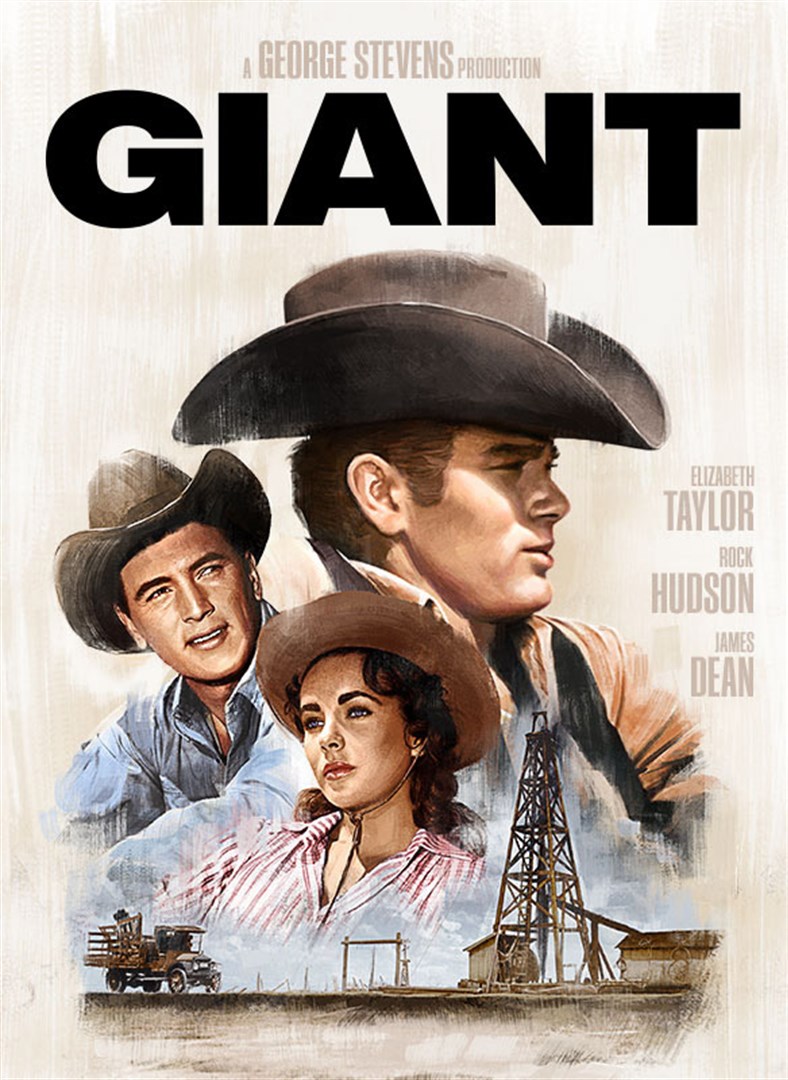
Giant (1956)

George Stevens' sprawling adaptation of Edna Ferber's best-selling novel successfully walks a fine line between potboiler and serious drama for its 210-minute running time, making it one of the few epics of its era that continues to hold up as engrossing entertainment across the decades. Giant opens circa 1922 in Maryland, where Texas rancher Jordan "Bick" Benedict (Rock Hudson) has arrived to buy a stallion called War Winds from its owner, Dr. Horace Lynnton (Paul Fix). But much as Bick loves and knows horses, he finds himself even more transfixed by the doctor's daughter, Leslie Lynnton (Elizabeth Taylor), and after some awkward moments, she has to admit that she's equally drawn to the shy, laconic Texan. They get married and Leslie spends her honeymoon traveling with Jordan to his ranch, Reata, which covers nearly a million acres of Texas. Once there, however, she finds that she has to push her way into her rightful role as mistress of the house, past Bick's sister, Luz (Mercedes McCambridge), who can't accept her brother's marriage or the changes it means in the home they share. Also working around Reata is the laconic ranch hand Jett Rink (James Dean) ? from a family as rooted in Texas as the Benedicts but not nearly as lucky (or "foxy"), Jett is dirt-poor and barely educated at all, and he fairly oozes resentment at Bick for his arrogance, although Luz likes him and for that reason alone Bick is obliged to keep him on. One thing Jett does have in common with his employer is that he is in awe of Leslie's beauty; another is his nearly total contempt for the Mexican-Americans who work for them ? Jett and Bick may have contempt for each other, but either one is just as likely to dismiss the Mexican-Americans around them as a bunch of shiftless "wetbacks." Luz feels so threatened with a loss of power and control that she decides to assert herself with War Winds, yet another "prize" that Bick brought back from Maryland that resists her authority ? then decides to ride the stallion despite being warned that no one but Leslie is wholly safe on him, and spurs him brutally in an effort to break him, which ends up destroying them both in the battle of wills she starts.*After Luz's death, Jett learns that she left him a tiny piece of land for his own, on Reata, which he refuses to sell back to Bick, preferring to keep it for his own and maybe prospect for oil on it. Meanwhile, Leslie and Bick have their own problems ? Leslie can't abide the wretched conditions in which the Mexican families who work on Reata are allowed to live, taking a special interest in Mr. and Mrs. Obregon and their baby, Angel; but Bick doesn't want his wife, or any member of his family, concerning themselves with "those people." Leslie's humanity and her independence push their marriage to the limit, but Bick comes to accept this in his wife, and in four years of marriage they have three handsome children, a boy and two girls, and a loving if occasionally awkward home life. Meanwhile, Jett strikes oil on his land ? which he's named Little Reata ? and in a couple of years he's on his way to becoming the richest man in Texas, getting drilling contracts on all of the land in the area (except Reata) and making more money than the Benedicts ever saw from raising cattle. Bick is almost oblivious to the way Jett grows in power and influence across the years and the state, mostly because he's got his own family to worry about, including a son, Jordan III (Dennis Hopper), who doesn't want to take over the ranch from him, but wants instead to be a doctor; an older daughter, Judy (Fran Bennett), who wants to study animal husbandry and marry a local rancher (Earl Holliman) and start a tiny spread of her own; and a younger daughter, Luz (Carroll Baker), who's just a bit man-crazy and star-struck by the movies.*The American entry into the Second World War and the resulting need for oil forces Bick to go into business with Jett and allow him to drill on Reata, and suddenly t
"From the novel by EDNA FERBER"
Bick Benedict: Just remember, one of these days, that bourbon's gonna kill you.
Uncle Bawley: Okay, it'll be me or it. One of us has gotta go.
Bob Hope Airport - 2627 Hollywood Way, Burbank, California, USA
("Jett Rink Day" parade and airport scenes)
Griffith Park - 4730 Crystal Springs Drive, Los Angeles, California, USA
Jeff Davis County, Texas, USA
Lake Arrowhead, San Bernardino National Forest, California, USA
Marfa, Texas, USA
(Reata house/exteriors)
Presidio County, Texas, USA
Valentine, Texas, USA
(hispanic village)
Virginia, USA
near, Charlottesville, Virginia, USA
(Lynnton farm)
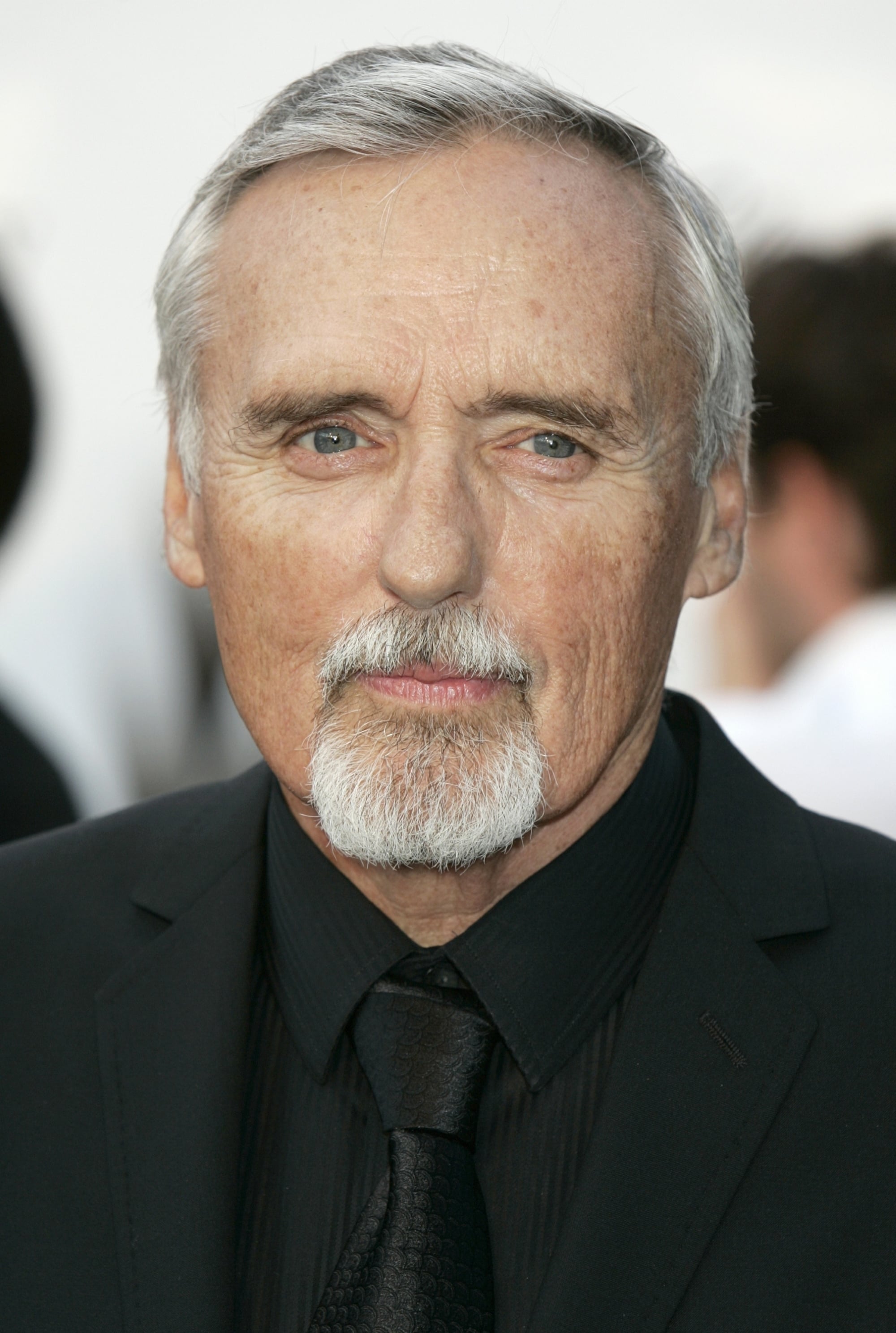
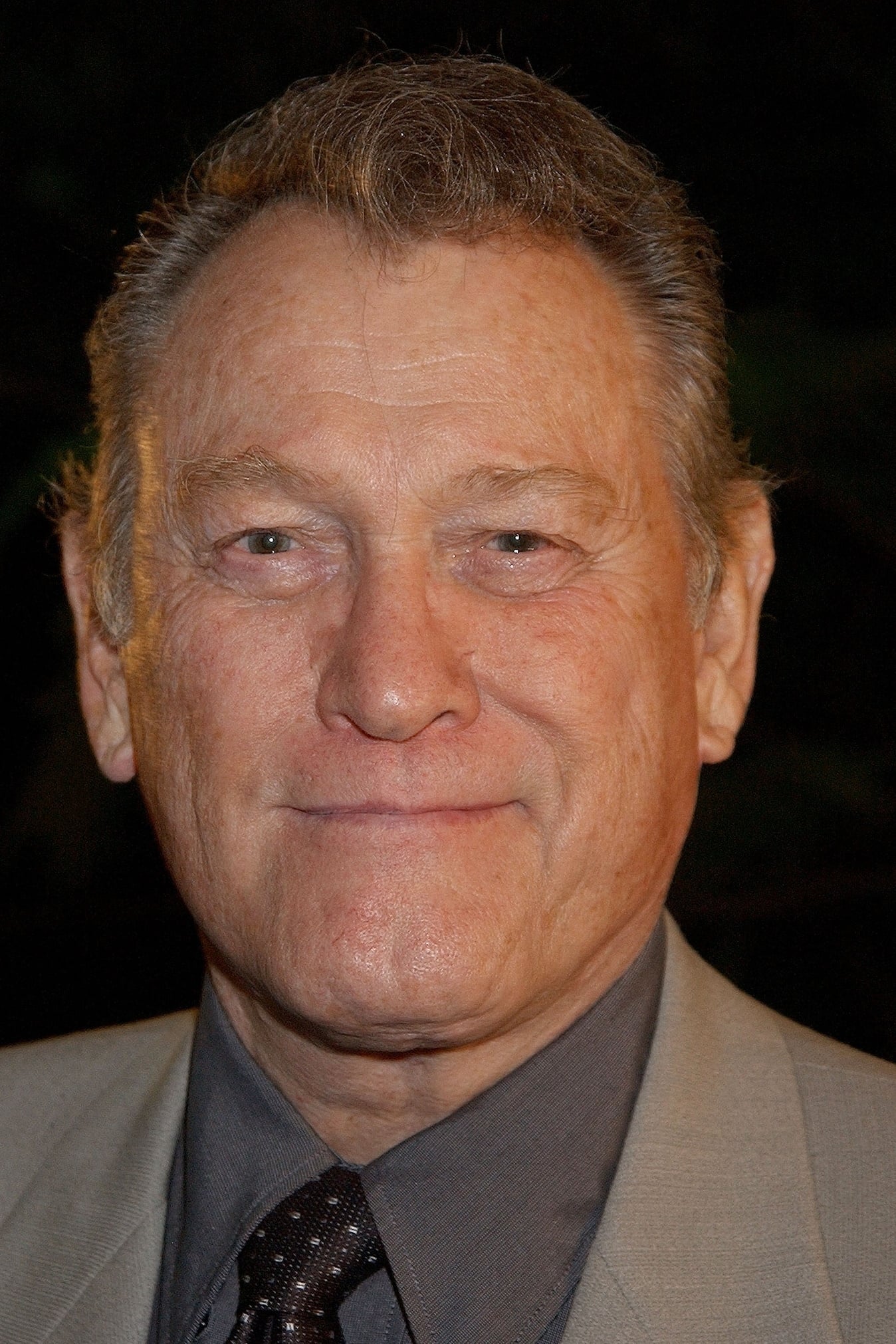
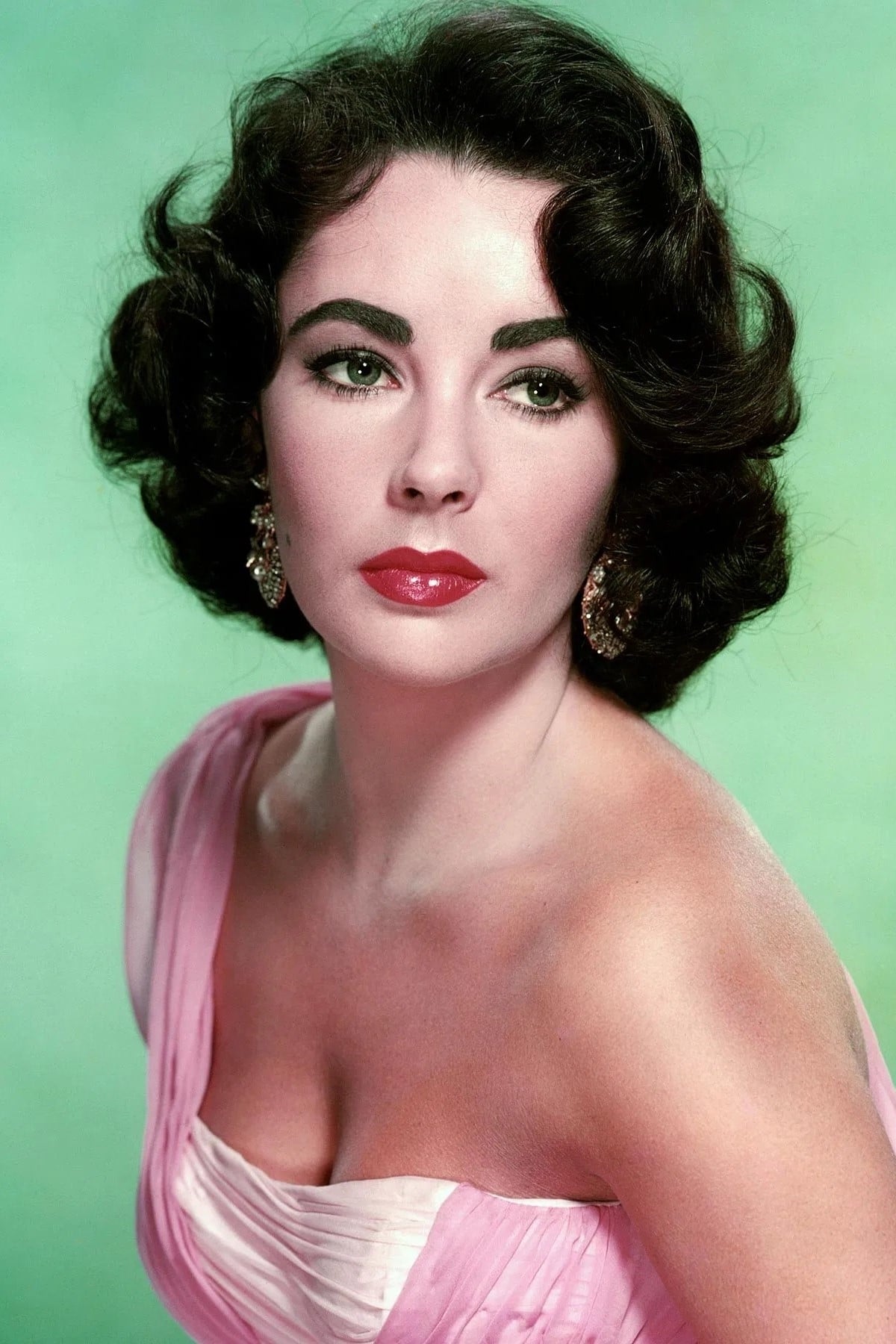
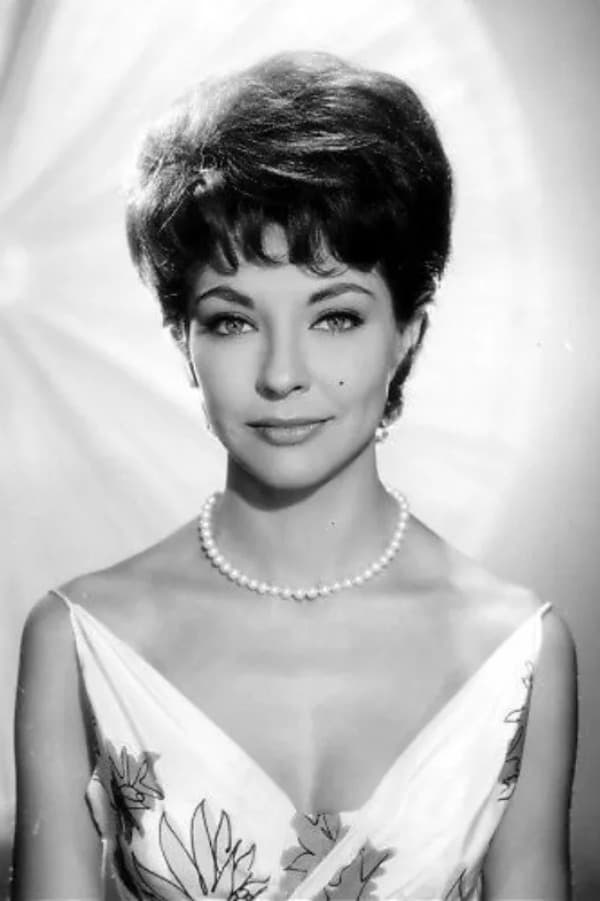
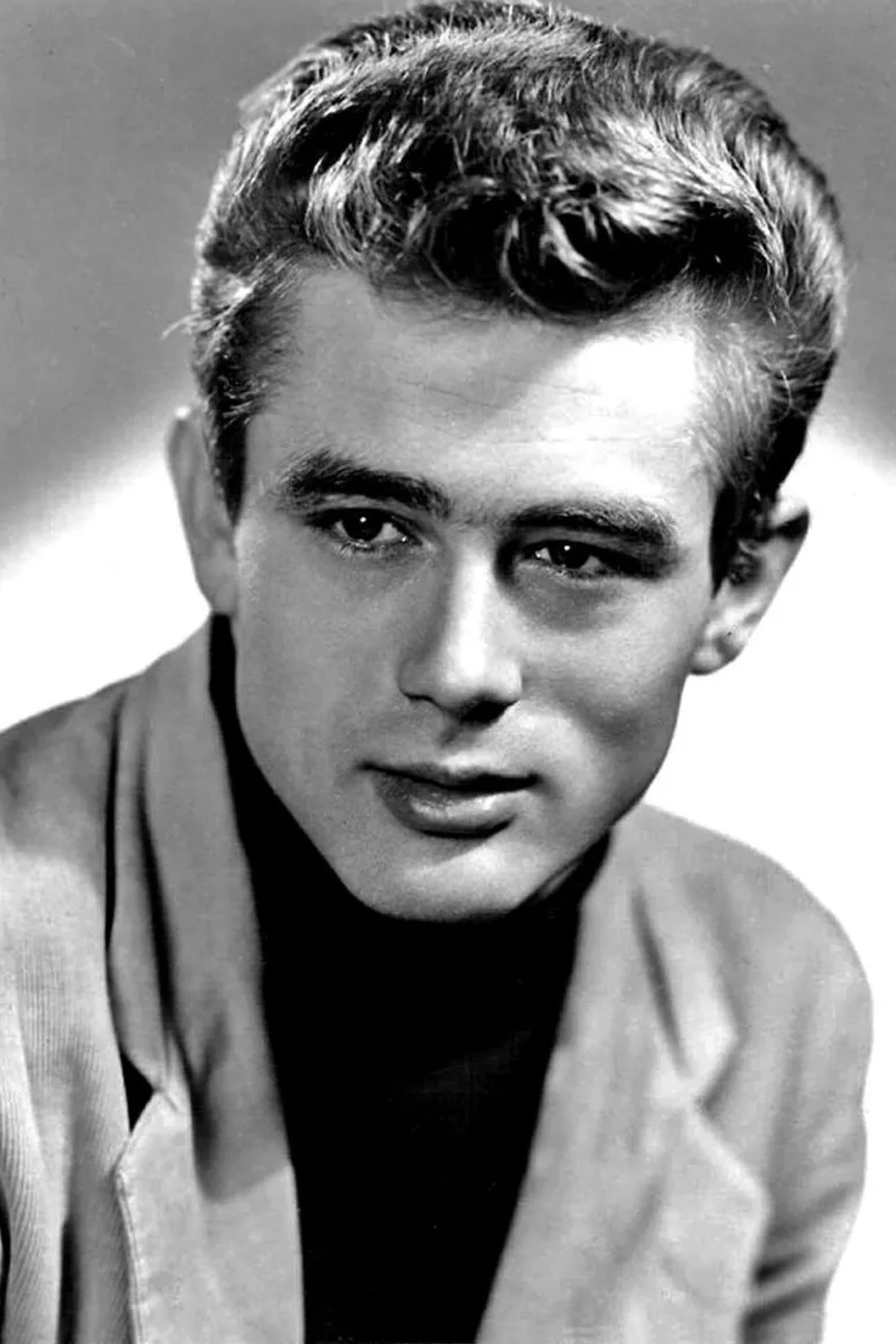
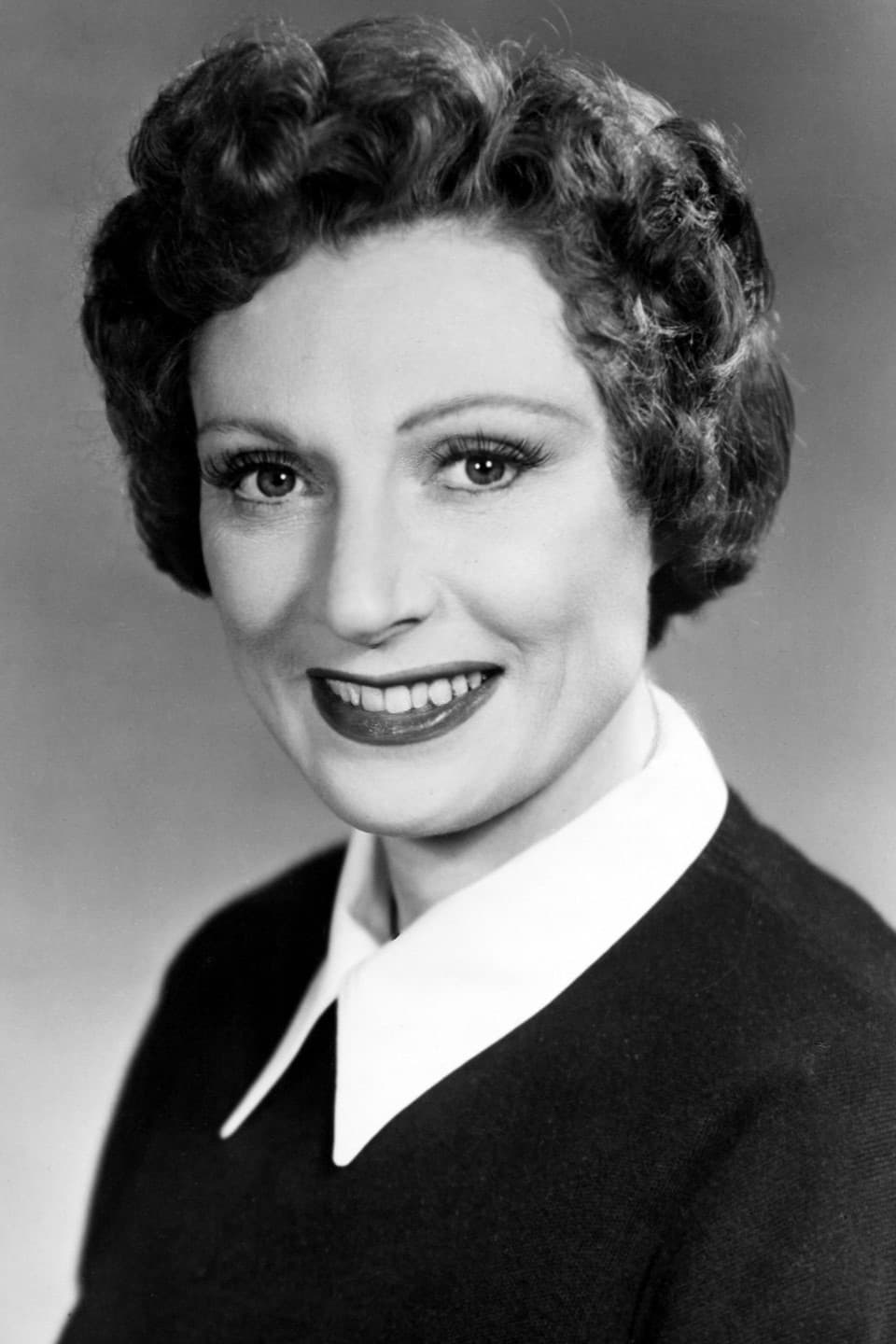
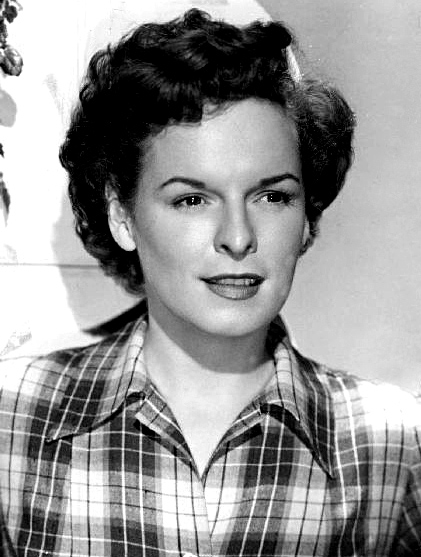
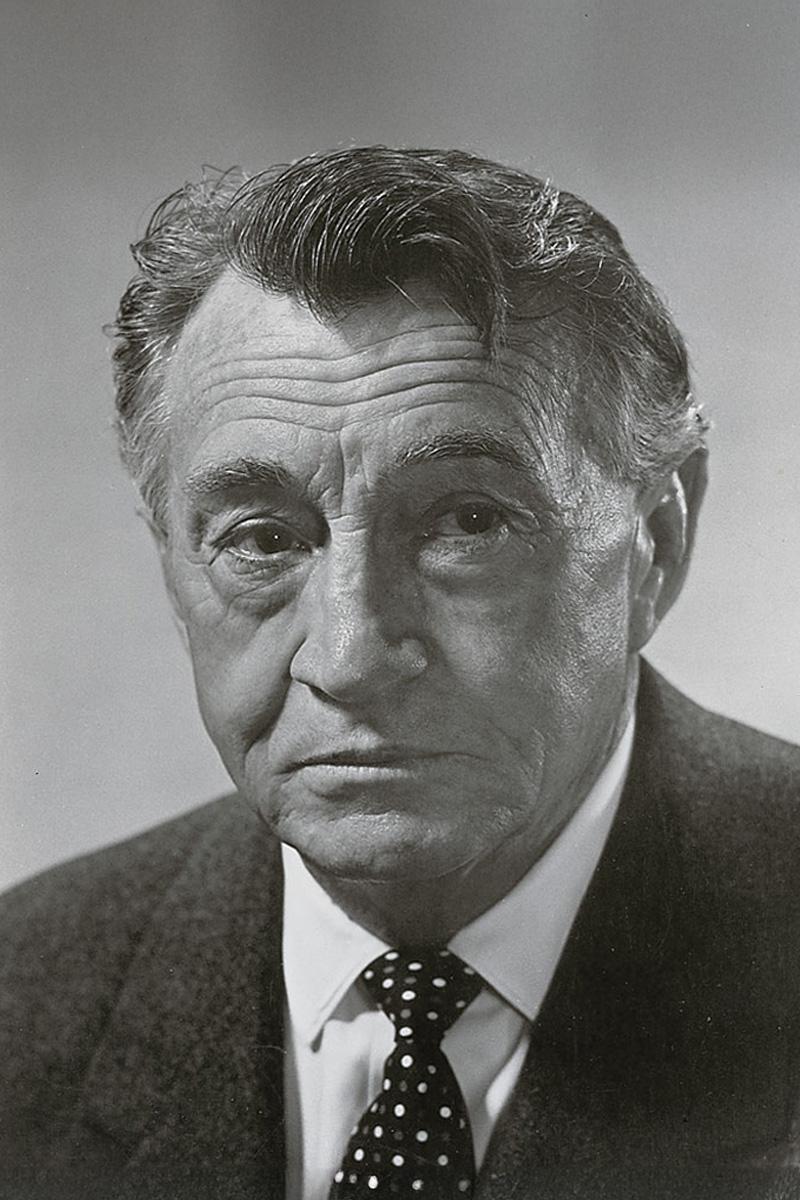
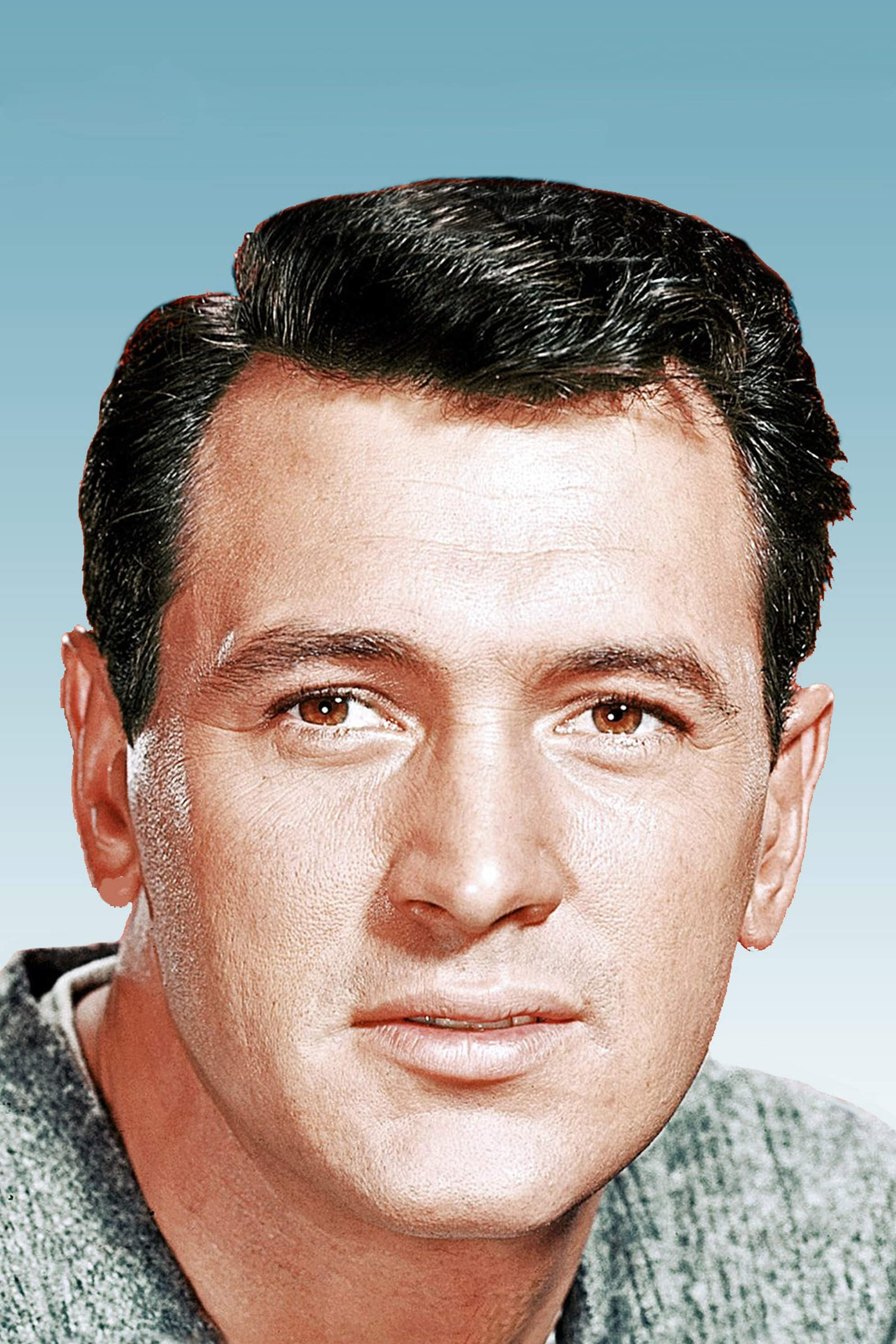
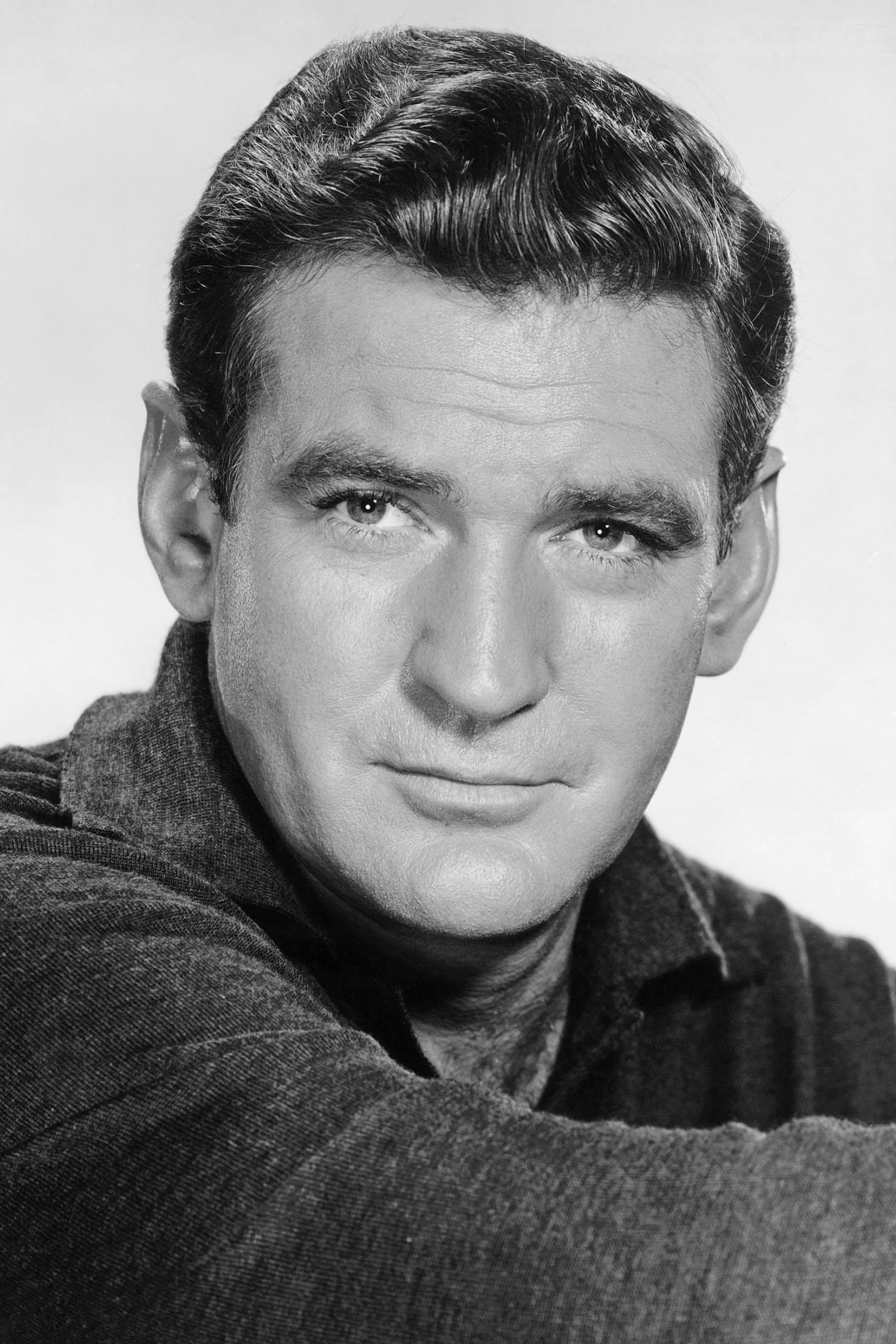
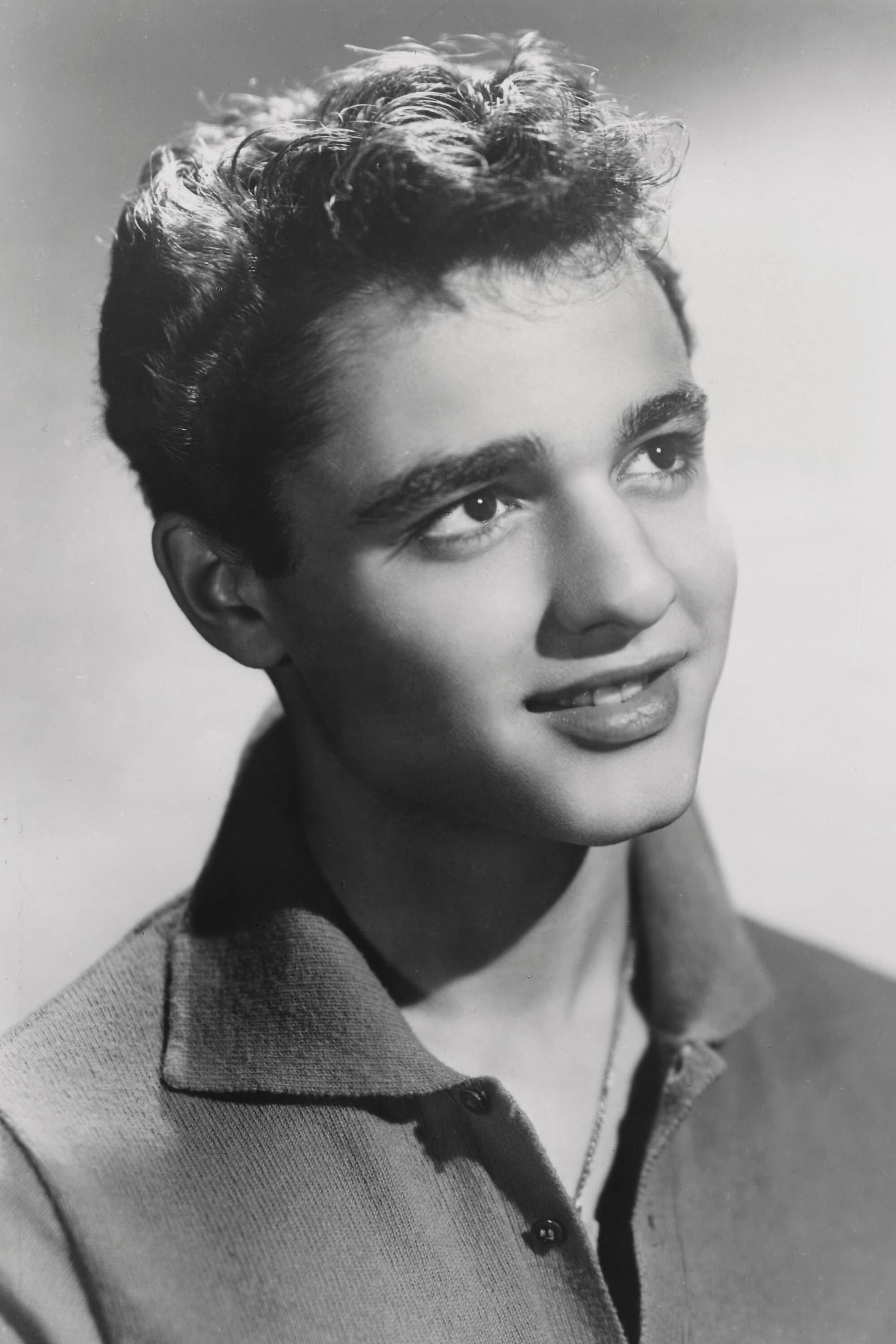
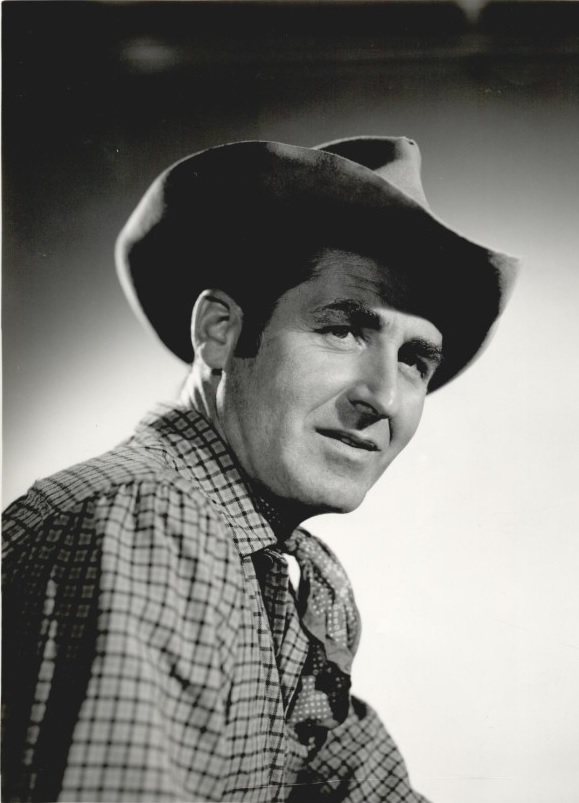
Director George Stevens wanted to cast fading star Alan Ladd as Jett Rink, but his wife advised against it. The role went to James Dean.
After James Dean's death late in production, Nick Adams provided Rink's voice for a few lines.
The lead character, Jett Rink, was based upon the life of Texas oilman Glenn McCarthy (1908 - 1988). The real Glenn McCarthy was an Irish immigrant who would later be associated with a symbol of opulence in Houston, Texas: the Shamrock Hotel, which opened on St. Patrick's Day, 1949.
The hat that Mercedes McCambridge wore in her exterior scenes was given to her by the wardrobe department. It was then "aged" by actor Gary Cooper so that it would look authentic. Mercedes McCambridge wrote in her memoirs that James Dean threatened to steal it.
Before Elizabeth Taylor accepted it, the role of Leslie was offered to Grace Kelly.
James Dean called the shooting style of director George Stevens the "around the clock" method, because George Stevens would film a scene from as many different angles as possible which made everything seem to take longer to do.
A DVD version of the film was released in Canada, but not the U.S. - unusual for an American film. Warner Bros then pulled the Canadian release, causing a scurry of fans to buy the disc from Canadian distributors. The DVD quickly disappeared from stores, and became a rare item on auction websites for nearly two years, until its official North American release on DVD in 2003.
It was the highest grossing film in Warner Bros. history until the release of Superman (1978).
George Stevens made the film for no upfront salary but a percentage of the (substantial) back end profits.
The start date of the film was delayed a few months so that Elizabeth Taylor could give birth to a son.
The massive painting seen on the set of the Benedict home is now in the Menger Hotel in San Antonio, Texas. It has hung in several spots in the original 1800s section of the hotel. It now contains a plaque, stating its significance as a film prop.
Elizabeth Taylor was said to be so upset the day after James Dean was killed in a road accident that she was excused from working on the picture for the day.
Audrey Hepburn was one of first choices for the part later played by Elizabeth Taylor, while John Wayne was considered for the Rock Hudson part. William Holden, Forrest Tucker and Sterling Hayden were also considered for the part of Bick Benedict.
In the 40s and 50s the usual policy for films where characters would start young and get older was to cast older actors and de-age them to show them as their younger selves. "Giant" took the then largely radical step of doing the opposite - casting younger actors and using make-up to make them appear older.
Rock Hudson and Elizabeth Taylor went for get-to-know-you drinks one night at the very start of the production. They both got exceedingly drunk, finishing the evening at 3am. Their call-time was 5:30am. Fortunately the scene being shot that morning was a wedding scene with no dialog, so, instead of talking, all they had to do was look lovingly at each other. The two actors were concentrating so hard on not being sick that they were quite surprised when some of the people on-set started to cry, so convinced were they of their supposed looks of adoration at each other.
Location filming took place for two months outside the tiny Texas town of Marfa. Director Stevens did not have a closed set but actively encouraged the townspeople to come by, either to watch the shooting, or visit with the cast and crew, or take part as extras, dialect coaches, bit players and stagehands.
The film spent an entire year in the editing suites.
Originally budgeted just shy of $2 million, "Giant" ended up costing over $5 million. Despite the consternation of studio head Jack Warner, it went on to become his studio's then biggest ever hit.
George Stevens eshewed the use of the CinemaScope format as he felt that the lenses tended to distort the image. In terms of his st
Continuity
When Bick and Leslie first arrive in Texas by train, they disembark into a major dust storm. In the next shot, of Leslie walking toward her horse, the air is suddenly completely clear.
Near the end, when Jett and Luz are in the bar together, the amount of liquor and ice in Jett's glass changes.
When Luz II puts in her request for a private phone, the position of her right arm changes between long and close shots.
When Jett is talking to the oil executives about "cracking Benedict", he is seen from behind with a cigarette in his mouth, but then is seen shortly after from the front with the cigarette in his hand.
When Uncle Bawley makes his "99% beef" joke, he is shown in the long shot holding his drink in one hand, but in the subsequent close shot, he's holding it in both hands.
Factual errors
In the Jett Rink Airport opening day parade, there are riders on horseback carrying an American flag and a Texas flag. The American flag being carried has 37 stars (should have been 48), and the lone star on the Texas flag is upside down. (The stripes are right side up.)
One of the oil men says the oil tax exemption is the best thing to happen to Texas since the defeat of Geronimo. Geronimo was a Chiricahua Apache and surrendered in Arizona.
The name Luz is pronounced in the way that English speakers say the word "loose". The Texans would have learned Spanish as children from the ranch help, and that's how they would have said it. (The pronunciation was likely changed so that audiences wouldn't laugh.)
Incorrectly regarded as goofs
The large display of flags in the lobby of the home has the American flag in the wrong position. It is on the right, as we see it. However, protocol requires Old Glory is to be presented "on the flag's own right," (aka stage right) meaning our left. While this may normally be correct, the display of flags are the "Six Flags over Texas". A quick Google image search will verify that these flags are consistently displayed in the following (generally chronological order) from left to right: Spain, France, Mexico, Confederate States of America, Republic of Texas and the United States of America. As such, the display as depicted in the film is accurate.
Revealing mistakes
During the confrontation between Bick and Jett in the hotel banquet hall stockroom, Bick throws a "basket" knocking over several storage shelves. The shelves start to fall before the basket makes contact.
Near the end, Bick knocks over a shelf of wine bottles, causing a cascade of shelves knocking the next one over. The scene cuts to Jett and you can hear a large number of shelves falling over. However, when the scene cuts back to Bick exiting, there are only three shelves (with the third leaning against the wall), and the other "shelves" behind are just a set painting.
When Jordan forces his son to ride his horse with him at a gallop, the child dummy is clearly slipping down out of the rider's grip as he comes to a stop. The immediate close-up has the child actor sitting perfectly erect.
In the scene where Leslie faints at the barbecue, long shots show Luz standing at a table with no one behind her. But in the close-up after Leslie faints, when Luz says, "That's what I was afraid of", there is a crowd of people in the background behind her.
The oil wells seen in the background of live-action shots, such as at the railroad depot, are clearly miniatures erected in the near background in an effort to give the impression of size through forced perspective. Similarly, the wells seen through the windows of indoor sets (the house and the diner, for example) are plainly painted images on false backdrops.
Miscellaneous
When little Jordan is crying because he is afraid to ride the pony, there is a large Texas flag hanging in front of the mansion. The star on the flag is upside down.
The newspaper announcing Angel Obregon's homecoming has an article headlined "Full-Paid Taxes Record Broken". The text of the article refers to Los Angeles county and Howard L. Byram. Byram was the Tax Collector for Los Angeles county in California. It's unlikely a story like this about LA would be in a Texas newspaper. It appears that the production used a real California newspaper and added the picture of Angel.
At about 1:17:15, when Leslie has dropped the first hint to Bick that she's pregnant, the creak of the camera dolly can just barely be heard as it pushes in for a closer shot.
Anachronisms
The newspaper shown announcing Angel Obregon's return has an article about Alfred Chester Beatty giving up his American "nationality" and becoming a British citizen. Beatty was a real person who did this in 1933. The newspaper shown is from that year when it should have been from sometime between 1941 and 1945.
When the story moves to WWII era, the fashions and hairstyles of the female character are strictly that of the 1950s, not early 1940s.
Audio/visual unsynchronized
At the pool party, the square dancers' moves do not match the caller's instructions.
Errors in geography
When Leslie and her children return to Maryland for Thanksgiving, they are greeted by a green midsummer landscape. At that time of year, the leaves and grass would have already turned and the trees would be well on their way to being bare.
The opening sequence shows Bick arriving in Ardmore, MD on a Chesapeake and Ohio (C&O) passenger train. Ardmore did not have train service and the closest line was the Pennsylvania Railroad. The C&O did not have service in Maryland. It did have service in Charlottesville, VA where the Maryland scenes were actually filmed.
Boom mic visible
Shortly after Leslie prepares breakfast for the first time in the ranch, surprising Luz, and as Bick walks down the stairs, a microphone is briefly visible above the shot.
After Bick takes his crying toddler son for a short ride and Leslie is helping their son off the horse, the camera moves upward revealing a boom microphone at the top of the screen. Seconds later, when Bick dismounts the horse, the mic is seen once again.
Character error
A group of Texas landowners talk about Geronimo as chief of the Comanche. He was an Apache and not a chief, but a shaman.
At the end of the parade, just about to enter the Benedict limo, Leslie answers Bick's question about whether she knew that Luz would be Queen of the Parade, and she answers: "I didn't know, Jett," instead of "Bick" or "Jordan." The car obscures Elizabeth Taylor's face, but the sound and closed caption both came out "Jett".
At the dinner table in Maryland, Jordan Benedict states that his ranch is 595,000 acres. Later on Leslie refers to Reata as being 500,000 square miles. An acre equals 1/640th of a square mile. The state of Texas is only 267,339 square miles, so Leslie was saying that the ranch was almost twice as big as the entire state.
The U.S. flag on the casket at the train platform is displayed incorrectly, with the field of stars on the right, but then correctly at the burial, with the field of stars on the left.
The flags in the Benedict house are displayed backwards. The U.S. flag should be on its own right (the observer's left) when displayed with other flags.