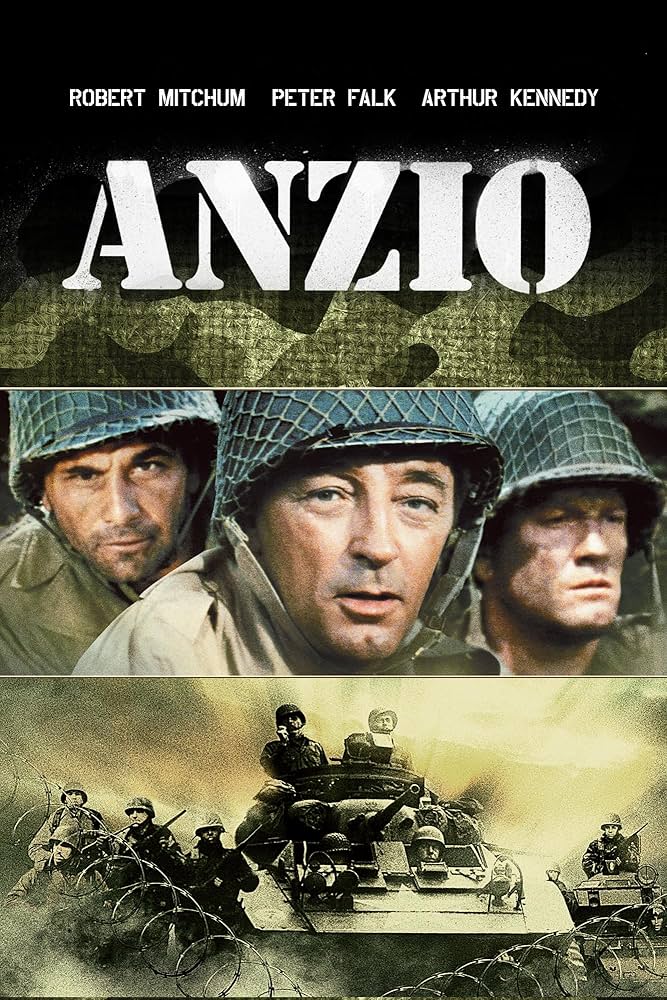
Anzio (1968)

Allied forces land at Anzio unopposed, but instead of moving inland and north to Rome, their commanding officer decides to dig in. A battle-hardened war correspondent borrows a jeep and driver and drives to Rome and back encountering no significant German forces. The report on the absence of the enemy is discounted as the general is concerned about having the strength to hold Anzio and support the offensive. By the time it is finally decided to make a move the Germans have arrived in strength. A US Ranger assault on Cisterna is ambushed with most of the forces killed or captured. A small group of survivors, including the war correspondent, struggle to make their way back to Anzio and report on the German defenses.
Where the end of World War II began.
Dick Ennis: [talking on the radio intercom] Hello beachhead. this is Dick Ennis.I'm somewhere in the Alban Hills with the survivors. Sorry to take you away from the gaming table general, but I thought you should know you lost a couple pins off your chart. 1st and 2nd Rangers battalions have been wiped out. Did you read that? Of 767 men, there are 7 survivors left to see the result of one more royal foul-up. but this one's unique. This didn't happen because a general was too reckless. But because a general was too cautious! How about that? An entire outfit wiped out because the general was timid. I know it rarely happens that way general, but it sure as hell happened here. A timid general. He walked them into a park and left them in a graveyard.
Royal Palace, Caserta, Campania, Italy
(opening scene)
Ariccia, Rome, Lazio, Italy
Via Monte Tarpeo, Rome, Lazio, Italy
(The road which the jeep approaches the Roman ruins)
Fontana delle Tartarughe, Rome, Lazio, Italy
(The jeep circles the fountain before heading into a courtyard)
Ponte di Ariccia, Ariccia, Rome, Lazio, Italy
(In the background when Kesselring discusses his next move)
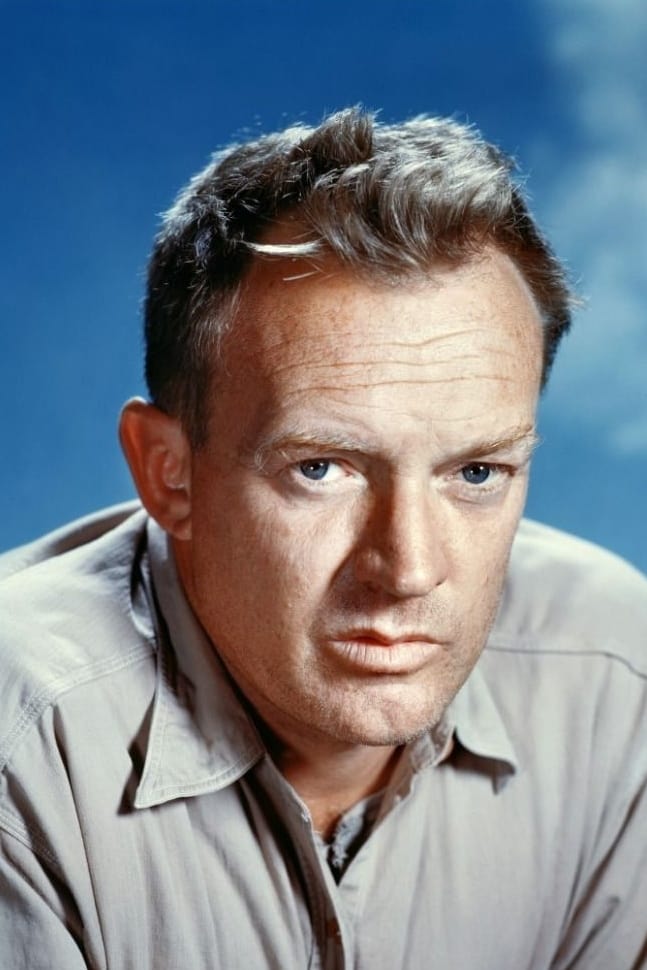
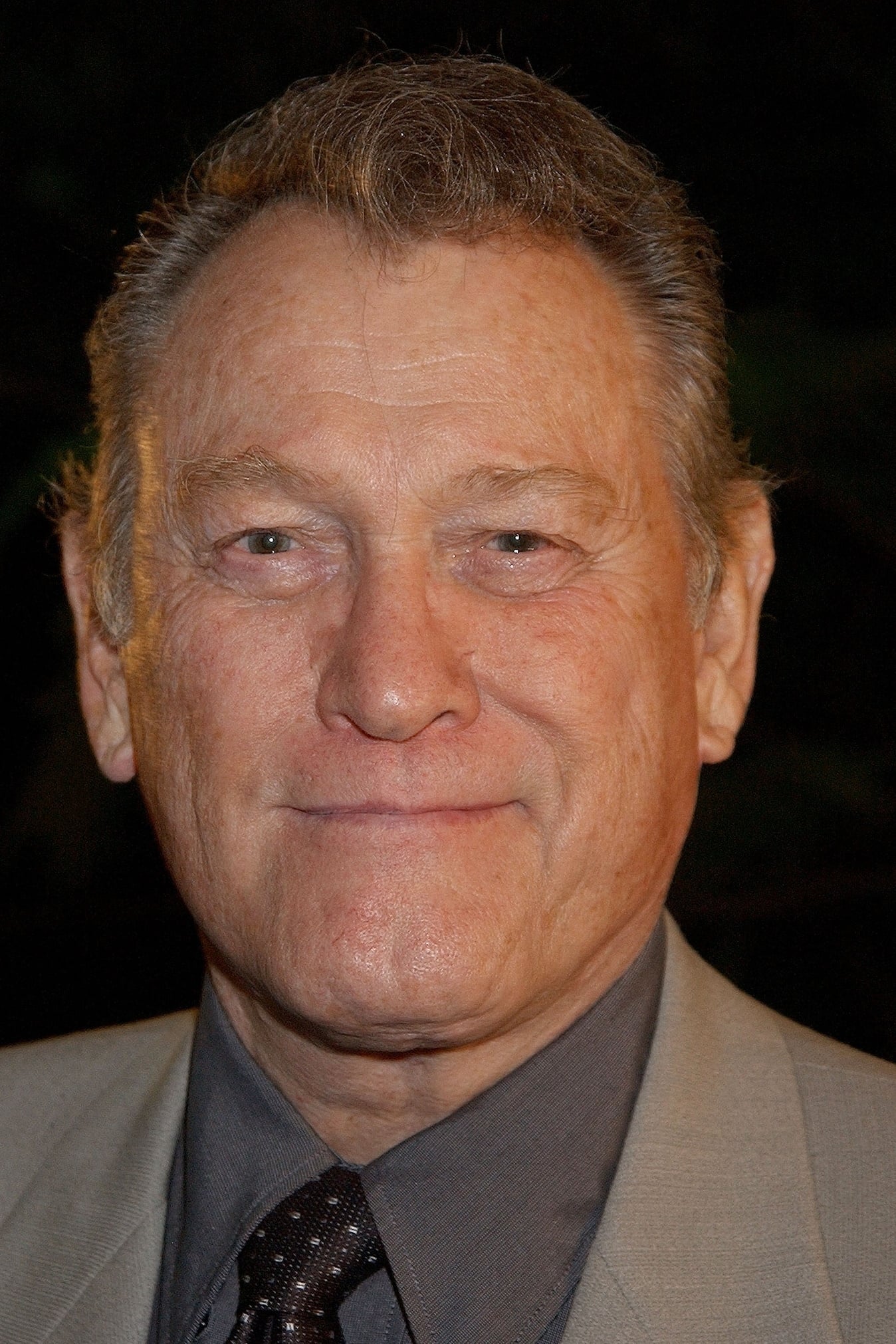

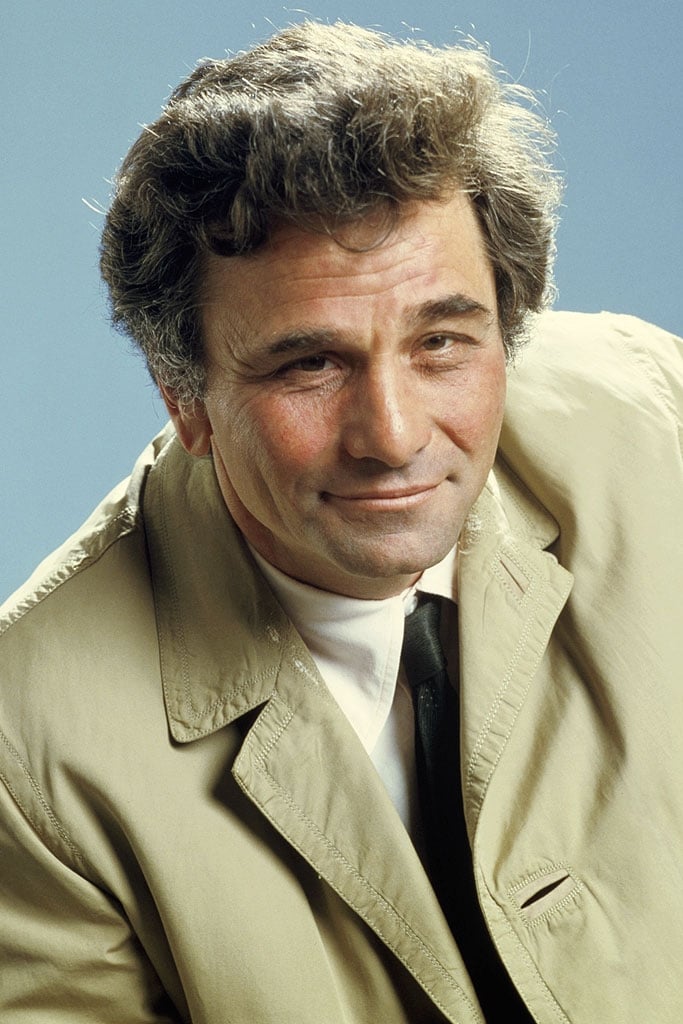
Peter Falk in his 2006 autobiography "Just One More Thing: Stories of My Life" stated that he didn't like the script for this film, finding it hackneyed and full of clich?; he wanted to leave the film for these reasons. However, producer Dino De Laurentiis encouraged him to stay by giving him film-poster name-above-the-title credit as well as choice of writer for his dialogue. Falk stayed on the picture and apparently actually wrote his own dialogue.
After the war, Major General John P. Lucas, who commanded American forces as Anzio, visited war hero Audie Murphy on a movie set. Murphy, who had served at Anzio returned his salute, but refused to shake his hand as he held him responsible for the deaths of many men during the battle.
Location filming for this movie was conducted in and around the environs of Rome, Italy.
Based on true events. On January 30, 1944, about a week after the initial landing, two battalions of Rangers did indeed try to infiltrate German lines and take Cisterna. They did in fact walk into a trap. All but a few of the 700-odd men (Earl Holliman's character and Robert Mitchum's character both cite the number '767') involved were killed or captured.
The "Black Devils" was the nickname of the 1st Special Service Force, The Devil's Brigade (also called The Black Devil's and The Black Devils Brigade), a joint American-Canadian commando unit organized in 1942 .
Continuity
Two different figures are given for the casualties suffered by the Rangers during the ambush--776 and 767 (+ 7 survivors).
When Stimmler and Ennis discuss the night reconnaissance of the German works, a man appears behind Sgt Stimmler's shoulder in close shot where no-one was standing in long shot.
Maj Gen Lesley is seen on the deck of the transport putting on a parka on top of his greatcoat. Shortly afterwards, he is on the bridge and the parka has disappeared.
Factual errors
The nickname "Black Devils" (or "Devil's Brigade") was acquired after the battle of Anzio. It would not have used been prior to the battle.
All the tanks used on both sides were postwar US models in different paint schemes--possibly M-47's as used in the film Battle of the Bulge made 4 years earlier. On the tanks masquerading as German 'panzers', clearly visible is the original Browning .50 cal heavy machine guns (without ammo boxes) on the turret, instead of replacing them with WW2 German MG34 or MG42 machines guns.
A shortage of German machine guns must have blighted filming as clearly seen in the ambush scene with the German troops in hollow haystacks - rather than using MG 34 or MG 42 machine guns, they use British Army Mk1 Bren Guns & American M1918 Browning Automatic Rifles (although it could be very loosely argued the Bren guns were captured British munitions from earlier in the war, however there would be ammunition compatibility problems as German 7.92x57 ammunition won't work in .303 weapons).
During the sniper ambush near the end, the last German sniper is firing a bolt action rifle, but makes two quick shots in rapid succession, which is impossible with a bolt action. If a single gun fired the shots, it would have had to have been a semi-automatic rifle.
File covering in the shell holes from an earlier battle, the Americans are shown using a dead casualty as cover. Not only do we not see bullets hitting the corpse, but 7.92mm Mauser bullets easily penetrate a human body or even small trees.
Revealing mistakes
The First Special Service Force patch worn by Rabinoff has the word "USA" below "Canada" and not above.
Miscellaneous
When the guy is trying to sell stockings to the soldiers, numerous women rush towards him, supposedly to look over the stockings, along with numerous children tagging along with the marching band. However, in the following shot, the guy's back is to the camera and he still holds out a handful of stockings to the soldiers, calling for them to buy them, and no hordes of women surround him.
When Robert Mitchum is in the village speaking with the old man, he utters a short sentence in Italian and his voice is an obvious overdub.
Anachronisms
Toward the beginning of the film, Cpl. Jack Rabinoff (Peter Falk) is in the back of a Red Cross ambulance with three prostitutes and grabs a shoebox-sized box labeled "Hershey's Milk Chocolate Multi Pack" with a "1968 design" of the Hershey logo. One of the prostitutes reaches into the box and pulls out a "1968 design" box of Brach's Milk Chocolate Stars. In addition to the two anachronisms, Hershey's and Brach's are two separate companies.
During the sequences at the port where the American and British soldiers are loaded onto ships to be transported to the Anzio landing, the color scheme and hull number configurations on the ships are clearly those of the Italian Navy of the 1960s, not USN and RN ships of World War II.
Some of the rifles shown with the U.S. troops were British SMLE's.
Ranger Tab shown being worn (Black and Gold arc) was not designed and approved for wear until November 1950.
Character error
When the U.S. general meets his British counterpart, he salutes first before denying the latter's request. Usually, the subordinate officer salutes first.