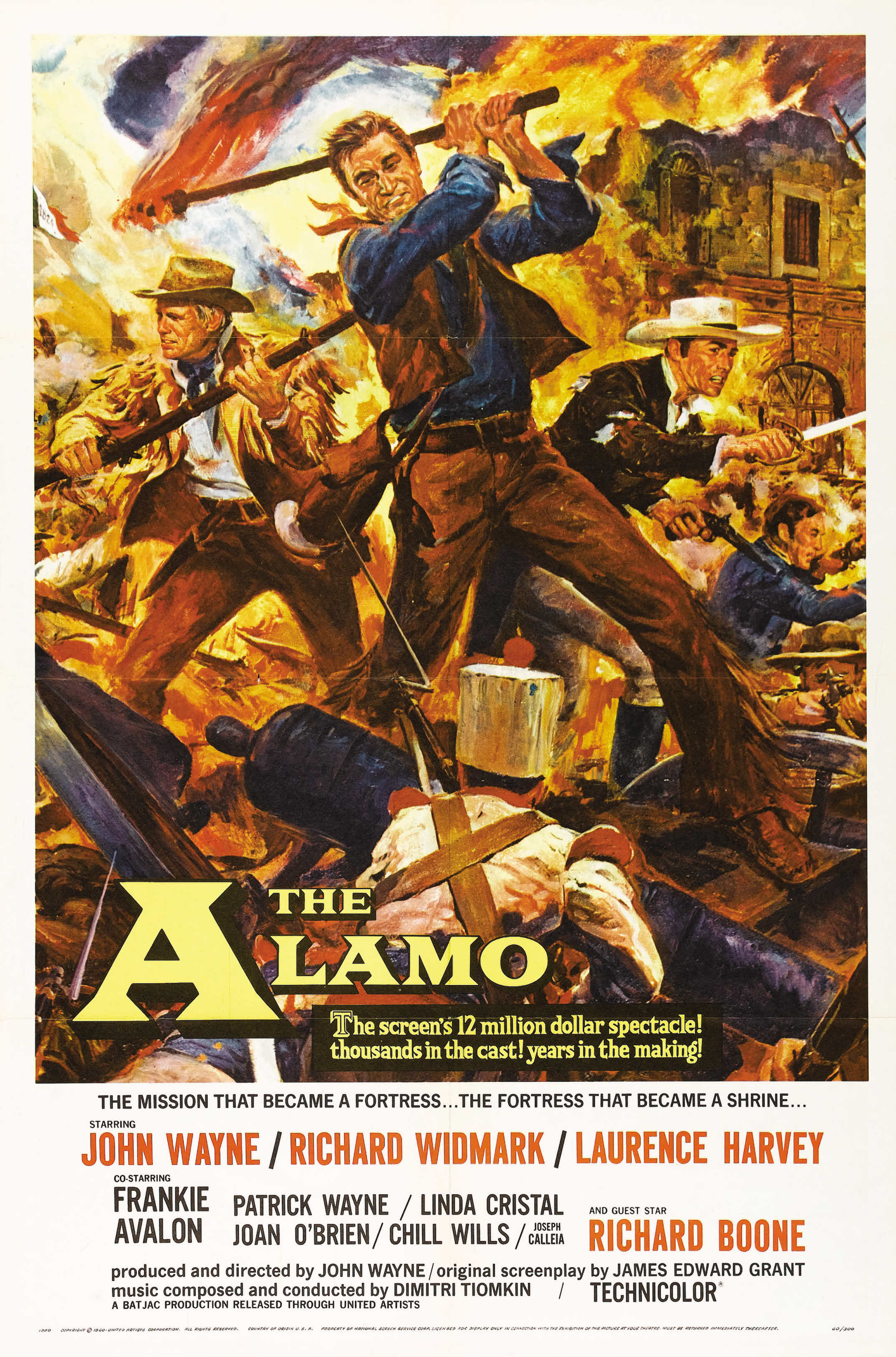
The Alamo (1960)

In 1836, General Santa Anna and the Mexican Army is sweeping across Texas. To be able to stop him, General Sam Houston needs time to get his main force into shape. To buy that time he orders Colonel William Travis to defend a small mission on the Mexicans' route at all costs. Travis' small troop is swelled by groups accompanying Jim Bowie and Davy Crockett, but as the situation becomes ever more desperate Travis makes it clear there will be no shame if they leave while they can.
They stood firing until they could stand no longer...156 MEN AGAINST A RAGING ARMY OF 7000!
Davy Crockett: Republic. I like the sound of the word. It means people can live free, talk free, go or come, buy or sell, be drunk or sober, however they choose. Some words give you a feeling. Republic is one of those words that makes me tight in the throat - the same tightness a man gets when his baby takes his first step or his first baby shaves and makes his first sound as a man. Some words can give you a feeling that makes your heart warm. Republic is one of those words.
Gen. Sam Houston: I hope they remember. I hope Texas remembers.
Thimblerig: Being in Congress has ruined many a good man.
Alamo Village - Highway 674, Brackettville, Texas, USA
(the Alamo)
Brackettville, Texas, USA
(San Antonio setting)
Texas, USA
Mexico
(Start of production shooting)
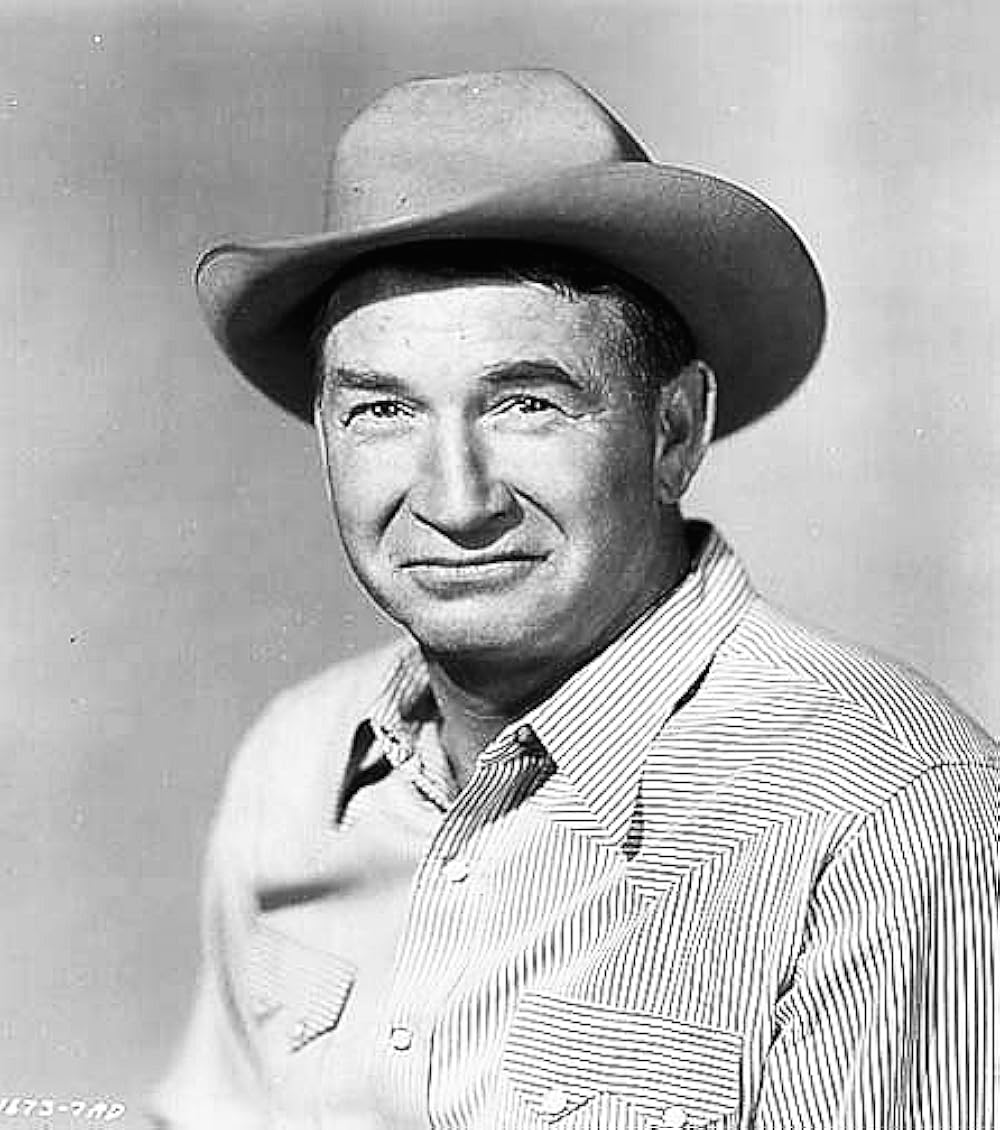
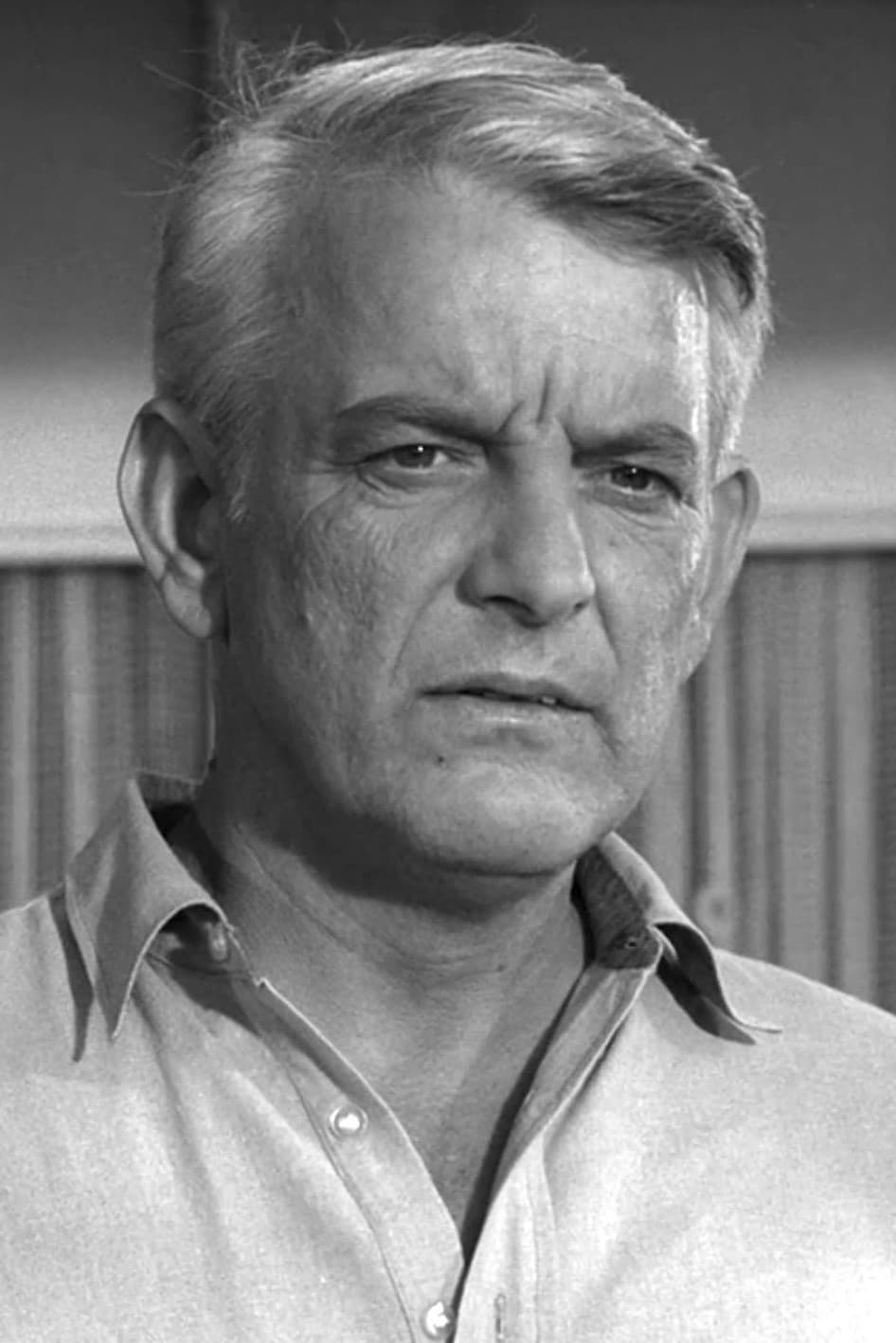
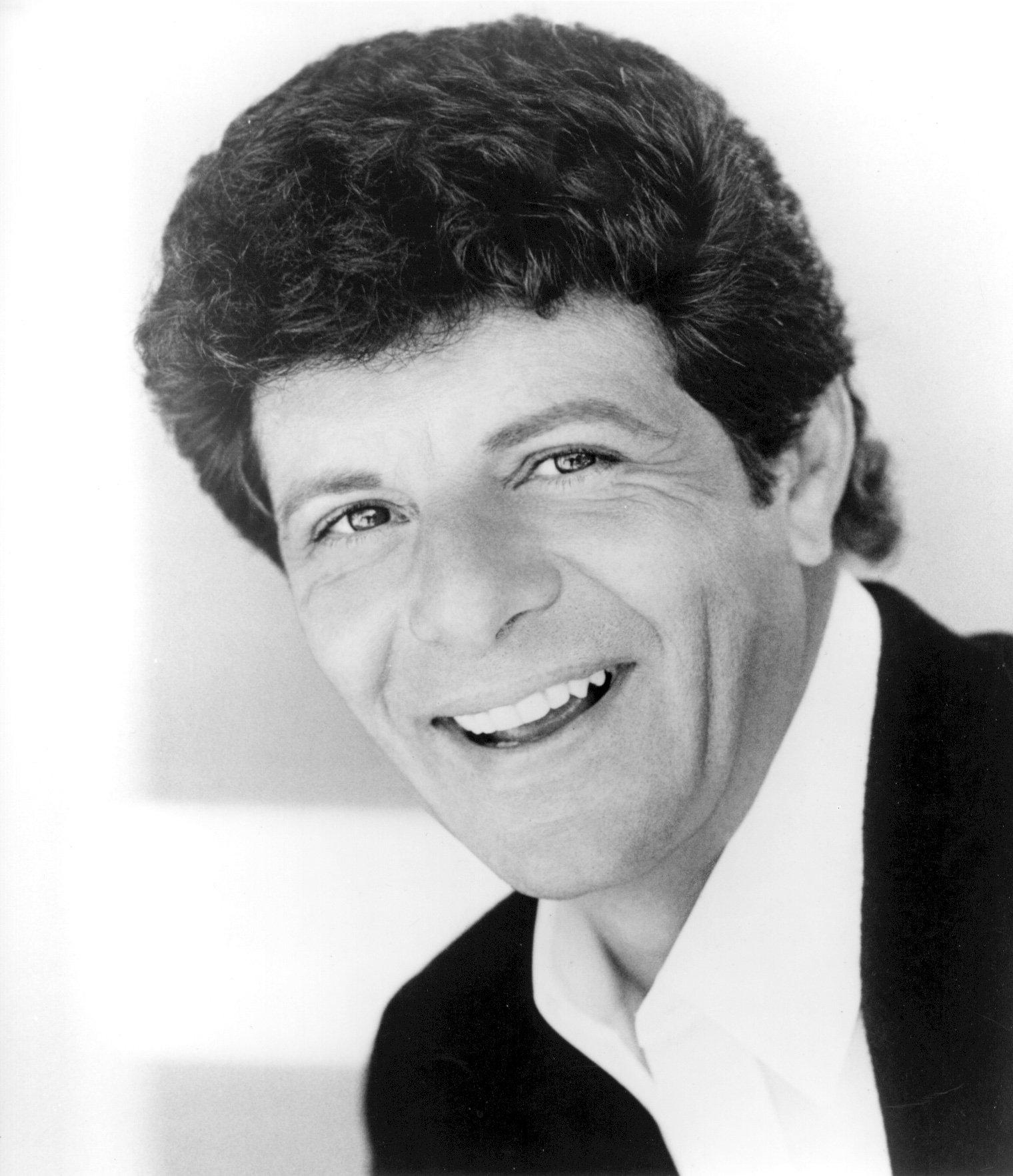
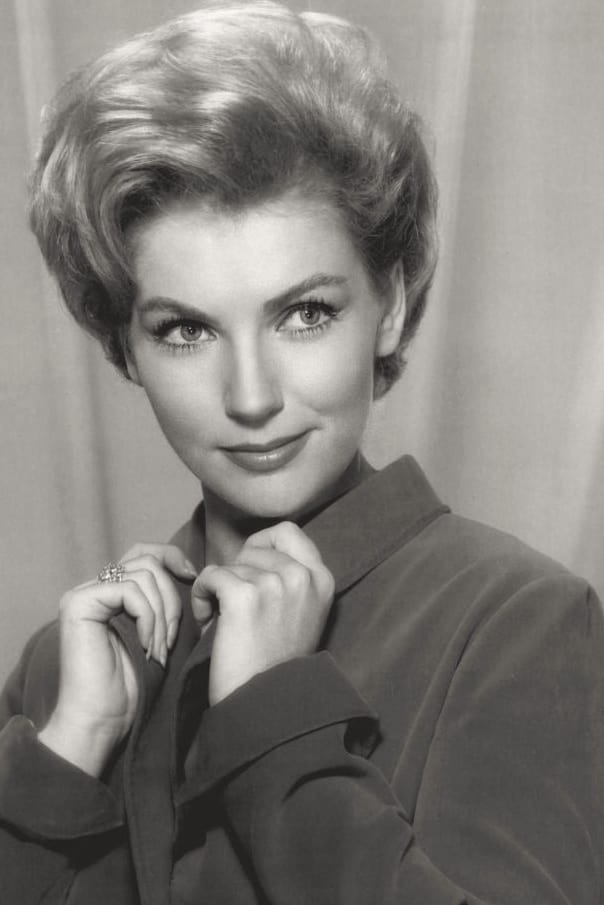
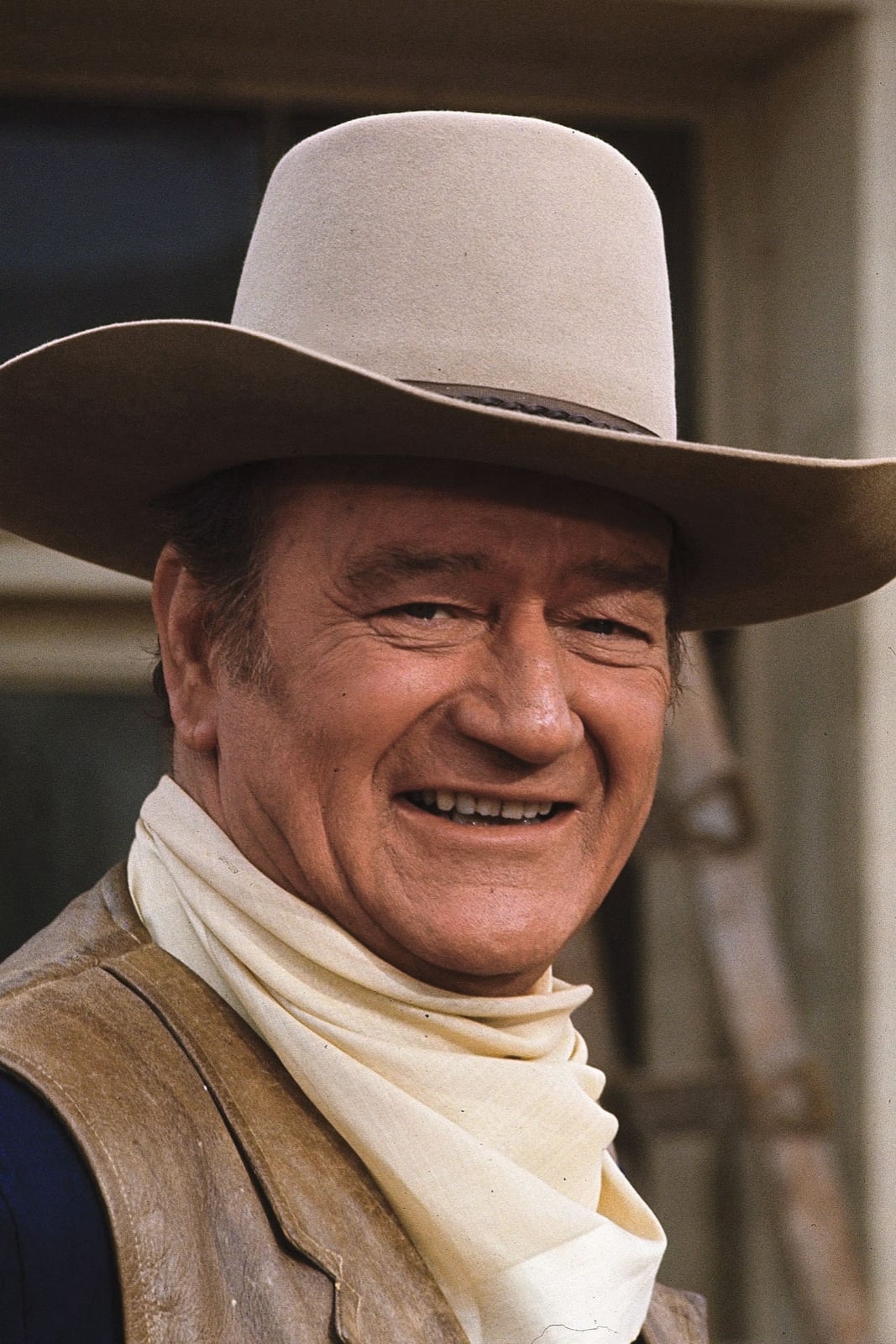
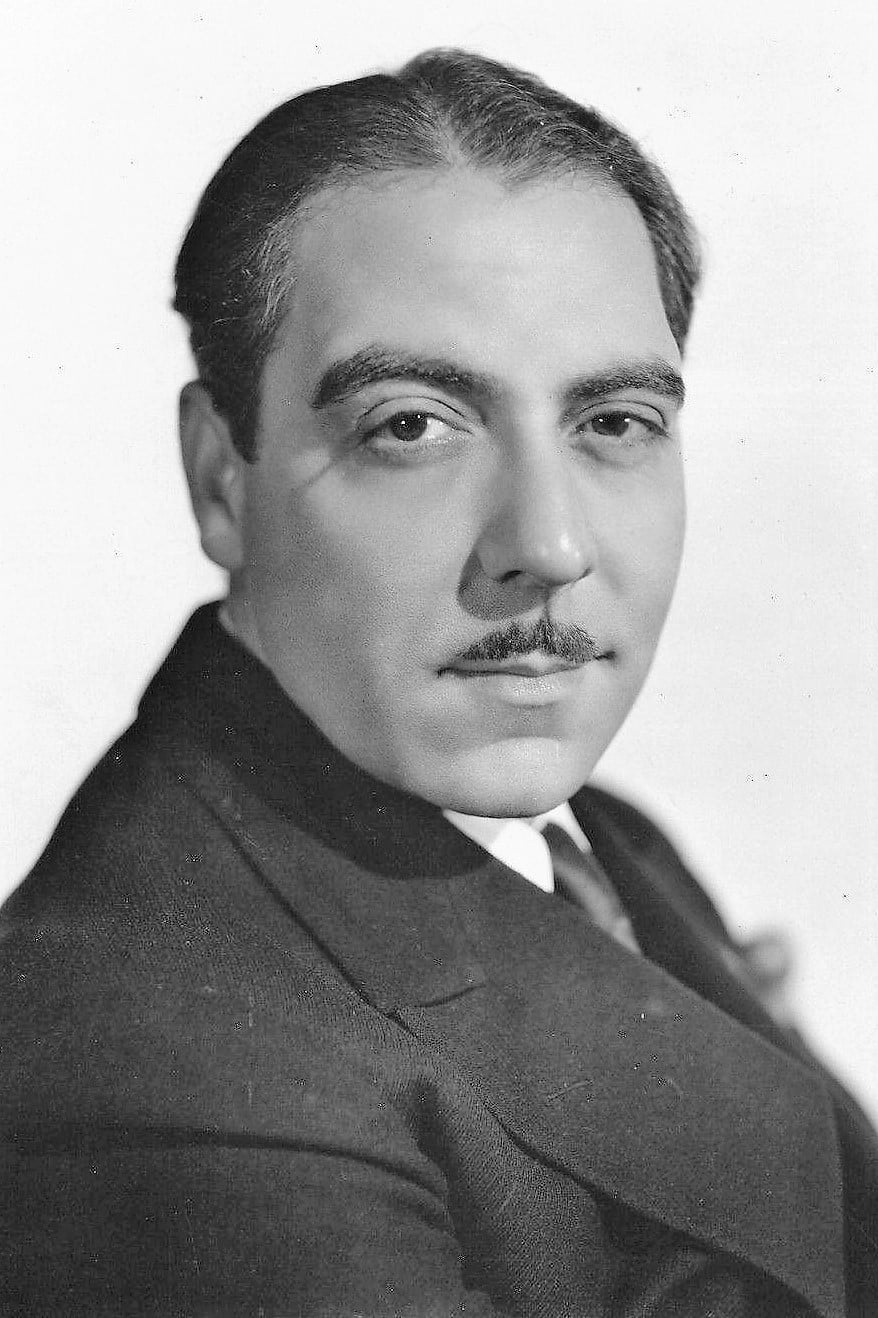
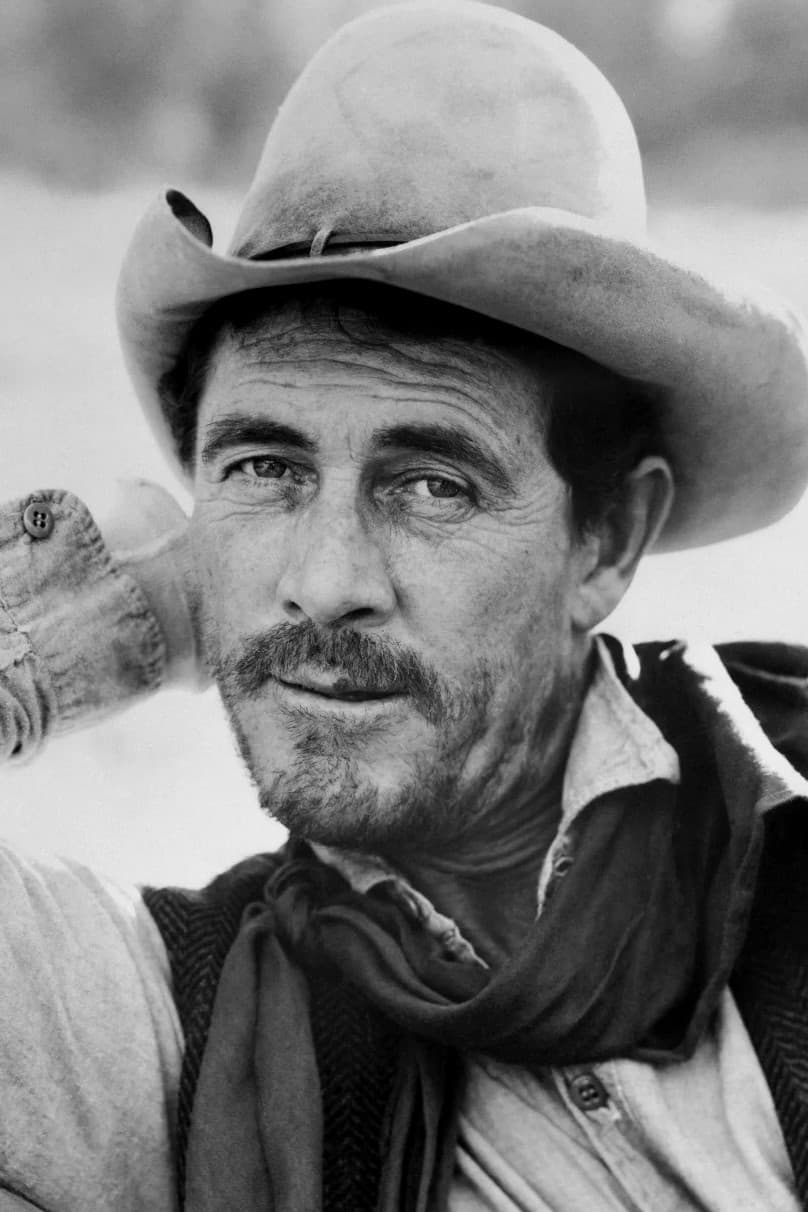
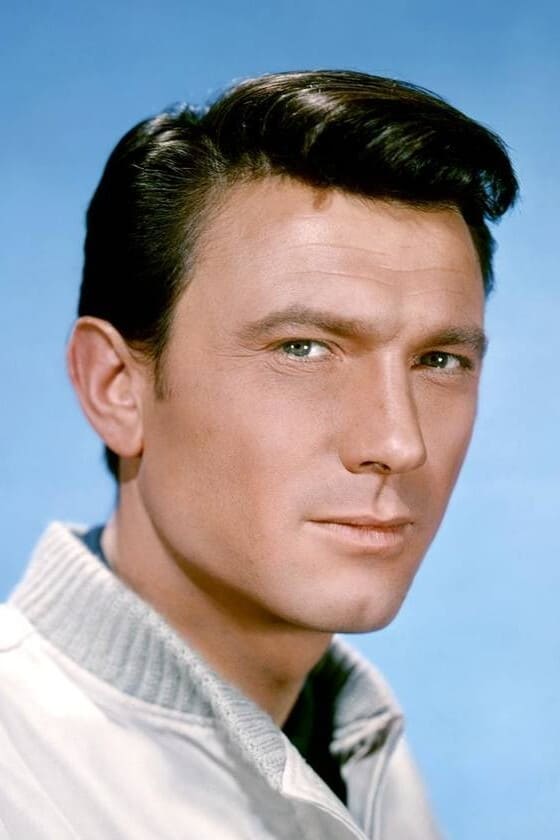
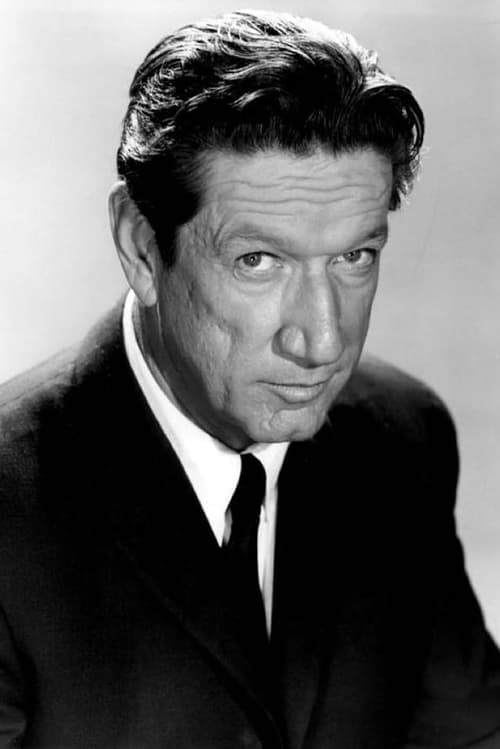
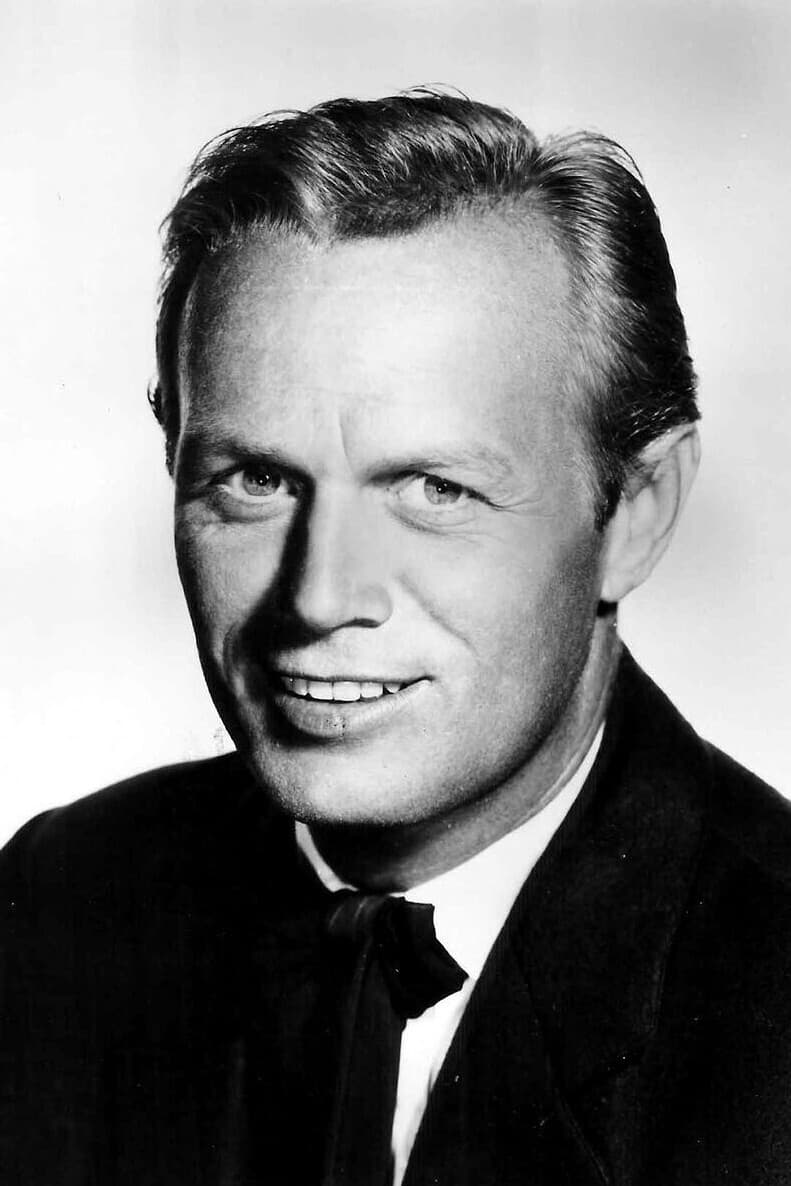
John Wayne formed a close friendship with Laurence Harvey during filming. According to Michael Munn's 2003 biography "John Wayne: The Man Behind the Myth", Wayne said Harvey should have received an Academy Award nomination for Best Supporting Actor instead of Chill Wills. However the accuracy of Munn's book has been called into question, along with his other celebrity biographies.
John Wayne partially financed this film himself. During shooting, the film was delayed due to various production problems. Wayne was under so much pressure, he smoked cigarettes almost non-stop when not acting.
John Wayne originally intended Richard Widmark should play Davy Crockett, while Wayne himself would have taken the small role of Sam Houston so he could focus his energy on directing the picture. However, Wayne was only able to obtain financial backing if he played one of the main parts, so he decided to play Crockett and cast Widmark as Jim Bowie.
Despite being a top-ten money maker for 1960, and its popularity in Europe and Japan, the film could not recoup its massive budget in its initial release. John Wayne assumed huge personal debt to get the film finished after United Artists refused to pay for cost overruns during production. It wasn't until the television rights sale in 1971 that Wayne's personal debts were finally paid off. It premiered on NBC in September 1971.
Banned in Mexico.
Continuity
As Travis talks to Crockett for the first time in the cantina, a fellow Tennessean dances with a woman on his shoulders, only to be punched and knocked onto a bench by another. The camera cuts to Crockett and Travis and the bench is now empty.
When Crockett and his men arrive at the Alamo, he stops with his rifle across his body in both hands. When the camera angle changes, the rifle is upright, and he is leaning on it.
The militia men are dry right after climbing out of the river and onto the bridge.
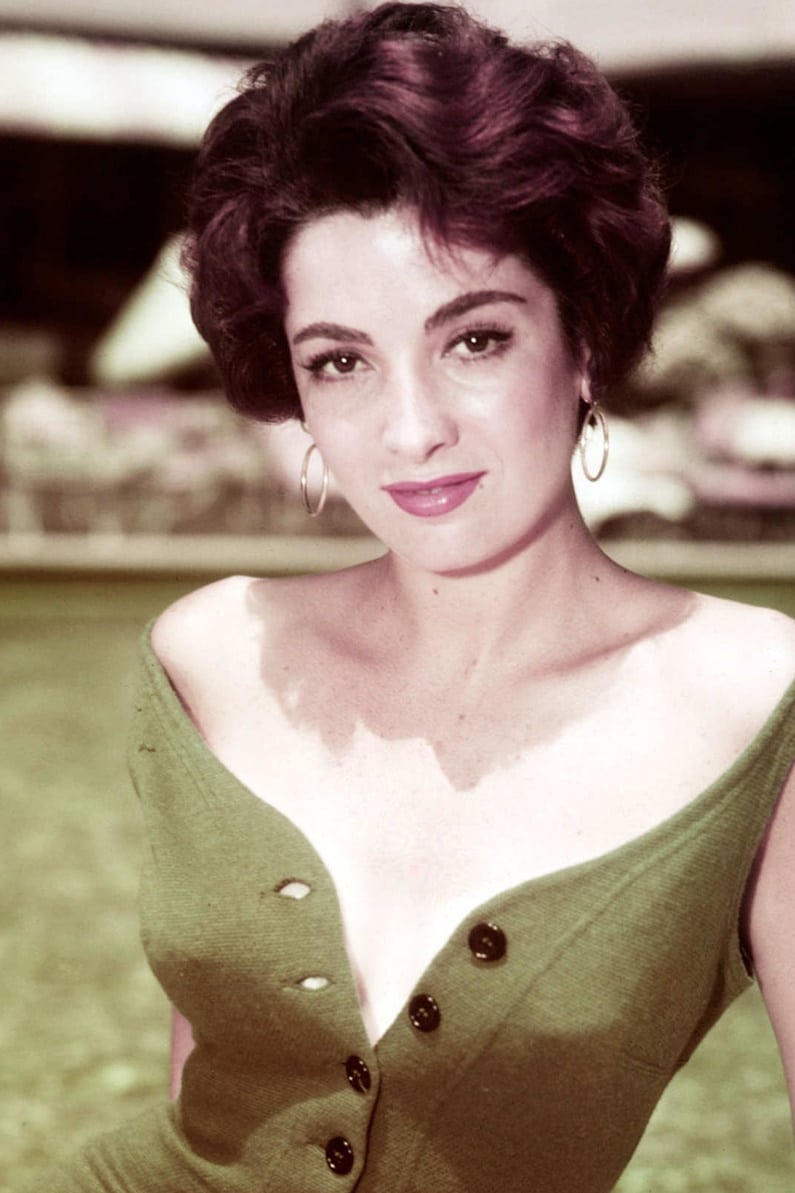
The character played by Linda Cristal is called 'Flaca' several times, 'Graciela' by Emil and 'Maria de Lopez y Bejar' by Crockett. While 'Flaca' is obviously a nickname (it means "thin one" in Spanish), the first name inconsistency is never explained.
In a scene where Travis rides a horse, the shadow changes direction several times.
Factual errors
The opening scene of the movie shows Sam Houston giving orders to William Barrett Travis to hold off the Mexican army until he could build an army. In truth, Houston sent Travis to the Alamo to help Jim Bowie burn it down and retreat to Gonzales, Texas. Bowie and Travis ignored the order.
Sam Houston refers to the Alamo as being on the Rio Bravo (aka Rio Grande). The Alamo is located on the San Antonio River over 200 miles away.
Col. Travis' last speech in the plaza asking for those who would to stay to the end did not show him draw a line in the sand with his sword. In reality two survivors, Moses Rose and Susannah Dickinson both reported he did.
Characters react to news of massacre at Goliad. That took place two weeks after the Alamo fell.
Jim Bowie was bedridden throughout most of the siege by some illness, either pneumonia, typhoid or tuberculosis. His death wasn't due to an artillery explosion as shown in the film.
Revealing mistakes
Just prior to an explosion on the wall during the first battle, several Texans are seen from behind watching the Mexican attack. One of the "Texans" is an obvious wooden dummy, costumed and placed to absorb the greatest impact of the explosion.
During the first attack by the Mexicans, you can see the Alamo's right side window (by the fence) is black after being burned from the huge explosion at the end of the film. This is clearly seen when they show a close up of Crockett at the fence area.
At the 2:30:43 mark, a dead Mexican soldier sits up.
Obvious stunt double for John Wayne during the fight scene with Emil Sands' henchmen. It stands out as the stuntman has different hair to Wayne.
In the final battle, stuntmen standing on a wall adjacent to the chapel jump onto clearly visible mattresses.
Miscellaneous
Despite the use of various types of rifles, muskets, and even pistols, the same discharge sound-effect is used throughout the film.
The word Magazine is on the sign backwards when Crockett tries to blow it up.
When the Mexican officer has the first encounter with the Alamo garrison a man's white shirt is used as a flag of truce. By the time the white flag arrives at the walls it is much larger than a man's shirt would be.
Anachronisms
The film is set in 1836, but many of the soldiers and defenders are using 1873 Trapdoor Springfields. Weapons that use centerfire metallic cartridges.
The movie makes an attempt to recreate the iconic bell-shaped facade of the church, but in fact, that was not added until 1850 by the U.S. Army. At the time of the battle, the roof of the church was flat all the way around the entire structure.
Susannah Dickinson's dresses have an obvious zipper. Zippers weren't invented until 1914 and weren't used on dresses until the 1930s.
The distinctive Alamo church sports upper windows that were not installed until about 15 years after the battle. There are other architectural inaccuracies, too.
The soldiers sing "Happy Birthday to You" to a little girl, 57 years before it was written. (This song is only heard in the longer "Director's Cut" version of the film on VHS or LaserDisc, not the generally available 160 minute DVD version.)
Audio/visual unsynchronized
When a soldier is riding his horse, we can hear the horses hoofs clopping on the ground. When the horse jumps over a fallen log, we can still hear the clopping noise even when the horse is in mid-air.
Crew or equipment visible
In the battle sequences mobile trailers are clearly visible.
When Jim Bowie fires his multi-barrel gun on the wall you can see a wire attached to the back of the gun as he lowers it.
In some of the battle scenes modern mobile trailers can be glimpsed in the background.
At 1:54:13, as the cattle are splashing across the river, the shadow of a camera can be seen on the bodies of the running cattle.
Errors in geography
While planning the Alamo's defense with Crockett and Bowie, Travis says Fannin is coming to their aid from Goliad and "will move south by the first of the week." Goliad is roughly 90 miles southeast of San Antonio. To help the Alamo, Fannin would need to move northwest.
At 1:34:14, Colonel Travis marks on the ground with his sword that the Sabine River, and the Alamo, are between Santa Anna's army and Houston's Texians. The Sabine River flows nowhere near the Alamo. It forms the border between Texas and Louisiana.
A large hill or plateau is shown to be near the Alamo chapel in the film. This can be seen when Crockett and his Tennesseans approach San Antonio and stop to look about and during the final battle when the powder magazine explodes. The terrain around the real Alamo was relatively flat and open as the vegetation had been cleared for defense.
The real Alamo in San Antonio faces west. In the movie you see a sunset behind the eastern facing Alamo.
Plot holes
When messenger Smitty delivers his message from the Alamo to Sam Houston, he immediately turns to return to the Alamo, without awaiting a reply from Houston for the Alamo commanders. No messenger would ride all that distance without resting his horse and waiting the few minutes required for instructions to be written from the general to bring back to the Alamo.