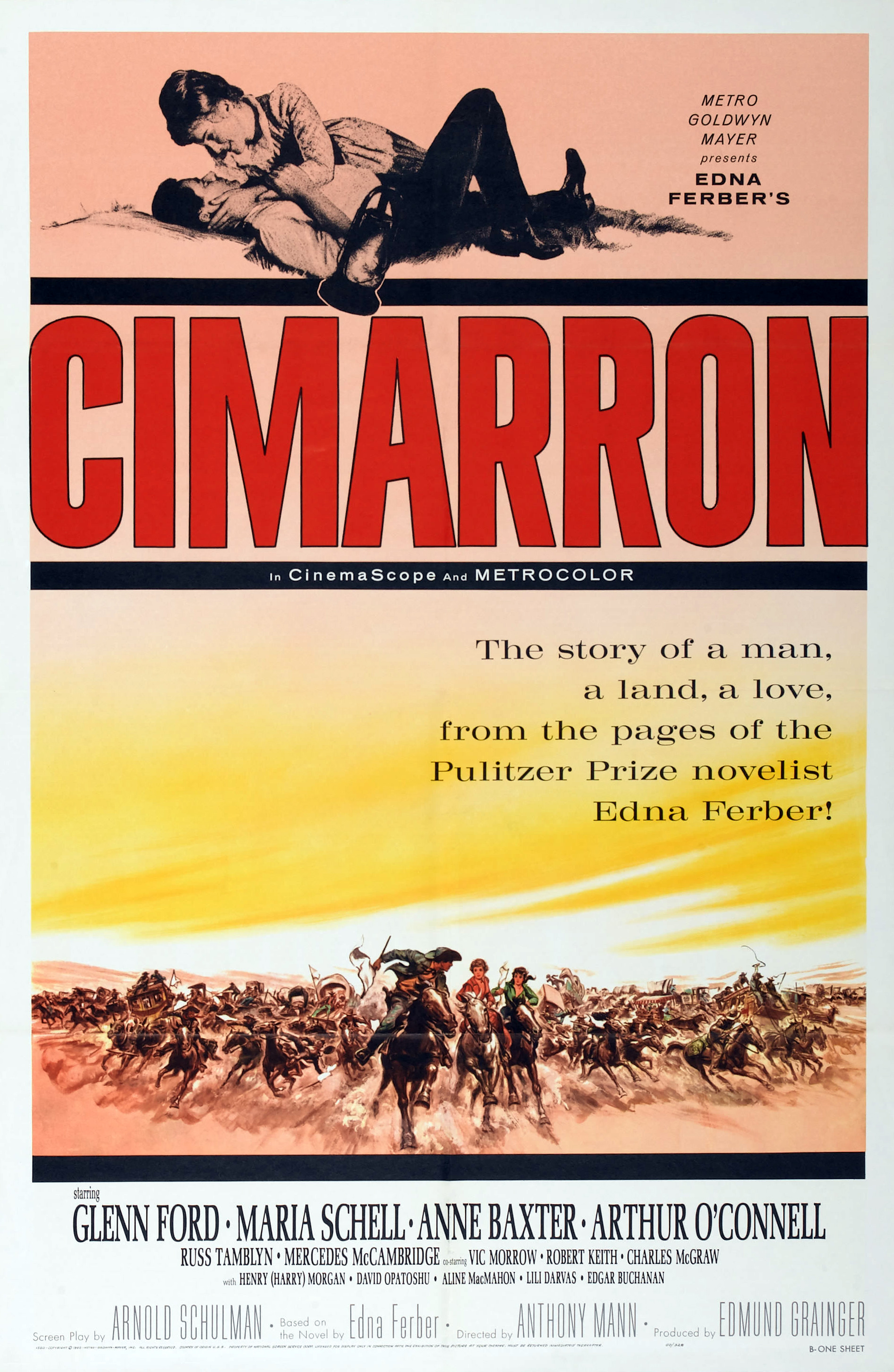
Cimarron (1960)

The epic saga of a frontier family, Cimarron starts with the Oklahoma Land Rush on 22 April 1889. The Cravet family builds their newspaper Oklahoma Wigwam into a business empire and Yancey Cravet is the adventurer-idealist who, to his wife's anger, spurns the opportunity to become governor since this means helping to defraud the native Americans of their land and resources.
The Story Of A Man, A Land and A Love!
Yancey 'Cimarron' Cravat: Before you know I'm gone, I'll be back.
Yancey 'Cimarron' Cravat: Oh, you women. If you didn't have anything to worry about, you'd worry about that.
Mescal, Arizona, USA
Old Tucson - 201 S. Kinney Road, Tucson, Arizona, USA
Janss Conejo Ranch, Thousand Oaks, California, USA
Tucson Mountains, Arizona, USA
20th Century Fox Ranch, Malibu Creek State Park - 1925 Las Virgenes Road, Calabasas, California, USA
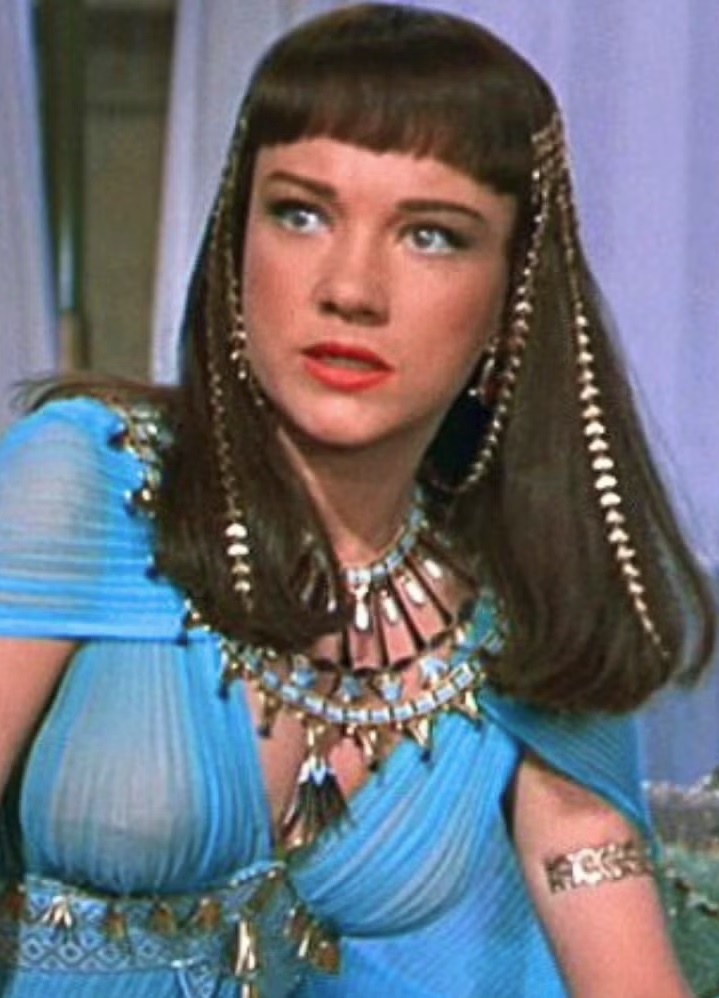
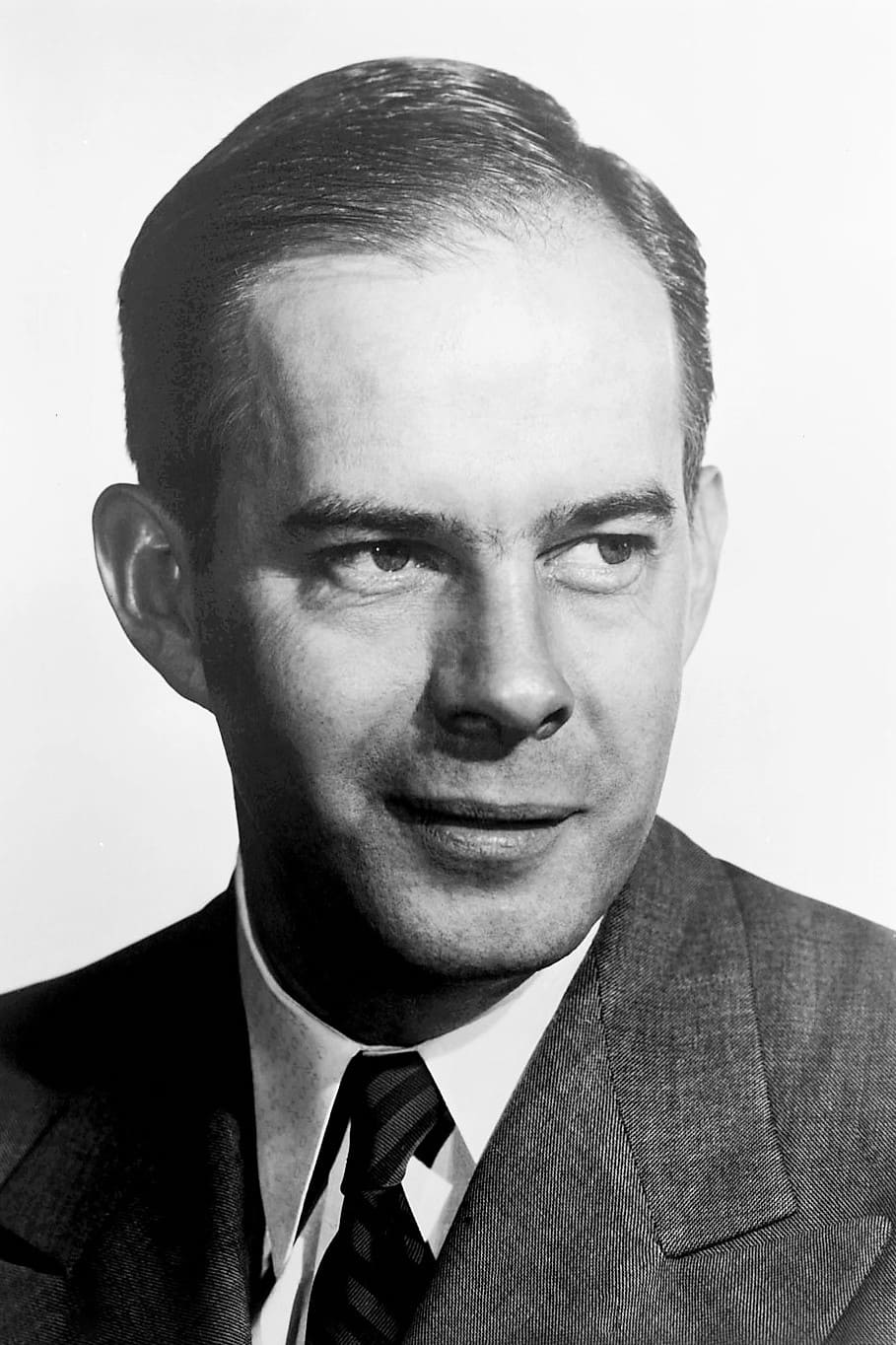
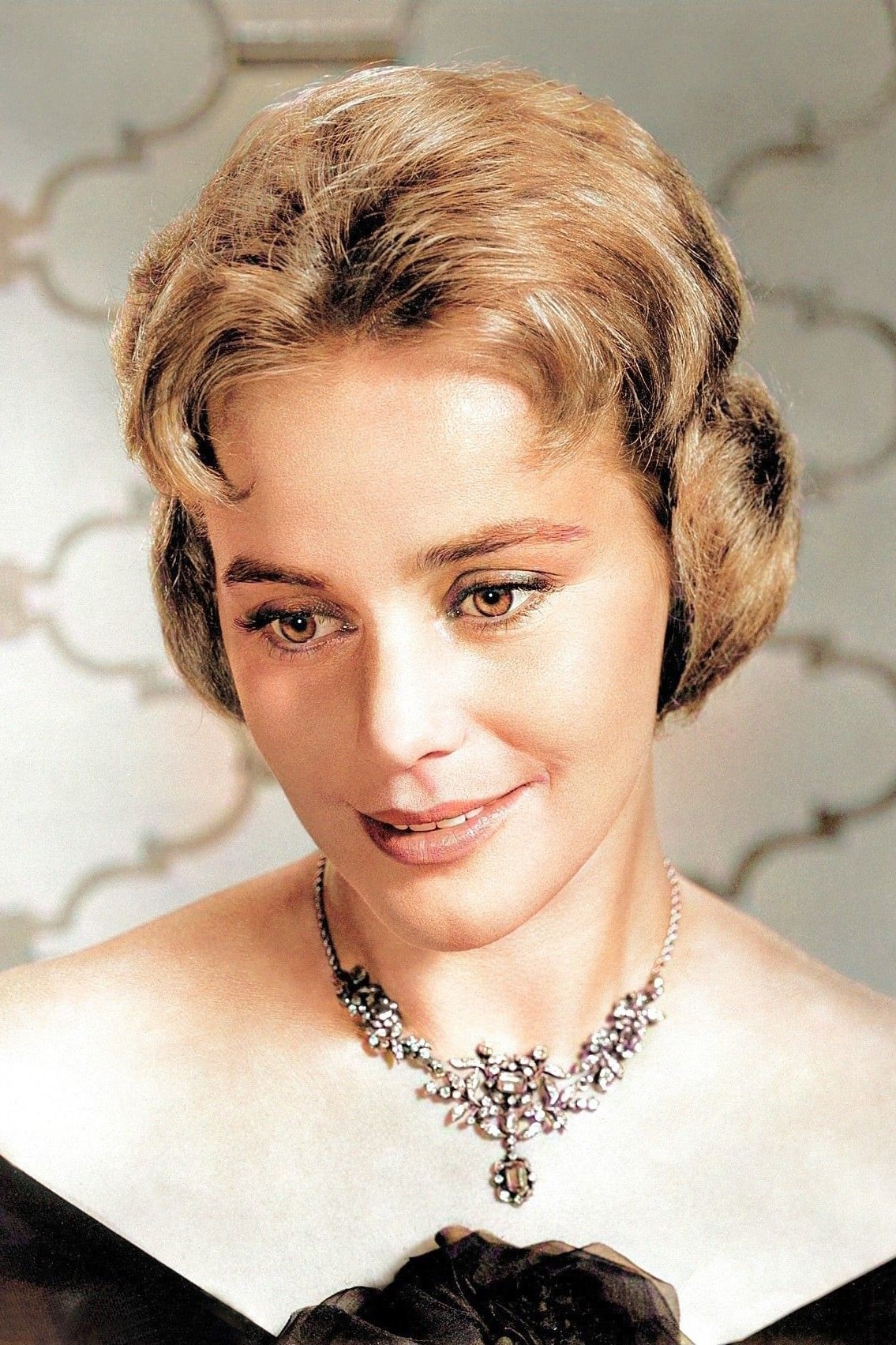
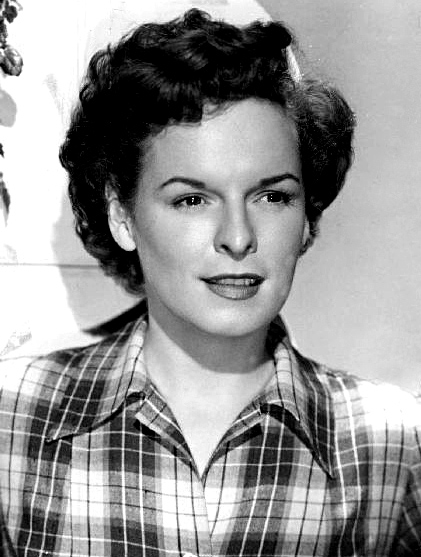
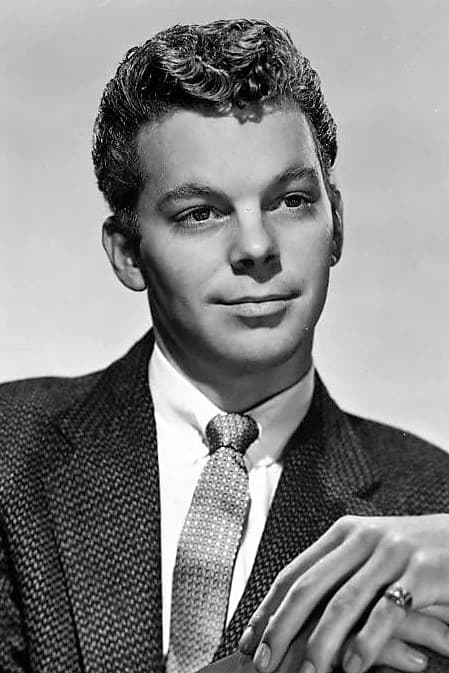
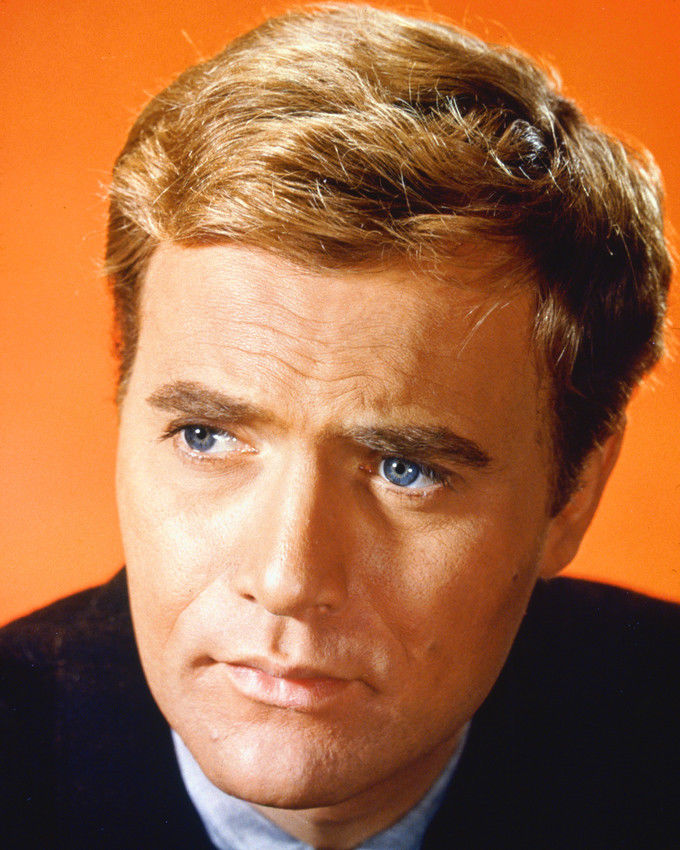
In her memoir "Intermission," Anne Baxter said Glenn Ford and Maria Schell had become very close during production, but by the time the movie premiered in Oklahoma, the two were not speaking to each other.
This was a remake of Cimarron (1931), which was the first Western to win the Oscar for Best Picture. No other Western had won an Oscar for Best Picture by the time this film had been released, and it would almost be 60 years before another Western was to win, Dances with Wolves (1990).
The failure of this film, combined with the disastrous The Four Horsemen of the Apocalypse (1962), created a serious setback in Glenn Ford's run as a major box-office star. He continued working steadily, then experienced a huge rebound in the supporting role of Pa Kent in Superman (1978), which guaranteed him a string of supporting roles until his retirement in 1991. He passed away in 2006 at the age of 90.
A crowd of 1,000 extras, 700 horses and 500 wagons and buggies were used for the land rush scene.
The fictional town of Osage was built on three sound stages. It comprised 11 acres of land at the MGM lot, the biggest western town in the studio's history.
Continuity
During the land rush, several men lasso an Indian driving a wagon and the rope is shown tightening around his neck as they pull him off. In the next scene, they are shown dragging him on the ground, but the rope is now around his waist.
When Yancey drives away for the Cherokee Strips land rush, Jesse (Harry Morgan) has his back to Sabra in the long shots, but is facing her in the close shot.
Factual errors
In the scene where Jessie Rickey is using a letterpress to print "wanted" posters of the Cherokee Kid and his gang, even though he handed a "fresh" copy to Yancey Cravat, he is running the press dry which would yield no printed impressions - on letterpresses of that type, ink would be applied to the lead type with a roller before the paper is laid down to be run through the press. Plus, he is taking the finished copies off and without looking placing them face down - any printer worth his salt would inspect every print for quality before setting it aside.
As with other westerns of the twentieth century, this film displays a great deal of objectification of and stereotyping of native Americans, one of many examples being the name of the newspaper, the "Texas Wigwam / Oklahoma Wigwam". The word "wigwam" is not associated with tribes of the south and southwest but with the tribes of the northeast. The correct word for this type of structure in this location is "wikiup."
Anachronisms
In the New Year's Eve party, colored party balloons fall from the ceiling at midnight. But "twisty neck" party balloons were not developed until the 1950s.