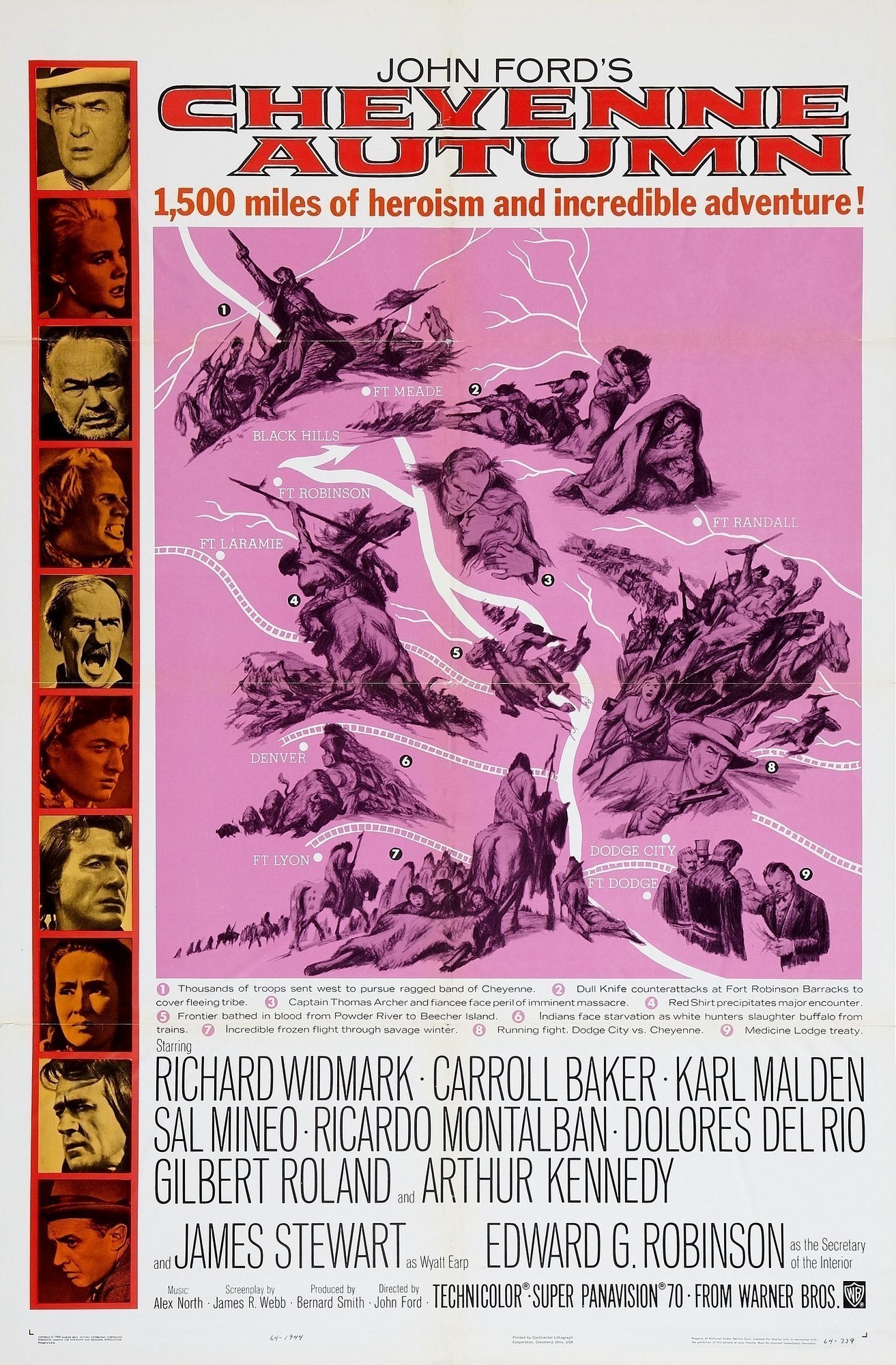
Cheyenne Autumn (1964)

When the government agency fails to deliver even the meager supplies due by treaty to the proud Cheyenne tribe in their barren desert reserve, the starving Indians have taken more abuse than it's worth and break it too by embarking on a 1,500 miles journey back to their ancestral hunting grounds. US Cavalry Capt. Thomas Archer is charged with their retrieval, but during the hunt grows to respect their noble courage, and decides to help them.
LAND-GRABBING DOLLAR PATRIOTS!
Capt. Thomas Archer: Remember, Mr. Scott, the trick to being brave is not to be too brave.
Monument Valley, Utah, USA
Park Avenue, Arches National Park, Utah, USA
Fort Laramie National Historic Site - 965 Gray Rocks Road, Fort Laramie, Wyoming, USA
(portrayed the actual military installation)
Goulding's Lodge, Monument Valley, Utah, USA
Mexican Hat, Utah, USA
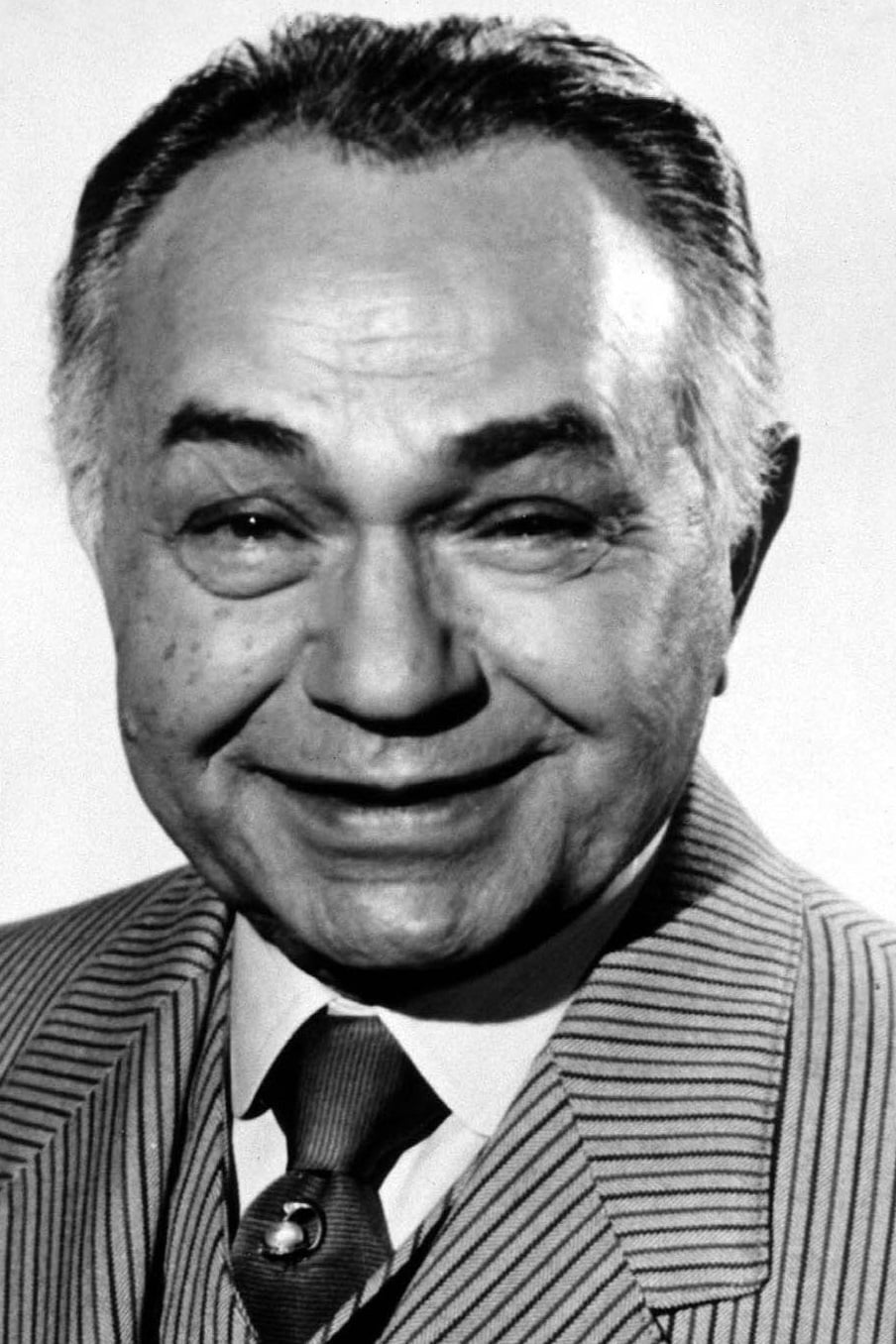
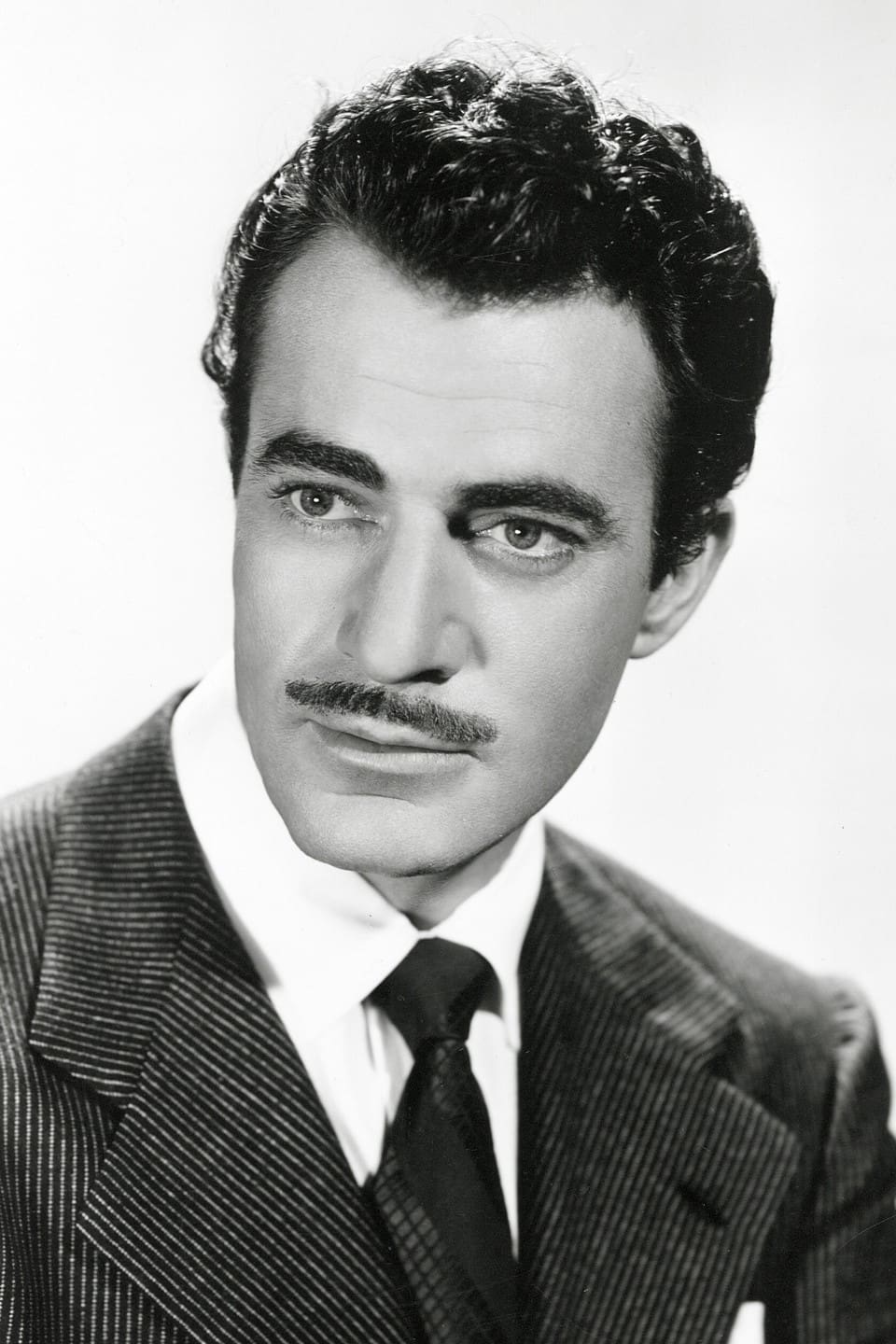
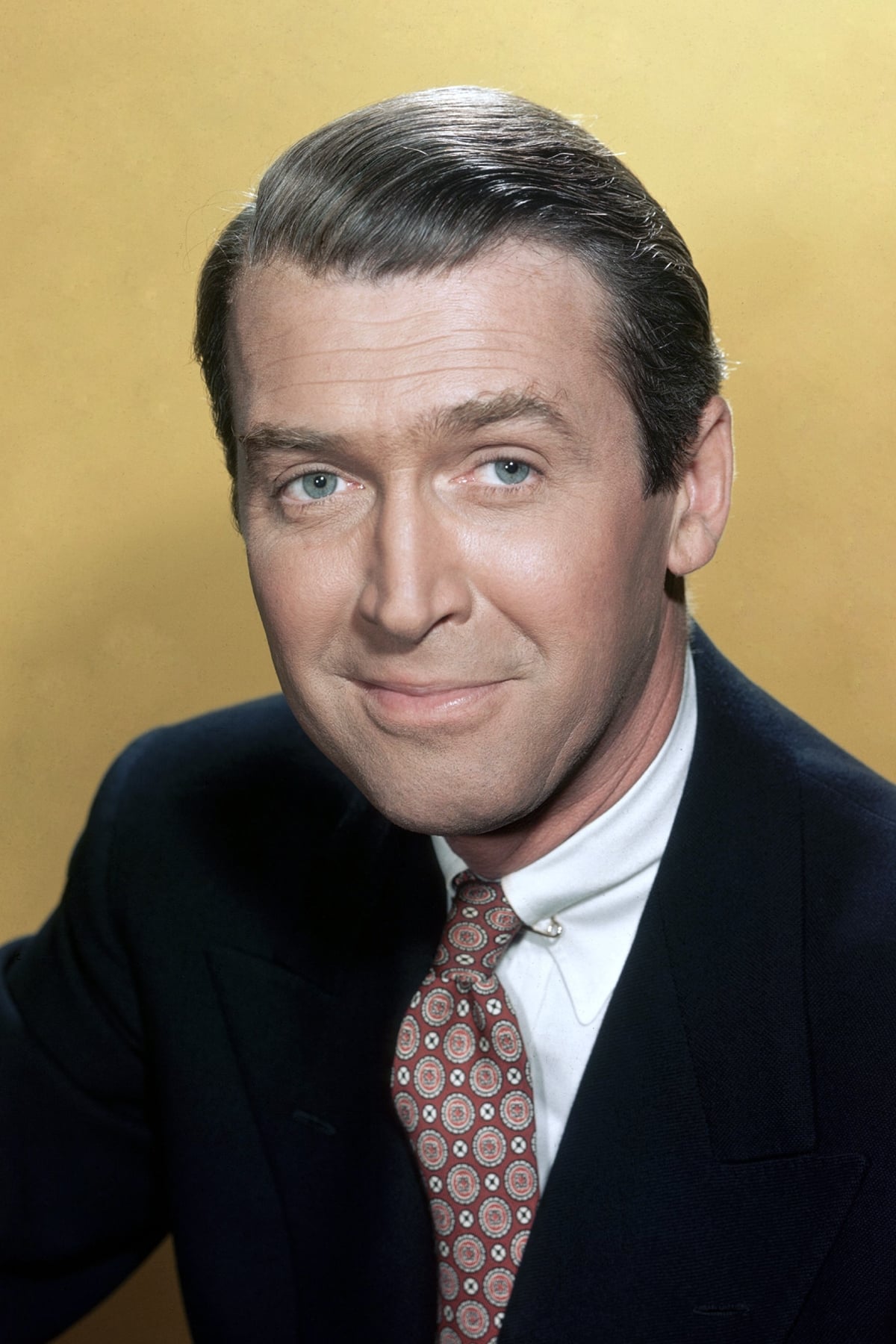
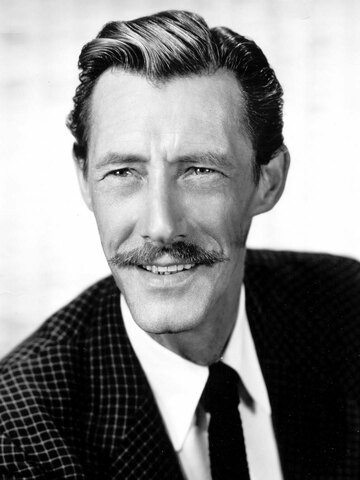
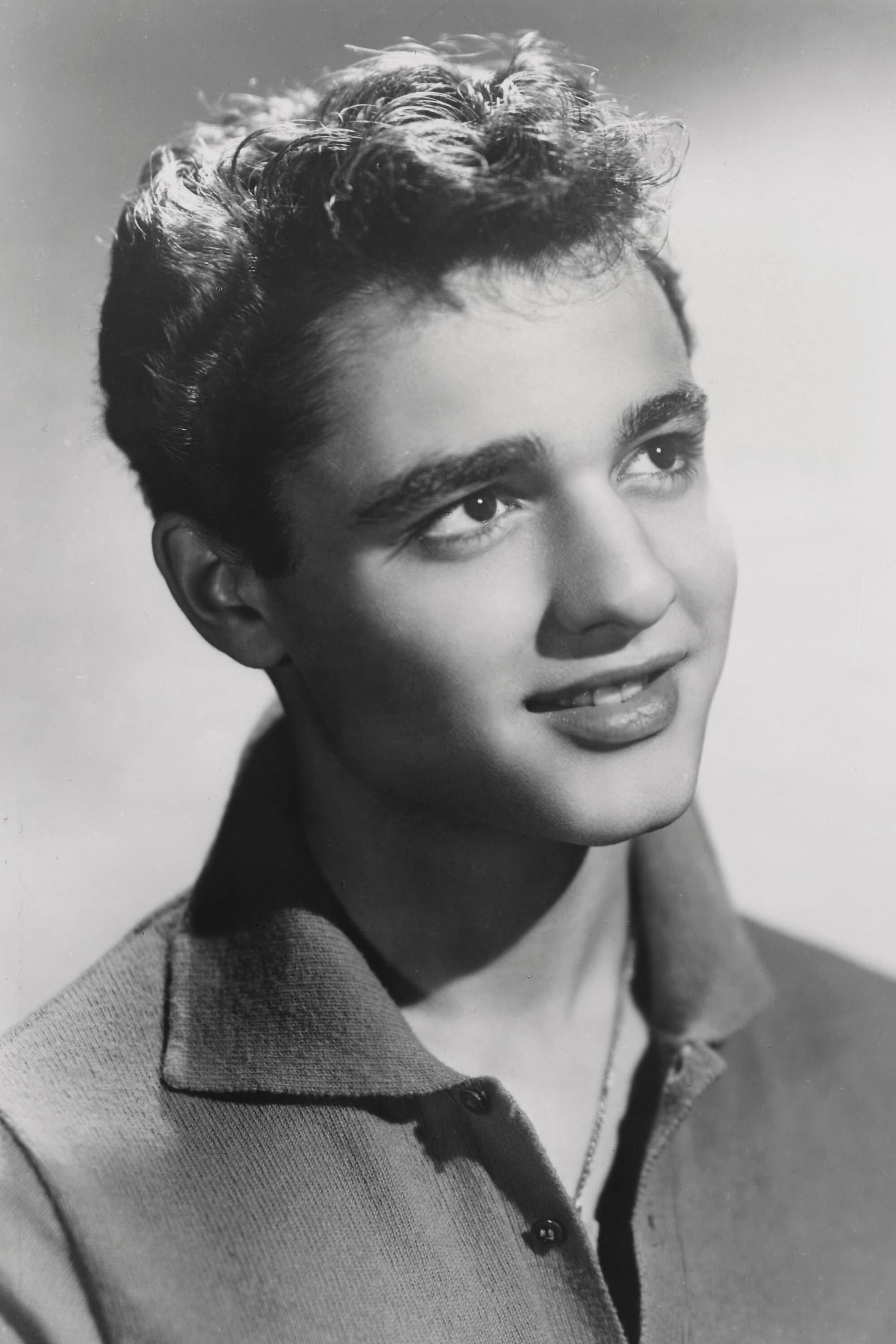
John Ford would not allow Sal Mineo to speak any English dialog in the movie due to the actor's Bronx accent.
Years earlier Richard Widmark had the historical subject matter researched at Yale. He brought the material to John Ford, who didn't want to make it. Years later Ford, who had kept the research, changed his mind and asked Widmark to star.
Little Wolf was a chief of the Cheyenne tribe in 1878. He and another chief led the Cheyenne off their Oklahoma reservation and took them back to their homeland in Montana, despite hundreds of US cavalry troops trying to stop them. This was called the "Cheyenne Autumn Trail" and is the basis for this film.
The "Cheyenne" in the film are actually Navajo, and they are speaking in the Navajo language (mostly telling each other dirty jokes).
When film critic Peter Bogdanovich visited the set to interview John Ford, he was introduced to Nancy Hsueh, who played Little Bird, whom Bogdanovich later cast in his first film, "Targets (1968)." While Bogdanovich was on the set, Sal Mineo recommended the book "The Last Picture Show" by Larry McMurtry to him. Seven years later Bogdanovich brought the book to the screen, as his second film, "The Last Picture Show (1971)." Ben Johnson, who appears in this film, also appeared in "The Last Picture Show", for which he won an Academy Award.
Factual errors
The language used by the Cheyenne in this movie is not Cheyenne. It is Navajo. Cheyenne is an Algonquian language, whereas Navajo is Athabaskan (Na Dene), and they do not sound even remotely similar. This is explainable, however, by the fact that this film was shot on the Navajo Nation.
During the cavalry's first encounter with the Indians, the cannons are fired and there is absolutely no recoil.
James Stewart and Arthur Kennedy are clearly both far too old to be Wyatt Earp and Doc Holliday.
A lot of confusion in the production design appears on the screen. The story represents the plains dwelling Cheyenne who want to leave their Oklahoma reservation for Wyoming. Yet much of the costuming appears to be Navajo and Apache. And the Monument Valley landscape has no relationship to Oklahoma.
Captain Wessels had ordered the door locked to the warehouse, after he went in to talk to the Indians. As he bangs on the door to be let out, the soldier opens it immediately. That would have taken at least 5 seconds to unlock.
Revealing mistakes
When Secretary of the Interior Carl Schurz talks with the colonel at the Victory Cave, the soldiers standing in the background are from a totally different scene: the light, colors and proportions are different.
Miscellaneous
The Indians at the fort surrender but are allowed to keep their rifles, knives and war clubs.
Anachronisms
The lanterns held by army guards outside the warehouse where the Indians were being kept after surrendering were "Coleman" lanterns, first produced in 1914.
About a third of the way through the movie, when the "white" guys charge the Indians, their charge takes them across virgin sand. Except for the track of what is clearly a modern car (tread marks clearly visible) across their path.
In various shots, most notably when we first see the cavalry outpost, jet contrails can be seen in the skies.
Errors in geography
The Navajos travel 1500 miles but never seem to leave Monument Valley, except for some snow scenes.
There are no mountains in Nebraska. During the Fort Robinson sequence, mountains are visible, whereas Nebraska has no mountains.
The Cheyenne Indians cross the Canadian River in Indian Territory, which today is known as Oklahoma. The film was shot in Utah, where the magnificent desert bluffs and mountains in the scene exist. Nothing along the Canadian River in Oklahoma even closely resembles this. The Canadian River flows through prairie and is lined by cottonwood and other trees.
Plot holes
Where did the buried guns the Indians uncover come from. They were brought by the cavalry. Guarded by the cavalry. Nothing in the story explains where the came from.