
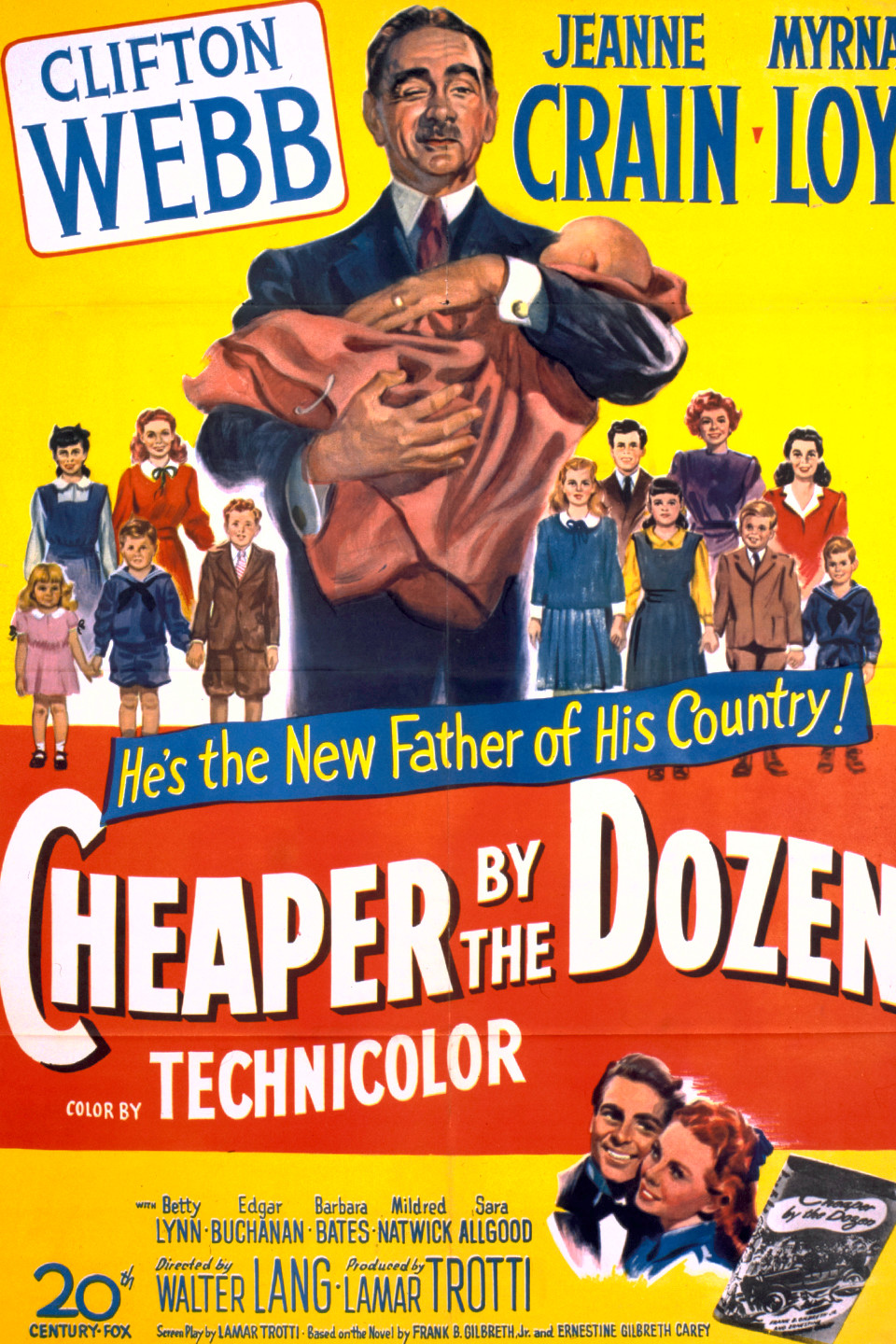
Cheaper By The Dozen (1950)

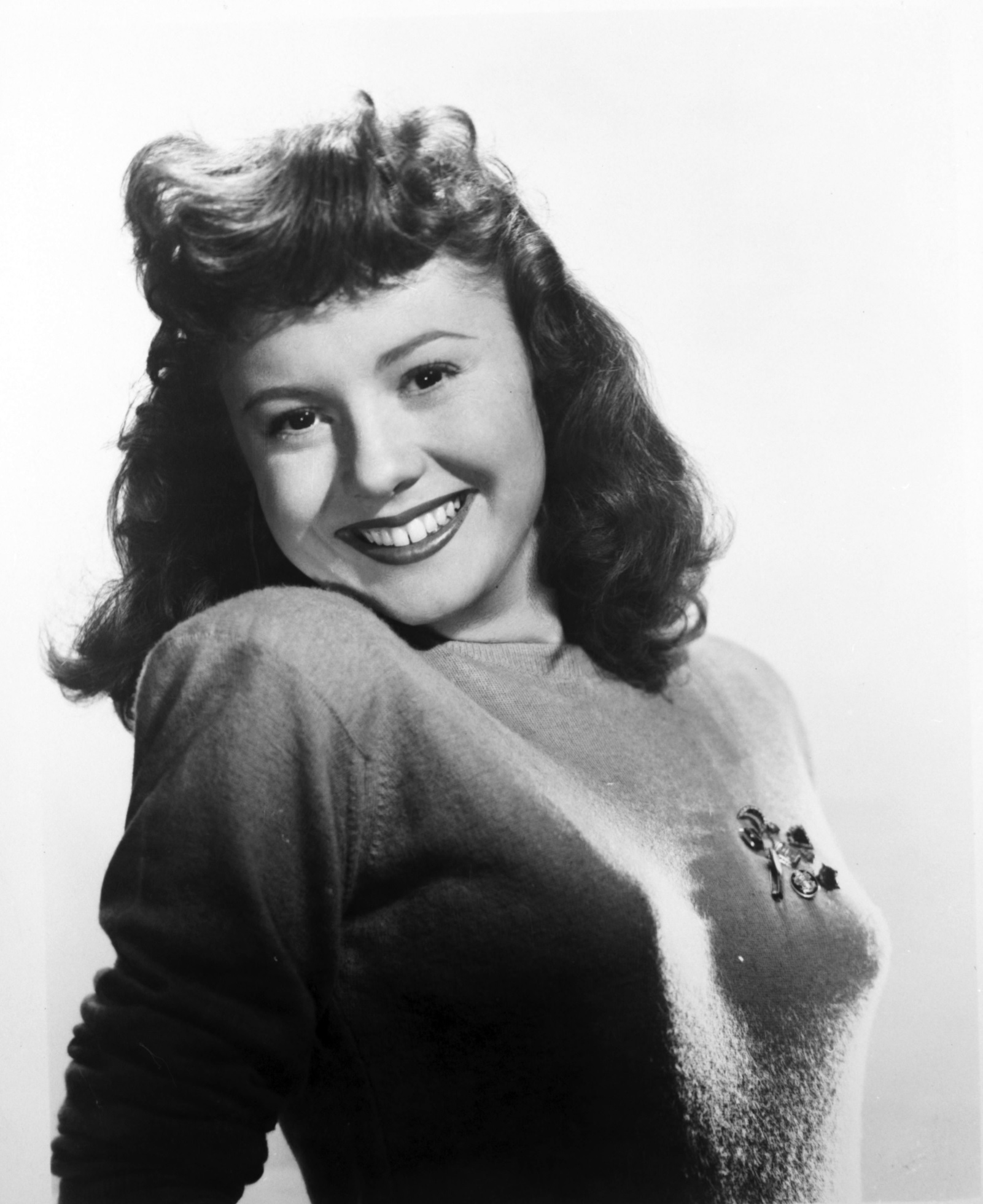
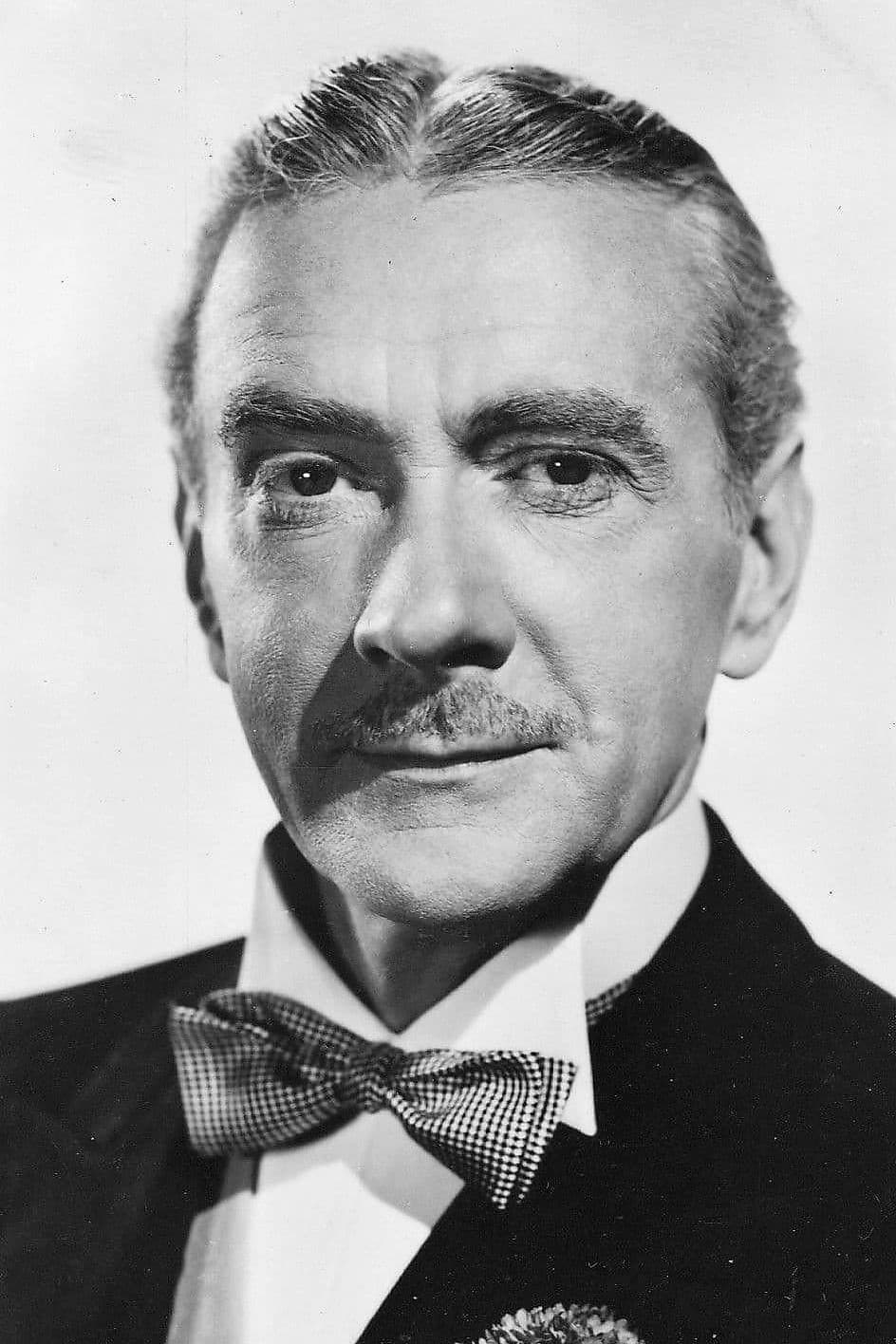
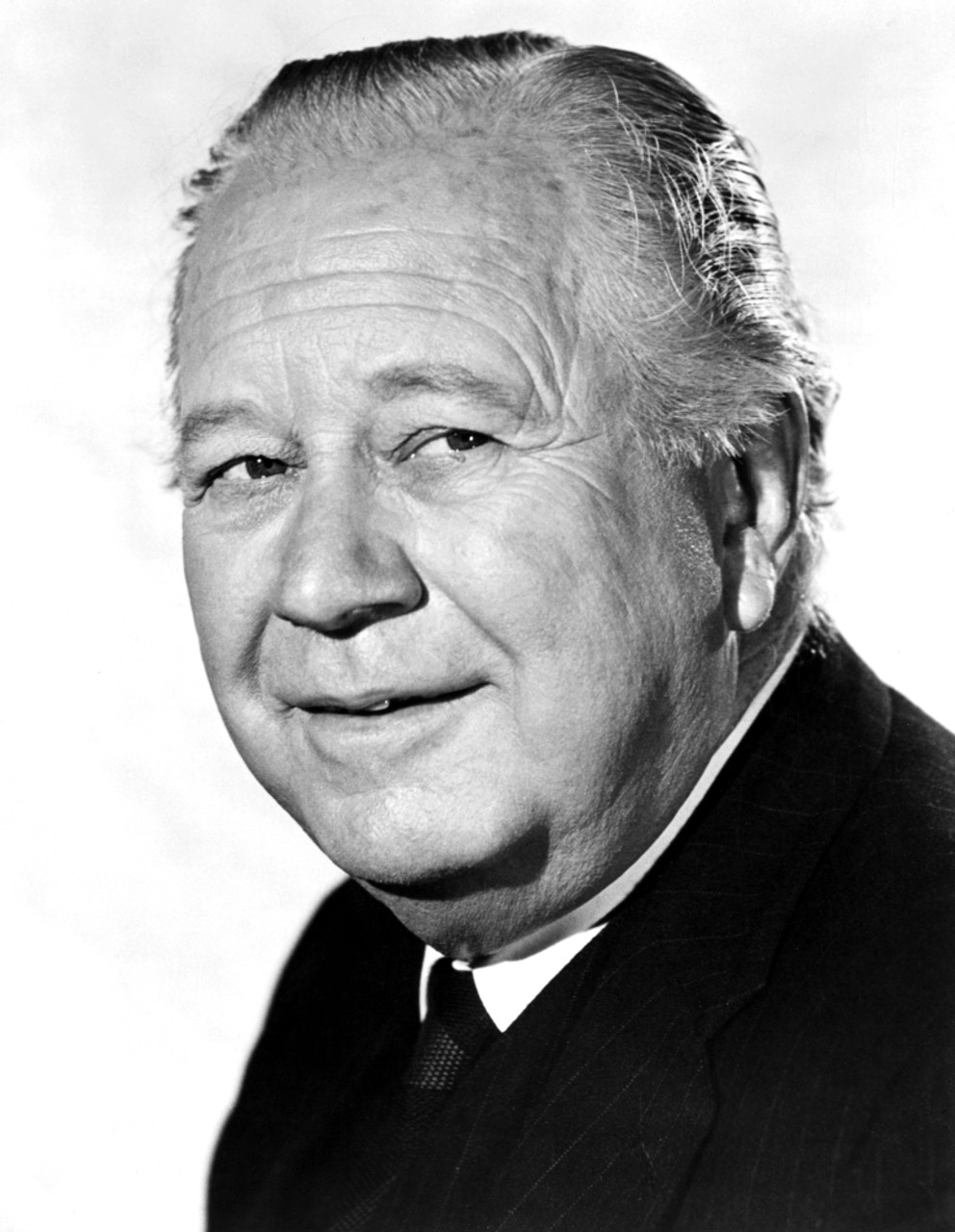
Even allowing for the fact that it owed its existence to the popularity of Life with Father (1947), Cheaper by the Dozen is one of the freshest, funniest and most enduring "family" films ever to emerge from Hollywood. Based on the autobiographical novel by Frank Gilbreth Jr. and Ernestine Gilbreth Carey, this is the mostly true story of famed efficiency expert Frank Bunker Gilbreth. As played by Clifton Webb, Gilbreth is a benevolent despot in his own home, managing to keep order and (sometimes) sanity despite the presence of twelve children (hence the title). Myrna Loy co-stars as Gilbreth's wife Lillian, who provides balance to her lively household, while Jeanne Crain is allotted the somewhat thankless role of eldest daughter Ernestine (who also narrates the story). The original book was basically a series of non-chronological anecdotes: Lamar Trotti's screenplay provides a throughline in the form of Gilbreth's ongoing ambition to deliver a series of lectures in Europe. The best moments (taken almost verbatim from the novel) include: Papa Gilbreth's insistence upon filming his family's tonsillectomies, including his own; a cruel but undeniably funny vignette wherein the Gilbreths flummox a lady advocate of planned parenthood (Mildred Natwick); Mr. Gilbreth giving an impromptu demonstration on how to take a bath in the least amount of time; and daughter Ernestine's senior prom, where her father ends up as the life of the party (appearing in this sequence as a Southern belle is Betty Lynn, who later played Thelma Lou on TV's Andy Griffith Show). The decision to retain the book's surprisingly downbeat ending provides a poignant coda to this heartwarming comedy. Cheaper by the Dozen was followed in 1952 by a sequel, Belles on their Toes.
He's the New Father of His Country!
Repairman: All those kids yours mister, or is this a picnic?
Frank Gilbreth: They're all mine and believe me, it's no picnic!
Century City, California, USA
Los Angeles, California, USA
Culver City, California, USA
St. Louis Street, Lot 3, Metro-Goldwyn-Mayer Studios - 10202 W. Washington Blvd., Culver City, California, USA
(Gilbreth residence, demolished in 1972)


Based on the real-life Gilbreth family. Daughter Mary died from a childhood illness; the movie includes a Mary but keeps her somewhat in the background with no lines.
The big house the family moves to in Montclair is the same house set originally built for Judy Garland's family in Meet Me in St. Louis (1944). Fox didn't have an appropriate standing outdoor set so they rented time on the "St. Louis Street" on MGM lot #2.
In the movie, the last child born is a boy named "Robert". But in real life, the last Gilbreth child was a girl named "Jane". There was a son named Robert, but he was the second-to-last child born.
On the shelf in the living room is a picture of the real life Frank Gilbreth in uniform as an Army Major during WWI. This is visible outside the makeshift operating room during the mass tonsillectomies.
Continuity
Near the end of the film when Frank Sr. is getting in his car to head for Europe, he tosses his hat on the seat with his coat on top of it. After saying goodbye to his family, he gets into the car and the hat is on top of the coat.
Anachronisms
During the high-school dance, the band plays "Lucky Lindy," a 1929 song describing Charles A. Lindbergh's solo trans-Atlantic flight in 1927. Frank Gilbreth died in 1924--three years before Lindbergh's flight and five years before the song became popular.
In the opening shot of Providence, RI seen a railroad yard, clearly visible on the track is a diesel switch engine. The first diesel locomotives had not been invented until the mid-1930's. The movie is set in the mid-1920's.
Crew or equipment visible
As the camera zooms in during the tonsillectomy, you can see the shadow of the camera on the back of one of the nurses' white coats.
The shadow of the camera equipment is visible on the grass when Frank Sr. is telling everyone goodbye when he is leaving for Europe.
The shadow of the boom mic is visible in the dining room at the Nantucket summer home scene.
Character error
At a party, a man gets a dark purple drink from the punch bowl and tells a woman, "I hope you like pineapple."